Matox News

Truth Over Trends, always!

Mount Everest rescue underway as snowstorm traps nearly 1,000 climbers—urgent response in action

Amidst the rugged terrains of the Himalayas, recent natural disasters have spotlighted the fragile balance between climate change and geopolitical stability. In China, rescue efforts are ongoing to save nearly 1,000 trekkers stranded on the eastern slopes of Mount Everest following a severe snowstorm. The incident underscores the increasing unpredictability of weather patterns in this sensitive mountain range, which has historically served as a symbol of international adventure and aspiration. According to Chinese state media, hundreds of visitors seized the opportunity of an extended Chinese National Day holiday to visit the remote valley of Karma, leading many into peril as heavy snowfall rooted them in place. The response by local authorities demonstrates a critical coordination of resources, yet it also highlights vulnerabilities in managing the swelling influx of tourists amid changing climatic conditions.

The disruption in Tibet’s eastern face serves as a stark warning to the international community. The Himalayas are not only a geographic boundary but also a hotly contested locus of strategic importance, especially when environmental shifts produce dramatic events such as landslides and avalanches. Since the snowstorm struck, over 350 individuals have been safely relocated to the township of Qudang, with authorities working tirelessly to reach those still unaccounted for. Such incidents expose how nations like China and its neighbors are increasingly affected by climate fluctuations that threaten human safety and economic stability. The timing—during the peak tourist season—raises questions about the unprecedented challenges faced by nations tasked with safeguarding both their citizens and their international reputation from natural calamities driven by global warming.

On the southern side of Tibet, in Nepal, the story is equally troubling. Heavy rains since Friday have caused devastating landslides and flash floods, claiming at least 47 lives across the country. The destruction of critical infrastructure—roads, bridges, and even entire villages—has further isolated communities and complicated rescue efforts. This chain of events exemplifies how climate-induced extremes are reshaping the Himalayan geopolitical landscape, potentially fueling tensions between nations over resource access and disaster management. Analysts from the United Nations Environment Programme warn that these catastrophes may worsen as climate change accelerates, transforming the mountain region into a precarious geopolitical chessboard where local vulnerabilities intertwine with international interests.

Indeed, what is unfolding in these mountain corridors underscores a key **geopolitical impact**: the increasing importance of environmental security in international relations. Countries bordering Tibet—India, Nepal, and China—must navigate complex dynamics shaped by natural disasters and climate adaptation. The incidents on Everest and in Nepal could serve as catalysts for greater cooperation or rivalry, depending on how nations respond to shared vulnerabilities. The importance of multinational frameworks—like the underperforming Regional Himalayan Climate Initiative—becomes ever more evident as the region faces a new reality where natural calamities threaten to exacerbate existing geopolitical tensions.

As these events unfold with relentless force, the question remains: how will the Himalayan powers adapt to an increasingly unpredictable environment? Will they unite to forge resilient solutions or succumb to the chaos that climate change is unleashing upon this vital geopolitical nexus? With the weight of history pressing upon their shoulders, the nations of the Himalayas stand at a crossroads—where decisions made today will shape not just the future of their peoples but also the stability of an entire region. The mounting crises remind us that the Himalayas are more than just a majestic backdrop—they are a barometer of global health, and the current turbulence signals that humanity must confront the profound implications of an earth pushed to its environmental limits. As rescue efforts continue and nature’s fury remains unabated, the unfolding story of the Himalayas will be etched into the annals of history—an enduring testament to the indomitable resilience or inevitable decline of nations caught in the grip of Earth’s changing climate.
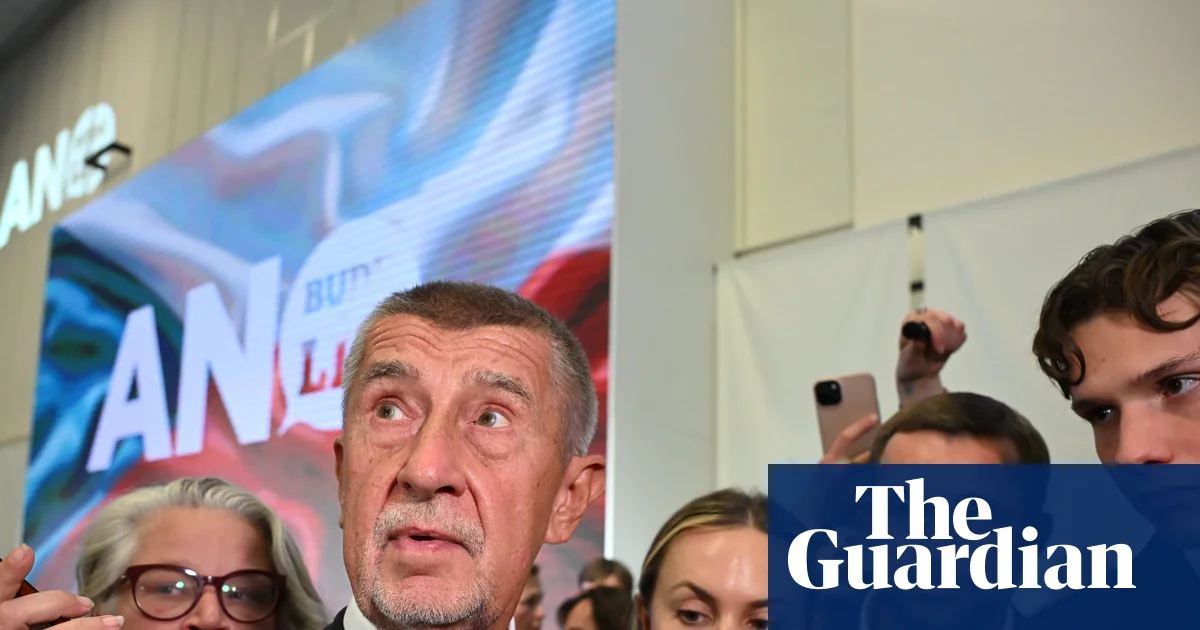
Andrej Babiš Relaunches Government Talks with Czech Parties

Rallying for Power: Czech Republic’s Political Future in Flux

In a critical moment of European politics, Andrej Babiš, the billionaire populist and former prime minister, is maneuvering through the intricate parliamentary landscape of the Czech Republic. Following the recent elections, Babiš’s ANO party emerged as the largest bloc, capturing 34.5% of the vote—an impressive victory that nonetheless fell short of an outright majority in the 200-member parliament. This electoral outcome underscores the persistent divide within Czech society, where populist sentiments and traditional European values collide amid the ongoing reshuffling of the continent’s political order. With opposition parties ruling out coalition with ANO, Babiš’s task becomes a high-stakes game of diplomacy and political brinkmanship involving fringe right-wing groups such as SPD and the Motorists.

As President Petr Pavel holds meetings with party leaders, the broader geopolitical impact becomes increasingly evident. Pavel has signaled his intent to steer the nation in a “pro-western direction” and uphold the core democratic institutions that it shares with the European Union and NATO. Importantly, Pavel’s stance reflects a strategic counter to the populist rhetoric of Babiš, who has publicly vowed to oppose EU migration policies and green initiatives, advocating instead for a more nationalist, sovereignty-focused approach. This impending power struggle is pivotal not just for the Czech Republic but for the stability of the EU, especially considering the recent comments from European factions and the warnings from international analysts about how domestic politics can influence EU cohesion.

The international community remains vigilant as Babiš seeks to solidify his position. European far-right leaders like Orbán of Hungary and Marine Le Pen of France have rushed to praise Babiš, framing his success as a broader surge of patriotic parties across Europe. This wave of nationalism risks further fracturing the European project, especially if Babiš manages to form a government that echoes anti-EU sentiment—despite his repeated protests of being “pro-European” and “pro-Nato.” The analysts from the European Parliament and think tanks warn that such alliances could threaten the unity of the bloc, challenging its collective response to external threats and migration crises.

According to historians and geopolitical analysts, the future of Czech politics could significantly reshape regional alliances and influence EU strategy. The possible emergence of a minority government supported by fringe right-wing parties may destabilize Czech deliverables on European and Atlantic commitments. The risks extend beyond domestic politics; a shift towards more nationalist, Eurosceptic policies could embolden similar movements in neighboring states, fostering uncertainty in a critical corner of Europe. As the nation’s leaders scramble for power, the corridors of European influence are echoing with cautionary warnings. This internal clash, rooted in contrasting visions for national sovereignty versus European integration, signals a tense prelude to what could be a defining chapter for Czech society and its role within the broader international order.

This unfolding drama is more than a local political saga; it is a microcosm of the ongoing battle over the soul of Europe. The decisions made in Prague will reverberate across continents, testing the resilience of alliances and the resolve of democratic institutions. As history continues to unfold with the weight of consequence, the world watches—standing at the precipice of change, where the future is forged not just in elections but in the enduring struggles over identity, sovereignty, and the path of nations on the global stage.

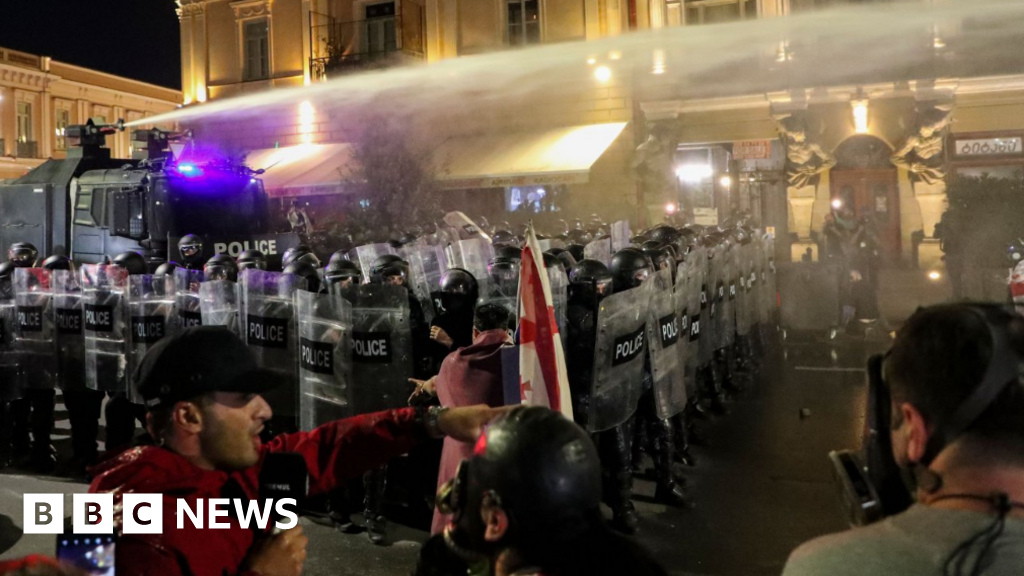
Georgia youth rally to defend national sovereignty at Tbilisi presidential palace

In an unfolding chapter of geopolitical instability, Georgia has spiraled into a state of escalating unrest, sending shockwaves through the Caucasus and attracting international scrutiny. The recent clashes in Tbilisi, characterized by police firing water cannons and pepper spray at thousands of protesters, mark a critical turning point in the nation’s ongoing struggle over sovereignty, democracy, and alignment with Western institutions. The crisis began when the ruling Georgian Dream party claimed victory in last year’s election—an outcome the pro-European opposition dismisses as fraudulent, sparking mass protests that culminated in attempts to storm the presidential palace. These events symbolize not only domestic dissent but also deeper geopolitical tensions that threaten to redraw regional alliances.

The protests, mobilized by a broad segment of Georgians demanding the release of political prisoners and fresh elections, have been accompanied by a significant crackdown—a pattern of repression highlighted by health injuries observed among police officers and protesters alike. The opposition, led by figures like opera singer Paata Burchuladze, and an energized youth contingent have overtly accused the government of succumbing to Russian influence and stifling democracy. The government’s response, including the use of aggressive crowd control tactics and the detention of opposition leaders, raises serious concerns about the future of democratic institutions in the country. Commentators such as analysts from the European Union warn that Georgia’s political crisis could destabilize the entire region, which remains a highly sensitive area amid ongoing conflicts and shifting alliances.

Since the suspension of talks on joining the European Union last November, the country has plunged into chaos. The decision was a pivotal warning shot for Western nations, illustrating how internal upheaval can influence broader regional stability. Many in the international community fear that the Georgian government’s tightening grip on opposition voices could pave the way for further authoritarian moves. Indeed, some historians argue that the current unrest echoes the early signs of deep-rooted societal divisions, with urban youth and regional supporters divided on Georgia’s direction towards Europe or Russia. The international organization EU and NATO have expressed concern over the potential for regional destabilization. As Georgia’s future hangs in the balance, the world watches, knowing that this struggle for democracy is more than just a local dispute—it is a mirror of the shifting global order.

As night falls on Tbilisi, the city remains a symbol of resilience amid chaos, with protesters solemnly declaring their resolve to reclaim their nation. The scene is emblematic of a broader battle—one where democracy and sovereignty are at stake, echoing through the corridors of international power. The decisions made beneath the turmoil hold the potential to shape not just the destiny of Georgia but to influence the geopolitical landscape of the Caucasus for generations to come. History, it seems, is watching as ordinary citizens and political elites alike confront the monumental forces that threaten to define the era, reminding viewers that sometimes the most pivotal moments in history are etched in the blood and tears of those daring to challenge the status quo.

Fiji's HIV Surges as Blue-tooth Parties, Chemsex & Needle Sharing Fuel Rise
Fiji’s HIV Surges as Blue-tooth Parties, Chemsex & Needle Sharing Fuel Rise

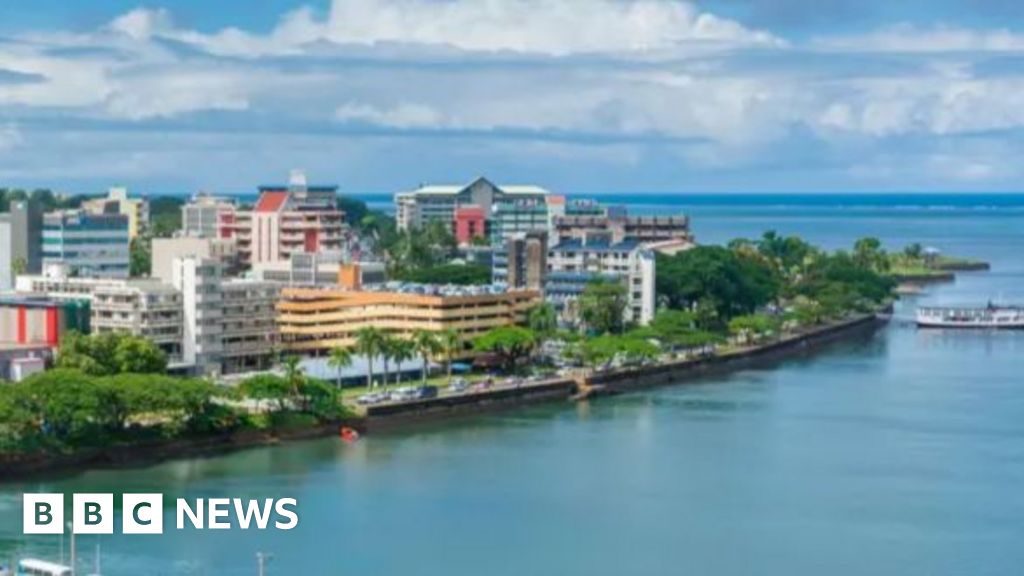
In the remote and strategically positioned Pacific island of Fiji, a devastating health crisis is unfolding at an alarming rate. Once a nation with relatively modest HIV prevalence, Fiji now faces an epidemic on the brink of catastrophe, with official figures indicating a thirteenfold increase in cases over the past five years. From fewer than 500 infected individuals in 2014 to nearly 6,000 in 2024, the nation exemplifies how poorly managed drug policies, social stigma, and illicit trafficking can combine to unleash a humanitarian disaster that threatens regional stability. The global health community has sounded the alarm, warning of the “avalanche” approaching Fiji—a metaphor that international analysts like José Sousa-Santos from New Zealand’s University of Canterbury describe as “a perfect storm brewing.”

The core drivers of this crisis are deeply rooted in rising intravenous drug use, unsafe sexual practices, and a cultural phenomenon known as bluetoothing, where blood is shared during drug injections, facilitating the rapid spread of bloodborne viruses like HIV. Frontline advocates and NGOs, such as Drug Free Fiji, have documented firsthand evidence of these dangerous practices. Despite social stigma diminishing, the illegal circulation of drugs such as methamphetamine and the absence of adequate harm reduction programs, including needle-syringe exchanges, have exacerbated the epidemic. Fiji’s geographic vulnerability as a trafficking hub between East Asia and Australasia further fuels the crisis, culminating in a surge of young users, with children increasingly falling victim—some as young as ten. Such alarming trends have aligned with the international community’s concerns over the country’s capacity to manage the burgeoning outbreak, with official projections estimating over 3,000 new HIV cases by the end of 2025.

This crisis, however, extends far beyond Fiji’s borders. It exposes the broader geopolitical implications of drug and health security in the Indo-Pacific region. Countries like Australia and New Zealand, with their significant Pacific refugee populations and strategic interests, face the direct repercussions of an unstable Fiji—one where infectious diseases could jump borders if not contained. Historians and regional security experts note that Fiji’s governance and healthcare system are under immense strain, hampered by shortages in medical supplies, insufficient staffing, and outdated communication infrastructure. The Global Alert and Response Network has highlighted that these logistical failures undermine the entire regional effort to contain infectious diseases, allowing the epidemic to metastasize into a regional threat. As analysts warn that the current measures are insufficient, many fear an irreversible slide into widespread societal destabilization that could take generations to recover from.

The unfolding story of Fiji’s HIV epidemic is a stark reminder of how fragile stability is when neglected by international policymakers and local authorities alike. As the international community debates solutions, the ticking clock remains—the infection rate has already surged, and the support systems necessary to reverse this trend are critically inadequate. The experts warn that this is not merely a local tragedy but a harbinger of widespread instability across the Indo-Pacific. The weight of history presses heavily upon the shoulders of Fiji and its neighbors, as they teeter on the brink of an unprecedented health and security crisis. The unfolding chapters of this story will determine whether the tide will turn or whether Fiji, with its rich culture and resilient people, will succumb to the mounting chaos. In this crucible of national peril, the world watches—as lives hang in the balance, and history awaits its next decisive act.

Al-Shabab militants disguise as soldiers to raid Somali jail—an alarming threat to security

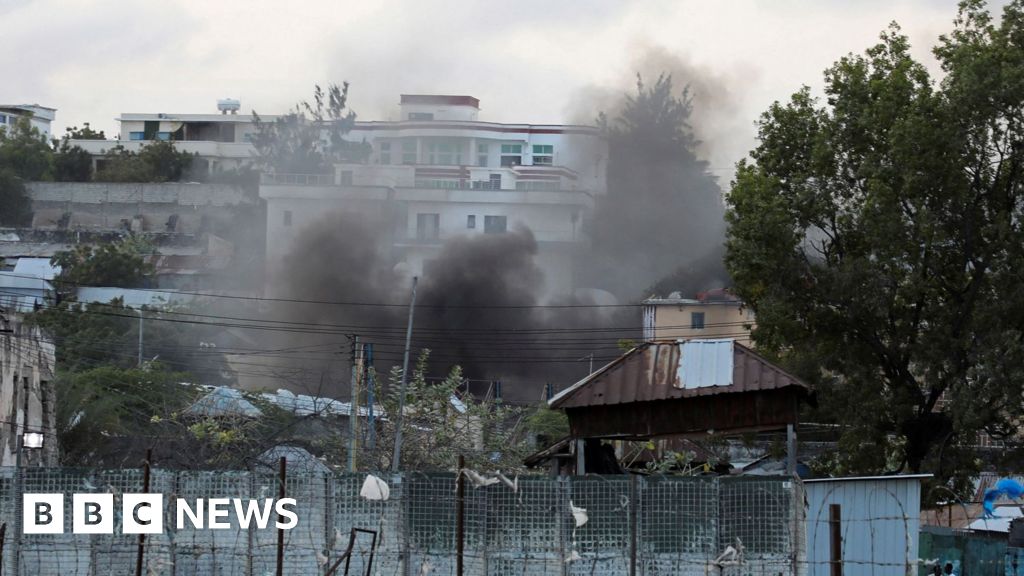
In a dramatic escalation of Somalia’s ongoing security crisis, seven al-Shabab militants were reportedly killed after an audacious attack on one of Mogadishu’s most secure detention facilities. The Godka Jilicow prison, located near the presidential palace and managed by the nation’s National Intelligence and Security Agency (NISA), became the battleground in a daring assault that underscores the persistent threat posed by the insurgent group. Despite claims by al-Shabab to have released all Muslim prisoners and inflicted heavy casualties, the Somali government affirmed that the perpetrators were eliminated, highlighting the resilience of state security forces amid ongoing turmoil.

The attack began around 16:40 local time, characterized by a powerful explosion followed by intense gunfire, as militants disguised themselves as soldiers in an attempt to breach the facility’s defenses. The incident, unfolding near the heart of the capital, underscores how al-Shabab continues to threaten Somalia’s fragile stability. The group, linked to al-Qaeda, has waged a near two-decade insurgency, relentlessly attacking government institutions and security forces in an effort to destabilize the country and enforce its brutal interpretation of Islamic law. Hours prior to the attack, the government had reopened previously closed key roads, citing improvements in security—an acknowledgment that the threat remains unmitigated and fluid.

Analysts and international organizations observe that these security breaches reveal a larger geopolitical challenge: the failure to fully eradicate insurgent networks that thrive in Somalia’s lawless corridors and dysfunctional governance. UN reports and independent observers note that while Somalia’s government claims to have regained some control, al-Shabab remains a potent force—capable of executing daring high-profile operations without significant deterrence. The attack’s proximity to the presidency symbolically embodies the ongoing struggle between the Somali state and insurgent elements, which continue to test the limits of national sovereignty and international patience.

  • The assault on the prison not only signifies a tactical victory for al-Shabab but also highlights the failure of recent security measures intended to stabilize Mogadishu.
  • With the group now claiming to have freed prisoners and inflicted casualties, the broader implications for regional security are profound—a reminder that peace remains elusive in the Horn of Africa.
  • Critics argue that, despite international support and local efforts, Somalia’s political and military institutions are not yet resilient enough to counteract the insurgency’s resilience.

As the world watches Somalia’s fragile state teetering on the edge, the echoes of history ring louder: insurgencies fueled by radical ideologies, weak governance, and foreign intervention have often led to chaos and violence. The recent attack underscores how deeply entrenched the conflict remains, with no clear end in sight. It serves as a stark warning to policymakers—until the root causes of instability are addressed, the cycle of violence will continue, leaving a scar on the nation’s future. With history’s pen poised, the question remains: can Somalia, or the international community, forge a path toward lasting peace, or will this chapter in Africa’s history be yet another open wound that stubbornly refuses to heal?

Trump authorizes National Guard deployment to protect Chicago's streets
Trump authorizes National Guard deployment to protect Chicago’s streets

U.S. Domestic Unrest Sparks International Debate Over Military Deployment

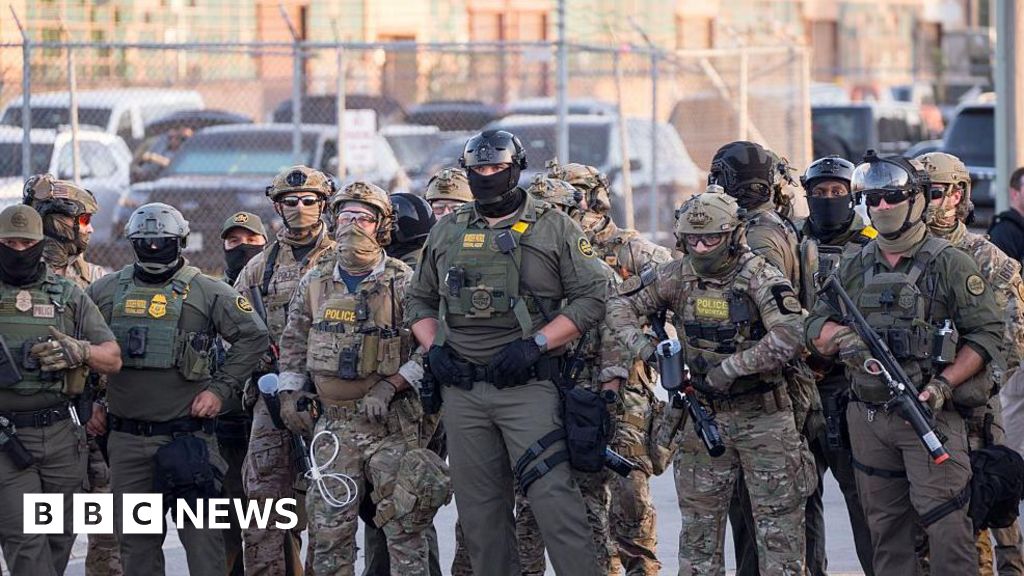
The United States continues to navigate a tumultuous chapter of its history, as federal authorities increasingly resort to military measures to address rising civil unrest and escalating crime. President Donald Trump recently authorized the deployment of 300 National Guard troops to Chicago, citing concerns over what he describes as “out-of-control crime.” However, this decision underscores a deeper rift within the American geopolitical landscape, raising serious questions about the limits of federal power and the sovereignty of individual states.

While Chicago faces mounting protests over immigration enforcement, authorities reported escalate violence, including a shooting incident involving an armed woman whose vehicle rammed into law enforcement and immigration vehicles. These events occurred amidst a backdrop of political division and mounting legal pushback. A federal judge in Portland, Oregon—another Democratic stronghold—temporarily blocked the Trump administration’s attempt to deploy 200 soldiers, warning that such actions risk “blurring the line between civil and military federal power.” Judge Karin Immergut’s ruling highlights concerns among legal analysts that the unilateral deployment of troops for domestic issues threatens the constitutional balance enshrined in U.S. law.

Legal and Constitutional Struggles Mark Biden Administration’s Response

The deployment efforts by the Trump administration have ignited a fierce debate across legal and political circles. Critics argue that using the military to manage civil unrest compromises the foundational principles of American federalism. According to historical scholars, such large-scale domestic military involvement is unprecedented in recent decades—raising alarms about the potential for authoritarian overreach. The National Guard, traditionally under the command of state governors, is now being mobilized by federal authorities, thus challenging the established legal frameworks that limit military intervention within domestic borders.

International organizations like Human Rights Watch warn that such deployments could inflame tensions, undermine civil liberties, and create dangerous precedents. Opposing voices, including Illinois Governor JB Pritzker, accuse Trump of “attempting to manufacture a crisis.” This political fight over control of the public space is more than local; it reflects a broader ideological struggle about the role of government, security, and the rights of citizens. Such policies risk setting a dangerous precedent where law enforcement, backed by military force, could gain extraordinary powers that threaten democratic accountability.

Geopolitical Impact and Societal Consequences

The international community watches keenly as this internal conflict unfolds. The United States, once a bastion of democratic stability, appears increasingly divided, with its federal institutions tested by executive actions that bypass traditional legal channels. Analysts from the Council on Foreign Relations warn that the chaos could weaken America’s global standing, as allies question the stability of a nation where military power is wielded domestically under a partisan banner. The image of bustling cities like Chicago and Portland turning into militarized zones sends a troubling signal, not just to Americans, but to nations watching from afar, questioning whether the U.S. remains a beacon of constitutional governance.

Historians warn that such internal strife risks provoking wider conflicts, both political and social, that could reshape the socio-economic landscape of the nation for decades. As emerging generations of Americans are confronted with scenes of military presence on streets once reserved for peaceful protests, the fabric of civil society faces profound strains. The decisions made today will undoubtedly influence how governments across the world interpret the boundaries of authority, security, and civil liberties in the 21st century.

As the standoff intensifies and the weight of history marches forward, one thing remains clear: how the United States manages its internal tensions will leave an indelible mark. Will it uphold the principles of restrained governance and respect for civil rights, or will it succumb to authoritarian impulses cloaked in the guise of national security? The answers lie in the unfolding story—a story that continues to shape the course of not only American history but the future of liberty itself.

Global Pets Blessed in Honor of Saint Francis Feast Day

In a tradition that transcends borders and cultures, churches worldwide observed the Feast of Saint Francis of Assisi on 4 October. Celebrations encompass a unique blend of spiritual reverence and communal gathering, where the faithful bring their pets, livestock, and even farmyard roosters to be blessed, honoring the medieval saint known for his profound love of all creatures. This annual event not only emphasizes the importance of conservation and animal welfare but also underscores the enduring influence of religious practices on societal values. Yet, behind these heartfelt traditions lies a broader geopolitical fabric, woven with implications that resonate well beyond the pews.

Assisi’s patron saint remains a symbol of environmental stewardship and compassion. However, as nations grapple with rising climate change concerns and environmental policies, these celebrations subtly echo an ongoing debate about the role of religion versus secular governance in addressing ecological crises. Many international organizations, including the United Nations, have called upon communities worldwide to integrate spiritual values into their environmental commitments. Yet, such integration often prompts political tensions, especially when religious traditions challenge or complement state-led initiatives. Analyzing experts like Dr. Maria Lopez, environmental historian, suggests that these religious observances serve as a reminder of humanity’s moral responsibilities—a message that policymakers can leverage, or be challenged by, in their climate agendas.

The geopolitical impact of local customs, including the Feast’s recognition, extends into diplomatic realms. Countries with dominant religious identities or long-standing ecclesiastical influences tend to use such traditions to reinforce cultural identity and international standing. Conversely, secular or atheist-leaning regimes sometimes criticize or marginalize these events, citing secularism as vital to social cohesion. In regions like Europe, where Christianity historically shaped societal norms, these ceremonies reinforce the cultural fabric that defines national identities. Meanwhile, in parts of the global south, such celebrations bolster religious authority and social order amidst political upheavals. International bodies such as the Council of Europe monitor these dynamics, wary of how religious festivities may influence policy and societal cohesion in diverse communities.

As history’s pages turn, the significance of the Feast of Saint Francis of Assisi remains clear—it symbolizes more than venerable traditions; it embodies the ongoing struggle between tradition and modernity, faith and reason, sovereignty and global interconnectedness. The powerful symbolism of animals being blessed in a time of environmental peril serves as a potent reminder that societal choices today will echo through the corridors of history. Whether they inspire sustainable change or deepen divides, these cultural expressions are testament to a world’s continuous search for meaning amid rapid change. In this unfolding narrative of human resilience and conflict, the weight of history presses heavily upon the present, urging future generations to reflect: in the silent prayers for animals, what profound lessons of stewardship and unity are truly being voiced? The pages of history continue to turn, and the world watches, uncertain of what the next chapter will hold.

Poland Deploys Jets Amid Russia’s Western Ukraine Attacks

The bleak skies over Ukraine have once again darkened with renewed Russian missile and drone assaults, signaling a significant escalation in the ongoing conflict that has gripped Eastern Europe since 2022. In the early hours of Sunday, Russian forces unleashed a barrage targeting critical infrastructure in cities like Lviv and Zaporizhzhia, causing casualties and widespread blackouts. These strikes, aimed at crippling Ukraine’s power grid, underscore Russia’s relentless strategy to weaken Kyiv’s resilience, amidst mounting indications of an intensified campaign that pushes the boundaries of conventional warfare.

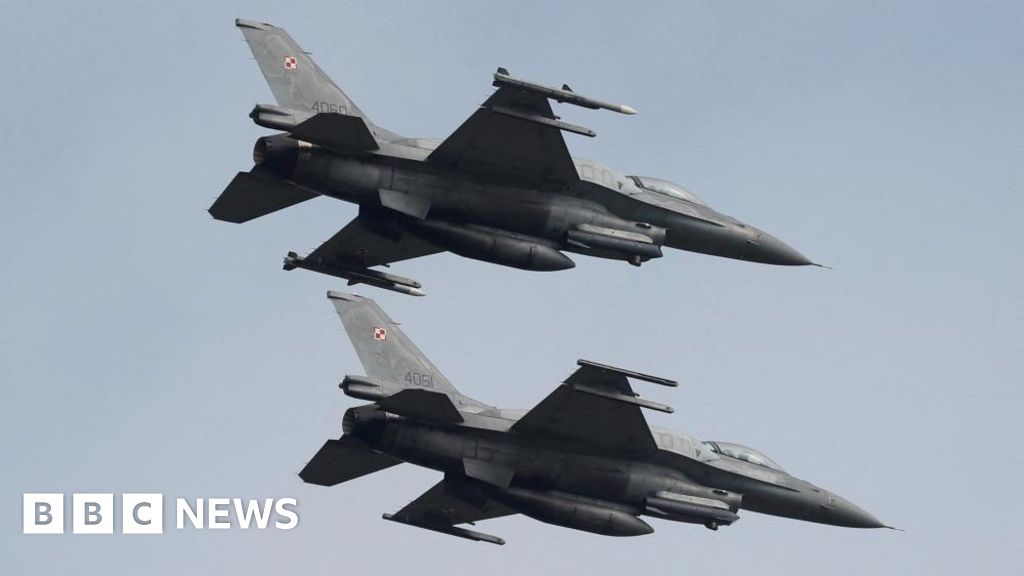
The international response has been swift and concerned. NATO allies, especially Poland and other eastern members, activated their military defenses, with Polish fighter jets scrambled overnight to secure their airspace following Russian strikes near their border areas. The Polish military confirmed that allied aircraft are operating in our airspace, as ground-based defence systems are brought to the highest alert. This move reflects a broader realization that the conflict’s reach is expanding – and that the threat now extends beyond Ukraine’s borders to threaten regional stability. Moreover, the deployment of allied aircraft underscores the importance of collective defense and the fragile balance of power in this increasingly volatile zone.

Meanwhile, Ukraine’s sovereignty remains under threat, with Russian forces controlling approximately a fifth of Ukrainian territory, including Crimea—a region annexed illegally in 2014. The current Russian assaults aim not only to punish Ukrainian resistance but also to demonstrate a capacity to strike deep into Ukrainian territory, following recent American signals of increased support for offensive operations. US officials, like Keith Kellogg, have openly endorsed Ukraine’s right to launch deep strikes into Russian territory, given the absence of sanctuaries on the battlefield—a bold stance that could reshape the nature of the conflict. As Russia doubles down, its defense ministry reports destroying 32 Ukrainian drones overnight, illustrating the ongoing missile duels that threaten to spiral further out of control.

In this dangerous chess game, neighboring nations are feeling the ripple effects. Lithuania was forced to temporarily close its largest airport after spotting suspicious objects, later identified as balloons heading toward Vilnius, raising concerns about espionage or potential escalation. The brief disruption reveals the fragile peace in the Baltics and the broader uncertainty around how far Russia might push the envelope in its confrontation with NATO states. As analysts warn of a possible uptick in clandestine military activity, the overarching question remains: How will this clash of great powers determine the fate of Ukraine — and the security architecture of Europe itself? With each strike and counterstrike, history appears poised on a knife’s edge, echoing the tumult of the decades-long struggle for influence that once divided continents. The world waits, watching as the tide of conflict threatens to drown the hopes of stability in a sea of chaos, leaving us to ponder the true cost of unchecked aggression and the fragile thread holding together a fractured peace.

Andrej Babis’ populist party secures victory in parliamentary election

The recent parliamentary elections in the Czech Republic mark a pivotal moment in Central European geopolitics, driven by the resurgence of billionaire businessman Andrej Babis. With his populist ANO party securing almost 35% of the vote, Babis’s political comeback underscores a shifting tide within Europe’s heartland. While his party gained seats—rising from 72 to 80 out of 200—it still falls short of an outright majority, positioning Babis to lead coalition negotiations with smaller, fringe libertarian and nationalist parties.

In a political scene characterized by uncertainty, Babis’s alliance with right-wing, Eurosceptic parties, such as the Motors for Themselves and Freedom and Direct Democracy (SPD), shifts the Czech Republic towards a more skeptical stance on EU and NATO. Historically, analysts warn that such alliances could jeopardize Prague’s commitments to Western defense and cooperation, especially amid a broader uprising of populist nationalism across Europe. Babis’s rhetoric, which included opposition to the EU’s ban on petrol and diesel cars after 2035, signals a pushback against EU environmental mandates, which many see as an expression of sovereignty versus supranational oversight. This approach resonates with leaders like Hungary’s Viktor Orban, with whom Babis aligns through the Patriots for Europe parliamentary group, often criticized by international organizations for promoting nationalist agendas at the expense of broader European unity.

Adding further complexity, Babis’s stance on Ukraine and his plan to dismantle the Czech ammunition initiative—responsible for supplying Ukraine with millions of shells—highlight a potential realignment away from unwavering Western support. By proposing to place the arms scheme under NATO control and criticizing Western aid, Babis echoes the emerging geopolitical tension characterized by skepticism of Ukraine’s Western allies. Historians note that such shifts could weaken the collective resolve of NATO amid ongoing conflicts, and international organizations such as the EU warn of the long-term instability that could result from the decline of Czech commitment to Eastern European defense efforts.

While Babis claims to uphold a firm stance on regional sovereignty and a history of robust international relations—mentioning past interactions with President Trump, the FBI, and the CIA—his domestic policies raise questions about the durability of the Western alliance. Yet, with his overt anti-Ukrainian rhetoric and opposition to EU and NATO policies, his victory potentially heralds a new chapter of navigating the thin line between national interests and international obligations. As Babis prepares to forge alliances, the broader European security landscape teeters on a knife’s edge—an unfolding saga that history will judge for the heavy hand it wields in shaping the future of freedom, sovereignty, and global stability. In this moment of profound change, the weight of history presses down, leaving nations to wonder: How will the Czech Republic’s choices echo through the corridors of power for generations to come?

US Falling Behind in the Electric Car Race: What went Wrong?

The Geopolitical Significance of Electric Vehicle Policies

The race for dominance in the electric vehicle (EV) industry has become a focal point in international geopolitics and economic rivalry. In recent years, the US has aggressively pushed to position itself as a leader in clean transportation technology, aiming for electric cars to comprise half of all vehicle sales by the year 2030. President Joe Biden championed policies that include expanding tax credits, boosting infrastructure with billions invested in charging stations, and incentivizing domestic manufacturing through loans and grants. These measures, supporters argue, are part of a broader strategy to secure economic independence and maintain technological sovereignty against rising competitors like China.

Yet, despite these ambitions, the US electric car market has lagged behind much of the European Union, the United Kingdom, and China, which have benefitted from more aggressive government subsidies and regulatory frameworks. China, for instance, now accounts for nearly half of all EV sales globally, with a clear aim to dominate the market entirely. European nations have made substantial advances with nearly 20–30% of new car sales being electric or hybrid vehicles, supported by policies that include strict emissions targets and generous incentives. This disparity underscores the impact of decision-making at the governmental level, revealing how support or the lack thereof profoundly influences a nation’s rise in the EV industry.

Policy Fluctuations and Their Consequences

The recent policy shifts in Washington reflect raw political divides over climate and economic priorities. Former President Donald Trump has openly dismissed climate change as a “con job” and has sought to dismantle many carbon-reducing policies. His administration’s decision to cancel the $7,500 tax credit—a key incentive for EV buyers—has sent ripple effects through the industry, endangering the sustainability of ongoing investments. Industry leaders like Ford and Tesla warn that demand could precipitously decline in the absence of government support, which had played a crucial role in driving record sales during the last quarter.

With tariffs on foreign vehicles and parts further complicating the landscape—including measures enacted by Trump in the spring—the industry faces an uncertain future. Analysts warn that without sustained government backing, the US might not only fall behind in EV adoption but could also become less competitive globally, losing crucial technological leadership and economic influence. This tug-of-war in policy demonstrates how domestic political shifts directly shape transformative technology sectors, thereby altering international power balances.

Economic and Social Ramifications

Despite the narrative of an EV revolution, the American consumer remains hesitant due to high costs—electric cars still command an average transaction price exceeding $57,000—roughly 16% higher than comparable petrol-powered vehicles. Manufacturers like Hyundai have attempted to offset those costs by lowering prices, but the combination of tariffs and diminishing subsidies could stymie consumer enthusiasm. Such economic pressures threaten to stifle innovation and broader adoption in one of the world’s biggest car markets, creating a ripple effect that could slow the global transition away from fossil fuels.

Some analysts argue that the US’s relative lag in this sector reveals more than just economic challenges; it reflects broader questions about national strategy and societal readiness. Will the US continue to invest in future industries or succumb to protectionist policies that threaten to fragment global supply chains? As industry veterans and international observers ponder these questions, it becomes clear that the trajectory of America’s electric vehicle industry may well determine the future landscape of global economic power—and whether the US can still claim a seat at the table or is destined to watch from the sidelines as others set the rules of the game.

As history writes itself in the coming years, the fight for technological supremacy and energy independence unfolds on an increasingly divided stage, leaving the world to watch and wonder: Will this be the dawn of a new era, or just another chapter in a story of lost opportunities? The weight of history presses heavily upon this moment, as nations and societies brace for what comes next in the silent, relentless march toward the future.

Social Media Auto Publish Powered By : XYZScripts.com