Matox News

Truth Over Trends, always!

France’s Frustration Mounts Over Shein’s Fast Fashion Frenzy

Shein’s Bold Leap Into France: A Turning Point in Global Fast Fashion

In a striking display of how geopolitical shifts and market forces intertwine, Shein, the Chinese-founded fast fashion juggernaut, is venturing into the heart of France’s renowned fashion industry. Despite vocal opposition—evidenced by graffiti calling out exploitation and forced labor—Shein announced plans to establish permanent stores within prestigious district names like Galeries Lafayette and BHV in Paris. This move reflects a broader strategy, emphasizing the company’s relentless drive to dominate global markets, even in societies with rich cultural traditions of craftsmanship and durability. Such expansion signifies more than mere retail growth; it underscores a paradigm shift in how international trade, labor practices, and cultural values collide and influence societal landscapes.

The Cultural Clash and Economic Power Play

Historically, France has revered its tradition of quality craftsmanship and the idea of objects—clothing included—being treasured and passed down through generations. Yet, the rise of ultra-fast fashion like Shein disrupts this ethos by promoting ephemeral trends, rapid turnaround, and mass production, often in questionable supply chains. Analysts highlight that Shein’s model—listing thousands of new items daily and shipping directly from Chinese factories—marks a decisive break from France’s traditional approach, which valued savoir-faire and sustainability.

Despite widespread protests, including a petition with over 270,000 signatures seeking to ban Shein, economic realities prove compelling. In 2022, Shein posted net profits exceeding $1 billion, bolstered by its ability to rapidly flood markets with trend-driven apparel. This aggressive growth highlights how geopolitical influence and market deregulation create space for transnational corporations to undermine local industries—challenging France’s cultural identity and economic sovereignty.

Globalization, Labor Criticism, and Cultural Resistance

Critical scrutiny of Shein’s supply chain reveals allegations of forced labor and child exploitation—issues the company publicly denies but cannot entirely dispel. Critics, including renowned historians and industry observers, warn that such practices threaten to tarnish global trust and reinforce a narrative of exploitation embedded within the fabric of fast fashion. The debate echoes the history of France’s own textile districts, like Sentier, which once thrived on local production but ultimately succumbed to international competition and delocalization efforts by major brands like Zara and H&M.

These developments serve as a stark warning: the fragile balance between economic growth and moral responsibility is under threat, with societal values—particularly those centered around environmental sustainability and fair labor—being pitted against the immediacy of consumer demand. The pushback from cultural institutions and consumers alike demonstrates that in a globalized economy, the decisions of corporate giants can sway national identity and social cohesion, often at tremendous cost.

The Future of Fashion and Society’s Role in Shaping It

Industry insiders and academics stress that regulation alone cannot undo the inherent overproduction and disposable culture that companies like Shein have engineered. Instead, they call for a fundamental reimagining of fashion—moving toward durability, repairability, and a respect for craftsmanship. France’s historic tradition of keeping objects and valuing savoir-faire could serve as a blueprint for resisting the commodification of clothing in the digital age.

As the story of Shein continues to unfold, so too does the larger narrative of international power, cultural resilience, and ethical responsibility. The choices taken at this juncture—whether to accept the relentless tide of ultrafast capitalism or to champion a renewed respect for tradition—will shape the legacy of generations to come. With history echoing from the past and the future still unwritten, the world watches as the forces of globalization threaten to redefine the fabric of society itself—fast, fleeting, and yet, profoundly consequential.


Four youths hospitalized with sepsis after food poisoning at Stockholm eatery

Recent developments in Stockholm have sent ripples through not only the local population but also the international community. A suspected listeria outbreak linked to the upscale restaurant Coco & Carmen has resulted in at least 15 individuals being hospitalized, with four confirmed cases of sepsis. While this incident appears confined to Sweden, its underlying implications extend far beyond the Scandinavian borders, highlighting growing concerns over food safety standards in an increasingly globalized world. As authorities trace the source of contamination, analysts warn that such outbreaks expose vulnerabilities in international food chains and demand a reevaluation of regulatory oversight in the industry.

The incident underscores how global supply chains and the movement of perishable goods have heightened the risk of contamination spreading rapidly across borders. Food safety experts have long warned that listeria, a bacterium prevalent in soil and water, can infiltrate long-term cold storage and surface in high-end restaurants that rely on imported ingredients. Unlike common food poisoning, listeriosis poses dire health threats, especially to vulnerable populations like pregnant women and the elderly, making the outbreak a major public health concern that requires swift, international cooperation. Institutions such as the World Health Organization have emphasized the necessity of implementing rigorous international standards and transparent reporting mechanisms to prevent such incidents from escalating into cross-border crises.

Adding to the international thread of concerns, the incident occurs at a time of intense geopolitical strain, where Sweden’s position as a stable yet neutral nation, situated within a shifting European landscape, plays a critical role in regional stability. Stockholm‘s response — including the temporary closure of the restaurant and an active investigation — reflects a commitment to health safety. However, experts suggest that the outbreak is emblematic of a broader, systemic failure: inadequacies in regulation enforcement amidst an era of complex global supply networks. Historians such as Fukuyama and analysts from international watchdog groups warn that failure to address these vulnerabilities could foster mistrust not only in food safety but also in the broader integrity of integrated markets and diplomatic relationships.

The ramifications of this outbreak reach beyond health, extending into the realm of geopolitical stability and societal trust. For nations interconnected through trade and diplomacy, food safety lapses threaten to undermine confidence in international cooperation. The incident serves as a stark reminder that decisions made today — including regulatory standards, inspection protocols, and cross-border communication — could shape the geopolitical landscape for decades. As the global community watches how Sweden navigates this crisis, one thing remains clear: history is still unfolding, and the world’s fate hinges on how effectively we learn from and respond to these unforeseen threats.

Exploring the lab where scientists unlock Earth's ancient ice secrets
Exploring the lab where scientists unlock Earth’s ancient ice secrets

Unveiling Earth’s Deep Climate History: The Antarctic Ice Cores

In a groundbreaking effort that underscores the relentless pursuit of knowledge, scientists from the British Antarctic Survey have successfully extracted and analyzed ice cores from the depths of the Antarctic ice sheet. These cores, drilled down to a staggering 2.8 kilometers, represent a chronological window extending back over 1.5 million years. With each segment carefully melted and examined, researchers hope to piece together a comprehensive environmental history that spans both glacial and interglacial periods — a veritable timeline of Earth’s climatic evolution. As the oldest ice samples ever retrieved for scientific study, these cores may fundamentally reshape our understanding of natural climate variability and human impact on the environment.

From the Coldest Continents to Global Policy: The Geopolitical Impact

The research into ancient ice cores has profound geopolitical implications. In recent years, nation-states, particularly those involved in polar research such as Australia, the United Kingdom, the United States, and China, have intensified efforts to secure influence over Antarctica’s vast and largely unclaimed territory. According to analysts at the International Institute for Strategic Studies, the continent is becoming a flashpoint—not for conventional conflict, but for strategic dominance rooted in resource access and environmental leadership. Decisions made today about scientific cooperation and territorial claims will shape regional alliances and global power balances. This latest venture into the Antarctic’s oldest ice not only aims to decode climate history but also signals the importance of scientific sovereignty in an era marked by intense geopolitical competition.

How These Findings Influence Societal and Environmental Policies

The knowledge gleaned from this 1.5-million-year-old ice has the potential to trigger policy shifts worldwide. Climate skeptics and alarmists alike watch these discoveries with keen interest, as they provide empirical data crucial for debates on human influence and future climate resilience. Historians like Dr. James Fleming note that understanding the natural cycles that have oscillated over millennia can better inform international efforts like the Paris Agreement. Yet, critics warn that such deep-time data must be integrated cautiously, lest it be exploited to advance economic or political agendas under the guise of environmental stewardship. The melting of these ancient ice cores symbolizes a pivotal juncture: either humanity will confront the long-term patterns of Earth’s climate with clarity or stumble into future crises driven by ignorance and short-term priorities.

The Unfolding Narrative of Earth’s Climate Legacy

As the last fragments of these primeval samples are melted for analysis, a story as old as Earth itself begins to reveal its secrets. Scientists, historians, and policymakers stand at a crossroads—faced with the responsibility to interpret this critical epoch with prudence. The outcomes of this research could dictate the course of environmental policies for decades to come, determining not only how humanity perceives its past but how it safeguards its future. Yet, amid the hum of drills and melting ice, the shadows of uncertainty loom: the climate of tomorrow is still being written in the ancient ice beneath our feet, a silent witness to the ongoing saga that will forever define mankind’s relationship with planet Earth.

Kenyan Activists Vanish in Uganda, Bobi Wine Reports

The recent abduction of two Kenyan human rights activists, Bob Njagi and Nicholas Oyoo, in Uganda has sent shockwaves through an already volatile region. Reported to have been forcibly taken while attending a campaign event linked to opposition leader Bobbi Wine, these disappearances underscore a deepening concern over the suppression of political dissent in East Africa. Aligning with historical patterns, their alleged abduction by armed men—likely security operatives operating outside formal channels—raises alarms about the growing use of clandestine tactics to silence opposition voices. Such acts violate fundamental international human rights standards, yet they epitomize the troubling trend of government-led repression in countries where political stability is often maintained through coercion and fear.

As Uganda approaches a pivotal election, the backdrop of these events becomes even more fraught. With Yoweri Museveni, who has held power since 1986, seeking to extend his rule, opposition figures increasingly face intimidation tactics that border on outright violence. Experts warn how such actions threaten the democratic fabric of the country: when activists and opposition supporters vanish without explanation, it not only stifles political debate but also destabilizes the social order. Human rights organizations like Vocal Africa have condemned the abductions, citing a pattern of government-sponsored abductions and disappearances across the region—some of which have resurfaced under dubious circumstances, revealing a disturbing cycle of enforced silence.

The geopolitical impact of these developments extends beyond Uganda and Kenya. The region’s stability hinges on the respect for political freedoms; persistent crackdowns risk inciting wider unrest and encouraging authoritarian tendencies across East Africa. Analysts highlight how governments may be colluding, consciously or subconsciously, to suppress dissent, thwart democratic processes, and consolidate power through intimidation and extralegal force. This environment emboldens those in power but threatens the societal fabric, illustrating how decisions made today will shape the regional political landscape for generations to come. Such incidents have drawn stark parallels to past episodes, including the mysterious detention and resurfacing of opposition leaders and activists, which often culminate in court cases that serve as show trials or placeholders for further repression.

International bodies and regional watchdogs warn of the dangerous precedent this sets, emphasizing that unchecked repression could catalyze instability across neighbouring nations. East African governments face a critical choice: either continue down a path of suppression or embrace the reform necessary to foster genuine democratic development. With each disappearance, society’s core values—freedom, justice, and human dignity—are imperiled. As history unfolds in real-time, the voices of the oppressed echo in the corridors of power, reminding the world that the true mettle of a nation is revealed when its darkest moments are confronted with unwavering resolve. In this ongoing saga of power and resistance, the stakes are nothing less than the future of civilian civilization in East Africa, as the weight of history hangs heavily in the balance—waiting for a decision that could alter the course of history itself.

PM's remarks no threat, minister insists—UK politics update
PM’s remarks no threat, minister insists—UK politics update

Global Impact of UK Political Maneuvering: A New Chapter in International Power Dynamics

As UK internal politics surge with stark policy proposals and fractious debates, the international community watches with trepidation. Recent developments at both major parties’ conferences underscore a potential shift in the nation’s direction that could ripple across global geopolitics, with far-reaching implications for alliances, global commitments, and economic stability. Distinguished analysts and international organizations highlight the tension between Britain’s domestic policies and its place in the wider world stage, marking a pivotal point in contemporary geopolitics.

At the heart of the controversy lies the proposed overhaul of the Climate Change Act 2008, a policy that has long been a cornerstone of the UK’s environmental leadership. The Conservative Party openly states its intention to repeal the Act, with some officials even talking about replacing it without clarifying what would take its place. This move, criticized as a “backwards step” by the CBI and other global economic stakeholders, threatens decades of investment in green economies and renewable technologies. Environmentalists and industry leaders warn that such撤 retraction might weaken Britain’s push toward international climate commitments and erode confidence among investors, potentially jeopardizing the UK’s reputation as a leader in decarbonization.

This domestic policy debate takes on a broader geopolitical significance. As countries around the world struggle to meet climate targets amid global upheavals, Britain’s retreat from green commitments could be perceived as a sign of wavering resolve, emboldening adversaries like China and Russia and diminishing its influence. Some experts warn that abandoning the Climate Change Act may signal to allies a divergence from shared values on sustainability, risking diplomatic fractures and a reevaluation of international alignments. The United Nations and climate watchdogs have expressed concern that such political shifts could undermine global efforts, especially as developing countries look towards Britain for leadership.

Meanwhile, internal debates around migration policies and international diplomacy complicate Britain’s global standing. The rhetoric surrounding immigration, exemplified by proposals to tighten asylum laws and criticisms of political opponents, echoes a wider geopolitical reality—the growing contest over sovereignty, border control, and national identity. Keir Starmer’s call to end what he terms the “golden ticket” of asylum, combined with inflammatory claims by Zia Yusuf suggesting that Politicians’ speeches might incite violence, reveal a nation grappling with its role in a multipolar world increasingly defined by fierce competition for influence and resources.

International observers, including European Union officials and NATO analysts, interpret Britain’s political shifts as both a symptom and a catalyst of wider geopolitical currents. The EU summit in Copenhagen illustrates Europe’s concern with security, migration, and regional cooperation—tasks complicated further by Britain’s evolving stance. Diplomatic sources suggest that Britain’s policies could impact negotiations on Ukraine support, defense strategies, and cooperation on migration, ultimately affecting the stability of the European continent and its global alliances. As the geopolitical puzzle intensifies, the global community remains alert to the weight of decisions made within Westminster, which could either reinforce or destabilize the fragile balance of power.

History and international relations scholars emphasize that whether Britain’s new policies mark a revenge of nationalism or a strategic repositioning, they are shaping a new chapter in the saga of 21st-century geopolitics. The unfolding drama commands the attention of the world’s leaders, who recognize that how Britain navigates this turbulent period will influence the stability of democracy, economic growth, and the fight against global challenges for decades to come. As history’s pen writes these critical lines, the question remains: will Britain seize its moment to lead or capitulate to forces that threaten to redefine the world order?

Scores feared dead as school building collapses, authorities warn

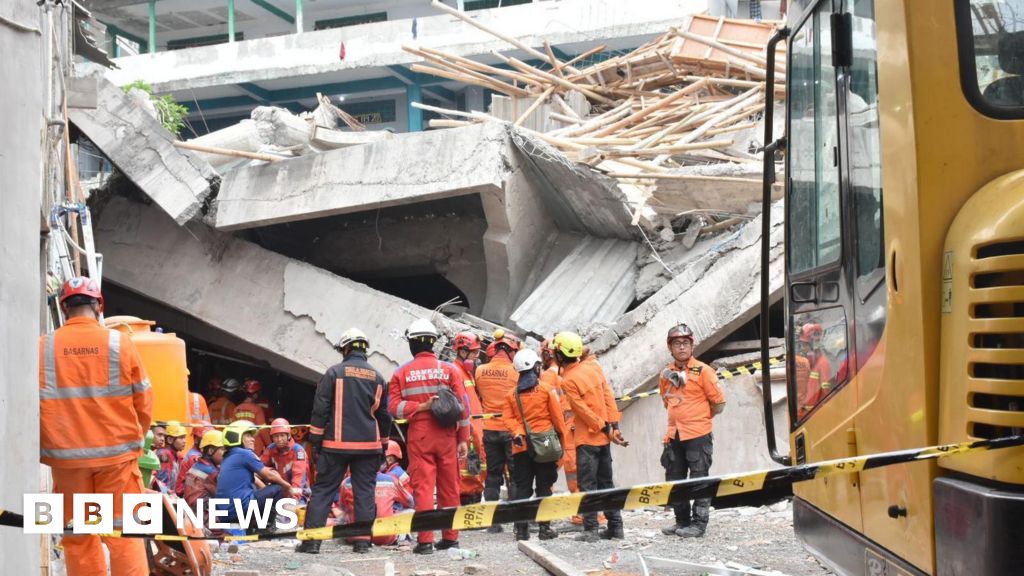
The recent tragedy in Indonesia, where a collapsed Islamic boarding school has left at least five students dead and over 100 injured, underscores a critical moment in the nation’s ongoing safety and governance struggles. The incident, centered in the town of Sidoarjo, reveals the dangerous consequences of unchecked construction practices and regulatory failures. The building’s collapse, caused by the addition of two unsafe floors to an under-constructed foundation, highlights the larger issues Indonesia faces in terms of infrastructure development and regulatory oversight, issues that resonate across many developing nations in Southeast Asia.

Despite the international outcry and efforts of rescue teams using thermal drones and heavy machinery, the possibility of finding survivors has diminished. The disaster management agency (BNBP) announced that *no signs of life* were detected in the debris, a heartbreaking entry point into the larger conversation about safety standards and government accountability. Experts and analysts warn that such tragedies reflect deeper systemic flaws—poor enforcement of building codes, corruption, and the prioritization of economic gains over safety—threatening societal stability and the legacy of governance in the region. The incident also serves as a stark reminder of the. *fragility of human life* amidst rapid urban proliferation and construction without appropriate oversight.

On a broader geopolitical level, the incident in Indonesia acts as a clarion call to regional institutions and international partners. While those involved are primarily concerned with immediate rescue operations, critical analysis from organizations like the World Bank and international human rights groups emphasize that long-term safety reforms are necessary for social progress. Such disasters threaten to undermine the legitimacy of local authorities and fuel public distrust in state institutions, which are often seen as ineffective or corrupt. These events have repercussions beyond national borders; they feed into regional narratives about governance, sovereignty, and the need for vigilant oversight as urban populations swell. How nations respond—by tightening regulations, improving safety standards, and ensuring transparency—will determine their standing on the global stage.

Historian and policy analysts stress that this incident is no isolated event but part of a broader pattern affecting many countries committed to rapid development amid legacy issues of governance and accountability. The tragic collapse in Indonesia symbolizes a moment where history is still being written—where the choices to reform or ignore safety standards could have lasting consequences. As rescue teams turn their tools towards removing debris, the world watches and waits, acutely aware that the true test lies ahead: whether this tragedy will catalyze meaningful change or become yet another chapter of neglect in the overarching narrative of progress and safety. In this unfolding history, every decision, every policy, and every effort to secure the safety of the vulnerable will leave an indelible mark on the fabric of society.

Europe’s skies at risk: Cost cuts and staff shortages threaten air safety, warns industry study

In a sobering revelation that casts doubt on the future of European aviation safety standards, a comprehensive study by Ghent University exposes dangerous shifts within the airline industry driven by relentless cost-cutting and corporate greed. As airlines prioritize profits over personnel welfare, pilots and cabin crew are pushed to work increasingly long shifts while feeling pressured to hide signs of exhaustion—factors that critically undermine passenger safety. This alarming trend, accelerated by the pandemic’s aftermath, signals a potential erosion of the continent’s once-robust safety protocols that, according to international safety experts, could have grave consequences for global aviation stability.

What is particularly troubling is the growing role conflict faced by airline staff, who are asked to juggle commercial responsibilities—such as onboard sales of alcohol and perfumes—with their fundamental duty to ensure passenger safety. The study highlights how a “Swiss cheese model” of systemic safety weakens with each cost-driven decision, creating “holes” where oversight fails. This phenomenon poses a significant geopolitical impact; with Europe striving to maintain its credibility as a leading aviation hub, these internal fissures threaten its reputation amid an increasingly competitive global industry dominated by low-cost carriers. International organizations and aviation analysts warn that a decline in safety could give rise to unforeseen disasters, risking not just lives but also damaging Europe’s hard-won stature in international civil aviation.

Underneath these systemic failures lies a troubling deterioration in crew morale and mental health. Nearly 70% of airline workers surveyed report falling below the threshold for positive mental health, with many describing a dehumanizing environment marked by fear, job insecurity, and a blatant lack of regard for their physical and psychological wellbeing. The phenomenon of “management by fear,” as experts call it, fosters a toxic workplace culture where safety is secondary to profit margins. Critics, including leaders of pilot unions such as Ignacio Plaza of the European Cockpit Association, warn that such conditions are not sustainable and could catalyze a crisis of confidence among industry professionals—crucial stakeholders for global flight safety. Historically, a well-trained, motivated workforce is the backbone of an aviation sector’s resilience, and the current trajectory risks making Europe a cautionary tale for the world.

As the international community watches, the question remains whether these trends will be addressed before they culminate in tragedy. The international aviation community—including the International Air Transport Association—has so far responded with muted concern, but assessments from top safety analysts suggest that urgent reform is needed. The choices made today—favoring short-term profits over the long-term integrity of safety systems—may yet define the legacy of this era. History, after all, often repeats itself, and the looming realization is that the caller’s whistle may come too late if decisive action isn’t taken. As the industry stands at this perilous crossroads, the weight of history presses down, reminding us that every decision now shapes the stories that future generations will recount—whether as cautionary lessons or as turning points toward renewal.

White House loops racist deepfake of Dem leaders—Trump admin’s reckless stunt

In a disturbing display of the current state of American politics, the White House recently became a stage for a provocative propaganda campaign that underscores the deep divisions threatening the nation’s stability. On Wednesday, the briefing room was inundated with circulating deepfake videos mocking Democratic leaders, with content that is as divisive as it is racially charged. These fabricated clips, posted by President Trump, distort reality by falsely portraying Senate Minority Leader Chuck Schumer and Hakeem Jeffries as endorsing racist stereotypes, with Schumer allegedly calling Democrats “woke pieces of shit” and Jeffries portrayed wearing stereotypical Mexican attire. Such weaponization of misinformation not only diminishes the dignity of American political discourse but also fuels dangerous narratives that have historically led to violence and societal fracturing.

Beyond the rhetoric and propaganda, these events reveal a pattern that analysts see as emblematic of the broader geopolitical impact of American internal conflicts. The use of such racist narratives echoes historical conspiracy theories, notably the “great replacement” theory, which has been repeatedly linked to violent acts by white supremacists. This conspiracy—at the core of several mass shootings and racial pogroms—used fear-mongering to justify acts of terror, emphasizing the perceived threat of immigrant populations replacing white citizens. The rhetoric, amplified by social media and political figures alike, risks diminishing America’s standing as a beacon of democracy and tolerance in the eyes of the world. Such divisiveness, when internalized and exported, weakens international confidence in the stability and moral authority of the U.S. government, which can have ripple effects across markets, alliances, and diplomatic relationships.

Meanwhile, critics argue that the White House’s approach to the ongoing government shutdown is mired in irresponsible tactics that undermine genuine negotiation efforts. As the deadlock continues, key issues—such as immigration, healthcare, and economic stability—remain unresolved. The administration’s framing of Democrat policies as conspiratorial attempts to favor illegal immigration disproportionately stokes nativist fears, even as the factual basis remains misplaced. According to prominent international organizations and independent analysts, such inflammatory tactics threaten the international reputation of the United States as a democratic leader committed to rule of law and human rights. Ever more, the world looks to what happens within the U.S., recognizing that internal turmoil can quickly spill into global instability, especially in an era marked by geopolitical rivalry with China, Russia, and rising authoritarian regimes.

The recent provocations at the White House serve as a stark reminder of how decision-makers’ rhetoric can shape, or distort, the historical narrative unfolding across borders. As historians and international think tanks assess the trajectory of American politics, the emerging picture suggests a nation grappling with its identity amidst internal conflict and external pressure. The consequences of these divisions extend beyond mere politics—they threaten to redefine the post-World War II order, challenging longstanding alliances and forcing nations worldwide to reconsider their perceptions of U.S. leadership. In a world increasingly defined by chaos and uncertainty, the true weight of history looms large—an unyielding reminder that the choices made today will reverberate through generations, shaping the destiny of nations and society as a whole. As the spectacle unfolds, it leaves the impression that, in this moment, the United States stands at a crossroads—its decisions setting the stage for what will be written into the annals of history, with the future hanging precariously in the balance.

Czech Populist Babis Seeks Power, Could Rely on Extremes to Win

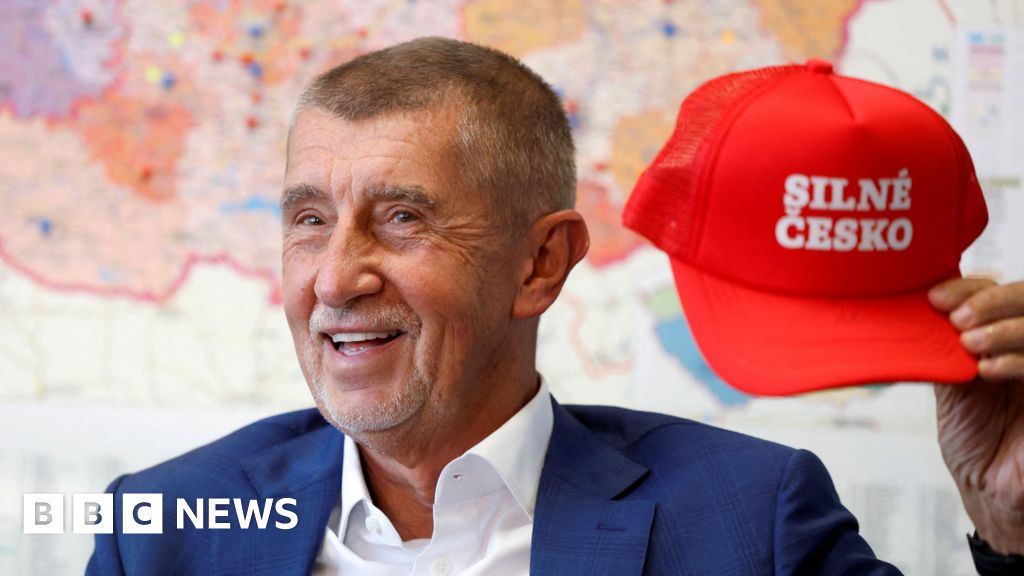
The upcoming Czech Republic elections have become a focal point for geopolitical tensions roiling across Europe, amid fears of a shift towards far-right nationalism and pro-Russian sentiments. As voters prepare to go to the polls, analysts warn that the election results could significantly reshape the country’s foreign policy stance and regional security commitments, especially in the context of a Europe still grappling with the aftermath of Russia’s invasion of Ukraine. The rise of populist Andrej Babis, a billionaire with openly nationalist rhetoric, signals a potential departure from the established pro-Western consensus that has underpinned EU and NATO solidarity for decades. Many security experts pronounce this election as a *turning point*—a moment that could determine whether the Czech Republic deepens its cooperation with Western allies or drifts closer to Moscow-friendly factions, with far-reaching consequences for European stability.

During his campaign, Babis has explicitly rejected any possibility of “dragging the Czech Republic to the East,” positioning himself as a defender of traditional Western alliances. In rallies outside Prague, he asserted, “We’ll never drag the Czech Republic to the East. I can absolutely rule that out,” referencing the Czech government’s previous actions, such as expelling Russian diplomats after revelations of Russian intelligence operations in 2014. His rhetoric echoes a broader populist wave across Central Europe, where parties inspired by alternative nationalism and skepticism of the EU’s reformist agenda seek to reshape the continent’s geopolitical trajectory. These parties, including potential coalition partners like the ultra-nationalist SPD and anti-green groups, signal a possible reorientation away from collective security and toward individual nationalist agendas that threaten to destabilize the European project. As historian Dr. Helena Novak explains, these developments risk echoing the divisive politics that have unsettled Hungary and Slovakia, where recent governments have questioned alliances with NATO and shown sympathies to Moscow.

Meanwhile, the European Union and NATO are closely monitoring these political shifts, recognizing the undeniable geopolitical impact of a Czech government that veers towards *melded* alliances with Russia. Security experts warn that a tilt away from commitment to Ukraine might embolden Kremlin disinformation campaigns and cyberattacks aimed at destabilizing Western democracies. Roman Maca, a security analyst, emphasizes that “Russia is waging a massive campaign of disinformation against the Czech Republic,” with suspected cyber-operations and even cases of arson linked to pro-Russian factions. The presence of Russia-friendly parties within any future government could serve as a critical lever for Moscow to undermine NATO’s eastern flank and diminish Western unity. Such shifts threaten not only European security but also the credibility of international institutions that have long relied on the Czech Republic as a steadfast member.

Finally, the election presents a moral dilemma for the country’s younger generation, with students and civic activists voicing fears over how the **decision** to lean towards Moscow or remain aligned with the West will determine their future. As 19-year-old Ondrej Kapralek articulates, “Russia is waging a massive campaign of disinformation,” raising alarms about the potential erosion of democracy and sovereignty. Meanwhile, veteran politicians and international observers fear that under the sway of populist leaders, the Czech Republic could follow the path of Slovakia or Hungary, both EU and NATO members increasingly under illiberal influences. The political landscape remains precariously balanced—yet the real question is whether this election will forge a new chapter of resilience or open the floodgates to history’s darker forces, threatening to rewrite the security architecture of an entire continent. As this story unfolds, one thing remains clear: the weight of history is not on pause; it is gathering force, and every vote will echo in the corridors of future power.”

Renowned Conservationist Dame Jane Doodall Passes Away at 91

In a moment that resonates across the international community, the passing of Dr. Jane Goodall, the pioneering conservationist and primatologist, marks not just the end of an era but a profound warning about the urgent need for global ecological responsibility. At 91, her death from natural causes in California coincides with a period of increasing environmental crises—habitat destruction, climate change, and a relentless push by some nations to prioritize economic growth over sustainability. Her legacy, rooted in decades of relentless fieldwork and advocacy, underscores the crucial significance of individual and collective action in shaping the future of humanity and the natural world.

  • Her work began in 1960, challenging conventional science by documenting chimpanzees using tools—a trait previously attributed solely to humans, thereby revolutionizing evolutionary science.
  • Her observations on chimpanzee social structures unveiled complex family bonds and territorial conflicts, reshaping the understanding of animal intelligence.
  • Her foundation, established in 1977, has contributed significantly to conserving chimpanzees and advocating for environmental policies worldwide.

Global institutions like the United Nations and Greenpeace have lauded her lifelong dedication, emphasizing that her discoveries and advocacy efforts laid a foundation for a more informed and conscientious international environmental movement. She was recognized with numerous accolades, including a Damehood in 2003 and the US Presidential Medal of Freedom in 2025, signaling the broad consensus around her influence. Yet, her story is more than just scientific breakthrough; it is a narrative of activism that highlights how bold decisions in the global arena—such as the push for habitat restoration—can influence both policy and society’s perception of nature.

Analysts and historians point to her groundbreaking approach—associating closely with her subjects while advocating for their protection—as a pivotal moment that challenged the male-dominated scientific establishment. Her efforts to rescue chimpanzees from captivity and her persistent calls for action on climate change brought new urgency to conservation discussions, positioning her as a formidable voice in how nations address ecological and ethical responsibilities. As climate and environmental protests grow worldwide, her work underscores that the decisions made today reflect the trajectory of future generations. The ongoing debates around international treaties and conservation strategies demonstrate how her legacy continues to influence policy, demanding a renewed commitment to restoring and protecting biodiversity.

As the world witnesses the unfolding chapter of her life’s work, one must reflect that history is still being written. The torch she carried—of advocacy, science, and hope—remains alive in the countless projects and policies inspired by her vision. The weight of her legacy presses upon leaders and communities alike, reminding us that while individual contributions are remarkable, the true power lies in collective action. With each initiative to safeguard habitats and promote sustainable living, humanity stands at a crossroads, where the choices made will define the course of life on Earth, etching her lifetime of dedication into the annals of history—an enduring call to action amidst the chaos of the modern age.

Social Media Auto Publish Powered By : XYZScripts.com