
Victoria’s Rising Crime Wave: A Global Issue that Has Serious Geopolitical Repercussions
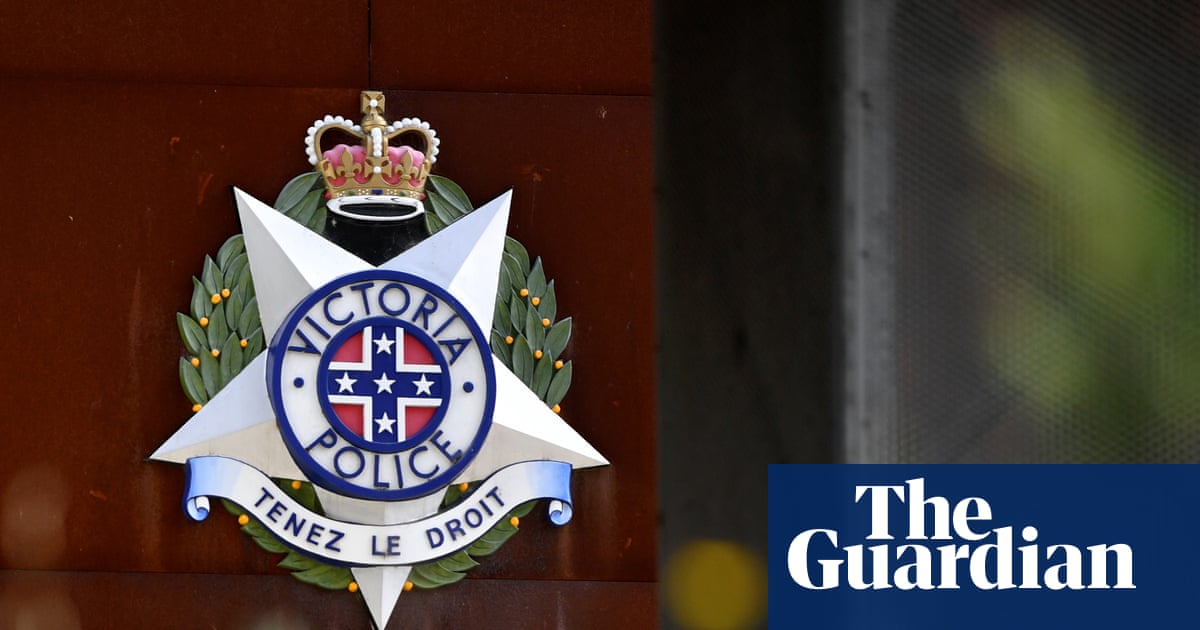
In the heart of Australia, Victoria is experiencing a daunting crime surge that extends beyond mere local concern—its ripple effects threaten broader societal stability and international perceptions. Recent data from the Crime Statistics Agency (CSA) reveals a 15.7% increase in criminal offenses for 2024-25, with nearly 639,000 recorded incidents. This trend, centered on escalating thefts, family violence, and youth offenses, has shocked analysts and security experts, prompting debates about the effectiveness of the state’s law enforcement strategies and the societal factors fueling this crisis.
Historically, the rise of organized crime, societal disconnection, and economic pressures have served as catalysts for surge waves of criminal activity—Victoria is no exception. Yet far beyond the state’s borders, this crisis raises questions about geopolitical impact: how do such local crises influence Australia’s international standing amidst regional disputes? Victoria’s crime escalation resonates as a warning for policymakers worldwide, highlighting the critical importance of strong, adaptable law enforcement and social programs in maintaining stability. Analysts like Dr. James Andrews, a senior researcher at the International Institute for Security Studies, warn that persistent crime storms could embolden regional adversaries and weaken a nation’s global image.
In response to these alarming statistics, Victoria’s government is adopting controversial measures, including the new “tough” bail laws that treat young offenders like adults under certain circumstances. Many experts believe these policies are a double-edged sword: while intended to restore order, they risk alienating youth and undermining long-term social cohesion. Moreover, the decision to intensify punitive measures—such as a “two-strike” rule for repeat offenders—aligns with a broader global trend among Shifting governments to prioritize harsh law enforcement tactics over community-based interventions. International organizations, including the United Nations, have long debated the balance between security and social justice, with varying degrees of success and criticism.
Victoria’s crisis underscores a broader truth: societal fragility cannot be mitigated solely through law enforcement. The surge in thefts from cars—up nearly 40%—and record-high family violence cases suggest a society under pressure from multiple directions. Beyond the immediate social implications, these trends could alter demographic compositions, economic stability, and investor confidence, further reshaping regional geopolitics. As global powers observe, the question arises: will Victoria’s response set a precedent or serve as a cautionary tale? Historians like Prof. Laura Cheng caution that neglecting root causes, such as economic disparity and mental health challenges, tends to prolong crises and invite international scrutiny.
As Victoria’s thriving society faces these upheavals, the weight of history presses down with an ominous presence— an unfolding narrative of social resilience tested by adversity. The decisions made in response, and their international echoes, could become a defining chapter in the long story of this nation’s struggle to reconcile order with freedom, security with justice. In a world where chaos often compounds, and stability is fragile, the true measure of a society’s strength lies in how it confronts its darkest hours—for now, the future remains unwritten, and history’s relentless hand continues to shape the outcome.