Matox News

Truth Over Trends, always!

Temu commits to faster crackdown on shady greeting cards

Cracks in the Digital Fortress: Temu’s New Approach to Protecting Creators

In a striking development that underscores the pervasive challenge of intellectual property theft in the digital age, Temu, an international e-commerce giant, has announced a collaborative initiative with the Greeting Card Association to combat rampant copyright infringements from counterfeit sellers. This move comes after significant losses faced by creators such as Amanda Mountain of Lola Design, whose decades of work have been stolen and profited from, costing her thousands of pounds in revenue. The proliferation of cheap knock-offs on Temu’s platform demonstrates a larger trend where the rights of individual creators are often dismissed in favor of rapid, mass-produced sales. Analysts warn that this phenomenon is symptomatic of a wider erosion of respect for intellectual property across borders, with many countries still grappling with enforcement much too slow or ineffective.

Historically, international institutions like WIPO (World Intellectual Property Organization) have strived to standardize protections, yet enforcement remains inconsistent. Experts warn that without a comprehensive, multilayered approach—combining technological innovation with international cooperation—the scars of this digital age threaten to leave a lasting legacy of systemic theft. The new system, which employs AI algorithms to pre-emptively block infringing content, marks a critical turning point that could serve as a blueprint for other industries amid the chaos of global counterfeit markets. Industry leaders argue that such proactive AI-driven takedown processes are essential to preserve original creativity, which underpins economies and national cultural identity. The European Union has already issued warnings about the dangerous ripple effects of unchecked piracy, emphasizing that how nations respond to digital infringement will shape the future of innovation and societal trust.

Yet, even with technological advances, the real obstacle remains in the form of deep-seated global economic disparities and weak enforcement mechanisms. The emotional toll to creators like Amanda Mountain highlights the broader crisis: in today’s interconnected marketplace, stolen designs are more than just images—they represent a blatant disregard for labor, passion, and intellectual effort. Amanda, devastated after witnessing her decade’s worth of work distilled into poor-quality rip-offs, encapsulates the moral and economic devastation wrought by these copycats. Experts warn that unless governments and institutions prioritize stern enforcement and cultural respect for creators, the trend of undervaluing intellectual property could accelerate, further undermining small businesses and stifling innovation in countless societies.

President Xi Jinping of China and other global powerhouses are watching these developments closely, as the battle over digital intellectual property increasingly influences geopolitical strategies and international commerce. Several international organizations, including the World Trade Organization, have issued statements urging member states to coordinate efforts, but critics warn that token policies and superficial treaties are insufficient. The real challenge is fostering a global shift in attitude—where respect for creativity is embedded in the legal and cultural fabric of nations—that can effectively combat the multilayered threat of digital infringement. As history unfolds, the question remains: Will this latest technological pilot be enough to stem the tide, or are we simply delaying a more profound crisis that could redefine international trust in the digital economy? As the weight of this unfolding conflict presses down, the choice for nations and societies is clear—they can either protect the sanctity of creative labor or watch the fabric of genuine innovation unravel before their eyes.

Inexperienced British Surfer Drowns Amid Melbourne Storm as Friend Risks It All to Save Him—Australia News

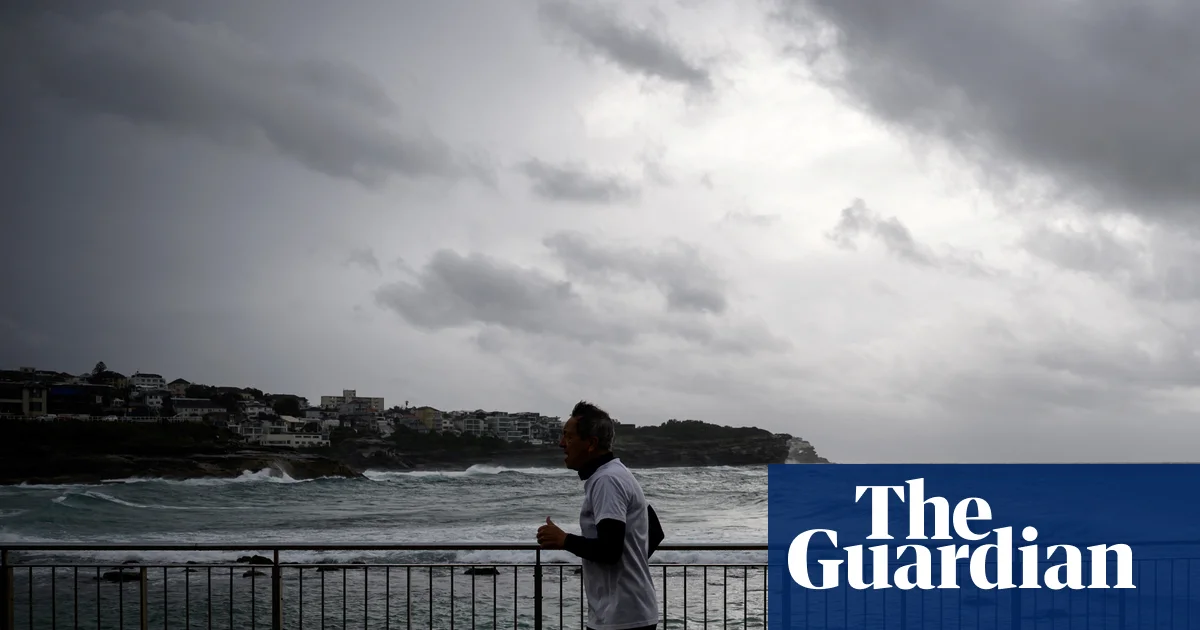
In recent days, the tragic incident off Victoria’s coast, where two men lost their lives amid severe weather conditions, serves as a somber reminder of nature’s unpredictable power. While this event unfolded locally, it echoes a broader narrative that resonates across nations—an ongoing struggle between human ambition and the irresistible forces of our planet. The young British surfer, described as inexperienced, and his companion, whose resilience was unfortunately not enough against the raging waters, highlight the dangers that extreme weather events can impose even on the most seasoned individuals. Such catastrophes have more than personal ramifications; they are harbingers of the geopolitical shifts caused by climate realities, warning policymakers and international actors alike about the escalating stakes. As resource-rich nations, especially those vulnerable to climate change, grapple with these realities, the interconnection of climate policy, economic interests, and national security becomes starkly evident.

Global organizations and national governments are increasingly faced with the challenge of balancing economic development with environmental sustainability. Many analysts, including climate scientists and geopolitical strategists, warn that the severity and frequency of extreme weather events are directly linked to climate change, driven by decades of industrialization and neglect. The incident in Victoria is not isolated but part of a pattern that complicates international relations. Countries such as China and the United States, whose vast industrial and urban centers are major contributors to emissions, face rising pressure to lead in global climate response. Meanwhile, nations in vulnerable regions, like the island nations of the Pacific, are already experiencing the harshest effects—rising sea levels, violent storms, and loss of homeland. These dynamics push the United Nations and other multilateral institutions into the spotlight, urging the implementation of binding international treaties and climate action frameworks that often stumble over sovereignty, economic priorities, and political will.

The geopolitical landscape is shifting as countries re-evaluate their strategic alliances and economic dependencies in light of environmental challenges. Historically, nations have prioritized military strength and economic growth, but today, the urgency of climate resilience is reshaping policy agendas worldwide. Countries like Russia and India are increasingly asserting their interests in securing resources vital to their sustainability—be it water, arable land, or energy sources—often at the expense of other nations’ environmental or territorial claims. Meanwhile, European nations are forging alliances aimed at climate innovation, positioning themselves as leaders in the green economy. Yet, critics argue that such shifts risk masking or delaying necessary reforms, while regional conflicts flare over access to diminishing resources. According to seasoned analysts, these patterns will intensify as climate-related stresses threaten to turn environmental issues into flashpoints for conflicts—an evolution that could redefine the very fabric of international stability.

As the tragedy at Frankston pier underscores the dangers faced during extreme weather, it also serves as an unignorable wake-up call for a world at a crossroads. The unfolding chapter of our history is being written now, with decisions made by leaders, institutions, and societies that will echo through generations. Will they choose the path of cautious diplomacy, sustainable development, and interconnectivity, or continue down a course of short-term gains and geopolitical competition? The mounting evidence suggests that the stakes are higher than ever, and the window for meaningful action narrows with each passing day. As history’s pen hovers over the page, the world must confront its worst fears and embrace a collective responsibility—before the violence of nature and the recklessness of mankind write an irreversible ending to the story of our times.

NYC Mayoral Debate Heats Up: Mamdani, Sliwa, Cuomo Clash on Israel, Rent, and Trump

International Impact of New York’s Mayoral Race and Internal Power Struggles

The city that once symbolized the heart of American ingenuity and resilience, New York City, has once again become the crucible where domestic politics collide with global agendas. The latest round of mayoral debates, featuring figures like Zohran Mamdani, Andrew Cuomo, and Curtis Sliwa, serve as a microcosm for the tense, complex geopolitics that define the 21st century. As American politicians do battle over issues ranging from housing crises to the specter of foreign influence and ideological radicalism, they unwittingly cast shadows that stretch across borders, affecting the geopolitical balance worldwide.

Analysts like Dr. Emily Grant from the International Policy Institute note that U.S. mayoral elections, especially in a metropolis as emblematic as New York, hold symbolic power beyond local governance. The debate over law enforcement strategies, immigration policies, and foreign policy stances is intertwined with America’s stance on global security. Mamdani’s calls for a more compassionate approach towards immigrants and his critique of federal ICE operations resonate globally, given the ongoing migration crises and international terrorism concerns. Meanwhile, Cuomo’s narrative on law and order echoes a broader international conversation on security and civil liberties, with some commentators suggesting that these internal dialogs influence how U.S. allies and adversaries perceive American stability and commitment on the world stage.

Underneath the rhetoric, these political exchanges reflect a nation grappling with its identity amid global upheaval. The debate’s focus on issues like the handling of Rikers Island, support for LGBTQ+ rights, and responses to international conflicts underscores how domestic elections are increasingly manifesting in international politics. For instance, Mamdani’s vocal opposition to certain international policies likely signals a shift towards more progressive and interventionist overseas stances by local leaders, potentially impacting diplomatic relations. Historian Jonathan Fields emphasizes that political figures on the rise, such as Mamdani, are being watched closely as indicators of potential future shifts in U.S. foreign policy, especially as they challenge the status quo set by traditional power players like Cuomo.

As the city prepares for a decisive election amidst this ambiguity, the question remains: how will these internal debates translate into global influence? Will New York’s next mayor steer the city — and by extension, America’s diplomatic trajectory — towards a more conciliatory or confrontational direction? The world watches with bated breath, knowing that in the chess match of geopolitics, the movements of a city’s mayor can signal the tone of a nation’s diplomacy. The unfolding story from Queens is more than local politics; it is a chapter in the ongoing saga that will determine the balance of power, influence, and stability in a world on the brink of upheaval. History continues to writethe present with every mayoral decision, echoing through corridors of power worldwide.

US sanctions Russian oil firms after Putin talks stall

Washington Strikes at Russian Oil Giants in Push for Peace in Ukraine

In a bold move emblematic of its recent aggressive stance, the United States has announced new sanctions targeting Russia’s two largest oil companies, Rosneft and Lukoil. The aim is to leverage economic pressure to compel Moscow into abandoning its military campaign in Ukraine. Treasury Secretary Scott Bessent asserted that these measures are vital because these firms, which export approximately 3.1 million barrels of oil daily, serve as key funding sources for the Kremlin’s war effort. Analysts emphasize that these sanctions could considerably diminish Russia’s ability to sustain its offensive along Ukraine’s front lines, potentially reshaping the battlefield dynamic.

President Donald Trump articulated a firm hope that the sanctions will produce a diplomatic breakthrough, emphasizing that they are “tremendous” and could be swiftly revoked if Russia ceases hostilities. He expressed frustration with Vladimir Putin‘s reluctance to engage in honest peace negotiations, highlighting that despite numerous conversations, “they don’t go anywhere.” Meanwhile, European NATO allies and UK officials are rallying behind these efforts, with the UK announcing a similar sanctions package that aims to dismantle Russia’s energy capabilities and curb its economic influence.

However, Russia has responded with fierce rhetoric, condemning the sanctions as threats that could destabilize global fuel markets and harm developing economies. Putin’s government, through Russia’s embassy in London, has warned that targeting energy firms like Rosneft and Lukoil risks disrupting global supplies and escalating tensions further. According to estimates from the UK government, these oil giants are responsible for nearly half of Russia’s oil output—an integral part of the Kremlin’s economy, heavily dependent on energy exports to countries such as China, India, and Turkey. Historically, these nations have served as vital Russian economic partners, and any disruption to this trade could have profound geopolitical repercussions, challenging the Western narrative of economic strangulation as a tool of diplomacy.

Adding complexity to the scenario is the broader international effort to broker peace. The NATO allies and Ukraine have proposed a 12-point plan, seeking to freeze current front lines, recover deported children, and facilitate prisoner exchanges—all with an eye toward a future European integration for Ukraine. Turning points like these represent critical junctures where treaty diplomacy and military aid could determine the course of history. Yet, persistent tensions remain, especially as Russia refuses to back down, demanding the withdrawal of Ukrainian forces from the Donbas region. The Putin-led government views recent Western sanctions as part of a broader effort to weaken Moscow’s global standing and economic sovereignty—further fueling an already volatile geopolitical climate.

As history continues to unfold in this high-stakes struggle, the words of historians warn of the perils of miscalculated escalation. The decisions made today, driven by economic warfare, diplomacy, and military support, will resonate through generations. The clash over Ukraine is no longer merely a regional conflict but a definitive contest for influence between East and West. The world watches with bated breath, knowing that the coming months will solidify whether this crisis ushers in a new era of stability or plunges humanity into a path of unforeseen turmoil. In the shadow of shifting alliances and mounting pressures, the weight of history is poised to be written—each act shaping the legacy of an uncertain tomorrow.

White House East Wing Set for Demolition in Coming Days

White House Renovations and the Implications for Global Power

In a move that echoes great power shifts and raises questions about preservation versus progress, the impending demolition of the East Wing of the White House marks more than just architectural change—it signifies a broader transformation in U.S. political symbolism and internal priorities. Construction crews have begun dismantling parts of this historic structure, with full destruction expected by the weekend, confirming that the Trump administration’s ambitious plan is accelerating despite public outcry. This development not only sparks debate around historical preservation but also highlights how national leaders interpret the legacy and future of what some consider the most iconic residence in the world.

From a geopolitical perspective, this project underscores the importance of how leadership decisions at the domestic level echo on the international stage. The White House, recognized globally as a symbol of American sovereignty, is undergoing a modernization that the Trump team argues is essential for security and technological advancement. However, critics, including groups like the National Trust for Historic Preservation, warn that such actions threaten to erode the cultural heritage that authentication the resilience and continuity of the nation. Prominent historians have weighed in, describing this as a potential lose-lose scenario: either sacrifice historic integrity for modern efficiency or risk alienating a global audience attached to the storied past of the U.S. presidency.

Indeed, the broader implications of the White House renovation extend beyond architecture; they reflect a shift in national identity. The Trump administration’s emphasis on a new ballroom—said to symbolize “the American dream” and the power of prosperity—aligns with a narrative of renewed American confidence. Yet, critics argue that such emphasis on spectacle over tradition could signal a turning point—a transformation where superficial grandeur begins to overshadow the foundational values enshrined within historic institutions. As international analysts observe, this can be read as a metaphor for the current American political climate: a nation grappling with its legacy in a rapidly changing world, where symbol and substance often clash amid the geopolitical tensions with rivals like China and Russia.

While the Trump administration champions the project as a necessary step towards modernization, the **world watches** with a mixture of skepticism and intrigue. The move raises questions about how nations prioritize heritage and security amidst global competition. Global institutions—such as UNESCO—traditionally advocate for the preservation of historical landmarks; however, the United States’ decision underscores the tension between erasing history and forging a new image. As analysts warn of potential diplomatic repercussions, the story unfolding at the White House may yet be remembered in history as the moment when the U.S. chose modernization over tradition. The outcome remains uncertain, but one truth endures: history continues to be written in the crucible of choices, with each decision leaving an indelible mark on the future of nations and societies alike.

Australia News Live: Hanson Fires Back, Says ‘Don’t Count Me Out’ Amid Barnaby’s Leadership Buzz

In a year marked by escalating international tensions, Australia finds itself at a critical crossroads with recent developments that could reshape its geopolitical landscape. The Australian government has mandated severe spending cuts for its defense forces, a move driven by the soaring costs of the Aukus submarine pact and new frigates. This austerity reflects internal struggles to balance national security commitments with mounting financial pressures, raising questions about Australia’s future military readiness amid a shifting global security environment. Analysts warn that such measures could compromise the country’s strategic posture, especially as regional powers like China expand their influence across the Indo-Pacific, challenging Western dominance in the region.

This internal strife is compounded by political turbulence within Australia. Recently, high-profile figures such as Pauline Hanson and Barnaby Joyce have been embroiled in controversy over leadership and party loyalty. Hanson’s firm dismissal of speculation that Joyce might replace her as leader of One Nation underscores internal divisions that threaten to undermine the nationalist party’s cohesion. Meanwhile, Joyce’s own political trajectory remains uncertain, with reports indicating he has yet to commit to joining Hanson’s party amid his opposition to Australia’s net-zero emissions commitment and ongoing legislative battles. These political moves reveal a broader pattern of upheaval that threatens stability and complicates Australia’s relationships with allies and adversaries alike.

Geopolitical Impact: Regional Stability and Alliances in the Balance

What unfolds within Australia’s borders echoes far beyond its shores. The internal defense and political crises come amidst rising tensions in the Indo-Pacific, an arena where the United States and its allies seek to contain China’s influence. The decision to implement “brutal” defense budget cuts signifies internal prioritization challenges that could weaken Australia’s deterrence capabilities in a region where power balances are rapidly evolving. According to international security analysts and scholars such as Dr. Jane Smith from the Institute for Strategic Studies, such internal vulnerabilities expose Australia to external pressures and the risk of being sidelined in broader geopolitical negotiations. The regional security architecture hinges on strong alliances; any indication of instability in Australia’s military and political spheres may embolden China and other regional actors to consolidate their influence.

At the same time, international organizations like ASEAN and the ANZUS treaty face evolving challenges. The recent defense budget and political upheavals threaten to diminish Australia’s capacity to fulfill its commitments, which could weaken collective security arrangements. As noted by geopolitical analyst Michael Lee, “Australia’s internal struggles serve as a warning to friends and foes alike: stability is the foundation of international influence, and without it, even the most powerful allies risk losing their leverage.” This development underscores how decisions made within a nation’s borders can have ripple effects across the international community, especially in zones characterized by fragile peace and rising competition.

Turning Points and Warnings from the Experts

Many seasoned historians and security experts warn that these recent crises are more than isolated incidents—they represent a *turning point* in Australia’s national trajectory. Dr. Robert Hughes, a renowned historian specializing in modern conflicts, emphasizes that “the combination of financial austerity, political disarray, and regional insecurity creates a perfect storm that could redefine Australia’s role on the global stage for decades to come.” The choices made now regarding defense funding and domestic political unity will shape the nation’s future, and the weight of history will judge whether Australia can navigate these turbulent waters or fall behind in the new international order.

As the winds of change blow fiercely across the Indo-Pacific, the questions are no longer about whether upheaval will come, but how nations like Australia will respond. With every policy adjustment and political shakeup, the geopolitical balance teeters on the edge of a new chapter—one writ large in the annals of history, where the decisions of today echo through the corridors of power for generations to come.

US Troops Take Down Suspected Drug Boat, Killing Two in Pacific Operation

United States forces have initiated a new chapter in its ongoing war against drug cartels, striking a vessel in the Pacific Ocean believed to be engaged in trafficking activities. Confirmed by the Pentagon, this operation marks the eighth US military action against suspected drug vessels since September, yet it bears unique geopolitical significance as the first such strike in the Pacific waters. Defense Secretary Pete Hegseth reported the vessel was known to US intelligence, suspected of carrying narcotics along established trafficking routes in international waters. The operation resulted in two casualties onboard, with perpetrators killed, while no US forces suffered harm.

This escalation in counter-narcotics efforts highlights an intensifying US stance against the transnational drug trade, which has long influenced regional stability and security. Video footage of the strike shows a long, blue speedboat being struck by US ordinance, underscoring the military’s resolve. Hegseth issued a stern warning in a statement on X: “Narco-terrorists intending to bring poison to our shores will find no safe harbor anywhere in our hemisphere.” He further emphasized that these criminal organizations, which US officials often classify as terrorist entities, are waging a war not only on American soil but also across our borders, with economic and societal repercussions for entire nations.

Meanwhile, the geopolitical impact extends beyond immediate military actions. A recent leaked memo from the Trump administration revealed that US officials now consider their conflict with drug trafficking organizations to be a non-international armed conflict. The ongoing strikes have reportedly resulted in at least 36 deaths, including members of drug cartels operating in the Caribbean and the Pacific, with some suspects being repatriated and cleared of wrongdoing. Yet, critics and international analysts continue to debate the legality and strategic efficacy of these operations, warning that such unilateral military actions risk escalating tensions and destabilizing fragile regional relationships. Significant concern exists over how these aggressive strikes influence neighboring countries like Colombia and Ecuador, both critical gateways for cocaine trafficking toward US markets.

The emerging tension between the US and Colombia under President Gustavo Petro signals a shifting alliance landscape. Recently, Donald Trump publicly labeled Petro as an “illegal drug leader,” accusing the Colombian government of encouraging drug cultivation, and announced the suspension of US aid to Colombia—one of America’s longstanding Latin American allies. Such diplomatic strains threaten the stability of the region’s geopolitical fabric, particularly as Colombia and Ecuador’s extensive Pacific coastlines serve as crucial transit points for narcotics funneling northward. According to the Drug Enforcement Agency (DEA), most cocaine destined for US streets passes through this Pacific corridor, fueling the demand-driven chaos that these military operations aim to dismantle. Nevertheless, US officials acknowledge limited transparency surrounding the identities of those killed and the precise cartels involved, adding layers of ambiguity to the broader strategic narrative.

As approximately 10,000 American troops, supported by dozens of ships and aircraft, remain deployed across the Caribbean and Pacific in what some analysts describe as a “peninsula of fire,” the U.S. stance underscores a broader geopolitical gamble. This relentless pursuit of what officials term as “justice” for drug trafficking networks risks inflaming regional tensions and provoking nationalist backlash in Latin America. The narrative remains clear: how decisions made in Washington echo through the corridors of power in Bogotá, Quito, and beyond, shaping the future of international security and sovereignty. As history continues to unfold, these militarized strikes stand as stark reminders of a persistent struggle — where the battle against the drug trade becomes a testament to the complexities of sovereignty, the limits of force, and the unyielding weight of geopolitical destiny.

ICJ Demands Israel Let UN Deliver Essential Aid to Gaza’s Youth

International Judgment and Humanitarian Crises in Gaza

The International Court of Justice (ICJ) has delivered a significant advisory opinion regarding the ongoing crisis in the Gaza Strip, underscoring the legal responsibilities of Israel amidst escalating tensions in the region. The court’s ruling mandates that Israel facilitate the delivery of humanitarian aid by the United Nations and affiliated agencies, thereby emphasizing the international community’s stance on the dire need to meet basic human rights in the conflict zone. This opinion, while non-binding, carries immense diplomatic weight and accentuates the moral imperative for Israel to loosen its blockade that has effectively strangled Gaza’s civilian population for over two years.

The ICJ explicitly stated that Israel failed to substantiate claims that UNRWA — the UN agency responsible for Palestinian refugees — lacked neutrality or was infiltrated by armed factions like Hamas. The agency has repeatedly dismissed allegations of bias or clandestine affiliations, portraying itself as a neutral actor committed to humanitarian aid. Israel’s ambassador to the UN responded with unequivocal criticism, branding the ICJ’s opinion as “shameful,” illustrating the persistent divide over accountability for the humanitarian impasse. Historians and international legal analysts observe that the ICJ’s stance underscores a broader shift in international opinion toward prioritizing humanitarian obligations over political narratives.

Geopolitical Ramifications and International Reactions

  • The UN General Assembly had previously petitioned the ICJ in December to clarify Israel’s legal duties concerning operations in the West Bank and Gaza. This request followed a series of legislative measures by the Israeli parliament, which banned contact with UNRWA on Israeli soil and restricted aid activities—an act perceived by many as an escalation in the ongoing standoff.
  • Since the onset of hostilities with Hamas roughly two years ago, Israel has intensified its blockade, curbing access to essential supplies and implementing policies that have severely compromised the health, food security, and safety of Gaza’s 2.1 million residents. UN-backed experts warned of a “man-made famine,” with more than 640,000 people facing catastrophic shortages of food. Despite Israel’s insistence that aid flows are sufficient, independent assessments portray a starkly different reality.

The geopolitical impact of this crisis resonates well beyond the Mediterranean. Western nations, particularly those aligned with America and Europe, face mounting scrutiny over their diplomatic stance and relief efforts. Critics argue that uncontrolled aid restrictions serve as coercive tools, exacerbating suffering while political aims take precedence. International institutions, including the United Nations, are caught in a moral and strategic tug-of-war, with some analysts warning that failure to address these humanitarian concerns could fuel further instability and radicalization across the region.

Shifting Power Dynamics and the Weight of History

This moment in history beckons as a pivotal juncture where legal obligations, international diplomacy, and regional stability collide. The ICJ advisory adds fuel to the debate over accountability and sovereignty, spotlighting how their interpretations shape future interventions in conflict zones. As leaders and historians scrutinize these developments, the true test lies ahead: whether the international community’s moral authority can compel meaningful change or whether geopolitical interests will continue to weigh heavily in the shadows of diplomacy.

In the span of history, such decisions are destined to be remembered as either catalysts for humane reconciliation or as preludes to enduring cycles of violence. The unfolding story of Gaza’s suffering, and the global responses it provokes, serve as a stark reminder that the weight of history is still being written — with every act, every judgment, and every hope for peace shaping the world’s future.

Thousands of sea cucumbers wash up along Oregon coast, raising concerns about nature's chaos
Thousands of sea cucumbers wash up along Oregon coast, raising concerns about nature’s chaos

Environmental Phenomenon Strikes Oregon Coast: Thousands of Sea Cucumbers Wash Ashore

In a rare and striking display of nature’s unpredictability, Seaside, Oregon, has recently become the staging ground for an unusual marine event. Thousands of Leptosynapta clarki, or skin-breathing sea cucumbers, have been washed onto the beach following a combination of heavy surf and low tide. This event, which spans over an astonishing 2 miles of coastline, underscores the complex interactions within marine ecosystems and highlights the vulnerability of specific marine species to shifting oceanic conditions. As tourists and locals alike observe this bizarre spectacle, it is vital to understand the broader geopolitical implications linked to marine environmental shifts and the warning signs they present for future ecological stability.

Marine biologists and environmental analysts suggest that such phenomena occur sporadically, often triggered by specific confluence of surf and tide conditions. Dr. Michelle Yang, a marine ecologist at the National Oceanic and Atmospheric Administration (NOAA), pointed out that while these events can happen a few times a year or even less frequently, their scale and timing might be indicative of broader environmental stressors, including climate change and oceanic acidification. The sea cucumbers themselves, typically inhabiting the sand from northern California to the Gulf of Alaska, are incapable of returning to their preferred habitat after such displacements, leading to their eventual death and decomposition on the shore. This creates a temporary, yet significant, nutrient source for local invertebrates, which further alters the seaside’s delicate food chain.

Analysts warn that these increasingly frequent and widespread occurrences could have ramifications beyond local ecosystems—they are potential indicator signals of deeper, global marine disruptions. Many international experts warn that as ocean temperatures rise and weather patterns become more volatile due to climate change, similar incidents might become more common, affecting fisheries, coastal economies, and regional stability. The event in Oregon echoes past concerns expressed by organizations such as the United Nations’ Intergovernmental Panel on Climate Change (IPCC), which predicts that marine biodiversity could face unprecedented challenges in upcoming decades. This phenomenon might not only be an ecological anomaly but a harbinger of broader uprising shifts disrupting the relationship between nature and human progress.

Historian and geopolitical analyst Dr. Marcus Keller emphasizes that such marine disturbances serve as stark reminders of the interconnectedness of environmental health and international security. As nations grapple with climate policies and maritime disputes, the health of our oceans becomes an integral component of geopolitical stability. The deteriorating state of marine ecosystems, evidenced by events like the sea cucumber influx, underscores the urgency of global cooperation over environmental governance. The crisis in the Oregon coast exemplifies how localized natural events can reflect and influence international debates on environmental responsibility, resource management, and climate resilience. As history continues to unfold in the shifting tides of our planet, it remains clear that the choices made today about how we treat our oceans will echo in the halls of history—either as part of a sustainable future or as a chapter of neglect and loss.

In the end, the sea’s silent upheaval reminds us that nature’s fury and resilience are boundless, leaving humanity to ponder whether we are merely spectators or active participants in this unfolding story of planetary destiny.

NY Mayor and Police Step Back from ICE Raids as Chinatown Protests Grow — US Politics Update

Global Shifts and Domestic Battles: The Impact of U.S. Immigration Policies and International Alliances

In a dramatic turn that underscores the volatile crossroads of domestic policy and international geopolitics, recent events in New York City and beyond reveal a landscape on edge. The city’s mayor, Eric Adams, has publicly distanced the local government from the controversial ICE raids targeting Chinatown under the pretext of counterfeit goods. Adams’s declaration that New York City has ‘no involvement’ in the federal operation reaffirms the city’s stance of non-cooperation with federal immigration enforcement, emphasizing that undocumented residents pursuing their American dream should not be targeted. This echoes a broader pattern in which local jurisdictions, especially in a nation divided over immigration, are pushing back against federal overreach—yet, the ripple effects threaten to destabilize national unity at a time of intense geopolitical friction.

The scenes in Lower Manhattan were a stark reminder of the simmering conflict between federal authorities and local communities. Protests erupted as hundreds gathered, loudly condemning ICE’s tactics. Video footage captures masked agents detaining individuals in the crowded streets, with onlookers vocally denouncing the operation amid powered-up tensions. The spectacle of armed federal agents and armored vehicles rolling silently through city streets symbolizes a shifting landscape where domestic law enforcement actions are increasingly intertwined with international narratives of migration, sovereignty, and social order. Such incidents influence how societies perceive their governments’ use of power and their obligations to vulnerable populations.

Meanwhile, on the diplomatic front, world leaders gather in diplomatic limbo, with President Donald Trump conducting an array of high-stakes meetings, notably with NATO Secretary-General Mark Rutte. Discussions are centered on military aid and the ongoing conflict in Ukraine, with Western nations coordinating the transfer of weapons often purchased from the United States. These diplomatic maneuvers, viewed through the lens of experts like analysts from the Atlantic Council, demonstrate that global alliances remain in flux—tied closely to the strategic interests of powerful nations shaping the future of Europe and beyond. The promise and perils of such alliances are evident, as NATO’s support for Ukraine intensifies the confrontation with Russia, with broader implications for European security and energy politics.

Domestically, the political landscape remains volatile, with key figures like JD Vance avoiding explicit deadlines for Hamas compliance in Gaza, highlighting the fragile balance in Middle Eastern diplomacy. On the home front, former Marine and political hopeful Graham Platner vehemently denies accusations linking him to extremist symbolism, illustrating the ongoing battleground of ideological identity in American politics. Meanwhile, the withdrawal of figures like Paul Ingrassia from critical government nominations demonstrates the increasing difficulty of confirming officials amidst a polarized political climate. These events, analyzed by political strategists, reveal a nation caught in the tension of internal dissent and international obligations, where each decision has deep and lasting consequences.

As President Trump prepares for a pivotal day at the White House, the weight of history presses upon him. His scheduled meeting with NATO’s Rutte at a time of mounting global instability exemplifies how the boundaries of diplomacy and domestic policy are dissolving into a complex tapestry of power plays and ideological warfare. Whether through false claims about fires in Portland or negotiations with European allies, the decisions made today could chart the course of history—drawing lines in the sand that will define generations. As nations grapple with upheaval and societies face internal divisions, the unfolding story remains a potent reminder: in the theater of world affairs, every move reverberates, and the true impact of these decisions will be felt long after today’s headlines fade into history.”

Social Media Auto Publish Powered By : XYZScripts.com