Matox News

Truth Over Trends, always!

Israel hits Beirut as evacuation alarm sparks chaos

In a stark display of increasing regional instability, Lebanon is experiencing unprecedented chaos as massive traffic jams snake through the streets of key cities, a direct consequence of the urgent evacuation orders issued by authorities. The government’s plea for civilians to evacuate the Hezbollah stronghold signals a significant escalation in the ongoing conflict, which has seen Israel intensify its military operations across Lebanon. These developments have not only heightened tensions within Lebanon but have also sent ripples through the geopolitical landscape of the Middle East, risking a broader regional confrontation.

Israeli forces have launched a series of targeted strikes designed to weaken Hezbollah’s military capabilities, which are believed to be fortified inside the Lebanon. Analysts suggest these actions are a critical phase in what many call a long-brewing effort by Israel to dismantle what it perceives as an existential threat from the Shiite militant group. The escalation has drawn international attention, with United Nations representatives calling for restraint and urging all parties to avoid further civilian casualties. Yet, the situation remains volatile, with the possibility of widening conflict serving as a grim warning to global powers.

Historians and geopolitical analysts warn that this surge of violence could have far-reaching consequences. According to international security experts, the decision to escalate military action marks a pivotal moment that may redefine the balance of power within Lebanon and the broader Middle East. The United States and European Union are closely monitoring the situation, balancing their condemnation of violence with diplomatic efforts aimed at de-escalation. However, some regional analysts argue that such measures are insufficient, emphasizing that history shows how minor conflicts often spiral into full-scale regional wars with devastating impacts for generations.

The geopolitical impact of this ongoing conflict extends well beyond the borders of Lebanon. As international organizations grapple with the fallout, neighboring countries are ramping up military preparedness, and global markets tremble at the prospect of wider destabilization. Many schools of thought, from conservative strategists to cautious diplomats, warn that this current trajectory could ignite a new chapter of hostility and harsh divisions that threaten to engulf the entire Middle East in chaos. The unfolding events challenge traditional paradigms of peace and security, demanding urgent and coordinated international responses that may ultimately alter the fabric of regional alliances and global diplomacy.

As the dust settles on this tumultuous chapter, history bears witness to the profound impact of every decision made in moments of crisis. The world now watches with bated breath, understanding that this is not merely a regional skirmish but a turning point that could very well shape the course of history for decades to come. One thing remains clear: in a world where geopolitical shifts happen in the blink of an eye, the true cost of conflict is measured not just in territory, but in the fragile hopes of a future undisturbed by the shadows of war.
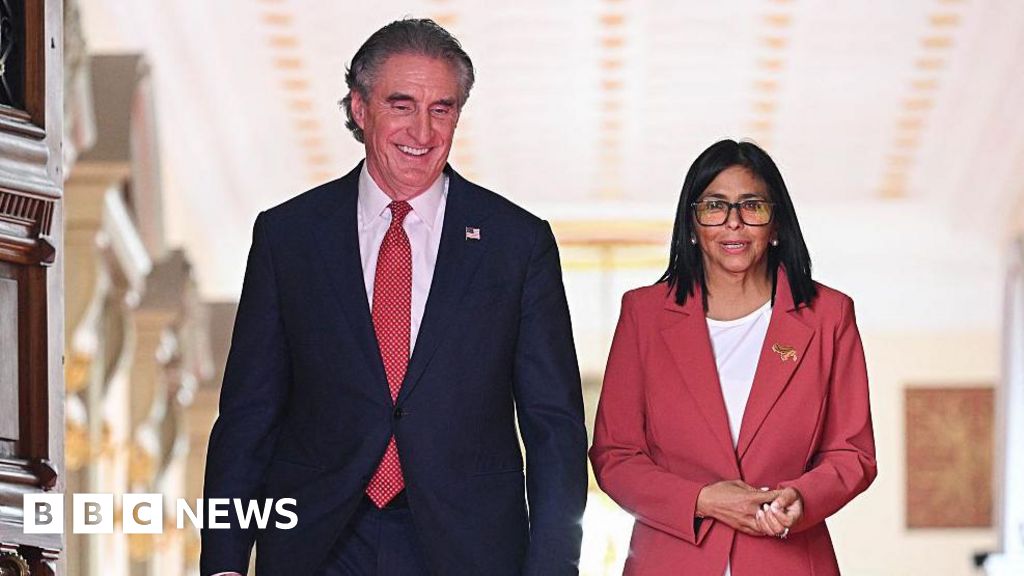
US and Venezuela rekindle diplomatic ties following Maduro’s capture

In a bold move that has sent shockwaves through the international community, the United States announced that it had seized Nicolás Maduro and his wife, marking a decisive shift in its approach to the ongoing crisis in Venezuela. This action, which the US framed as part of a broader effort to promote stability in the region, signals a significant escalation in Washington’s foreign policy objectives and highlights the complex interplay between diplomacy and power in today’s geopolitics. According to official statements, the two sides have committed to a joint effort aimed at fostering stability, yet the underlying implications for regional security remain profound.

Historian and international security analysts have widely discussed the geopolitical impact of this intervention. The move not only challenges the Maduro regime, which has been embroiled in economic collapse and political turmoil, but also shifts the balance of influence across Latin America. Many view the US action as a move designed to weaken the current authoritarian government and pave the way for a different political trajectory in Venezuela. It also raises questions about the future of regional alliances, with countries such as Russia and China—who have historically supported Maduro—likely to respond with strategic caution or increased hostility. The intervention underscores the broader global contest of influence, where superpowers leverage crises for ideological and political advantage.

Furthermore, this incident comes amid howling debates over sovereignty and international law. Critics argue that the US’s actions may exacerbate regional instability and could set dangerous precedents for extraterritorial intervention. The United Nations and other international institutions have issued cautious statements, emphasizing the importance of lawful conduct and multilateral dialogue. Yet, many experts warn that such unilateral actions, if left unchecked, risk undermining the post-World War II order that has largely preserved peace through diplomacy. As analysts like Dr. Laura Bennett of the International Crisis Group point out, the decision “stands at a crossroads of law, morality, and geopolitics, with consequences that could ripple across decades.”

The geopolitical consequences of this new chapter are still unfolding, with nations watching anxiously for the next move. While the US has pledged a joint effort to stabilize Venezuela, the real measure of success will depend on how regional actors respond, the resilience of Maduro’s supporters, and how the Venezuelan people navigate these turbulent waters. As history continues to be written in real-time, the world remains on edge, aware that an event of this magnitude could either usher in a new era of democracy or plunge the region into even deeper chaos. The question remains: which will prevail—the force of history, or the chaos of uncharted futures?

Iran-backed militias escalate assaults on US, Israel, and allies

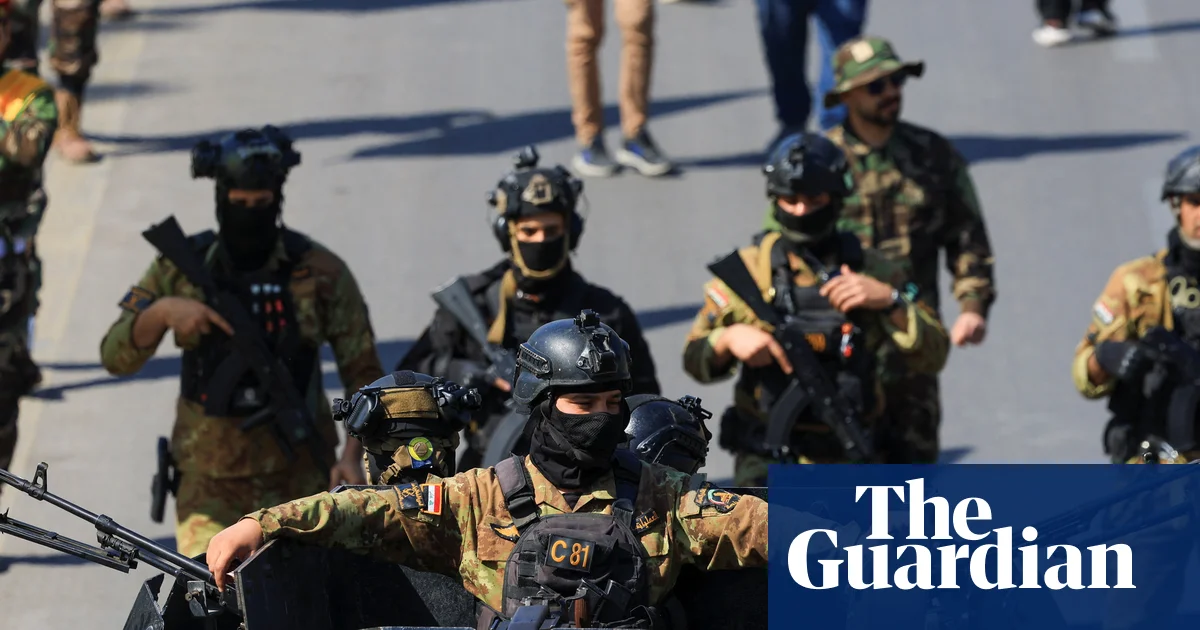
The Middle East is once again teetering on the brink of broader chaos as Iran-backed militias in the region escalate their attacks against Israel, the United States, and their allies. This intensification comes in the wake of a contentious U.S.-Israeli offensive aimed explicitly at Tehran’s network of militant groups. The conflict, rooted deeply in regional rivalry and decades of proxy warfare, is now drawing in new armed actors, with Iraq emerging as a pivotal battleground where covert and overt confrontations threaten to ignite a wider regional conflict. Analysts warn that the ongoing violence not only jeopardizes regional stability but fundamentally alters the geopolitical landscape, pushing global powers into a dangerous game of escalation and strategic ambiguity.

Since the war’s recent outbreak, militias loyal to Iran have launched dozens of attacks across Iraq, targeting American and Israeli interests in multiple countries. These attacks, often clandestine, include missile strikes and drone assaults from Iraqi territory into neighboring Jordan, efforts to cripple Iranian Kurdish opposition infrastructure, and attempted missile launches from southern Iraq—highlighting a clear escalation of proxy hostilities. According to prominent regional analysts and former intelligence officials, Israel and the US are actively engaging in targeted airstrikes and special operations to weaken pro-Iranian militias’ capabilities, aiming to dismantle Iran’s influence in Iraq and the broader Middle East. However, as these measures intensify, so does the risk of wider escalation, with officials in Washington considering the mobilization of Iranian Kurdish groups potentially for *an invasion of Iran’s northwest*, marking a new and dangerous phase in the regional proxy war.

The geopolitical impact of these events cannot be overstated. The long-standing US-Iran rivalry, which has played out through the proxy networks spanning from the Indian Ocean to the Mediterranean, is now manifesting in overt violence and strategic countermeasures. Iran’s investment over decades in a coalition of militias—such as Kataib Hezbollah—aims at both deterring external attacks and projecting influence regionally. The recent surge in attacks on militia bases, including alleged Israeli drone operations, signals a shift toward clandestine and asymmetric warfare. Historically, many specialists, including scholars from Chatham House and military analysts, argue this escalating chaos is as much about Iran’s existential resilience as it is about regional dominance. Dozens of fighters have been killed in retaliatory strikes, and unexplained explosions have reportedly disabled Iraqi radar systems, raising fears of a covert war waged from the shadows.

Furthermore, the broader regional implications are ominous. The “axis of resistance,” long a thorn in Israeli and Western interests, has been dented but not broken, as Iran’s allies like Hezbollah and Hamas remain poised but deliberately cautious. Recent Israeli offensives in Lebanon and the threat posed by Iran’s Houthi allies in Yemen hint at an expansion of the conflict. Meanwhile, analysts suggest that Iran’s strategic reserves include the Houthis, which may be held in reserve for a future escalation should Tehran perceive its regime’s survival as truly at risk. The potential deployment of proxies and the possibility of internal destabilization signals that the conflict is less about immediate territorial gains and more about a profound fight for influence and survival—a war fought through shadows and subversion, with the stakes nothing less than regional dominance and ideological supremacy.

As history continues to unfold in this volatile theatre, the world stands at a threshold. The ongoing proxy battles in Iraq, Syria, and across the Middle East are shaping a story of resilience and resistance, underpinned by fierce ideological commitments and strategic calculations. Every missile fired, every drone launched, and each unexplained explosion is a chapter in a larger narrative of a region caught between superpower rivalries and the relentless pursuit of influence. The outcome remains uncertain, but one truth persists: this is more than a regional dispute—it is a pivotal moment in the shaping of the Middle East’s future, with the weight of history swinging in the balance, waiting for the next move that could usher in either a fragile peace or a catastrophic escalation.

Canadian teen tragically loses life in drowning after dingo attack in Australia

The recent discovery of Piper James’s body on the remote island of K’Gari has sent shockwaves through international media and ignited a broader discussion on the ramifications of isolated tragedies within fragile ecosystems. Found in January amidst a pack of dingoes, this incident underscores the potential perils faced by unexplored or minimally managed territories — locations often overlooked in the grand geopolitical theater. While initial reports focus on local circumstances, the incident has unexpectedly become a flashpoint for larger debates on environmental protection, sovereignty, and the global implications of human-animal interactions.

From a geopolitical perspective, the incident highlights the vulnerabilities of islands like K’Gari, a site increasingly viewed through the lens of environmental and strategic importance. Many analysts point out that such tragedies could either serve as cautionary tales or catalysts for international discussions about sovereignty, resource management, and conservation policies. The incident raises questions on whether nations should strengthen their environmental oversight or limit access to particularly fragile ecosystems. In a world where environmental shifts often interlock with geopolitical conflicts, such local tragedies echo national narratives about sovereignty and responsibility. International organizations, including the United Nations Environment Programme, have long emphasized the importance of safeguarding ecological sanctuaries from human disturbances, yet enforcement remains inconsistent, especially in remote regions.

Furthermore, the incident’s unexpected global attention reflects a growing trend where individual tragedies reveal the interconnectedness of social, environmental, and political systems. Historians and geopolitical analysts warn that neglect or mismanagement of remote ecosystems can precipitate broader crises—be they ecological, social, or diplomatic.

  • Some nations, driven by economic interests, tend to downplay the significance of isolated habitats, risking conflict with conservationists and indigenous communities.
  • Others advocate for increased international cooperation to mitigate risks in fragile environments, fearing that unmonitored sites could become grounds for illegal activities or environmental degradation.

As the international community grapples with this incident, it functions as a stark reminder of the delicate balance between sovereignty and global stewardship. As one analysis warns, “Haphazard management of isolated ecosystems not only endangers local biodiversity but also imperils broader regional stability.” With rising geopolitical tensions elsewhere, the fate of remote regions like K’Gari could become emblematic of a larger struggle—an ongoing contest over control, conservation, and the preservation of human dignity amid the wilderness. The story of Piper James is more than a tragic loss; it is a stark tableau of how humanity’s decisions can echo through history, shaping the narrative of tomorrow’s world, leaving us to wonder: are we safeguarding our future or merely observing it slipping away?

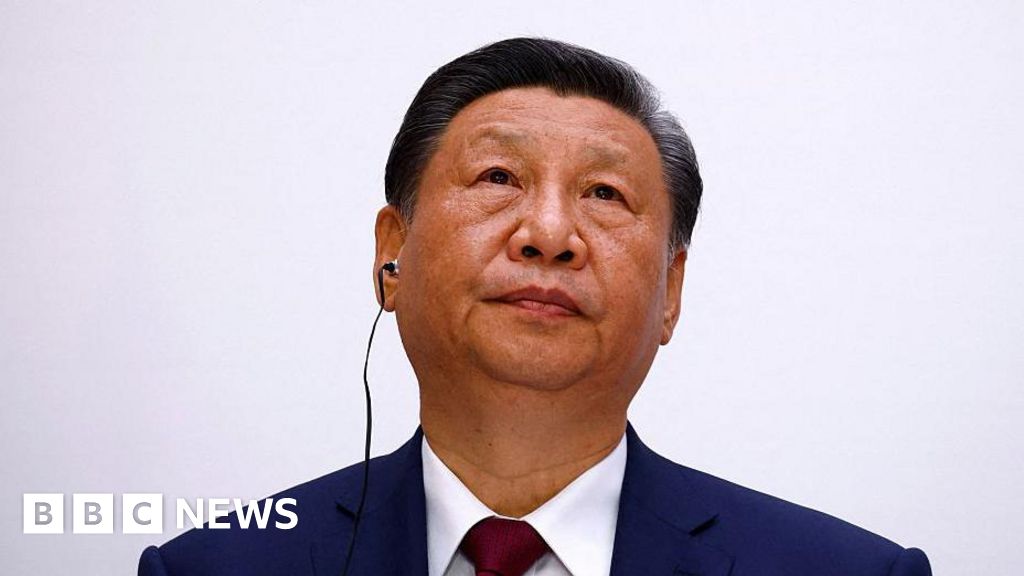
Iran tensions unsettle China’s ambitions—what’s the game plan?

As conflicts rage across the Middle East, notably the recent escalations involving Israel and Palestinian factions, China remains notably unshaken by the immediate chaos—yet its position is evolving rapidly due to the profound geopolitical ripples emanating from this volatile region. While Beijing has traditionally maintained a cautious stance in Middle Eastern affairs, recent developments have begun to influence China’s strategic calculations as global powers scramble for influence and security prerogatives in an increasingly unstable world order.

According to international analysts and historians specializing in Asian geopolitics, China’s leadership is observing the unfolding crisis with careful intent rather than direct engagement—at least for now. Nevertheless, the economic and diplomatic impacts are unmistakable. China’s longstanding partnerships with regional stakeholders, including countries like Iran, Syria, and Turkey, place it at a unique crossroads. Many experts argue that the ripple effects threaten to destabilize broader regional stability, which could complicate China’s expansive Belt and Road Initiative (BRI) projects stretching into the Middle East, Africa, and Central Asia, thus threatening to undermine its economic interests. The global criticism of Western interventionism in such conflicts also makes China’s position more complex, forcing it to navigate a delicate path between diplomacy and strategic assertiveness.

Global institutions such as the United Nations are increasingly caught in the crossfire of international powers’ interests. China’s recent call for restraint and dialogue underscores its desire to position itself as an advocate for peace—yet many observers question whether this rhetoric reflects genuine resolve or a tactical delay in shaping a new geopolitical reality. Notably, Chinese officials and state media have emphasized the importance of non-interference, subtly echoing their broader strategy of resisting Western-led interventionism where it conflicts with China’s sovereign interests. Meanwhile, some analysts warn that if the conflict persists or escalates, it could expedite a reordering of alliances—favoring those who reject Western dominance and bolster China’s push for a multipolar world.

In this tense atmosphere, the geopolitical impact of the Middle East conflict extends beyond mere regional destabilization. Historically, periods of upheaval in critical regions have served as catalysts for shiftings of global power. Contemporary figures in international security circles suggest that China’s response—or lack thereof—may set a precedent for how emerging powers counterbalance Western influence amidst global chaos. As history often warns, the initial calm amid chaos can quickly give way to profound transformations. Whether China will emerge as a diplomatic balancer or influence mediator remains to be seen, but the unfolding crisis underscores the fragile scaffolding of current international order—one federal decision away from a potentially transformative upheaval that could shape the future of global diplomacy for generations to come.

Australia news: Luxury car tax tweak may boost EU deal; Dubai flights land in Sydney and Melbourne

The geopolitical landscape in the Indo-Pacific is witnessing a decisive shift as Australia prepares to amend its domestic policies to clinch a lucrative free trade agreement (FTA) with the European Union. This move isn’t just about economics; it signals a strategic realignment aimed at fortifying Australia’s international standing amid ongoing global tensions. Negotiations have been progressing swiftly, with Ursula von der Leyen, the President of the European Commission, potentially set to visit Australia in the coming days—an event that could mark a significant milestone in this diplomatic push.

Key to this diplomatic gambit is a controversial adjustment to Australia’s luxury car tax (LCT), a move that has caught international attention. According to reports, the Australian government is considering increasing the current $80,000 threshold to at least $100,000, a concession tailored to European automakers like BMW and Mercedes-Benz. This adjustment would reduce import tariffs on high-end vehicles, making Australian markets more accessible to European luxury brands while simultaneously positioning the nation as a more attractive partner in commerce. Analysts, including diplomatic strategists and trade experts, observe that this maneuver is a calculated effort to demonstrate Australia’s willingness to flex its economic muscles in service of broader geopolitical ambitions.

In tandem with negotiations with the EU, Australia’s military posture remains a subject of international intrigue. Reports suggest that Australian personnel may have been aboard a U.S. submarine during an operation off Sri Lanka, which resulted in the torpedoing and sinking of an Iranian warship—an incident that has sent ripples through international security circles. Defense Minister Madeleine King refused to disclose operational details, citing longstanding arrangements with allied foreign governments, notably the U.S. Navy. This situation underscores Australia’s deepening military integration within the AUKUS pact, a strategic alliance that signals a clear pivot towards aligning more closely with Western military interests amidst an increasingly unsettled international order.

Meanwhile, Australia is grappling with severe weather phenomena, as a tropical low threatens the northern coasts with flooding and damaging winds. Such natural disasters have become a stark reminder of the rising stakes in the region’s security and economic stability. Emergency preparations in Queensland highlight the country’s vulnerability to climate events that could further destabilize already precarious social and infrastructural conditions. Historians and Future Impact analysts warn that these environmental challenges, coupled with shifting geopolitical alliances, could accelerate regional realignments—an unfolding narrative of nations adjusting their course under the weight of history’s relentless tide.

Global analysts note that Australia’s dual focus—bolstering economic ties with the EU while navigating complex military alliances—embodies a broader pattern among Western-aligned nations seeking to preserve sovereignty and influence in a rapidly changing world. The decisions made today will ripple across continents, affecting societies, industries, and security architectures for generations to come. As diplomatic doors open and warships move unseen in distant waters, the weight of history presses heavily upon a nation poised on the brink of a new geopolitical chapter—one written as much in boardrooms as it is in the depth of the oceans and the fury of storms.

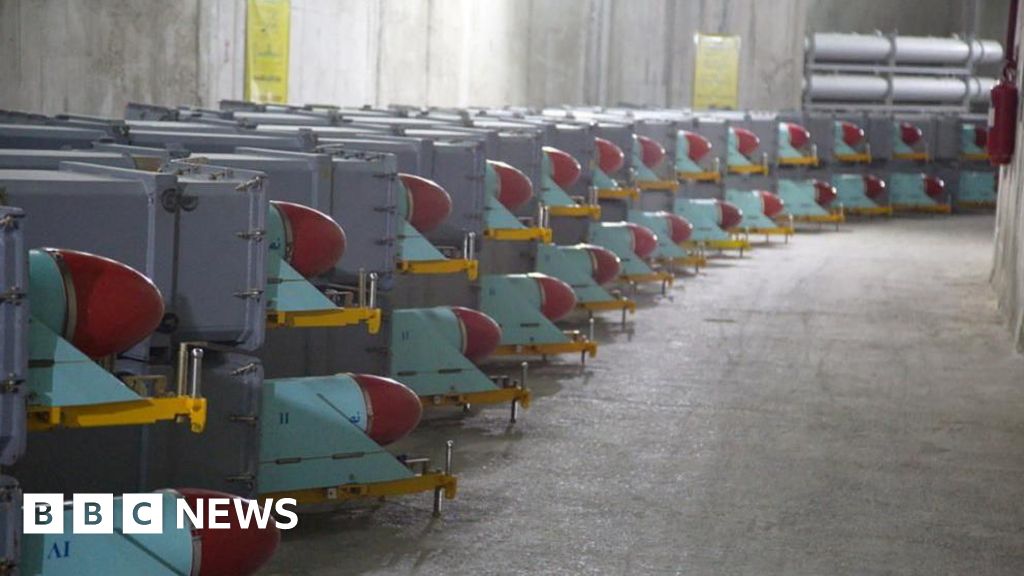
Iran’s risky game: Counting on endurance and deterrence to hold the line

Recent assessments by BBC Persian analyst Amir Azimi highlight a noticeable shift in Tehran’s strategic outlook amidst escalating tensions in the Middle East. The Iranian leadership seems to operate under a fundamental belief: it can withstand prolonged external aggression, absorbing strikes and enduring economic sanctions longer than its adversaries can sustain their pain. This doctrine of resilience underscores Iran’s evolving approach to regional and global conflicts, positioning itself as a formidable power capable of weathering sustained pressure while pursuing its strategic objectives.

Historically, Iran has navigated a landscape fraught with external hostility, from the post-1979 revolution era through the Iran-Iraq War to the current complexities involving the United States, Israel, and their allies. These persistent conflicts and diplomatic confrontations have shaped Iran’s mindset: resilience is its most valuable card. Azimi’s analysis suggests that Tehran believes this long game approach compels its rivals to either relent or exhaust their resources trying to diminish Iran’s position. This form of strategic endurance is rooted not just in military doctrine, but also in the ideological conviction that external coercion cannot break Iran’s ideological unity or its resolve to pursue autonomous regional interests.

The implications of this approach have significant geopolitical impact. Decisions made in Tehran—whether in response to U.S. sanctions, foreign military threats, or regional alliances—are increasingly characterized by a calculated patience. This tactic aims to shift the conflict from direct confrontation to an endurance contest, where Iran seeks to leverage its resilience to outlast economic and diplomatic pressures. International organizations and geopolitical analysts warn that this could lead to a protracted standoff, with each side exhausting its capacity for costly escalation. While some global pundits refer to Iran’s strategy as a form of “geopolitical gamble,” others consider it a dangerous game that risks further destabilizing an already volatile region.

Experts such as John Bolton and Middle East analysts warn that this calculus could have profound consequences. As Iran continues to develop its missile programs, expand its influence in Syria, Iraq, and Yemen, and push back against external interference, the region faces a potential escalation that many say is inevitable, unless diplomatic breakthroughs occur soon. Meanwhile, the United States and its allies remain divided on whether to pursue direct military action or to double down on economic measures—both strategies engaging in a high-stakes game of endurance, with the entire world watching.

In this evolving geopolitical chess match, the question remains: how long can the players sustain their respective strategies before history decides the final move? As Iran’s leadership appears prepared to absorb and outrun its opponents’ efforts, the world stands on the precipice of a chapter still unwritten, where patience, resilience, and strategic endurance may define the course of the 21st century’s most complex conflict. The echoes of history remind us that in the realm of global power conflicts, endurance often becomes the ultimate weapon—and the defining factor in the long-term balance of influence.

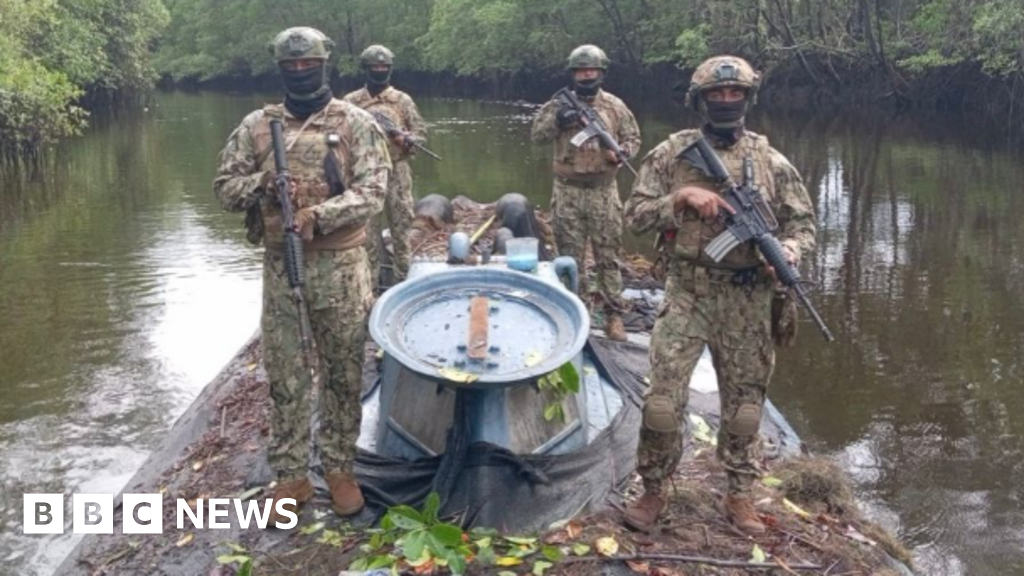
Ecuadorian Troops Uncover 35-Meter Drug Sub Hidden in Nature Reserve

In a significant development underscoring the ongoing shadow war against international drug trafficking, Ecuador’s military announced that an alleged drug-trafficking submersible was intercepted, fully loaded with fuel and primed for departure. This incident highlights the escalating use of sophisticated maritime technology by criminal syndicates operating across South America, a region increasingly pivotal in the global narcotics trade. Authorities reveal the vessel was discovered in Ecuadorian waters, a strategic corridor for traffickers aiming to evade conventional detection methods and reach their international markets.

The interception comes amid mounting concerns from regional and global security agencies over the expansion of clandestine underwater routes. These submersibles, often capable of traveling submerged for days and carrying large shipments, represent a technological leap in the trafficking arsenal, complicating efforts by law enforcement. The Ecuadorian military, in cooperation with international partners including the United States Drug Enforcement Administration (DEA), reportedly identified the vessel as part of a broader network operating throughout the Pacific coast, connecting South American production zones with transnational markets. Such operations pose a direct threat to regional stability and challenge existing maritime counter-narcotics strategies.

From a geopolitical perspective, this incident underscores the importance of Ecuador’s strategic position amid growing tensions in the broader Andean region. The country’s ability to intercept and dismantle such traffickers not only demonstrates effective state capacity but also signals a shift in regional security dynamics. Analysts from the International Crisis Group argue that these interdictions are crucial in curbing the flow of illegal drugs, which, if left unchecked, could fuel violence and corruption across South American nations. Furthermore, the use of technologically advanced submersibles reveals the adaptability of transnational criminal organizations, pushing law enforcement agencies to develop equally sophisticated surveillance and response capabilities.

  • Following this discovery, international organizations have called for increased surveillance and intelligence-sharing among neighboring states to combat the evolving threat.
  • Experts warn that such maritime trafficking methods, if left unchallenged, could lead to heightened violence, destabilizing governments and societies dependent on stability and rule of law.
  • The incident puts a spotlight on the importance of regional cooperation within U.N. conventions aimed at curbing illegal trafficking, although critics debate whether existing frameworks are sufficient to handle the technological advancements employed by traffickers.

As President Guillermo Lasso and military officials vow to intensify anti-drug operations, the incident serves as a stark reminder of the shifting landscape of global crime. Historians and security analysts emphasize that these technological innovations are not only a challenge but also a wake-up call—highlighting how clandestine networks adapt rapidly to enforce their illicit trade. The incident also raises questions about the efficacy of international cooperation and intelligence sharing, as criminal syndicates develop new methods to conceal and move their contraband beneath the waves.

In this unfolding chapter of international history, the confrontation over the seas and the shadows beneath them is far from over. Will nations succeed in strengthening their defenses and dismantling these covert networks, or will the ocean once again become a graveyard for their ambitions? As the world watches, the complexities of this war—fought in the depths of the Pacific and beyond—continue to shape the future of security, sovereignty, and the rule of law in the 21st century. This is a war not only of ships and submarines but of willpower and resilience, where the outcomes will reverberate through the corridors of global power for generations to come.

Britney Spears Detained in California Amid Rising Controversy

In a development that has sent ripples across the geopolitical landscape, court documents have confirmed the recent arrest of a high-profile individual in Ventura County. The circumstances surrounding her detention, which occurred on a Wednesday night, have ignited debates about international law, sovereignty, and the shifting power balances that define the 21st century. Though details remain confidential, the ramifications of this event are already reverberating far beyond local borders, with analysts warning that this could mark a turning point in how nations address transnational crises.

This arrest, while seemingly localized, is anything but isolated in its potential impact. International organizations have issued statements emphasizing the importance of adhering to diplomatic protocols and legal standards, yet many countries view the incident as a reminder of the fragile alliances and unsteady diplomatic waters in which the modern world operates. Experts like Dr. Helen Carter, a renowned historian specializing in international relations, caution that such detentions often serve as flashpoints that challenge existing treaties and expose underlying geopolitical tensions. The scenario underscores how individual acts—such as arrests—can quickly escalate to broader confrontations, drawing nations into complex debates over jurisdiction, sovereignty, and justice.

  • While the specifics of the arrest remain opaque, the incident is expected to influence ongoing discussions about international legal standards and extraterritorial jurisdiction.
  • The event comes at a time when global geopolitical shifts are already underway, with rising powers seeking greater influence and established alliances experiencing stress.
  • Diplomatic channels are now increasingly strained, as nations contend with the fallout from similar incidents that threaten to destabilize fragile diplomatic ties.

Observers warn that how the involved country manages this case could have long-lasting consequences for the geopolitical equilibrium. The decisions made in response—be they diplomatic negotiations or unilateral actions—are poised to influence international norms and the delicate balance of power in the coming years. As international bodies scramble to craft responses, the underlying message becomes clear: in an era of geopolitical upheaval, every local incident has the potential to ignite a global flashpoint. Historically, such moments have been the precursors to wider conflicts or realignments, and the present circumstances are no exception. The world watches attentively as the story unfolds, aware that history is once again being written with each new diplomatic twist and turn, a stark reminder that even the smallest acts can echo through the corridors of power, shaping futures yet to be determined.

Cornwall revives St Piran’s Day—more than just pasties and beaches, a proud cultural comeback

The recent celebrations of St Piran’s Day in Cornwall symbolize more than just a regional festival; they highlight a significant revival of cultural and linguistic identity that is resonating across the international stage. Once considered a modest local tradition, the event has grown into a global symbol of burgeoning regional pride, driven by a renewed recognition of Cornwall’s unique heritage. This cultural renaissance is not happening in isolation but is intertwined with political and economic developments that could reshape the geopolitical landscape of the United Kingdom. As regional voices grow louder, questions about devolution and cultural sovereignty are becoming central to Britain’s ongoing constitutional debates.

Analysts note that the recognition of the Cornish language, Kernewek, alongside increased political engagement, marks a turning point in regional autonomy efforts. With the UK government exploring a bespoke devolution deal for Cornwall, granting control over transport, housing, and economic strategies, the nation appears to be entering a phase of constitutional recalibration. This push for greater self-governance echoes other regional movements across Europe and raises questions about the future shape of the United Kingdom’s internal unity. According to the Institute of Cornish Studies, the modern resurrection of Cornwall’s culture can be traced to the late 1990s, a period marked by economic struggles and efforts to leverage cultural identity for funding, notably from the EU. This historical context underscores the strategic importance of cultural programs and regional identity in gaining political leverage within the broader UK framework, a topic that international organizations and historians monitor closely.

In addition to cultural and political momentum, Cornwall’s economic transformation places it at the heart of the UK’s energy strategy. From wind to tidal and thermal energy, Cornwall is positioned as a critical player in the nation’s pursuit of renewable resources, with its rich deposits of tin, tungsten, and lithium. This economic significance amplifies Cornwall’s geopolitical importance, making it a vital piece in the UK’s industrial future—an area that John Hemmings of the Heritage Foundation describes as “consequential for Britain’s international competitiveness.” The global community reflects this as well, with international celebrations of Cornish heritage stretching across Toronto, Hong Kong, and Australia, symbolizing Cornwall’s cultural reach beyond the UK. Such global ties reinforce the narrative that regional identity movements in Britain are intertwined with economic and geopolitical ambitions, further complicating Britain’s internal cohesion.

As Cornwall’s cultural and political resurgence continues, voices like the local MP Perran Moon emphasize that Cornwall’s identity is now a part of a wider international dialogue—not merely regional pride, but a symbol of a nation’s evolving relationship with its own minorities and historic nations. The advent of a more autonomous Cornwall represents a broader trend in Europe, where regional nations such as Scotland, Wales, and parts of Spain and Italy increasingly assert their identities in the face of centralized state power. The stakes are high: the decisions made today about Cornwall’s future will resonate with similar movements elsewhere, prompting a fundamental redefinition of sovereignty and nationhood within the geopolitical fabric. As history rushes onward, the story of Cornwall, rooted in ancient legends and Celtic traditions, is now scripting a new chapter—one where local pride may challenge the very structure of the modern nation-state, leaving historians and policymakers alike to ponder what the future holds for Britain and its Celtic nations amidst this stirring tide of cultural revival.

Social Media Auto Publish Powered By : XYZScripts.com