Matox News

Truth Over Trends, always!

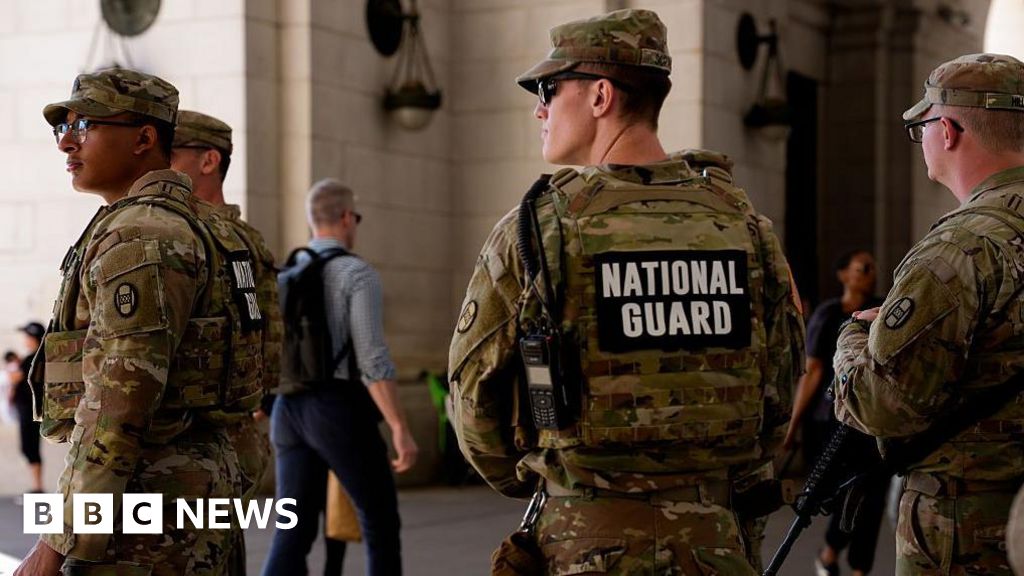
Trump authorizes National Guard deployment to protect Chicago's streets
Trump authorizes National Guard deployment to protect Chicago’s streets

U.S. Domestic Unrest Sparks International Debate Over Military Deployment

The United States continues to navigate a tumultuous chapter of its history, as federal authorities increasingly resort to military measures to address rising civil unrest and escalating crime. President Donald Trump recently authorized the deployment of 300 National Guard troops to Chicago, citing concerns over what he describes as “out-of-control crime.” However, this decision underscores a deeper rift within the American geopolitical landscape, raising serious questions about the limits of federal power and the sovereignty of individual states.

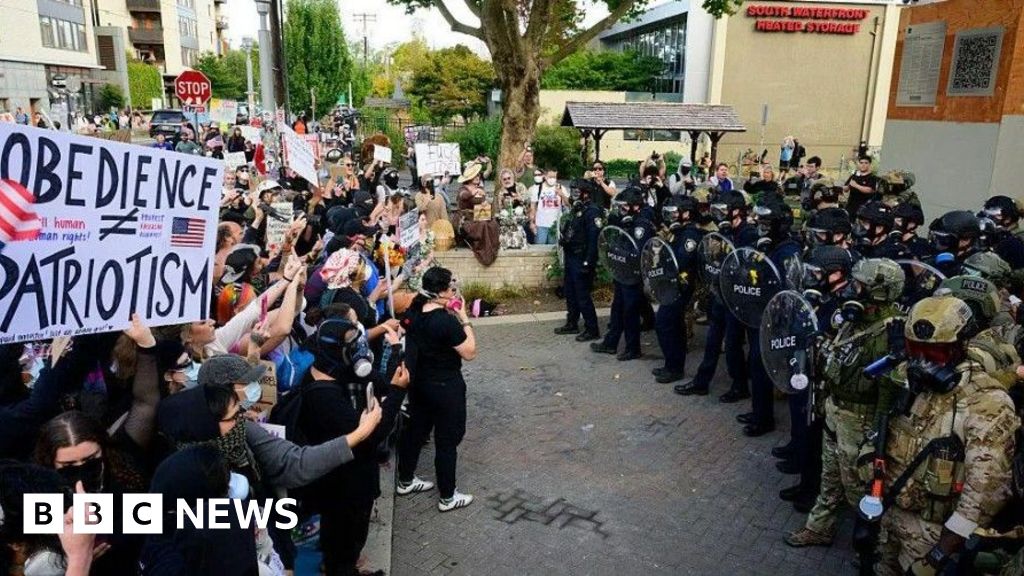
While Chicago faces mounting protests over immigration enforcement, authorities reported escalate violence, including a shooting incident involving an armed woman whose vehicle rammed into law enforcement and immigration vehicles. These events occurred amidst a backdrop of political division and mounting legal pushback. A federal judge in Portland, Oregon—another Democratic stronghold—temporarily blocked the Trump administration’s attempt to deploy 200 soldiers, warning that such actions risk “blurring the line between civil and military federal power.” Judge Karin Immergut’s ruling highlights concerns among legal analysts that the unilateral deployment of troops for domestic issues threatens the constitutional balance enshrined in U.S. law.

Legal and Constitutional Struggles Mark Biden Administration’s Response

The deployment efforts by the Trump administration have ignited a fierce debate across legal and political circles. Critics argue that using the military to manage civil unrest compromises the foundational principles of American federalism. According to historical scholars, such large-scale domestic military involvement is unprecedented in recent decades—raising alarms about the potential for authoritarian overreach. The National Guard, traditionally under the command of state governors, is now being mobilized by federal authorities, thus challenging the established legal frameworks that limit military intervention within domestic borders.

International organizations like Human Rights Watch warn that such deployments could inflame tensions, undermine civil liberties, and create dangerous precedents. Opposing voices, including Illinois Governor JB Pritzker, accuse Trump of “attempting to manufacture a crisis.” This political fight over control of the public space is more than local; it reflects a broader ideological struggle about the role of government, security, and the rights of citizens. Such policies risk setting a dangerous precedent where law enforcement, backed by military force, could gain extraordinary powers that threaten democratic accountability.

Geopolitical Impact and Societal Consequences

The international community watches keenly as this internal conflict unfolds. The United States, once a bastion of democratic stability, appears increasingly divided, with its federal institutions tested by executive actions that bypass traditional legal channels. Analysts from the Council on Foreign Relations warn that the chaos could weaken America’s global standing, as allies question the stability of a nation where military power is wielded domestically under a partisan banner. The image of bustling cities like Chicago and Portland turning into militarized zones sends a troubling signal, not just to Americans, but to nations watching from afar, questioning whether the U.S. remains a beacon of constitutional governance.

Historians warn that such internal strife risks provoking wider conflicts, both political and social, that could reshape the socio-economic landscape of the nation for decades. As emerging generations of Americans are confronted with scenes of military presence on streets once reserved for peaceful protests, the fabric of civil society faces profound strains. The decisions made today will undoubtedly influence how governments across the world interpret the boundaries of authority, security, and civil liberties in the 21st century.

As the standoff intensifies and the weight of history marches forward, one thing remains clear: how the United States manages its internal tensions will leave an indelible mark. Will it uphold the principles of restrained governance and respect for civil rights, or will it succumb to authoritarian impulses cloaked in the guise of national security? The answers lie in the unfolding story—a story that continues to shape the course of not only American history but the future of liberty itself.

Global Pets Blessed in Honor of Saint Francis Feast Day

In a tradition that transcends borders and cultures, churches worldwide observed the Feast of Saint Francis of Assisi on 4 October. Celebrations encompass a unique blend of spiritual reverence and communal gathering, where the faithful bring their pets, livestock, and even farmyard roosters to be blessed, honoring the medieval saint known for his profound love of all creatures. This annual event not only emphasizes the importance of conservation and animal welfare but also underscores the enduring influence of religious practices on societal values. Yet, behind these heartfelt traditions lies a broader geopolitical fabric, woven with implications that resonate well beyond the pews.

Assisi’s patron saint remains a symbol of environmental stewardship and compassion. However, as nations grapple with rising climate change concerns and environmental policies, these celebrations subtly echo an ongoing debate about the role of religion versus secular governance in addressing ecological crises. Many international organizations, including the United Nations, have called upon communities worldwide to integrate spiritual values into their environmental commitments. Yet, such integration often prompts political tensions, especially when religious traditions challenge or complement state-led initiatives. Analyzing experts like Dr. Maria Lopez, environmental historian, suggests that these religious observances serve as a reminder of humanity’s moral responsibilities—a message that policymakers can leverage, or be challenged by, in their climate agendas.

The geopolitical impact of local customs, including the Feast’s recognition, extends into diplomatic realms. Countries with dominant religious identities or long-standing ecclesiastical influences tend to use such traditions to reinforce cultural identity and international standing. Conversely, secular or atheist-leaning regimes sometimes criticize or marginalize these events, citing secularism as vital to social cohesion. In regions like Europe, where Christianity historically shaped societal norms, these ceremonies reinforce the cultural fabric that defines national identities. Meanwhile, in parts of the global south, such celebrations bolster religious authority and social order amidst political upheavals. International bodies such as the Council of Europe monitor these dynamics, wary of how religious festivities may influence policy and societal cohesion in diverse communities.

As history’s pages turn, the significance of the Feast of Saint Francis of Assisi remains clear—it symbolizes more than venerable traditions; it embodies the ongoing struggle between tradition and modernity, faith and reason, sovereignty and global interconnectedness. The powerful symbolism of animals being blessed in a time of environmental peril serves as a potent reminder that societal choices today will echo through the corridors of history. Whether they inspire sustainable change or deepen divides, these cultural expressions are testament to a world’s continuous search for meaning amid rapid change. In this unfolding narrative of human resilience and conflict, the weight of history presses heavily upon the present, urging future generations to reflect: in the silent prayers for animals, what profound lessons of stewardship and unity are truly being voiced? The pages of history continue to turn, and the world watches, uncertain of what the next chapter will hold.

Poland Deploys Jets Amid Russia’s Western Ukraine Attacks

The bleak skies over Ukraine have once again darkened with renewed Russian missile and drone assaults, signaling a significant escalation in the ongoing conflict that has gripped Eastern Europe since 2022. In the early hours of Sunday, Russian forces unleashed a barrage targeting critical infrastructure in cities like Lviv and Zaporizhzhia, causing casualties and widespread blackouts. These strikes, aimed at crippling Ukraine’s power grid, underscore Russia’s relentless strategy to weaken Kyiv’s resilience, amidst mounting indications of an intensified campaign that pushes the boundaries of conventional warfare.

The international response has been swift and concerned. NATO allies, especially Poland and other eastern members, activated their military defenses, with Polish fighter jets scrambled overnight to secure their airspace following Russian strikes near their border areas. The Polish military confirmed that allied aircraft are operating in our airspace, as ground-based defence systems are brought to the highest alert. This move reflects a broader realization that the conflict’s reach is expanding – and that the threat now extends beyond Ukraine’s borders to threaten regional stability. Moreover, the deployment of allied aircraft underscores the importance of collective defense and the fragile balance of power in this increasingly volatile zone.

Meanwhile, Ukraine’s sovereignty remains under threat, with Russian forces controlling approximately a fifth of Ukrainian territory, including Crimea—a region annexed illegally in 2014. The current Russian assaults aim not only to punish Ukrainian resistance but also to demonstrate a capacity to strike deep into Ukrainian territory, following recent American signals of increased support for offensive operations. US officials, like Keith Kellogg, have openly endorsed Ukraine’s right to launch deep strikes into Russian territory, given the absence of sanctuaries on the battlefield—a bold stance that could reshape the nature of the conflict. As Russia doubles down, its defense ministry reports destroying 32 Ukrainian drones overnight, illustrating the ongoing missile duels that threaten to spiral further out of control.

In this dangerous chess game, neighboring nations are feeling the ripple effects. Lithuania was forced to temporarily close its largest airport after spotting suspicious objects, later identified as balloons heading toward Vilnius, raising concerns about espionage or potential escalation. The brief disruption reveals the fragile peace in the Baltics and the broader uncertainty around how far Russia might push the envelope in its confrontation with NATO states. As analysts warn of a possible uptick in clandestine military activity, the overarching question remains: How will this clash of great powers determine the fate of Ukraine — and the security architecture of Europe itself? With each strike and counterstrike, history appears poised on a knife’s edge, echoing the tumult of the decades-long struggle for influence that once divided continents. The world waits, watching as the tide of conflict threatens to drown the hopes of stability in a sea of chaos, leaving us to ponder the true cost of unchecked aggression and the fragile thread holding together a fractured peace.

Andrej Babis’ populist party secures victory in parliamentary election

The recent parliamentary elections in the Czech Republic mark a pivotal moment in Central European geopolitics, driven by the resurgence of billionaire businessman Andrej Babis. With his populist ANO party securing almost 35% of the vote, Babis’s political comeback underscores a shifting tide within Europe’s heartland. While his party gained seats—rising from 72 to 80 out of 200—it still falls short of an outright majority, positioning Babis to lead coalition negotiations with smaller, fringe libertarian and nationalist parties.

In a political scene characterized by uncertainty, Babis’s alliance with right-wing, Eurosceptic parties, such as the Motors for Themselves and Freedom and Direct Democracy (SPD), shifts the Czech Republic towards a more skeptical stance on EU and NATO. Historically, analysts warn that such alliances could jeopardize Prague’s commitments to Western defense and cooperation, especially amid a broader uprising of populist nationalism across Europe. Babis’s rhetoric, which included opposition to the EU’s ban on petrol and diesel cars after 2035, signals a pushback against EU environmental mandates, which many see as an expression of sovereignty versus supranational oversight. This approach resonates with leaders like Hungary’s Viktor Orban, with whom Babis aligns through the Patriots for Europe parliamentary group, often criticized by international organizations for promoting nationalist agendas at the expense of broader European unity.

Adding further complexity, Babis’s stance on Ukraine and his plan to dismantle the Czech ammunition initiative—responsible for supplying Ukraine with millions of shells—highlight a potential realignment away from unwavering Western support. By proposing to place the arms scheme under NATO control and criticizing Western aid, Babis echoes the emerging geopolitical tension characterized by skepticism of Ukraine’s Western allies. Historians note that such shifts could weaken the collective resolve of NATO amid ongoing conflicts, and international organizations such as the EU warn of the long-term instability that could result from the decline of Czech commitment to Eastern European defense efforts.

While Babis claims to uphold a firm stance on regional sovereignty and a history of robust international relations—mentioning past interactions with President Trump, the FBI, and the CIA—his domestic policies raise questions about the durability of the Western alliance. Yet, with his overt anti-Ukrainian rhetoric and opposition to EU and NATO policies, his victory potentially heralds a new chapter of navigating the thin line between national interests and international obligations. As Babis prepares to forge alliances, the broader European security landscape teeters on a knife’s edge—an unfolding saga that history will judge for the heavy hand it wields in shaping the future of freedom, sovereignty, and global stability. In this moment of profound change, the weight of history presses down, leaving nations to wonder: How will the Czech Republic’s choices echo through the corridors of power for generations to come?

US Falling Behind in the Electric Car Race: What went Wrong?

The Geopolitical Significance of Electric Vehicle Policies

The race for dominance in the electric vehicle (EV) industry has become a focal point in international geopolitics and economic rivalry. In recent years, the US has aggressively pushed to position itself as a leader in clean transportation technology, aiming for electric cars to comprise half of all vehicle sales by the year 2030. President Joe Biden championed policies that include expanding tax credits, boosting infrastructure with billions invested in charging stations, and incentivizing domestic manufacturing through loans and grants. These measures, supporters argue, are part of a broader strategy to secure economic independence and maintain technological sovereignty against rising competitors like China.

Yet, despite these ambitions, the US electric car market has lagged behind much of the European Union, the United Kingdom, and China, which have benefitted from more aggressive government subsidies and regulatory frameworks. China, for instance, now accounts for nearly half of all EV sales globally, with a clear aim to dominate the market entirely. European nations have made substantial advances with nearly 20–30% of new car sales being electric or hybrid vehicles, supported by policies that include strict emissions targets and generous incentives. This disparity underscores the impact of decision-making at the governmental level, revealing how support or the lack thereof profoundly influences a nation’s rise in the EV industry.

Policy Fluctuations and Their Consequences

The recent policy shifts in Washington reflect raw political divides over climate and economic priorities. Former President Donald Trump has openly dismissed climate change as a “con job” and has sought to dismantle many carbon-reducing policies. His administration’s decision to cancel the $7,500 tax credit—a key incentive for EV buyers—has sent ripple effects through the industry, endangering the sustainability of ongoing investments. Industry leaders like Ford and Tesla warn that demand could precipitously decline in the absence of government support, which had played a crucial role in driving record sales during the last quarter.

With tariffs on foreign vehicles and parts further complicating the landscape—including measures enacted by Trump in the spring—the industry faces an uncertain future. Analysts warn that without sustained government backing, the US might not only fall behind in EV adoption but could also become less competitive globally, losing crucial technological leadership and economic influence. This tug-of-war in policy demonstrates how domestic political shifts directly shape transformative technology sectors, thereby altering international power balances.

Economic and Social Ramifications

Despite the narrative of an EV revolution, the American consumer remains hesitant due to high costs—electric cars still command an average transaction price exceeding $57,000—roughly 16% higher than comparable petrol-powered vehicles. Manufacturers like Hyundai have attempted to offset those costs by lowering prices, but the combination of tariffs and diminishing subsidies could stymie consumer enthusiasm. Such economic pressures threaten to stifle innovation and broader adoption in one of the world’s biggest car markets, creating a ripple effect that could slow the global transition away from fossil fuels.

Some analysts argue that the US’s relative lag in this sector reveals more than just economic challenges; it reflects broader questions about national strategy and societal readiness. Will the US continue to invest in future industries or succumb to protectionist policies that threaten to fragment global supply chains? As industry veterans and international observers ponder these questions, it becomes clear that the trajectory of America’s electric vehicle industry may well determine the future landscape of global economic power—and whether the US can still claim a seat at the table or is destined to watch from the sidelines as others set the rules of the game.

As history writes itself in the coming years, the fight for technological supremacy and energy independence unfolds on an increasingly divided stage, leaving the world to watch and wonder: Will this be the dawn of a new era, or just another chapter in a story of lost opportunities? The weight of history presses heavily upon this moment, as nations and societies brace for what comes next in the silent, relentless march toward the future.

U.S. Envoys Travel to Egypt for Gaza Ceasefire; Trump Claims Breakthrough Near

In a development marked by international diplomacy and regional instability, the United States appears to be intensifying its role as a pivotal mediator in the ongoing gaza conflict. White House officials announced that Jared Kushner, former senior advisor and son-in-law to President Donald Trump, along with Steve Witkoff, are heading to Egypt to negotiate a potential ceasefire and hostages’ release. The move signals an active US attempt to de-escalate violence that has claimed thousands of lives, primarily among civilians, in Gaza. Amid the fragile diplomatic climate, Egypt is poised to host delegations from Israel and Hamas on Monday, reflecting its strategic position as a regional diplomatic hub. The implications of these negotiations extend beyond mere hostages, touching upon the very sovereignty and security of multiple nations involved in this complex turmoil.

The geopolitical impact of these developments resonates profoundly as Israel strives to recover its image and assert military dominance, while Hamas remains resistant to diplomatic overtures and continues to resist disarmament demands. Israeli Prime Minister Benjamin Netanyahu expressed hope of bringing home all remaining hostages during the upcoming Jewish holidays of Sukkot, emphasizing the political weight of the negotiations. Meanwhile, Trump publicly articulated that the US is “very close” to an agreement, claiming that “every country of the world in favor” of the deal. His remarks coincide with accusations from Hamas that Israel’s continued massacres and bombings defy the narrative that military operations are being scaled down, suggesting that the peace process remains fragile and fraught with accusations and distrust. The outcomes of these negotiations hold significant geopolitical consequences, impacting regional stability and international perceptions of conflict management.

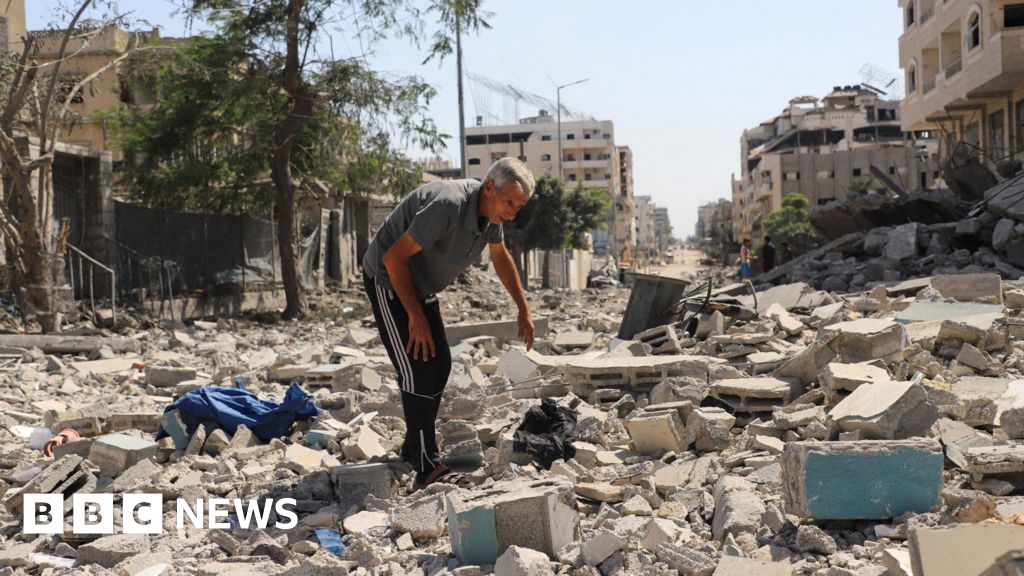
The humanitarian toll in Gaza continues to deepen, with reports of at least 17 Palestinians killed in a single Israeli attack on Saturday, most of whom were women and children. The escalation includes targeted drone strikes, house raids, and a brutal blockade that, according to UN experts and humanitarian agencies, risks crossing into a chapter of genocide. Israel rejects this classification, asserting its actions are strictly for self-defense. Historians and analysts warn that such escalations threaten to ignite a broader regional confrontation, with Turkey’s Recep Tayyip Erdoğan playing a distraction role by pressing Hamas for a swift resolution. As the world watches, the underlying question remains—will diplomatic negotiations hold, or will this cycle of violence spiral into a larger regional conflict, dragging everyone into an unpredictable and destructive future?

In the shadow of global diplomacy, the pieces are moving on a geopolitical chessboard that could tilt toward peace or chaos, with history’s pen poised to write its next chapter. The current negotiations may serve as a fleeting turning point or a tragic foreshadowing of an even darker era. As the world holds its breath, the ongoing dance of diplomacy and warfare underscores the harsh reality that in this volatile region, the decisions of today will echo through generations, shaping a future where hope and despair remain locked in mortal conflict.

Judge halts Trump’s attempt to send National Guard to Portland

US Federal Court Blocks Deployment of National Guard to Portland

In a pivotal legal decision that echoes across the United States, a federal judge has halted the Trump administration from deploying the National Guard to Portland, Oregon. This move ignited a fierce political debate about the use of military forces in domestic civil unrest. The court’s intervention highlights the ongoing struggle between federal authority and local sovereignty, with profound geopolitical impact that extends well beyond the Pacific Northwest. The administration had announced on 27 September its intention to send troops, claiming it was necessary to restore order amidst protests outside a federal immigration enforcement office. However, local officials and the state’s legal representatives argued that the situation was misrepresented, pointing to the city’s relatively calm protest activity in recent days. This legal setback underscores a broader narrative: the clash over federal intervention in domestic protests has become a microcosm of larger ideological battles,” explained Dr. Helena Strauss, a political analyst specializing in US civil-military relations.

The decision by Judge Immergut was based on a contention that the deployment would violate both the US Constitution and federal law. Critics argue that the Trump administration’s narrative paints Portland as a city embroiled in chaos, with Attorney General William Barr emphasizing the threat from “vicious and cruel radicals” that must be subdued with federal force. Conversely, local voices and Oregon’s attorney general declared that these claims are exaggerated; protests in Portland have largely been peaceful, sometimes comprising fewer than a dozen demonstrators. The court’s ruling not only halts the immediate deployment but also signals a warning against the unchecked use of force in what many see as a contentious effort to politicize law enforcement amid a highly polarized national climate.

This legal defeat for President Donald Trump marks a significant moment in the ongoing narrative of federal overreach. Since the start of his presidency, Trump has portrayed certain American cities—particularly those governed by Democrats—as lawless zones in need of military intervention. His designation of Antifa as a “major terrorist organization” was a deliberate move to stigmatize a loosely connected ideology opposed to fascism, but one that historically resists centralized control. Critics argue these labels serve to justify aggressive crackdowns, while supporters contend they are necessary to restore order. The international community watches as the US grapples with internal unrest, with many analyzing whether this pattern reveals a deeper strain within American democracy or an overreach by executive power in the guise of preserving law and order.

The geopolitical consequences are manifold. With China and Russia observing a nation in apparent disarray, the American image as a beacon of democratic stability is under strain. Historians warn that persistent federal overreach and internal conflicts risk undermining the U.S. global standing, especially in a world where soft power is crucial. The divisions exposed in Portland and other cities are not confined within borders—they threaten to reshape international alliances, weaken the American-led liberal order, and embolden adversaries who seek to exploit internal vulnerabilities. As observers like Dr. Samuel Ortega, an international relations scholar, note, “the difficulties faced in Portland are emblematic of a nation at a crossroads, where internal discord threatens to spill into the global arena, testing America’s role as a leader of stability and freedom.”

In this unfolding chapter of history, the struggle over Portland is more than a regional dispute; it is a sovereign test for the United States’ commitment to federalism, civil liberties, and democratic norms. As courts weigh in and protesters mobilize, the trajectory of this conflict will influence how nations perceive American resilience and resolve. The future remains uncertain, but the weight of history continues to press forward—an indelible reminder that the decisions made today will echo through generations, shaping the fabric of the free world itself.

Former NFL star Mark Sanchez arrested following stabbing incident

In a startling development that underscores the unpredictable nature of personal crises affecting public figures, former NFL quarterback Mark Sanchez has found himself embroiled in controversy after a violent incident in downtown Indianapolis. Reports confirm that Sanchez, now a prominent television commentator, was involved in a stabbing early Saturday morning, an event that has cast a shadow over his career and touched a nerve in a nation not unfamiliar with high-profile upheavals. While the details surrounding the attack remain under investigation, the incident exemplifies how societal tensions and personal struggles can intersect, sometimes leading to tragic consequences.

The geopolitical impact of such incidents extends beyond individual tragedy, resonating across national narratives about violence, law enforcement, and social stability. Indianapolis, a city increasingly emblematic of broader American urban challenges, serves as a microcosm of a nation grappling with issues from rising violence to mental health crises—issues often magnified when connected to high-profile figures. The Indianapolis metropolitan police department reported that Sanchez was hospitalized in critical condition after the attack, with officers detaining a suspect involved. Such incidents often ignite debates on urban safety policies, law enforcement’s capacity, and America’s societal cohesion at large. Analysts from organizations like the Council on Foreign Relations warn that domestic stability, whether in the United States or elsewhere, hinges on effective responses to such internal crises, which reflect deeper structural vulnerabilities.

This case highlights how individual events in the United States can ripple outward, affecting perceptions of law, order, and national character. It serves as a grim reminder that no societal fortress is immune to discord, even within the realm of celebrity and sports—entities often romanticized as icons of resilience. Yet, the aftermath of Sanchez’s stabbing raises critical questions about social cohesion and the role of community-based interventions, especially given how such incidents are increasingly weaponized in political and cultural debates. Historically, crises involving public figures tend to magnify societal divisions rather than heal them, and experts suggest that without comprehensive reform, these fissures threaten to widen, further destabilizing an already fragile social fabric.

  • The incident has prompted immediate attention from local authorities, with the Marion County Prosecutor’s Office preparing to decide on formal charges, emphasizing the presumption of innocence until proven guilty.
  • Comments from analysts note that the incident, while criminal in nature, echoes larger themes of urban unrest and societal marginalization, often exploited by political factions seeking to sway public opinion.
  • International institutions like the United Nations have repeatedly underscored the importance of social stability as a foundation for peace, warning that internal disorder can rapidly threaten regional security.

As Sanchez’s story unfolds, the incident leaves a heavy reminder that history’s most tumultuous chapters are often written in moments of personal crisis that mirror broader societal conflicts. From the streets of Indianapolis to the forums of international diplomacy, the question remains—how will nations adapt to the rising tide of internal chaos? The course of events in Indiana may seem isolated, yet they echo a much larger narrative: the fragile dance of order and disorder, of tradition confronting modern upheavals. The weight of history presses down, an ominous reminder that whether in the corridors of power or the alleyways of small cities, the future of societal stability depends on the resilience and unity of nations that dare to confront their own shadows. With each passing event, the story of our times is being written—sometimes in blood, sometimes in resolve—and the final chapter, still yet to come, promises to define generations to come.

Australia News Live: Hecs Debt Relief Starts November – Waters Demands More Support for Detained Flotilla Activists

Global Power Play: Navigating Conflicts, Alliances, and Domestic Policy Shifts

In an era where the geopolitical landscape shifts rapidly, nations are increasingly compelled to reassess alliances and strategic priorities. Australia, under the leadership of Prime Minister Anthony Albanese, exemplifies this dynamic as it grapples with complex international issues—from supporting activists attempting to break the Gaza blockade to navigating climate commitments and domestic policy reforms.

One of the most striking international developments involves the interception of a flotilla attempting to breach the naval **blockade on Gaza**, aimed at delivering critical aid to the beleaguered Palestinian territory. Six Australians who participated face detention by **Israel**, prompting calls from Australian politicians, including opposition figures such as Larissa Waters, for the government to escalate diplomatic efforts. Waters has demanded greater action from Foreign Minister Penny Wong, including “calling on the Israeli ambassador” and even contemplating the expulsion of that ambassador if Australia’s nationals are not treated with due security and respect. The situation underscores the **geopolitical impact** of America’s close alliance with Israel—a relationship that many analysts argue complicates Australia’s ability to adopt a balanced foreign policy amid rising tensions.

Meanwhile, in domestic policy, the Albanese government has announced significant steps to ease economic burdens for Australians. Starting mid-November, the **Higher Education Contribution Scheme (HECS)** debt will be cut by 20%, a move aimed at alleviating the student debt crisis faced by millions. This policy shift, backdated to balances as of June, reflects a broader economic strategy to boost domestic affordability and social mobility. Critics, however, argue that such measures serve political ambitions more than systemic reform, especially as debates around **climate change** intensify. The Greens, led by Larissa Waters, have repeatedly accused the government of ignoring expert advice—asserting that the **62-70% emissions reduction targets** are “low-balled” and favoring coal and gas industries with too lenient policies. This rift demonstrates how domestic policy decisions are deeply intertwined with **global climate commitments**, which, if rushed or compromised, could undermine Australia’s credibility on the international stage.

In the broader arena, the **Green parties worldwide** are pushing hard for environmental protections and a shift away from fossil fuels. Waters has called for an end to native forest logging and stronger environmental safeguards, criticizing the government’s willingness to negotiate with powerful fossil fuel interests—particularly the notorious “go zones” that reportedly include 22 coal projects seeking approval in the Bowen Basin. International organizations like the Climate Change Authority warn that actual commitments are insufficient to meet the looming climate crisis, a concern echoed by Australian experts who emphasize that **how nations choose to act now will define their legacy**. The tension between economic growth’s reliance on fossil fuels and the urgent need for ecological sustainability continues to be a defining feature of Australia’s **geopolitical impact** on global climate efforts.

As these internal and external tensions unfold, history remains at the crossroads. Decisions made in the coming months will resonate across nations—impacting alliances, influencing international perceptions, and shaping the lives of generations to come. From the **growing unrest in Gaza** to the **policy debates within Australia’s halls of power**, it is clear that the true test of leadership is whether a nation can uphold justice, security, and sustainability—all while navigating the turbulent currents of the world’s future. The unfolding narrative is a stark reminder that history’s weight lies not just in the decisions of today, but in the legacy of what is yet to be written.

Pritzker warns of Trump sending National Guard to Chicago amid shooting incident at border patrol—Youth voice demands action

Unrest and militarization escalate within United States: A nation at a crossroads

The recent decision by President Donald Trump to deploy over 300 federal National Guard troops in Illinois amidst mounting internal conflicts marks a pivotal moment in the history of American sovereignty and civil liberties. This move, announced by Illinois governor JB Pritzker, has ignited a fierce political debate, characterized by allegations of overreach and threats to fundamental constitutional principles. Pritzker’s vehement opposition underscores a broader rift within the country, pitting federal authority against local governance and civil rights.

As the Trump administration intensifies its immigration enforcement, with ICE agents conducting aggressive operations across Chicago, the urban unrest appears to be more than a routine law enforcement campaign. The recent deadly shooting of a woman by federal agents—initially claimed to be *defensive*—raises serious questions about the escalation tactics employed, especially as the woman’s name reportedly appeared in a threat bulletin against ICE. Historians warn that such incidents reflect a dangerous shift toward militarized domestic policing, reminiscent of authoritarian states more than a democratic republic. “This is a turning point where the use of military force within the U.S. is increasingly normalized,” said Dr. Annette Morgan, a political analyst specializing in civil-military relations.

Meanwhile, high-ranking officials like Kristi Noem and Gregory Bovino have announced bolstered troop deployments, framing federal intervention as necessary to control alleged surges in local violence and disorder. Yet, critics argue that much of this narrative is inflated or outright false, aiming to justify an aggressive federal footprint within American cities. The deployment of troops to cities such as Los Angeles and Washington D.C. signals a troubling trend: the encroachment of military authority into realms traditionally reserved for civilian law enforcement. Such actions threaten the very fabric of American constitutional democracy and may set dangerous precedents for future administrations.

Geopolitical Impact and Future Consequences

The international community watches these developments with concern. Many analysts, including top officials at NATO and the United Nations, have issued cautious statements emphasizing respect for national sovereignty and civil liberties. However, China and Russia are observing with strategic interest, eager to exploit perceived internal chaos to undermine the United States’ global influence. The continuous militarization of domestic affairs could weaken America’s image as a beacon of freedom worldwide, transforming its internal conflicts into a potential pretext for external interference or sanctions.

Furthermore, historians warn that this internal strife could have far-reaching consequences for American society. If unchecked, the increased deployment of military force against civilians could erode trust in democratic institutions and pave the way for a government comfortable with authoritarian methods. Such a trajectory risks transforming the United States into a nation where protests are met with suppression rather than dialogue—a dangerous slide toward internal instability that threatens to reshape the global order.

The Weight of History and Humanity’s Unfolding Future

As the United States faces this tumultuous chapter, the weight of history presses heavily on the shoulders of its citizens. Each decision to deploy military force on American soil echoes with echoes from darker chapters—when nations descended into chaos and lost sight of the principles that once made them great. The world watches in tense anticipation, aware that the choices made today may determine the destiny of generations to come. Will the United States reinforce its founding ideals of liberty and justice, or will it succumb to a new era of internal conflict and military dominance? Only time will unveil the next chapter in this unfolding story of power, resistance, and the enduring struggle for a free society.

Social Media Auto Publish Powered By : XYZScripts.com