Matox News

Truth Over Trends, always!

US-Iran Nuclear Talks Conclude in Geneva: What's Next?
US-Iran Nuclear Talks Conclude in Geneva: What’s Next?

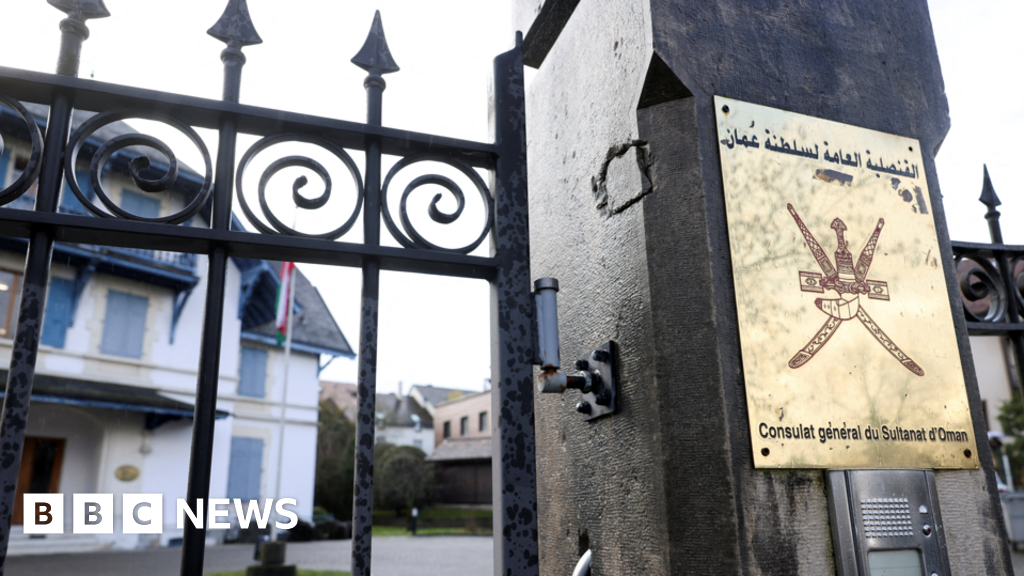
The international community finds itself at a critical juncture as the United States has opted to deploy B-2 stealth bombers to address rising nuclear tensions with an unnamed adversary. In a recent, stark statement, the US president lamented the absence of a diplomatic resolution, saying, “We could have had a deal instead of sending the B-2s in to knock out their nuclear potential. And we had to send the B-2s,” indicating a perceived failure of negotiations and the daunting reality of military escalation.

This move marks a definitive shift from diplomatic engagement toward military assertion, a decision that international analysts warn could destabilize the fragile geopolitical equilibrium that has held since the last Cold War confrontations. The deployment of the advanced bombers, capable of carrying nuclear payloads and penetrating sophisticated defenses, signifies a grave escalation—a message of deterrence or perhaps, intimidation. Such actions inevitably ripple across nations, affecting alliances, global economies, and the very fabric of international diplomacy. The United Nations, along with various regional security organizations, are closely monitoring the scenario, wary of how this militarized stance could ignite a chain reaction of hostilities.

Historians and geopolitical analysts suggest that this moment could be remembered as a pivotal point—*a devastating turning point*—in the ongoing struggle for dominance between superpowers. The current crisis reflects a broader pattern where America’s strategic interests are increasingly defined by assertive military postures rather than diplomatic solutions. The shrinking space for negotiations portends a future where conflicts are resolved less by consensus and more by the overwhelming display of military power. Critics argue that the decision to escalate could backfire, emboldening adversaries to accelerate their own military programs, thus lowering the threshold for conflict and potentially igniting a regional or even global war.

As world leaders scramble to calibrate their responses, the weight of history looms heavily. China and Russia, watching intently, have issued thinly veiled warnings about the dangerous path of unilateral escalation. Meanwhile, European Union officials have reiterated calls for renewed diplomacy, cautioning that the pursuit of military dominance risks “the annihilation of diplomatic dialogue.” The North Atlantic Treaty Organization (NATO) has convened emergency discussions about the strategic implications of the B-2 deployments, emphasizing that the size and sophistication of America’s military onslaught could shift the balance of power in unpredictable ways.

In the silence that follows such tense moments, history waits—not as a distant memory, but as a living force that continues to shape the destiny of nations. The decisions made today will echo across generations, determining whether the world treads a cautious path of peace or plunges headlong into chaos. As the US presses forward, the world holds its breath, acutely aware that, in the realm of geopolitics, the line between deterrence and disaster is perilously thin. The stakes have never been higher, and the pages of history remain unwritten—yet, the shadow of conflict grows longer, demanding vigilance and resolve from all who cherish peace amid the storm.

Family Cleared in Nikki Guthrie Case as Search Drags On Into Week Three

Recent reports emerging from local authorities have shed light on a tragic event that transcends individual loss, hinting at deeper geopolitical undercurrents. As police officials emphasized that the woman’s relatives are victims, dismissing any notions to the contrary, the incident underscores the fragility of societal trust amid escalating international tensions. The discourse surrounding this case suggests an ongoing battle for narrative control, echoing the broader contest for influence in a world increasingly polarized along political and ideological lines.

Historians and international analysts caution that such tragedies, often overshadowed by grand geopolitical machinations, reveal the human cost of global instability. The police statement — asserting that accusing the victim’s family of complicity is not just wrong but “cruel” — underscores the importance of careful diplomacy and responsible communication. This incident, while localized, exemplifies how misinformation and political opportunism can further destabilize communities. As the international community watches, organizations like UNHCR and Interpol warn against exploiting tragedies to fuel divisiveness or to push particular narratives that could hinder peace and reconciliation efforts across conflict zones.

The ramifications extend far beyond the immediate locality. Given recent shifts in international alliances and the strained relations among major powers, every domestic turmoil bears the potential to ripple across borders. For example, some geopolitical strategists have pointed to this incident as a reflection of how state narratives are used to garner internal stability, even at the expense of truth. Such tactics can serve as precedents for increased state surveillance and suppression of dissent, contributing to a climate of mistrust that threatens to undermine global security frameworks. Analysts stress that the decisions taken in these local contexts—whether to prioritize transparency or to silence uncomfortable truths—ultimately shape the fabric of international order.

Moreover, in a world where social media acts as both a tool for justice and a weapon for misinformation, the line between fact and fiction becomes blurred. This incident has prompted calls from global watchdogs for responsible journalism and fact-based storytelling. With history hinting at how narratives shape the course of nations, experts warn that missteps at the local level can escalate into international crises, especially when they are weaponized by populist leaders seeking to rally nationalist sentiment. As world governments navigate a complex landscape of alliances and rivalries, the decisions by authorities today are likely to influence the geopolitics of tomorrow, whether by fostering stability or sowing chaos.

In the shadow of these unfolding events, the weight of history presses upon us. The choices made now—whether in transparency, diplomacy, or media—will echo across generations, defining the legacy of this era. As the global community holds its breath, the question remains: how will future historians interpret this moment? Will they see it as a turning point toward greater understanding or as another chapter in a world increasingly torn by discord, where the fabric of society is frayed by misinformation and political manipulation? One thing is certain: the story is still being written, and the pages of history are waiting to reveal its ultimate outcome.

Hillary Clinton Accuses Trump of Covering Up Epstein Files in BBC Interview

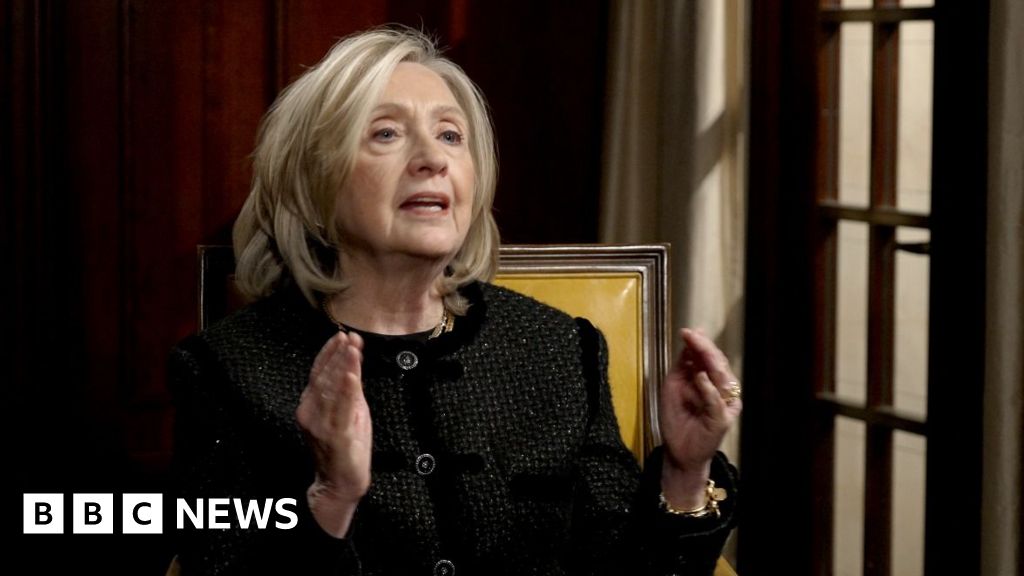
The recent disclosures stemming from the Trump Administration’s cooperation with the House Oversight Committee mark a significant pivot in the ongoing quest for transparency surrounding high-profile, yet controversial, figures like Jeffrey Epstein. The White House emphasized that by releasing thousands of pages of documents and calling for further investigations into Epstein’s connections, especially with prominent Democrat figures, the current administration has taken a decisive step toward justice that they argue surpasses previous efforts. This development, however, is far more than a single administration’s move; it signals a shifting landscape in the global power dynamics where information sharing and accountability could potentially redefine diplomatic and internal political strategies across borders.

International analysts and veteran historians are closely scrutinizing these revelations, suggesting that how national governments handle such disclosures will have lasting impacts on their global standing and internal stability. The uncovering of documents associated with Epstein and his network not only exposes a tangled web of elites but also raises questions about state-sponsored accountability in the face of entrenched political and social interests. As Western democracies grapple with internal divisions over transparency and justice, the possibility emerges that longstanding alliances and diplomatic frameworks could be tested or redefined. The US’s deliberate move to cooperate with congressional inquiries underscores a broader strategic intent: to demonstrate a commitment to rule of law and transparency amid a rapidly shifting international atmosphere.

The underlying geopolitical impact of these developments extends well beyond American borders. Countries across the globe are watching as internal US conflicts mirror on the world stage, influencing how nations approach accountability, corruption, and the wielding of power. The United Nations and other global institutions analyze this sequence of events as a potential catalyst for reform in international governance. Meanwhile, Russia, China, and other geopolitical rivals are likely to perceive this transparency drive as a sign of internal fragility within Western democracies—possibilities that could either weaken or reinforce their own narratives of control and repression.

As history continues to unfold, the question remains: will these disclosures trigger a broader crusade for justice and reform, or will they deepen divisions and entrench secrecy? The outcome hinges on whether nations choose to confront uncomfortable truths or dismiss them as mere political theatre. With some experts warning that this is merely the beginning of a new era of informational warfare, the implications for domestic and international stability are profound. The weight of history presses heavily upon the decisions made in this pivotal moment—decisions that will echo through generations and steer the course of global development in ways still uncertain. Truly, we stand at a critical juncture where the pursuit of transparency could either forge a new era of accountability or plunge society further into discord, leaving the future to be written by those bold enough to confront the shadows of the past.

Gentoo Penguins Lead the Charge as Bird Flu Hits Australian Shores—H5N1 Spreads to Our Wildlife

In a rare and troubling development, the gentoo penguin has become the first avian species in Australia territory to test positive for the highly contagious H5N1 bird flu. This alarming milestone was confirmed after samples collected by Australian Antarctic Program scientists on Heard Island—a remote sub-Antarctic outpost—indicated the presence of the virus in multiple species. The virus, which has already devastated bird populations worldwide, is now making unsettling inroads into some of the planet’s last untouched ecosystems, raising pressing concerns about its potential to threaten biodiversity and disrupt fragile ecological balances.

The emergence of H5N1 in such isolated environments signals a significant shift in its geographic spread, which could herald a new chapter of global biosecurity risks. Since the initial detection of the virus during the 2023-2024 season in South Georgia and the Antarctic peninsula, it has progressively reached further south, affecting islands such as Marion and the French Kerguelen. Scientists like Dr. Michelle Wille from the University of Melbourne warn that this rapid oceanic spread underscores how interconnected biomes have become in the era of climate change and international travel—factors which have increased the pathways for viruses like H5N1 to hop continents and ecosystems.

  • World leaders and international organizations, including the World Health Organization, are closely monitoring these developments amid mounting fears of a potential pandemic.
  • The U.S. Department of Agriculture and the European Food Safety Authority have issued urgent advisories, emphasizing that the virus’s spread into wildlife could have fatal consequences for endemic species, such as the Heard Island cormorant and sheathbill, both found solely in these isolated regions.
  • In response, Australia has allocated over $100 million to enhance disease surveillance, emergency preparedness, and conservation efforts, emphasizing the importance of safeguarding biodiversity while managing a broader geopolitical challenge.

Analysts and historians note that this pathogen’s expansion is a clear testament to the consequences of human activity—climate change, international mobility, and ecological disruption—thus elevating it from a mere health threat to a geopolitical concern. The United Nations and other international bodies face increasing pressure to coordinate an effective global response. As the virus continues its perilous journey, the fragile balance between conservation and national security is placed under unprecedented strain, forcing nations to consider their strategic priorities in an era where pandemics can now cross oceans faster than ever before.

As the legacy of history unfolds amidst this unfolding crisis, the question remains: will international cooperation rise to meet this threat, or will geopolitical divisions hinder crucial efforts? With each passing day, the spread of H5N1 serves as a stark reminder. Humanity stands at a crossroads, watching as a microscopic threat tests the resilience of entire ecosystems and the resolve of governments. The future of wildlife conservation and global health hangs in a delicate, uncertain balance—an ominous chapter in the ongoing story of humanity’s impact on the planet, where today’s choices will echo through the corridors of history for generations to come.

Chinese Tourists Skip Japan During Lunar New Year as Tensions Rise

The ongoing diplomatic tensions between Japan and China are unraveling not just regional stability, but also deeply affecting international economic and cultural exchanges. In the context of the broader U.S.-China rivalry and Beijing’s asserted influence in the Indo-Pacific, recent developments suggest a shift that could have long-lasting consequences for global diplomacy. The sharp decline in Chinese tourists visiting Japan, especially during the crucial Lunar New Year period, exemplifies how geopolitical conflicts directly influence societal interactions and economic interests—an observable trend noted by analysts at the International Crisis Group and historians specializing in East Asian geopolitics.

Since the end of last year, Japan’s tourist numbers from China have plummeted, nearly halving compared to previous years, with an estimated 60% decrease during major holiday seasons. This downturn is closely linked to diplomatic spats over Taiwan’s security—a matter Tokyo has publicly linked to potential military support if tensions escalate. Japanese Prime Minister Sanae Takaichi’s explicit remarks about deploying self-defense forces if China attempts to invade Taiwan have elicited angry responses from Beijing, including formal protests and accusations of militarist ambitions. Such exchanges underscore the dangerous escalation in rhetoric that echoes the darker chapters of East Asian history, prompting international observers to warn of the *risks of rekindling old hostilities*.

  • China’s Foreign Minister Wang Yi’s comments at the Munich Security Conference, accusing Japan of attempting to revive militarism and warning of “self-destruction” if Japan persists, exemplify the rising tensions.
  • China’s special representative on Korean affairs, Liu Xiaoming, further fueled fears of regional conflict by referencing Japan’s WWII past and related lessons from history, suggesting the country remains haunted by its militarist legacy.
  • The historic echoes of aggression—visually reinforced by Liu’s mention of Pearl Harbor—serve as stark reminders that the currents of history are never really past, only dormant, and that future conflicts could be a mere spark away.

In economic terms, this diplomatic war is starting to leave an imprint on the global travel scene. While **South Korea** is projected to become the primary destination for Chinese tourists during this travel surge, with an estimated 250,000 travelers—1.5 times the previous year—**Japan** is seeing its share fall sharply. The decline is not isolated; regional countries like **Thailand, Singapore, Vietnam**, and even **Russia** are benefitting from the pull of China’s outbound tourism. The geopolitical impact is clear—when diplomatic relations sour, cultural exchanges and economic benefits follow suit, threatening to reshape regional dynamics and economic interdependence.

The strained geopolitical landscape reveals the harrowing choice faced by many nations: balance national security with economic engagement. Japan has officially stated that its defensive upgrades are in response to an increasingly unstable security environment—not targeted at any specific nation. Yet, the accusations from Beijing and warnings from Chinese officials about dangers in Japan highlight how intertwined security policies and societal perceptions have become. Meanwhile, the international community is watching — with analysts noting that such rhetoric risks unleashing a spiral of mutual distrust that could fuel instability across East Asia’s strategic theater.

As history continues to unfold amidst the shadows cast by ancient conflicts and modern ambitions, the weight of decisions made today will resonate through generations. The world stands at a crossroads—whether this will be a chapter of renewed diplomacy or one of inevitable confrontation remains a question that will border on history’s greatest mysteries, with each step echoing in the corridors of power long after the last words are spoken. The future of East Asia is penned in these tense exchanges, as nations grapple with their legacies and their destinies—each move a stroke on the canvas of history, the final picture yet to be revealed.

Dark Web Agent Finds Bedroom Clue, Rescues Girl from Years of Harm

In a harrowing case that underscores the alarming proliferation of online abuse, detectives around the world are racing against time to locate a 12-year-old believed to have been subjected to horrific content circulating across digital platforms. The child’s disappearance has sparked international concern, prompting law enforcement agencies and child protection organizations to collaborate on an unprecedented scale. What initially appeared as a routine investigation has unveiled a surprising lead, revealing how the digital realm continues to serve as a battleground for safeguarding vulnerable populations, especially minors.

The case has garnered attention far beyond local jurisdictions, highlighting the globally interconnected nature of modern crimes. Authorities in multiple nations have intensified efforts, leveraging technological intelligence and international cooperation mechanisms. The emergence of a promising lead came after detectives analyzed a series of digital footprints, which intriguingly pointed to a complex web of online exploitation that transcends borders. Experts from INTERPOL and Europol have emphasized the crucial role of cross-border intelligence-sharing in such cases, underscoring the urgent need for comprehensive digital safeguards. This case also underlines the importance of digital literacy and proactive measures in protecting children from predators lurking behind screens, which has become an increasingly pressing public-policy challenge.

Analysts and historians note that the current wave of online exploitation reflects broader societal and geopolitical shifts. The rise of encrypted communication channels, dark web markets, and anonymous social media platforms have enabled predators to operate with relative impunity. Moreover, the case reveals how regulatory gaps in various jurisdictions allow traffickers to exploit legal loopholes, which international institutions like the United Nations have criticized as an urgent issue requiring coordinated policy intervention. Such incidents emphasize a critical truth identified by security experts: as technology advances, so too must global responses to ensure the safety of future generations.

Elsewhere, political leaders have responded with decisive rhetoric, vowing to strengthen laws and increase surveillance to prevent similar tragedies. Yet, these efforts often clash with civil liberties concerns, raising complex questions about individual privacy versus collective safety. The case serves as a stark reminder to nations worldwide that the battle against online child exploitation isn’t just a local issue but a defining moral and geopolitical challenge of the digital age. With each new lead, the investigation narrows, but the shadows cast by digital predators continue to loom. As history unfolds, the world watches as brave agencies navigate these treacherous waters, knowing that the fight isn’t merely about catching authorities’ targets; it’s about safeguarding the future from the abyss that lies behind the glowing screens.

Man arrested after stabbing in western Sydney leaves one dead, two critically injured

Emerging Security Concerns in Australia: A Reflection of Societal Underbelly

In the heart of Australia, a tragic incident has underscored the persistent issues of societal unrest and internal security threats. A man is in police custody after stabbing three individuals near a train station in Merrylands, a suburb of western Sydney. The attack resulted in one death and two critically injured victims, raising troubling questions about community safety and mental health. Authorities swiftly responded, and within moments, managed to apprehend the suspect on Smythe Street. This incident, while localized, echoes broader concerns about social fragmentation and security risks that are beginning to affect developed nations globally.

While the incident appears isolated, analysts argue that such acts of violence are symptomatic of deeper fissures within society—fissures that, if left unchecked, could exacerbate national insecurity. Some security experts warn that the rise in unpredictable violence could undermine public confidence in law enforcement and strain social cohesion. As Australia grapples with internal challenges, the incident raises profound questions about resilience, social policy, and the capacity of Western democracies to protect their citizens. How nations respond to these tragedies can shape their social fabric for generations, a point emphasized by international security think tanks.

Global Implications: Connecting Local Violence to a Broader Geopolitical Canvas

Such outbreaks of violence, while seemingly confined, have global repercussions. In an era where international stability depends on internal cohesion, the European Union, United States, and China watch incidents like this with keen interest. Historians and analysts highlight that domestic disturbances can weaken a country’s soft power, making its geopolitical stance more vulnerable. As international organizations like the UN reiterate the importance of social stability, the ripple effects of violence in Australia underscore the essential need for comprehensive internal security strategies aligned with national interests.

Furthermore, the incident amplifies concerns over how decisions made within global power corridors impact internal security policies in nations worldwide. Australia’s internal security policies, including community policing and mental health initiatives, are now under increased scrutiny, with some observers warning of the dangers of underfunding social safety nets. The shift in policy directions could resonate beyond Australia, influencing security frameworks elsewhere, particularly in regions vulnerable to internal dissent and violence.

Looking Ahead: The Weight of History and Societal Transformation

As the world observes and reacts to such tragedies, the question remains: how will societies adapt and evolve? The incident in Merrylands is more than a local tragedy; it is a stark reminder of a larger turning point in global security and societal resilience. Historians warn that the path nations choose in response to internal crises will define future generations. Will governments strengthen social cohesion or succumb to division? Will policymakers prioritize mental health and social safety, or neglect these issues in favor of superficial measures?

In this unfolding narrative, Australia’s ordeal becomes a symbol of the fragile boundary between order and chaos. The decisions made in the coming weeks will determine if this violence remains an isolated incident or a sign of something far more troubling brewing beneath the surface. As history continues to turn, the weight of unresolved societal tensions hangs heavy, threatening to reshape the geopolitical landscape in ways yet to be fully understood.

Europe urged to brace for 3°C rise: Challenges ahead but still within reach

Europe Confronts the Harsh Realities of Climate Change: A Wake-up Call for Global Leaders

Amidst mounting evidence and urgent warnings from climate scientists, Europe is witnessing an unsettling acceleration of extreme weather events that threaten its societal fabric and economic stability. Maarten van Aalst, a leading member of the European Scientific Advisory Board on Climate Change (ESABCC), has declared that safeguarding the continent from the devastating impacts of rising global temperatures is a task that, remarkably, “is not rocket science.” His comments underscore a stark truth: the methods required are straightforward and within reach but demand political will and coordinated action. The recent reports from the ESABCC highlight an alarming trajectory—by 2100, temperatures in Europe could soar by 2.8-3.3°C, surpassing the commitments made during the 2015 Paris Agreement, which aimed to limit warming to well below 2°C. Current efforts, they observe, are largely insufficient, characterized by incremental measures that arrive too late to confront the scale of the crisis. This glaring discrepancy between intent and action signals a profound risk to the societal stability of Europe and, by extension, the global order.

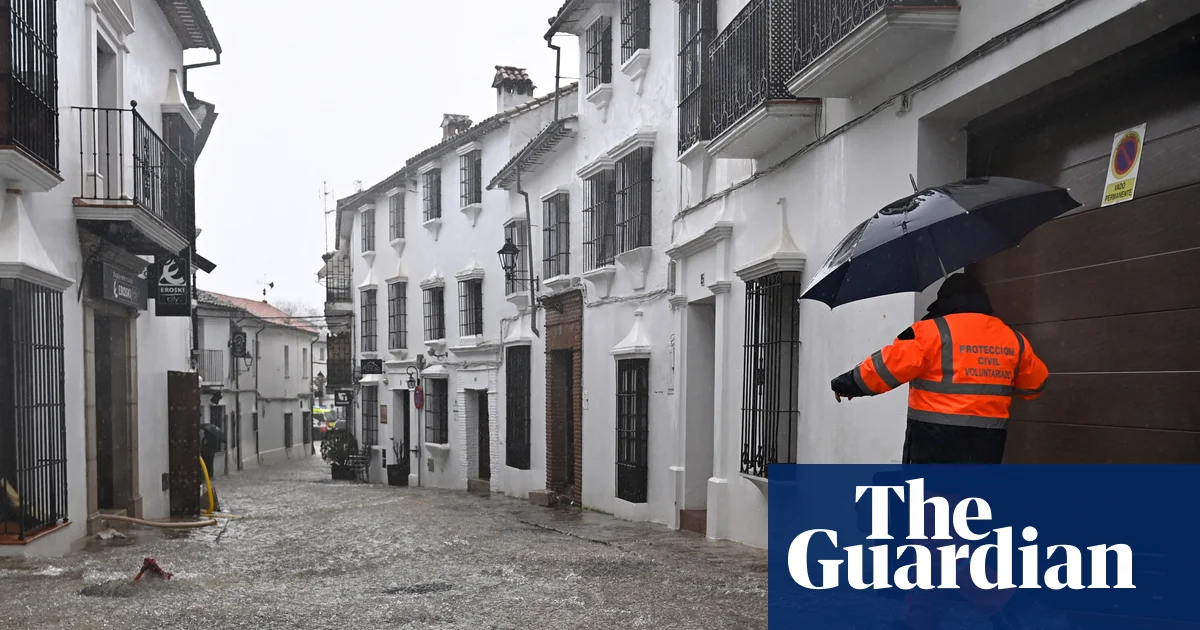
The recent history of weather extremes in Europe exemplifies nature’s wrath and the fragility of human resilience. Catastrophic floods in Germany’s Ahr valley in 2021, which killed 134 people, and the deadly storms in Spain’s Valencia region in 2024, claiming 229 lives, serve as stark warnings. Studies attribute half to two-thirds of these fatalities to heat-induced conditions intensified by fossil fuel pollution. Fires that ravaged more land than ever recorded also punctuate this tragic trend. Governments across the continent are under increasing pressure to draw up comprehensive climate adaptation plans, yet many remain unprepared for the severity of the threats. Portugal, for example, recently faced an unprecedented storm series resulting in over €775 million (£675m) in damages and at least 16 fatalities, emphasizing the immediate need for nations to upgrade infrastructure and early-warning systems. The European Union, facing its own political and economic challenges, is urged by analysts and international organizations not to dilute its green commitments in the guise of economic revival, but to prioritize resilience against climatic upheavals.

Expert voices, including historians and climate analysts, emphasize a sobering reality: the window for effective intervention narrows rapidly. Van Aalst notes that twenty years ago, extreme weather primarily threatened poorer nations, but today, Europe itself has become vulnerable, especially to anomalies it has not previously encountered. The ESABCC recommends mandatory climate risk assessments and the integration of resilience strategies into all policy sectors—yet, the critical question remains: how much are nations willing to invest in protecting their societies from impending catastrophe? Beyond just responding to crises, the focus must shift toward prevention and adaptation. The latest IPCC report underscores a disturbing trend—reaching the limits of adaptation if decisive action isn’t taken soon. As the world teeters on the brink of irreversible change, the global community faces a stark choice: act comprehensively or watch as history’s most ambitious climate accord continues to falter. The stakes could not be higher.

In this unfolding chapter of human history, Europe serves as both a warning and a mandate for action. The confluence of rising seas, lethal heatwaves, and relentless wildfires paints a grim picture—a future where modern civilization’s resilience is tested like never before. The decisions made in the coming years will resonate through generations, shaping the legacy of a society caught between its technological achievements and its environmental responsibilities. As climate history continues to be written, the world waits in tense anticipation—will humanity rise to meet this defining challenge or succumb to the chaos of neglect? The answer remains shrouded in the ever-warming shadows of the future, a narrative still unwritten, yet deeply felt: the weight of history is shifting, and the clock is ticking.

Rhode Island ice rink shooting claims two lives, raising serious concerns

Mass Shooting at Pawtucket Ice Rink: A Reflection of America’s Deepening Crisis

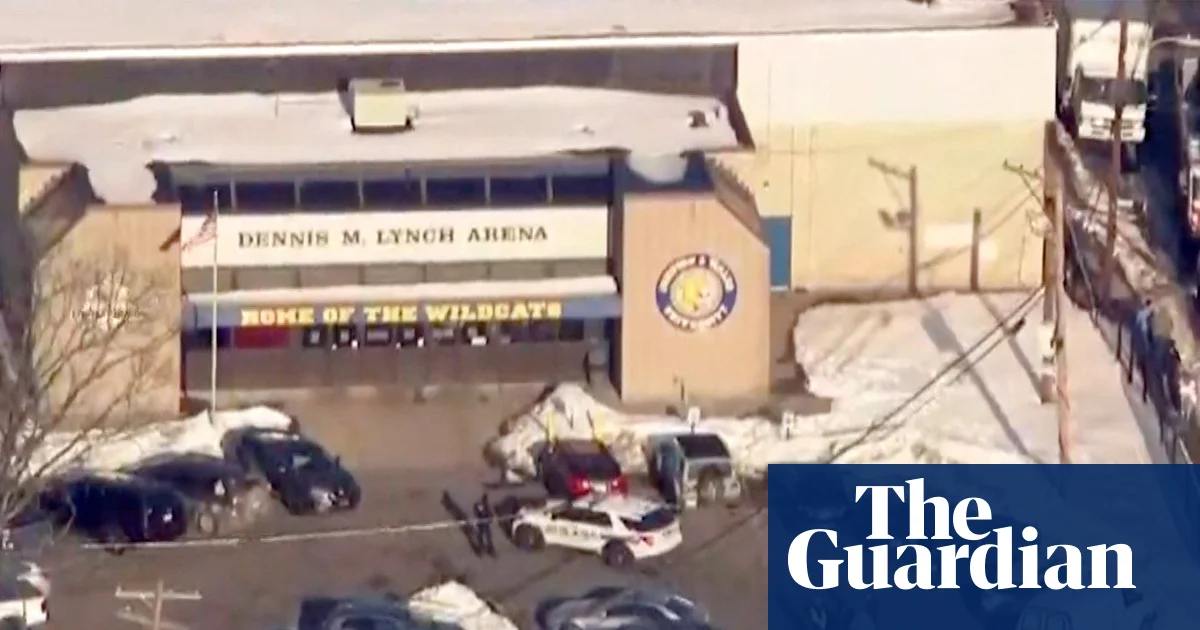
In what marks yet another tragic chapter in the ongoing crisis of domestic gun violence, a mass shooting erupted at an indoor ice rink in Pawtucket, Rhode Island, highlighting the fragility of safety even in community sports environments. According to reports, at least two individuals lost their lives—one confirmed dead at the scene and another victim succumbing to injuries in the hospital. The suspect, who opened fire during a youth hockey game, was ultimately killed by law enforcement, leaving a chilling reminder of how societal tensions continue to spill into communities.

The incident, which unfolded during a boys’ hockey match between local schools, underscores a disturbing trend of violence infiltrating settings traditionally associated with innocence and development. Eyewitness accounts indicate that gunfire erupted from behind the stands, with reports noting that the shooter wielded at least two weapons. In a display of quick-thinking and civic responsibility, a local father is credited with heroism—disarming the attacker, thereby preventing further loss of life, amidst the chaos. Such acts of bravery are notable amid the rising toll of firearm-related violence, which remains a divisive and intractable issue across American society.

The geopolitical impact of this domestic tragedy extends far beyond the borders of Rhode Island. As America grapples with this recurring crisis, international observers and analysts are noting a divergence within American society—particularly among younger generations—on issues of gun rights and safety policies. Prominent political figures and organizations such as the Gun Violence Archive and the Brady Campaign continue to call for stronger gun control measures, yet legislative stagnation persists, fueling concerns of vulnerability and societal decay. The imagery of school and community shootings is becoming a grim symbol of America’s failure to balance individual rights with collective safety, affecting the nation’s global reputation and internal cohesion.

Historians and security analysts warn that such acts of violence are symptomatic of deeper societal and political fissures. Some experts suggest that without comprehensive reform—contrasted starkly against the constitutional protections revered by many—America risks continued internal destabilization. The international community, especially in regions dealing with conflicts or authoritarian regimes, views America’s internal convulsions with a mixture of concern and skepticism. Their latest reports underscore how internal strife at home can erode America’s moral authority on the world stage, weakening the very institutions that undergird international stability and democracy.

As Joe Biden and his administration face mounting calls for intervention, the debate sharpens around the question of how nations adapt to a society increasingly fractured by violence. Will policy shifts come, or will partisan discord deepen? The image of a hero father disarming a shooter amid tragedy exemplifies the unpredictable human toll of this crisis—a reminder that in times of chaos, action and resilience go hand in hand. Still, the specter of gun violence persists as a shadow over the future, challenging policymakers and society alike to confront uncomfortable truths.

In this unfolding narrative of crisis and response, the significance reaches beyond a lone act of violence in Pawtucket. It embodies the broader struggle for nationwide cohesion, security, and identity. The coming months will reveal whether America will choose to address its internal fractures or continue down a path where history’s harrowing lessons are repeated. The world watches as the story of this small town’s tragedy becomes a chapter in an ongoing saga of societal upheaval—a testament to the fact that in the grand chessboard of global power, the stability of its individual nations remains the foundation upon which world order is built. The question remains: how will history judge this moment? And how much longer before similar tragedies echo across borders, rewriting the global narrative once again?

Australia Today: Universities’ Racism ‘Systemic,’ Angus Taylor Shuns Leaked Migration Plan

International Alert as Australia’s Political Landscape Faces Turmoil

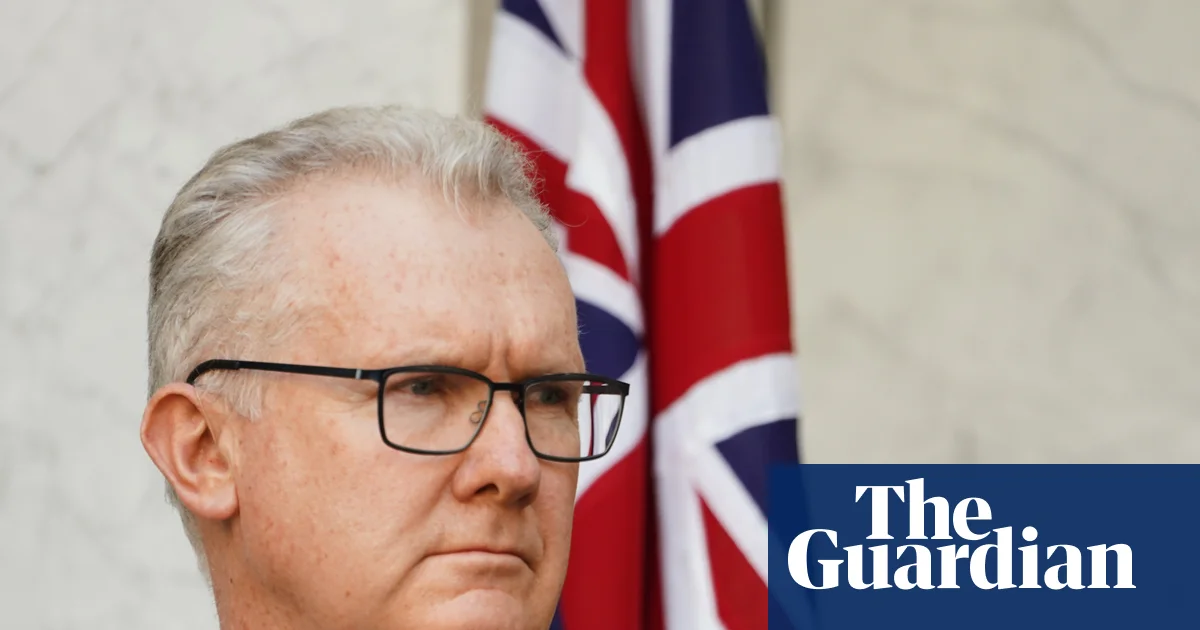
The political environment in Australia is rippling with controversy following revelations about a proposed immigration policy fragment that has sparked international concern. An unreleased document, reportedly drafted under the leadership of former Sussan Ley, has outlined a plan to severely restrict migration from regions associated with terrorist activities across 13 countries. The plan, which aims to rapidly remove up to 100,000 asylum seekers and visitors on student visas, has been widely condemned by human rights and international watchdogs as a blatant exercise in discrimination. The Refugee Council of Australia labeled it an “appalling idea,” echoing global fears about rising populism and exclusionary policies that threaten Australia’s reputation for fairness and our commitment to humanitarian principles. Despite the current opposition leader Angus Taylor declaring he had no knowledge of the document, the internal divisions within the Liberal Party expose a troubling shift towards more hardline, Trump-inspired border policies.

Global Impact of Regional Policies and the Rise of Systemic Racism

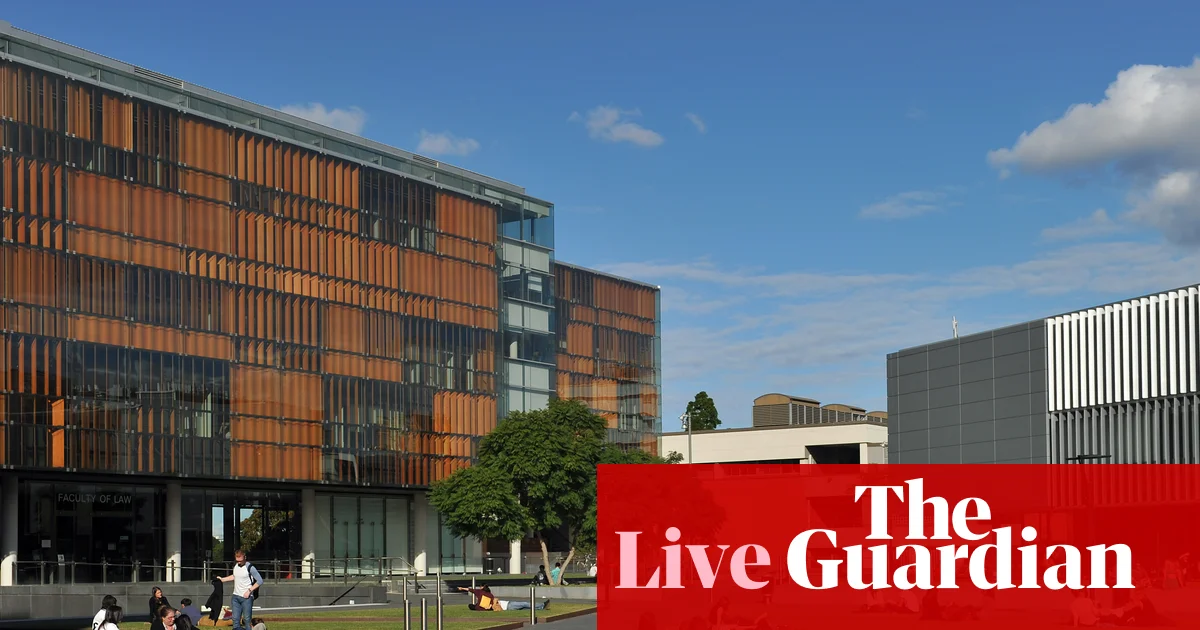
The leaked proposals underscore a broader shift in global politics, emphasizing national sovereignty and security concerns over traditional humanitarian commitments. Such policies resonate with nationalistic narratives pushed by populist leaders worldwide, contributing to a dangerous normalization of prejudice. Meanwhile, international organizations like the United Nations warn that policies based on indiscriminate bans threaten to enlarge the gulf of distrust and xenophobia. In Australia, this trend is compounded by a disturbing report exposing the pervasive systemic racism endemic within the university sector. According to the Australian Human Rights Commission, a landmark study found that 70% of survey respondents had experienced indirect racism, with Palestinian and Jewish students experiencing rates as high as 90%. These findings highlight the damaging impact of institutional bias, which threatens the fabric of multicultural societies and undermines core democratic values. Critics argue that if such discrimination remains unchecked in education, it is only a matter of time before societal tensions escalate further, potentially igniting unrest on the streets.

How Decisions Shape Future Societies and the Winds of History

As analysts warn, the decisions taken today will reverberate for generations, shaping the moral and geopolitical landscape of the 21st century. Governments that resort to discriminatory policies in the name of security risk unleashing a wave of social fragmentation, fostering extremism rather than preventing it. Historical figures such as George Orwell and Hannah Arendt warned that totalitarian tendencies often emerge from fear and prejudice cloaked in national security rhetoric. The international community watches keenly as Australia’s internal conflicts reflect a wider, global struggle—whether to uphold the timeless ideals of justice and fairness or succumb to the siren call of exclusion. Underneath the surface, these decisions expose societal fractures rooted in ignorance and fear, threatening to derail the progress of multiculturalism and inclusion. The weight of history lingers, a reminder that the pathways chosen today define the societies of tomorrow—whether as beacons of hope or shadows of despair, remains an unfolding narrative on the scale of nations and civilizations.

Social Media Auto Publish Powered By : XYZScripts.com