Matox News

Truth Over Trends, always!

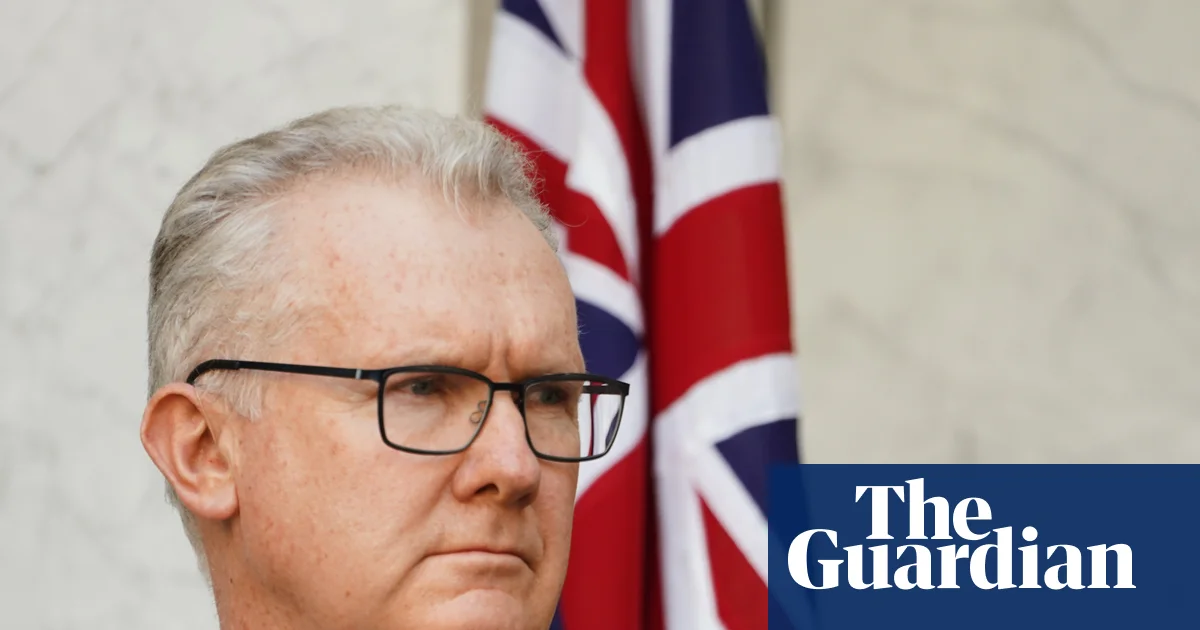
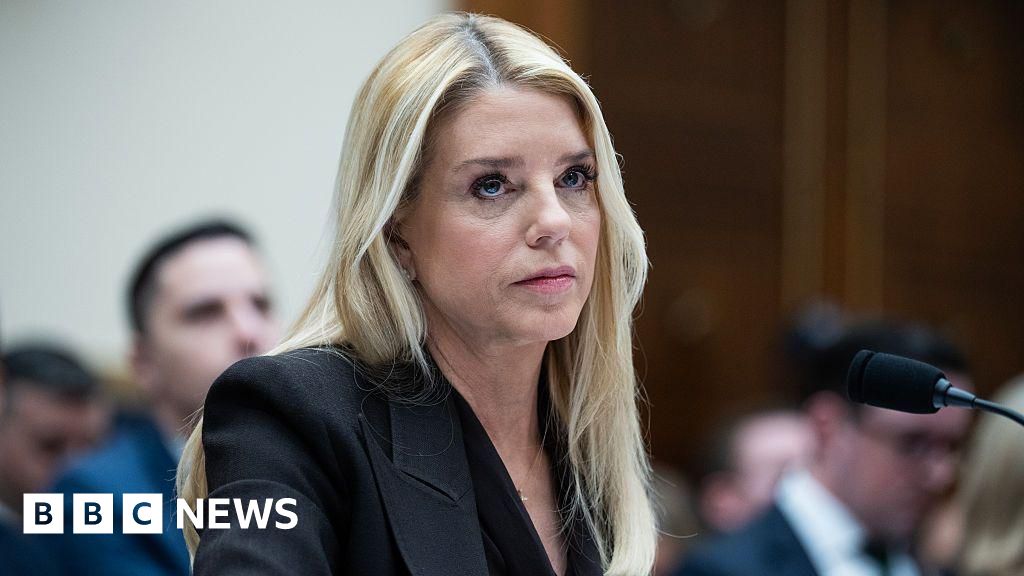
Bondi under fire for claiming all Epstein files are out—what’s really hidden?

The recent disclosure by the United States Department of Justice marks a pivotal moment in the ongoing saga surrounding high-profile criminal investigations. In a formal letter, Attorney General Bondi and her deputy Blanche revealed that the department has fully complied with legal mandates to release all records, documents, communications, and investigative materials related to the Epstein and Maxwell prosecutions. This move underscores a significant commitment to transparency, yet it also exposes the complex web of connections and possible cover-ups that have confounded international audiences and policymakers alike. The question remains: what geopolitical consequences will stem from this unprecedented release of classified information?

This decision is not solely a matter of domestic justice; it resonates deeply within the global geopolitical landscape. The Epstein scandal, intertwined with allegations involving powerful figures across nations, has long teased the borders of diplomatic immunity and covert influence. Analysts suggest that the disclosure of these materials could serve as a catalyst for uncovering international networks of influence, corruption, and abuse. Some experts argue that the release might reveal how certain nations, perhaps even allied with the U.S., have historically engaged in illicit dealings, complicating relations and raising questions about sovereignty and justice.

Historians and international organizations have warned that such revelations can alter the course of diplomatic history. The World Justice Project and other watchdog institutions are already scrutinizing the implications, emphasizing how these disclosures could challenge the narrative of how justice is administered across borders. Furthermore, how nations respond to these revelations will determine future trust in global governance structures and may influence the trajectory of international cooperation. This unfolding controversy presents a stark reminder: the decisions of a single department can ripple across continents, shaping the balance of power and societal perceptions of justice.

  • Key Event: The US Department of Justice releases comprehensive documents related to Epstein and Maxwell, potentially exposing international complicity.
  • Implication: The move threatens to reshape diplomatic relations and challenge the integrity of international institutions.
  • Long-term consequence: Societies worldwide may reconsider notions of accountability, transparency, and power dynamics within their own borders.

As history’s pen continues to write this complex narrative, the weight of this revelation hangs heavy in the air. It highlights the fragile fabric of trust that binds nations and societies—trust that can be torn asunder by secrets long buried. The global community stands at a crossroads: will this act of transparency usher in a new era of accountability or unleash chaos within international diplomacy? The answer remains unwritten, yet the echoes of this crucial moment will undoubtedly shape the course of history for generations to come. In an era where information is power, the decisions made today reveal that the shadows of the past are never truly vanquished, only waiting to emerge at the most consequential of moments.

DNA on glove links suspect video to Nancy Guthrie case

In a significant shift that has captured global attention, Iran has signaled an willingness to engage in negotiations aimed at resurrecting the long-dead Joint Comprehensive Plan of Action (JCPOA). According to Majid Takht-Ravanchi, Iran’s deputy foreign minister, the path to a deal now hinges on the actions of the United States. Speaking to BBC Tehran, Takht-Ravanchi emphasized that “the ball is in America’s court to prove that they want to do a deal,” marking a notable rhetorical turn from Iran’s previously implacable stance. This development highlights the volatile, yet potentially pivotal, phase in the ongoing nuclear diplomacy that has implications not just for Middle East stability, but for the broader international order.

The context surrounding these diplomatic signals is layered with decades of tension rooted in Iran’s nuclear ambitions and the cautious oversight of international organizations like the International Atomic Energy Agency (IAEA). Since the U.S. withdrew from the JCPOA under the Trump administration in 2018, Iran’s nuclear activities have advanced substantially, provoking concerns of a regional arms race and destabilizing efforts to contain proliferation. Analysts warn that the current momentum towards negotiation, if genuinely pursued, could serve as a critical turning point to de-escalate one of the most volatile flashpoints in global geopolitics.

Many international observers, including policymakers within the European Union and strategic think tanks like the International Crisis Group, argue that the decision by Iran to reopen dialogues represents an opportunity—albeit a fragile one—to restore diplomatic norms and curb nuclear proliferation. However, they also caution that U.S. policy must demonstrate clear, verifiable commitments to revive the deal, and that failure to do so could solidify Iran’s resolve to pursue an independent nuclear path. The diplomatic dance is complex, and each move carries the weight of history, threatening to plunge the region into further chaos or move toward a measure of stability.

The geopolitical impact of this development extends well beyond Iran’s borders. For Israel and the Gulf Cooperation Council (GCC) countries, a renewed nuclear agreement could temper fears of an arms race, but it also raises concerns about how long Iran’s promise of compliance will last. On the other hand, critics of the deal suggest that reopening negotiations might merely allow Iran to buy time while continuing to expand its influence across the Middle East through regional proxies and strategic alliances. The outcome remains uncertain, but what is clear is that each diplomatic move is watched closely by global superpowers—China, Russia, and the United States—each with their own stakes in shaping Iran’s future.

As international organizations and regional actors analyze the unfolding diplomacy, the story remains deeply intertwined with the broader narrative of power, influence, and the relentless pursuit of national interests. As history continues to unfold, the world waits, charged with anticipation and the weight of countless unresolved conflicts. In this pivotal moment, the decisions made today will echo through generations, determining whether the next chapter in Iran’s story will be written in the language of diplomacy or chaos—reminding us that in geopolitics, history’s pen is never still.

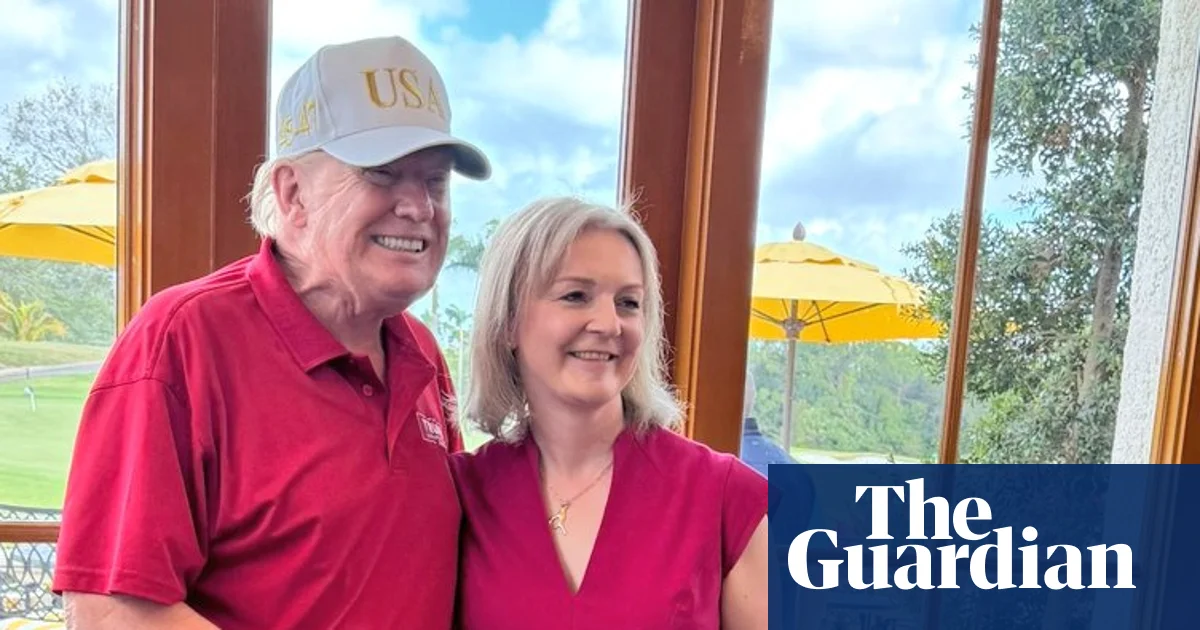
Truss and Trump rally together: Standing strong for Britain and America

In a clear demonstration of shifting geopolitical alliances and the resurgence of populist sentiment, Liz Truss, the brief and embattled former Prime Minister of the United Kingdom, has reemerged onto the global stage not through policy or leadership, but through symbolic gestures that signal her alignment with American right-wing populism. Her recent encounter with Donald Trump at his Mar-a-Lago estate underscores the increasingly blurred lines between domestic political figures and transatlantic ideological blocs. Truss’s decision to publicly pose with Trump, and her accompanying boast about being “Right about everything,” suggest a calculated move to position herself within the ranks of the America-first movement—a clear sign that her ambitions, however marginal in British politics, are now more firmly rooted in transatlantic alliances.

Her presence at the Conservative Political Action Conference (CPAC) in Maryland last year, where she delivered incendiary speeches criticizing Britain as “failing” and praised the burgeoning ties between right-wing populists worldwide, illustrates how the global landscape is increasingly polarized. Analysts such as Dr. Rebecca Sanderson of the International Institute of Politics emphasize that figures like Truss capitalizing on this mood reflect a broader geopolitical shift, where the traditional power dynamics of Western democracies are mediated through populist rhetoric and anti-establishment sentiments. The rise of such figures signals a fundamental redefinition of ideological borders, with countries like the UK and the US acting as symbols of resistance against what many see as the decline of liberal consensus.

Meanwhile, within the UK, Truss’s attempts to re-establish her influence extend beyond politics into entrepreneurship, with her efforts to launch her own club—The Leconfield—underscoring her desire to cultivate new power bases outside formal government structures. Her association with the property tycoon Robert Tchenguiz and her solicitation of founding members for half a million pounds reflect a speculative pursuit of influence, one that many see as emblematic of a broader crisis of legitimacy in contemporary British politics. Her short-lived tenure as Prime Minister, lasting only 49 days, and her subsequent electoral defeat, mark her as a figure on the fringes of mainstream politics, yet her international positioning indicates her desire to stay relevant on a global scale.

The geopolitical impact of these developments cannot be overstated. As Western democracies grapple with internal divisions and a fragile post-pandemic recovery, the influence of populist actors like Truss and Trump accelerates the disintegration of traditional alliances and norms. International organizations such as the European Union and the United Nations observe these shifts warily, recognizing their potential to redraw power structures and foster instability. History warns us that the rise of such populists often coincides with heightened global tensions and the erosion of diplomatic consensus. As the pages of history continue to turn, the world waits to see whether the current alignment of figures like Truss and Trump will forge a new ideological axis—or push the world toward a precipice from which current global order may never return. In this unfolding story, the delicate balance of peace and chaos remains on a knife’s edge, scripted by the audacious ambitions of those who believe they are rewriting the rules of the game.

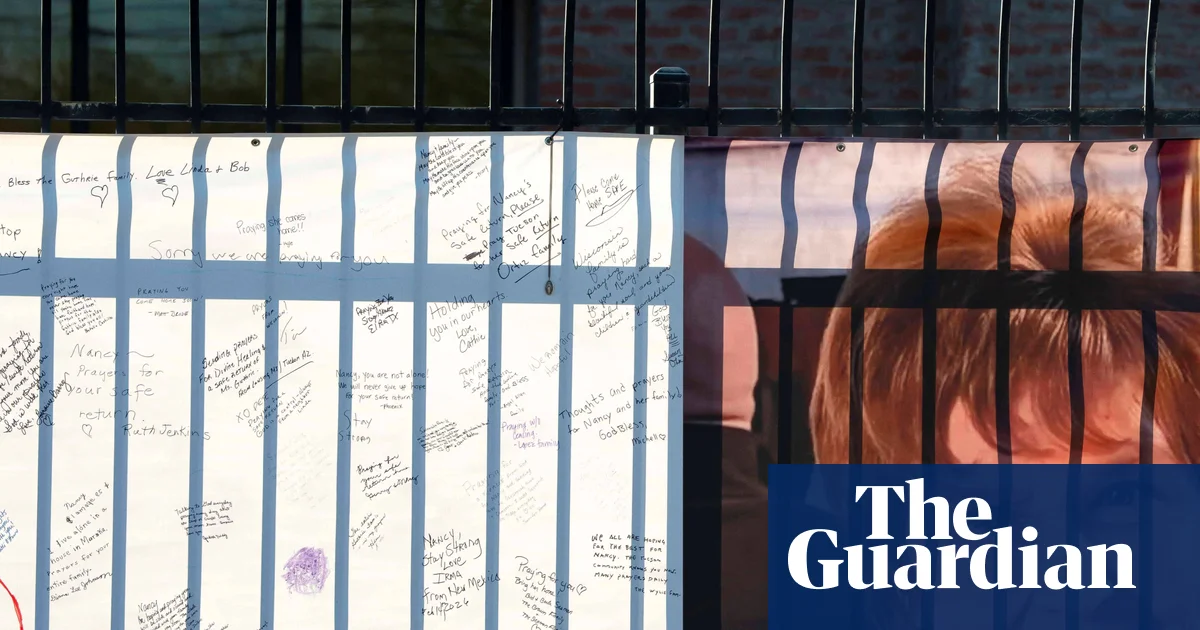
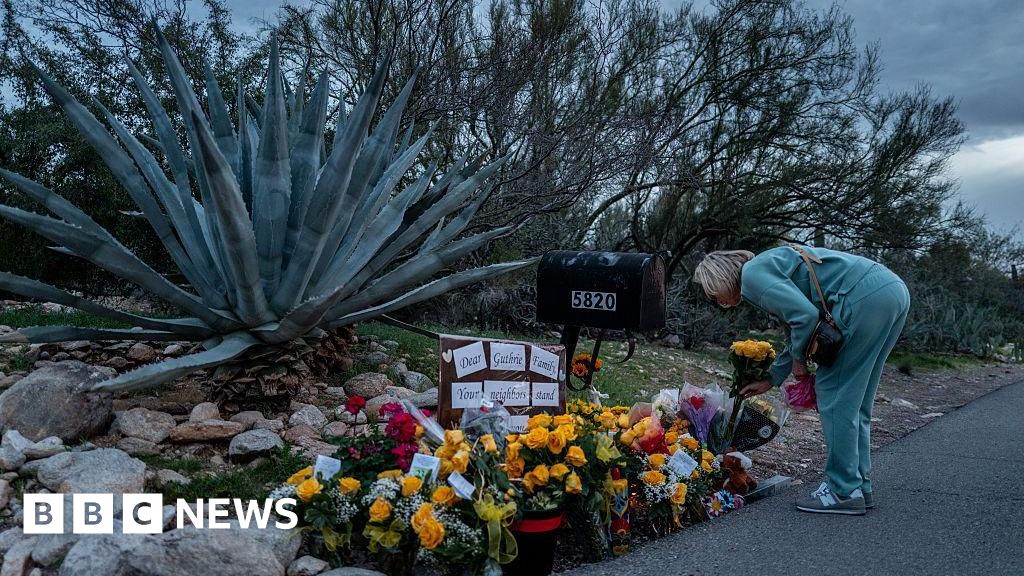
No arrests yet as Arizona’s Nancy Guthrie search hits third week

The Global Shadow of Local Disappearances: A Case Study in Modern Vigilance and Justice

In a world increasingly interconnected through technology and media, the tragic disappearance of Nancy Guthrie, an elderly woman from Arizona, exemplifies how individual cases resonate beyond local jurisdictions, presenting unique geopolitical and societal consequences. As authorities pursue every lead in her case—ranging from forensic investigations to public appeals—the case underscores the delicate balance between private tragedy and collective security. The intense media coverage and public engagement exemplify a global appetite for justice, shaping perceptions of safety and law enforcement’s role in safeguarding citizens across nations.

Key to understanding this case’s geopolitical impact is the way local law enforcement collaborates with federal agencies, such as the FBI. The mobilization of this hierarchy underscores a broader system that, while designed to protect, often faces criticism for overreach and sensationalism. The influx of tips—more than 13,000—reflects a society increasingly wired to hunt for answers amid uncertainty, yet also exposes the pitfalls of amateur sleuthing fueled by social media frenzy. As Texas and California-based analysts caution, the danger lies in disseminating unverified information, which can impede justice, threaten privacy, and sometimes endanger innocent individuals. This peril is amplified in the context of international crises, where misinformation can exacerbate tensions and complicate diplomatic responses.

Her case also raises interconnected issues of societal vulnerability and the role of civic vigilance. Elderly individuals, especially women living alone, are often targeted in a landscape of rising crime rates. Governments worldwide are grappling with the challenge of establishing effective protective measures—from community watch programs to digital surveillance—while balancing civil liberties. The case has sparked a debate on the limits of surveillance and the importance of respecting privacy rights. Meanwhile, the international community watches with concern, recognizing that such tragedies often reflect or accelerate larger socio-political shifts—such as aging populations and urban crime waves—that can destabilize societies if not addressed by comprehensive policies.

Furthermore, the case highlights the importance of cooperation among law enforcement entities and the necessity of international standards and organizations that foster swift, coordinated responses to such incidents. Analysts from institutions like the International Criminal Police Organization (INTERPOL) emphasize that local cases can serve as catalysts for broader conversations about security, cross-border cooperation, and human rights protections. The ongoing investigation reminds policymakers worldwide that criminal acts, especially those involving vulnerable populations, have profound long-term implications for social stability. Historians warn that failure to act decisively in cases like Guthrie’s risks setting dangerous precedents—where the absence of swift justice erodes public confidence and emboldens criminal networks.

As the world waits and watches, the unfolding narrative of Nancy Guthrie’s disappearance continues to echo beyond the borders of Arizona. It is a stark reminder that no society is immune to threats—be they from individual criminals or larger geopolitical pressures—and that each unresolved case is a scar in the fabric of national security. With the FBI increasing its reward and the nation holding its breath, one can only wonder: How much longer will society remain passive before such tragedies redefine the boundaries of justice and the weight of history itself? The answer remains unwritten, cloaked in the shadows of uncertain futures, where every tip, every investigation, becomes a chapter in the ongoing story of human resolve and the relentless pursuit of truth.

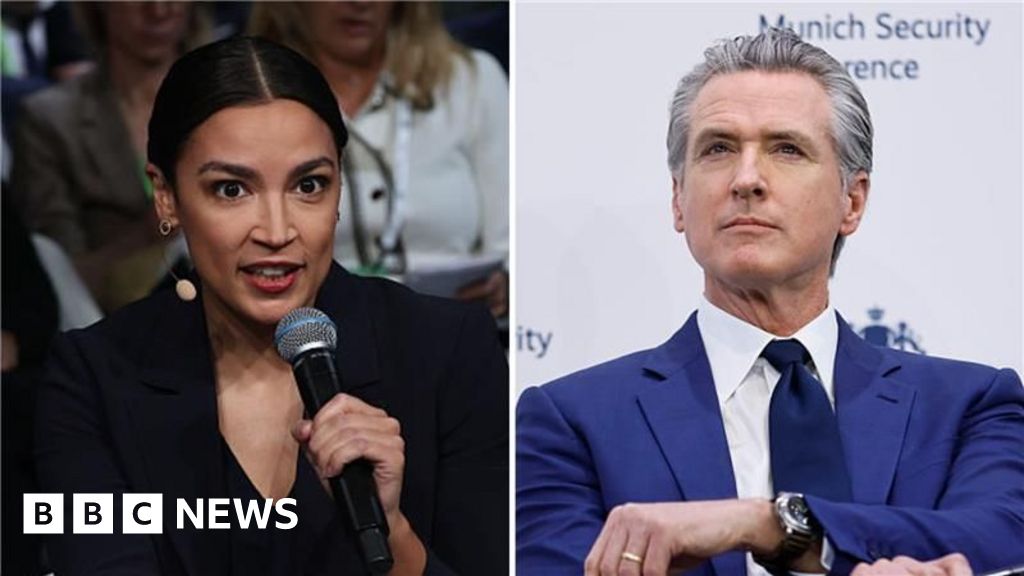
Democrats reassure Europe: America’s still got your back post-Trump

In 2024, the international community observed a seismic shift as the United States elected Donald Trump once again to the White House, signaling a definitive turn away from traditional diplomatic norms and towards an “America First” approach. This policy stance, characterized by a focus on national sovereignty, economic protectionism, and a skeptical view of multilateral institutions, has reverberated across the global stage. As historians analyze previous eras, many recognize that Trump’s leadership style, marked by confrontational rhetoric and unilateral actions, distinguished a period of heightened geopolitical volatility. Notably, the resurgence of Trump’s influence underscores how a nation’s internal political shifts can reshape entire alliances, trade dynamics, and global security frameworks.

This renewed American assertiveness has catalyzed a series of international reactions, most notably within institutions and alliances once committed to multilateralism. Global analysts warn of the potential unraveling of established treaties and partnerships, including NATO—whose cohesion is now under strains amid contrasting visions on defense and security. The speech delivered by Vance at the Munich Security Conference epitomized this new climate; his confrontational tone aimed to rally Western allies against perceived threats from both Russia and China, while signaling that confrontation, rather than cooperation, might define the West’s strategic posture in the coming years.

  • The shift in U.S. foreign policy under Trump has brought about a reevaluation of international commitments, with some nations increasingly questioning the efficacy and longevity of existing alliances.
  • European nations, especially in Eastern Europe, see renewed urgency to bolster their defenses as U.S. commitments appear more transactional than ever, hinting at a divergence from previous bipartisan consensus.
  • Global institutions, such as the United Nations and World Trade Organization, face mounting skepticism as the U.S. pushes for policies prioritizing sovereignty over multilateral cooperation, igniting fears of a new bipolar world order.

According to analysts like Dr. Emily Carter, a senior geopolitical strategist, the danger resides in how decisions made today could fracture the existing international order. As nations brace for what many perceive as a turbulent chapter, international organizations warn of the risks associated with increased nationalism and the erosion of diplomatic norms—factors that could lead to enduring instability. The policies of the new American leadership are likely to influence regional conflicts, trade negotiations, and global peace initiatives for decades to come. Meanwhile, critics caution that U.S. retrenchment might embolden authoritarian regimes, risking a realignment of global power that could destabilize the delicate balance maintained since the Cold War.

As history continues to unfurl, the question remains whether this era of heightened confrontation and nationalism will forge a new global order or unravel the fragile peace built over generations. The weight of this moment bears heavily on future generations—their societies, their sovereignties, and their very understanding of international cooperation—awaiting the reckoning that only time can reveal. The shadows of history stretch long as the world stands at a crossroads, with the past whispering warnings and the future yet unwritten.

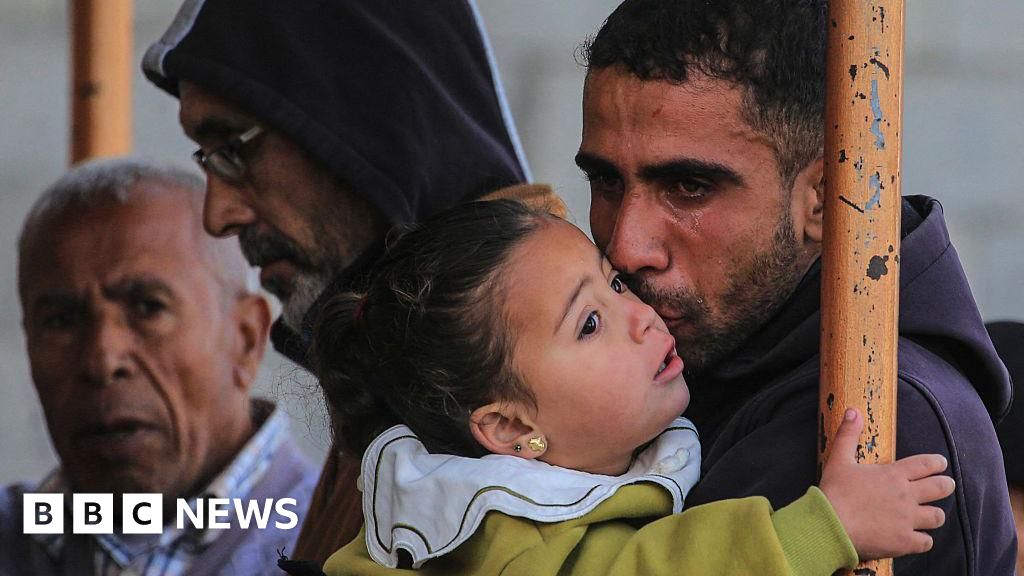
Eleven Dead in Gaza Strikes as Rescuers Respond

The Palestinian Red Crescent has reported a devastating incident in northern Gaza, where a strike on a tent encampment resulted in at least six fatalities. This tragic event underscores the ongoing volatility in the region, highlighting how seemingly isolated acts of violence continue to escalate an already dire humanitarian crisis. As the conflict persists, the implications extend far beyond immediate casualties, affecting the geopolitical stability of the Middle East and challenging the global community’s efforts to foster peace.

In recent days, international observers and regional analysts have been vocal about the destabilizing consequences of such attacks. Historical commentators warn that these incidents threaten to perpetuate a cycle of violence that risks drawing neighboring states into a broader conflict. Meanwhile, agencies like the United Nations have expressed concern over the worsening humanitarian situation, especially as evidence mounts of the profound suffering experienced by civilians caught in the crossfire. The targeting of civilian settlements, including the tent encampment, exemplifies the dangerous erosion of the norms that once aimed to protect non-combatants amidst warfare, further complicating peace prospects.

As the international community grapples with this latest escalation, key questions arise about the role of regional powers and international institutions in de-escalating tensions. Nations such as Egypt and Jordan have historically acted as mediators, but recent developments test their influence amid mounting violence. Meanwhile, the United States remains a pivotal player, balancing support for allies and advocacy for a resolution, while presses for a ceasefire that seems increasingly fragile. Some analysts argue that the current cycle of violence signals a turning point—where diplomatic efforts risk being overshadowed by irrevocable facts on the ground.

The geopolitical impact of these brutal incidents extends far beyond Gaza, resonating across the Middle East and echoing through global power dynamics. As regional alliances shift and superpower interests intersect, the perception of a resilient, if fractured, international order is tested. Countries like Iran and Turkey observe these developments closely, weighing their options in a complex chess game driven by ideological, strategic, and humanitarian considerations. These decisions will indelibly shape the future landscape of the Middle East, affecting millions of lives and the course of history itself.

Readers are left to confront the stark reality: the unfolding story of Gaza is but a chapter in a larger saga of struggle and sovereignty—a saga where every decision echoes across generations. As the world watches, the delicate balance of peace teeters perilously on the edge, hinting that this moment may define the course of history for decades to come—unless decisive action awakens a new hope amidst enduring chaos.

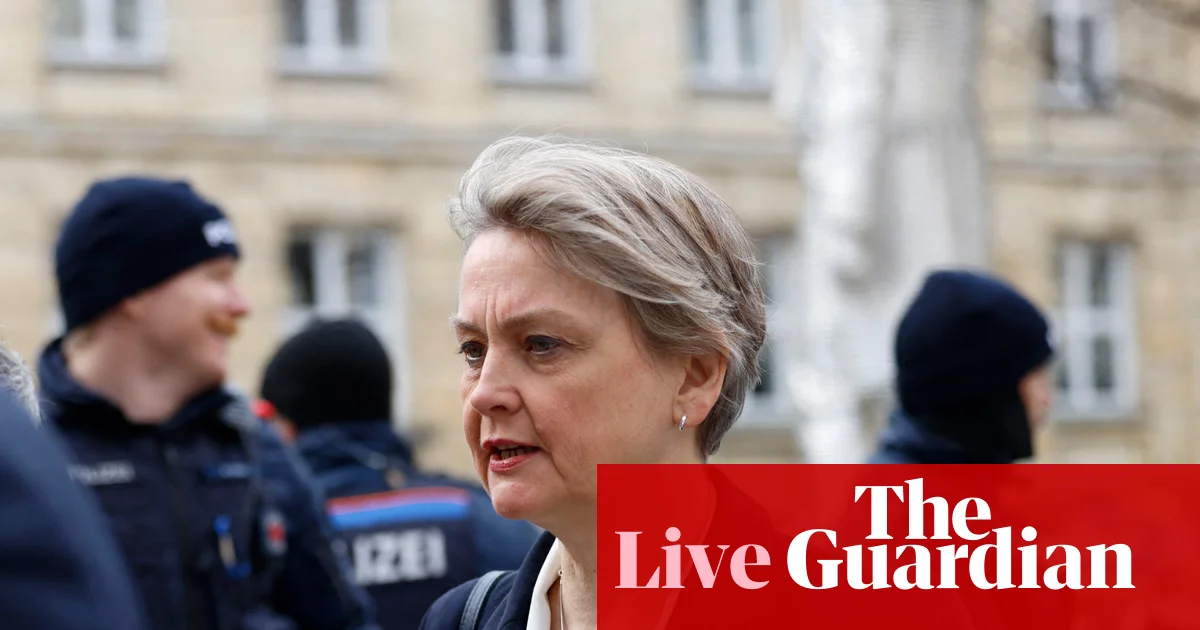
Cooper Clings to Palestine Action Ban After Court Declares It Unlawful – UK Politics Live

In a nation where United Kingdom politics remains a mirror to the turbulent realities shaping the international landscape, recent legal decisions and diplomatic claims underscore a resurgent era of uncertainty and strategic recalibration. The High Court’s ruling that the government’s ban on Palestine Action was unlawful and disproportionate signals a critical juncture in domestic security policy—one that resonates across global geopolitics. As the UK’s legal system pushes back against government overreach, analysts highlight a wider geopolitical impact—foreshadowing a shift where advocacy, protest, and national security are increasingly entangled in a web of conflicting interests and international pressures.

This legal rebuke forms part of a broader pattern where Western powers are facing complex threats that challenge traditional notions of sovereignty and security. The UK’s foreign secretary, Yvette Cooper, publicly defended her decision to proscribe Palestine Action despite unequivocal evidence suggesting most of their activities did not meet the threshold of terrorism. She relayed that advice had been taken from police and intelligence sources indicating risks of violence, yet the courts concluded the government had failed to follow its own policies, raising compelling questions about the transparency and consistency of security measures. Such a legal setback might embolden other protest groups and civil liberties advocates, but it also sends a message to hostile regimes—highlighting the fragile balance Western democracies must maintain between security and freedom.

The international ramifications extend further into the realm of intelligence and diplomatic disputes. Yvette Cooper has been vocal about the assessment that Russia targeted the opposition figure Alexei Navalny with a deadly toxin derived from frog poison, a claim backed by a coalition of European nations. These countries have reported Russia to the Organization for the Prohibition of Chemical Weapons for breaching the Chemical Weapons Convention. The UK’s narrative frames Putin’s regime as a threat not only to Russian politicians but to global security—exposing a ruthlessness that analysts like Patrick Wintour of The Guardian argue is emblematic of a broader “barbaric Kremlin plot” designed to eliminate dissent with lethal precision. This exchange of diplomatic accusations underscores a larger conflict, reaffirming that the contest for influence and morality is increasingly fought through shadows of poison and the courtrooms of justice.

Amidst these tumultuous developments, the rising influence of China and the shifting priorities of the United States further complicate the global chessboard. Cooper’s comments about Europe’s need to “step up” as U.S. funding diminishes reflect a European-wide strategic awareness—an acknowledgment that the days of unipolar dominance are waning. As international organizations and military alliances struggle to adapt to this chaotic environment, youth and future leaders are called upon to navigate a world where sovereignty is often tested and global order remains fragile. The unfolding drama involving Navalny’s poisoning, the UK’s internal security debates, and Russia’s brazen denial are merely chapters in a larger saga of power, resistance, and the relentless pursuit of truth that history warns will define the 21st century’s geopolitical landscape.

In the shadowed corridors of geopolitics, the echoes of these conflicts spell a sobering message to all observers—history is still unwritten and the verdict of this epoch hinges on the choices made today. The specter of poisons, legal battles, and diplomatic indictments serves as a reminder: the unfolding story of nations will be etched not just in treaties or victories, but in the testimony of justice, the courage of dissent, and the echoes of a world still struggling to find its moral compass amidst chaos. As the dust settles on legal rulings and international accusations, the question remains—who will rise, who will fall, and what legacy will we leave in the shadow of these tumultuous times?

Abduction, Bitcoin Demand, TV Legend: Why Nancy Guthrie’s Case Rocks America

Global Attention Turns to Alleged Abduction as Savannah Guthrie’s Fame Sparks International Concern

In recent days, the world has been captivated not only by entertainment news but by a deeply troubling incident involving the mother of NBC’s prominent journalist, Savannah Guthrie. Her mother’s reported abduction has ignited a wave of international concern, exposing vulnerabilities within global security frameworks and raising alarm about the safety of families connected to influential figures. This event, amplified by Guthrie’s fame, has unexpectedly thrust an isolated criminal act into the spotlight with profound geopolitical ramifications, revealing how personal tragedies can echo far beyond national borders.

The case has become a subject of frantic coverage across international media outlets, with some analysts describing it as “a stark reminder of the vulnerabilities faced by public figures and their families”. While initial reports remain sketchy, sources suggest that the abduction could be linked to escalating geopolitical tensions, with some experts noting that such incidents often serve as tools for intimidation or political messaging. International law enforcement agencies, including INTERPOL, have issued alerts, emphasizing the importance of cross-border cooperation. The incident, seemingly personal, thus takes on a broader geopolitical significance—highlighting the fragile nexus between private security and national stability.

Scholars and analysts tracking the unfolding situation point to the underlying influence of international tensions and the growing use of covert operations by various state and non-state actors. According to a report by the International Crisis Group, such events can often be manipulated for strategic leverage, aiming to unsettle political climates or distract from broader issues like economic instability or military conflicts. The U.S. State Department and other regional security institutions are reportedly engaged behind the scenes, assessing whether this incident is an isolated crime or part of a larger pattern of targeted intimidation aimed at affecting the morale of influential personalities.

Historically, incidents involving prominent families connected to media and political spheres are not unprecedented. Some experts, including noted historian Dr. Elizabeth Hartwell, draw parallels with Cold War-era espionage, where personal vulnerabilities were exploited as means of psychological warfare. Guthrie’s prominence ensures that her family’s plight garners widespread attention, which could serve as a cautionary tale underscoring the importance of international cooperation and stronger security measures. Failure to address these vulnerabilities risks emboldening those who threaten societal stability, illustrating how individual cases can precipitate wider geopolitical shifts and societal upheavals.

As the world watches, the decision-makers face a critical moment. The ability of international institutions to respond effectively, while safeguarding the rights and safety of all citizens, underpins the current crisis’s gravity. The unfolding narrative underscores that, amidst this chaos, we are witnessing a pivotal chapter in the ongoing struggle to preserve national sovereignty and societal resilience. As Savannah Guthrie and her family navigate this harrowing chapter, history looms—a relentless reminder that, in a world increasingly interconnected, the line between personal tragedy and geopolitical turmoil is often disturbingly thin. The future remains uncertain, but the echoes of this event will surely resonate through the corridors of power, shaping policy and security paradigms for years to come.

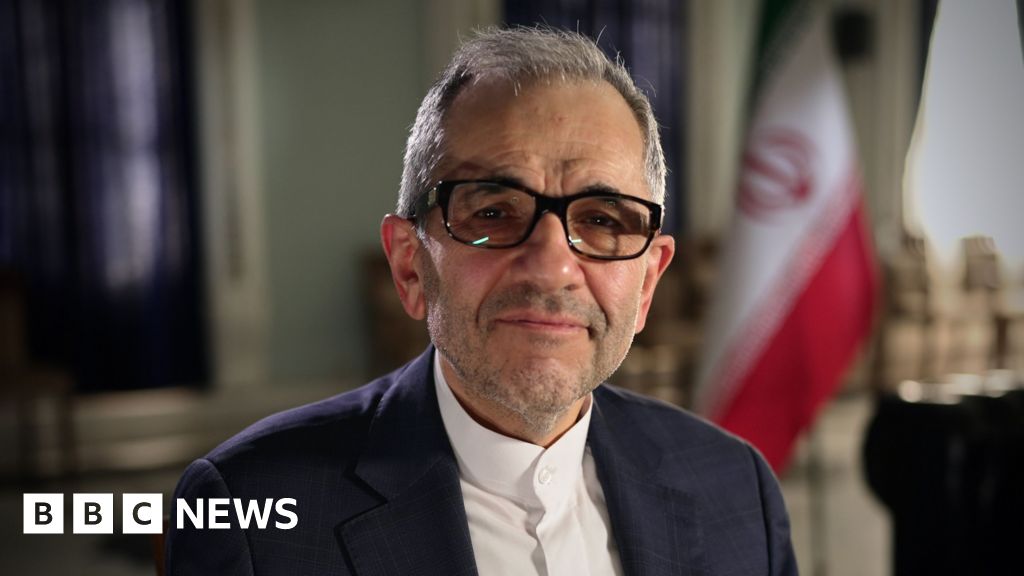
Iran open to compromises to seal nuclear deal, says Tehran minister on BBC

Amid escalating global tensions, the future of Iran and U.S. negotiations remains a focal point for international stability. In an interview with the BBC from Tehran, Majid Takht-Ravanchi, Iran’s deputy foreign minister, articulated a cautious yet hopeful tone, asserting that “the ball was in America’s court to prove that they want to do a deal.” His statement underscores the complex dance of diplomatic signals and counter-signals that have characterized these negotiations for years. While Tehran suggests an openness to a breakthrough, the core issue revolves around whether the United States is genuinely committed to reviving the 2015 Joint Comprehensive Plan of Action (JCPOA), a diplomatic agreement crucial for curbing Iran’s nuclear ambitions and stabilizing the region.

International analysts warn that any delay or perceived lack of sincerity from Washington risks further destabilizing a region already fraught with tension. Historically, the United States under multiple administrations has oscillated between engagement and sanctions concerning Iran, causing uncertainty that affects global markets and alliances. The recent remarks from Tehran serve as a reminder that diplomacy must be grounded in genuine intent; otherwise, the risk of a broader regional arms race or inadvertent conflict looms large. Significantly, the Biden administration’s approach has faced scrutiny from both allies and adversaries, with many fearing that the current political climate in the U.S. could hamper a real commitment to resolving decades-long disputes.

The international community, represented by institutions like the United Nations and leading nations, closely watches these developments, aware that the stakes extend far beyond Iran’s borders. A failure to reach a deal could enhance Tehran’s nuclear capabilities, undermine peaceful diplomacy in the Middle East, and provoke a dangerous escalation affecting Israel, Saudi Arabia, and other regional players. Some experts warn that a breakdown could entrench Iran’s isolation, fueling a cycle of sanctions and clandestine nuclear pursuits, raising questions about the effectiveness of current diplomatic tools to manage this volatile situation.

In this tense tapestry of diplomacy, the fundamental question remains: are the decisions made today shaping a future of peace or plunging the world into further chaos? History has repeatedly demonstrated that moments of diplomatic hesitation can have profound, long-lasting consequences. As the clock ticks, the weight of history presses down upon those in power—reminding us that the course they chart tonight could determine whether countless lives are safeguarded or sacrificed to the shadows of unresolved conflicts. The world holds its breath as the delicate balance of trust, interest, and strategic calculation continues to hinge on the sincerity of one side’s overtures, and whether the other will choose to meet it with genuine resolve.

NSW scores an extra holiday for Anzac Day, but other states opt out

Responses to national traditions in Australia continue to reflect rising considerations around identity, history, and geopolitics. Recently, the government of New South Wales announced the extension of Anzac Day observances by adding public holidays for 2026 and 2027 when the April 25 holiday falls on weekends. Such measures are not merely local politics but are intertwined with broader international reflections on military history, national sovereignty, and the symbolic weight of honoring wartime sacrifice. The announcement aligns with a conscious effort to preserve Australia’s national identity within the global arena, and analysts see it as an attempt to bolster national unity amid evolving geopolitical challenges.

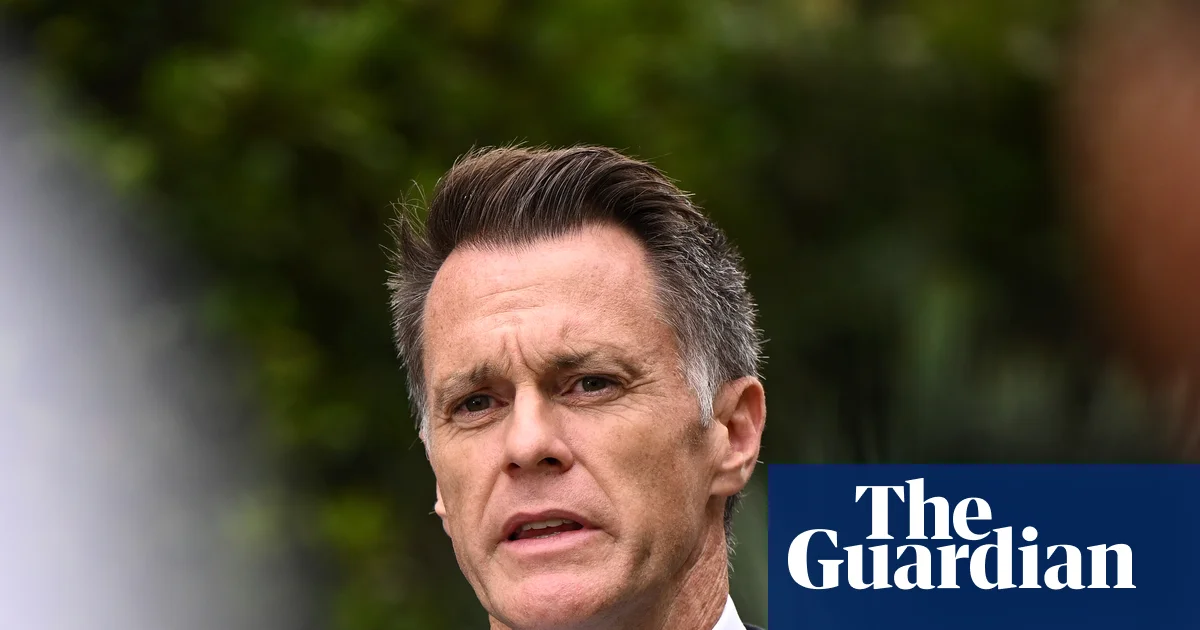
The decision comes amid delineations of tradition and modern societal needs, with Premier Chris Minns emphasizing that the extended holiday does not diminish the solemnity of Anzac Day. In fact, it serves to enhance the recognition of service members and their contributions, acknowledged as foundational to Australian sovereignty and cultural resilience. However, critics, mainly small business associations, warn that such changes could introduce economic strain, especially on local commerce. The Returned and Services League of Australia (RSL) has expressed support, underlining the societal importance of allocating time for families of defense personnel. Yet, the move also underscores a deeper, bigger geopolitical discussion about how nations choose to commemorate history—balancing tradition with the realities of a rapidly changing world.

Across Australia, not all states are following suit. Queensland and Victoria will maintain their existing public holiday configurations, reflective of regional variance in societal priorities. The broader geopolitical impact of such decisions extends beyond mere calendars; it signals the political weight placed on national identity and historical memory amid global disorder. Historians and international analysts note that these commemorative practices are not static but are subject to political contestation—serving as symbols that maintain societal cohesion in uncertain times. Indeed, in a world increasingly fragmented by conflicts and ideological divides, nations like Australia are carefully crafting ceremonies that reaffirm their sovereignty while navigating external pressures, such as China’s rising influence in the Indo-Pacific or the lingering shadow of great-power rivalry.

As moderate right-wing youth-driven voices scrutinize these developments, questions about how history shapes present policies gain greater urgency. The debate over public holidays is more than ceremonial; it is a mirror of a society grappling with its past while facing an uncertain global future. For historic students, foreign policy experts, and citizens alike, every decision echoes across the corridors of international relations. Today, Australia’s move to extend its commemorative holidays may seem small, but it echoes a profound truth: that in the theater of geopolitics, history’s weight can influence the future in ways both overt and subtle. As the world observes, the unfolding narrative of Australia’s national remembrance continues to write itself into the broader story of nations striving to preserve their identity amidst relentless change—an enduring testament that history, like the tides of the current, is never truly finished.

Social Media Auto Publish Powered By : XYZScripts.com