Matox News

Truth Over Trends, always!

NSW scores an extra holiday for Anzac Day, but other states opt out

Responses to national traditions in Australia continue to reflect rising considerations around identity, history, and geopolitics. Recently, the government of New South Wales announced the extension of Anzac Day observances by adding public holidays for 2026 and 2027 when the April 25 holiday falls on weekends. Such measures are not merely local politics but are intertwined with broader international reflections on military history, national sovereignty, and the symbolic weight of honoring wartime sacrifice. The announcement aligns with a conscious effort to preserve Australia’s national identity within the global arena, and analysts see it as an attempt to bolster national unity amid evolving geopolitical challenges.

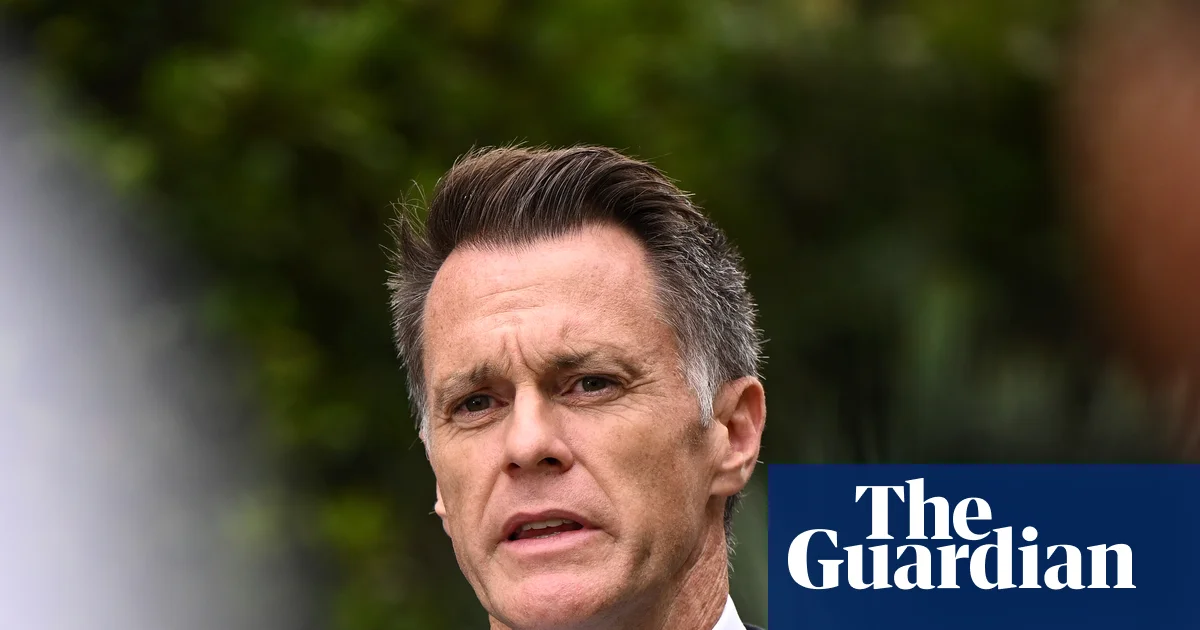
The decision comes amid delineations of tradition and modern societal needs, with Premier Chris Minns emphasizing that the extended holiday does not diminish the solemnity of Anzac Day. In fact, it serves to enhance the recognition of service members and their contributions, acknowledged as foundational to Australian sovereignty and cultural resilience. However, critics, mainly small business associations, warn that such changes could introduce economic strain, especially on local commerce. The Returned and Services League of Australia (RSL) has expressed support, underlining the societal importance of allocating time for families of defense personnel. Yet, the move also underscores a deeper, bigger geopolitical discussion about how nations choose to commemorate history—balancing tradition with the realities of a rapidly changing world.

Across Australia, not all states are following suit. Queensland and Victoria will maintain their existing public holiday configurations, reflective of regional variance in societal priorities. The broader geopolitical impact of such decisions extends beyond mere calendars; it signals the political weight placed on national identity and historical memory amid global disorder. Historians and international analysts note that these commemorative practices are not static but are subject to political contestation—serving as symbols that maintain societal cohesion in uncertain times. Indeed, in a world increasingly fragmented by conflicts and ideological divides, nations like Australia are carefully crafting ceremonies that reaffirm their sovereignty while navigating external pressures, such as China’s rising influence in the Indo-Pacific or the lingering shadow of great-power rivalry.

As moderate right-wing youth-driven voices scrutinize these developments, questions about how history shapes present policies gain greater urgency. The debate over public holidays is more than ceremonial; it is a mirror of a society grappling with its past while facing an uncertain global future. For historic students, foreign policy experts, and citizens alike, every decision echoes across the corridors of international relations. Today, Australia’s move to extend its commemorative holidays may seem small, but it echoes a profound truth: that in the theater of geopolitics, history’s weight can influence the future in ways both overt and subtle. As the world observes, the unfolding narrative of Australia’s national remembrance continues to write itself into the broader story of nations striving to preserve their identity amidst relentless change—an enduring testament that history, like the tides of the current, is never truly finished.
Northwest Nigerian Villages Hit Hard: 32 Dead in Underattack, Residents Report

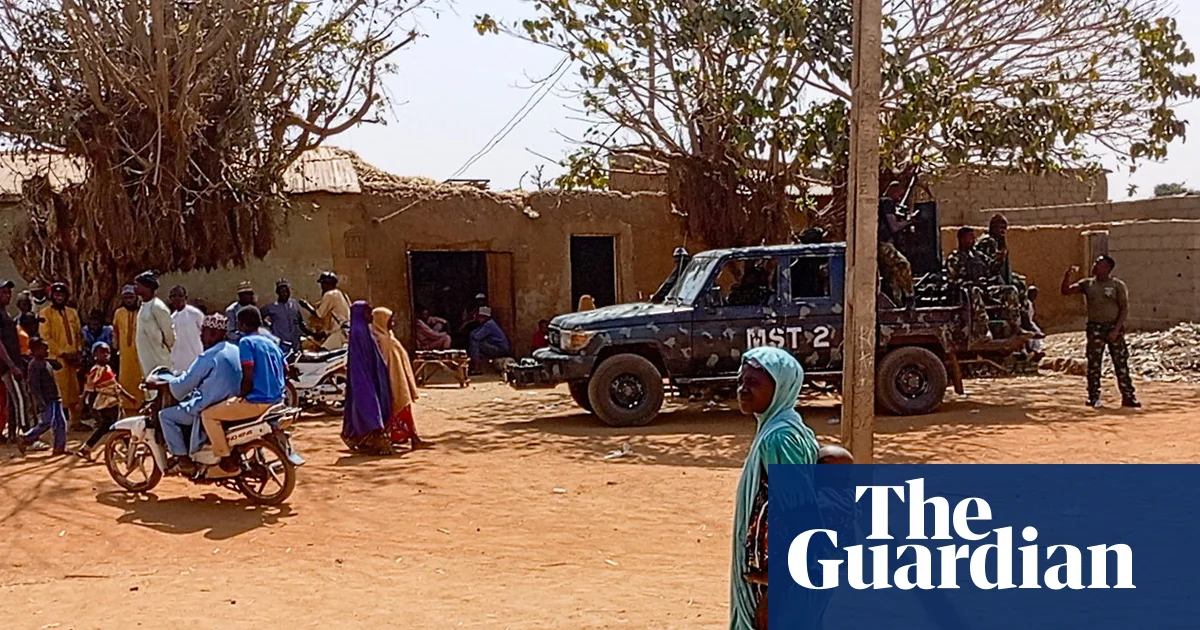
The recent wave of violence in Nigeria signals a complex and deteriorating security landscape that is reshaping the geopolitics of West Africa. Early Saturday morning, armed assailants on motorbikes launched deadly raids on three villages in Niger State, claiming at least 32 lives and leaving destruction in their wake. These targeted communities—Tunga-Makeri, Konkoso, and Pissa—have become the latest battlegrounds in a series of brutal assaults by unidentified armed groups, often referred to as “bandits,” whose operations have stretched across northern Nigeria for months. The strategic location near the border with Benin Republic underscores the regional implications of this violence, as it threatens stability in neighbouring nations and complicates international efforts to contain the crisis.

The attack, characterized by indiscriminate gunfire, arson, and abductions, mirrors a broader trend of escalating violence that has overwhelmed Nigerian security forces. The perceived failure of local and federal authorities to restore order has alarmed international analysts and organizations, with the United Nations and African Union warning of the potential for wider destabilization. US government officials have accused Nigerian authorities of neglecting their duty to safeguard Christian communities, although the violence itself affects adherents of both faiths. In response, Washington has ramped up security cooperation with Nigeria, including targeted strikes against armed groups in recent months, marking a shift toward direct intervention in a sovereign territory—a move that risks further inflaming local tensions while reflecting the gravity of the threat.

Historians and security experts highlight that Nigeria’s insecurity is not merely a local issue but a mirror of broader regional instability. Analysts point to the proliferation of armed militias and the porous borders that facilitate the movement of fighters and illicit weapons. The current crisis demonstrates how unresolved governance issues, economic hardship, and ethnic tensions have created fertile ground for criminal groups to flourish. In these volatile conditions, the international community faces a vital decision: to bolster security partnerships and counter-terrorism efforts or risk a complete unraveling of Nigerian sovereignty and peace. As residents flee and villages lie in ruins, the continent’s future hangs in the balance, precariously shaped by decisions made in Nairobi, Brussels, and Washington.

With each passing day, the unfolding violence in Nigeria echoes as a stark reminder of how fragile peace remains in Africa’s most populous nation. As security forces scramble to contain the violence and international actors weigh their next moves, the question remains whether this surge in violence is merely the tip of the iceberg or a sign of more profound upheaval to come. One thing is clear: history is being written beneath the smoke and flames—history that narrates a struggle not just for stability but for the soul of a nation that, despite its wealth of resources and resilience, now teeters on the edge of chaos. The road ahead remains uncertain, and for the millions living in the shadows of conflict, each day is a test of endurance and hope amidst the chaos.

UK Allegedly Charges Russia with Using Dart Frog Toxin to Silence Navalny

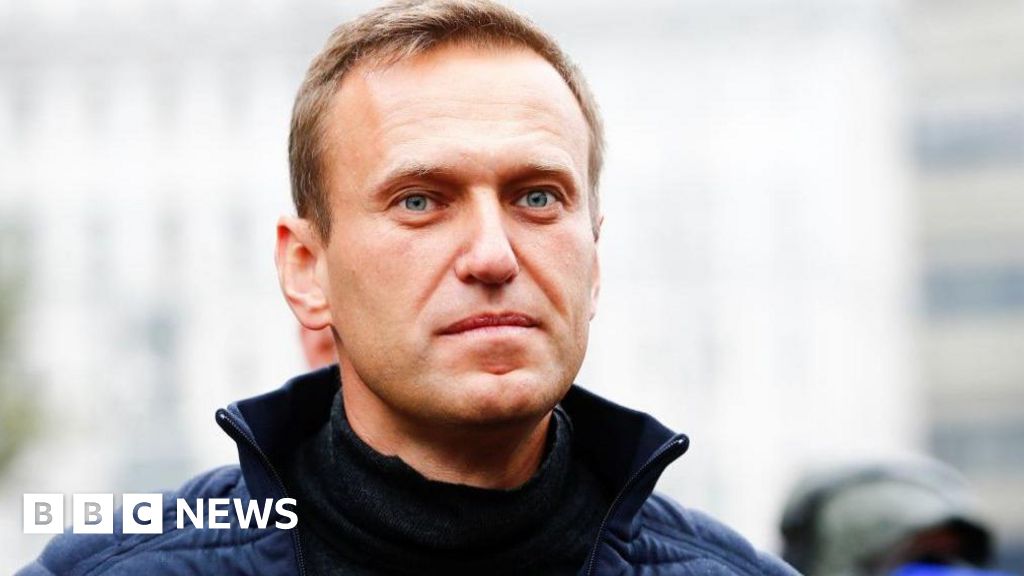
In an alarming development that has sent shockwaves through the international community, the Foreign Office has declared unequivocally that there is no innocent explanation for the presence of a toxin detected in samples taken from Alexei Navalny. The outspoken Russian opposition figure, whose pro-democracy activism has challenged the Kremlin’s authority, remains at the center of a geopolitical crisis that threatens to reshape alliances and spark new tensions across Europe and beyond.

The revelation comes as part of a broader narrative of escalating state-sponsored poisonings linked to Russia, which has consistently denied involvement despite mounting evidence from international investigations. The poisoning of Navalny, who fell seriously ill in August 2020, has become a focal point for Western sanctions and diplomatic condemnations. The European Union and United States have called for transparency, demanding that Moscow disclose all details regarding the toxin used—highlighting the serious breach of international norms and the potential for a new Cold War-era standoff rooted in covert operations and political repression.

Analysis from leading international organizations, including the Organization for the Prohibition of Chemical Weapons (OPCW), underscores the gravity of the situation. Experts argue that this incident marks a turning point in the ongoing struggle over sovereignty, human rights, and international law. Countries allied with the West warn that tolerating such actions emboldens authoritarian regimes and undermines the global order. Meanwhile, Russia insists that Navalny’s poisoning was a domestic matter, dismissing accusations as Western interference. This entrenched denial fuels fears of escalating hostilities and complicates diplomatic efforts to forge a unified response.

Historian and geopolitical analyst Dr. Mark Evans notes that the incident illustrates a fundamental shift in international relations—where informal warfare and covert operations have become tools to stifle dissent and influence power dynamics. The fallout from Navalny’s poisoning extends beyond Russia’s borders, threatening to plunge the continent into renewed uncertainty. As NATO officials consider their next move, the world watches with bated breath, acutely aware that this episode could be a catalyst in a new era of poisoned diplomacy. With each revelation, the weight of history presses down, reminding us that in the shadows of global politics, the line between peace and conflict remains perilously thin.

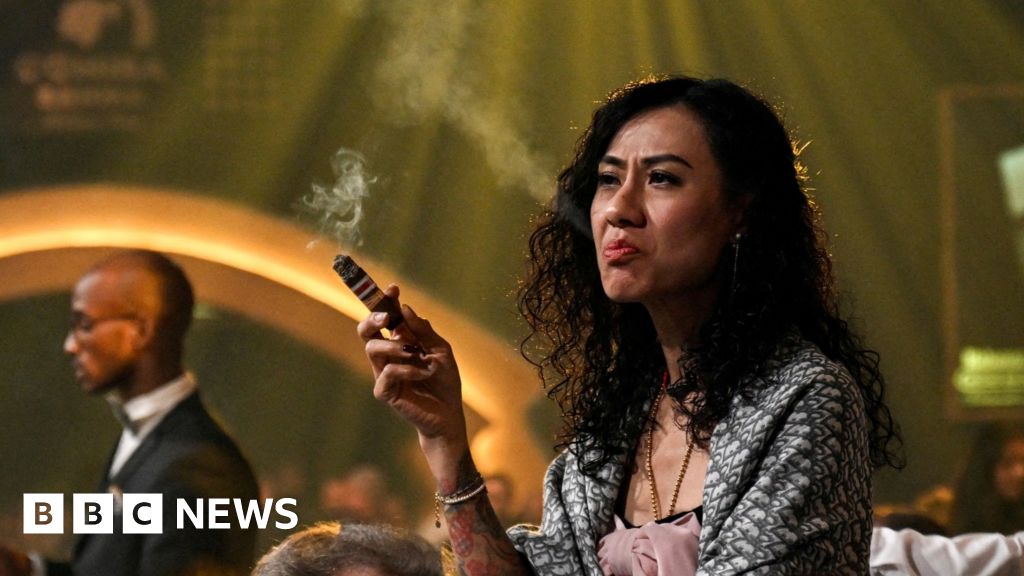
Cuban Cigar Festival Cancelled as U.S. Sanctions Deepen Energy Crisis

The global community faces a new chapter of uncertainty as an eagerly anticipated international event, commonly regarded as a gathering of enthusiasts and connoisseurs, has been officially postponed. Originally scheduled to take place annually, this renowned aficionados’ bonanza has been indefinitely delayed, a decision driven primarily by widespread shortages impacting international travel and logistics. This development signals not only a setback for cultural exchange but also underscores the fragile fabric of international mobility in a world grappling with persistent supply chain disruptions.

Underpinning this postponement are a series of complex geopolitical and economic shifts that ripple across nations and societies alike. Multiple factors, from recent global conflicts to pandemic-related disruptions, have strained the interconnected networks that traditionally sustain such large-scale international gatherings. Experts from organizations like the World Travel & Tourism Council warn that limited aircraft availability, rising fuel costs, and strained port infrastructure have created a perfect storm, forcing event organizers to reconsider timelines and planning. As countries tighten border controls to combat ongoing health crises or adjust policies in response to regional conflicts, the once-fluid flow of international visitors has become severely constricted.

Many analysts emphasize a broader geopolitical impact: the shift signifies more than just logistical delays but a recalibration of global cultural diplomacy. The postponement hampers opportunities for cross-cultural dialogue, undermining efforts to foster international understanding amid rising nationalism. Additionally, some speculate that these disruptions may accelerate the retreat from open borders, fostering more inward-focused policies, potentially more hostile to international collaboration. Security assessments by intergovernmental agencies highlight increased risks associated with lengthy international travel shortages, including reduced cultural exchange programs vital for soft power influence. The rift between global economies becomes increasingly evident, especially as developing nations face mounting challenges to participate in or host such international assemblies.

As historians and international affairs experts scrutinize the unfolding developments, many draw parallels with previous periods of global upheaval, where supply chain disruptions precipitated shifts in international strategy and societal behavior. The postponement echoes past moments when global conflict or crises redefined the cultural and diplomatic landscape, serving as a stark reminder of the interconnectedness—and vulnerability—of modern civilization. As the crisis persists, the words of geopolitical analyst Dr. Emily Carter resonate: “This moment reveals how fragile our global networks truly are and underscores the necessity for resilient infrastructure to withstand future shocks.”

Ultimately, the decision to delay the traditionally vibrant event is a stark testament to the ongoing turbulence characterizing our era. It leaves a profound sense that history, like an unwritten story, continues to unfold with each passing day. As nations brace for a new reality shaped by scarcity, uncertainty, and shifting alliances, the world stands at a crossroads—where every decision echoes through generations yet to come, carving the contours of a future still shrouded in the shadow of upheaval and change.

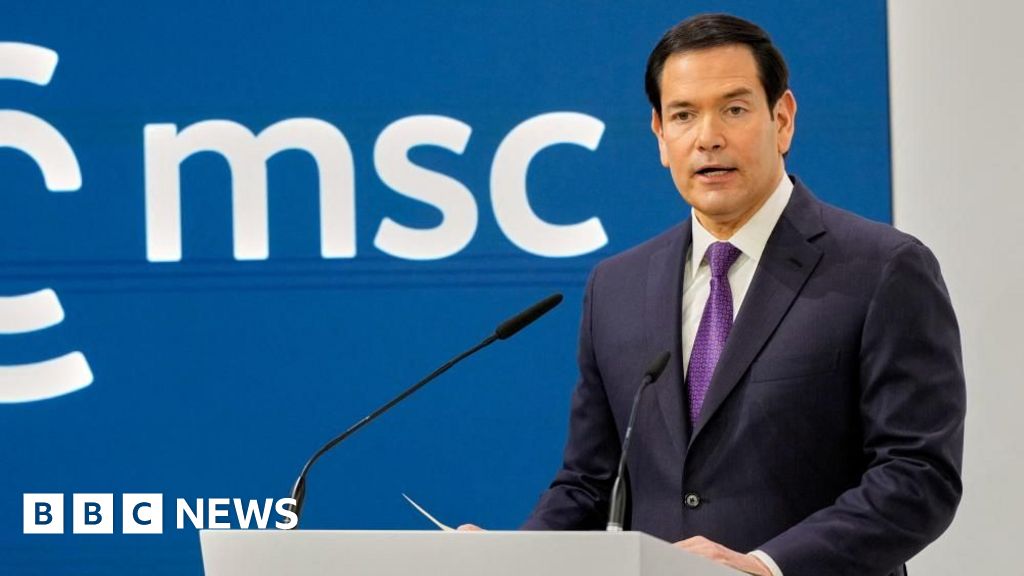
Rubio: U.S. and Europe Still Strong Partners Amid Tensions

In a significant diplomatic move, U.S. Secretary of State Anthony Blinken recently delivered assurances to European leaders, affirming that the Trump administration’s policies do not signal a departure from the longstanding transatlantic alliance. This reassurance comes amid widespread global speculation about shifts under the recent U.S. presidential administration, prompting both alarm and cautious optimism among international analysts. As Europe grapples with an increasingly complex geopolitical landscape, the reaffirmation from Washington aims to solidify mutual commitments in an era marked by rising nationalism and fluctuating alliances.

Experts and historians have long emphasized the importance of the transatlantic alliance as a cornerstone of international stability, particularly through NATO’s enduring presence since its founding in 1949. Analysts such as Dr. Maria Sanchez, a prominent geopolitical scholar, highlight how U.S. policymakers often oscillate between engagement and retrenchment but ultimately recognize the alliance’s critical role in countering Russia’s geopolitical ambitions and maintaining leverage in global security matters. Nevertheless, recent statements from U.S. officials suggest an awareness that the post-Trump political landscape could still influence American foreign policy, which underscores the importance of diplomatic clarity to reassure allies on both sides of the Atlantic.

Furthermore, the European Union and NATO members remain deeply concerned about the potential for geopolitical disruptions stemming from internal American politics. Such fears were temporarily amplified by the tumultuous U.S. elections and policy shifts, prompting European leaders to question the durability of long-standing commitments. The U.S. Secretary of State’s recent comments serve as a strategic gesture to quell uncertainties, especially ahead of crucial NATO summits and European elections. The move also underscores the growing importance of the United States reaffirming its role as a reliable partner—a role that many analysts warn is indispensable in today’s unpredictable international order.

From a broader perspective, international organizations like NATO and the European Union are observing this diplomatic reassurance as a sign that Washington remains committed to a rules-based order and international stability. Yet, many experts warn that genuine trust will only be restored through consistent action and tangible policies, not just words. As some historians argue, the future of the transatlantic relationship hinges on a global environment increasingly defined by competitive powers such as China and Russia. The decisions made in Washington and Brussels today, therefore, carry the weight of history, potentially shaping the trajectory of global alliances for decades to come.

In an era where geopolitical tensions can escalate rapidly, the reaffirmation of alliance commitments remains a pivotal hinge in the balance of power. The world watches as leaders navigate the delicate dance of diplomacy, fully aware that today’s assurances could be tomorrow’s fragile diplomatic fabric. The ongoing unfolding of this story signals that, amid shifting allegiances and rising global threats, the question remains: How resilient are the pillars of the international order, and what price will societies pay when these pillars crack or falter? As history continues to write itself, the fate of the transatlantic alliance—an enduring symbol of Western strength and cooperation—stands at a crossroads, with its future writerly in the hands of those who hold the pen.

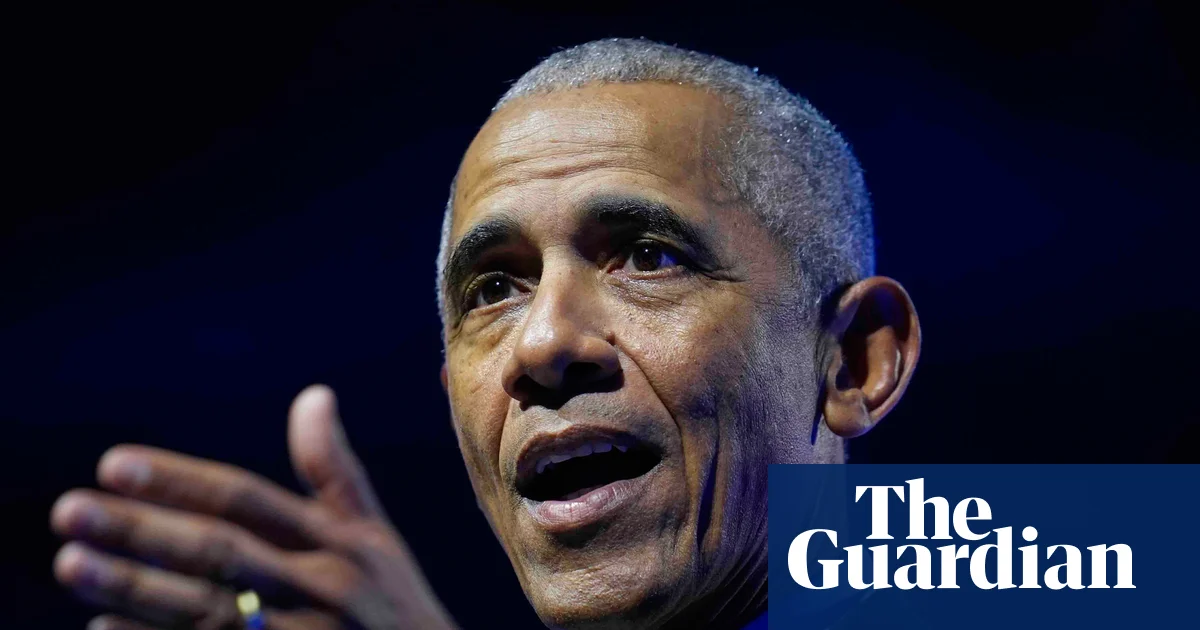
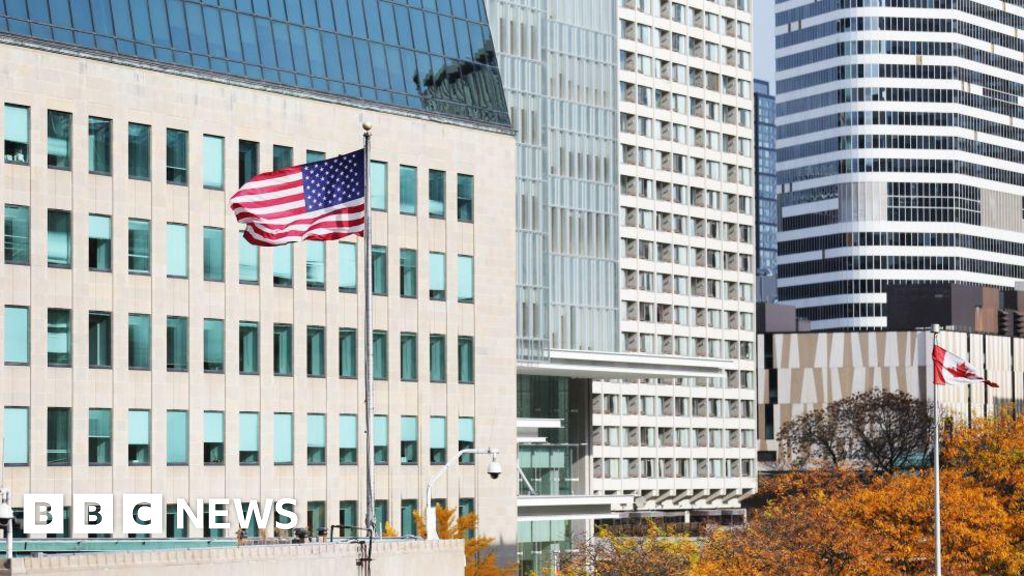
Obama backs anti-ICE protests in Minneapolis—Young voices rising for reform

The recent upheavals in Minneapolis and the surrounding Twin Cities expose a significant chapter in the ongoing struggle over U.S. immigration policies and federal authority. Former President Barack Obama publicly voiced his support for local demonstrators opposing the controversial Immigration and Customs Enforcement (ICE) operations, which he described as “unprecedented.” His remarks highlight the geopolitical impact of internal U.S. policies that not only shape the nation’s social fabric but also resonate broadly on the international stage. As mass protests erupt and authorities retreat, analysts argue these events underscore an inflection point in America’s internal stability and how its leadership chooses to wield federal power in the face of public dissent.

At the heart of this critical moment is how decisions at the federal level influence societal perceptions and international credibility. The escalation of ICE actions—deployed without clear guidelines and involving aggressive tactics like tearing gas canisters and entrapping families—has been widely condemned. Historically, experts like Dr. Samuel Harper, a senior analyst at the Global Policy Institute, underline that “the backlash against federal immigration enforcement reveals a broader narrative: Americans are deeply divided about the **values** that define their nation.” It is ironic that the federal government, which often portrays itself as the defender of national sovereignty, now faces accusations of endangering the very communities it claims to protect, thereby fueling accusations of overreach and authoritarianism.

U.S. officials, including Tom Homan, the former border czar, indicated a voluntary scaling down of operations following highly publicized deaths at the hands of federal agents—a turning point that many interpret as a response to mounting protests. These developments suggest that the message conveyed by the American populace, especially the youth, is one of resistance against what many see as overstepping constitutional bounds. The international community, including the United Nations and human rights organizations, has scrutinized these events, warning of damage to America’s global image and urging accountability. Yet, critics argue that such recalls signal a recognition of the tides turning, as a citizenry increasingly demands adherence to fundamental rights and the rule of law.

As the debate intensifies, the emotional narratives shared by leaders like Obama and Michelle Obama evoke a sense of crisis—a call for Americans to reflect on their core values. Historically, moments of internal unrest often serve as turning points in national identity; whether these protests mark a shift towards greater justice or signal unresolved divisions remains to be seen. What is undeniable is that the decisions made in the coming weeks will reverberate across generations, influencing policies, societal attitudes, and the very fabric of what it means to be an American. As history continues to unfold, the weight of this chapter will linger, a stark reminder that the struggle over liberty, justice, and sovereignty remains as vital as ever, etched into the annals of a nation still seeking its true direction amid tumult and change.

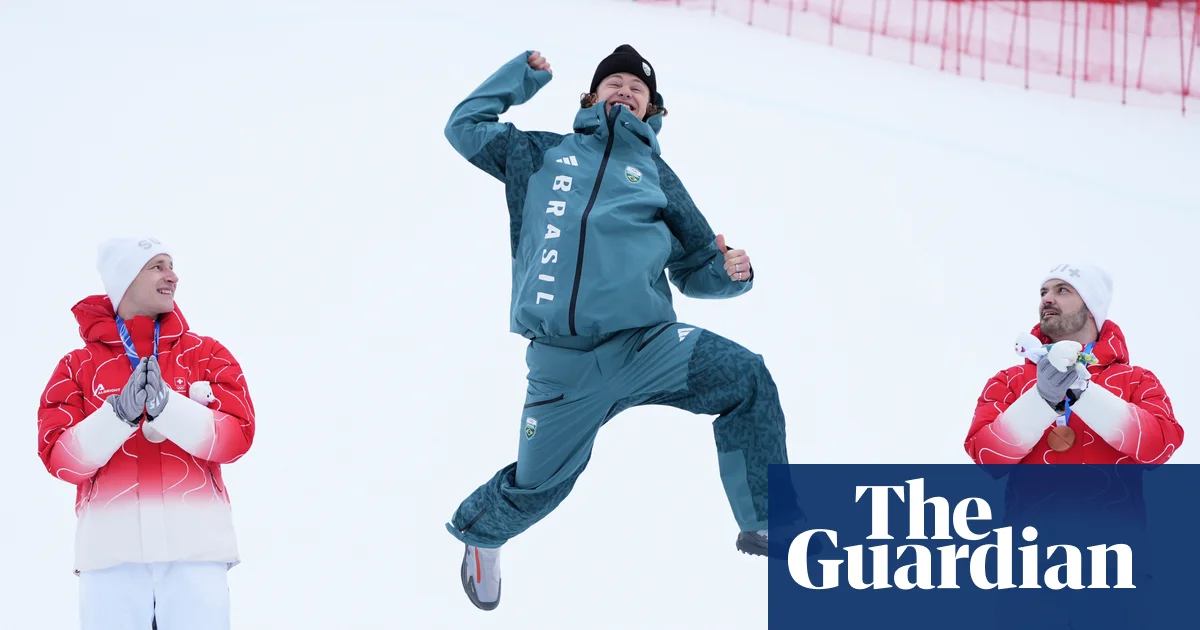
Brazil’s Pinheiro Braathen grabs historic gold, South America’s first Winter Olympics medal—Winter 2026 heats up!

The 2026 Winter Olympics witnessed not only a display of remarkable athleticism but also significant geopolitical symbolism. Among the most striking narratives was the historic gold medal victory of Lucas Pinheiro Braathen, a young athlete representing Brazil. His achievement was historic: the first-ever Olympic medal for a South American athlete in Winter Games history. That moment transcended sports, carrying the weight of societal change and international perception. It showcased how individual determination can challenge prevailing narratives about nations, race, and identity on the global stage.

Pinheiro Braathen’s story is emblematic of broader shifts, especially in a world where international sporting events are increasingly intertwined with issues of sovereignty and cultural representation. Born in Oslo to a Brazilian mother and Norwegian father, the athlete’s personal journey of claiming his legacy in Brazil defies traditional stereotypes. His victory sends a strong message, emphasizing that how nations present themselves on the world stage can be reshaped by the resilience of individuals willing to defy conventions. Analysts suggest that such moments bolster soft power for emerging nations, which now see sports as a domain to redefine their global stature. Historically, the significance of representation in global events has been understood by international scholars as a catalyst for changing national identities and societal cohesion.

Meanwhile, the race itself was fraught with geopolitical undertones. Marco Odermatt, the reigning Olympic champion from Switzerland, secured silver—yet the story was about Braathen’s stunning underdog victory. The event echoed the persistent rivalry between traditional winter sports powerhouses and nations like Brazil trying to leave their mark. As noted by international commentators and historians, the move by Braathen aligns with a broader trend of non-traditional nations investing in winter sports—a strategy to assert emerging influence and stimulate national pride. These shifting dynamics signify a transformation in the geopolitical landscape, where soft power assets, such as Olympic medals, now serve as symbolic battlegrounds for international prestige.

Looking ahead, the implications for international institutions and world governance are profound. The IOC, forges alliances and promotes narratives of unity and progress, yet it is also a stage for geopolitical signaling. The inclusion of athletes like Braathen, who connect diverse cultural identities, reinforces an evolving global order emphasizing individual agency over old hierarchies. As global analysts track these developments, the broader question remains: how will nations leverage such stories to redefine their roles in a fractured world? The unfolding narrative of Braathen’s victory leaves us contemplating not just the glitter of medals but a deeper, more enduring story—one where the personal is intertwined with the political, and history is written not in grand treaties, but in the individual triumphs that challenge the status quo. As the world’s gaze turns from these fleeting moments at the Winter Olympics, the real story persists: in the shadows of icy slopes and soaring flagpoles, the future of international power dynamics continues to be shaped.

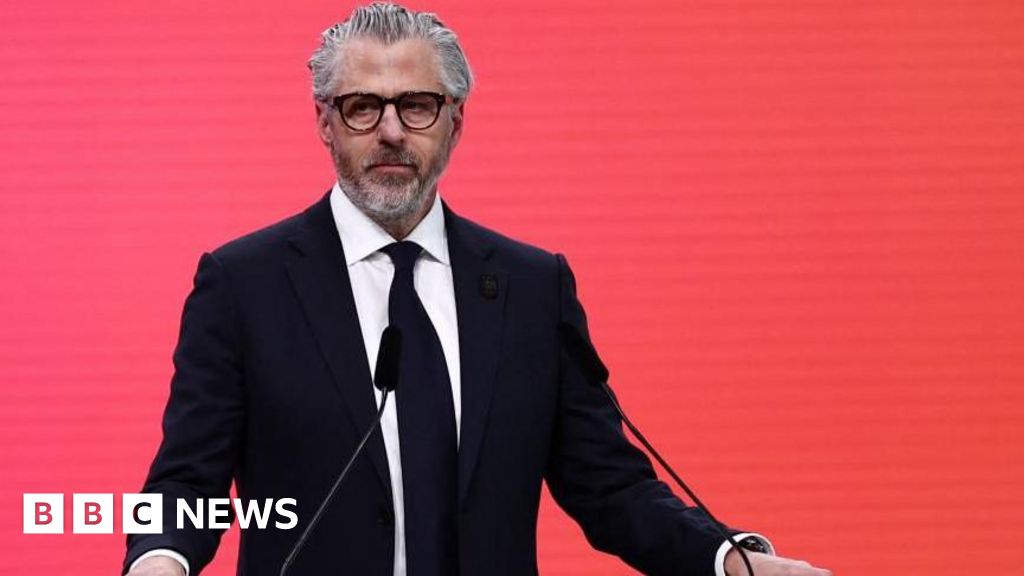
Casey Wasserman plans to sell talent agency following Epstein controversy, reports say

In a development that has sent shockwaves through the international political and social landscape, the prominent agent and LA Olympics chief is now under intense scrutiny owing to revealed past associations with controversial figures such as Jeffrey Epstein and Ghislaine Maxwell. This revelation has ignited a broad debate on accountability, transparency, and the moral standing of those entrusted with managing some of the world’s most influential sporting events. As investigations unfold, the potential implications for the upcoming Los Angeles Olympics extend beyond the realm of sports, touching on issues of international reputation and diplomatic integrity.

The timing of this controversy could not be more critical. The Olympics, long considered a symbol of unity and peaceful global cooperation, now faces questions about its governance and the influence of power brokers behind the scenes. Critics argue that such associations, if true, cast a shadow over the integrity of international sporting organizations and threaten to undermine public trust. Historians and analysts point to precedent cases where scandals involving influential figures have significantly impacted geopolitical relationships and national prestige. The revelations also illuminate the deeper challenge facing global institutions: how to reinforce standards of morality and transparency amid the complex web of political and corporate interests that often underpin major international events.

These events could have far-reaching geopolitical impact, especially as nations reflect on their responsibilities to uphold civic virtues amidst the seductive allure of economic gains and diplomatic symbolism. How global leaders respond in the coming weeks will likely set a precedent, influencing public perception and future accountability measures. International organizations such as the International Olympic Committee (IOC) are under pressure to demonstrate decisive action, large-scale reforms, or face accusations of complicity. Meanwhile, geopolitical analysts warn that such scandals provide opportunistic states and opponents with rhetorical ammunition, potentially fueling uprisings, diplomatic tensions, and credibility crises across borders.

Ultimately, this controversy underscores the fragile line between achievement and integrity in an interconnected world. As investigative entities deepen their probe into the allegations, the importance of adherence to moral principles and judicial accountability becomes more urgent than ever. History warns that when societies ignore the shadows cast by those in positions of power, the consequences can ripple across generations, eroding the foundational pillars of justice and fairness. The unfolding story remains a stark reminder that, in the arena of international diplomacy and cultural influence, the true cost of scandal often extends long after headlines fade—the weight of history continuing to unfold beneath the surface of global spectacle.

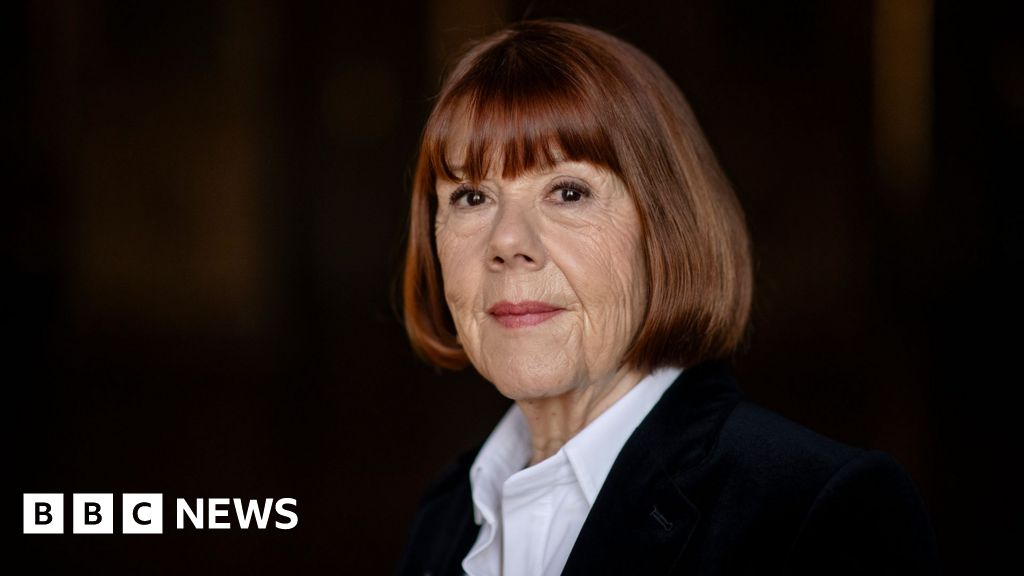
Gisèle Pelicot Shares Overwhelming Horror, Says She’s Not Angry

The recent disclosure from France’s most high-profile rape trial has sent ripples across the international community, underscoring the complex intersection of justice, societal values, and geopolitical stability. In an exclusive interview with Newsnight, the woman at the center of the case illuminated not only her personal ordeal but also highlighted broader issues of betrayal, healing, and moral resilience. As nations worldwide watch this case unfold, the international implications of justice and societal change have become increasingly apparent, raising critical questions about how societies confront allegations of abuse at the highest levels of influence.

The case — which has captivated France and challenged its legal system — resonates in an era where societal reckoning with gender-based violence is both a domestic and international issue. Political analysts note that this case exemplifies how individual stories can catalyze national conversations and even impact global perceptions of justice. Historians warn that the trial’s outcome could influence not just French society, but serve as a precedent for other nations grappling with similar allegations, especially where power asymmetries hinder accountability. For instance, the case’s spotlight on betrayal and eventual healing echoes moments in recent history when societal movements have shifted legal and cultural norms, such as the #MeToo movement, which has accelerated the push for greater accountability across borders.

Experts warn that decisions made within this trial carry profound geopolitical significance. The case has fueled debates about France’s legal apparatus and whether it is adequately equipped to handle cases that involve powerful figures. Meanwhile, international agencies, including the United Nations and European Union, observe closely, as they consider the broader implications for human rights protections and the rule of law. The trial’s outcome could influence how countries develop policies to hold elites accountable, impacting everything from diplomatic relations to domestic legislative reforms. The ongoing case also spotlights how international alliances and standards serve as benchmarks for national justice, challenging fragile perceptions of fairness and equality in the rule of law.

As the trial continues, the dialogue underscores a pivotal moment—a crossroads where history is being written. Analysts argue that the resolution of this case will not only determine justice for the individual, but will also serve as a lasting symbol of societal progress or regression. In a rapidly shifting international landscape, the decisions made here carry the weight of generations, echoing the enduring struggle for dignity, sovereignty, and moral clarity. For now, the world waits, knowing that the outcome holds the power to shape future narratives and influence the course of history during a time of profound societal upheaval—and as all eyes are fixed on France, the lessons learned here could redefine the global fight against impunity and the ongoing quest for true justice.

Gisèle Pelicot speaks out to BBC Newsnight

The recent revelations from France have shockwaves resonating across the international stage, highlighting the profound intersection of justice, societal values, and geopolitical stability. Gisèle Pelicot’s courageous decision to publicly expose her harrowing experiences, despite the personal risks involved, underscores a broader shift in how victims of systemic abuse are challenging traditional norms and demanding accountability. Her declaration that her strength derives from her “DNA” echoes a rising global narrative—one that emphasizes resilience and truth-telling in the face of grave injustice.

This case, which has now culminated in the largest rape trial in French history, exposes disturbing facets of exploitation facilitated by the dark corners of the internet. Over nearly a decade, Ms. Pelicot was allegedly drugged and assaulted by her then-husband, Dominique Pelicot, who reportedly recruited dozens of men online to carry out these crimes. International observers, including human rights groups and legal experts, view this case as a stark warning about the accessibility of illicit online networks and their devastating impact on vulnerable individuals. By making her identity known, Ms. Pelicot has challenged the French legal system’s traditional approach, which often limited victims’ voices, and set a powerful precedent for transparency and victim advocacy across Europe and beyond.

  • Her decision to forgo anonymity before the trial signifies a bold stand against the culture of silence surrounding abuse, which many analysts argue perpetuates cycles of violence and impunity in various societies.
  • International organizations, including Amnesty International and Interpol, are closely monitoring the case, emphasizing the importance of strong legal responses to internet-facilitated crimes and the need for international cooperation.
  • Legal scholars note that her act of defiance could influence reforms in victim protection laws, challenging states to balance individual rights with societal safety more effectively.

Arab, European, and North American nations are all watching this case with a keen eye, recognizing its potential to reshape international norms about justice and online accountability. The global community continues to grapple with the security challenges posed by transnational digital networks, and many argue this case exemplifies the importance of proactive legal frameworks. As historians will likely remember as a turning point, the fight against online exploitation demands international resolve and unwavering moral clarity. These emerging realities signal a pivotal moment where nations must confront their shortcomings and forge new alliances—lest the dark shadow of impunity expands unchecked.

In the grand narrative of history, this case stands as a stark reminder of the battle for human dignity in an increasingly interconnected world. As the world watches with bated breath, the weight of justice presses down on those in power. The decisions made in these courtrooms today will ripple through generations, shaping societies’ ability to protect and empower the vulnerable. The unfolding story persists—reminding us that, in the face of darkness, the resolve of the human spirit and the pursuit of justice remain our most potent defenses. Yet, the question remains: how much longer will societies ignore the creeping tide of online exploitation before decisive, global action is finally taken?

Social Media Auto Publish Powered By : XYZScripts.com