Matox News

Truth Over Trends, always!

Young conservatives rally behind Angus Taylor in leadership bid against Sussan Ley

Australia’s Political Landscape Shaken as Liberal Party Faces Leadership Crisis

In a dramatic turn of events, Australia’s political arena is witnessing a pivotal moment as the Liberal Party grapples with internal turbulence that could reshape the nation’s leadership. The outgoing leader, Sussan Ley, finds her position under threat amid a wave of resignations and shifting allegiances, signaling a deeper crisis within the party. The mounting tension reflects not only party dynamics but also a wider contest over the future direction of Australia, particularly in response to domestic and international challenges that demand firm leadership. Experts and analysts warn that the outcome of this leadership contest could influence Australia’s policy stance on issues such as climate change, immigration, national security, and economic recovery.

Key figures emerged as the battle lines solidified during this political upheaval. Angus Taylor, a former shadow defence minister known for his conservative stance, has garnered significant backing from influential party members, including Queensland senator James McGrath and opposition figures like Michaelia Cash. Their support underscores a growing divide within the party—between moderates who favored Ley’s leadership and conservatives rallying behind Taylor. The tension culminated when Taylor resigned from his shadow cabinet position to formally challenge Ley, claiming the party has “lost its way” and emphasizing the need for “strong and decisive leadership” to address Australia’s pressing issues. His narrative resonates with many young conservatives across the country who yearn for a return to traditional values and robust national policies, especially in light of international complexities such as regional security and economic resilience.

The leadership election, scheduled to be decided this week at Parliament House, is tightening as both sides claim the support of the 51-member party room. The possibility of a narrow victory hangs in the balance, with Ley maintaining that she still commands “the numbers,” even as critics argue her position has become increasingly untenable. Notably, the broader geopolitical impact of this internal party conflict extends beyond Australia’s borders—potential leadership shifts could influence Australia’s foreign relations, especially its stance toward China, the Indo-Pacific region, and global trade alliances. Historically, Australian parties’ leadership stability has impacted its international posture, with quick leadership changes often seen as destabilizing for diplomatic consistency and economic policy.

As Australia faces these tumultuous internal debates, the international community observes with cautious interest. The contest mirrors global struggles where nations look to their political parties to deliver stability amidst geopolitical turbulence. Analysts from organizations such as the Lowy Institute warn that a leadership upheaval could create a temporary vacuum, affecting Australia’s commitments to regional security pacts and trade agreements. The internal party dispute, while ostensibly about policy direction, symbolizes a broader cultural clash—between traditional conservatism and progressive ambitions—that will indelibly shape the country’s future. As the vote nears, the weight of history presses heavily, reminding all that leadership crises are not merely internal squabbles, but pivotal moments that may define a nation’s course for generations to come.
El Paso airspace shut down sparks chaos — blame balloons or drone threats?

In a move that has sent shockwaves through the regional and international landscape, El Paso‘s airspace was abruptly closed for ten days, a shutdown reportedly triggered by a dispute over drone technology testing conducted by the United States military. This unexpected decision underscores the fragile geopolitical climate in North America and its potential implications for broader security dynamics. Although official sources remain tight-lipped about the specific causes, various intelligence reports and military analysts suggest that the closure was directly linked to advanced drone testing operations—an area where technological escalation intertwines dangerously with sovereignty and security concerns.

The resurgence of drone capabilities has become a focal point of contention between military authorities and regional stakeholders. Critics argue that such testing, especially when conducted near border regions like El Paso, could inadvertently escalate tensions with neighboring nations or destabilize an already volatile security environment. The incident highlights the rapid pace at which technological advancements in military hardware are influencing geopolitical stability. Historians and security experts warn that without clear international protocols, these tests risk fueling an arms race that could destabilize diplomatic efforts and trigger an unintended escalation of conflict.

This closure has far-reaching geopolitical impact. Regional actors—including Mexico and various Latin American nations—are closely monitoring the United States’ military maneuvers, wary of how these tests might affect border security and regional stability. Furthermore, global institutions such as the United Nations have increasingly voiced concern over the reckless deployment of emerging military technology in sensitive zones. The turning point lies in how these technological demonstrations are perceived: as defensive innovations or as acts that could inadvertently trigger a new arms race. The decision to shutter airspace—although temporary—intensifies existing debates about transparency, sovereignty, and the need for international regulations governing drone warfare.

As the dust settles on this dispute, the world’s eyes remain fixed on Washington and its military-industrial complex. Analysts warn that such isolated incidents, if unchecked, herald a new era of confrontational posture. The international community, under increasing pressure from peace advocates and global watchdogs, faces a critical choice: to embrace arms control or risk spiraling into unprecedented levels of technological conflict. History will judge whether this brief closure marks a relic of posturing or the beginning of a broader strategic recalibration. The pages of history continue to turn swiftly, with the next chapter yet unwritten, leaving nations to ponder—are we entering a phase of responsible stewardship or reckless escalation?

Ex-Canberra teen faces execution in Iran amid Aussie diplomatic push

Global Power Dynamics Shift as Iran’s Human Rights Crisis Deepens

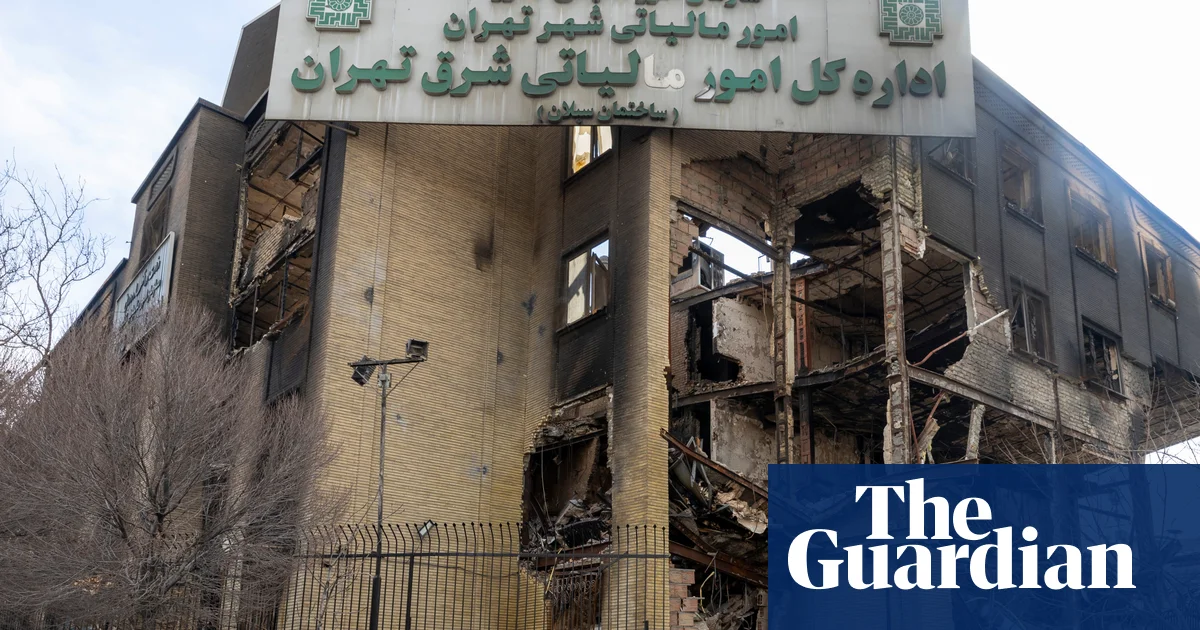
The recent developments surrounding Iran‘s violent suppression of its own people signal a pivotal moment in regional and international geopolitics. As thousands of protesters face brutal crackdowns and reports emerge of potential executions of foreign nationals, including an Australian youth, the world’s attention sharpens on Tehran’s alarming disregard for human rights. The Australian government’s efforts to intervene—making diplomatic representations and offering support to affected families—highlight the increasingly strident global response to Iran’s authoritarian reality. Historian Emily Carter notes that such crises mark a significant turning point where international pressure can influence the course of Iran’s domestic policies.

Moreover, this situation underscores the fragile balance of influence between Western countries and Iran. Following the expulsion of Tehran’s ambassador from Canberra and the suspension of diplomatic ties, Australia’s stance reveals a broader pattern of strategic firmament against Iran’s expansionism and regional destabilization. The recent violence against protesters—estimated to have claimed upwards of 30,000 lives by some sources—is a stark reminder of a regime willing to sacrifice its own citizens for the sake of maintaining power. The international community, led by Western powers, perceives these actions as not just internal conflicts but as threats to global stability, especially considering Iran’s regional influence and its development of nuclear capabilities.

Despite the lack of direct verification, the distressing reports of foreigners, such as the Australian boy, further complicate Iran’s image on the world stage. Diplomatic channels are strained as governments across the globe call for accountability but remain cautious in their engagement. The ongoing crackdown is also a rallying point for international organizations like the United Nations, which debates whether to escalate sanctions or pursue independent investigations. Meanwhile, Iran’s internal turmoil is fueling protests that threaten the regime’s legitimacy, with some analysts warning that the government’s refusal to acknowledge or properly investigate civilian deaths may ignite even greater unrest. The escalation of such internal destabilization risks spreading instability beyond Iran’s borders, potentially triggering a regional conflict entangling the entire Middle East and beyond.

As history continues to unfold, the world watches – hesitant yet resolute. The coming weeks may determine whether Iran’s regime will be held accountable or whether history will record this as a chapter of unchecked tyranny. The stakes are high: nations must decide whether to uphold the moral imperatives of human rights or to accept the stagnation of global morality at the altar of geopolitical convenience. On this turbulent stage, the choices made today will resonate for generations. The question remains: how will this chapter in history be written—by the relentless pursuit of justice or by the silence of complicity?

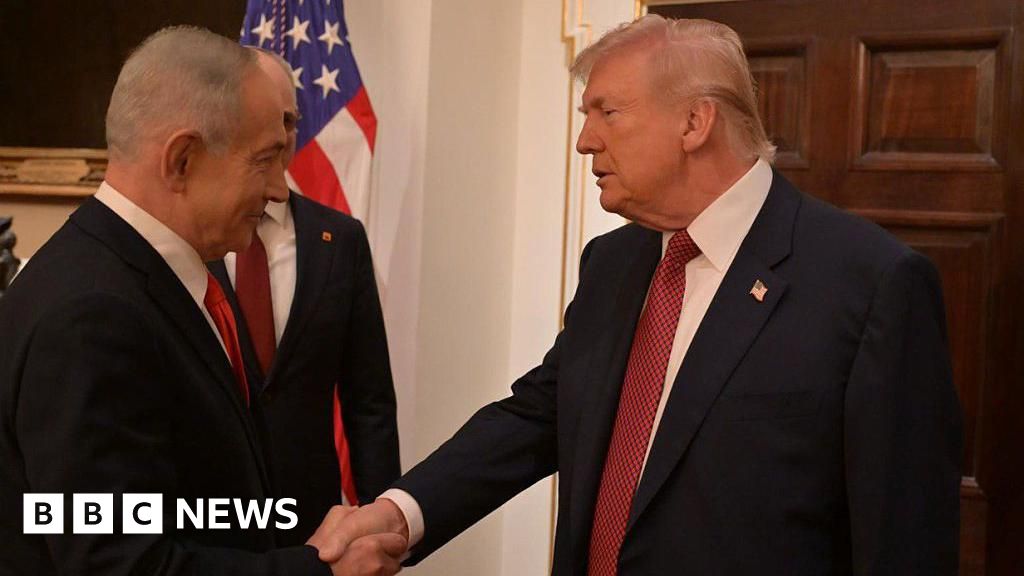
Trump urges Netanyahu: Keep Iran nuclear talks alive

In a rapidly evolving landscape of international diplomacy, Israel has voiced its profound concerns regarding the ongoing negotiations with Iran. Jerusalem fears that the current diplomatic approach, driven by the desire to reach a timely deal, might ultimately fall short of addressing critical issues such as Iran’s missile programs and its extensive network of proxy groups across the Middle East. This hesitation highlights a broader strategic dilemma shared by many nations in the region—whether economic concessions and temporary agreements will truly curtail Iran’s expanding military capabilities and regional influence.

Leading analysts, including Daniel Byman, a scholar at Georgetown University, warn that the negotiations risk producing a deal that is too lenient or incomplete. “Israel is concerned that in the haste to get a deal with Iran, the president might embrace a deal that doesn’t address Iran’s missile programme or support for proxy groups, or that allows it to have some remnant of its nuclear programme,” Byman explained. This underscores a critical turning point in international diplomacy—one where hurried agreements could unwittingly pave the way for continued regional instability rather than securing genuine peace. The implications extend far beyond Iran’s borders, threatening to redefine the delicate balance of power in the Middle East.

Global organizations and foreign governments are closely watching these developments. The United States and European Union have engaged in intense negotiations, balancing diplomatic pressure with strategic priorities. While some argue that diplomacy remains the only viable path to prevent nuclear proliferation, others emphasize the necessity of including robust provisions addressing Iran’s missile technology and support for proxy militias. The United Nations and regional watchdogs warn that failure to impose comprehensive restrictions could embolden Iran’s military ambitions, increase missile proliferation, and escalate conflicts in countries like Iraq, Syria, and Lebanon. As the geopolitical stakes escalate, the world must contend with the prospect that clandestine nuclear development might continue under the cover of any loosened treaty terms.

Historically, international negotiations have often been at a crossroads—each decision shaping the future trajectory of global security. As Israel and its allies remain vigilant, some analysts warn that concessions without enforceable safeguards risk creating a long-term insecurity dilemma. The ongoing debate is not simply about nuclear technology; it encapsulates a wider contest of regional dominance, national sovereignty, and ideological confrontation. As the dust of diplomatic accord settles, history’s ink will record whether these decisions have laid the foundation for peace or whether they have merely delayed the inevitable wake of unrest.

The world continues to watch with bated breath, knowing that the axes of conflict are shifting beneath our feet. The decisions made in the coming weeks will determine whether history advances towards hope or chaos—none can say for certain, but the weight of the moment hangs heavy. It is a fragile, uncertain dawn—one that could either illuminate a path to lasting peace or plunge the region, and perhaps the world, into the shadows of renewed conflict.

AI Mistakes Putting Social Workers and Youth at Risk, Study Finds

In recent months, AI technology has rapidly infiltrated the realm of social work, promising efficiency and resource relief amidst ongoing staffing crises. However, an alarming pattern emerges from a comprehensive eight-month study conducted by the Ada Lovelace Institute, revealing that these automated tools—primarily designed to transcribe and summarize crucial social service interactions—are not only faltering but generating potentially dangerous inaccuracies. From false warnings of suicidal ideation to nonsensical transcription errors, the impact of these failures poses significant threats to vulnerable populations and complicates the delicate decision-making process that professionals depend on. This phenomenon underscores a broader geopolitical impact: as nations adopt AI at an accelerated pace to meet social service demands, the lurking risks threaten to undermine public trust and international standards of care.

In the United Kingdom, dozens of local authorities—from Croydon to Redcar and Cleveland—have rushed to deploy these AI note-takers, driven by the urgent necessity to mitigate chronic staff shortages. Yet, frontline workers report a recurring pattern of errors: social workers complain of transcripts that contain “gibberish,” or references to irrelevant themes like “fishfingers” when a child is discussing family conflicts. Despite these glaring flaws, many jurisdictions justify their reliance on AI tools like Magic Notes due to the tangible time savings, which allow social workers to prioritize their relationships with clients. However, experts warn that superficial gains risk masking deeper issues; inaccuracies within official records could lead to misinformed or even harmful decisions, including inappropriate interventions or neglect of signs of real distress. Such risks, according to analysts, threaten to erode the integrity of international social service systems, especially as AI-generated errors seep into official documentation—potentially leading to professional repercussions and, more critically, harm to those in need.

On a wider scale, the international community faces a new frontier of challenges as AI’s “hallucinations” and biases come into focus. Global organizations, including the World Health Organization and national regulatory bodies, are now grappling with how to establish standards that balance technological innovation with public safety. Historical analyses by scholars like Dr. James Mallory highlight the inherent risks of over-reliance on unvetted algorithms—risks that echo previous technological failures in areas such as healthcare and criminal justice. As analysis warns, the decision to integrate AI without rigorous oversight or comprehensive training programs is a form of international recklessness: the technology may be hailed as a boon initially, but without checks, it could erode the foundations of free societies that value accurate record-keeping and accountability. The geopolitical stakes extend beyond national borders, as AI errors in social work could influence policy decisions, funding allocations, and even diplomatic relations, fostering instability amid already fragile social fabric.

As history continues to unfold, the palpable tension between innovation and caution becomes starkly evident. The stakes are clear—decisions taken today will shape whether AI remains a tool to empower frontline workers or a harbinger of systemic failure. The weight of this unfolding chapter hangs heavily, leaving society at a crossroads: will we safeguard our moral and institutional integrity in the pursuit of technological efficiency, or will we surrender to the seductive promises of AI that threaten to distort the narrative of care itself? In the shadows of this technological revolution, the true story of humanity’s resilience—and its capacity for oversight—remains to be written, a shadow cast long across the corridors of history.

Hidden Underground Railroad Passage Discovered in New York Museum

The Merchant’s House Museum in New York City has long been celebrated as an architectural and cultural landmark, preserving 19th-century life in Manhattan. However, recent archaeological discoveries have unveiled a profound layer of historical significance, shedding light on its secret role as a refuge for escaped slaves during a tumultuous period in American history. Hidden beneath the floorboards of a nondescript hallway, investigators found a clandestine space—a small, enclosed cellar with a ladder leading to the street—used as an escape route for those fleeing bondage before and during the civil war. This remarkable find underscores the fact that America’s fight against slavery was not only fought in legislative halls but also in clandestine networks woven into the fabric of towns and cities like Manhattan.

This discovery offers critical insight into the operational depths of the Underground Railroad, a clandestine network of abolitionists who risked everything to ensure the safety of runaway slaves seeking freedom. The house’s hidden compartment, likely installed by Joseph Brewster, the original builder, suggests active involvement by abolitionist-minded residents—an extraordinary assertion in a city where white abolitionism was, historically, a minority view. Experts like Michael Hiller, a preservation attorney and professor, have described this find as “a generational breakthrough,” emphasizing its importance for understanding the underground resistance movement. The space, roughly two feet by two feet with an emergency escape ladder, indicates a well-constructed hideout designed to shield and expedite escape for enslaved individuals during a period when the Fugitive Slave Act of 1850 empowered bounty hunters and law enforcement to capture those fleeing slavery, often with local complicity.

More than just an archaeological curiosity, this discovery redefines the geopolitical impact of Northern cities like New York. Historically, the city’s elite and law enforcement apparatus often wavered in their stance on abolitionism, exemplifying the deep societal divide of the era. The role of abolitionists and free black communities in the city becomes more tangible through such findings, highlighting how local actions contributed to the broader abolitionist movement that ultimately reshaped the international order. In a recent statement, Christopher Marte, a New York councilman, emphasized the significance of the house as “a crucial part of the city’s history,” reminding us that the fight against slavery was fought on the streets as much as in parliamentary halls. This narrative resonates today amid ongoing geopolitical shifts, as nations grapple with their own histories of oppression and resistance, asserting that the struggle for freedom is universal and ongoing.

As the future of the Merchant’s House faces threats from urban development—most notably, plans for an adjacent eight-storey building—advocates warn that losing this emblem risks erasing the physical trace of a critical chapter in American history. Historians underscore the importance of preserving such sites, deeming them essential to understanding not only the past, but the ideological battles shaping the present. In an age where geopolitical tensions often ignite around questions of sovereignty, civil rights, and historical memory, this discovery leaves us with a stark reminder: the currents of history continue to flow beneath our cities, their weight felt most when least expected. As the shadows of the past collide with the ambitions of the future, the question remains—all of us are part of this unfolding story—will we listen to the silent echoes within this historic house and stand vigilant against the forces seeking to erase it?

US officials reopen airspace around El Paso after brief 10-day closure

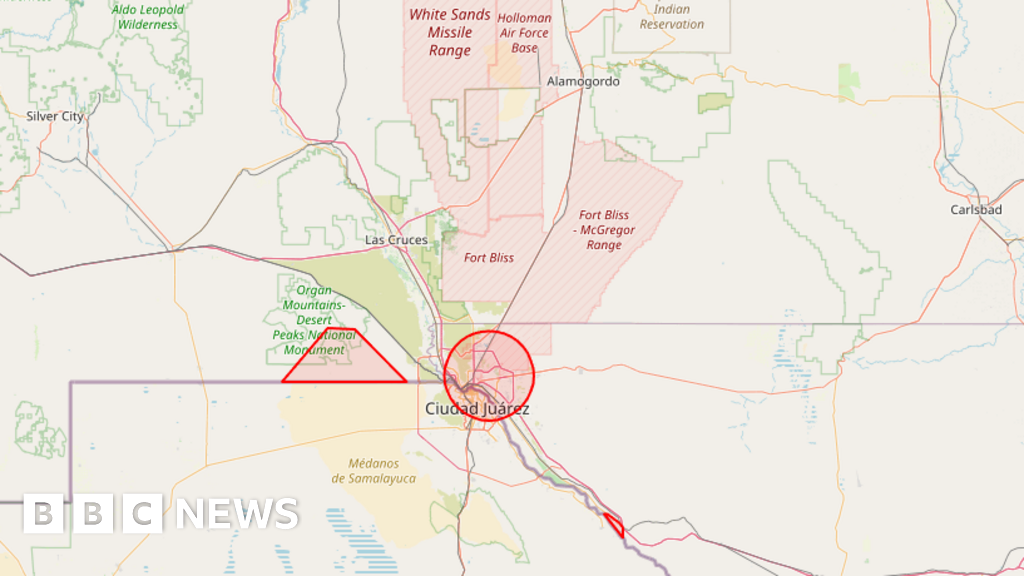
El Paso, a strategic border city with a population nearing 700,000, unexpectedly found itself at the center of a high-stakes geopolitical puzzle. The U.S. Federal Aviation Administration (FAA) announced a surprise temporary airspace closure around the region, citing “special security reasons.” This sudden move, which shut down all flights within a 10-nautical-mile radius and up to 18,000 feet, was announced merely hours before its enactment, leaving airlines, travelers, and local authorities scrambling to adapt. The decision, characterized by some as an overreach, quickly reversed within 24 hours, yet it opened a window into the complex web of border security, international relations, and internal U.S. security politics shifting beneath the surface. Analysts warn this incident signals a broader transformation in how the U.S. manages border region security amid escalating tensions with multi-national drug cartels and intelligence agencies.

Throughout the unfolding events, conflicting narratives emerged. U.S. officials initially claimed the restriction was a response to a purported “cartel drone incursion,” a move praised by some as a demonstration of aggressive law enforcement. However, critics, including local politicians and international observers, called into question the authenticity of this threat, arguing it served as a pretext for more clandestine security operations. The New York Times cited sources suggesting the closure was linked to testing anti-drone technology, a move aligned with Donald Trump’s June executive order aimed at strengthening drone defense capabilities amid rising concerns about narco-smuggling using unmanned aerial systems. Yet, Senator Veronica Escobar, representing El Paso, dismissed official claims, emphasizing the lack of prior warning or evidence of any immediate drone threat. Her skepticism highlights a growing divide surrounding transparency in border security operations and the precedence of executive powers over local communities.

The geopolitical impact is profound as Mexico’s government, led by President Claudia Sheinbaum, publicly questioned the United States’ unilateral actions. Sheinbaum emphasized that “Mexico’s airspace was not closed”—only Texas’s—highlighting the transnational implications of border security decisions. This incident surfaces crucial questions about sovereignty, mutual trust, and the role of international cooperation. While officials in Washington paint the event as a necessary security measure, Mexico’s cautious stance underscores the delicate balance each nation must maintain when confronting shared threats like drug trafficking and terrorism, which are often intertwined with political and economic interests.

As the story unfolds, international analysts warn that such acts of border area security escalation — precipitated by vague threats and rapid policy reversals — might set a dangerous precedent. Historians and security experts argue these events are part of a larger trend where emergency powers are increasingly invoked to justify broad military-grade surveillance and aerial operations in civilian spaces. The chaos experienced by travelers and airport staff reflects the fragility of civil aviation security and the volatility of border politics. With the weight of history pressing down, this episode remains a stark reminder: how nations choose to defend their borders today will shape the geopolitical landscape of tomorrow, written not in ink, but in the echoes of uncertainty and power struggles that ripple across continents.

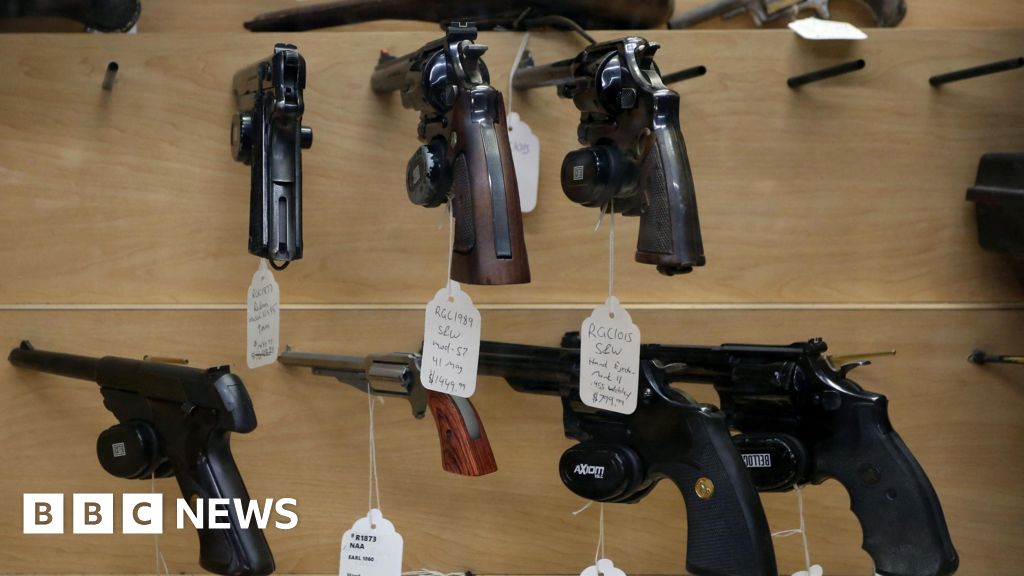
Canada’s gun laws: What young Canadians need to know

Mass Shooting in British Columbia Sparks Renewed Debate Over Canada’s Gun Laws

A tragic mass shooting in British Columbia has reignited a heated debate across the nation regarding the adequacy of Canada’s gun control measures. While Canada has long been seen as a country with relatively strict firearm regulations compared to their neighbors to the south, recent violence has cast doubt on whether existing laws are sufficient to ensure public safety. The incident, which resulted in multiple fatalities, underscores the fragility of peace in societies that may underestimate the threat posed by firearms, especially in an era of rising global unrest.

Analysts and international organizations have expressed concern that such tragedies expose gaps in Canada’s gun legislation. According to Global Firearm Violence Index, the country’s current framework primarily focuses on licensing and registration, but often falls short in controlling the availability of high-powered weapons and addressing illegal firearm circulation. Historians point to patterns observed in other nations where insufficient regulation correlates with higher rates of gun-related violence. The incident is likely to prompt a reconsideration of legal frameworks, which could include measures such as imposing stricter background checks, bans on semi-automatic weapons, or enhanced tracking systems.

Political leaders and civic groups are now divided on the issue. Prime Minister Justin Trudeau has called for a comprehensive review of protocols surrounding firearm possession, emphasizing the importance of balanced policies that respect law-abiding citizens while protecting communities. However, opponents argue that such efforts threaten the rights of law-abiding gun owners and could fuel criminal networks if not properly implemented. The debate echoes larger questions about how nations prioritize security versus individual freedoms, sparking a broader conversation that crosses borders and ideologies.

The geopolitical impact of this incident extends beyond Canada’s borders. As the international community witnesses the rising toll of firearms-related violence in Western societies, there is increased pressure on global institutions to enforce stricter standards and support national efforts. Countries such as the United States serve as cautionary examples, where the proliferation of firearms correlates with higher rates of gun-related homicides and mass shootings. In this context, the British Columbia tragedy underscores a crucial lesson: the decision to tighten or loosen firearm laws can shape societal stability for generations to come.

Leading analysts warn that failure to address the root causes — whether through legislation, societal reform, or international cooperation — risks the continuation of cycles of violence that threaten the very fabric of our global community. As history continues to unfold, nations remain locked in an ongoing struggle to find the right balance. And while the echoes of this tragic event fade into the backdrop of political discourse, the power to influence future policy rests in the hands of decision-makers now faced with the gravity of their choices. In an uncertain world, the lesson remains clear: the cost of inaction can be measured in lives lost, and history’s voice will judge the courage of those who choose to act or remain silent.

Police Release Suspect in Nancy Guthrie Case Amid Ongoing Search

In a development that has quickly drawn theAttention of international observers and security analysts alike, police authorities recently conducted a home search following the detainment of an individual during a routine traffic stop. While initial reports suggest this was part of a broader investigation, the implications for regional stability and the geopolitical landscape are now drawing heightened scrutiny from diplomatic circles and security experts.

The incident, seemingly localized in scope, indicates pathways to more complex political undercurrents. Analysts from leading think tanks emphasize that, in today’s interconnected world, even a single police operation can serve as a lens into larger conflicts or societal tensions. Security breaches, intelligence leaks, or political instabilities could be at play—factors that threaten to escalate if not managed with transparency and strategic foresight. Scholars such as Dr. Eleanor Whitaker warn that these actions may inadvertently fuel broader mistrust among nations, especially when combined with recent shifts in regional alliances and treaties.

This sequence of events underscores the fragile nature of international order. Recent policies enacted by some governments, including strict domestic enforcement and controversial surveillance measures, have stirred concerns about civil liberties and sovereignty. Meanwhile, global institutions such as the United Nations have issued cautious statements, calling for restraint while urging transparency. Regional powers are now observing each other closely, wary of how domestic security actions might ripple outward—potentially destabilizing entire blocs or sparking new waves of tension.

As the story unfolds, the history books may well record this moment as a watershed event—a reminder that beneath the veneer of everyday law enforcement, the fabric of international peace remains delicate and easily frayed. Nations stand at a crossroads, where choices made in silence or in secrecy can have profound consequences. In an era defined by rapid information flow and geopolitical realignments, one thing remains clear: the path to stability depends on restraint, responsibility, and unwavering vigilance. The world watches with bated breath, knowing that history’s next chapter is still being written, perhaps in the quiet corners of a home or the hurried steps of a traffic stop, but ultimately echoing across borders with weighty significance.

E-bike injuries double at Sydney hospital—youth face rising risk of serious crashes

Australia Confronts E-bike Injury Surge: A Growing Threat to Society and Public Health

Amidst a global push towards sustainable urban transportation, Australia finds itself grappling with a troubling rise in e-bike related injuries, highlighting the complex challenges of innovation in modern cities. Recent data from St Vincent’s Hospital in Sydney reveals a staggering doubling of serious e-bike injuries in 2025 compared to the previous year, with a 350% increase since 2023. This statistic underscores a critical international issue—the unintended consequences that accompany technological adaptation. With over 200 cases requiring trauma response and nearly half necessitating surgical intervention, the aftermath paints a stark picture of how fast-paced, and sometimes reckless, adoption of new transport modes can destabilize societal safety nets.

This surge in injuries raises broader geopolitical and policy questions. The Australian government’s 2021 relaxation of import standards—aimed at encouraging cleaner transportation—accidentally facilitated the influx of illegal modifications and overpowered e-bikes, which now dominate accidents statistics. The recent re-tightening of standards in late 2025—restricting motors to 25 km/h and 250 watts—reflects a reactive step, yet the damage has been done. Analysts suggest that the unintended consequence of such policies might be a rise in emergency hospitalizations, especially when considering the illegal modifications making bikes faster and more dangerous. This phenomenon highlights how policy shifts can create societal ripple effects, necessitating more balanced, preventative approaches that prioritize safety over pushy innovation.

The international community and public health experts warn that Australia’s experience may soon mirror an emerging global crisis. Countries like Queensland report similar injury increases, with preliminary police data indicating four fatalities in 2025. Global organizations such as the World Health Organization have already flagged the rapid uptick in e-bike injuries as a potential health emergency. The surge predominantly affects young adults in their 30s, with reports suggesting an increasing incidence among younger populations. Experts caution that the dangers are amplified at night and under the influence of alcohol or drugs, making the injuries more severe and difficult to prevent. Such patterns threaten to strain healthcare systems worldwide and challenge the priorities of urban planners, law enforcement, and public health officials who must now address the fallout from ill-regulated e-bike proliferation.

As nations try to balance the benefits of eco-friendly mobility with public safety, the weight of history looms large. The urgent need for international cooperation, stricter safety standards, and public awareness campaigns is no longer optional—it is a matter of societal survival. The escalating toll serves as a sobering warning of how rapid technological changes, when left unchecked, can spiral into crises that threaten to unravel the social fabric. As cities and countries face the consequences of their choices, the story of e-bikes in Australia—yet again—becomes a narrative about the very limits of progress and the unyielding weight of history still unfolding on the streets of the future.

Social Media Auto Publish Powered By : XYZScripts.com