Matox News

Truth Over Trends, always!

Adelaide Uni Cancels Event with UN Gaza Investigator Over Controversy

Global Tensions Escalate as Free Speech Battles Reflect Broader Political Struggles

In a striking demonstration of the shrinking boundaries of free speech within academic and cultural institutions, Australia’s venerable Adelaide University has recently faced significant backlash after abruptly cancelling a high-profile event featuring UN Special Rapporteur Francesca Albanese. The event, intended to delve into issues surrounding settler colonialism and human rights in the occupied Palestinian territories, was part of the grassroots Constellations: Not Writers’ Week literary festival—an alternative platform born in the wake of the cancellation of the traditional Adelaide Writers Week. The decision to cancel the event signifies more than a mere administrative misstep; it exemplifies the growing resistance among some institutions to hosting controversial figures aligned with critical perspectives on Israel and Palestine.

This cancellation has ignited fierce debates on what constitutes acceptable discourse in Western democracies. Louise Adler, the former director of Adelaide Writers’ Week, condemned the move as a sign of institutional cowardice, asserting that universities and arts organizations are becoming “Moscow-on-the-Torrens,” a stark metaphor for their apparent capitulation to political pressures and censorship. Meanwhile, APIL (The Association for the Promotion of International Law), organizer of the event, claims the university’s cancellation was based on procedural grounds, asserting that all preparations had been completed and that no due process violations occurred. However, implying that the university’s decision stems from fear of controversy, critics argue that this reflects a troubling trend where fear of external criticism inhibits the exchange of challenging, yet critical ideas vital for healthy democracies.

The geopolitical *underpinning* of this controversy extends far beyond Australia. The event’s guest, Albanese, has become a symbol of a global debate over how democratic societies handle dissent regarding Middle Eastern conflicts. Since July, Albanese has been subjected to US sanctions imposed by the Trump-era Treasury Department, which accused her of “lawfare” and “political warfare” aimed at undermining Israel’s narrative. Critics in the US, including Senator Marco Rubio, have portrayed Albanese as an anti-Semitic figure supporting terrorism and condemn her outspoken stance against alleged Israeli policies. These accusations exemplify the international politicization of human rights debates, where critiques of a vital and contentious region are weaponized within the broader tug-of-war between global powers—namely the United States, Israel, and their opponents.

Internationally, observers and analysts warn that such instances — be it censorship at prestigious universities or sanctions against critics — threaten to undermine the very essence of democratic debate and free expression. United Nations experts and independent voices, like Chris Sidoti, argue that this echoes a troubling trend of *intimidation*, where the mere expression of dissent becomes grounds for suppression. The palpable fear of offending powerful interests, especially those aligned with US and Israeli agendas, indicates a broader geopolitical shift where free speech increasingly faces threats from both domestic and international pressure campaigns. The ongoing battle between free expression and political correctness has the potential to stifle the vital exchange of ideas necessary for a resilient, informed society—an authentic foundation of democracy.

As history continues to unfold, the significance of these conflicts extends well beyond individual case studies. The battles over free speech, whether at universities or on the international stage, are shaping the very fabric of society’s capacity to confront complex truths. With each censorship and sanction, nations grapple with their identity: will they uphold courage and transparency, or succumb to fear and conformity? As the dust settles in Adelaide and beyond, the weight of history reminds us that these moments—whispered warnings or bold declarations—are the chapters where the future of free societies is inscribed, and the outcomes remain perilously uncertain. The world waits, watching whether the flame of open discourse will endure or flicker out amid mounting forces seeking to silence dissent.
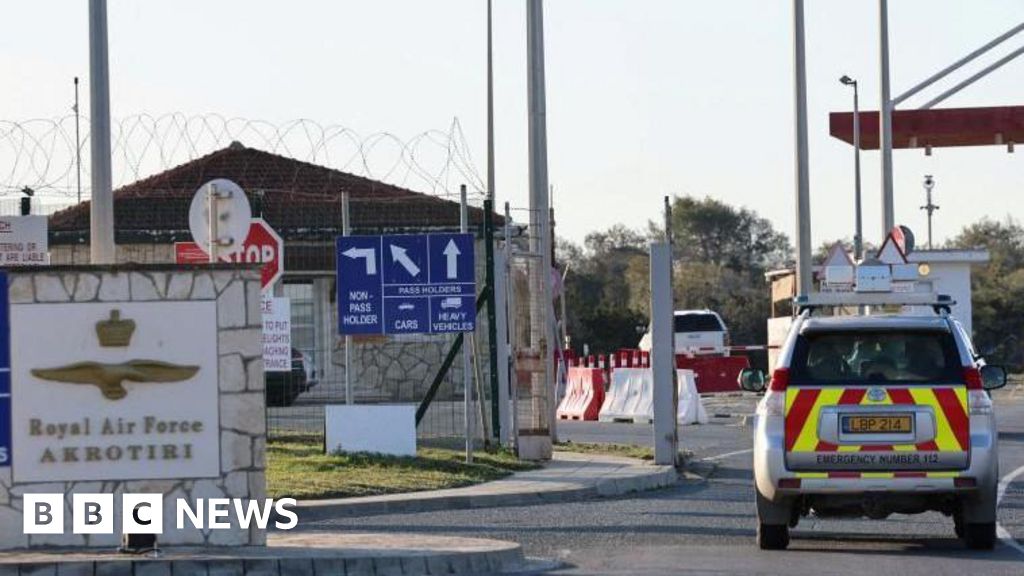
European Allies Mobilize to Strengthen Cyprus Defenses After Drone Attacks on British Base

The recent escalation involving Cyprus and the accusations against the Iran-backed group Hezbollah mark a concerning shift in regional stability. The Cypriot government suspects that Hezbollah was responsible for a targeted attack on the United Kingdom’s RAF Akrotiri base, a critical strategic point in the eastern Mediterranean. This incident underscores the increasing reach of Iran-backed factions across the Middle East and their potential to influence international security far beyond their traditional spheres of influence.

As tensions mount, analysts emphasize the geopolitical significance of this development. The RAF Akrotiri base, a key outpost for British and allied operations, plays a pivotal role in overseeing the volatile Middle East and maintaining NATO interests in the region. The suspicion that Hezbollah, influenced by Iran’s regional ambitions, would target such a strategic asset indicates a troubling willingness to challenge Western military presence. Historically, Hezbollah’s involvement in conflicts across Lebanon and Syria has been closely monitored by international intelligence agencies as part of Iran’s broader strategy to counterbalance U.S. and Western influence.

In response, international organizations and regional powers are calling for restraint while carefully analyzing the incidents’ implications. The United Kingdom has condemned the attack, warning of serious repercussions should evidence confirm Hezbollah’s involvement. Meanwhile, the United States and its allies underscore the importance of responding decisively to prevent further destabilization. Many experts, including regional security analysts, believe this event could serve as a catalyst for renewed debates on Iran’s regional strategy and the effectiveness of international sanctions intended to curb its influence. Some warn that failure to address these provocations could embolden terrorist groups and escalate conflicts that threaten not just the eastern Mediterranean but global stability.

Ultimately, the situation remains fluid, with each decision carrying profound consequences for nations and societies. The attack at RAF Akrotiri symbolizes a troubling moment in the ongoing struggle for influence in the Middle East, revealing the fragile balance of power and the potential for small incidents to ignite larger conflicts. As historians and analysts observe from afar, the eyes of the world remain fixed on Cyprus — a seemingly distant but critically significant flashpoint. With every passing moment, the course of history continues to unfold, threatening to reshape alliances and redefine the security landscape in ways yet unseen. The next chapter in this unfolding drama will determine whether diplomacy prevails or if this incident signals a deeper, more dangerous confrontation.

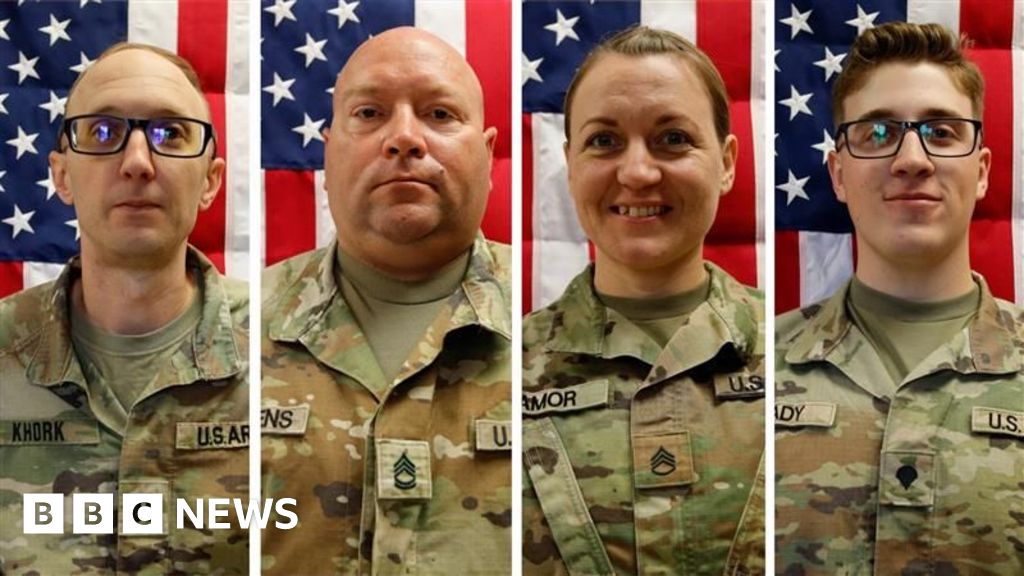
Six U.S. soldiers killed in Iranian attack on Kuwait base amid rising tensions

In a stark demonstration of escalating tensions in the Middle East, the United States government has confirmed that a US military base was hit by Iran on Sunday. This incident marks a significant escalation in a region already fraught with conflict and diplomatic fragility. According to the US defense secretary, the attack involved deliberate projectile strikes, signaling a shift from the longstanding pattern of covert confrontations to visible military provocations. The attack’s timing and target underscore the fragile state of U.S.-Iran relations and threaten to trigger a broader regional security crisis.

The geopolitical impact of this confrontation extends well beyond the borders of the Middle East. Analysts from the International Crisis Group and military strategists warn that such hostilities risk destabilizing already fragile alliances and intensifying proxy conflicts. The attack comes amid ongoing negotiations over Iran’s nuclear program, where diplomatic channels appeared to be making slow progress. Many experts interpret this assault as Iran’s message of defiance, seeking to leverage its strategic position and rally domestic support by challenging American presence in the region. The response from the US and its allies is expected to be decisive, potentially leading to increased military deployments or new sanctions aimed at curbing Iran’s regional influence.

Historically, this incident resonates with past flashpoints in the Middle East, where even a single attack can ignite a series of events with global repercussions. HISTORIAN Robert Peterson emphasizes that these moments are not isolated but are deeply rooted in decades of conflict, foreign intervention, and unresolved grievances. The United Nations has called for restraint, urging all involved parties to avoid further escalation. Yet, the reality is that the international community remains divided on how to address Iran’s regional policies, with Russia and China often seeking to capitalize on Western vulnerabilities for their strategic gains. The incident reinforces the notion that the region is a chessboard for historic rivalry, where even minor skirmishes can spiral into full-scale confrontations with global implications.

As the world watches and waits, the question lingers: how will this attack reshape the balance of power in the Middle East? Will it serve as a warning to those who challenge American dominance, or will it deepen existing divisions? The political and military consequences are yet uncertain, but what is clear is that history is again at a crossroads. The decisions made in these critical moments could determine the course of the 21st century—shaping nations, societies, and generations yet unborn. The unfolding chapters of this crisis may yet become a defining story of our era, a stark reminder that beneath the surface of diplomacy, the specter of war continually looms, waiting to be unleashed at the slightest provocation.

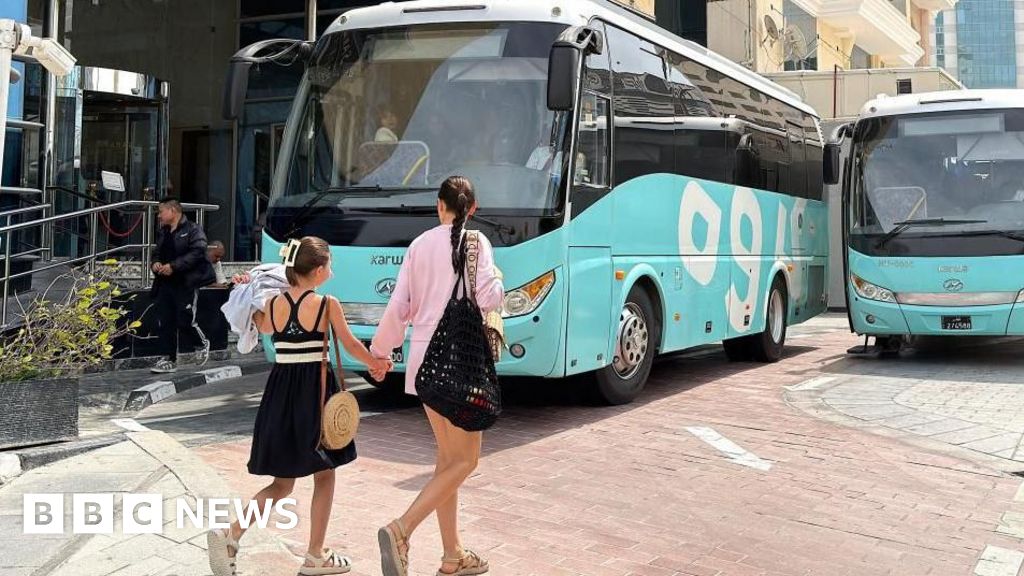
US deploys jets to evacuate Americans amid escalating Iran tensions

In a decisive move reflecting escalating tensions in a volatile region, the US State Department has issued a critical advisory urging American citizens to “depart now via commercial means.” This alert comes as a series of sustained strikes and military actions ripple across the area, signaling a potential turn point in what international analysts are describing as a rapid deterioration of stability. The decision to advising evacuation underscores the intensifying geopolitical crisis that threatens not only the safety of individual Americans but also the regional balance of power.

For months, global institutions and foreign policy experts have observed the intensification of conflict within this geopolitical hotspot. According to renowned geopolitical analyst Dr. Laura Kim, such “urgent evacuations are indicative of a dangerous escalation, which could spiral into broader confrontation or foreign intervention.” Historically, similar warnings—such as during the 1973 Arab-Israeli war or the Gulf conflicts—have signaled shifting alliances and rising risks of wider regional warfare. Today’s advisories suggest that the US government perceives the current situation as reaching a critical threshold, where inaction could spell greater peril for American nationals.

The US State Department‘s latest directive also reflects the complex geopolitical impact of ongoing conflicts, which have seen multiple national interests collide, with regional powers and global organizations watching closely. The situation is complicated by an intricate web of alliances and rivalries, with some nations advocating for de-escalation while others escalating their military presence. The United Nations and regional bodies have called for restraint, but their influence appears limited in the face of persistent violence. As these developments unfold, the risk of a broader international crisis looms large—potentially drawing in NATO allies and regional partners into a conflict that could reshape the global order.

Historian and strategic analyst Prof. Marcus Reinhart emphasizes the significance of the current moment: “History warns us that such crises, if not managed carefully, can spiral quickly. The decisions made by superpowers today will echo through generations, defining the geopolitical landscape for decades.” The decision by the US to urge evacuations is, therefore, not merely a protective measure but a stark indication of how fragile peace has become. Observers warn that if diplomatic efforts fail and violence intensifies, we could witness a reshuffling of alliances, border reconfigurations, or even the onset of a new Cold War era.”

As the world watches with bated breath, the true landscape of international diplomacy remains uncertain, hanging precariously on a knife’s edge. The unfolding events serve as a grim reminder of history’s relentless march—where decisions made today can dictate the future of countless nations and societies. The question remains: how will the current crisis evolve and which nations will be caught in its destructive wake? The answer will undoubtedly leave its mark on history, a story still being written in the shadow of unrest and the pursuit of power.

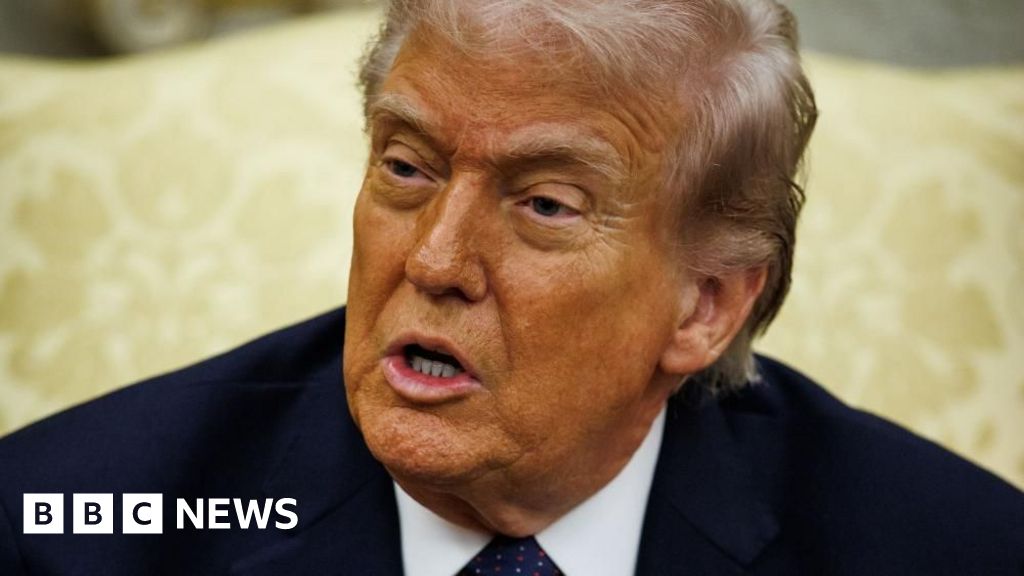
Trump warns Spain: No trade without military base access

The recent decision by Spain to prevent United States military forces from utilizing its bases for strikes against Iran marks a significant turning point in international geopolitics. This move, announced amid escalating tensions in the Middle East, underscores a broader realignment of global alliances and sovereignty issues that are shaping the modern era of international security. It signals a departure from the longstanding implicit cooperation that has characterized U.S. military strategies in Europe, and highlights the growing assertiveness of nations seeking to carve out independent foreign policy paths.

Following Spain’s decision, former U.S. President Donald Trump sharply condemned the move, arguing that it jeopardizes American national security interests and undermines the necessary, swift military responses to regional threats. His rhetoric reflected a broader concern among U.S. policymakers who view bases across Europe and the Mediterranean as critical assets in maintaining strategic dominance. The implications extend far beyond Spain itself; analysts suggest this could embolden other host nations to scrutinize or restrict U.S. military operations, thereby complicating America’s ability to respond effectively in a volatile Middle East. According to international security analysts, maintaining unimpeded access to bases is often seen as vital to U.S. strategic flexibility, especially in a region where rapid action can determine outcomes in conflict or diplomatic stalemates.

This development comes against the backdrop of a shifting geopolitical landscape where global influence is increasingly contested. Spain, which historically maintained a policy of strategic neutrality, appears to be asserting a more independent foreign stance amidst rising nationalistic sentiments and economic pressures. Meanwhile, Iran continues to challenge Western influence, with mounting concerns over nuclear proliferation and regional influence. The decision by Spain is being viewed by many experts as a reflection of a broader desire among Western nations to reassert sovereignty and diversify their security partnerships. American and European diplomats are now faced with the daunting task of recalibrating their military and diplomatic strategies to adapt to this new reality.

International organizations such as the North Atlantic Treaty Organization (NATO) have historically provided a framework for collective defense, but recent events underscore fundamental shifts. As historian Dr. Peter Roberts notes, “The era of unquestioned U.S. military supremacy in Europe is receding. States are increasingly willing to challenge the old order, asserting their independence in the face of global uncertainty.” The consequences of Spain’s move could intensify regional instability, change the balance of power in the Mediterranean, and influence future treaties related to military cooperation and sovereignty. This rising assertiveness not only reshapes alliances but also profoundly impacts societies that depend on stability, security, and the delicate balance of diplomacy and deterrence.

As history continues to unfold in the shadows of historic conflicts and Cold War rivalries, the question remains: how will global powers adapt to a world where the old paradigms of dominance are challenged from within and beyond? The weight of this moment is a stark reminder of the fragility of peace and the relentless push for national sovereignty. In the theater of international relations, where decisions are often made in quiet backrooms, the risk of miscalculation looms large. And so, the trajectory of this new chapter in the geopolitics of the 21st century hangs in delicate balance, its outcome capable of reshaping the world order itself—destined to be remembered as a defining moment in the ongoing saga of history’s fierce conflicts and fragile alliances.

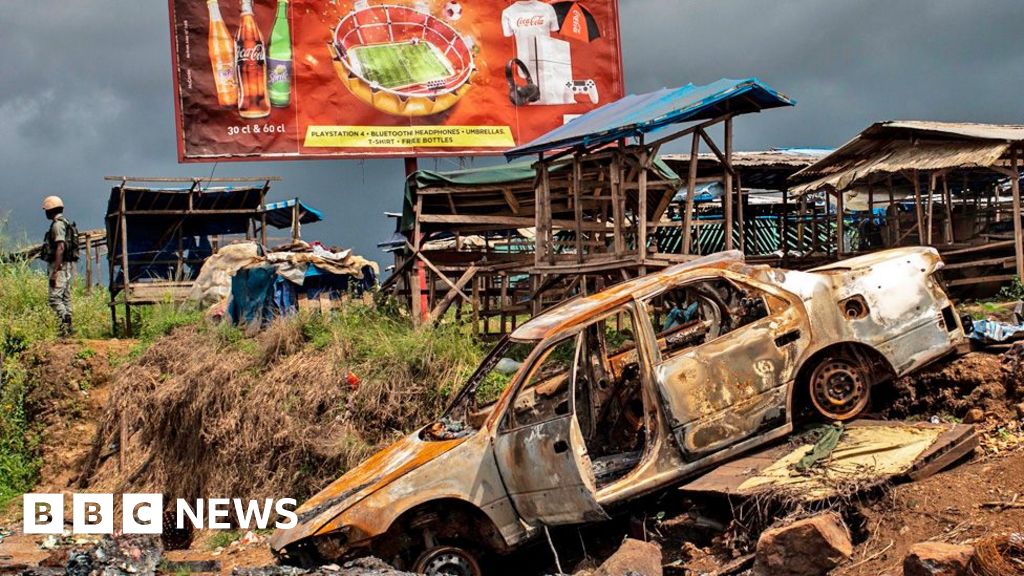
Belgium arrests three suspected Cameroon separatists in crackdown on war crimes

In recent developments, international authorities have uncovered allegations that various entities, believed to be connected to clandestine networks, are actively raising funds to sustain an armed struggle. Prosecutors from multiple jurisdictions have documented evidence suggesting that these groups are mobilizing financial resources to support ongoing conflicts, which bear significant implications for regional stability and global security. The international community watches with mounting concern, recognizing that such activities threaten to destabilize fragile peace accords and revive entrenched conflicts.

The strategic ramifications of this financial mobilization are profound. Analysts and historians warn that funding for armed conflicts tends to escalate violence, prolonging chaos and undermining diplomatic efforts. While some argue that these groups claim to fight for ideological or territorial goals, the undeniable consequence is the erosion of sovereign stability in the affected regions. Institutions like the United Nations have called for heightened vigilance and coordinated international action. Their recent reports emphasize that unchecked financial flows extend the life of conflicts, complicate ceasefire agreements, and deepen humanitarian crises.

From a geopolitical perspective, nations directly involved or neighboring conflict zones are likely to experience ripple effects that threaten their security. Various countries may be compelled to increase military spending, tighten border controls, and scrutinize financial transactions—actions that often strain diplomatic relations and stretch national resources. Moreover, the funding networks may intertwine with illicit activities such as trafficking, arms smuggling, and money laundering, further complicating the task of law enforcement agencies globally. International organizations, including Interpol and regional security alliances, are already intensifying efforts to trace and dismantle these financial pipelines, yet the challenge remains formidable.

As the world faces these mounting tensions, some voices in the diplomatic and strategic communities underscore that the decisions made today will define the trajectory of regional and global peace. Underlying conflicts are rarely purely ideological; they are fueled by economic interests, local grievances, and international power play. Historical lessons from the 20th century warn that unchecked financing of armed groups can spiral into protracted conflicts that devastate societies and derail progress. As world leaders grapple with these realities, the narrative of history is still being written—where the choices for peace or further chaos hang delicately in the balance. Yet, one thing remains certain: the weight of the future is now in the hands of those who control the flow of money and power.

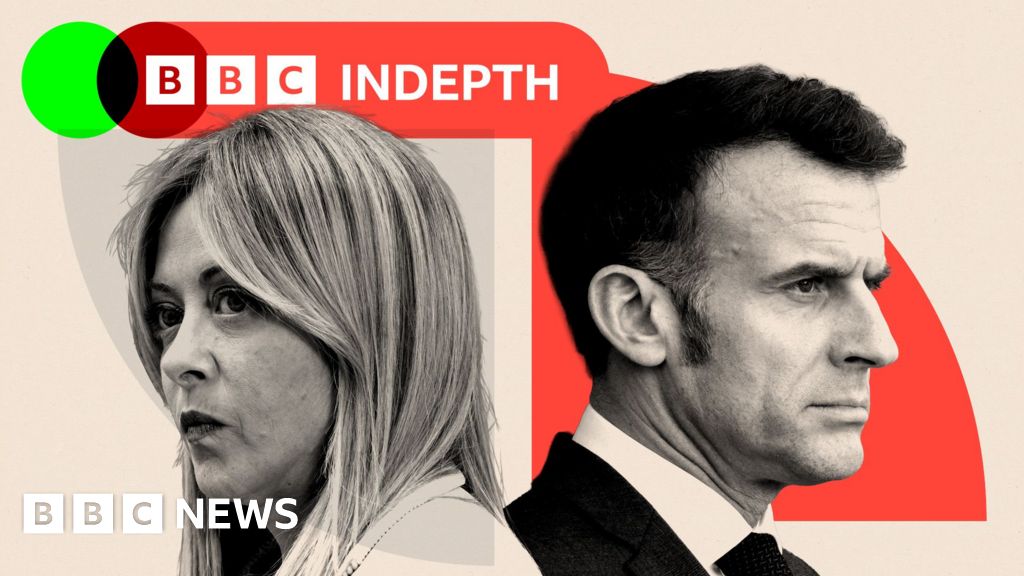
Why Europe's Leaders Can't Find a United Voice on Iran
Why Europe’s Leaders Can’t Find a United Voice on Iran

European Nations Strike a Balance Between Cooperation and Divergence

In a pivotal moment on the international stage, European nations have publicly expressed a desire to enhance their collective cooperation amidst ongoing challenges. Yet, beneath the diplomatic rhetoric lies a fundamental reality: differing national priorities threaten to weaken the unity that the European Union has long touted as its cornerstone. As these nations seek to bolster their economic resilience and strategic standing, their diverging interests reveal a continent caught between unity and fragmentation—a historical pattern witnessed during previous geopolitical upheavals.

The recent summit saw European leaders emphasizing the importance of building a more integrated and resilient bloc. They highlighted initiatives aimed at streamlining economic policies, enhancing defense cooperation, and securing supply chains battered by recent global disruptions. However, analysts caution that these lofty goals are hindered by underlying divergences. Countries like Germany prioritize economic stability and energy independence, while France pushes for increased military integration and strategic autonomy. Meanwhile, Eastern European nations, wary of external threats, advocate for a robust security pact that diverges from the more diplomatic approach favored by Western partners.

Attention Turns to International Alliances and Global Power Shifts

This widening fissure among European nations occurs amid a rapidly transforming global landscape. With China rising as a formidable economic power and Russia asserting its influence in regional conflicts, European countries find themselves balancing national interests with collective security commitments. The influence of the United States remains a factor, with debates intensifying over NATO’s future role and burden-sharing among member states. The shift towards more autonomous European defense strategies—as exemplified in France’s push for a European Army—raises questions about future commitments to NATO and the stability of transatlantic relations.

To make sense of these developments, international organizations and think tanks have issued warnings. The International Crisis Group warns that “without a unified vision, Europe’s internal cohesion could erode, rendering it less capable of shaping its destiny in a tumultuous global order.” Historians point to the late 19th and early 20th centuries, where internal divisions within European powers led to catastrophic conflicts. Their lessons serve as a sobering reminder that divergent national interests, if left unaddressed, can fracture alliances and open the door to geopolitical chaos.

The Weight of History and the Unfolding Future

As Europe contends with internal disagreements and external threats, the continent finds itself at a crossroads—its choices echoing through history’s corridors. Will it forge a path toward genuine unity or succumb to the pressures of divergent national ambitions? The decisions made in the coming years will determine whether Europe emerges as a cohesive power capable of defending its values and interests or as a fractured mosaic vulnerable to external manipulation. For now, the debate continues, but the march of history waits for no nation—its next chapter unwritten, yet critically imminent.

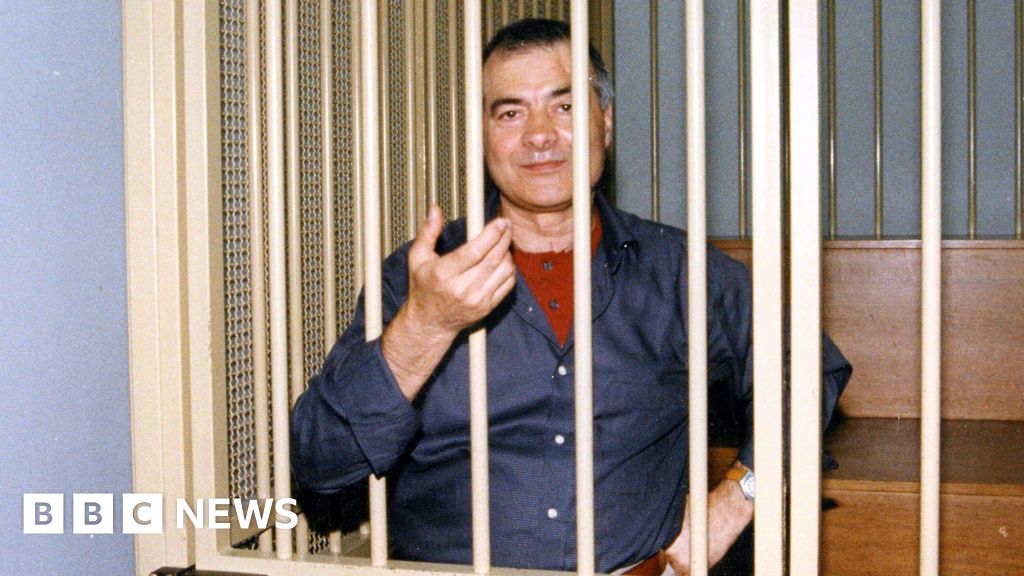
Mafia kingpin linked to deadly Italy murders passes away in Milan jail

In the shadowy world of organized crime, few events have resonated as profoundly as the assassination of Italy’s prominent anti-mafia prosecutor in 1992. The figure behind this brutal act was believed to be “Nitto” Santapaola, a notorious mafia boss associated with the resurgence of the Catania-based Cosa Nostra. This assassination not only marked a pivotal moment in Italy’s long battle against organized crime but also illustrated the dangerous ways in which mafia interests have historically intertwined with broader political and economic spheres across Europe.

Experts and international analysts agree that such targeted killings signaled more than just localized vendettas; they embodied the broader struggle for sovereignty against clandestine criminal influences that threaten the rule of law. The assassination sent shockwaves through Italy and the international community, highlighting the fragility of state institutions in the face of organized crime’s relentless pursuit of influence. The event underscored the importance of unwavering cooperation among international law enforcement agencies and the critical need for comprehensive legal frameworks to combat such pervasive threats.

Within the context of the geopolitics of the early 1990s, this murder became a catalyst for examining the increasing power vacuum lingered by traditional mafia syndicates. As historians note, the crime was not merely a localized act of violence but a reflection of wider shifts within Italy’s political landscape, including the collapse of longstanding political orders and the rise of new criminal alliances that sought to exploit the post-Cold War chaos. The subsequent fallout prompted coordinated efforts among NATO member states and the European Union, emphasizing the need for a unified front against transnational organized crime. Nonetheless, the persistence of mafia influence revealed that the battle for societal sovereignty remains ongoing, often fought through underhanded means and concealed agendas.

The legacy of the 1992 assassination continues to reverberate today, with historians such as Giovanni Falcone and Paolo Borsellino’s deaths serving as enduring symbols of resilience and the peril of unchecked organized crime. International organizations, like INTERPOL and Europol, have intensified their efforts, recognizing the crisis extends far beyond Italy’s borders. Yet, the fundamental question remains: how do nations protect themselves when criminal syndicates operate with institutional impunity and international reach? As we stand on the precipice of future conflicts, where clandestine networks threaten democratic stability from beneath the surface, history compels us to confront the persistent danger lurking within corridors of power and influence.

As the story continues to unfold, the shadow of that fateful day in 1992 looms large—a stark reminder that the battleground for justice persists across borders and generations. The struggle to uphold sovereignty, uphold the rule of law, and combat organized crime is arguably the defining challenge of our era. And as history’s ink is forever inscribed with moments of upheaval and resilience, the world is left to ponder whether the lessons of the past will forge a future where these shadows are finally dispelled, or whether they will continue to threaten the very foundation of civilization itself.

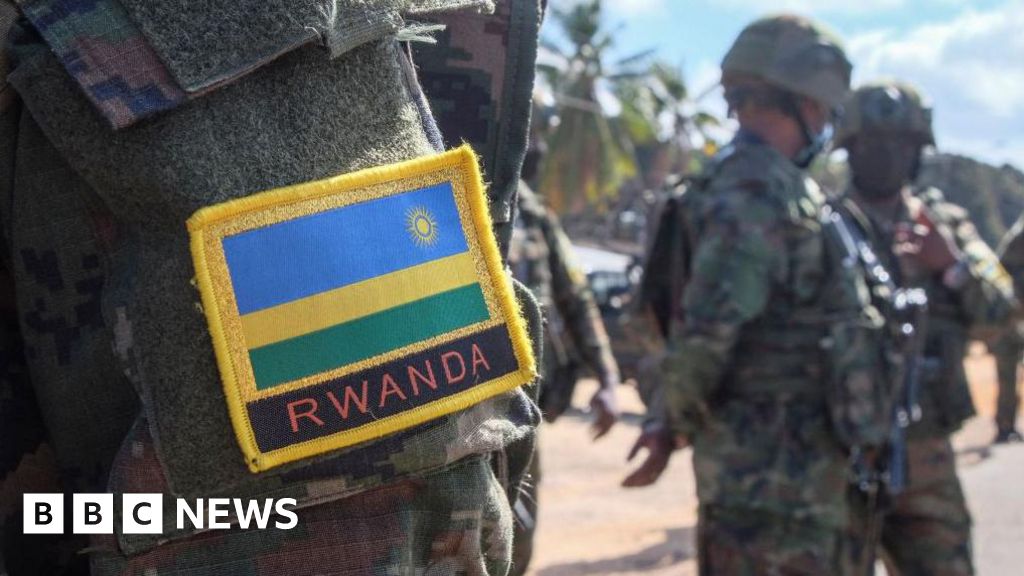
US sanctions Rwanda’s military leaders over DR Congo clashes

The escalating diplomatic tensions between Rwanda and Washington have taken a decisive turn, igniting fears of deeper geopolitical shifts in eastern Africa. Rwanda officially accused the United States of adopting a “one-sided” and politically motivated stance in recent international maneuvers, raising alarms over the growing influence of global powers in regional conflicts. As Rwanda navigates its sovereignty amid international pressures, analysts warn that such accusations underscore a broader contest for influence in Africa—an arena increasingly seen as a strategic chessboard.

Rwanda’s ire centers around recent decisions made at the United Nations and within bilateral negotiations, where the U.S. has taken positions that Rwanda claims dismiss its security concerns and diplomatic interests. International observers highlight that the U.S. response appears to favor certain factions within the regional conflict landscape, aligning with Western interests at the expense of Rwandan sovereignty. Historically, foreign intervention—whether in the form of aid, sanctions, or diplomatic pressure—has long influenced African states’ trajectories, often at the expense of their internal stability and autonomy. Rwanda’s leadership contends that such external influence undermines regional peace efforts and ignores the complex realities on the ground.

The geopolitical impact of this diplomatic standoff extends beyond the borders of Rwanda and the United States. It exemplifies a broader struggle among major global players—particularly China, Russia, and the European Union—to reshape Africa’s geopolitical map. The International Crisis Group and other think tanks warn that increased competition risks destabilizing already fragile regions, fueling cycles of violence and economic uncertainty. Moreover, Africans and their leaders are increasingly vocal about the need to chart independent paths, resisting external meddling and asserting sovereignty in shaping their futures.

History offers a cautionary tale—where external powers, often cloaked in the guise of aid or diplomacy, have historically exploited regional conflicts for strategic gains. As Rwanda’s accusations echo through international corridors, the world faces a pivotal moment: will existing powers respect Africa’s sovereignty, or will the continent become an arena for greater geopolitical rivalry? The answer may well determine whether the winds of change carry toward peace and stability or if they blow toward enduring conflict. In the shadows of history, the unfolding story warns that the stakes are nothing less than the future sovereignty of nations and the true meaning of independence in a fractured world order.

UK Grocery Prices Jump Unexpectedly as Experts Warn of More Inflation Ahead

Global Geopolitical Shifts and Their Impact on Economy and Society

The world finds itself at a pivotal point, where geopolitical decisions are beginning to reshape the economic landscape and societal fabric of nations. Recent developments highlight a tense international climate, with conflicts in the Middle East threatening to unleash a cascade of economic repercussions that extend well beyond regional borders. Analysts and historians warn that prolonged instability in this volatile region could trigger a surge in energy prices, ultimately undermining the fragile recovery of global markets. The European Central Bank’s chief economist recently underscored these concerns, emphasizing that a “substantial spike” in inflation is probable if the conflict persists, driven by a potential disruption of oil and gas supplies. Such disruptions would not only ignite inflationary flames within the eurozone but could also lead to a *sharp drop in output*, exacerbating economic hardship for ordinary citizens.

The geopolitical impact is profound, as energy security has emerged as a critical vulnerability. The ongoing crisis has already caused oil and gas prices to skyrocket, placing immense pressure on both national economies and households. In the United Kingdom, this energy crisis manifests through escalating household bills and a squeeze on consumer spending, illustrating how decisions made in distant conflict zones ripple into the daily lives of millions. International organizations such as the International Energy Agency have warned of a prolonged conflict’s capacity to destabilize supply chains, with some experts predicting that the effects could last for years, dragging the world’s largest economies into sustained austerity or recession. Historically, similar scenarios—like the 1973 oil crisis—serve as stark reminders of how geopolitical conflicts have long shaped economic trajectories and societal realities, often leaving a legacy that influences international relations for decades.

Economic Consequences and Social Shifts

  • Increased living costs, with groceries becoming more expensive, as rising inflation impacts food prices worldwide.
  • Decline in consumer confidence, prompting shifts in spending patterns—from luxury spending to basic necessities—highlighting societal stress and adaptation.
  • Growing online commerce, which, despite representing only 13% of total grocery sales, signals a transformation in shopping habits accelerated by inflation and the pandemic-era shift toward digital.

Recent reports from market research firms reflect these trends, showing a notable surge in online grocery shopping—up 9.7% year-on-year—indicating that consumers are increasingly turning to digital avenues in response to economic strain. Meanwhile, traditional brick-and-mortar stores like Asda and Co-op experienced drops in sales, confirming a shift away from physical retail. The rising costs are visibly shaping consumer behavior, with data revealing that shoppers are often delaying or reducing discretionary spending, yet still splurging on special occasions like Valentine’s Day and Easter. These moments of consumer resilience underscore how social customs endure even amid economic hardship, but they also foreshadow longer-term shifts as inflation continues to gnaw at household budgets.

From the perspective of international analysts and historians, these collective factors—conflict, energy insecurity, inflation, and social adaptation—are weaving the fabric of a new global era. As the world watches these unfolding events, each decision made in diplomatic halls or crisis zones carries weight beyond immediate outcomes, echoing through financial markets, political stability, and the daily lives of billions. The pressing question remains: how will nations navigate this storm? The answer will likely define the course of history for generations. Ultimately, amid the chaos and uncertainty, the resilience of societies will be tested. The choices that leaders make today could either usher in an era of renewed strength or plunge the world into deeper turmoil—a testament to how intertwined our fates truly are.

Social Media Auto Publish Powered By : XYZScripts.com