Matox News

Truth Over Trends, always!

Storm Harry triggers massive landslide in Sicily, raising concerns for safety and resilience

In a stark reminder of climate-related instability, a 2.5-mile (4 km) section of coastline on the Italian island of Sicily has recently collapsed, following severe weather disruptions caused by Storm Harry. The disaster, which took place over the weekend, underscores the growing vulnerability of coastal regions to extreme weather events, a phenomenon increasingly attributed by scientists and environmental analysts to global climate change. The collapse has prompted a major emergency response, with over 1,000 residents evacuated from the towns of Niscemi as authorities scramble to assess the damage and prevent further tragedies.

The geological surveys underway reveal a troubling picture: aerial footage shows significant destruction, with buildings and vehicles destroyed or rendered inaccessible. While no fatalities have been reported, the potential for loss of life and livelihoods remains high, especially as parts of the cliff continue to *crumble*, reflecting ongoing instability in the area. This incident draws attention not just to local environmental conditions but also to overarching global concerns about climate resilience, coastal management, and international response strategies. Many analysts argue that such catastrophes are a warning sign of a changing world, where recent weather anomalies serve as a clarion call for policy shifts and technological innovations in disaster mitigation.

Historically, the Mediterranean region has been a crossroads of geopolitical tension, with Italy’s strategic position intertwined with broader European stability and security concerns. As regional communities grapple with the immediate aftermath of the landslide, experts warn of the broader, long-term implications: increased migration from vulnerable areas, economic disruptions, and the destabilization of tourism-dependent economies. The United Nations and other international institutions have called for enhanced cooperation and climate-adaptive infrastructure, but critics highlight that policy responses often lag behind the rapidly evolving threats posed by climate change.

Looking ahead, the situation in Sicily is a microcosm of a global challenge: how nations adapt to a **world where natural disasters are intensifying** and threatening societal stability. Historians and geopolitical analysts warn that decisions made in this critical era will shape the trajectory of international order. Will countries prioritize short-term economic gains over environmental sustainability? Or will they recognize that the cost of inaction far exceeds immediate sacrifices? As the climate continues to shift, impacting societies across the globe, humanity faces a moment of reckoning. The landslide in Sicily is more than a local tragedy—it is a gripping chapter in a larger story where the choices of today could either build resilience or lead to chaos, leaving the weight of history to be decided by the actions of tomorrow.
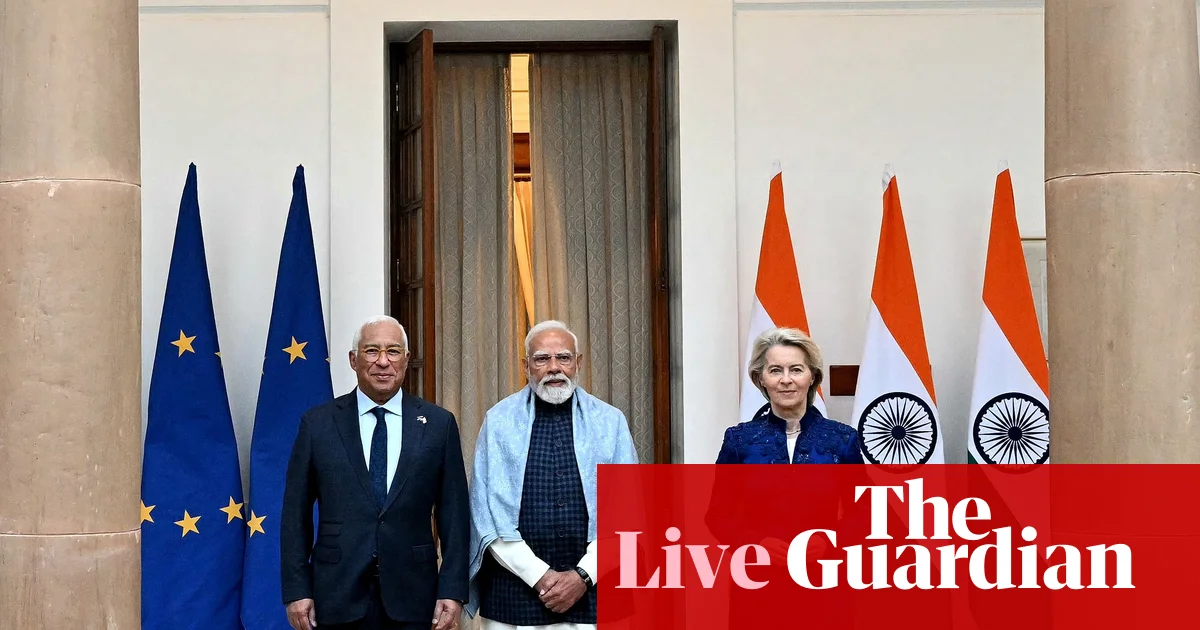
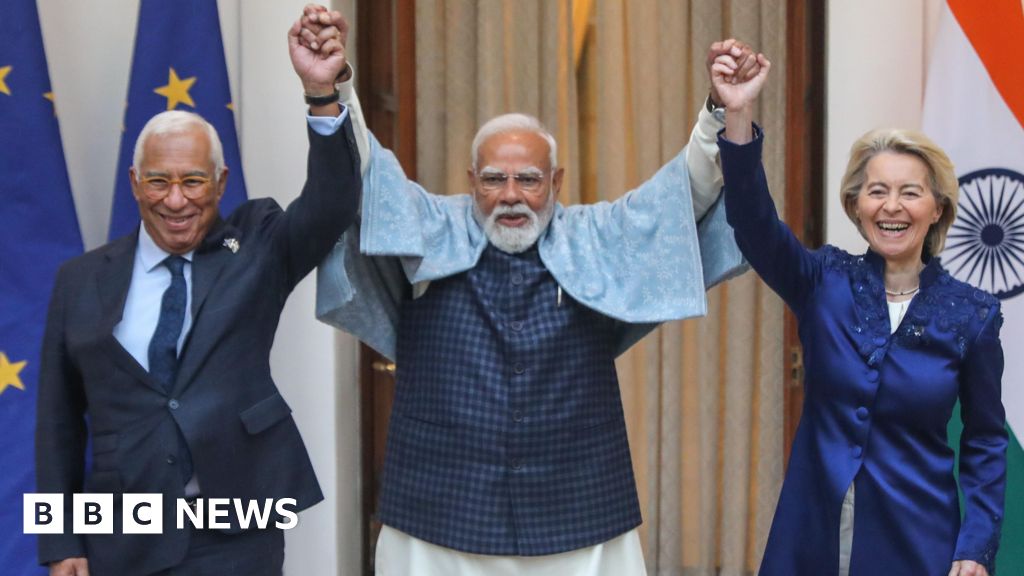
EU and India seal historic trade deal—big win for youth and the economy

The European Union has recently cemented a landmark victory in global trade negotiations by finalizing a comprehensive agreement with India. This deal, heralded as “the mother of all trade deals” by Ursula von der Leyen and praised by Prime Minister Narendra Modi for its historic scale, marks a pivotal moment in the shifting landscape of international commerce. With tariffs on cars set to plummet from as high as 110% to just 10% over five years, the accord opens up India’s protected market, promising a lucrative channel for EU exports worth over €180bn annually, and supporting nearly 800,000 European jobs. It is a testament to how geopolitical and economic considerations have converged at a defining juncture, with the EU seeking diversification amid strained relations with the United States and uncertain global trade dynamics.

Importantly, the significance of this agreement transcends mere tariffs. It embodies a strategic pivot by the European Union to strengthen alliances with emerging economic powerhouses at a time when global order is under redefinition. Analysts and historians emphasize that such a move signals a powerful shift toward multi-polarity, reducing reliance on traditionally dominant economies.

  • The accord connects more than 2 billion people into a single market, a rise in regional economic connectivity that could ripple across the globe}
  • It underscores Europe’s strategic effort to counterbalance the monopsony power of China and the unpredictability of the US under tariffs-driven policies
  • Historically, trade deals like this—long in the making—are often seen as precursors to broader geopolitical alliances

The broader geopolitical impact of operationalizing this deal cannot be understated. It sends a clear message to the world: as the global order is “being fundamentally reshaped,” Western powers are actively creating new blocs and partnerships that challenge the old hierarchy. Recent weeks have seen the EU sign a deal with Mercosur, after two and a half decades of negotiations, further illustrating a pattern of diversification away from US-centric trade reliance. Economists warn that such measures could deepen divides, foster new alliances, and ignite competition on a scale that history has rarely seen. Especially noteworthy is how Europe’s renewed engagement with India aligns with strategic interests beyond commerce, including security, defense, and geopolitical influence, in a period marked by rising tensions in Ukraine and disputes over Greenland’s strategic resources.

Finally, as the global chessboard continues to shift, the significance of these negotiations remains clear. They are not merely economic transactions but are cornerstones in the construction of a new geopolitical architecture. The decisions made today will set the tone for decades to come, echoing through history as pivotal moments where old world order gave way to new alliances and rivalries. The narrative of this era is still unfolding—each trade agreement, each diplomatic handshake, a page in the vast and complicated story of global power—leaving the modern world poised on the precipice of a new chapter that may redefine the very fabric of international society.

India and EU strike free trade deal amidst Trump tariff disputes

Europe and India Forge Landmark Trade Agreement Amid Geopolitical Shifts

The European Union and India have sealed a historic trade agreement after nearly two decades of intermittent negotiations, signaling a strategic pivot in international commerce. This deal, dubbed by European Commission President Ursula von der Leyen as “the mother of all deals,” aims to deepen economic ties between Europe’s collective 27 nations and the world’s most populous country, which together account for nearly 25% of the global gross domestic product (GDP), and a market of two billion consumers. The significance of this accord extends beyond simple trade—it is a calculated move by two key players to assert their influence in a world increasingly dominated by protectionism and shifting alliances.

The agreement is expected to result in tangible benefits for both sides: tariffs on goods such as chemicals, machinery, and electrical equipment will be significantly reduced, including the phased elimination of duties on aircraft and spacecraft. Most notably, duties on motor vehicles—some as high as 110%—are set to drop to a mere 10% under a quota of 250,000 vehicles. European products like cars, machinery, and agricultural foodstuffs will find easier access into India’s rapidly expanding market, effectively lowering prices and boosting competitiveness. While sensitive agricultural sectors like dairy and sugar have been excluded from the deal, analysts view this pact as a major step toward harmonizing supply chains and attracting increased foreign investment, creating a ripple effect on global markets.

However, beneath the veneer of economic cooperation lies a critical geopolitical message: both the EU and India are navigating a complex geopolitical landscape shaped by US policies and protectionist tendencies. In recent months, Delhi has been locked in a trade war with the United States, wrestling with tariffs imposed last year by President Donald Trump. These tariffs, along with ongoing negotiations for a separate US-India trade agreement, have underscored the fragile state of India’s international economic relations. Meanwhile, Brussels has been asserting its own independence from American dominance, exemplified by its recent 25-year negotiation victory with South American trade bloc Mercosur. Leaders like Ursula von der Leyen and António Costa emphasized that this new trade zone demonstrates a clear shift towards trade agreements over tariffs—a strategic stance with lasting implications for how nations navigate power and influence in the 21st century.

As India and the EU expand cooperation in security and climate action, the global order is witnessing a recalibration. India’s Defense Minister Rajnath Singh has discussed opportunities for supply chain integration and trust-building in defense ecosystems, signaling a move toward greater strategic autonomy. Meanwhile, international analysts question how long the US’s dominance can persist in a world where alliances are shifting and economic corridors are being redefined. Historians warn that these developments could mark the beginning of a new multipolar era, one where sovereignty and economic independence take precedence over traditional blocs.

Ultimately, the unfolding story of the EU-India trade pact is a vivid chapter in the broader narrative of a world in flux. As each side claims victory and signals future ambitions, history remains on the precipice, poised to record whether this alliance survives the tumult of geopolitics or becomes merely a fleeting victory in an ongoing struggle for global influence. The weight of history presses down—all eyes now turn toward whether this bold step will cement a new axis of power, or scar the path for future diplomacy in a world still rewriting its rules.

Meta experiments with premium subscriptions on Instagram, Facebook, and WhatsApp—giving users more choices and control

The tech giant Meta is charting a bold new course in its ongoing quest for influence and revenue, unveiling plans to trial premium subscription services for Instagram, Facebook, and WhatsApp. This move signals a significant shift in the social media landscape, with Meta aiming to diversify its income streams by offering exclusive features, such as expanded artificial intelligence (AI) capabilities, to paying users. While the core platforms will remain free, the introduction of subscriptions for enhanced features signifies not just a business pivot but a deepening reliance on monetized AI-driven tools that could reshape user experience across the sphere of global social interaction.

At the heart of Meta’s new strategy lies a pronounced focus on AI innovation, exemplified by the rollout of its own AI-powered applications like Vibes – a video generation tool that promises to “bring ideas to life” through AI visual creation. Additionally, Meta’s acquisition of Manus, a Chinese-founded AI firm bought in December for approximately $2 billion (£1.46bn), underscores the company’s aggressive push into AI development. Experts like analysts from the European Council on Foreign Relations warn that such moves extend Meta’s influence well beyond social media, positioning it as a major player in the future of AI-powered automation and digital services. The firm’s strategy of integrating Manus’ autonomous agents aims to enhance user engagement and streamline complex tasks, from trip planning to content creation, which could intertwine AI with daily social life in a manner that raises questions about privacy and control.

This transition also mirrors Russia’s concern about technological dominance and the geopolitical implications of AI development. As Meta continues to develop and deploy AI tools, the United States and China are undoubtedly watching closely—particularly because Manus, based in Singapore after leaving China, aims to develop what it claims is a “truly autonomous” AI agent. Such advancements could significantly influence the global balance of power,“ warns prominent historian Dr. Richard Lane, emphasizing that control over AI technology translates into geopolitical leverage. The decision to monetize AI features and not just core services may also accelerate the divide between nations adopting a superficial approach to digital regulation and those aiming to harness AI for economic and military supremacy.

Meanwhile, Meta’s move to extend paid verification services on Facebook and Instagram, allowing users to pay for blue checks, exemplifies a broader trend where social media giants seek to leverage authority and influence through monetization. Although these innovations may be appealing to young, ambitious users seeking status and AI-enhanced tools, many critics argue they deepen the social divide and commodify digital identity. The broader geopolitical impact of such policies cannot be ignored. As international organizations like the United Nations debate digital sovereignty and regulation, Meta’s strategies foreshadow a future where access to information and technology is increasingly influenced by economic power and strategic interests.

As history continues to unfold, the world watches with bated breath—on the cusp of a new era where AI and monetized social platforms might redefine global society, blurring the lines between technological innovation and geopolitical rivalry. The decisions driven by these corporate giants are not merely about profit; they carry the weight of shaping the fabric of future societies—possession of AI power and control over digital narratives—potentially setting the stage for a new age of dominance, conflict, and transformation. This is a chapter of history that remains unwritten, and its outcome could determine the fate of nations and the lives of billions across the globe.

Trump Threatens New Tariffs on South Korea Over Trade Deal Delays

Trump’s Tariff Brinkmanship: A New Chapter in Global Trade Relations

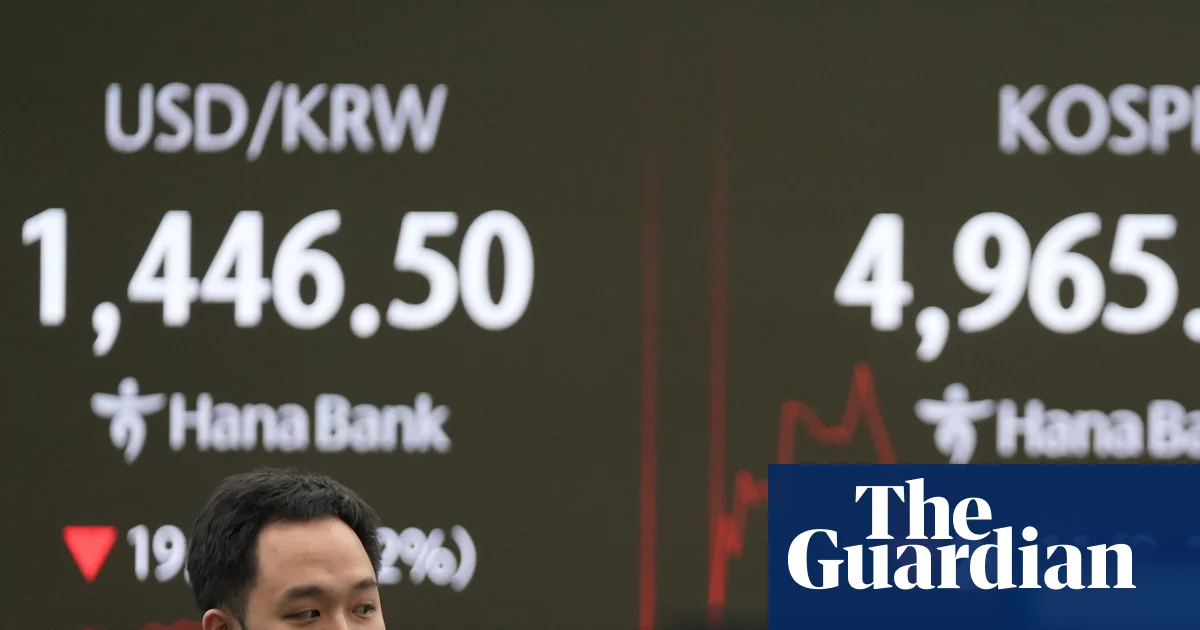
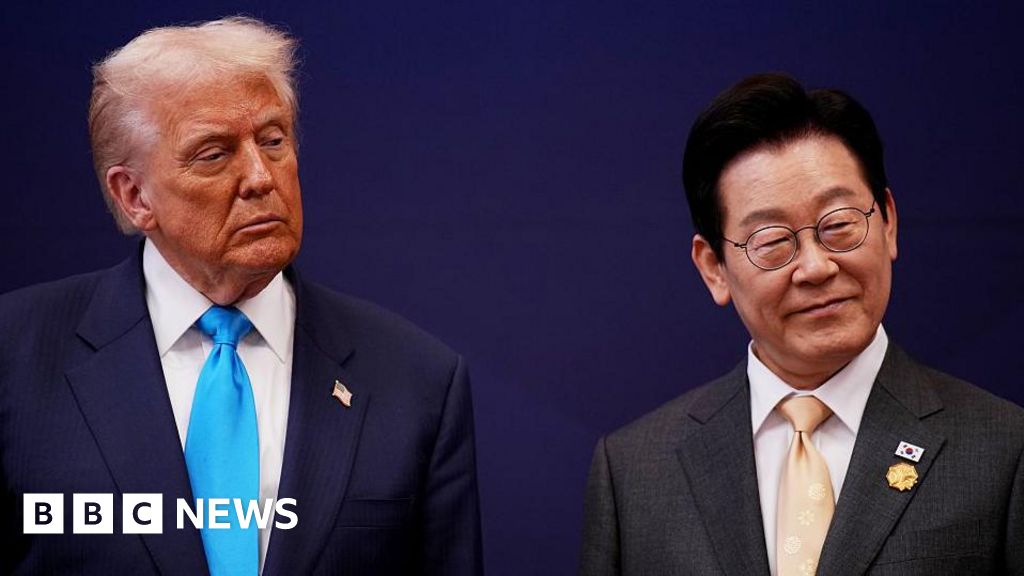
The United States under President Donald Trump has reignited tensions with its key allies by threatening significant tariff hikes on South Korea, threatening to reverse the gains from last year’s historic trade and security agreements. In a sharply worded social media post, Trump indicated that the tariffs on Korean exports would jump from 15% to 25%, citing the lack of parliamentary ratification of the deal as a pretext. While the US administration still has to formally initiate these measures, the move sent shockwaves through global markets and diplomatic circles, highlighting an aggressive stance that has become emblematic of Trump’s approach to foreign economic policy.

South Korea’s presidential office responded swiftly, stating it had not been notified of any impending tariff increase and planned to dispatch trade ministers to Washington for urgent talks. This diplomatic friction underscores a deeper discord over the status of last year’s agreement, which it claims was a mere memorandum of understanding rather than a binding treaty, thereby complicating its legal standing in Seoul. The dispute exemplifies how geopolitical decisions made in Washington directly impact South Korea’s industrial sectors, particularly automobile and pharmaceutical industries, which are vital to the nation’s economy. Historically, analysts emphasize that such tariffs pose a dual threat: they jeopardize economic stability and could lead to a wider ripple effect destabilizing the regional balance of power.

Broadening the Scope of Trade Warfare

  • Since re-electing the aggressive trade policies, Trump has issued threats to multiple trading partners, including Canada and various European nations.
  • He proposed a 100% tariff on goods crossing the US-Canada border, a move aimed at intimidating Canada as it explores a new trade deal with China.
  • Earlier in January, Trump threatened to impose tariffs on European nations over a proposed purchase of Greenland, though these threats have since been rescinded amid international backlash.

International organizations, such as the World Trade Organization (WTO), have expressed concern over these volatile tactics, which risk undermining the post-World War II global trading system rooted in stability and predictability. Economists warn that Trump’s use of tariffs as leverage, often seemingly impulsively, injects an unprecedented level of uncertainty into international markets. The Atlantic Council‘s Josh Lipsky pointed out that recent actions are a clear indication of growing impatience among US policymakers, with the volatility alone imposing significant costs across global markets.

Impacts on Global Geopolitics and Society

This relentless brinkmanship reflects a broader shift in international relations, where economic disputes are increasingly intertwined with geopolitical strategy. As the US demonstrates a willingness to impose unilateral tariffs to punish allies and enemies alike, it signals a departure from traditional multilateral diplomacy. The ripple effects extend far beyond trade numbers, affecting national security alliances, regional stability, and societal welfare. Countries like South Korea now face the dual challenge of safeguarding their economic interests while navigating an increasingly unpredictable global landscape—a scenario that history warns could lead to lengthy conflicts with long-term repercussions.

History scholars observe that recent precedents—such as the Smoot-Hawley tariffs of the 1930s—remind us how protectionist measures can deepen global economic downturns and foster international discord. As the world watches, it remains uncertain whether this volatile phase will mark a turning point toward renewed cooperation or a descent into protracted trade wars that threaten the fabric of global stability. The unfolding decisions and reactions today may well define the geopolitical landscape for decades to come, leaving a legacy etched into history’s cumulative story of conflict and resilience.

Major social media trial kicks off over addiction concerns

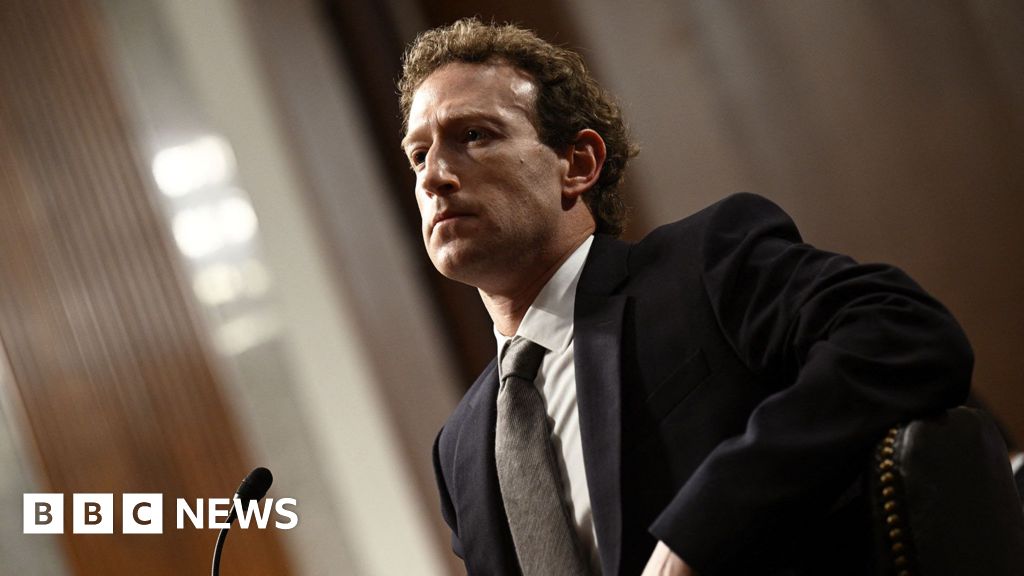
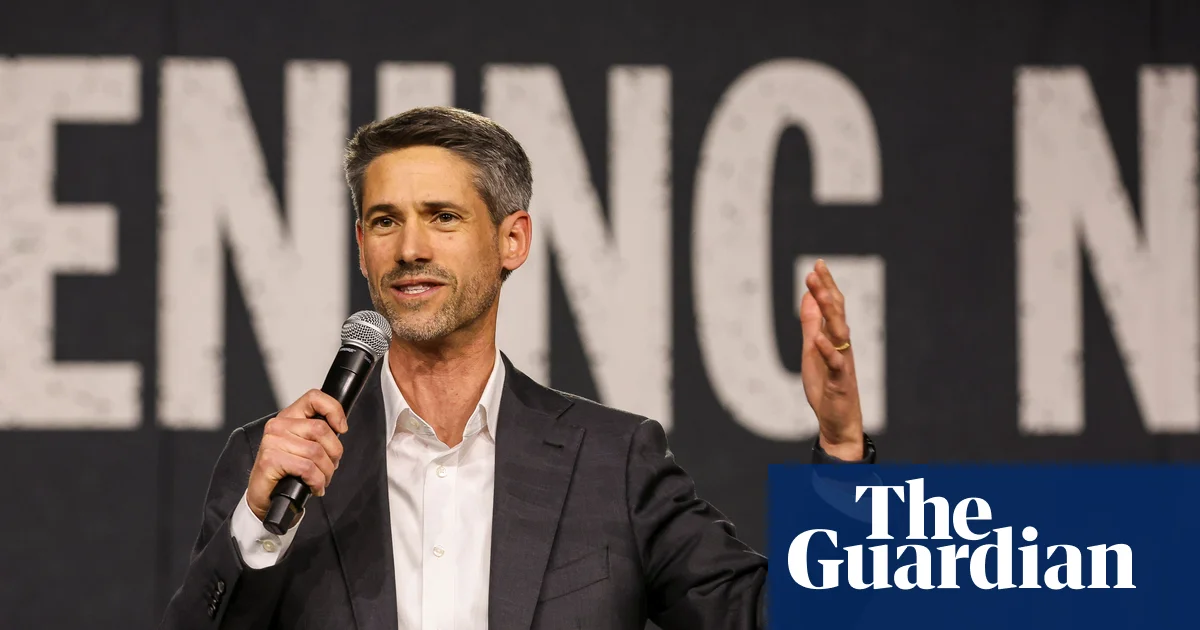
In what many are calling a historic turning point in the regulation of digital platforms, the United States has embarked on a landmark legal journey that could redefine the accountability of tech giants like Meta, TikTok, and Google. Starting in California, a high-profile court case pits a 19-year-old woman—identified by her initials, KGM—against some of the world’s most powerful social media conglomerates. The plaintiff accuses these companies of designing algorithms intentionally to foster addiction, causing mental health deterioration among youth, and raising serious questions about the responsibility of social media platforms for societal harms.

  • The lawsuit highlights manipulated design choices—such as algorithmic notifications and content flows—that aim to maximize engagement but at what cost?
  • Defense argues that harms are caused by third-party users, and the platforms are shielded by Section 230 of the Communications Decency Act, which has historically granted tech firms immunity.
  • Meta CEO Mark Zuckerberg, among other witnesses, is expected to testify, with some experts warning this case could threaten the legal shield that, for decades, has kept tech giants largely unaccountable.

Historians and legal analysts observe that this case marks a *potential* shift in how the US legal system treats the societal impacts of social media, especially as mental health issues linked to digital addiction increasingly dominate public discourse. Prof. Eric Goldman of Santa Clara University warns that a loss could pose an existential threat to these corporations, yet he also underscores the difficulty of proving direct causation between content and physical harm. Meanwhile, international scrutiny intensifies, with Australia enforcing a social media ban for under-16s and the UK hinting at similar measures. These decisions signal a global shift as governments grapple with how to regulate addictive technologies that are deeply embedded within daily life.

Moreover, this legal showdown comes amid mounting demands from families, educators, and officials, fueling an atmosphere where the once-deferential tech industry faces increased accountability. Critics argue that until now, big tech has enjoyed a protective shield, with authorities reluctant to challenge their influence beyond superficial regulation. But the tide seems to be turning. As the court prepares to hear internal documents and testimony from Zuckerberg himself, the case embodies a broader discourse on how decisions made in Silicon Valley reshape societies and the fabric of childhood itself.

As history increasingly weighs the discrepancies between monumental profits and the wellbeing of future generations, the outcome of this trial will echo far beyond California’s borders. Will this be the moment when the power balance shifts, demanding greater oversight and responsibility from those who shape our digital world? Or will the industry’s entrenched influence continue to shield its design flaws under legal protections? In the shadows of these proceedings, the weight of history presses down, a reminder that the unfolding narrative of digital regulation is far from over, and nations across the globe are watching—waiting to see which way the scales will tip.

Trump hikes U.S. tariffs on South Korea to 25%, signaling tough trade stance

The early weeks of 2023 have marked a significant escalation in US trade diplomacy under President Donald Trump, signaling a shift that could alter the global economic landscape. Trump’s recent decision to raise tariffs on South Korean imports to 25% has ignited a controversy with profound geopolitical impact, exposing a raw edge in the long-standing alliances forged over decades. After accusing Seoul of “not living up” to a bilateral trade deal, the Trump administration announced a surge in tariffs on key South Korean exports, including automobiles, lumber, and pharmaceuticals, effectively undermining a pact reached last October. Analysts warn that such unilateral moves threaten to destabilize regional economies and complicate the delicate web of international trade relationships.

This escalation is emblematic of Trump’s broader doctrine of tariff leverage, deployed as a tool to enforce perceived American economic interests on the global stage. Historically, tariffs have been a double-edged sword—used sparingly to protect domestic industries but often resulting in retaliatory measures that ripple across markets worldwide. According to economic historians and trade analysts, Trump’s strategy of leveraging tariffs as a diplomatic stick has rekindled old debates about the limits of protectionism and the true cost of “America First” policies. The immediate market reaction reflected this tension, with shares of South Korean manufacturing giants, such as Hyundai, plummeting by approximately 2.5%, along with declines in pharmaceuticals and timber stocks, illustrating how decisions made in Washington reverberate swiftly through global supply chains.

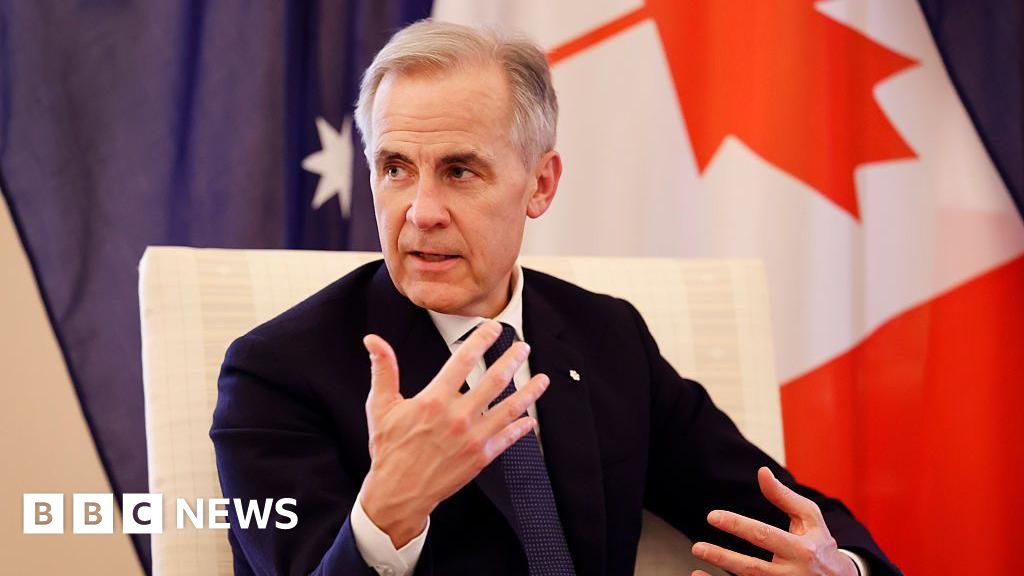
The ripple effects extend beyond Asia, touching on broader U.S. foreign relations and the security alliances within NATO. Earlier attempts by Trump to impose a 100% tariff on Canadian imports if Ottawa agreed to a separate China deal strained relations with key allies. Although he later backed down from this threat, the episode underscored how Trump’s use of tariffs as a diplomatic weapon can undermine long-term trust and cooperation. Canadian Prime Minister Mark Carney publicly clarified that his country had no intention of pursuing a free trade agreement with China, emphasizing that official Canadian policy remains aligned with traditional liberal trade principles. Such clarifications highlight a persistent push-and-pull in international diplomacy, as allies navigate the risks of economic hostilities versus strategic cooperation.

Meanwhile, China’s response to these U.S. moves remains guarded but laced with warnings that their “strategic partnership” does not aim to “undercut other nations,” reflecting a nuanced effort to balance economic assertiveness with geopolitical stability. As analysts suggest, the future trajectory of trade relationships hinges on how Washington and its allies manage these tensions. History warns that unchecked tariff wars or unilateral policies could ignite profound shifts in global power dynamics, potentially favoring emerging economic blocs or destabilizing existing alliances. The residual shadow of these decisions casts over the international order, reminding all nations that every trade act bears the weight of history and the uncertain promise of what lies ahead.

As the world watches this unfolding saga, one thing remains clear: the decisions made today will shape the geopolitical landscape for generations to come. With each tariff threat or diplomatic overture, the fabric of international relations is rewoven, often at the expense of stability and trust. The echoes of this moment will be felt long after tariffs are imposed or rescinded, serving as stark testimony to a period where economic conflict and alliance fragility defined the course of history — a history still being written in the corridors of power and the markets of the world.

French MPs move to block social media for kids under 15

France Moves to Ban Social Media Access for Under-15s as Global Trend Intensifies

In a decisive stride towards safeguarding youth mental health, France‘s National Assembly has passed initial legislation aiming to prohibit social media access for children under 15 years old. Backed by President Emmanuel Macron, this legislation marks a significant chapter in the international push to regulate the digital environment for impressionable generations. As the bill advances before the upper house, the Senate, the diplomatic and societal implications are reverberating well beyond French borders.

The proposed law is rooted in mounting concerns over the mental health crises linked to platforms like Instagram, Snapchat, and TikTok. Lawmakers, inspired by global trends—including recent laws enacted in Australia and ideas circulating across Europe—argue that social networks, which promised to unite and inform, have instead often darkened the emotional well-being of youth. Laure Miller, a key architect of the bill, emphasized that social media companies are not harmless, warning they have manipulated users into social isolation and information overload. Macron’s government, recognizing the growing evidence of harm, is determined to limit children’s exposure, with the aim of enforcing this by the upcoming September school term.

Geopolitical Shifts and International Responses

This potential legislation signals a notable shift in how nations are choosing to defend their young populations. In the broader context, it is part of a global reassessment of digital regulations, as countries confront the pervasive influence of social media giants. Nations such as Denmark, Greece, Spain, and Ireland are actively contemplating similar restrictions, while the UK has launched a consultation on banning social networks for under 16s. Analysts point to this international movement as a response to the undeniable rise in mental health issues among teenagers—a phenomenon that some experts attribute partly to the addictive nature of these platforms.

International organizations, including the European Commission, have voiced concerns over the inadequate regulation of social media giants, echoing calls for stronger oversight to protect young users. Historians warn that these initiatives reflect a critical crossroads in how societies shape digital governance, with some fearing that overreach may stifle free expression, while others argue that protecting vulnerable youth is an overarching necessity. The European Court of Justice has previously ruled on issues related to online data and privacy, setting a legal precedent that may influence France’s legislative direction. As nations tangle with complex legal and ethical questions, the international community appears to be heading toward a new era of digital accountability.

Implications for Society and the Future Path

Implementing such restrictions has far-reaching consequences—altering societal norms and redefining the digital landscape. For France, the move signifies a proactive attempt to shield a new generation from what many view as manipulated digital environments designed solely for profit. The legislation’s success may set a benchmark for future policies globally, forcing tech giants to reconsider user age verification mechanisms and content regulation. Importantly, the law’s emphasis on parental approval for less harmful content underscores an acknowledgment of individual family dynamics and rights, while also raising questions about state overreach in personal education.

Moreover, the debate around banning mobile phones in senior schools reveals the broader societal struggle to regulate technology that has become inseparable from daily life. As French authorities grapple with these questions, international observers from the United States to Asia are watching closely, aware that such policies could induce a domino effect. Some critics argue this approach risks infringing on personal freedoms, while advocates see it as a necessary step in an era where the influence of digital platforms is unmatched in shaping societal youth. As history continues to unfold, one cannot help but sense the weight of generations past watching this new digital frontier with cautious optimism—and certain skepticism.

Ultimately, the legislative battles and societal debates unfold amidst a backdrop of accelerating technological change—facing not just the question of what is legal, but what is right. The decisions made today will carve paths for the digital world of tomorrow, shaping the minds, morals, and freedom of youth across borders. As the French government pushes forward, the shadow of history looms large: how nations choose to regulate the digital age could define the legacy of our era, echoing through generations yet to come, as the world watches with bated breath.

Nigerian Officers Set for Trial Over Alleged Coup Plot Against President Bola Tinubu

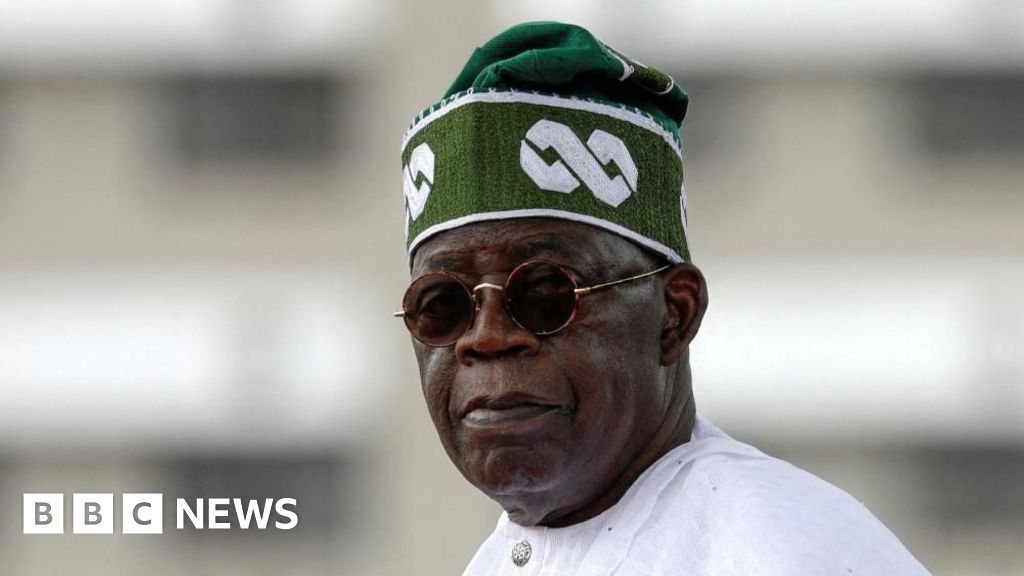
Nigeria, Africa’s most populous nation and a key regional power, is once again facing the specter of military discontent. Recent reports confirm that a group of military officers are scheduled to face trial on charges of plotting to overthrow President Bola Tinubu last year. This development underscores the fragile stability that persists within Nigeria’s armed forces, which have historically oscillated between authoritarian rule and fragile civilian governance. Although the Nigerian military initially dismissed rumors of an attempted coup, an internal investigation has revealed enough evidence for some officers to stand before a military judicial panel, signaling a potential shift in the internal dynamics of Nigeria’s security apparatus.

Historically, Nigeria has endured a turbulent political landscape marked by multiple coups spanning from 1966 to 1993, leaving scars on its national psyche and institutional stability. Today, analysts warn that allegations of coup‑plotting are especially sensitive given the country’s history. The military’s official stance emphasizes that such plots are “inconsistent with the ethics, values, and professional standards” expected of its soldiers, but the underlying tensions run deep. As violent insurgencies, political unrest, and economic frustrations continue to simmer, the armed forces find themselves under increasing operational pressure—fighting jihadist groups in the northeast, combating communal violence, and addressing widespread insecurity. These multifaceted challenges threaten to weaken discipline and cohesion within the military ranks, which many experts attribute to the rising possibility of dissident factions seeking to challenge civilian authority.

This internal crisis within Nigeria’s military must be viewed within the broader context of the current regional upheaval in West Africa. Countries such as Mali, Burkina Faso, Niger, and Guinea have experienced recent coups, prompting fears among regional policymakers and international observers. While countries like Mali and Burkina Faso continue to grapple with military takeovers, Guinea has seen a recent return to democratic rule after military-led interventions. These shifts are generating a sense of urgency and vigilance among the Ecowas regional bloc, which has historically positioned itself as a guarantor of stability in West Africa. For Nigeria, a nation often seen as the regional stabilizer, the question arises: how will its internal military unrest impact regional cohesion and security?

International analysts, including those from think tanks and organizations like the UN and Africa Union, warn that the delicate balance of power in West Africa is at risk. With Nigeria’s military asserting its loyalty to civilian rule publicly yet facing credible challenges from within, the possibility of a broader destabilization looms. The ongoing tensions reflect deeper issues—resource constraints, militant insurgencies, and internal factionalism—that threaten to unravel the progress made since Nigeria’s return to civilian rule in 1999. As these developments unfold, the shadow of history’s darker chapters looms large, reminding the world that the struggle for democracy is an ongoing battle fought not only on the streets but within the military’s own ranks.

In the unfolding narrative of Nigeria and West Africa, the current tensions serve as a stark warning—history’s lessons are not easily forgotten. The continuing saga of military influence, regional instability, and the fight to secure democratic institutions may yet rewrite the future of this pivotal region. The world watches with bated breath, understanding that the decisions made now could shape the course of history for generations to come, as the section of history still being written demands resilience and resolve in the face of jeopardy.

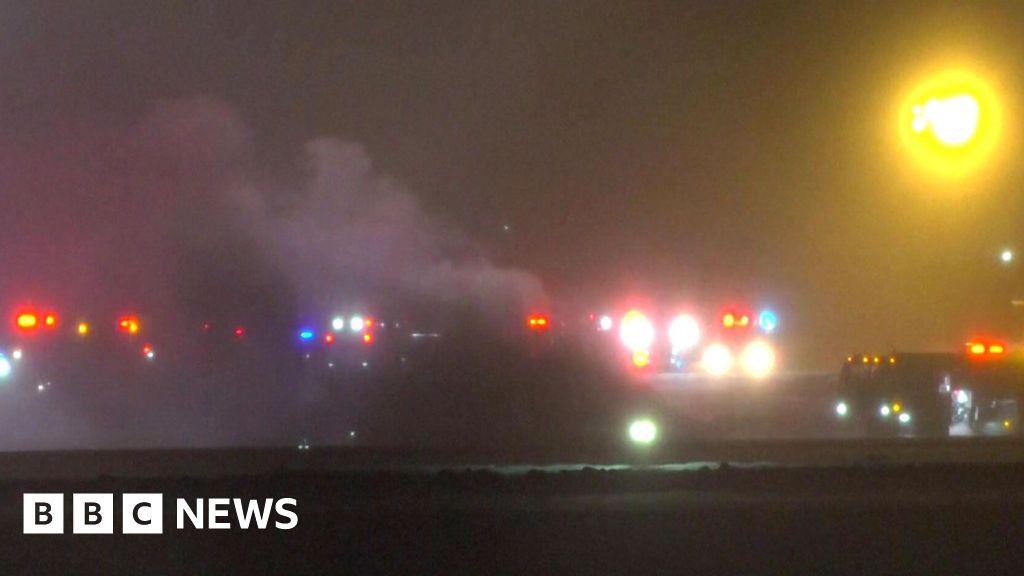
Seven Dead in Maine Private Jet Crash, One Hurt

In a tragic incident reflecting the ongoing chaos wrought by nature and human error, Bangor International Airport in ME witnessed a devastating plane crash that claimed the lives of seven individuals, with only one survivor. The crash involved a private Bombardier Challenger 600, which went down during takeoff amidst a severe winter storm—a stark reminder of how climate volatility is increasingly impacting civil aviation safety. This event, unfolding against a backdrop of relentless weather extremes affecting millions across the United States, echoes a wider narrative of instability, not only within American borders but on the global stage.

Authorities report that the aircraft, registered to a Texas-based law firm, caught fire and came to rest inverted following the crash, with poor visibility likely a contributing factor. While investigations remain ongoing, the air traffic control recordings underscore the perilous conditions faced by pilots navigating a storm system that has left hundreds of thousands without power and caused nearly 11,000 flight cancellations nationwide. This incident, though isolated, highlights an era where unpredictable weather patterns threaten the safety and security of international transportation networks, creating ripple effects across supply chains and diplomatic engagements. Analysts warn that climate change-induced events like these are pushing nations into new vulnerabilities, compelling governments and companies to rethink resilience strategies.

The wider geopolitical impact extends far beyond normal aviation concerns. As U.S. authorities grapple with the aftermath of the crash and storm chaos, international institutions such as the International Civil Aviation Organization (ICAO) are under renewed pressure to set stricter safety standards amid growing climate unpredictability. Meanwhile, the storm’s disruption highlights the fragile interconnectedness of global economies now heavily reliant on smooth transportation; disruptions in the U.S. ripple across European and Asian markets, exposing critical weaknesses in a system increasingly susceptible to environmental shocks. Meanwhile, some critics argue that insufficient investment in infrastructure and climate mitigation measures could further exacerbate these vulnerabilities, risking a future where such tragedies become commonplace.

As international leaders convene to discuss the climate crisis and transnational security, the event serves as a sobering reminder of how human choices and environmental forces converge to shape history’s ongoing narrative. Historians warn that the turbulence caused by storms and technological failures today could be remembered as the turning point where nations faced the urgent need for adaptation. On a broader scale, this tragedy underscores a stark reality: in an era of geopolitical volatility, nature herself is an unpredictable actor, capable of rewriting the rules of engagement and testing the resilience of societies worldwide. As the smoke clears over Bangor, the weight of this moment settles heavily—history continues to unfold, and the world watches, waiting for answers that may yet come too late if decisive action is deferred.

Social Media Auto Publish Powered By : XYZScripts.com