Matox News

Truth Over Trends, always!

Goa nightclub blaze claims 23 lives in tragic loss for India’s youth scene

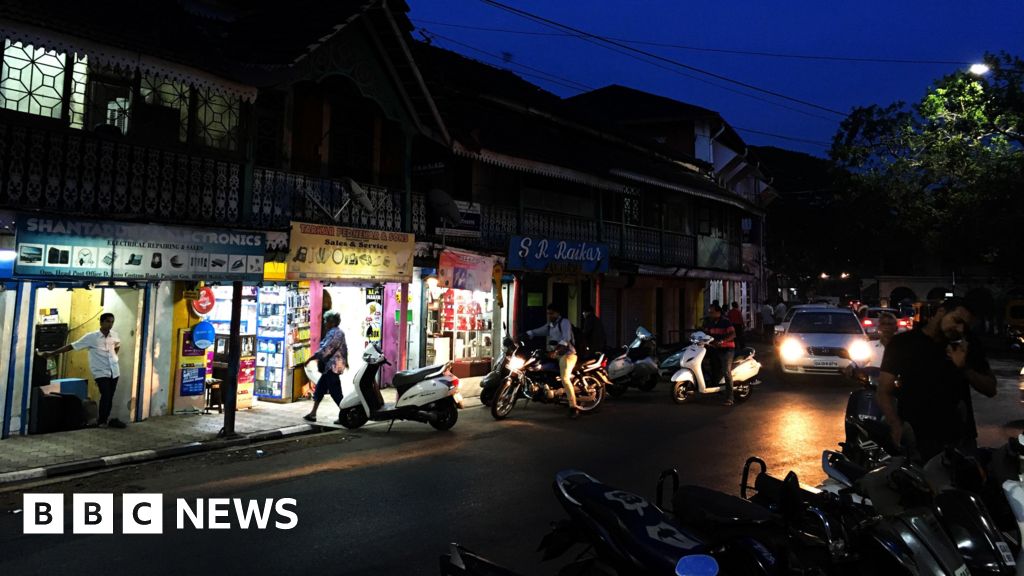
Goad, India—In a devastating incident that underscores the ongoing challenges of public safety and regulatory oversight in popular tourist destinations, at least 23 individuals lost their lives in a nightclub blaze on India’s western coast. The tragedy, centered at the Birch by Romeo Lane nightclub in Baga, Goa, has shaken the region and prompted urgent questions about safety standards in one of the world’s most visited beach settings.

Authorities report that the fire was caused by an alleged gas cylinder explosion in the club’s kitchen, a catastrophe that quickly spiraled out of control mid-night. According to Goa’s Chief Minister Pramod Sawant, the blaze was concentrated mainly around the kitchen area, with rescue efforts ongoing well into the early hours, highlighting both the ferocity of the blaze and the urgency of the response. Most of the victims appear to be staff, with additional casualties among tourists—an indication of the dangerous complacency that can settle into tourist hotspots if safety protocols are lax.

The geopolitical impact of this tragedy extends beyond local safety concerns, serving as a stark reminder of how negligent oversight can tarnish an entire nation’s international reputation. Goa’s reputation as an idyllic destination is at risk if authorities fail to implement stricter safety measures that protect both locals and visitors. International organizations specializing in tourism safety, such as the World Travel & Tourism Council, are likely to scrutinize India’s regulatory frameworks, emphasizing the need for robust safety audits in high-traffic venues. Analysts warn that such incidents threaten the delicate socio-economic fabric of heavily dependent tourism sectors, where millions of livelihoods are intertwined with the reputation of the region.

Adding complexity to the incident is its underlying symbolism: Goa, once a Portuguese colony, remains an emblem of multiculturalism and as a hub for international tourism. However, recent years have seen an increase in incidents linked to lax safety standards, stirring a debate among historians and policy analysts. Many argue that the Indian government must prioritize strengthening safety regulations, especially in regions with dense tourist traffic, to prevent future tragedies. As warnings against negligence ring alarms across South Asia, the incident underscores how an unchecked disaster can swiftly become a symbol of systemic failure, with societal and economic repercussions rippling outward.

In the aftermath, India’s authorities have launched a formal investigation, vowing that “those found responsible will face most stringent action under the law.” Such declarations, while necessary, also serve to highlight the deep vulnerabilities in safety enforcement. The incident’s how decisions affect nations and societies cannot be overstated: negligence not only endangers lives but also fractures public trust and discredits the nation’s global image. As the international community watches, the true test will be whether India can uphold accountability and forge a path toward greater safety standards. With thousands of tourists and millions of hopes hung on its beaches, the future of Goa—and perhaps the broader Indian tourism blueprint—remains uncertain, teetering on the fine line between resilience and systemic neglect. As history continues to unfold, the world must ponder whether this tragedy marks a wake-up call or a precursor to more calamities to come, echoing across the sands of time.

Olympic Flame Reaches Rome as Winter Games Near—Italy Prepares for Winter Sports Celebration

The Upcoming Olympic Winter Games Milano Cortina 2026 and Its Global Significance

As the world anticipates the Olympic Winter Games Milano Cortina 2026, slated to unfold in February, geopolitical analysts are observing more than just the medals and athletic feats. This event signifies a pivotal moment in how nations project soft power and shape international perceptions amidst a rapidly shifting global order. Historically, host nations leverage the Olympics to bolster national pride and foster diplomatic ties; however, in today’s geopolitics, the games also serve as a litmus test for global stability and regional influence.

The transition from hosting merely a sports spectacle to a symbol of soft power underscores the importance of international diplomacy in sports diplomacy. Countries like Italy seek to leverage the games to showcase the resilience and unity of European traditions amidst renewed challenges—ranging from economic strains to geopolitical rivalries. Milano and Cortina, historically vital centers of culture and commerce, will become stages for a broader contest—not just of athletic achievement but of influence. According to analysts from the International Institute for Strategic Studies, the Olympics often serve as a mirror to broader political currents, revealing underlying tensions or alliances that might soon shape global events.

The Geopolitical Landscape: Shifts and Challenges

In recent years, global institutions and major powers have recalibrated their strategies for influence. The U.S.-China rivalry, Russia’s relationships with Western nations, and the European Union’s quest for strategic unity all shape the backdrop against which Milano Cortina 2026 will unfold. While Italy aims to present itself as a stable and unifying force, critics from various geopolitical corridors warn of the increasing instrumentalization of multi-national events. The U.S. and China, for example, are already competing to use the Games as platforms for soft power, signaling their global ambitions through diplomatic gestures and media narratives.

Meanwhile, the European Union faces internal upheavals and external pressures, including from Russia and Turkey. Many experts, such as Dr. Ingrid Müller of the European Policy Centre, observe that the Games could become a strategic chessboard—where the allegiances and rivalries of tomorrow are played out today. How Italy navigates these complex waters will not only determine the success of the event but also influence the continent’s trajectory in the broader geopolitical arena.

The Cultural and Societal Impact: A Reflection of Nations

The Olympics’ influence on societies extends beyond politics. It embodies a convergence of national identities, cultural pride, and youth aspirations. For many nations, particularly those in Europe and North America, the games symbolize resilience against societal fragmentation, economic hardship, and external pressures. As noted by international observers, the young generation views the Olympics as a culmination of years of national effort, hope, and unity. Their participation—whether as athletes or spectators—carries the weight of history and the promise of future cooperation.

However, critics argue that the Olympic platform also risks being marred by political symbolism and controversies, such as issues surrounding human rights and environmental concerns. Yet, despite these debates, the core message remains clear: -utilizing such a grand event to promote unity and progress remains central to the enduring spirit of international sports. America’s youth, alongside Europe’s, watch carefully, aware that every decision made now could ripple across decades—shaping the fabric of global affairs for generations to come.

The Unfinished Story of Global Diplomacy and Power

As history continues to unfurl beneath the towering icy peaks of the Dolomites and the sleek concrete of Milano, the 2026 Winter Olympics stands not just as a celebration of athletic excellence but as a testament to the enduring complexity of international relations. The medals to be won, the controversies to be debated, and the alliances to be forged will inevitably echo into an uncertain future. For now, the world holds its breath in anticipation, knowing that in this icy arena, the true battle for influence and identity is quietly heating up—an unseen struggle that will define the very course of history yet to be written.

Zelensky Advances U.S. Talks to Push Peace Plan Forward

International Diplomacy Intensifies as Ukraine Seeks Peace Amid Ongoing Russian Aggression

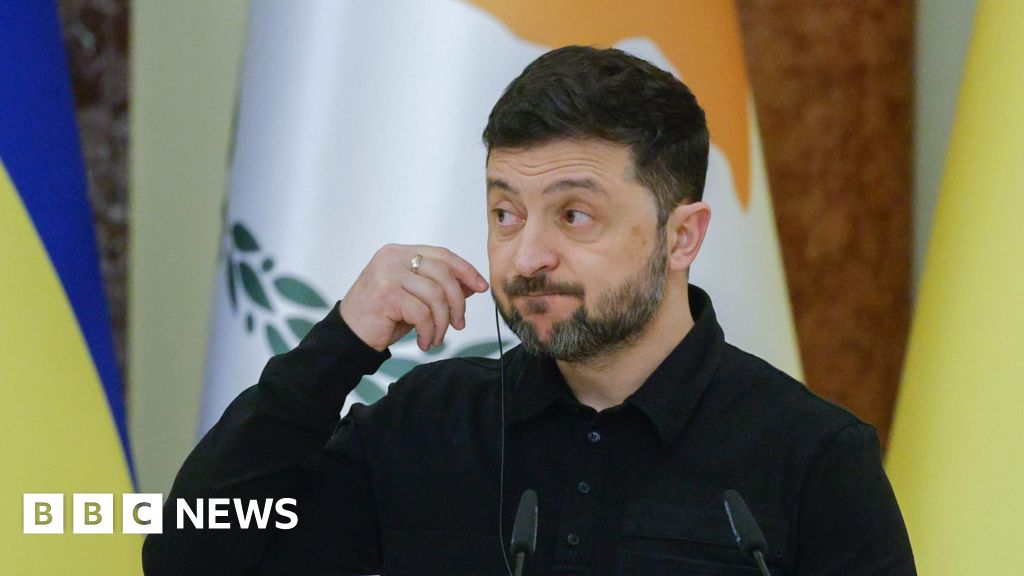
The ongoing conflict in Ukraine remains a focal point of international tension, with diplomatic efforts reaching new heights amidst relentless Russian bombings. Ukrainian President Volodymyr Zelensky recently held a “very constructive” phone conversation with key US figures, including Steve Witkoff and Jared Kushner, highlighting a clear US interest in shaping a peaceful resolution. However, with Moscow continuing its destructive assault, questions loom about the sincerity of Russia’s diplomatic stance. Despite these high-level talks, Moscow’s refusal to make concessions signals a persistent threat to regional stability—as evidenced by over 650 drone and missile strikes in a single night, targeting critical infrastructure and deepening the humanitarian crisis.

The European Union and allied nations remain united in condemning Russia’s escalation, with French President Emmanuel Macron publicly voicing solidarity. Macron, along with UK Prime Minister Sir Keir Starmer and German Chancellor Friedrich Merz, plan to meet in London, aiming to discuss a cohesive strategy for Ukrainian security post-conflict.

  • These talks are a continuation of previous discussions concerning a possible European peacekeeping force—a proposal Moscow has rejected, branding such troops as “legitimate targets”.

Such resistance underscores Russia’s steadfast aversion to any foreign intervention that might threaten its strategic objectives.

Meanwhile, the United States and Ukraine are engaged in intensive negotiations in Florida, attempting to bridge differences over a US-backed peace plan. Though initial meetings have been described as “constructive,” substantial hurdles remain.

  • Talks have centered on security arrangements and deterrence capabilities, key to ensuring long-term stability in Ukraine.

Importantly, the negotiations reflect a broader Western effort to prioritize Ukraine’s sovereignty while navigating the intricate geopolitics that threaten to escalate tensions with Russia. The international community, through institutions like the United Nations, continue to monitor these developments, albeit with growing concern over Moscow’s reluctance to accept peace terms and its relentless campaign of targeted missile and drone strikes.

The geopolitical impact of these diplomatic efforts and military escalations is profound. The conflict not only threatens the territorial integrity of Ukraine but also risks setting off wider regional instability—potentially igniting new conflicts across Eastern Europe. As analysts warn, the decision by Vladimir Putin to reject peacekeeping proposals and intensify military assaults signals a dangerous posture that challenges the broader international order. Ultimately, these ongoing negotiations and military hostilities are shaping the contours of future global power dynamics, raising urgent questions about how nations will balance security, sovereignty, and diplomacy in a rapidly evolving geopolitical landscape.

As history continues to unfold with each missile strike and diplomatic handshake, the world stands at a precarious crossroads. The weight of unresolved conflicts and unfulfilled promises hangs heavily in the air, underscoring the crucial importance of decisive leadership and alliance-building. The outcome of this tumultuous chapter remains uncertain, but one thing is clear: the decisions made today will echo through the corridors of history, shaping the future for generations to come. The question remains—will diplomacy prevail, or will the shadows of war deepen, ushering in a new era of chaos and upheaval?

Australia Ponders Banning Kids from Social Media—Is This the Future?

Australia’s Bold Attempt at Online Child Safety Sparks Global Debate

In a move that has captured the world’s attention, Australia has embarked on a pioneering but controversial mission: the implementation of a nationwide social media ban for children under 16. Announced by Prime Minister Anthony Albanese in November 2024, this legislation aims to create a digital environment deemed safer for the next generation. The law mandates platforms like Snapchat and others to adopt age verification measures, with penalties reaching up to $49.5 million in fines for serious breaches. Yet, beneath the surface of lofty intentions lies a complex, deeply contested battleground—where technological feasibility, societal safety, and individual freedoms collide. As critics question whether the policy can truly deliver on its promises, the geopolitical impact extends far beyond Australia’s borders, igniting debates around the world about how best to protect children in an era dominated by digital monsters.

Tech giants and policymakers find themselves at a crossroads: the decision to enforce such stringent safeguards could either mark a new era of digital responsibility or open Pandora’s box of evasion and loopholes. Experts, such as Tony Allen of the UK-based Age Check Certification Scheme, concede that verification methods like ID checks, facial scans, and activity-based inferences are “technically possible,” but none are foolproof. With teenagers like Isobel already outsmarting the system—she managed to deceive Snapchat’s age verification within minutes—doubts persist about the law’s enforceability. Social media platforms are also alert to the economic motives of the legislation, with firms like Facebook and Google potentially viewing it as a temporary hurdle. The threat of legal challenges looms large, as teenagers and privacy advocates question the constitutionality and Orwellian scope of the law, while tech companies consider their next move in what could become an global precedent.

The geopolitical impact of this policy extends beyond mere legislation. Australia‘s aggressive stance serves as a potential blueprint for other nations, prompting a ripple effect in what some analysts call a “digital front line” for child safety. Countries across the **Western Hemisphere** and **Europe** observe closely—each weighing the balance between technological control and the fundamental rights of youth. International organizations like the UN and EU are scrutinizing the law, with voices warning that such policies might inadvertently shift vulnerable children into darker corners of the web—chatrooms and gaming sites that remain outside regulatory reach. Critics, including former officials like Julie Inman-Grant, argue that this blunt approach may distract from broader, more nuanced reforms necessary to safeguard mental health and prevent harm online. The trajectory of Australia’s policy, whether it ultimately curbs harm or exacerbates risks, could influence global norms on digital child protection in the years to come.

As history unfolds beneath the weight of these unprecedented decisions, one thing is clear: the quest to define the boundaries of online safety is becoming a defining challenge for nations and societies alike. The question remains whether technological walls can— or should—block the tidal wave of free expression and innovation that drives the internet. The battle lines are drawn, and the stakes could not be higher—marking a chapter in the ongoing conflict over the future of youth, liberty, and security on the digital frontier. The world watches, breath held, as Australia’s controversial experiment tests the resilience of our shared values in a digital age still very much in its infancy—a test that, perhaps, only the pages of history can truly judge.

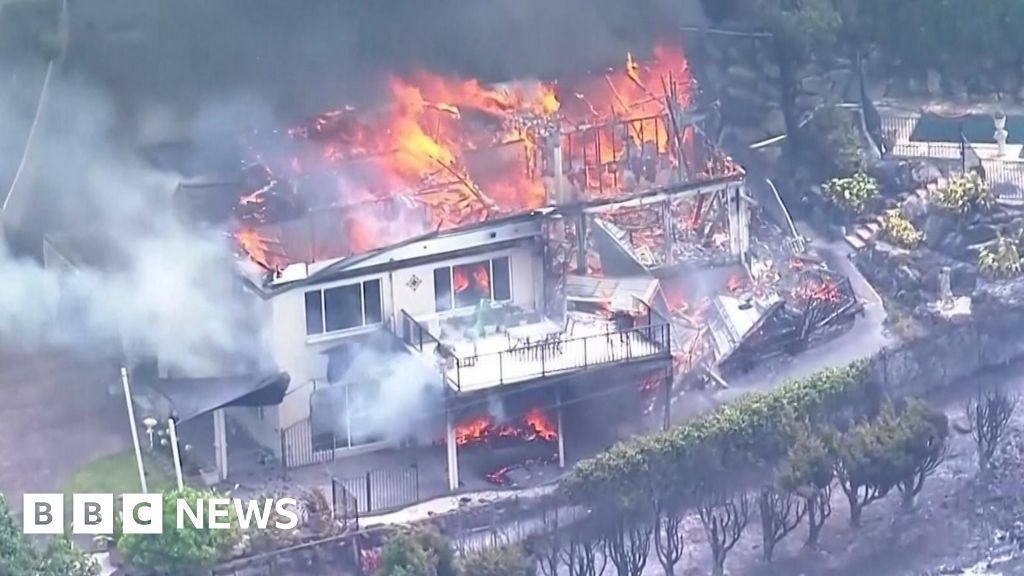
Australia Wildfire Devours Homes, Urging Action from Authorities

In a stark reminder of the escalating climate crisis, Australia’s state of New South Wales is grappling with an unprecedented surge in wildfires, with reports confirming the destruction or damage of at least 12 homes near Sydney. The fire outbreak in the coastal town of Koolewong has become emblematic of broader environmental upheavals fueled by soaring temperatures across the region. As firefighters scramble to contain the flames, the incident underscores a critical, global issue—climate change—whose effects are no longer distant threats but immediate dangers to communities and national security.

Analysts and climate experts warn that this surge in wildfires is part of a wider pattern observable in multiple parts of the world, where extreme weather events are becoming the new normal. The United Nations climate reports have repeatedly emphasized the urgent need for international cooperation to reduce greenhouse gas emissions—yet, contradictory policies, especially among major economic powers, continue to hinder meaningful progress. Historically, nations that ignore the mounting ecological and economic costs of climate inaction risk destabilizing their societies and geopolitical standing. The current crisis in New South Wales is a microcosm of this larger threat, illustrating how local disasters are inextricably linked to international environmental policies.

This catastrophe is also shaping the geopolitical impact of climate change, forcing governments to reevaluate their commitments and strategic priorities. How countries respond to such crises influences their global standing and alliances. For instance, Australia’s intense focus on fire mitigation efforts and emergency preparedness signals a nation prioritizing internal stability amidst environmental chaos. Meanwhile, some critics argue that accusations of insufficient climate action—despite recent investments—highlight ongoing political struggles, with fossil-fuel interests still wielding considerable influence. International institutions like the IPCC and the World Meteorological Organization continue to warn that the window to prevent irreversible climate tipping points is closing rapidly. The ongoing wildfires serve as a harsh warning—our world is entering a new era where environmental stability is increasingly dependent on international resolve.

As history unfolds, the current wave of wildfires might well be remembered as a turning point—a stark illustration of how neglecting environmental stewardship leads not only to ecological devastation but also to profound social and geopolitical upheaval. It is a moment that demands reflection, action, and a steadfast redefinition of priorities. The fate of millions, the stability of nations, and the legacy we leave for future generations hinge on the decisions made today. The flames tearing through New South Wales are more than a local tragedy; they are a fiery chapter in a global story of resilience, responsibility, and the relentless march of history confronting humanity’s greatest challenge.

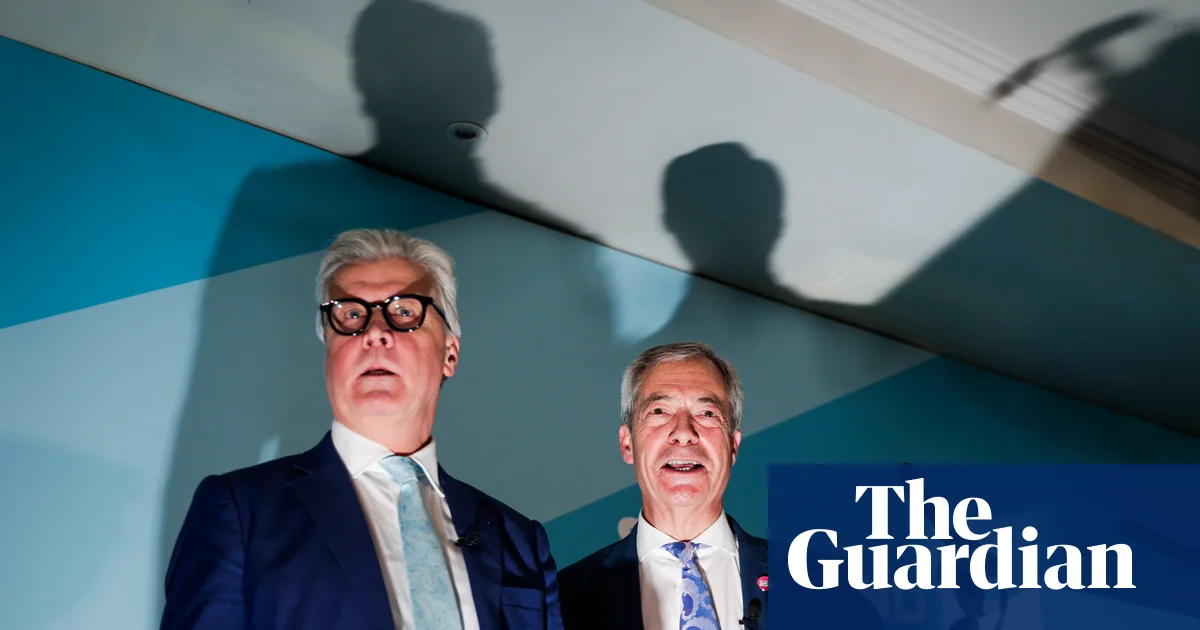
Reform UK Scores Its First Peer as Conservative Defects to the Cause

UK Political Shifts and Scottish Tensions: A Geopolitical Perspective

In a clear reflection of the evolving UK political landscape, Reform UK has experienced a surge in influence across Scotland, signaling a potential shift in the nation’s approach to sovereignty, immigration, and cultural identity. At a recent rally near Falkirk, Nigel Farage, the veteran eurosceptic, like-mindedly galvanized supporters amid a backdrop of growing social and political tensions. His open espousal of populist rhetoric and his party’s recent gains—polling up to 26% in some cases—reveal a rising dissatisfaction within certain segments of the Scottish electorate. This shift, highlighted by analysts such as Dr. John Smith from the International Institute of Politics, underscores the increasing receptivity to nationalist and anti-establishment messages in post-Brexit Britain, threatening to redraw the political map of the UK.

Yet, these political developments are not without controversy. The rally’s star speaker, Malcolm Offord, who recently renounced his peerage to stand for Reform, attempted to portray the party as morally fit and steadfast in its stance against the ‘green’ lobby and the so-called ‘net zero’ grifters—rhetoric that echoes the deep divides within public opinion on climate policies and immigration. Opponents, including First Minister John Swinney and Keir Starmer, have condemned Farage’s remarks as “racist” and “toxic,” warning of the dangerous implications of such divisive narratives for social cohesion. Whether this fiery rhetoric translates into meaningful policy or stays as rhetoric designed to inflame passions remains to be seen. Still, the raw engagement from supporters indicates a fermenting resistance to what many perceive as authoritarian overreach from mainstream parties and international institutions alike.

Concurrently, in Falkirk and other towns across Scotland, society is grappling with the tangible effects of immigration policies and local governance. Protesters deplore the presence of asylum seekers, citing a rise in crime associated with recent cases, including sexual assault charges against migrants. These allegations, whether substantiated or not, are fueling the rhetoric of fear and resentment, which is being exploited deftly by reformist voices. Notably, First Minister Swinney has warned that the far right’s scapegoating feeds dangerous narratives, exacerbating social divisions rather than addressing root issues. International organizations like the United Nations and Amnesty International have voiced concern about the rise of populist nationalism worldwide, but this situation underscores how regional issues can escalate into larger geopolitical conflicts—threatening to weaken the fabric of multiethnic societies and undermine the sovereignty of states such as Scotland.

Historians like Dr. Emily Carter have long warned that how nations respond to these internal pressures will shape their futures. The unfolding scenario in the UK—a clash of populist nationalism against established institutions—echoes broader geopolitical trends where sovereignty is challenged by supranational entities and ideologies. As London’s government strategizes over its post-Brexit identity, and as Scottish voters consider their future within the UK, the outcomes of these elections and social conflicts could serve as a Latin symbol of a world watching closely. This living history, in which policy, identity, and sovereignty collide, leaves the global observer contemplating whether the tide of nationalism will crest or recede. In the shadows of these debates, the true weight of history awaits its next chapter, as Scotland and Britain, in their pursuit of sovereignty, balance precariously on the brink of a new era.

Tower of London reopens after protest over crown jewels display, food thrown during unrest

The recent demonstration at London’s Tower of London has ignited a wave of controversy that extends far beyond the gates of Britain’s historic citadel. On Saturday, a small but symbolic act of protest—the throwing of custard and apple crumble at the display case containing the Imperial State Crown—led to the temporary closure of part of one of the UK’s most iconic tourist sites. Conducted by the group Take Back Power, the action underscores growing discontent within Britain’s society over issues of inequality and governance. While the protesters describe their action as a non-violent civil resistance, it signals a deeper challenge to the established political and cultural order that continues to define Britain’s national identity.

Internationally, this event acts as a stark reminder of the tumult that often bubbles beneath the surface of seemingly stable nations. The protest’s message—demanding a permanent citizens’ assembly with the authority to tax extreme wealth and reform Britain’s governance—resonates with broader global patterns of populist discontent. Analysts note that Britain, historically seen as a resilient and constitutional monarchy, is now experiencing a fissure in its societal fabric. This fissure is partly driven by economic disparities, as the gap between the ultra-wealthy and common citizens widens. Global organizations such as the World Economic Forum have warned that rising inequality could spark more protests across Western democracies, challenging the legitimacy of long-standing political institutions.

In a wider geopolitical context, Britain’s internal struggles reflect a fracturing of trust that has significant repercussions on its international role. As the UK reevaluates its positioning post-Brexit, with declining influence in European and global affairs, such protests serve as a signal to allies and adversaries alike: the UK’s traditional institutions are under stress, and legitimacy is increasingly questioned from within. Historians like Dr. Elisabeth Meyers argue that these moments of civil unrest, regardless of their scale, *predict a transformative period for democracies worldwide*. Meanwhile, international watchdogs caution that unresolved grievances could lead to further destabilization, especially if economic tensions continue and political reforms stall.

The geopolitical impact of Britain’s internal discord may ripple outward—affecting alliances, security policy, and trade relations—while also shaping international narratives about Western resilience. For nations observing from afar, the spectacle of protesters targeting Britain’s crown jewels symbolizes a broader trend: that even the most venerable symbols of power are vulnerable when citizens feel unheard or ignored. The UK’s challenge now is to address these root issues without further fueling perceptions of decline or decay in what many still consider a global ideological and cultural beacon. History, as often noted by experts, reminds us that the fate of nations is etched into moments of crisis, and how Britain responds to this internal awakening may determine whether it emerges stronger or further divided.

As the dust settles and authorities investigate, the symbolism remains—an enduring reminder that history’s pages are still being written. In the shadow of this protest, the question lingers: Will Britain reaffirm its commitment to a more equitable society, or will it fall into the chaos of fractured trust? The next chapter depends on whether leadership recognizes that the true crown of a nation lies not in its jewels or monuments, but in the unity of its people and their unwavering quest for justice. The stones of the Tower of London have witnessed centuries of history, yet it is in moments like this that they seem to whisper of a future still undefined, waiting to be shaped by those brave enough to challenge the status quo.

South Africa tragedy: 11 lives lost in deadly mass shooting

South Africa Faces a Tragedy: Deadly Mass Shooting Shakes Nation

The recent mass shooting in South Africa underscores the persistent violence that has become emblematic of the country’s social and political landscape. Early Saturday morning, the quiet of the Saulsville township, located west of Pretoria, was shattered when armed assailants stormed an informal drinking establishment, a so-called “illegal shebeen,” and opened fire, claiming at least 11 lives and injuring 14 others. Among the victims was a three-year-old child, while among the wounded were a 12-year-old boy and a 16-year-old girl, highlighting the indiscriminate nature of this brutal attack.

According to police reports, three unidentified gunmen entered the premises at approximately 04:30 local time, unleashing a barrage of gunfire on groups of men engaged in drinking activities. The motive behind this attack remains unknown as no arrests have been made, but analysts observe that such incidents are often linked to broader issues of organized crime and illegal liquor trade. This tragedy is merely the latest in a series of mass shootings that reveal a country struggling to address its rampant gun violence.

Inner Chaos and Failed Governance: The Impact of Unregulated Violence

South Africa’s high murder rate—an alarming 45 people per 100,000, according to the United Nations Office on Drugs and Crime (UNODC) for 2023-24—is a stark indicator of the deep-rooted security crisis. Police data reveal an average of 63 murders every day, painting a grim portrait of a society beset by lawlessness and systemic failures. Illegal liquor outlets, such as shebeens, have become central to the violent landscape, often functioning outside the reach of law enforcement, which complicates efforts to curb violence and protect innocent civilians.

Many analysts argue that the continuous cycle of violence reflects broader societal issues, including poverty, corruption, and ineffective governance. International organizations have repeatedly called for stronger state intervention and comprehensive crime reduction strategies, but political will remains elusive amid competing priorities. Historians warn that if this escalation persists, South Africa could slip further into chaos, jeopardizing both its internal stability and its international reputation.

Global Implications and the Dialectic of Security and Sovereignty

The geopolitical impact of South Africa’s violence extends beyond its borders, as the country’s stability influences regional security and economic development in Africa. As a key member of the BRICS bloc and an influential player in international Afro-Asian policy forums, Pretoria’s internal strife raises questions about security cooperation and international support. The persistent violence underscores a dangerous trend: failure to address internal crises invites destabilization, which can ripple outward, destabilizing adjoining nations and complicating efforts for regional peace.

Leaders and global institutions are increasingly vigilant. The United Nations and regional organizations like the African Union have issued warnings about the rising levels of violence and the necessity for decisive action. Yet, critics argue that without addressing root causes—such as unemployment, inequality, and illegal weapons trafficking—these crises will only deepen. History has shown that neglecting internal security can transform a nation’s internal fractures into broader geopolitical vulnerabilities.

History’s Unfolding Drama: The Weight of Future Choices

As South Africa navigates this turbulent chapter, the world watches with a mixture of concern and anticipation. The country’s leaders face a critical crossroads: whether to confront the violence head-on through reform and law enforcement or continue to grapple with a persistent legacy of neglect and corruption. The choices they make today will reverberate for generations, shaping the narrative of a nation that teeters on the edge of chaos. Each act of violence not only claims lives but also inflicts trauma that echoes through society’s fabric, etching an indelible mark on history’s unfolding story.

US Boosts Support as Russia Targets Ukrainian Infrastructure—Progress in Diplomatic Talks

The ongoing conflict in Ukraine continues to shape the geopolitical landscape, as international diplomacy struggles to forge a path toward lasting peace amid relentless warfare. Senior Ukrainian and US negotiators have recently called on Russia to demonstrate a “serious commitment to long-term peace,” highlighting the persistent tensions and the profound difficulty in achieving reconciliation. Despite two days of “constructive discussions” in Florida involving US envoy Steve Witkoff and Ukraine’s security chief Rustem Umerov, no breakthrough has been announced. The central question remains: will Russia genuinely de-escalate, or is this dialogue merely a pause in a conflict that could escalate at any moment?

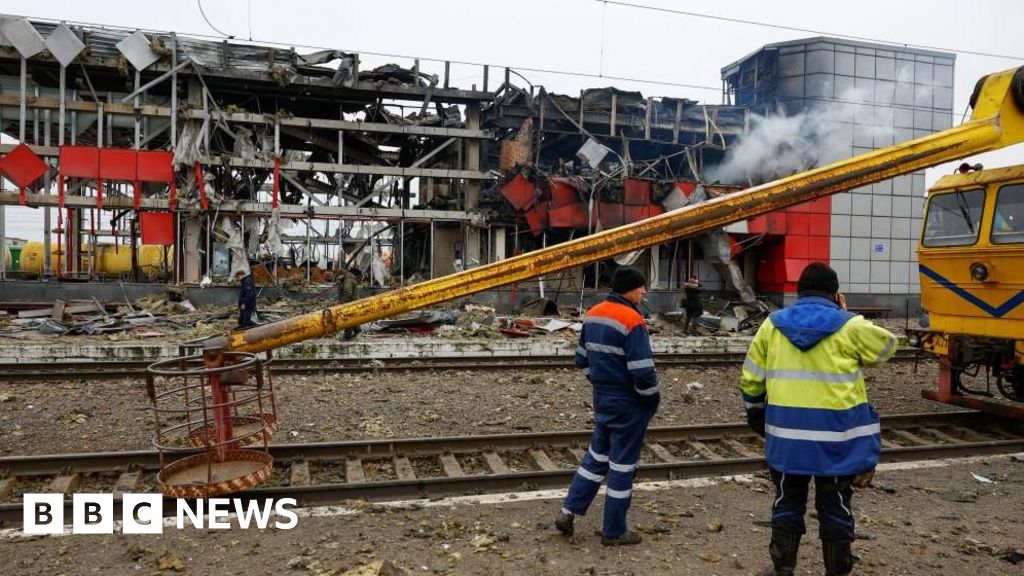
Meanwhile, on the battlefield, Russia has launched a brutal barrage of 653 drones and 51 missiles against Ukraine, striking critical infrastructure such as railway hubs and energy facilities. This attack underscores Russia’s determination to wear down Ukraine’s resilience, even as diplomatic talks continue. Ukrainian authorities report widespread damage, with recent strikes causing blackouts across eight regions and damaging vital energy infrastructure. Ukrainian Foreign Minister Andrii Sybiha condemns this as a blatant disregard for peace efforts, emphasizing that Russia’s strategy seems designed to prolong suffering and deepen divides. The escalation risks drawing international allies into an even more complex confrontation, forcing nations into difficult decisions about support and intervention.

The diplomatic negotiations, which also involved high-profile figures like Trump’s son-in-law Jared Kushner, reveal a layered approach to conflict resolution. American and Ukrainian representatives have agreed on security frameworks and deterrence capabilities, yet key issues—particularly security guarantees and territorial concessions—remain unresolved. Russia’s control over roughly one-fifth of Ukraine, including strategic regions like Donbas, continues to fuel disputes and harden positions. Vladimir Putin demands Ukrainian troops withdraw from these territories, threatening to liberate them by force if necessary. This stance exemplifies the deepening divide, as Russia’s military advances and claims of territorial gains threaten to rewrite the map of Ukraine. Meanwhile, Kyiv and its European partners push for NATO membership or comprehensive security arrangements as the most credible deterrence; yet Russia vehemently opposes NATO’s eastward expansion, framing it as a threat to its security.

Historians and analysts warn that these developments could be a turning point in the modern balance of power. International organizations like the United Nations urge restraint, but their influence diminishes as the conflict persists. As Putin claims recent military successes, and Ukraine seeks vital security guarantees, the global community faces a moral and strategic dilemma. Does the West risk confrontation, or do they must accept a fractured peace that might set a dangerous precedent? The dramatic escalation and persistent deadlock hint at a future where the struggle for influence and sovereignty defines the 21st-century chessboard. The world watches as history’s narrative continues to unfold—fragile, complex, and perilously close to tipping into an even darker chapter.

Tensions flare as Pakistan and Afghanistan clash again

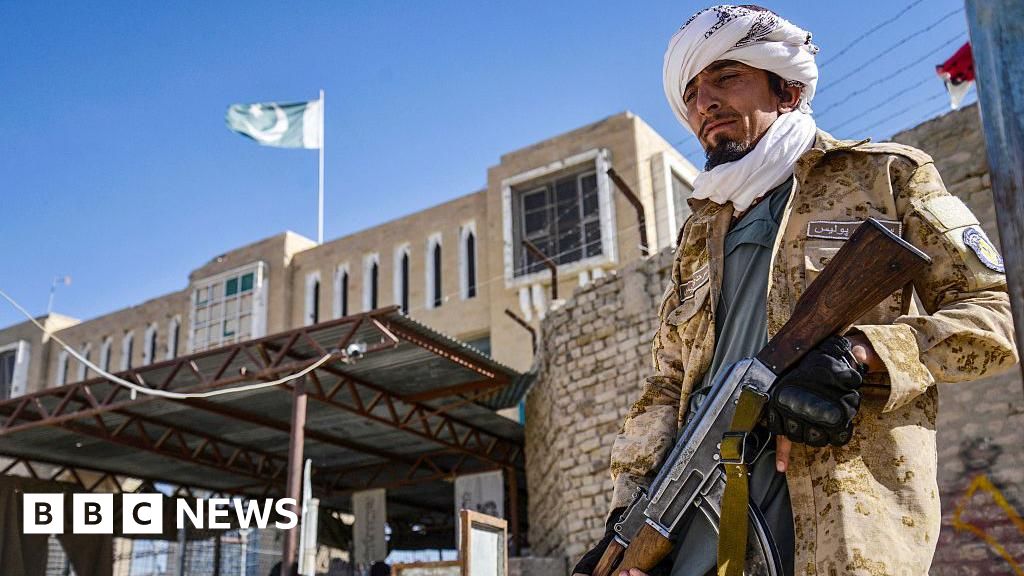
Recent border clashes between Pakistan and Afghanistan’s Taliban regime have once again underscored the fragile nature of peace in this volatile region. Despite international efforts to broker calm, hostilities erupted overnight along the nearly 1,600-mile frontier, resulting in casualties and mass civilian displacement. Both sides accused each other of initiating the confrontation, with sporadic fighting and accusations of air strikes igniting fears that longstanding tensions are reaching a boiling point. This flare-up highlights the complex interplay of security concerns, geopolitical interests, and deeply rooted mistrust that has persisted since the Taliban’s return to power in 2021.

The immediate aftermath saw residents fleeing in terror, with reports of mortar fire damaging civilian homes — a tragic reminder that regional conflicts often spill into innocent communities. Surgeons and aid workers describe a grim scene of the wounded arriving at hospitals, with at least four dead on the Afghan side and additional casualties reported across both nations. Analysts warn that these clashes threaten to undo recent diplomatic progress, casting doubt on prospects for a sustainable peace settlement sustained by mediators from Qatar, Turkey, and regional actors. Despite a ceasefire agreement inked less than two months prior, tensions flared anew, revealing how fleeting and fragile this diplomatic window has proven to be.

  • The Pakistan government accuses the Taliban of sheltering armed groups responsible for numerous attacks in Pakistan, cultivating a cycle of violence and suspicion.
  • The Taliban deny these accusations, asserting that Pakistan’s security failures and provocations are unprovoked and unjustified.
  • Both sides have engaged in repeated negotiations, including recent talks in Saudi Arabia, but a conclusive agreement remains elusive amid mutual accusations and geopolitical rivalries.

The geopolitical impact of these border conflicts extends well beyond Kabul and Islamabad. With international powers carefully watching shifts in influence, the ongoing violence complicates regional stability, especially considering the strategic interests of China, India, and the United States. Historians and global organizations warn of a potential escalation if unresolved grievances deepen, emphasizing the importance of balanced diplomacy and the dangers of allowing insurgency and militancy to flourish unchecked. As the world witnesses this tense chessboard, the future of centuries-old border lines—and the societies they divide—hangs in a delicate balance, their fates intertwined with decisions made in distant capital cities and hidden corridors of power.

Social Media Auto Publish Powered By : XYZScripts.com