Matox News

Truth Over Trends, always!

Germany pushes for voluntary military service for 18-year-olds, shaping a stronger future youth force

Germany Revamps Its Military Policy in Response to Rising Geopolitical Tensions

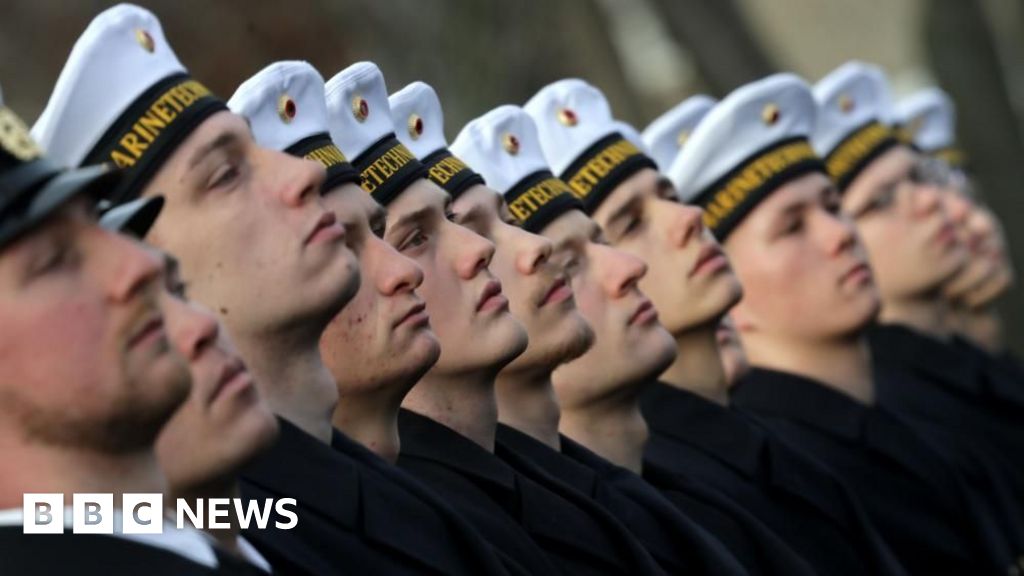
The recent decision by Germany’s Bundestag to introduce voluntary military service marks a pivotal moment in European defense policy. In a close vote of 323 to 272, the German parliament approved the measure, signaling a strategic shift amidst swirling uncertainties stemming from Russia’s full-scale invasion of Ukraine. Chancellor Friedrich Merz has made rebuilding the Bundeswehr into Europe’s strongest conventional army a central goal, aligning himself with a broader NATO push to bolster collective defense capabilities. This decision comes at a time when European nations grapple with existential threats that threaten to reshape the continent’s security landscape.

Historian and defense analysts underscore that this move signifies more than just military expansion; it signals Germany’s acknowledgment of a changed geopolitical reality. Historically, Germany has maintained a pacifist stance since ending compulsory service in 2011, but the current threat environment has compelled a reevaluation. The new policy envisions raising the standing army by 20,000 personnel over the next year and increasing the reserve forces to about 200,000—aiming to meet NATO’s evolving force standards. The decision to implement voluntary service is reportedly designed to maximize recruitment incentives, offering approximately €2,600 per month to volunteers—an attractive proposition in contrast to neighboring France, where volunteers will receive at least €800 monthly.

How Decisions Shape Nations and Societies

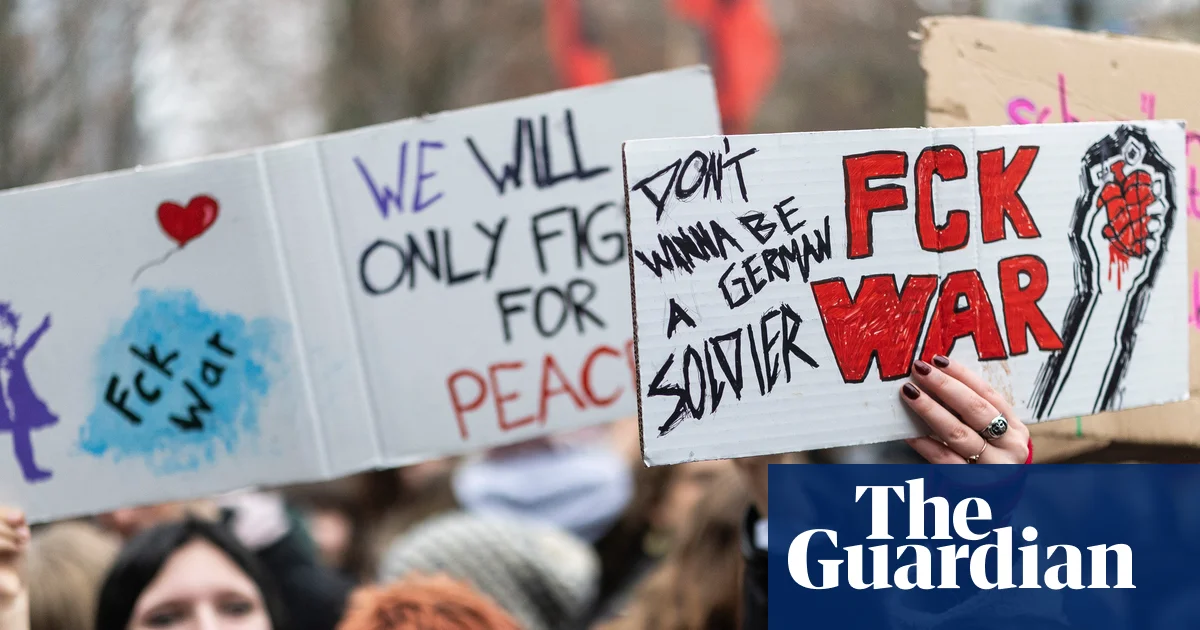
The widespread protests from German youth reflect a significant societal divide about the nation’s renewed militarization. Many young Germans oppose the move, citing personal and moral reservations about military service. As student protests erupt across 90 cities like Hamburg, critics argue that the shift toward militarization risks igniting a generational rift—raising concerns about the long-term societal impact of increased recruitment and training. The protest organizers warn that war offers “no prospects for the future” and could threaten the livelihoods of young Germans already wary of a return to a militarized society, illustrating how **domestic opinion** can influence, and sometimes hinder, strategic national policies.

By aligning with NATO strategies and increasing its defense spending, Germany demonstrates an intent to shift from a peaceful, post-Cold War stance to a more assertive military posture. The move also signals a broader European response, with France recently announcing voluntary military training for 18- and 19-year-olds, emphasizing a continent-wide recognition of the escalating threats from Russia and other geopolitical adversaries. International organizations, such as the European Union and NATO, now watch closely as the policies taken by Berlin unfold, with many analysts warning that these steps could trigger a renewed arms race and further destabilize an already fragile geopolitical order.

The Long Shadow of History and an Uncertain Future

As Germany prepares to reintroduce a form of conscription—initially voluntary, but with the potential for future mandatory service—history looms large. The Cold War army of nearly half a million starkly contrasts with today’s force of 182,000, illustrating decades of demilitarization and peace-oriented policy shifts. Yet, the current trajectory reflects a ©reversal of practice, motivated by concerns that in a crisis, time would be wasted determining who is operationally capable of defending the homeland. It is a stark reminder of how international conflicts can swiftly recalibrate national priorities, transforming internal debates into urgent questions of sovereignty and security.

As the world watches, the weight of history presses heavily on Germany’s shoulders. The nation’s future, now entangled with questions of military readiness, societal values, and international stability, hangs in a delicate balance. Each decision echoes through the corridors of power, shaping the course of Europe’s security architecture. The current moves may be seen as definitive steps towards renewed strength, but they also carry the unpredictable risks of reigniting old conflicts on a continent scarred by war—reminding the global community that in the theater of geopolitics, history’s unfinished story remains perilously open-ended.
Germany approves military service plan after student protests

In a striking demonstration of Germany’s tumultuous geopolitical landscape, the Bundestag recently rubberstamped a contentious new military service model amid fervent protests by youth across the nation. The legislation, which mandates screening all 18-year-old men for military suitability starting January 1, signals a clear shift towards rearmament—an echo of Germany’s Cold War past when conscription was a fundamental aspect of national defense. This move, championed by Defense Minister Boris Pistorius, aims to rebuild the German armed forces to reach a desirable strength of 460,000 personnel—comprising 260,000 active soldiers and 200,000 reservists—replacing the current modest force of approximately 182,000 active soldiers. Yet, this effort faces fierce opposition from a vociferous youth movement and critics warning of the societal and moral costs involved.

Public demonstrations erupted across Germany with students and young activists striking from classes, voicing their opposition to what they see as a dangerous regression towards militaristic nationalism. Alicia, a 17-year-old protester in Berlin’s Kreuzberg district, articulated a sentiment shared by many: “I’m striking against conscription and in opposition to the rearmament that’s taking place, not least because I don’t think the government is doing enough to secure peace through diplomatic means.” These protests mirror a broader undercurrent of skepticism about the government’s shift towards militarism at a time when many see diplomacy and international cooperation as the true pathways to lasting peace. International observers, including analysts from the European Council on Foreign Relations, warn that rearmament risks inflaming regional conflicts and eroding the post-World War II consensus that aimed to *keep Germany as a peaceful, democratic state.*

The decision’s geopolitical impact extends well beyond border disputes or military strength; it’s reshaping Germany’s role within Europe and the wider Atlantic alliance. Critics, such as the left-wing Die Linke, argue that this move undermines Germany’s commitment to peace and risks rekindling a militarized nationalism reminiscent of its dark past. Meanwhile, conservative voices emphasize the need for a prepared and patriotic military force, asserting that the new laws will inspire a sense of national duty among young Germans. Notably, Friedrich Merz of the CDU highlighted the importance of soldiers fighting for their country rather than monetary gain, advocating a “patriotism-driven” military ethos. This debate echoes historically charged tensions about national identity and the morality of military service, with critics pointing out the problematic echoes of Germany’s Nazi-era atrocities—a point often raised by historians warning against the resurgence of militaristic chauvinism.

Simultaneously, the German government is advancing legislation on an array of socio-economic issues, including a controversial pension law aimed at stabilizing an aging society. The legislation was fiercely debated, with young lawmakers raising concerns over demographic shifts and the burden of support placed on future workers. The law’s passage, which maintains state pensions at 48% of wages until 2031 and introduces tax incentives for extended workforce participation, reflects a broader attempt to balance economic sustainability with social security. Yet, opposition from within the coalition underscores fears that such policies merely shift burdens onto the youth, compounding the societal stresses of demographic decline. As the nation’s political landscape shudders under these dual shifts—toward rearmament and social austerity—the true test lies in how Germany’s leadership navigates this turbulent epoch. Will this be a chapter of renewed strength or the ignition of a perilous cycle of militarism and social discord? History continues to unfold, its pages heavy with implications for Europe and the world.

Ukraine War Updates: Macron denies warning Kyiv of US betrayal—what’s really going on?

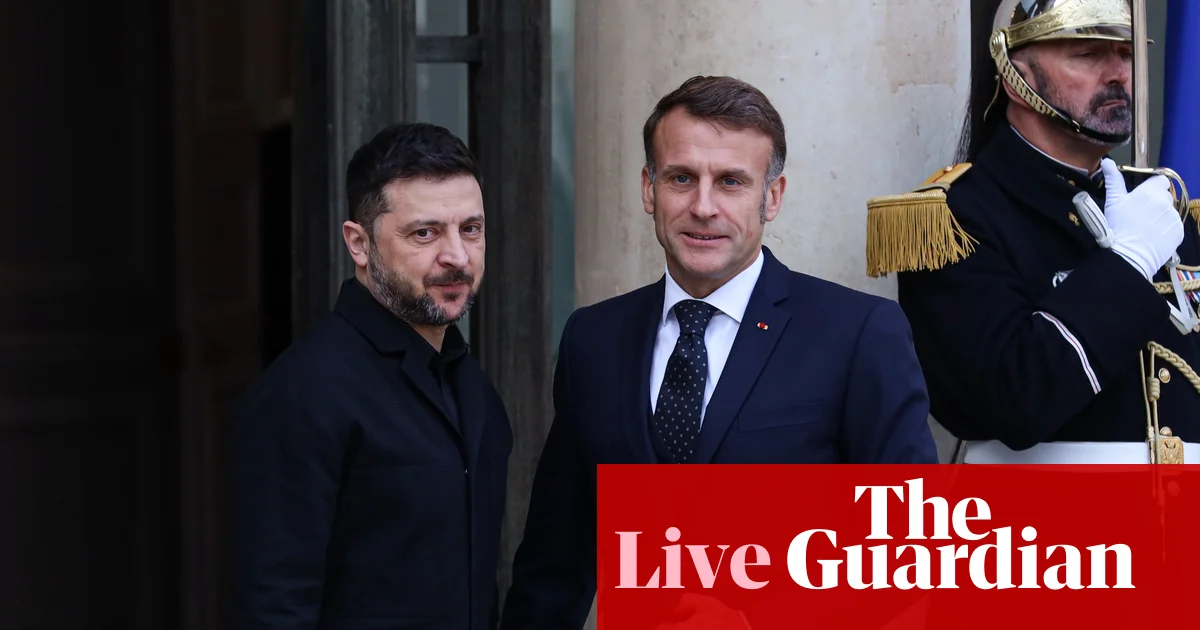
In a world vigilantly watching the shifting tapestry of international power, recent developments reveal a landscape fraught with tension and strategic recalibration. France’s President Emmanuel Macron has publicly dismissed reports suggesting he warned of possible US betrayal in the ongoing support for Ukraine. During a diplomatic visit to China, Macron emphasized that unity between Europe and the United States is crucial for sustaining Ukraine’s defense efforts. Yet, behind closed doors, reports from German Spiegel have surfaced, citing confidential conversations where European leaders voiced skepticism of US-mediated peace negotiations with Russia. Such discrepancies signal a brewing rift within Western alliances—an echo of doubts that could fracture the unified front in Europe’s most pivotal geopolitical challenge in decades.

Meanwhile, Germany’s parliament has approved a controversial new military service law to bolster its armed forces amid increasing Russian aggression. The legislation sets ambitious targets, aiming to expand military personnel to 260,000 active soldiers by 2035—an unmistakable message that Western capitals are preparing for a protracted confrontation. On the eastern front, Russia has assertively captured the village of Bezimiane in Donetsk, declaring control over 85% of the region. President Vladimir Putin has dismissed any prospects of compromise, insisting that Ukrainian troops either surrender or face violent annexation. Such stark declarations underscore Putin’s resolve to reclaim disputed territories by force, turning the conflict into a brutal struggle for what remains of Ukraine’s eastern lands, which Moscow considers vital.

The geopolitical ripple effects are profoundly felt beyond Ukraine’s borders. India and Russia have strengthened their alliance, with Putin reaffirming continued energy exports and expanding trade beyond oil and defense—a clear signal to the West amid increasing sanctions and diplomatic marginalization. Conversely, Western efforts are focused on a fragile attempt to aid Ukraine financially, exemplified by Sweden‘s decision to prioritize direct support, pledging over $1 billion in aid to Ukraine while cutting development aid to other nations. These shifts reveal a multipolar world where alliances are tested, and strategic interests clash over whether to support Kiev or pursue accelerated regional alliances that could shift the balance of global power.

Above all, the cascading consequences of these decisions reveal a pivotal climax in the unfolding drama of geopolitics. As Vladimir Putin presses his territorial ambitions, and European nations grapple with internal political debates and external threats, history bears witness to a period of profound instability. The diplomatic stratagems, military mobilizations, and shifting alliances are not merely fleeting news but chapters in an ongoing saga—each move sowing seeds that will determine the course of history. The world stands at the crossroads, where the choices of today will echo into the future, leaving us all to ponder the legacy of this turbulent era: a moment when the balance between peace and conflict teeters on a razor’s edge, and the weight of history continues to unfold.

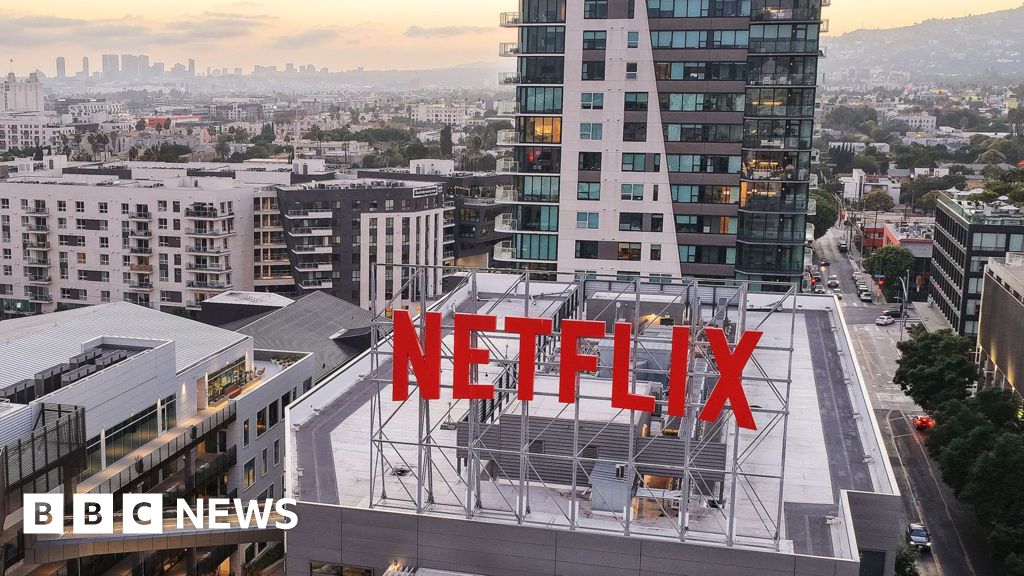
Netflix Nears Deal with Warner Bros., Big Win for Streaming Giants

Netflix Eyes Major Acquisition in the Battle for Global Entertainment Dominance

In a move that could reshape the geopolitical landscape of international media, Netflix is reportedly nearing a deal to acquire the film and streaming assets of Warner Bros Discovery. This potential acquisition, which includes iconic franchises such as Harry Potter and Game of Thrones, as well as the streaming service HBO Max, signals a strategic shift in the global entertainment market. As competition intensifies among streaming giants, analysts warn that this industry consolidation may have profound consequences for media sovereignty and cultural influence worldwide. The deal’s outcome will undoubtedly influence how entertainment is produced, consumed, and regulated on a scale that extends beyond individual markets, affecting societies and national policies alike.

The dynamics of this proposed acquisition have sparked a fierce debate among industry stakeholders and international regulators. Paramount’s legal representatives have publicly questioned the fairness of Warner Bros’ sale process, hinting at potential bias that favors certain bidders. A letter reviewed by CNBC accused Warner Bros of conducting a “myopic process with a predetermined outcome,” raising concerns that the sale might be manipulated for the benefit of a single corporate player. Such allegations reflect broader fears about monopolistic behaviors—fears that are resonant far beyond Hollywood, echoing anxieties about media concentration’s impact on diversity of content and global information flow. The United States Federal Trade Commission and other international authorities are likely to scrutinize this deal closely, weighing the potential for a media monopoly to stifle competition and limit consumer choice on a global scale.

How Industry Power Plays Redefine Global Cultural Politics

Industry experts like Emma Wall, chief investment strategist at Hargreaves Lansdown, argue that the bidding war is about more than just profit margins—it’s about wielding cultural influence. She noted that Paramount’s bid included parts of Warner Bros with ongoing profitability challenges, whereas Netflix’s proposal focused solely on its strongest assets. “You’re sort of tainting your offer if you go into a spat,” she remarked, implying that strategic acquisitions are being driven by complex, behind-the-scenes negotiations that involve international regulators and geopolitical considerations.

The potential creation of a *“global media mega-power”* has alarmed critics who warn of regulatory challenges. According to CNBC, legal representatives from Paramount suggest that Warner Bros’ sale process may be skewed in favor of a single bidder, leading to broader implications for international media regulation. If such a conglomerate emerges, it could result in an entrenchment of cultural hegemony, with a handful of corporations controlling the narrative and access to entertainment across continents. Historians and analysts warn that such concentration mirrors other periods of monopolistic dominance, where unchecked corporate power can distort political and social development.

Implications for Hollywood and the Global Audience

The ramifications extend beyond the realm of media business models; they threaten the very fabric of cinema and cultural expression. As Tom Harrington of Enders Analysis warns, should Netflix’s acquisition succeed, the Hollywood industry would face a *“reorientation,”* with the creative jewelHBO—becoming deeply intertwined with a platform historically at odds with traditional cinema. This potential fracture in the relationship between streaming services and traditional filmmaking could accelerate the decline of cinema as a cultural pillar, reshaping artistic narratives and societal storytelling paradigms.

Operational and regulatory challenges loom large, with international watchdogs poised to examine whether such a merger would violate principles of fair competition. As global audiences become increasingly polarized in media preferences, the consolidation of power in the hands of few conglomerates could lead to a homogenization of culture, eroding the diversity that once fueled creative innovation. Historians argue that this moment might be remembered as a defining juncture in the transformation of global media, where the clash between corporate ambition and cultural integrity reached its zenith. The stakes are high, and the course of history continues to be written with every negotiation, every deal, and every decision made behind closed doors—reminding us that in this new era, entertainment is no longer just a product but a weapon in the relentless pursuit of geopolitical dominance.

Flights back on at Edinburgh Airport after air traffic control glitch—what you need to know

Global Infrastructure Struggles: Edinburgh Airport’s Technical Crises and Broader Implications

In a startling turn of events, Edinburgh Airport, Scotland’s busiest aviation hub, temporarily suspended all flights due to an unforeseen technical issue with its air traffic control provider. The crisis unfolded Friday morning, with airport authorities swiftly grounding flights to prevent potential air safety hazards. According to official statements posted on social media, teams are working diligently to resolve the problem, yet the disruption underscored the fragility of critical infrastructure that nations and societies rely upon daily. With Edinburgh serving over 15.8 million passengers in 2024, the ramifications of such a disruption ripple beyond mere inconvenience, threatening national connectivity and economic stability.

Historical analysts and infrastructure experts have long emphasized the interconnectedness of modern transportation systems, warning that even minor technical failures can cascade into major crises. The incident at Edinburgh acts as a stark reminder that the backbone of international mobility—the air traffic control systems—remains vulnerable to technological glitches, cyber threats, and systemic failures. This disruption not only stranded countless travelers but also exposed the vulnerabilities inherent in centralized aviation management. As international organizations such as the International Civil Aviation Organization (ICAO) evaluate their contingency plans, the event sparks renewed debate over securing infrastructure critical to global commerce and national security.

The geopolitical impact of such incidents extends far beyond the shores of Scotland. In an age where governments are increasingly scrutinized for maintaining resilient networks, the Edinburgh case prompts a broader reflection: how decisions regarding infrastructure investments and technological reliance influence national sovereignty and societal resilience. For many nations in Europe and across the Atlantic, the stability of air travel is intertwined with their economic health and diplomatic leverage. Economic leaders and security analysts warn that continued dependence on interconnected, technologically complex systems might be a double-edged sword—vulnerable to cyberattacks, technical faults, and even deliberate sabotage. The incident, albeit localized, exemplifies the pressing need for international cooperation, robust safeguards, and contingency frameworks to mitigate future crises before they spiral into wider destabilization.

Contrasting this incident with recent global events, the perspectives of historians and geopolitical strategists suggest a pattern: technology’s double-edged role in 21st-century geopolitics. As nations contemplate their infrastructure priorities, the Edinburgh episode serves as a warning—highlighting that the stability and security of societies hinge on the resilience of their foundational systems. The unfolding narrative of global connectivity is fraught with risks, and the decisions made today will determine the course of international stability. As the world observes, the weight of history presses down, reminding us that even in times of technological sophistication, the fragile fabric of human progress can unravel in an instant, leaving societies to navigate the aftermath and rebuild amidst uncertainty.

Travel chaos deepens in India as hundreds of flights are grounded—disrupting millions' plans
Travel chaos deepens in India as hundreds of flights are grounded—disrupting millions’ plans

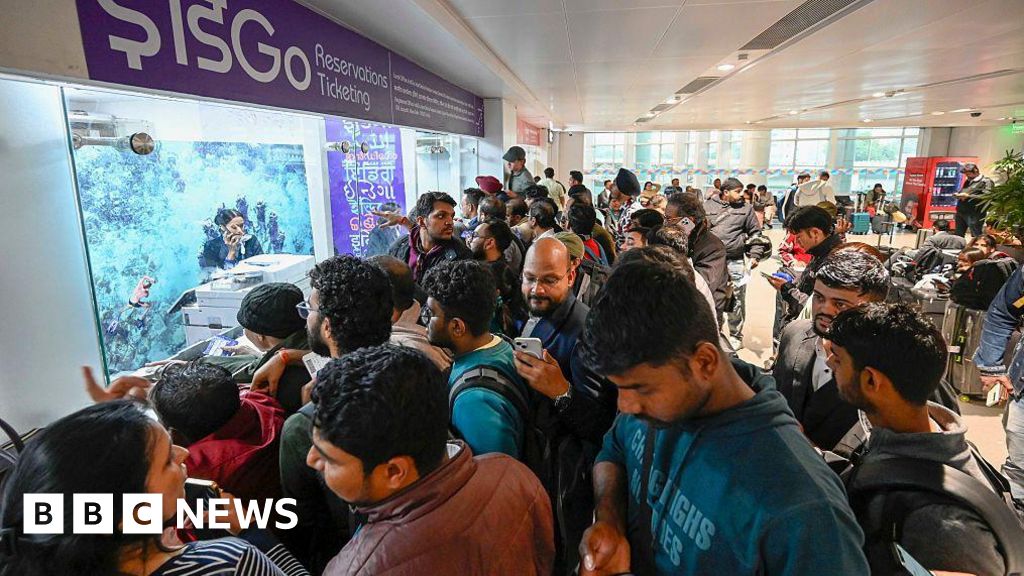
The recent turmoil within India’s aviation sector underscores the profound internal challenges facing one of the world’s fastest-growing economies. The shutdown of IndiGo, the nation’s largest airline, has triggered widespread travel disruptions at a critical time—India’s peak travel season—highlighting systemic vulnerabilities rooted in recent regulatory reforms. As thousands of passengers remain stranded amid a backdrop of domestic chaos, India finds itself at a crossroads where domestic policy decisions could ripple across geopolitical lines.

Over the past week, IndiGo canceled hundreds of flights, leaving major airports in Delhi and Mumbai overwhelmed with unprepared travelers. The airline’s leadership indicated that complete operational recovery might not occur until 10 February, citing increased rest rules and night-duty restrictions as key factors. The new regulations, intended to improve pilot safety, have instead exposed critical planning gaps, which the Indian aviation regulator bluntly attributed to “misjudgment and planning gaps.” The regulator, alongside the government, has demanded detailed restructuring plans from IndiGo, emphasizing the urgency of aligning safety with operational efficiency—an effort to appease both safety advocates and economic stakeholders.

This crisis comes amid acute domestic unrest over the impact of recent policy shifts, which have faced sharp criticism from pilot associations, safety experts, and even international observers. The Airline Pilots Association of India warns that any easing of duty regulations risks “gravely” compromising safety, emphasizing that the balance between flexible regulation and public security remains precarious. At the same time, the government’s visible displeasure reveals an attempt to assert control amidst *public outrage* and operational breakdowns. These developments, analysts argue, threaten to undermine India’s global reputation as a reliable air travel hub, with potential consequences for foreign investment, tourism, and diplomatic relations.

On the geopolitical front, India’s internal strife in its aviation sector signals a broader narrative. As India asserts itself on the world stage through ambitious economic initiatives, such as the Make in India campaign and regional infrastructure projects, domestic instability may serve as a cautionary tale. Historically, rapid economic growth combined with regulatory missteps can serve as vulnerabilities exploited by rivals or destabilized by external shocks—be it regional conflicts or global economic downturns. The international community, including institutions like the International Civil Aviation Organization, closely monitors such crises, understanding that internal challenges in a rising power can influence geopolitical stability.

As passengers voice their frustration—the Singaporean High Commissioner even lamenting lost personal milestones—the incident leaves a stark reminder: the decisions made today in policymaking and crisis management will reverberate across the region and beyond for decades to come. The unfolding story in India is more than an aviation crisis; it is a reflection of a nation striving to balance rapid growth with the complexities of governance, safety, and international reputation. The weight of history presses down as the world watches, knowing full well that in these turbulent times, a single misstep can threaten to rewrite the trajectory of a nation’s rise—leaving future generations to grapple with the consequences of decisions shrouded in the fog of uncertainty.

Faroe Islands lifts tough abortion restrictions, giving young people more choice

The Faroe Islands, a remote archipelago nestled between Scotland and Norway, has taken a historic step that signals a broader shift towards the protection of women’s rights and bodily autonomy in a region characterized by its conservative cultural values. On Thursday, the parliament narrowly approved legislation to legalize abortion until the 12th week of pregnancy, overturning decades-old restrictions rooted in laws dating back to 1956. This decision marks a significant departure from previous legislation, which permitted abortion only under restricted circumstances—such as cases of rape, incest, or severe fetal health issues—and involved rigorous medical assessments that could lead to criminal penalties for both women and doctors.

The legislative debate was fierce and closely contested, with just a one-vote margin—17 to 16—in favor. This razor-thin victory highlights the intense societal divide over reproductive rights on the islands, known for their distinct cultural identity and strong Lutheran traditions. As Ingilín Didriksen Strømm, one of the bill’s sponsors, proclaimed, “This is truly an historic day in the Faroe Islands,” emphasizing the move as a victory in the ongoing struggle for gender equality and human rights. Campaigners for reproductive freedom, such as Bjørt Lind of the advocacy group Fritt Val, have long argued that the previous legislation was outdated and infringed upon women’s right to make autonomous health decisions. According to international organizations like Amnesty International, this legal reform signifies a “huge step” toward securing safe, legal, and accessible abortion services—an essential component of bodily integrity that women across Europe have fought hard to defend.

Historically, the islands’ restrictive policies meant that women seeking abortions often had to travel abroad—most frequently to Denmark, where the law permits abortion on request up to 18 weeks. Since the 1973 law in Denmark, liberalized further in June this year, European nations have gradually broadened reproductive rights; however, only a handful—such as Andorra, Malta, Liechtenstein, Poland, and Monaco—preserve highly restrictive laws. The Faroese government’s move to align with neighboring Denmark’s more liberal stance underscores a broader trend: as societal attitudes evolve, so too do legal frameworks, often driven by international pressure and internal advocacy. Yet, opponents of the legislation, invoking the rights of the fetus, remain vocal. MP Erhard Joensen expressed skepticism, fearing that the pro-choice legislation might be rolled back in the future—a concern that echoes across many regions where tradition and religion continue to influence policy.

The decision in the Faroese parliament has profound geopolitical impact. As a self-governing territory within the Kingdom of Denmark, the islands serve as a microcosm of the broader cultural and political tensions that characterize Europe’s ongoing debate over moral values, sovereignty, and human rights. European analysts and historians warn that this shift signals a potential redefinition of societal norms in historically conservative territories. With international organizations increasingly advocating for women’s reproductive rights as fundamental human rights, the Faroese move could inspire similar legislative efforts elsewhere—yet it also risks backlash from conservative factions. Such internal conflicts highlight the delicate balance that nations and territories must strike between respecting cultural identities and adhering to a universal notion of human rights.

As this chapter in Faroese history concludes, the words of defenders of the new law ring with a renewed call for progress: “This change affirms the fundamental rights of women and all pregnant individuals,” yet the real weight of this victory rests in how it challenges the entrenched norms of a society rooted in tradition. The thin margin of approval leaves uncertain whether future political shifts may threaten this hard-won victory. Meanwhile, the echoes of this decision ripple across Europe’s moral landscape, where debates over life, autonomy, and sovereignty continue to shape the destiny of nations. The unfolding story of the Faroe Islands—a land caught between tradition and reform—reminds the world that history is never static, and the fight for justice often begins with the smallest of votes, shimmering as a testament to what can and should be changed.

Somali-Americans Slam Trump's ‘Garbage’ Comments—Stand Strong and Proud
Somali-Americans Slam Trump’s ‘Garbage’ Comments—Stand Strong and Proud

Geopolitical Shifts Unfold as U.S. Policy Sparks Global Tensions

In an era marked by intense geopolitical realignments, the United States under President Donald Trump has once again sent shockwaves through immigrant communities and international relations alike. Trump’s biting rhetoric targeting the Somali-American community in Minnesota has ignited fears that ripple beyond the local level, illustrating how domestic rhetoric can influence America’s standing on the world stage. His recent comments at the White House, where he declared, “I don’t want them in our country, I’ll be honest with you… their country is no good for a reason,” have been condemned locally and internationally, with community leaders describing his words as dangerous and stigmatizing. Such language not only jeopardizes the safety and integration of immigrant communities but also undermines the moral authority of the U.S. as a leader advocating for human rights and inclusion.

Furthermore, the escalating rhetoric has intensified fears among Somali-Americans, particularly in Minnesota, where the community constitutes a significant demographic. Aj Awer, a community leader, criticized the comments as “not becoming of a president” and warned of the potential for increased radicalization or violence. Analysts from institutions like the International Crisis Group warn that such rhetoric may embolden extremist groups and foster division among societies, ultimately weakening the social fabric of a nation built on diversity. Meanwhile, reports of aggressive immigration enforcement tactics, including federal operations targeting undocumented residents, have added to the climate of anxiety. Observers argue this stance risks alienating immigrant communities and fueling social fragmentation, thereby complicating America’s efforts to project stability and leadership in a turbulent world.

The internal domestic fallout mirrors a troubling trend of recurring accusations of fraud and corruption that the Trump administration has leveraged to justify these hardline policies. In Minnesota, allegations of charity fraud involving Somali immigrants and claims of broad-based “money laundering” have been politicized, leading to an investigation by congressional oversight. Such actions mirror a broader pattern where national security concerns are intertwined with political narratives, complicating efforts to differentiate between real threats and inadvertent stigmatization. Historians like Dr. Kevin B. MacDonald suggest that such policies, if unchecked, could accelerate societal polarization and heighten tensions within immigrant enclaves. Meanwhile, the ending of Temporary Protected Status (TPS) for Somali residents signals a shift toward stricter immigration enforcement, raising questions about the long-term geopolitical impact of these inward-looking policies.

As the world watches, this unfolding chapter underscores the fragility of global stability. The aggressive stance taken by the U.S. not only alienates minority communities but also signals a retreat from its traditional leadership role. International organizations like the United Nations have expressed concern, warning that such divisive policies could destabilize regions already grappling with crisis. The deepening shadows cast by rhetoric, enforcement tactics, and political manipulation threaten to transform domestic discord into an international crisis, rewriting the narrative of American exceptionalism. With history hanging in the balance, the true consequence of these choices remains yet to be written—an enduring testament to the power of words and policies in shaping the course of nations for generations to come.

Police Catch Suspect in DC Pipe Bomb Case, Wrap Up Long Search

The recent arrest of Brian Cole Jr, a 30-year-old man from Virginia, marks a pivotal breakthrough in the ongoing quest for justice surrounding the infamous 2021 Capitol riot. The FBI’s airtight investigation, stretching over two years, underscores both unwavering law enforcement resolve and the dangerous undercurrents of political violence seeping into the corridors of American power. Authorities confirmed that Cole was apprehended without incident early on Thursday, yet the case’s implications ripple beyond the borders of the United States, signaling a decisive moment in the global fight against domestic extremism.

While the details of Cole’s motives remain under seal, the evidence assembled paints a stark picture of premeditated sabotage. Court documents detail that he purchased components for constructing the pipe bombs—metal end caps, wires, timers, and steel wool—supplied from retail giants such as Home Depot, Lowes, and Walmart. Using sophisticated data analysis, investigators traced his movements and purchases, revealing that he was in the vicinity of both bombs during their placement on the night of 5 January 2021. Such meticulous law enforcement work highlights the importance of data-driven investigations, especially in a climate where threats of violence against democratic institutions remain high. As FBI officials emphasized, the effort to locate Cole was relentless, exemplified by the processing of three million lines of data, the analysis of cellphone movements, and surveillance footage that captured the suspect close to the scene.

Authorities and analysts argue that the case demonstrated the seriousness with which U.S. law enforcement treats threats to its constitutional order. FBI Director Kash Patel declared that “when you attack American citizens, when you attack our nation’s capital, you attack the very being of our way of life.” This framing echoes broader concerns about the rise of political violence within the context of internal divisions and misinformation. The incident also prompted discussions on how domestic radicals can pose a threat comparable to foreign adversaries, necessitating international cooperation and intelligence sharing. Moreover, the case’s resolution serves as a stark warning to those who believe they can evade justice by blending into the political fabric—a lesson reinforced by the FBI’s determination to “track you down to the end of the earth,” as Deputy Director Dan Bongino stated.

Historically, incidents like these have underscored the fragility of democratic institutions, especially in turbulent times marked by political polarization and social upheaval. Many analysts, including reputable historians and security experts, point to the need for vigilant safeguarding of constitutional norms. At the same time, this case reveals how global institutions must remain agile, adapting laws and tactical responses to the evolving nature of threats—domestic or foreign. The public, meanwhile, must grapple with the reality that the fight against extremism is ongoing, with no room for complacency. As the story unfolds, the weight of history continues to press down—reminding each generation that the resilience of a nation depends on relentless justice and the unyielding defense of its core values. The battle lines are drawn anew, and the outcome remains unwritten, left to the actions and resolve of those entrusted to safeguard the future amidst the chaos of an uncertain world.

Admiral confirms Pete Hegseth didn't issue 'kill them all' order, lawmakers report
Admiral confirms Pete Hegseth didn’t issue ‘kill them all’ order, lawmakers report

Global Tensions Rise as United States Engages in Controversial Maritime Campaigns

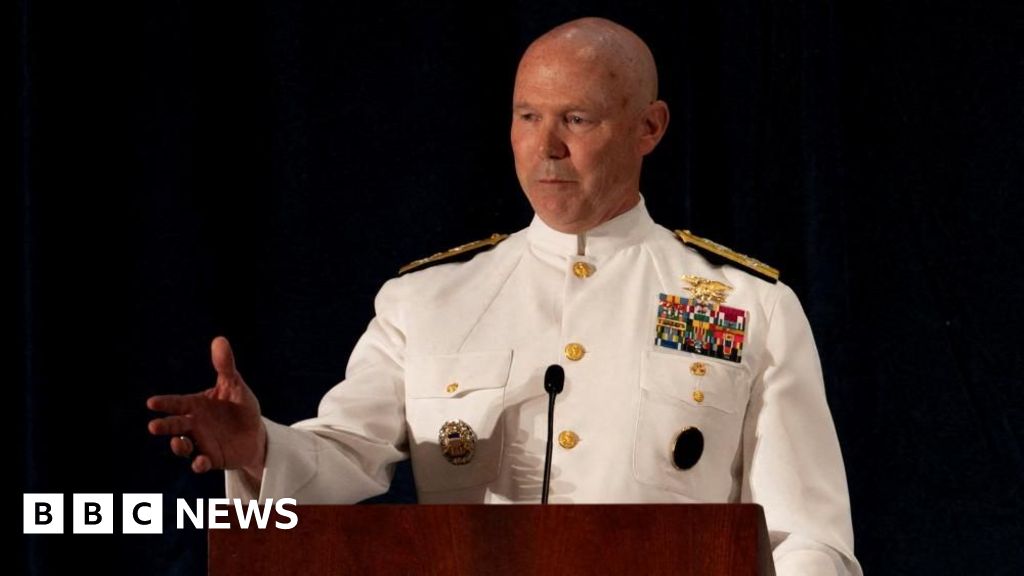
In recent weeks, Washington has found itself under mounting scrutiny after a series of military operations in the Caribbean and Eastern Pacific regions. Allegedly aimed at dismantling drug trafficking networks, these strikes have sparked intense debate both domestically and internationally. Admitted by US military officials, the recent incident involving a second attack on a suspected drug boat has stirred controversy over the legality and morality of the use of force. A closed-door briefing before members of the House and Senate revealed testimonies from Admiral Frank Bradley that raised questions about the chain of command and the rules governing the US military’s engagement in these high-stakes operations.

During the briefing, multiple lawmakers, regardless of party affiliation, expressed concern over the decision-making process. Democratic Representative Jim Himes emphasized the respect owed to Adm Bradley but admitted that what was witnessed was “troubling.” Meanwhile, Republican Senator Tom Cotton defended the actions, asserting that the strikes aligned with the expected conduct of military personnel in such operations. The critical point in this narrative lies in the revelation that a second strike was ordered after survivors of the first had attempted to salvage the vessel—a move that legal analysts suggest could violate international law and the Geneva Conventions, which prohibit targeting wounded combatants or civilians. This raises a fundamental turning point: the legitimacy of the US’s emerging blueprint for combating narcotics in international waters versus the principles of humanitarian law.

International Reactions and the Broader Geopolitical Consequences

Venezuela, along with other regional actors such as Colombia and various Latin American nations, has condemned these operations, accusing Washington of provoking regional instability with aims extending beyond drug interdiction. The Venezuelan government explicitly contends that the US is fueling tensions to justify greater intervention, an allegation that echoes concerns from analysts about a possible shift in U.S. foreign policy towards Latin America. Experts from the International Criminal Court have noted that if such strikes are considered unlawful — especially when targeting survivors and wounded individuals — they could be classified as crimes against humanity. Such a designation would drastically impact the US’s international standing, casting a shadow over its military assertions of legality.

Furthermore, these operations signal a broader strategic recalibration for the US, which is expanding its presence in the Caribbean under the guise of fighting drug trafficking but may be sowing the seeds for long-term regional discord. The controversy is further compounded by allegations that Hegseth, the Defense Secretary, potentially ordered the second attack, an assertion quickly dismissed by the White House, which insists Adm Bradley acted within his lawful authority. These conflicting narratives reveal a multifaceted battle over accountability, with international organizations and legal experts warning that such actions threaten to undermine established norms of warfare and human rights. The unfolding debate underscores how U.S. decisions in these maritime conflicts directly impact regional stability and the rule of law.

History, Law, and the Weight of the Unfolding Crisis

As the dead toll from these operations continues to climb—over 80 lives lost and ongoing reports of survivors—historians warn of the dangerous precedent being set. The presence of survivors and the case of Colombia’s Alejandro Carranza, whose family is pursuing legal action before the Inter-American Court of Human Rights, highlight the fragile boundary between military necessity and legal morality. Critics, including former prosecutors from the ICC, argue that these strikes may constitute unjustifiable violations of international law, transforming what was purported to be a law enforcement effort into a series of covert, unaccountable acts.

In this crucible of geopolitics, justice, and law, America’s foreign policy is at a crossroads. As President Trump and his administration grapple with defining the limits of military authority, global eyes remain fixed on how the US will navigate this complex terrain. The truth, buried beneath a maelstrom of conflicting claims and classified footage, remains elusive—yet the weight of history presses heavily upon the shoulders of those in power. With each decision, the lines between legality, morality, and effective strategy blur, leaving the world to ponder: are we witnessing the dawn of a new blueprint for global conflict, or the unraveling of international norms that have held sway for generations? The story is still being written, and the pages of history are turning fast, leaving societies to confront what lies ahead in the shadows of unresolved justice and sovereignty.

Social Media Auto Publish Powered By : XYZScripts.com