Matox News

Truth Over Trends, always!

Israel hits Lebanon in response to Hezbollah rockets amid Iran tensions

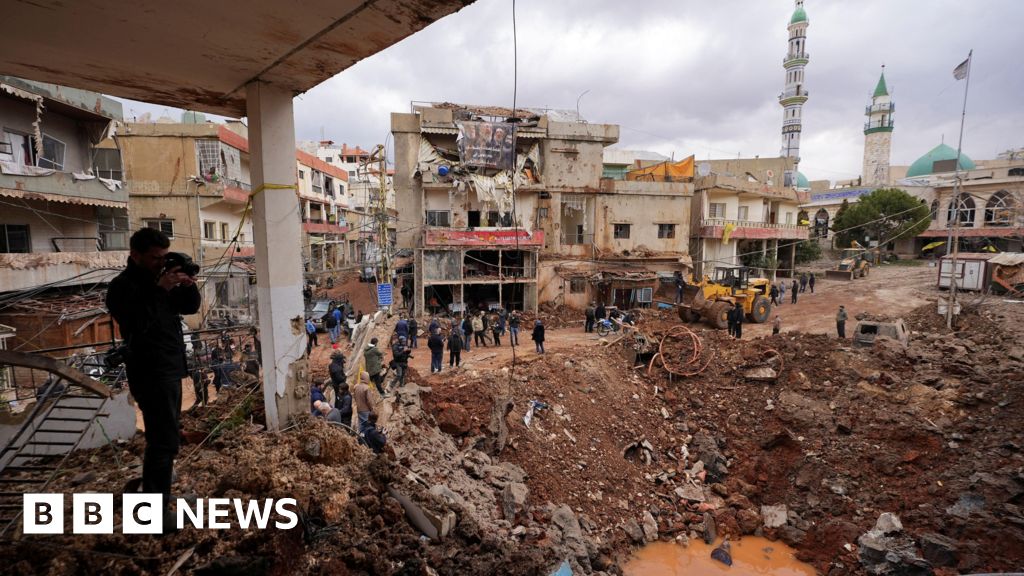
In a stark escalation of the ongoing border tensions between Israel and Lebanon, the Lebanese health ministry has confirmed that a tragic toll of 31 civilians was inflicted by recent Israeli airstrikes. The devastation wrought in Lebanese territory underscores a significant juncture in the region’s persistent conflicts, threatening to ignite broader regional instability. Meanwhile, no Israeli casualties have been reported, further complicating diplomatic narratives and fueling accusations from Lebanese authorities and regional allies.

This escalation arises amidst a backdrop of fragile ceasefires and heightened rhetoric, with Israel citing security concerns over militant activities from Hezbollah, the Iran-backed Lebanese political and military organization. Analysts from international security think tanks warn that such targeted strikes could set a dangerous precedent — one that risks spiraling into a broader confrontation that could draw in regional powers and destabilize Mediterranean geopolitics. The international community, including the United Nations and regional actors, has called for restraint, emphasizing the potential for these hostilities to unravel decades of fragile peace, with wide-reaching consequences.

Historical perspectives provided by scholars and geopolitical experts highlight the intricate web of alliances and enmities that often underpin such flare-ups. Many point to a pattern of border skirmishes that have become proxy battles in the ongoing fight for regional influence. The United States, Russia, and European Union nations continuously reassess their strategic interests amid the chaos, with diplomatic efforts aimed at de-escalation. However, some voices, including regional analysts and seasoned diplomats, warn that recent events could mark a turning point — a moment where temporary ceasefires give way to a more sustained cycle of violence, threatening stability in the Levant.

  • The Lebanese government condemns the strikes, asserting that they violate international law and violate Lebanon’s sovereignty.
  • Israeli officials maintain the strikes were precision operations targeting militant infrastructure.
  • The UN calls for an immediate ceasefire, emphasizing the protection of civilians amid mounting casualties.
  • Regional powers like Egypt and Jordan have expressed concern while urging diplomatic resolution.

As the world watches, the region stands on a knife’s edge, its history echoing with the ghosts of past conflicts and the shadows of future ones. With each airstrike, the geopolitical landscape shifts—altering alliances, fueling insurgency, and shaping societies. For Lebanon, a nation already scarred by civil war and economic collapse, the loss of life at the hands of external military actions rekindles imagery of a fractured past. For Israel, the campaign continues to be justified as essential for national security but risks escalating into an uncontainable regional war. The international community remains caught in the web of diplomatic uncertainty, watching anxiously as history relentlessly unfolds its next chapter, whispering the ominous possibility that this latest cycle of violence could either be contained or ignite the spark for a new era of chaos.

Shocking footage shows U.S. F-15 fighter jet crashing in Kuwait

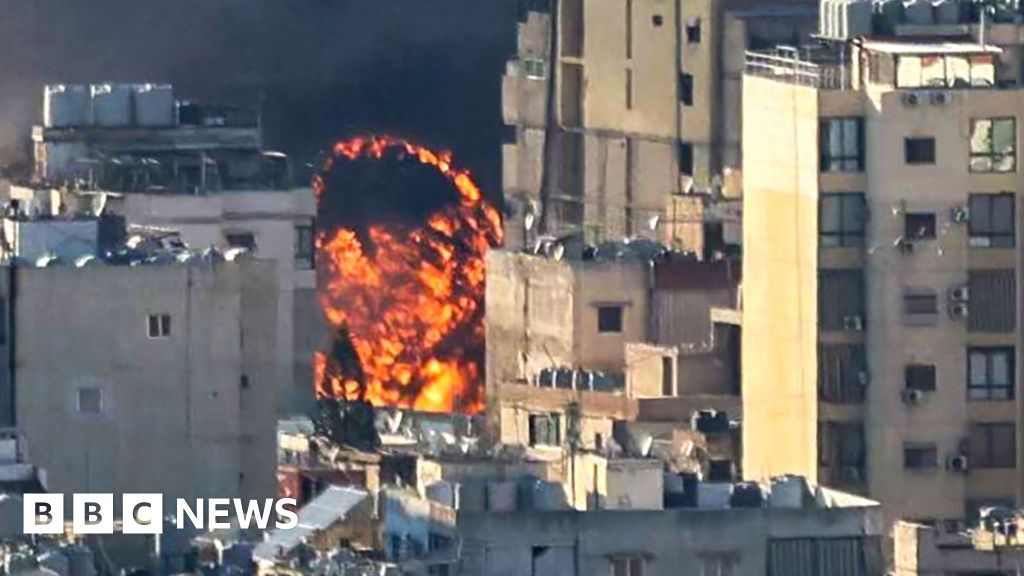
In a concerning development that underscores the volatility of current international military engagements, US Central Command reported a devastating incident near Kuwait City involving multiple F-15 fighter jets. Disturbing footage verified by the BBC appears to capture the moment one of these jets falls from the sky and crashes onto the ground near the Al Jahra area. This event is not just a tragic loss of aircraft; it signals deeper issues related to the fragile state of U.S. military operations in the Middle East, a region already fraught with geopolitical conflicts and rising tensions.

The incident involved a total of three US F-15 jets, which, according to US Central Command, went down as a result of “an apparent friendly fire incident”. Despite the tragic loss of equipment, all six crew members aboard these jets ejected safely and are reported to be in stable condition. While at first glance, this may seem like a standard accident, analysts suggest it points to broader issues within the military engagement framework, raising questions about coordination and operational oversight in an increasingly complex security landscape.

The implications extend well beyond the immediate crash site. Historians and international organizations have long warned that such incidents—be they accidental or deliberate—embody the risks of escalation in a region where regional powers, superpowers, and non-state actors engage in a delicate geopolitical dance. The incident signals not only a lapse in operational discipline but also underscores the potential for small missteps to ignite larger conflicts, especially in a setting where U.S. strategic interests remain a cornerstone of regional stability amidst mounting challenges from rival powers like China and Russia.

For many, this event is a sobering reminder of the costs of modern warfare and the unpredictable nature of proxy conflicts. The incident demonstrates how the geopolitical impact of even a single friendly fire event can ripple across international borders. As Middle Eastern nations and allies watch these developments, they are forced to confront the grim reality that peace remains elusive in a region where alliances shift and trust erodes. How nations respond—through diplomacy or further military escalation—will shape the course of history in this volatile theater.

Ultimately, the crash near Kuwait City serves as a stark symbol of a world where the line between stability and chaos is razor-thin. The fallout from this event, both literally and metaphorically, will influence regional security strategies for years to come. As historians and global analysts peer into this unfolding crisis, one thing remains clear: in the shadows of international diplomacy, history is still writing itself, and today’s tragedy may very well be the prologue to a much darker chapter yet to come.

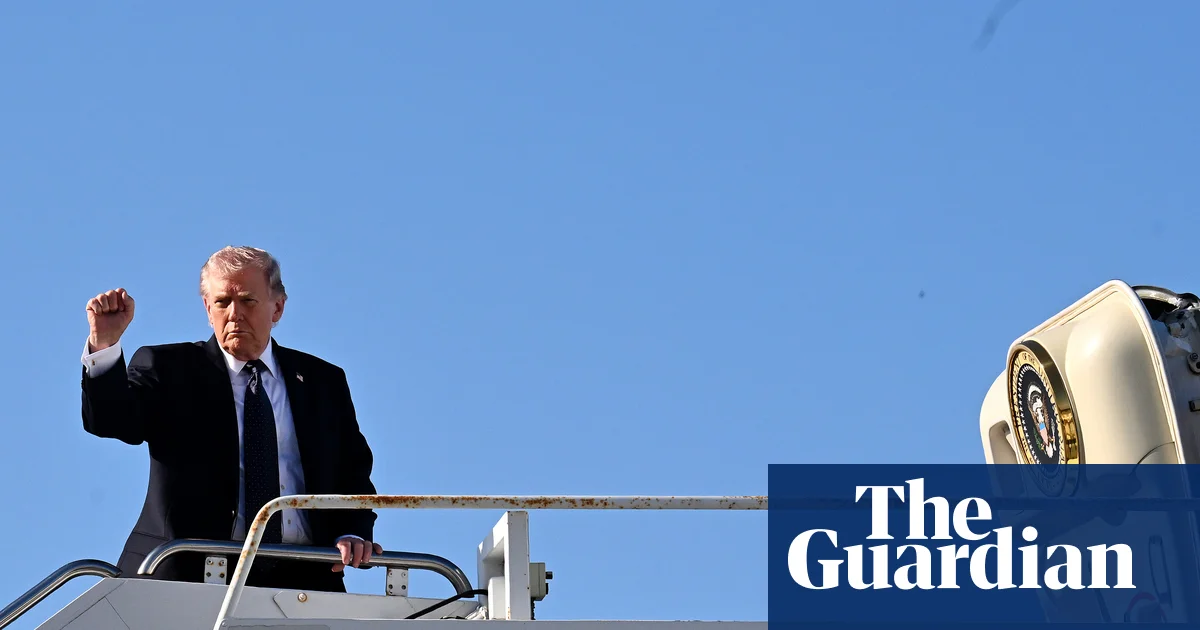
Pete Hegseth says Trump’s ‘closing’ Iran conflict as tensions escalate – US politics update

Global Escalation: The US, Iran, and the Future of World Power

In a dramatic turn of events, the United States has launched a major military operation against Iran this week, igniting a complex geopolitical crisis with potentially irreversible consequences. The operation, dubbed Operation Epic Fury, was authorized by President Donald Trump after nearly half a century of Iran’s alleged hostile actions against Western interests. As US officials publicly assert that they are “finishing” what was started long ago, the very fabric of international diplomacy and national sovereignty is being tested like never before, creating ripples that threaten to destabilize the Middle East and reshape global power balances.

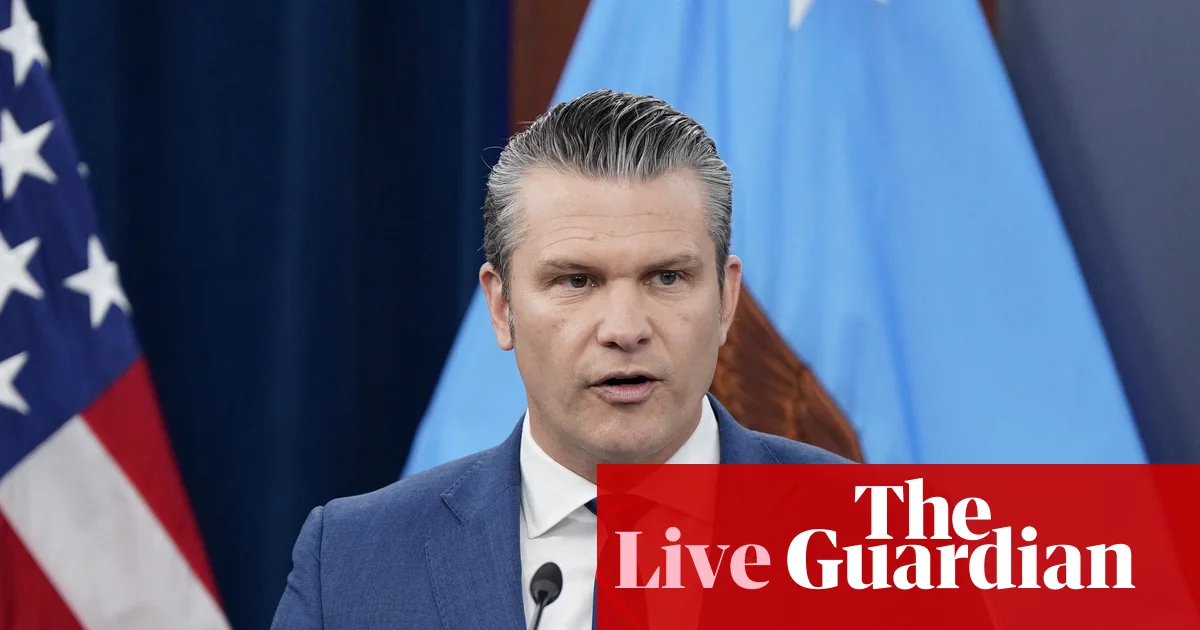
From the outset, the US government has framed the conflict as a necessary response to Iran’s persistent threats—rhetoric rooted in accusations of missile proliferation, nuclear ambitions, and regional destabilization. Defense secretary Pete Hegseth has emphasized that this campaign will not be swift, describing the operation as a “big battle space” requiring patience and strategic precision. His assertion that “We didn’t start this war, but under President Trump, we are finishing it,” signals a shift toward a more aggressive posture that bucks the traditionally cautious approach of past administrations. Historically, analysts and war critics warn that such a posture risks spiraling into a regional conflagration from which even nuclear deterrence may not protect the world’s superpowers from entanglement.

The unfolding escalation has prompted urgent responses from Congress, with Democratic leaders demanding a vote under their constitutional authority to limit Trump’s military actions.

  • Top Democratic representatives, such as Gregory W. Meeks, have vowed to oppose the war effort, with some even willing to board planes to oppose what they see as an unconstitutional invasion.
  • Yet, despite these efforts, the administration maintains that it “set the terms of this war from start to finish,” signaling a federal executive branch increasingly willing to bypass Congress and consolidate military authority in a manner reminiscent of imperial overreach.

International organizations, including the United Nations, have expressed concern that the open warfare risks pushing the region into chaos, with war analyst Dr. Laura Hendrick warning that “such unilateral military actions could trigger a regional domino effect, leading to wider conflicts involving neighboring states and geopolitical rivals.” Moreover, the humanitarian fallout—particularly with reports of pregnant immigrant children moved into detention centers—raises questions about legality and human rights abuses under the guise of national security.

As the world watches with wary eyes, both America’s role as a global policeman and Iran’s resilience in the face of relentless pressure are at a critical crossroads. The death of Iran’s Supreme Leader Ali Khamenei, hailed by some U.S. hawks as a “turning point” for regime change, has further inflamed tensions, prompting Tehran to launch missile counterstrikes and hinting at an ongoing, perhaps endless, cycle of violence. Historian Prof. William Carter warns that “Decisions made in the coming weeks will determine whether this is an isolated chapter or the start of a new era characterized by prolonged regional chaos and a realignment of alliances.” The resurgence of military intervention, coupled with the use of AI-driven targeting from agencies like the Pentagon, signals a dangerous precedent—one where technology and brute force threaten diplomacy and peaceful resolution.

As the narrative of war continues to unfold, the weight of history presses down on leaders and nations alike. Will this conflict be resolved before irreversible damage is done, or are we witnessing the dawn of a new era of global instability? The choices made today in Washington and Tehran will echo through time, shaping the destiny of the world and leaving an indelible mark on history’s grand canvas. With war drums echoing across the landscapes of geopolitics, the future hangs precariously, reminding us that in the theater of international power, the stakes have never been higher.

Michael B. Jordan Stirs Things Up as 'Sinners' Takes Key Actor Awards
Michael B. Jordan Stirs Things Up as ‘Sinners’ Takes Key Actor Awards

The recent victory for the United States at the prestigious Academy Awards, where an American actor was awarded Best Actor for his role in Sinners, has inadvertently cast a shadow over the international film community and the broader geopolitical landscape. While Hollywood celebrates another technical milestone, analysts warn that such cultural events are more intertwined with global power dynamics than ever before. Historically, cinema has served as both a mirror and a tool of influence, shaping perceptions and soft power strategies that extend far beyond entertainment.

The Sinners accolade, viewed by some as a reflection of American cultural dominance, coincides with an increasingly tense atmosphere among rival nations. Experts from institutions like the International Crisis Group have noted that the tight competition surrounding awards like these often parallels geopolitical conflicts, where soft power is wielded as a strategic asset. The Oscars race being described as “too close to call” underscores the fragile balance of influence, with countries vying for global cultural supremacy, which translates into political leverage. This phenomenon is reminiscent of the years when Hollywood and Western media were central to the spread of liberal values, often opposing authoritarian regimes seeking to reshape global narratives in their favor.

Moreover, the decision to elevate American talent during a year rife with international tension has drawn scrutiny from geopolitical analysts. Many argue that the global stage—initially designed to recognize artistic excellence—has become another arena for soft power diplomacy, where victories signal more than individual achievement. Some security and geopolitical experts suggest that such cultural triumphs bolster U.S. global influence at a time when alternatives, such as Chinese or Russian propaganda outlets, are aggressively seeking to undermine Western narratives. As one veteran diplomat pointed out, “Cultural icons—whether in film, music, or art—are tools in a larger fight for the hearts and minds of millions.”

In the larger context, the Oscars’ outcome reflects how cultural and geopolitical lines continue to blur. Historic turns, such as Hollywood’s role during the Cold War or China’s recent push into cinematic markets, serve as reminders of the strategic importance of cultural influence. Analysts from the United Nations Educational, Scientific and Cultural Organization (UNESCO) have long warned that the “battle for cultural superiority” shapes international alliances and societal values. With the race still “too close to call,” the world faces a future where artistic triumphs are increasingly perceived as symbols of geopolitical victory or defeat. As history unfolds, nations watch intently, knowing that these seemingly trivial moments may carry echoes of larger conflicts—conflicts that will ultimately define the course of global history for generations to come.

Unclear Iran Strategy Risks Prolonged US Engagement: What's Next?
Unclear Iran Strategy Risks Prolonged US Engagement: What’s Next?

Amidst a sea of uncertainty, the recent surge of military confrontations between the United States and Iran marks a pivotal moment in international relations that could reshape the Middle East’s geopolitical landscape. The United States, under President Donald Trump, has launched strikes purportedly aimed at Iran’s nuclear and military infrastructure, escalating tensions that previously simmered since the assassination of Iran’s top cleric, Ayatollah Ali Khamenei. While Trump’s administration claims these actions are defensive, critics warn they are a dangerous gamble that could ignite a protracted conflict, with dangerous ramifications for regional stability and global security.

What heightens the international concern is the apparent absence of a clear, strategic plan from Washington. Analysts and former intelligence officials argue that the US Government lacks a coherent roadmap for de-escalation or regime change, raising fears of an open-ended conflict that could spiral beyond control. According to Alex Vatanka, a senior fellow at the Middle East Institute, the current focus appears to be on weakening Iran’s leadership rather than achieving specific strategic objectives. Such ambiguity risks transforming what might be conventional conflicts into a prolonged stalemate resembling Cold War proxy battles, with unpredictable consequences for both societies and economies far beyond the Middle East.

The geopolitical impact of these events is profound. Not only does this confrontation threaten to destabilize Iran’s already fragile regime, but it could also ignite broader regional conflicts involving Iran’s allies in Lebanon, Syria, and Iraq. The United Nations and influential analysts warn of the dangerous precedent set by Washington’s aggressive stance, emphasizing that military intervention without a well-articulated exit strategy risks turning limited strikes into a lengthy and costly war. Steven Cash, a former CIA officer, poignantly describes the absence of a plan as “very troubling,” suggesting that Trump’s focus may be more on influencing domestic political dynamics, such as the upcoming US midterm elections, than on long-term stability or peace.

Meanwhile, Iran’s leadership, especially Supreme Leader Ayatollah Khamenei, remains under threat. Though Tehran has retaliated with attacks across the Middle East, there are indications that the regime’s top figures, once seen as unassailable, are now vulnerable. Recent reports suggest that Iran’s approval for negotiations may have increased, with President Trump claiming that Tehran is now open to talks after the US and Israeli strikes. However, these comments come amidst a deteriorating security landscape—an environment where economic sanctions, diplomatic isolation, and military harassment have combined to create a powder keg, waiting to explode at any moment. History shows us that quick military strikes seldom lead to political stability; often, they sow the seeds of further chaos, as witnessed after Iraq and Afghanistan.

As the world watch in suspense, the demand for a clear, decisive international approach grows louder. The choices made in the coming days will not only affect the Middle East but will echo through the corridors of power in Washington, Riyadh, Beijing, and beyond. Will the US follow through on its threats of regime change, risking prolonged chaos, or will it seek diplomatic solutions before history’s pages turn once more, embroiling humanity in a war that could last generations? With each passing moment, the narrative of the 21st century’s conflicts is being written—an ongoing struggle for influence, sovereignty, and survival that will define the future for generations to come.

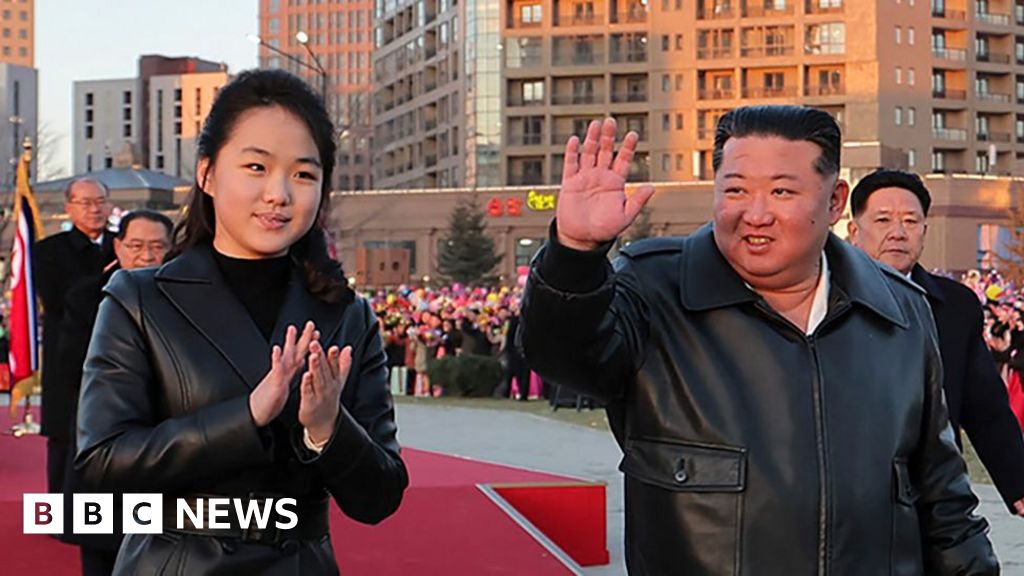
Is Kim Jong Un’s Teenage Daughter in Line to Lead North Korea?

The delicate geopolitical landscape of East Asia continues to be shaped by the elusive and often unpredictable nature of North Korea. According to insights provided by Ryu, a former diplomat turned defected observer, the country’s legal foundation is deeply rooted in a dynastic doctrine that underscores the importance of inheritance of power within the Kim family. This doctrine mandates that the nation be governed by an individual bearing the Paektu bloodline, which traces directly to the country’s founder, Kim Il Sung. This dynastic principle not only sustains the political legitimacy of the Kim family but also entrenches a rigid succession model that influences everything from national policy to international diplomacy.

Since defecting in 2019, Ryu has shed light on the profound implications of these internal rules, which are crafted into the nation’s legal code by the Kim family itself. The strict requirement for leadership to descend from Kim Il Sung ensures continuity, yet it also risks stagnation, especially as the current leader, Kim Jong Un, consolidates power amidst mounting global pressures. The legal and ideological architecture of North Korea serves both as a barrier to political reform and a symbolic declaration of loyalty, making any potential leadership change a carefully choreographed event that influences regional stability.

International analysts and historians have consistently pointed out that North Korea’s dynastic succession shapes **not only internal governance** but also has global consequences. The country’s aggressive nuclear development programs, persistent military posturing, and diplomatic isolation are in part driven by the Kim family’s desire to maintain their rule and defend their ideological sovereignty. Organizations such as the United Nations warn that such policies threaten regional security and global peace. As East Asian powers, including South Korea and Japan, recalibrate their defenses amidst unpredictable leadership transitions, the world watches with a mixture of concern and alarm. The international community’s attempts to negotiate denuclearization have repeatedly been stymied by North Korea’s insistence on sovereignty rooted in these dynastic principles, which are as much about preserving Kim family control as they are about national pride.

In the larger geopolitical chessboard, China and Russia also play critical roles, continuously balancing their strategic interests with North Korea’s internal realities. As China’s economic influence grows and Russia seeks to expand its presence in the region, the dynastic stability of Pyongyang remains a pivot point that could sway regional alignments. If the Kim regime were to falter or transition unexpectedly, the consequences for global diplomacy could escalate rapidly, pushing the world into an era where the clash of ideologies and the pursuit of influence threaten to ignite localized conflicts into broader crises.

History often shows us that the decisions taken today echo through generations. As North Korea remains committed to its legal code rooted in the Kim dynasty, experts caution that the uncertainty of leadership succession leaves the international order vulnerable to sudden shifts. With each passing day, as the world watches, the unfolding story of a nation foundationally bound by blood, ideology, and power continues to rate as one of the most consequential narratives of the 21st century—where the lines between stability and chaos are defined by the unyielding will of a dynasty that refuses to fade quietly into history.

Foreigners increasingly targeted in Sahel's lawless chaos—security risks soar
Foreigners increasingly targeted in Sahel’s lawless chaos—security risks soar

The year 2025 has vividly underscored the mounting insecurity gripping the Sahel region of Africa. Known historically for its volatility, this vast expanse—stretching across countries like Mali, Niger, Burkina Faso, and parts of Chad—has become a flashpoint of destabilization and violence. According to recent reports by international organizations and security analysts, 2025 stands out as one of the worst years on record for the abduction of foreigners, revealing the dangerous expansion of militant networks and the weakening of state control. This increase in hostilities is not merely an African crisis but a matter with profound geopolitical repercussions that threaten global stability.

The surge in abductions has been driven by a complex web of factors, including the proliferation of jihadist groups and opportunistic insurgents exploiting the region’s political fragility. The transnational nature of these threats means that their impact extends beyond Africa’s borders. Countries like France, the longstanding military presence in the region under operations such as Opération Barkhane, have faced critical challenges in restoring order. Analysts warn that the diminished capacity of African governments to maintain security and the rise of non-state actors have created a power vacuum. International organizations such as the UN have issued warnings about the potential for these conflicts to further destabilize neighboring countries and fuel regional migration crises.

Key events of 2025 include a sharp increase in high-profile abductions targeting foreign aid workers, diplomats, and business personnel. These acts of terror have led to a tipping point in international engagement and call into question the long-term effectiveness of current military and diplomatic strategies in the region. Notably, critics argue that previous reliance on external military interventions have failed to address the underlying causes—poverty, political disenfranchisement, and porous borders.

  • The shift toward more humanitarian and development-focused initiatives by some nations has yet to yield significant progress, leaving foreign nationals vulnerable.
  • Meanwhile, regional powers like Nigeria and Algeria are under mounting pressure to take more decisive action, yet face their own internal challenges that hamper a coordinated response.

As security experts and historians such as Dr. Samuel Huntington warn, neglecting the escalating crisis risks encouraging militant groups to extend their reach, potentially transforming local conflicts into broader regional unrest. The international community must grapple with the reality that the Sahel’s instability is a harbinger of greater chaos—prompting urgent debate on strategic priorities and intervention policies.

Ultimately, the fate of the Sahel and its impact on global stability remains an unfolding story. With each abduction, each act of violence, the fragile fabric of regional peace teeters further toward collapse. The questions loom large: Will the world recognize the gravity of the crisis before it is too late? Or will history again witness a period where neglect and ineffective policies deepen the wounds of a war-torn continent? As the sands of the Sahel shift violently under the weight of these conflicts, the international community finds itself at a crossroads, whether to act decisively or watch accordingly as history writes itself anew—with echoes that will resonate well beyond Africa’s deserts.

Shock in Newcastle: Crocodile Found Miles from Its Natural Home

In a striking development that has captured international attention, Australia faces an unexpected ecological anomaly as a freshwater crocodile was recently spotted hundreds of kilometers outside its natural habitat. The juvenile Crocodylus johnstoni was discovered in Ironbark Creek, a suburb of Newcastle, far from its native range in northern Queensland, the Northern Territory, and Western Australia. Such an incident raises significant questions about the impact of human activity, climate change, and the resilience of native species, with experts warning it could be a symptom of larger environmental shifts.

Historians and environmental analysts are quick to interpret this event within the context of global ecological upheaval. Some attribute such occurrences to climate change—a driving force behind shifting wildlife ranges worldwide. The Australian Reptile Park and local authorities speculated that the crocodile might be an escaped pet, an issue exacerbated by Australia’s growing exotic pet trade which often operates with little regulation. “It’s a stark reminder that invasive species and pet escapes can have unpredictable impacts,” warned Dr. Steven Harris, a noted ecologist at the University of Sydney. The incident underscores an often overlooked risk: that human households may inadvertently become agents of ecological disruption, introducing species far outside their natural environment.

U.S. and international organizations have highlighted the importance of stringent regulations on exotic animal ownership. This event serves as a public call to the global community—whether policymakers or ordinary citizens—to recognize the profound geopolitical impact of seemingly local environmental incidents. As Australia grapples with this unexpected wildlife challenge, the broader implications resonate globally: compromised ecosystems, loss of native biodiversity, and potential for invasive species to threaten local habitats. The World Wildlife Fund and similar organizations have already emphasized the importance of international cooperation in tracking ecological anomalies and enforcing stricter controls. These agencies warn that neglecting such issues now may lead to irreversible damage, with ecological consequences that transcend borders and threaten regional stability.

In the broader geopolitical landscape, this event highlights the interconnectedness of environmental stewardship and national security. An event as seemingly isolated as a crocodile’s appearance can serve as a metaphor for the broader global tensions surrounding resource management, climate policy, and biodiversity conservation. As nations debate their roles in combating climate change and enforcing biosecurity laws, the echoes of this small but significant incident remind us that local actions can have far-reaching consequences. History’s lens reveals emerging challenges, where environmental negligence or oversight can undermine decades of diplomatic efforts and economic stability. The story of the crocodile’s capture—met with urgency and international concern—may become a case study in how localized ecological surprises can ripple into global discourses on environmental policy and geopolitical stability, emphasizing that the weight of history is still unfolding, and the future remains unwritten.

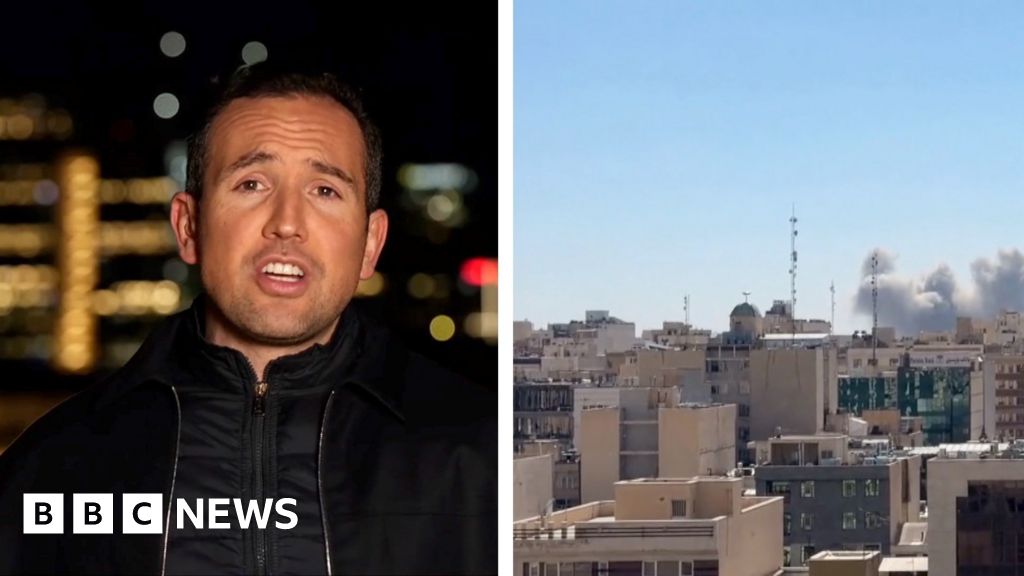
US-Israel Strikes Persist as Iran Retaliates on Day Two

Recent developments in the Middle East underscore a rapidly escalating regional crisis that threatens to reshape international stability. In Israel, a missile strike in the city of Beit Shemesh has resulted in the tragic loss of nine lives, highlighting the ongoing volatility that has gripped the area. While the Israeli government has yet to admit any involvement in military operations in that specific incident, the strike underscores the persistent danger that conflict poses to civilian populations. Meanwhile, Iran reports a far more devastating incident, claiming that a strike on a school resulted in the deaths of at least 153 individuals, including children—a toll that reflects the devastating human cost of regional hostilities. Iranian officials have explicitly blamed the US and Israel for backing actions that have led to this tragedy, intensifying the narrative of mutual distrust and blame that dominates regional discourse.

Across neighboring nations, the toll of the conflict continues to mount. UAE authorities confirmed that three individuals have been killed since Saturday, in what they describe as Iranian attacks. In Kuwait, reports indicate that at least one person has been killed in similar hostilities. These developments serve as a stark reminder of how the conflict is spilling beyond Israel and Iran, threatening to engulf the entire Gulf region. Analysts and international organizations, including the United Nations, warn that this cycle of violence risks escalating into a broader regional war—a conflict with the potential to destabilize the entire Middle East and threaten vital global energy supplies. Historians recount how previous flare-ups, such as the 2006 Lebanon War, underscored the devastating consequences of unchecked regional conflicts, warning that current events might echo those darker chapters but on an even larger scale.

This escalation also underscores the increasing international uncertainty and the troubling dynamics of alliances and antagonisms. The United States Central Command (Centcom) has stated it is investigating reports of the incident in Iran, demonstrating the complex web of intelligence and military interests at play. Israel, meanwhile, claims to be “not aware” of any military operations in the area—itself a narrative that glosses over the clandestine and often deniable nature of modern warfare. The rising tensions reflect a broader geopolitical strategy by Iran and its allies to challenge U.S. and Israeli hegemony in the region. Conversely, Israel and its allies seek to project power and deter Iran’s expanding influence, leading to a dangerous game of brinkmanship. The stakes are high, with each incident potentially igniting a larger conflagration that could threaten global stability if diplomatic efforts fail.

As the region teeters on the precipice of open conflict, international voices have raised dire warnings. Experts note that the recent surge in violence marks a *turning point* in Middle Eastern geopolitics, where traditional borders and alliances are being tested and reshaped. With history’s lessons echoing—such as the series of wars and conflicts that have defined this tumultuous region—many caution that decisions made in the coming weeks will determine whether peace can be salvaged or whether chaos will reign supreme. The world’s eyes remain fixed on this volatile area, where every missile fired and every civilian lost continues to write a new chapter in a story of conflict and resilience—a story still being written, with the shadow of history looming large over an uncertain future.

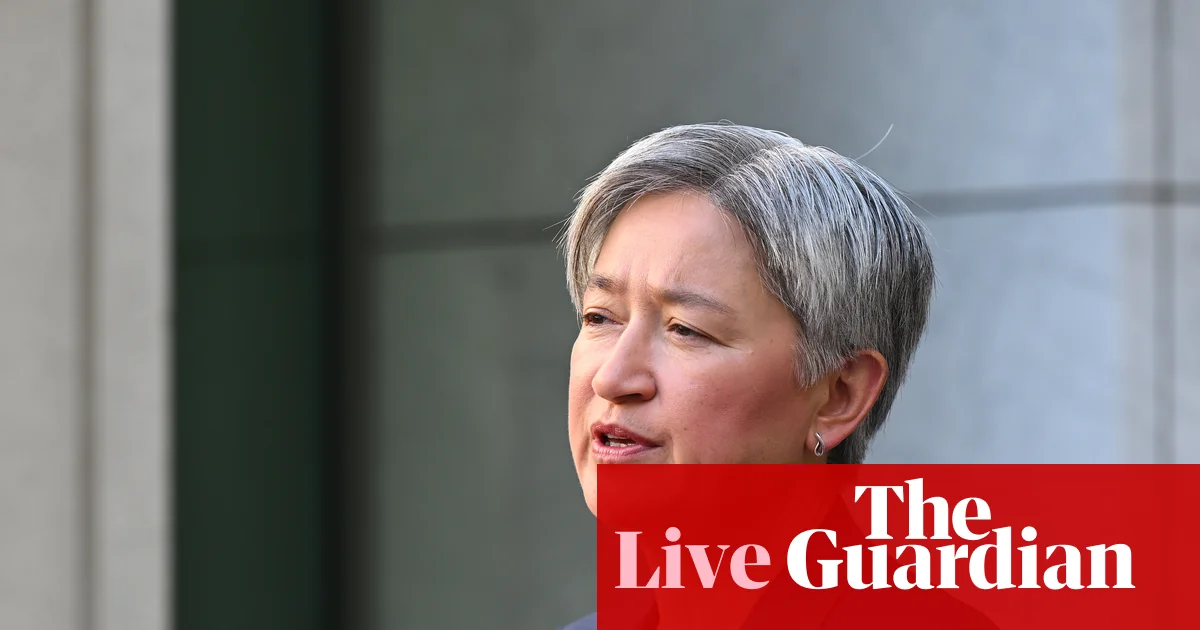
Politics Update: Marles Denies Australia in Iran Strikes; Wong Highlights 115,000 Aussies in Crisis Zone as Flights Drop

The geopolitical landscape of the Middle East has once again shifted into a state of heightened tension, prompting international concern and urgent diplomatic responses. The recent escalation of conflict, coupled with the threat of Iran’s nuclear ambitions, has provoked decisive actions and warnings from many nations. Australia, traditionally cautious in foreign policy stance, finds itself in a precarious position as regional stability teeters on the brink of chaos. Recent updates from the Australian government reveal a sharp shift in posture, emphasizing the safety of its citizens abroad and the stability of its own energy supplies amidst regional turmoil.

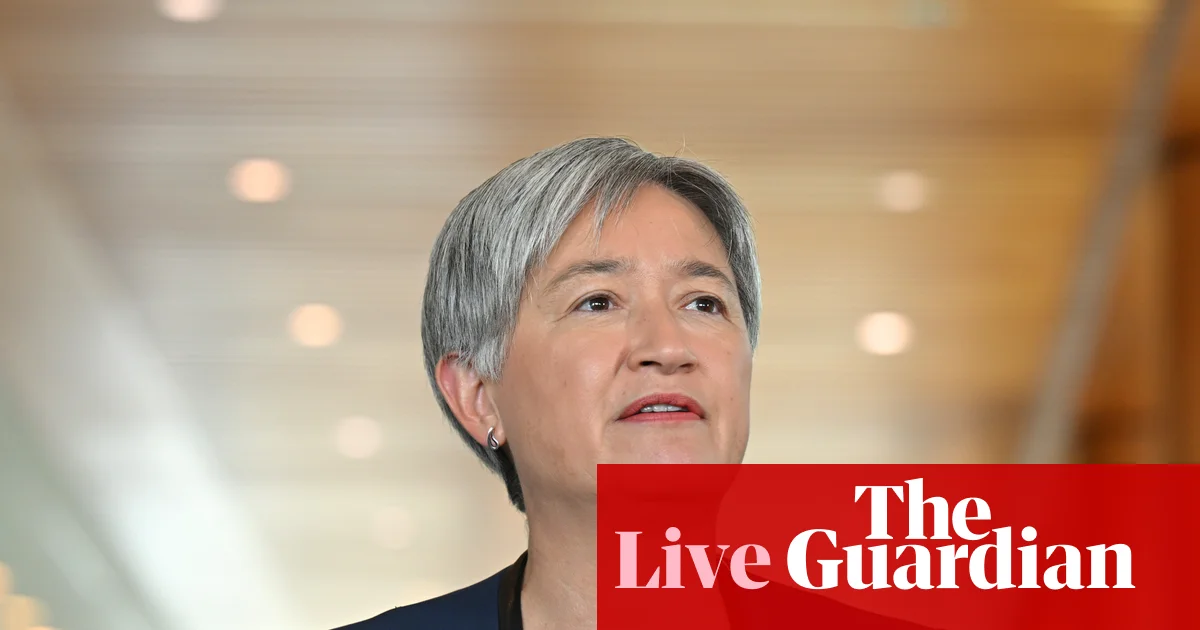
In a notable development, Penny Wong, the foreign affairs minister, announced that Australians should brace for significant travel disruptions, as conflict unfolds in Iran and across the broader Middle East. Her statement underscores the severity of the situation, with many Australian nationals currently stranded due to airspace closures and ongoing hostilities. With approximately 115,000 Australians reportedly in the region—including thousands traveling routinely through major hubs—Wong’s warnings reflect the dire implications of the recent hostilities. Australian ambassadorial efforts remain focused on facilitating commercial flights that, as of now, have been largely disrupted or canceled, emphasizing the country’s stance on prioritizing its citizens’ safety.

Meanwhile, Canberra maintains a cautious approach externally, officially supporting efforts to prevent Iran from acquiring nuclear weapons but distancing itself from the recent US-Israeli strikes. Richard Marles, Australia’s defense minister, explicitly stated that Australia was not involved in the recent targeted strikes, including those at joint US facilities located on Australian soil. His comments align with Australia’s long-held policy of non-participation in foreign military interventions unless directly impacted or authorized, yet the clear support for preventing nuclear proliferation signals a nuanced stance. International analysts and think tanks emphasize the geopolitical impact of these moves, which could lead to further regional instability, affecting global markets, especially energy supplies.

Notably, the conflict’s ripple effects threaten to disrupt global energy security, with Barnaby Joyce, a prominent Australian politician, warning of potential petrol shortages. His remarks highlight Australia’s energy vulnerability, given that the nation maintains less than the recommended 90 days of fuel reserves advised by the International Energy Agency. As global tensions drive up oil prices, Australia’s reliance on imported fuel leaves its economy exposed to shocks from the Middle Eastern conflict. This development underscores the broader geopolitical impact of regional unrest, where decisions by powerful nations like the US and Israel resonate worldwide, shaping economic realities and societal well-being.

Within Australia, domestic politics also feel the tremors of foreign turmoil. The government faces pressure to address mounting security concerns, alongside ongoing issues like the state of hospital infrastructure in New South Wales. A recent surprising revelation exposed hundreds of hospitals grappling with serious maintenance problems, including insect infestations and structural damage, which health officials are quick to label as potentially just the “tip of the iceberg” in an overburdened system. Such crises reveal that beyond international conflicts, societal stability depends on internal resilience—yet, as analysts warn, these domestic issues pale in comparison to the harrowing geopolitical battles unfolding abroad. The unfolding story remains a stark reminder: as the empire-building and regional conflicts intensify, the very fabric of society may unravel if nations fail to balance their foreign commitments with the urgent needs of their citizens.

As history continues to write itself, the weight of these decisions hangs heavily in the balance. The fate of Australians overseas, the stability of the Middle East, and the global order itself are intertwined in a narrative that refuses to be easily unraveled. The choices made today—be it in Canberra, Washington, or Jerusalem—will echo through the annals of history, shaping a world in which the calm before the storm is over, and the storm itself has only just begun. In this delicate dance of diplomacy and power, the echoes of past conflicts remind us that the true test of leadership lies not in the words spoken but in the actions taken—actions that will be remembered long after the current flashpoints have faded into history’s shadows.

Social Media Auto Publish Powered By : XYZScripts.com