Matox News

Truth Over Trends, always!

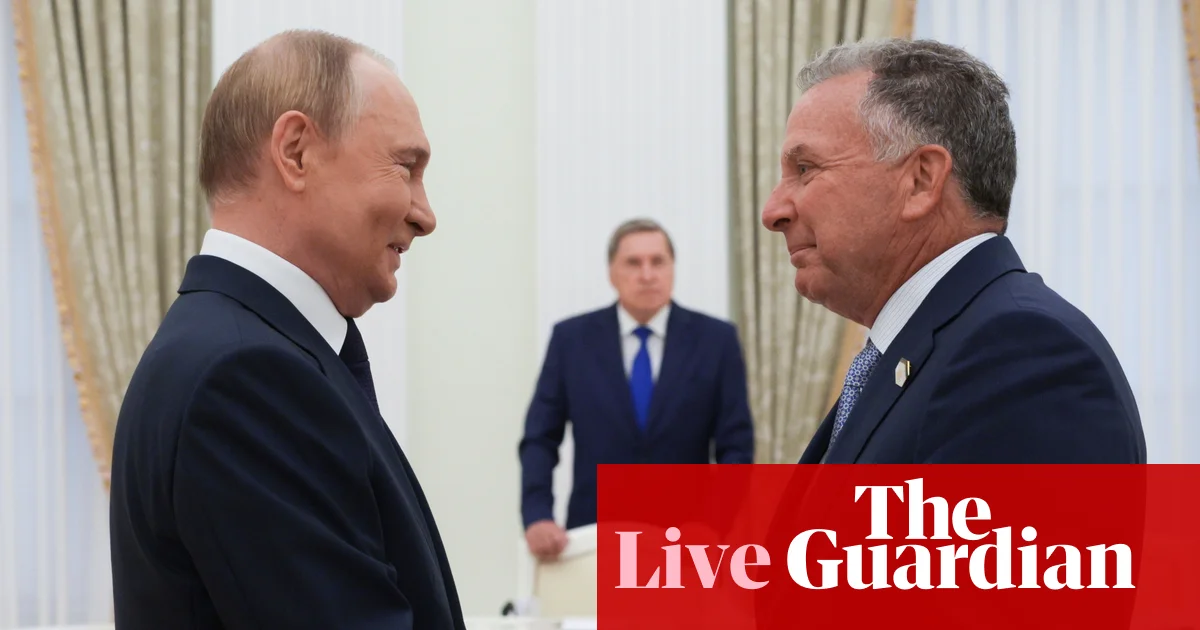
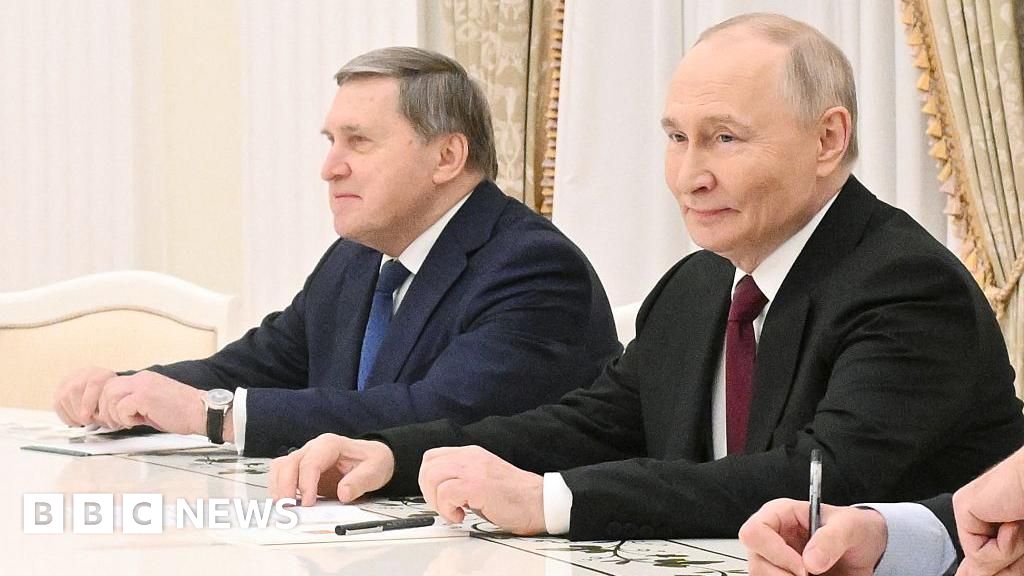
Putin Meets with U.S. Mediators in Moscow to Push for Ukraine Peace Deal

In a clear demonstration of the geopolitical stakes involved in the ongoing conflict in Ukraine, Vladimir Putin hosted US negotiators at the Kremlin for a five-hour discussion aimed at de-escalating the war that has ravaged Eastern Europe for almost a year. According to Russian officials, the talks were “productive,” yet detailed contents remain undisclosed, casting shadows over the prospects for peace. Meanwhile, the Ukrainian government—with steadfast resolve—continues to insist on firm security guarantees, including potentially NATO membership, which Moscow vehemently opposes. Such divergent positions underline the intense strategic tensions, where each side’s core demands threaten to prolong the conflict indefinitely.

The diplomatic landscape is further complicated by recent statements from President Zelensky and President Putin. Zelensky has been unwavering: Kyiv seeks definitive security assurances to prevent future invasions, emphasizing that “nothing less than assurances that Russia would not return in a year” will suffice. Conversely, Putin describes Europe’s demands over a Russian draft peace plan as “not acceptable,” warning that Moscow is prepared for further confrontation if necessary, while accusing Western nations of trying to hinder peace efforts. Historians and analysts such as Dr. Charles Stewart from the International Security Council warn that such rhetoric signals how entrenched the differences remain, risking a protracted standoff that could destabilize the entire continent.

On the ground, fighting persists despite these diplomatic endeavors. Ukraine’s military reports ongoing combat in key contested cities like Pokrovsk, refuting Russian claims of total control. The intricate dynamics of front-line battles reveal a situation where Russia’s forces are suffering setbacks, as Kyiv’s troops reclaim and hold strategic positions. Yet, the conflict’s toll on civilians is dire, with thousands killed and even more displaced, as critical infrastructure—schools, hospitals, residential areas—suffers relentless missile and drone strikes. The United Nations and international observers continue to document violations, but even as diplomatic talks swirl, the reality of war persists, with no clear end in sight.

The international community stands at a crossroads, with European nations and the US attempting to forge a united front—though divisions remain palpable. The European allies’ counterproposal to the controversial 28-point peace plan—removing contentious elements like recognition of separatist regions—highlighted the delicate balancing act of diplomacy. While European leaders, including President Macron, voice hope that Ukraine’s sovereignty remains non-negotiable, Russia remains resolute. As Kirill Dmitriev, a Russian foreign policy adviser, described the recent talks as “productive,” the very definition of progress appears fragile, overshadowed by the deep fissures that remain.

Indeed, the world witnesses the unfolding of history—an epoch where the decisions made now will echo for generations. As the Kremlin’s shadows lengthen over Ukraine, distant powers continue to debate and calibrate their strategies. The fate of nations hangs in the balance, with each diplomatic maneuver potentially tipping the scales toward peace or war. As the conflict rages on, the haunting specter of unfinished history remains, reminding us that in the theatre of geopolitics, the next chapter could determine the course of civilization itself.
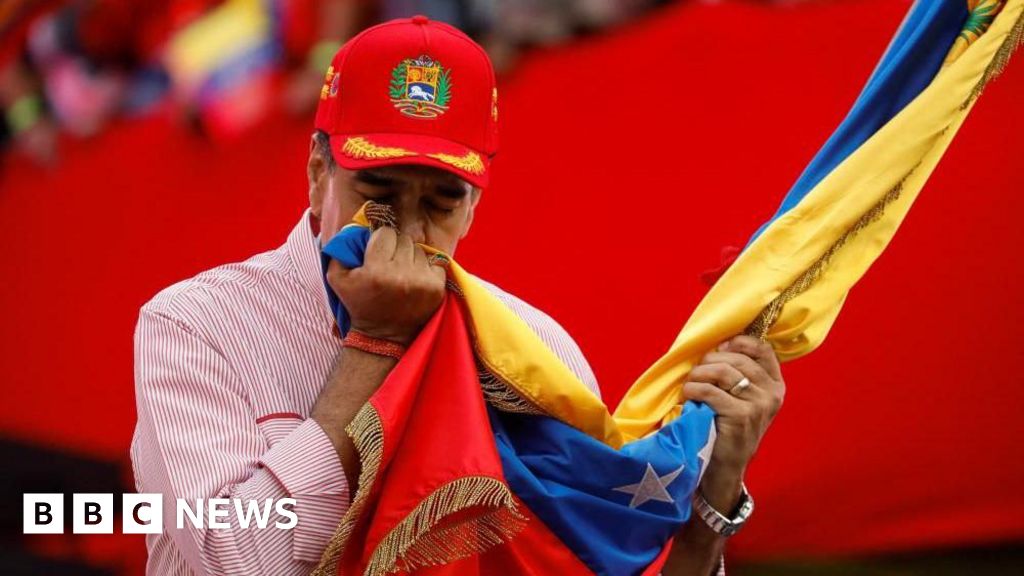
Why is Trump Posturing Against Maduro? The Tensions Rise in US-Venezuela Clash

In a dramatic turn of events that echoes the turbulent history of Latin America, the United States has heightened its military and diplomatic pressure on Venezuela. Under the leadership of President Nicolás Maduro, the nation has become a focal point for international contention, with the U.S. asserting it is engaged in a campaign aimed at destabilization and regime change. The escalation includes the deployment of 15,000 troops and a formidable fleet of aircraft carriers, guided-missile destroyers, and amphibious ships to the Caribbean—an operation the Pentagon claims is the largest in the region since the 1989 invasion of Panama. Analysts warn that these military movements are not merely about fighting drug trafficking but could signal a shift toward overt intervention in the country’s sovereignty, raising profound concerns about regional stability.

The core of this crisis lies in the disputed electoral process. Since Maduro’s government declared victory in the 2024 presidential election—despite widespread opposition claims of electoral fraud—many nations, including the United States, have refused to recognize his legitimacy. Instead, the opposition candidate, Edmundo González, has been recognized as the true winner by multiple Western governments, sparking a deepening divide within Venezuelan society. Maduro’s firm grip on military, judicial, and legislative institutions has effectively rendered the electoral results a matter of internal power struggle rather than democratic legitimacy. Historically, leaders who maintain control over key institutions amid contested elections tend to entrench authoritarian rule—an alarming trend that international watchdogs are closely scrutinizing.

The geopolitical impact of America’s aggressive stance on Venezuela extends far beyond the continent. Diplomatic observers, including Harvard-based political analysts, warn that U.S. actions are part of a broader strategy to assert dominance over Latin America and control precious oil reserves. The recent deployment of warships has been justified by claims of combating drug trafficking, but critics argue the real intention is to weaken Maduro’s regime. The Biden administration, continuing the hardline policies, accuses Maduro of running criminal drug networks—notably the so-called Cartel de los Soles—which it claims the Venezuelan president himself leads. However, independent investigations suggest these groups are loosely organized and primarily consist of corrupt officials using Venezuela as a transit hub for illicit narcotics—not a hierarchical cartel. United Nations analysts have raised alarms that these strikes, which have claimed over 80 lives in recent operations at sea, could constitute unlawful attacks against civilians, blurring the line between counter-narcotics and warfare.

The possible escalation into direct military intervention raises urgent questions about sovereignty and regional security. With President Trump allegedly giving Maduro a one-week ultimatum to step down during a high-stakes phone call, the tension has reached a dangerous threshold. Though the White House has refused to explicitly confirm plans for ground invasion, military experts warn that the scale and scope of the U.S. deployment are inconsistent with a mere counternarcotics operation. The rhetoric from Washington suggests that options—ranging from land strikes to naval blockades—are “on the table,” creating a volatile atmosphere that risks rekindling Cold War-era conflicts in one of the world’s most resource-rich yet politically fractured regions.

As history continues to unfold beneath the ominous shadow of war, the fate of Venezuela remains uncertain, its sovereignty hanging by a thread. The world watches as the weight of history presses down—either toward a new chapter of intervention, or a hard-won lesson in the limits of power. In an era where the decisions made today will ripple through generations, the question persists: will the cries of a nation seeking sovereignty be drowned by the drums of imperial ambition, or will the voices of resistance finally carve a path toward genuine liberty? Only time will tell, but the storm that gathers over Latin America may yet reshape the global order itself, etching this perilous moment into the annals of history.

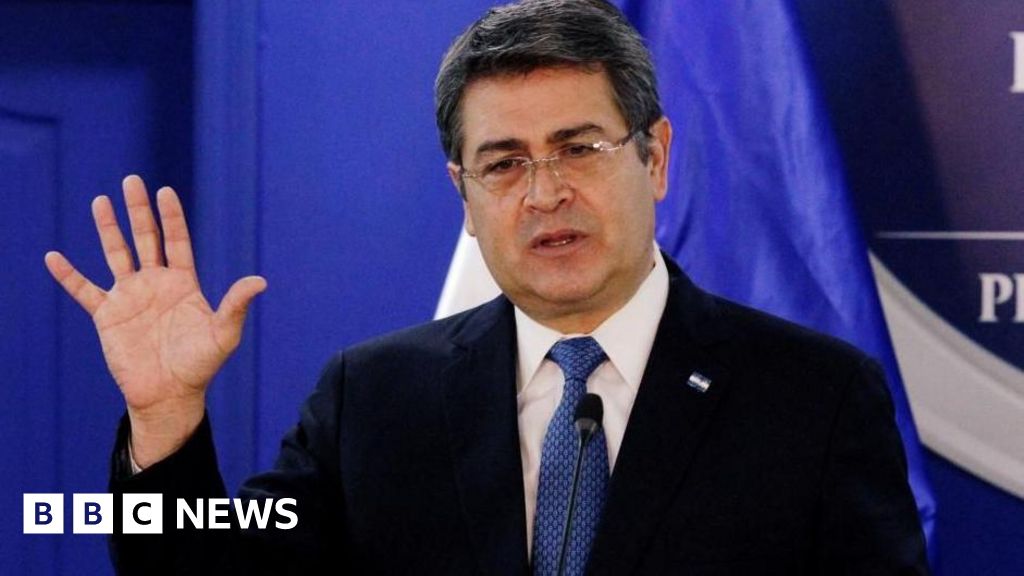
Honduras President Under Fire—Why Did Trump Grant Him a Pardon?

Honduras’ Political Turmoil and the Global Ripple Effect of a Controversial Pardon

In a decision that has sent shockwaves through international geopolitics, former Honduran President Juan Orlando Hernández has been unexpectedly pardoned by President Donald Trump amidst mounting allegations of drug trafficking and corruption. Hernández, once considered a key figure in the stabilization of Central America and a close U.S. ally, was convicted in 2024 of orchestrating a sprawling drug trafficking scheme that trafficked over 400 tonnes of cocaine into the United States over 18 years. Despite his conviction, Trump’s move to pardon Hernández—characterized by many experts as a ‘Biden setup’—has ignited fierce debates about the intersection of justice, international diplomacy, and U.S. domestic politics.

During his presidency, Hernández maintained a cordial relationship with Washington, receiving acclaim from former President Barack Obama and the current U.S. administration for his cooperation on migration issues. Yet, beneath this veneer of partnership, serious allegations had long simmered. U.S. federal prosecutors accused Hernández of accepting a $1 million bribe from the notorious drug lord Joaquín “El Chapo” Guzmán, in exchange for shielding narcotics routes through Honduras. The scandal deepened with the arrest of his brother, Juan Antonio “Tony” Hernández, in Miami on drug-smuggling charges resulting in a life sentence. Hernández’s own extradition to the U.S. in 2022 marked a turning point, as he faced federal trials that laid bare extensive evidence of his involvement in drug trafficking, abuse of power, and complicity with armed criminal groups.

Geopolitical Impact: A Shift in U.S.-Latin America Relations

The decision to pardon Hernández not only compromises the rule of law but also underscores a profound shift in U.S.-Latin America relations. Critics argue that the move signals an unsettling willingness by the U.S. to overlook high-profile criminal allegations for political gains, especially as the current Honduran presidential election hangs in balance. International organizations like the Organization of American States (OAS) have issued cautious statements warning about the erosion of judicial independence and democratic norms across the region. Meanwhile, analysts like Michael Shifter from Georgetown University highlight a troubling contradiction: how can the U.S. simultaneously crackdown on drug traffickers and pardon a figure implicated in fueling the very drug epidemic it seeks to combat?

The pardon’s timing—just days before a pivotal presidential runoff—appears carefully calibrated. Trump’s endorsement of Tito Asfura, Hernández’s political ally and candidate for Honduras’ National Party, suggests an intertwined narrative designed to bolster right-leaning influence in Central America. Jason Marczak of the Atlantic Council warns that this complicates efforts to promote genuine anti-corruption agendas and might embolden criminal networks that count on political protection. The implications extend far beyond Honduras; they threaten to destabilize regional efforts aimed at curbing narco-terrorism and promoting democratic integrity.

Decisions That Will Shape the Future of the Hemisphere

The repercussions of this development extend into international security and U.S. domestic policy. President Biden’s administration, which had vowed to clamp down on drug cartels and restore rule of law, faces accusations from the Trump camp of politically motivated overreach. Press Secretary Karoline Leavitt’s assertion that charges against Hernández were tainted by “over-prosecution” underscores a broader political divide that threatens to hinder collaborative efforts against transnational crime. Moreover, revelations that Hernández penned a letter praising Trump—pleading for clemency and citing political persecution—highlight how intertwined personal and geopolitical interests have become in this saga.

As history continues to unfold, the story of Hernández’s rise and fall will serve as a stark reminder of the delicate balance between sovereignty, justice, and geopolitics. The recent turn of events leaves the global community—and especially the peoples of Honduras—pondering whether the scales of justice will ever find equilibrium amid the murky waters of power and influence. With the weight of history heavily pressing upon this fragile chapter, the question remains: will the echoes of this decision herald a new era of accountability or deepen the shadows cast by a complex web of crime and politics?

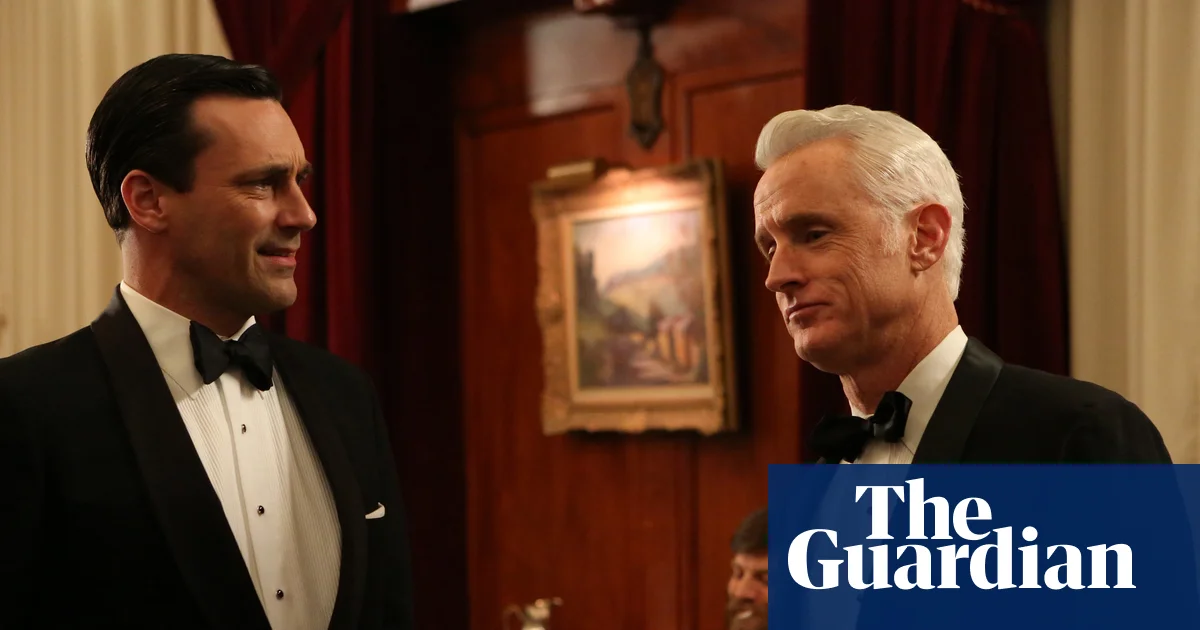
Mad Men Now Streaming on HBO Max — Fans Spot Rocky Mistakes in Classic Series

Global Impact of Entertainment and the Lessons it Still Holds

In an era where media industries are increasingly intertwined with geopolitical interests, the recent mishaps in the HBO Max re-release of Mad Men serve as a stark reminder of the global influence of cultural products. The decision to restore this groundbreaking series in 4K has rekindled popular interest and demonstrated how entertainment can shape societal perceptions, even amidst technical pitfalls. Yet, behind these glossy remasters lies a larger narrative—one of technological dominance, international competition, and the relentless quest for cultural supremacy.

Historically, the television industry has played a pivotal role in shaping national identities and soft power, especially as countries seek to project influence internationally. The controversy surrounding the HBO Max restoration—episodes being out of order, visible crew members, and social media viral moments—highlight an underlying tension: the importance of maintaining cultural artifacts with precision and care. This isn’t simply about entertainment; it is a reflection of who controls the narratives and how societies see their past. Critics such as international media analysts argue that these seemingly trivial errors symbolize a broader crisis: the encroachment of global corporations into culturally sensitive domains, often at the expense of authenticity.

Moreover, the mishandling of Mad Men’s re-release mirrors earlier incidents, like the infamous Starbucks coffee cup incident in Game of Thrones’s final season. Despite the humorous viral response, it underscored how international media conglomerates often prioritize quick fixes over meticulous quality control, thereby impacting their credibility on the global stage. This pattern is not merely a matter of poor editing but an illustration of the pressures faced by multinational entities under the specter of hyper-competition. How these errors are perceived internationally can influence perceptions of a nation’s technological capability and geopolitical standing. According to global media watchdogs, such lapses—while seemingly superficial—can serve as symbols of declining standards and international vulnerability.

Yet, the story extends beyond media missteps to a broader geopolitical narrative. Historians and analysts observe that cultural dominance is a strategic component of soft power, especially in the context of U.S.-China and Russia rivalry. As China invests heavily in exporting its media and cultural products globally, Western firms face mounting pressures—and scrutiny—in safeguarding their cultural heritage. The errors in restoring classic shows, though minor, may be exploited by adversaries to question the robustness of Western technological and cultural leadership. It underscores that every digital misstep is more than an operational flaw; it is a part of the ongoing struggle to define the global narrative.

In the final analysis, the unfolding saga of HBO Max’s restoration errors embodies the high-stakes nature of cultural preservation in a fractured world. Every glitch, every mislabeled episode, echoes the tension between technological innovation and international influence. As history continues to unfold, it is vital to recognize that these seemingly small moments—like crew members manning fake vomit machines—are, in fact, emblematic of much larger conflicts. The weight of history remains heavy on this digital stage, as nations and societies grapple with their place in an ever-changing geopolitical landscape, where control over cultural artifacts may ultimately determine the future of soft power in the 21st century.

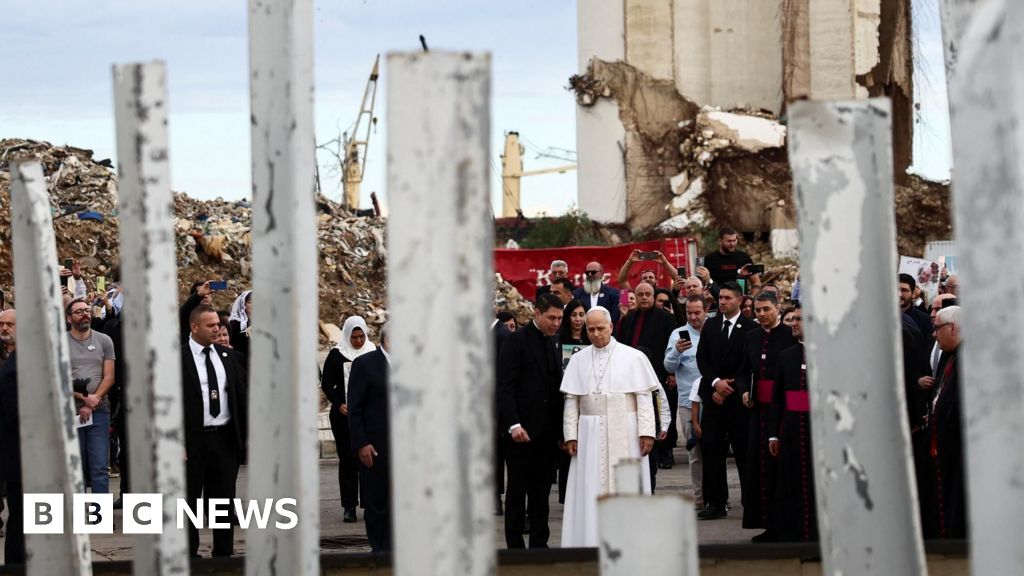
Pope Prays for Lebanon at Beirut Port Blast Site on Final Day of Visit

In a poignant act of remembrance and call for justice, Pope Leo XIV concluded his recent visit to Lebanon with a silent prayer at the site of the devastating Beirut port explosion. This tragedy, which struck in August 2020, claimed 218 lives and left an indelible scar on the city’s fabric. The Pope’s failure to condemn the gross negligence involved in storing nearly 2,750 tonnes of ammonium nitrate without proper safety measures highlights the worldwide concern over accountability and governance in fragile states. Derided by critics as symptomatic of endemic corruption, this disaster exemplifies how failed leadership can escalate into humanitarian crises that ripple across borders, affecting regional stability and international perceptions of Lebanon.

The ongoing struggle for justice reflects a broader crisis of governance that continues to undermine Lebanese sovereignty and social cohesion. Victims’ families, such as Cecile Roukoz and Tatiana Hasrouty, are voicing frustrations that their pleas have fallen on deaf ears, hindered by a political elite more intent on self-preservation than addressing structural failures. Analysts from the International Crisis Group warn that such impunity not only erodes public trust but also emboldens regional actors with vested interests in Lebanon’s instability—an issue impacting neighboring countries and international peace efforts. The failure to prosecute those responsible redefines the crisis as one of moral decline and lost opportunity for reform, which risks devolving into an enduring cycle of chaos and despair.

Meanwhile, Lebanon remains under the shadow of division and conflict. Since the last papal visit in 2012, the nation has been battered by compounded crises including an unprecedented economic depression that plunged millions into poverty, widespread protests, and the aftermath of a lengthy war involving Hezbollah and Israel. A fragile ceasefire now holds, but persistent Israeli strikes targeting alleged Hezbollah rearmament threaten to unravel these diplomatic gains. How the Lebanese political system navigates these unresolved issues will decisively shape their future, and perhaps, their very survival. The international community is calling for structural reforms and renewed efforts at reconciliation, but their requests are often dismissed or delayed, fueling skepticism about real change.

This turmoil is not isolated; it embodies a broader geopolitical contest, with Iran backing Hezbollah and Israel defending its borders, all within a region where external powers jockey for influence. As security analysts warn of a potential escalation, the stability of Lebanon becomes a litmus test for regional peace, with the global implications of unchecked conflict growing starkly evident. The echoes of history are loud, and the delicate balance of power teeters on the brink—each decision made by leaders has profound consequences for the daily lives of Lebanese citizens and the wider Middle Eastern landscape. Today, as Lebanese households grapple with economic hardship and uncertainty, the weight of geopolitics looms heavy, reminding the world that the pages of history continue to turn—sometimes silently, sometimes with the ominous roar of war.

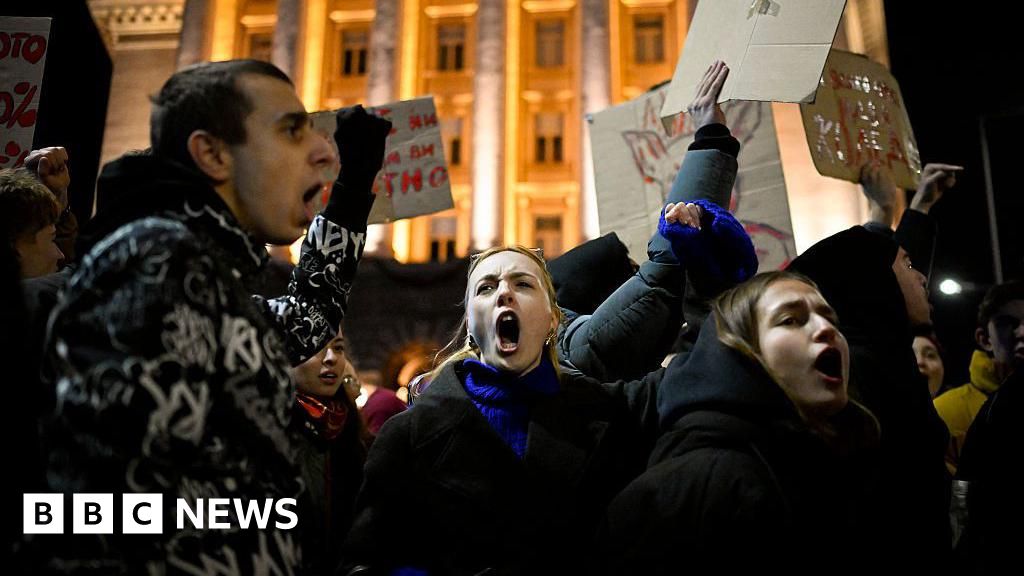
Bulgaria pulls back on budget plan after massive youth protests

In a remarkable display of civilian unrest, Bulgaria is currently experiencing one of the most significant upheavals in its recent political history. Massive protests swept through Sofia and other major cities, ignited by widespread dissatisfaction with the nation’s proposed 2026 budget. Public outrage centers around allegations of entrenched government corruption and economic mismanagement, which have, over time, eroded trust in the political elite. The protests, which included thousands of young citizens and civil advocates, marked the largest mobilization since Bulgaria’s post-communist transition, signaling a turbulent crossroads for a country that, despite recent economic reforms, remains vulnerable to internal dissent.

What stands out in this unfolding chaos is how the Bulgarian government has responded—first attempting to push through a contentious budget plan that many saw as a means to bolster corrupt practices and increase taxes. The draft budget, which was to be Bulgaria’s first delivered in euros following its recent accession to the Eurozone, was met with fierce opposition. Critics argued that the plan aimed to conceal crimes of the ruling coalition and threatened the fragile social fabric of a nation plagued by inflation fears and economic disparities. In an ultimate concession to mounting pressure, Bulgaria’s government announced it would abandon the plan, a move seen by many analysts as a victory for the protesters but a symptom of deeper systemic issues. Yet, the underlying challenge remains: how does a nation reconcile its desire for economic stability with the deep-seated corruption that continues to undermine rule of law?

Historical analysts and international organizations have warned that Bulgaria’s political landscape is extremely volatile. The country, often characterized as the EU’s “poor cousin,” has experienced a succession of short-lived governments since 2020, each promising reform, yet delivering little tangible change amid allegations of mafia influence and unchecked corruption. The European Commission and various watchdog groups have called for stronger oversight and judicial independence, emphasizing that the nation’s stability hinges on its ability to defend democratic institutions. As protests spilled into violence—masked demonstrators attacking party offices, setting bins ablaze, and clashing with riot police—the Bulgarian President, Rumen Radev, condemned the violence but also accused “provocation by the mafia,” framing the uprising as a fight against entrenched illicit power structures. His call for resignation and early elections echoes across the political divide but underscores the urgent need for systemic reforms that go beyond mere façade.

As the nation stands at this pivotal juncture, the worldwide community watches with bated breath. The decisions made in the coming weeks will dramatically influence Bulgaria’s political trajectory and its role within the European Union. The chaos underscores how longstanding corruption and economic disparities can ignite a populace’s collective rage, threatening the fragile consensus that sustains democratic governance. With the government promising a new budget process, the weight of history presses heavily on Bulgaria’s shoulders. Will it succumb to internal chaos, or will it forge a path toward genuine reform? What remains undeniable is that the outcome will shape the future of Bulgaria’s society and its journey toward integration within enduring European institutions. Like a storm gathering on the horizon, the unfolding story is a stark reminder that history’s pen still writes—sometimes in chaos, sometimes in hope, but always, inexorably, in action.

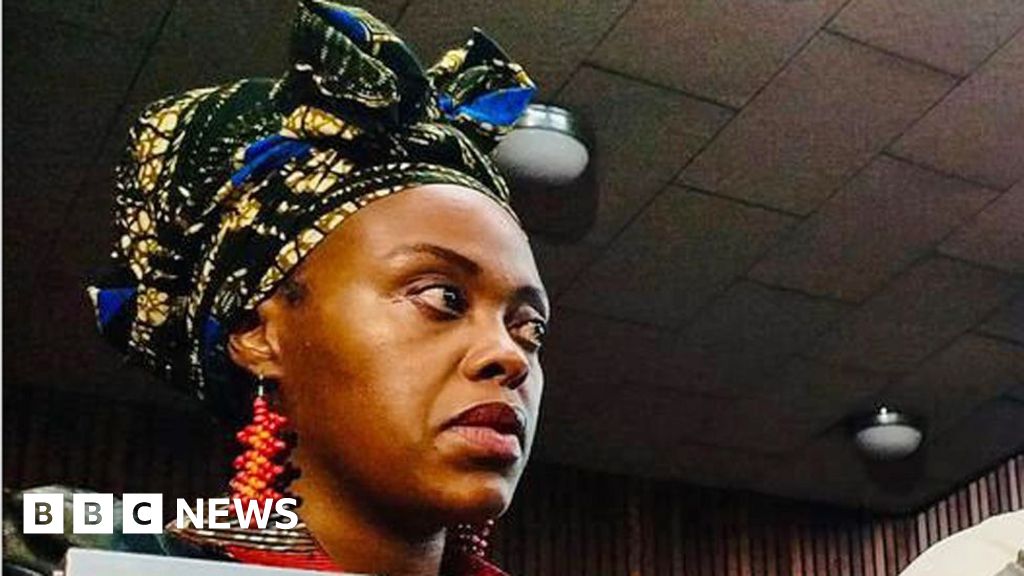
South African DJ among five busted in Russia recruitment scheme

In a noteworthy development that underscores the complexities of international diplomacy, South Africa finds itself at the center of a burgeoning controversy involving illegal recruitment of its citizens by foreign military forces. Recently, a prominent radio presenter, Nonkululeko Patricia Mantula, appeared in court facing charges linked to the alleged facilitation of the recruitment and travel of South Africans to join Russian military forces. This arrest marks a critical point in a series of escalating efforts by South African authorities to clamp down on citizens being lured into foreign conflicts—particularly amid Russia’s ongoing confrontation with Ukraine.

  • In November, the government disclosed that 17 South Africans had been “seemingly” enticed to join mercenary units fighting for Russia, with some reportedly trapped in the Ukraine conflict zone.
  • Police intercepted five individuals—including Mantula—at Johannesburg’s main airport, as they attempted to travel to Russia via the United Arab Emirates.
  • These arrests followed a broader investigation into alleged recruitment networks that exploit South Africa’s high unemployment rates, especially among youth, to lure vulnerable young men with promises of lucrative contracts.

The geopolitical impact of these developments extends beyond South African borders. Analysts emphasize that the recruitment of foreign fighters by Russia complicates the broader geopolitics of the Ukraine conflict, with Russia seeking to bolster its forces through an international pool of mercenaries. At the same time, Western nations and Ukrainian authorities have expressed concern over the influx of foreign nationals being used as pawns in a proxy war. These efforts appear to be part of a larger strategic move by Russia to undermine Western influence and extend its military reach with the help of destabilized and economically vulnerable societies like South Africa.

Many national and international voices, including well-respected security analysts and international organizations, warn of the long-term consequences of foreign engagement in conflicts like Ukraine. Especially in a country like South Africa, where social issues such as unemployment are pervasive, the lure of high-paying military contracts often obscures the deadly realities. The case of Mantula and others involved finally puts into focus the dangerous movie of foreign interference and recruitment drives, which threaten the stability and sovereignty of nations. History has shown that allowing foreign mercenaries to operate within national borders often leads to long-term destabilization, undermining local governance and social cohesion.

Ultimately, this unfolding drama leaves an indelible mark on the record of modern history—a stark reminder of how individual choices, driven by poverty and manipulated by global powers, can influence the balance of international sovereignty and security. As South African authorities continue their investigations and diplomatic efforts, the world watches, mindful that the outcome will not merely define the fates of a handful of citizens but will also chart the course of global conflict, sovereignty, and the limits of national authority. The weight of history remains heavy on this fragile point where personal and national destinies intersect in the shadow of a widening geopolitical struggle—an ongoing saga that may yet redefine the contours of future conflict.

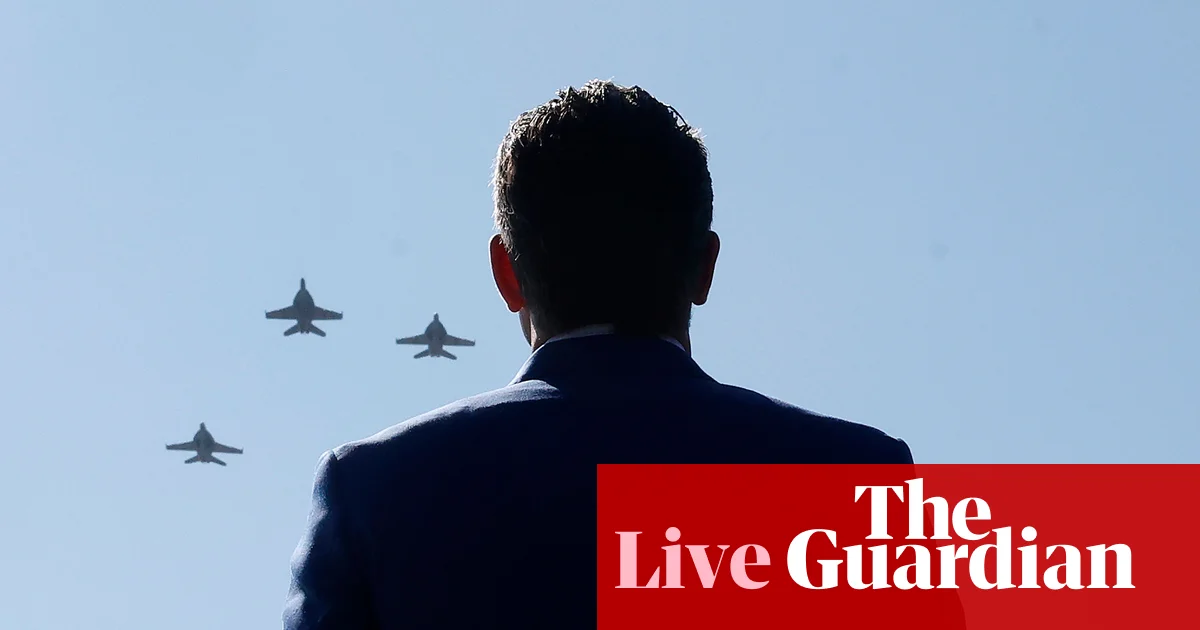
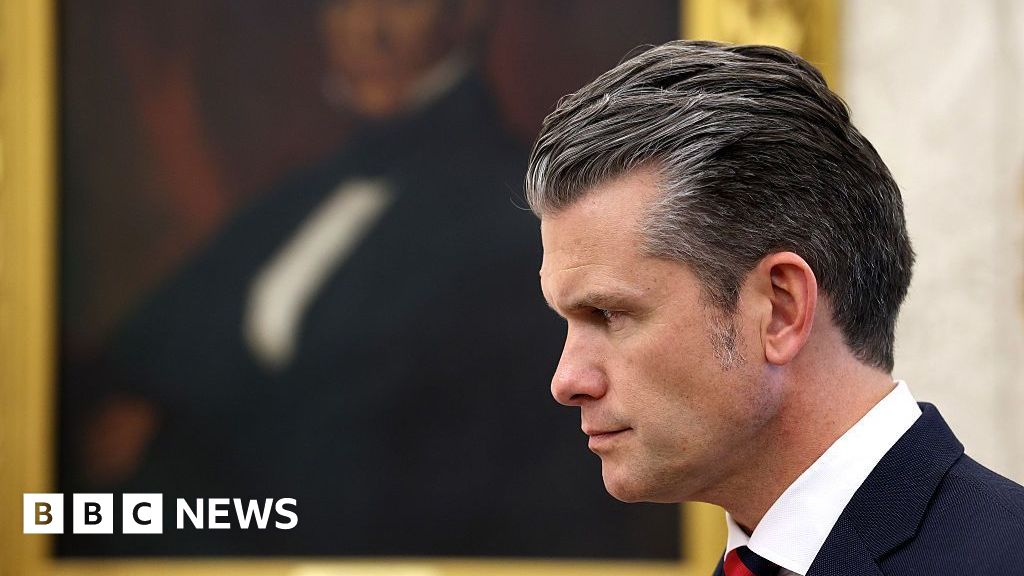
White House Severs Ties with Hegseth Over Threat of Second Strike on Drug Boat—US Politics Update

In a development that underscores the mounting tensions between **United States** and the broader international community, recent military actions in the Caribbean and Pacific have ignited a fierce debate about legality, sovereignty, and the very nature of modern warfare. According to reports, a **US Navy** commander ordered a second round of strikes on an alleged Venezuelan drug vessel on September 2, a move that has drawn sharp criticism with echoes of Cold War-style proxy conflicts. This strike, which aimed to eliminate what the **US** claims was a threat linked to drug trafficking, resulted in a series of complex repercussions both within **America** and in its relations with regional nations, especially **Venezuela**.

While **White House** officials distanced **Defense Secretary Pete Hegseth** from direct orders for the raid, press secretary Karoline Leavitt confirmed that Hegseth authorized the military engagement but denied allegations of a war crime—specifically, the report suggesting he ordered the killing of all individuals aboard the vessel. Critics, including numerous international legal experts and human rights advocates, have questioned the legality of these strikes by pointing out the absence of concrete evidence and the potential violation of international law. Historians warn that such unchecked military actions could set a dangerous precedent, undermining sovereignty and international norms that serve as the foundation of global stability.

The incident highlights a critical turning point in US military policy, as the Trump-era administration has continued its aggressive stance in counter-narcotics, employing unorthodox methods often justified by the perceived threat of drug trafficking organizations. US authorities assert that since September, at least 83 individuals have been killed in similar strikes targeting alleged trafficker vessels, primarily in the Caribbean Sea and eastern Pacific. However, these operations have faced mounting scrutiny, with international organizations such as the United Nations raising concerns over their legality and proportionality. Many geopolitical analysts argue that these actions risk unravelling the delicate balance of power, especially amid rising tensions with **Venezuela**, whose government fiercely denies any involvement in drug trade.

  • The Pentagon defends the strikes as lawful under the **law of armed conflict**, emphasizing that these operations are conducted in **international waters**, which theoretically exempts them from territorial sovereignty restrictions.
  • Both **Senate** and **House** armed services committees have launched probes into the operations amid accusations that the White House has yet to release detailed intelligence or evidence backing their claims.
  • Global reactions are mixed, with allies concerned over the escalation of unilateral military action without international consensus, while detractors contend these policies could spiral into wider conflict or war crimes accusations.

As **international organizations** and **regional nations** watch with mounting alarm, the **geopolitical impact** of these actions could be profound. A military approach rooted in aggressive strikes risks fragmenting alliances, sparking retaliation, and igniting new conflicts in an already volatile region. As scholars like Dr. Laura Simon warn, “If unchecked, this trajectory could lead to a scenario where sovereignty is eroded, and the US’s role as a global enforcer becomes increasingly questionable.” The weight of history hangs heavy as **America** navigates this precarious shadow of military intervention, where every decision echoes across borders, shaping the future of international law and security. With each new strike and probe, the narrative of power, legality, and morality continues to unfold—a story written in the blood and resilience of nations striving to define their place in an unpredictable world.

US approves second Venezuela boat attack, White House confirms

In a move that underscores the increasingly aggressive stance of the United States in the Caribbean and Latin America, a series of controversial naval strikes have reignited international debate over sovereignty, legality, and Global security. Last month, the White House confirmed that a top US Navy commander ordered a second missile strike against what it alleged to be a Venezuelan drug-trafficking vessel. The incident, part of a broader anti-narcotics initiative, has raised fundamental questions about the legality of extrajudicial military operations in international waters. While U.S. officials defend these actions as necessary for national security, legal experts and foreign nations warn of dangerous precedents and regional destabilization.

The geopolitical impact of Washington’s expansion in the Caribbean is profound. As the U.S. increases its military footprint, especially off the coast of Venezuela, it sends a clear message: American interests in the region are non-negotiable. The Biden administration, continuing the policies of the previous Trump government, emphasizes that these strikes are acts of self-defense designed to disrupt drug trafficking networks responsible for flooding the U.S. with illicit substances. However, critics, including seasoned international analysts, argue that the proliferation of such strikes—often accompanied by grainy media footage devoid of concrete evidence—threatens to undermine longstanding norms of law and order in maritime conduct. The deployment of military force in such circumstances, especially with reports suggesting some mustered survivors were killed after initial attempts to rescue them, complicates the interpretation of international humanitarian law.

In the ongoing political saga, Venezuela sharply condemns these actions, accusing the U.S. of stoking regional tensions and pursuing a covert agenda to overthrow its government. Venezuelan authorities have announced investigations into the strikes, asserting that the U.S. operations violate sovereignty and international law. In an interview with BBC Newsnight, Venezuela’s Attorney General, Tarek William Saab, attributed U.S. hostility to “great envy” for Venezuela’s natural resources and called for diplomatic dialogue to de-escalate tensions. Meanwhile, President Nicolás Maduro remains defiant, maintaining that Washington’s accusations about his government’s involvement in drug trafficking are baseless and politically motivated. Despite diplomatic overtures, including a recent brief phone call between Donald Trump and Maduro—where the U.S. leader reportedly pressured him to resign—the situation remains volatile, with no signs of immediate reconciliation.

Across the U.S. legislative landscape, bipartisan concern is mounting. The Senate Armed Services Committee has promised vigorous oversight, seeking evidence—including audio and video recordings—to clarify the chain of command and the legality of the operations. Chairman Roger Wicker states that the committee plans to interview the admiral in charge of the operation to determine if proper protocols were followed. The rules of engagement under international law, especially within a context defined as a non-international armed conflict, explicitly prohibit targeting wounded combatants or survivors, raising serious doubts about the legitimacy of the second strike, where reports suggest survivors were killed after initial attacks. Critics argue that these actions resemble the controversial “double tap” drone practices used during the Obama era—practices that drew widespread criticism for civilian casualties.

This unfolding crisis underscores a broader debate about America’s role as a regional enforcer and the limits of its military power. As expert voices and international institutions scrutinize these operations, the legacy of this period remains uncertain. Is the U.S. acting as a defender of law and order, or is it forging a dangerous precedent—one where maritime sovereignty is secondary to the pursuit of perceived national interests? With the weight of history bearing down on these decisions, the world watches anxiously, as the balance shifts at the crossroad of diplomacy and warfare, threatening to set a precedent that may echo through generations. The story remains unwritten, teetering on the knife’s edge of a new geopolitical era—one that could define the future of international relations for decades to come.

Ukraine War Update: Trump Ally Witkoff to Meet Putin in Moscow as US Pushes for Peace

Rising Tensions and Fragile Diplomacy: The Geopolitical Aftermath of the Ukraine Conflict

The ongoing conflict in Ukraine continues to shape the geopolitical landscape of Eastern Europe and beyond. As Vladimir Putin consolidates control over strategic territories such as Pokrovsk and Vovchansk—key towns believed to have fallen into Russian hands—international observers like NATO and the European Union watch with mounting concern. Despite the Kremlin refusing to confirm these reports, Moscow heralds these advances as successes, while Kyiv insists it remains in full territorial control. This ambiguity underscores the dangerous fluidity of the frontlines as Russia claims to have captured over 19% of Ukrainian territory—a stark increase since 2023—highlighting the persistent threat of a broader regional destabilization.

Amid these developments, Ukrainian President Volodymyr Zelenskyy remains resilient, asserting that Russia “must not be rewarded” for its invasion. His diplomatic efforts frenquently involve engaging with European leaders such as Emmanuel Macron and Friedrich Merz, seeking tangible security guarantees and reaffirmation of sovereignty. However, skepticism shadows these talks. Critics from the EU warn that the recent Putin-Witkoff negotiations risk pressuring Ukraine into concessions that could compromise its sovereignty or territorial integrity, casting a shadow over the fragile prospects for peace.

In this tense climate, Steve Witkoff, an envoy linked to Donald Trump‘s inner circle, plays a pivotal role. His recent meetings with Vladimir Putin in Moscow have reignited debates about the nature of American diplomacy. Analysts like Julian Borger note Witkoff’s controversial approach—advising Kremlin officials that land swaps and territorial concessions might be necessary. This approach has sparked fierce criticism, especially regarding the controversial 28-point peace proposal that seems to favor Moscow’s maximalist demands. The profound influence of such diplomatic maneuvering underscores how outside actors, including the United States, continue to shape the conflict, often blurring the lines between peace efforts and power plays.

The geopolitical implications of these negotiations are profound. As historians and international organizations warn, the consequences extend far beyond Ukraine’s borders. An escalation or miscalculation could ignite a broader conflict, dragging NATO allies into a wider confrontation. Meanwhile, Russia’s military advances have accelerated since 2022, with the fastest territorial gains recorded in recent months. The strategic importance of Pokrovsk as the gateway to Donetsk places immense pressure on Ukrainian forces, which refuse to acknowledge Russian territorial gains and remain committed to defending their sovereignty.

Apart from military conflicts, internal crises burden Kyiv’s efforts. Recent scandals involving corruption within Zelenskyy’s government threaten to undermine diplomatic and military strategies just as negotiations intensify. The recent missile attack by Russia in Dnipro, killing several civilians, reminds the world that the war’s human toll remains devastating. As the crisis unfolds, the balance of power, diplomacy, and internal resilience will determine whether Ukraine will triumph, concede, or endure a protracted stalemate— a chapter of history yet unwritten, teetering on the edge of transformation.

As history watches, the choices made in Moscow, Kyiv, and Western capitals hold the potential to redefine sovereignty and influence for generations. Will diplomacy prevail amid the chaos, or will the specter of escalation forever alter the course of modern geopolitics? One thing remains certain—this is a pivotal moment in the 21st century’s global struggle, with each decision echoing across a battlefield where the true winners and losers are yet to be determined. The unfolding chapter of this conflict reminds us all: the weight of history continues to hang in the balance.

Social Media Auto Publish Powered By : XYZScripts.com