Matox News

Truth Over Trends, always!

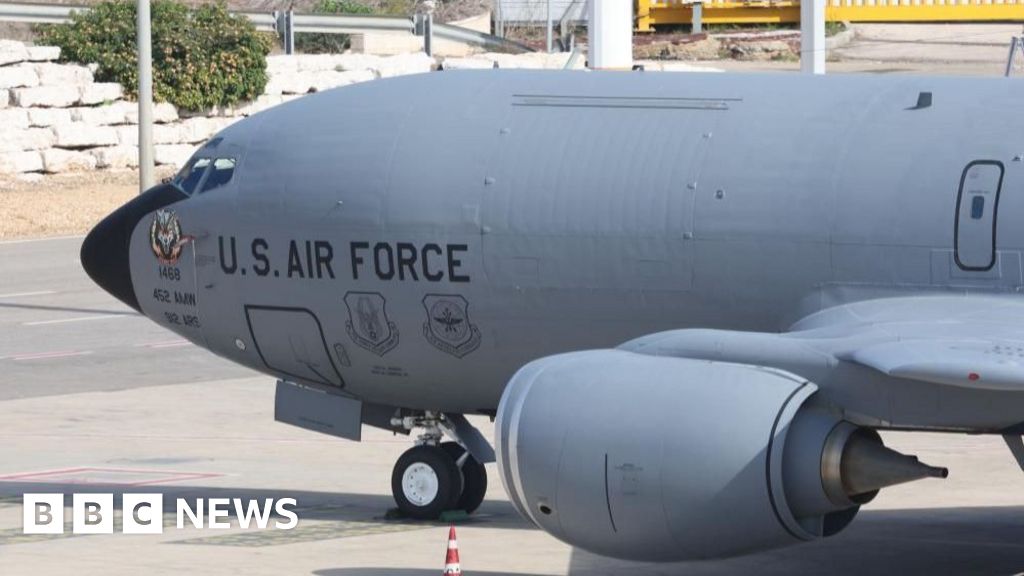
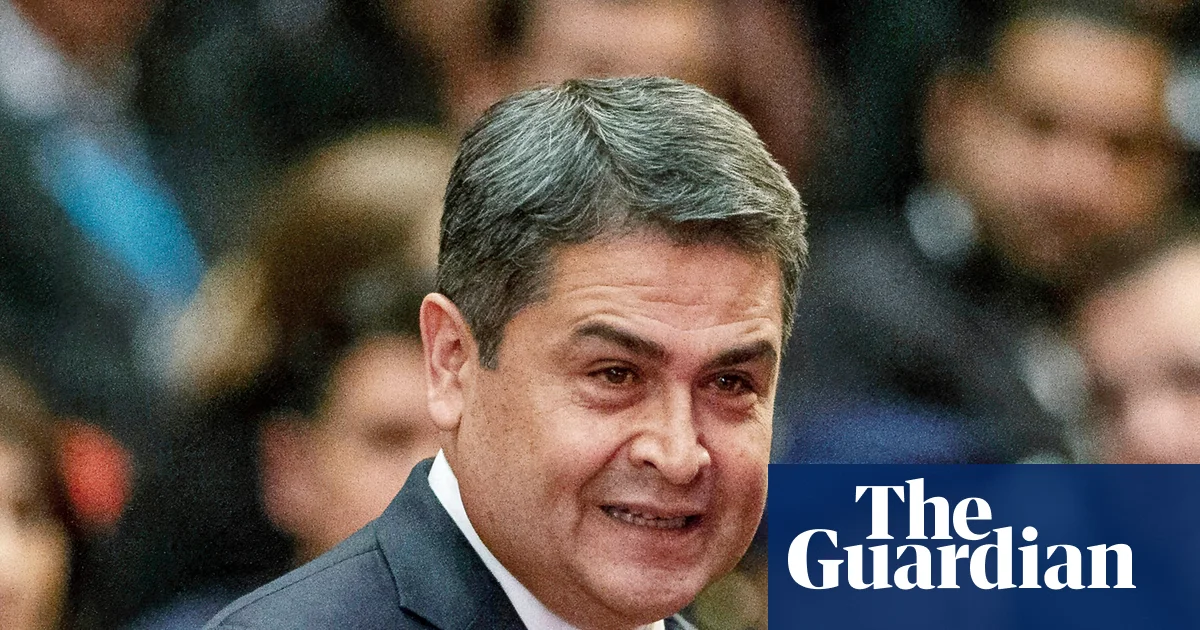
Trump to Pardon Former Honduran Leader Behind Drug Trafficking Conviction

Geopolitical Tensions Surface as Honduras Heads to the Polls Amid Controversial U.S. Interventions

As the Honduran electorate prepares for their upcoming presidential election this Sunday, international observers, including the Organization of American States and Washington, remain vigilant about the political climate and the potential ramifications on regional stability. The race is notably close, with candidates such as Tito Asfura, Rixi Moncada, and Salvador Nasralla vying for leadership of a nation historically caught between external influences and internal strife. Yet, beneath the surface of a democratic process, recent U.S. actions and political maneuvering reveal a more complex, often troubling geopolitical narrative that extends well beyond Honduras’ borders.

Former President Juan Orlando Hernández, now serving a 45-year sentence for accepting bribes linked to drug trafficking, has become a focal point in this international chess game. Just days before the election, Donald Trump declared his intent to issue a full and complete pardon for Hernández, claiming the ex-leader had been treated unfairly. This move underscores Washington’s enduring engagement with Honduras, where Hernández’s tenure was marked by close ties to U.S. interests and an open alliance with anti-drug strategies that often bypassed diplomatic norms. Historically, U.S. policymakers have leveraged such relationships to secure regional parameters that favor their geopolitical objectives, particularly in combating drug flows into America. However, critics argue this approach exacerbates corruption and undercuts democratic legitimacy, especially when the political process becomes entangled with extrajudicial efforts and covert operations.

Implications of U.S. Involvement and Shifting Alliances

  • Honduras has pivoted historically toward U.S. support under Hernández’s leadership, but recent elections pose challenges to this model, with Xiomara Castro pushing a more independent, leftist agenda.
  • Castro’s government, though pragmatically maintaining some cooperation, has openly criticized U.S. policies toward Cuba, Venezuela, and the broader Latin American left, providing a counter-narrative to Washington’s influence.
  • The U.S. claims to combat drug trafficking via designations of cartels as terrorist organizations and conducting military strikes have drawn international criticism for their humanitarian toll, raising questions about the efficacy of such strategies when deployed as tools of foreign policy rather than justice.

Despite the growing tensions, the election’s outcome remains unpredictable, with some analysts warning that the political landscape could further fragment should multiple candidates claim victory—a possibility that could deepen instability in a country vital to U.S. southern policy. Historians and regional analysts emphasize that this election signifies more than the choice of a leader; it is a reflection of America’s ongoing efforts to shape Central America’s future, often at the expense of local sovereignty. The recent moves by Trump and other figures demonstrate a pattern where personal political gains intertwine with geopolitics, influencing policies that have profound implications for regional security, migration, and economic development。

Shifting Alliances and Future Uncertainties

Meanwhile, Castro’s government, while receiving some engagement from the Biden administration, has managed to sustain relations with Cuba and Venezuela, challenging traditional U.S. narratives of dictatorships and economic crises. This pragmatic shift signals a broader regional pivot away from pure U.S. influence towards more diverse partnerships, a development noted with cautious optimism by international observers. Yet, the overarching concern remains: how will these geopolitical shifts affect the stability of Honduras and the wider Central American corridor?

As history continues to unfold, the impact of external powers like the U.S., combined with internal political dynamics, will determine whether Honduras moves toward deeper democracy or succumbs to chaos. The coming days are critical, not just for Hondurans, but for the entire hemisphere as each decision could shape the trajectory of regional order for decades to come. The weight of history presses down, reminding the world that today’s choices are the foundations upon which liberty, sovereignty, and stability will be built—not only in Honduras but across a fragmented and restless Latin America.
Who truly vetted Afghan evacuees during Biden's watch?
Who truly vetted Afghan evacuees during Biden’s watch?

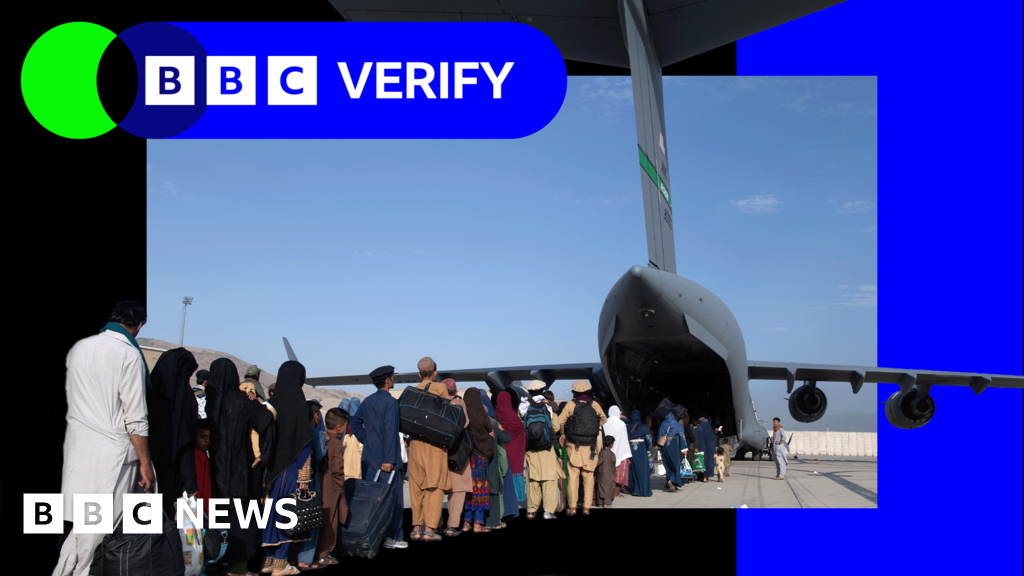
The recent violent incident in Washington DC, where two National Guard members were shot—one of whom tragically succumbed—has ignited a fierce national debate over how the United States handles Afghan refugees and vetting protocols. The suspect, identified as Rahmanullah Lakanwal, entered the country under the Operation Allies Welcome scheme, a Biden-era initiative aimed at resettling vulnerable Afghans following the Taliban’s return to power in August 2021. While the current administration insists that the vetting process was rigorous and multi-layered, critics from the opposition, including prominent Republicans, argue that chaos and insufficient screening have left the nation vulnerable to threats emerging from within. Such events underscore a critical geopolitical impact—shaping public perception, influencing policy, and testing America’s commitments to both its national security and international obligations.

The scheme, launched ostensibly to quickly resettle those most at risk from Taliban reprisals, was heralded as a humanitarian effort by President Biden and his administration. However, the aftermath has been clouded by reports suggesting a less than perfect vetting process. The US Department of Homeland Security claimed that evacuees, including Lakanwal, arrived with “unvetted” backgrounds, raising concern among security analysts and officials. Critics point out that the vetting process, which involved biometric data collection and background checks by agencies such as the FBI and the National Counterterrorism Center, was compromised by systemic issues—such as incomplete data and lax procedures during the chaotic evacuation. A 2022 audit by the Office of Inspector General highlighted that vital information about some evacuees was inaccurate, leading to concerns that potentially dangerous individuals may have slipped through the cracks. According to security expert analysis, these pitfalls in the vetting cascade have contributed to a fragile national security environment, as underscored by recent events.

Internationally, the geopolitical impact of the US’s handling of Afghan refugees extends far beyond America’s borders. Critics, including former President Trump, argue that the Biden administration’s policies created vulnerabilities that enemies could exploit. The disputed claim that Lakanwal was “unvetted” and potentially dangerous feeds into fears of a “Trojan horse” scenario, which opponents equate with a weakening of America’s border integrity. The narrative has been amplified by claims—though lacking transparency—by Republican officials that individuals like Lakanwal were allowed into the country without proper screening. As analysts from international organizations warn, such vulnerabilities could embolden hostile nations and terrorist groups, undermining $ecurity alliances and destabilizing regions across the globe. The debate reflects a broader contest between humanitarian obligations and national sovereignty—a line that international advocates warn is increasingly fragile amid rising threats.

As the story unfolds, the crisis extends into the realm of history and future policy. How nations respond to these challenges will likely define the next decade—shaping whether America’s promise of refuge withstands the weight of threats internal and external. Renowned historians and security experts have warned that the decisions made now will be scrutinized by generations to come. The tragic shooting in Washington serves as a stark reminder that the battle for security versus openness is ongoing, with the weight of that decision bearing heavily on the fate of nations and societies worldwide. The pages of history are still being written, and in the shadows of this incident lie the unresolved questions of trust, vetting, and the true cost of compassion in a perilous age—leaving us to ponder whether the next chapter will see a renewed resolve or a further unraveling of security in the face of complex geopolitics.

Afghan-Americans demand action from Trump after deadly DC shooting

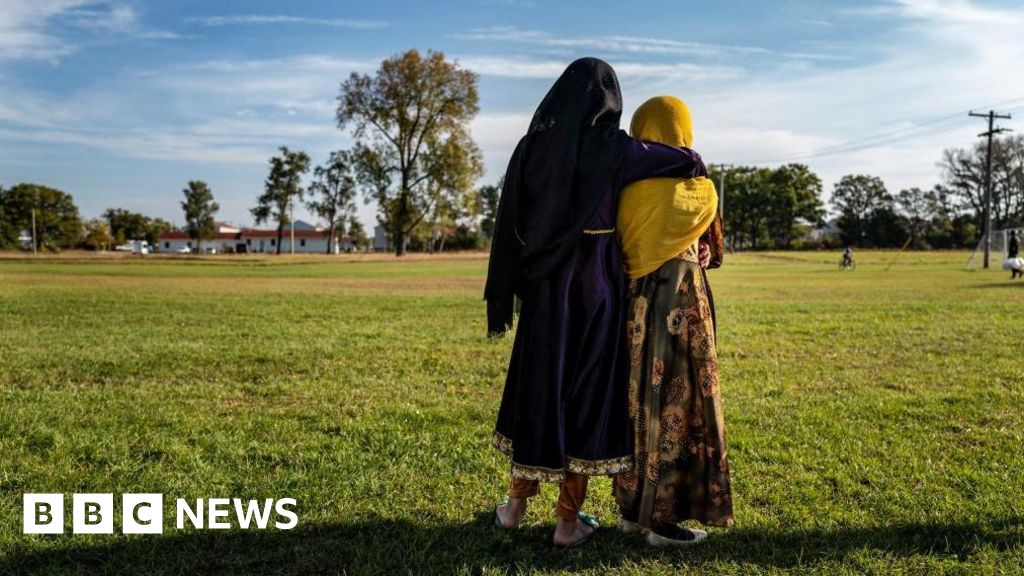
The recent violence in Washington, DC, marked a tragic chapter in the ongoing challenges faced by Afghanistan and its diaspora post-U.S. withdrawal in 2021. The deadly shooting, which resulted in the death of a National Guard member and left another fighting for life, has reverberated across political and social spheres in America. The suspect, Rahmanullah Lakanwal, a recent immigrant with ties to U.S. forces in Afghanistan, highlights the complex interplay between immigration policies and security concerns. While Afghan-American communities have condemned the attack, emphasizing that the perpetrator does not represent their society, the incident has reignited heated debates surrounding the Biden administration’s immigration programs, especially for those fleeing Taliban-controlled Afghanistan.

In response to the attack, President Donald Trump has swiftly moved to curb further immigration from Afghanistan by pausing all current requests and reviewing green cards issued to residents from 19 countries. This crackdown aligns with his longstanding rhetoric emphasizing national security and border sovereignty over what he deems “third-world” threats. International analysts and observers, including members of the Heritage Foundation and the Council on Foreign Relations, warn that these policies risk undermining the decades-long alliance between the U.S. and Afghanistan’s anti-Taliban forces. They underscore how such decisions may fracture the fragile stability of Afghan communities worldwide, fueling social divisions and eroding trust in government.

Within the United States, many Afghan immigrants express a mixture of gratitude and concern. The Afghan Community Coalition of United States has called for a “comprehensive investigation” into the shooting but urges the Biden administration not to halt Afghan immigration claims, emphasizing the *twenty-year partnership* that saw countless Afghans risking their lives working alongside U.S. forces. Historians like Dr. Ahmed Rashid have noted that the U.S.’s withdrawal was a turning point that left Afghanistan vulnerable to Taliban resurgence, and that the Afghan diaspora has borne the weight of shifting policies with their hopes for safety and stability. Meanwhile, critics warn of potential repercussions if immigration policies tighten further, arguing it could undermine the very principles of refuge and alliance that helped myriad Afghans escape Taliban rule.

As the story unfolds, it leaves the global community in a state of reflection. The young Afghan American who described the attack as “deeply tragic” reiterated that this act was an isolated incident and not reflective of the entire community, which continues to contribute to American society. Still, the shadow of instability looms large, with fears of unpredictable policy shifts and societal marginalization. In the backdrop, the voices of activists like Crystal Bayat, who worry about deportations despite their legal status, reinforce a broader narrative of uncertainty. As the US grapples with its identity and security priorities, the widening fissures in its immigration fabric threaten to leave a lasting scar on history — a reminder that the consequences of decisions made today will echo into generations to come, shaping the geopolitical landscape and the destinies of countless lives caught in the crossfire of shifting allegiances and ideologies.

Austrian Nuns Secure New Lease on Life at Abandoned Convent

Global Impact of a Local Scandal: Austria’s Convent in the Crosshairs

The story of three Austrian nuns—Sister Bernadette, Sister Regina, and Sister Rita—has transcended local boundaries to ignite an international debate on faith, societal values, and the influence of social media. Residing within the historic Schloss Goldenstein convent near Salzburg, these elderly women, who historically dedicated their lives to spiritual service, have unexpectedly become icons of a burgeoning cultural conflict. Their decision to reoccupy their long-held home after being removed to a care facility against their wishes has stirred a whirlwind of controversy, highlighting the tension between religious tradition and contemporary societal pressures.

In a move that can be seen as a symbolic stand against the encroachments of modernity, the nuns’ community has garnered nearly 100,000 followers on social media platforms like Instagram and Facebook, where they share moments of prayer, daily routines, and even fitness routines, such as Sister Rita’s boxing workouts. Their social media presence, supported by sympathetic former students and supporters, has challenged the authorities’ attempt to suppress their voice, prompting questions about the role of technology as a tool for empowerment versus control. The Church authorities now find themselves in a precarious position, trying to contain the narrative while enforcing discipline, with Andrea historians warning that this case exemplifies the growing divide between faith communities and modern social values.

Decision to Halt Social Media and Restrict Access: Geopolitical Ramifications

Recently, Church officials offered the nuns the chance to remain at Kloster Goldenstein with conditions: they could stay if they ceased their social media activities and restricted access to the enclosed parts of the convent. This decision exemplifies a broader strategy by religious institutions to control their image in increasingly digital societies, where social media alters power dynamics. Harald Schiffl, a spokesman for the authorities, emphasized that the nuns’ social media activities would be a key condition, framing their online presence as a threat to their traditional roles. This response signals a wider struggle within the European Union—where conservative and progressive forces vie for influence—highlighting the geopolitical impact of local religious disputes. Critical international organizations such as the Council of Europe warn that these tensions could reflect a wider erosion of religious freedoms in Europe, where societal liberalization often clashes with centuries-old institutions.

Using historical analysis, some scholars suggest that the nuns’ predicament mirrors a resurgence of traditionalism in the face of modern secular society. Other analysts argue that the Church’s move to suppress the nuns’ social activism might backfire, fueling resistance against authoritarian tendencies within religious hierarchies. The case has also spotlighted Austria’s delicate balance between maintaining cultural heritage and embracing the social fluidity of a diverse, globalized Europe. As the government contemplates its position, the incident underscores how decisions taken in one country ripple across borders, influencing debates about religious identity, individual rights, and societal cohesion within the wider European context.

The Dawn of a New Epoch or the End of an Era?

With negotiations ongoing and the nuns still residing at their convent, the world watches as this small but potent controversy unfolds. The Church’s insistence on control, coupled with the nuns’ staunch resistance and social media activism, sketches a vivid portrait of societal change in motion. International commentators warn that this story is more than a local squabble—it is a microcosm of the global clash between tradition and transformation. As the nuns’ future remains uncertain, history echoes a warning: societies that suppress voices rooted in their past risk losing their very soul. Whether this chapter ends with reconciliation or prolongs into further upheaval, the echoes of their story will reverberate in the corridors of history, shaping the narrative of faith and freedom for generations to come.

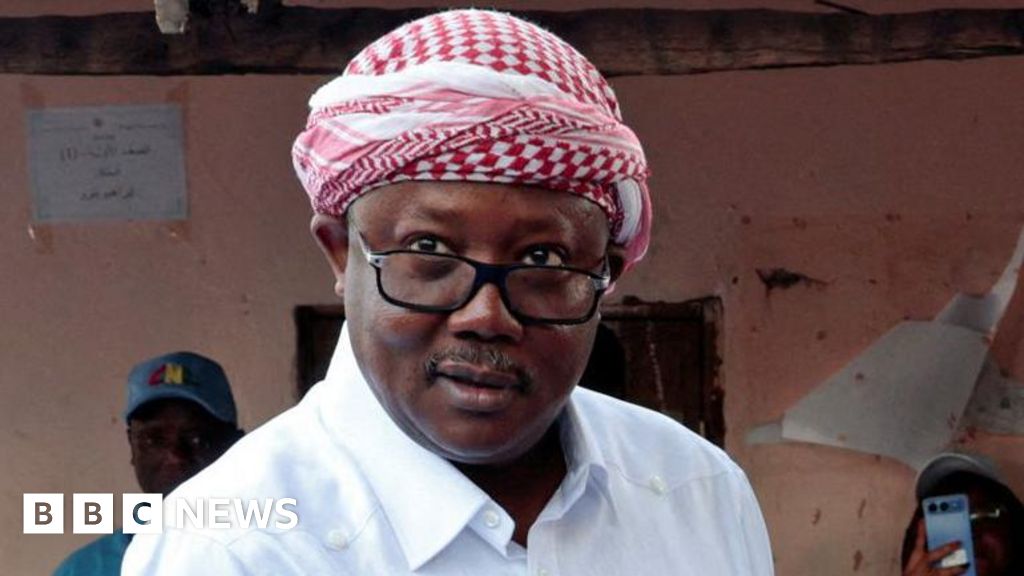
Guinea-Bissau’s President Umaro Sissoco Embaló Sought Refuge in Senegal Following Coup

The recent turmoil in Guinea-Bissau underscores the fragility of democratic institutions in West Africa, a region increasingly influenced by military interventions and external pressures. This week, the nation witnessed yet another military coup, a recurring theme in its post-independence history, which has seen at least nine coups or attempted upheavals over the last fifty years. The abrupt removal of President Umaro Sissoco Embaló and the installation of an interim military leader exemplifies the deep-rooted challenges facing the country’s political landscape. As regional powers and international organizations express concern, the question of whether Guinea-Bissau’s political instability will spiral into a broader crisis remains.

  • The military detained Embaló and other key political figures, suspending the electoral process just before official results could be announced.
  • The coup was justified by the military as a move to thwart a purported plot involving unnamed politicians and a “well-known drug baron”—highlighting Guinea-Bissau’s longstanding role as a major hub in international drug trafficking.
  • Regional Ecowas swift response saw the organization suspend Guinea-Bissau from decision-making bodies, demanding the military return to the barracks, condemning their actions as a “grave violation of constitutional order”.

Internationally, the situation has elicited sharp condemnation from the African Union and the United Nations. UN Secretary-General Antonio Guterres expressed “deep concern” and called for an “immediate and unconditional restoration of constitutional order,” emphasizing the importance of stabilizing the nation before further deterioration. These reactions reflect the wider recognition that Guinea-Bissau’s instability does not exist in isolation but feeds into the broader geopolitics of the region. For decades, Western powers and neighboring states have watched carefully, wary of the country’s vulnerability to drug trafficking, military meddling, and political backslide.

Moreover, the crisis in Guinea-Bissau exemplifies how internal political machinations—ranging from allegations of rigged elections to claims of self-staged “simulated coups”—are often entwined with geopolitical interests and local power dynamics. Analysts like Beverly Ochieng from Control Risks suggest that embattled President Embaló’s recent actions, including dissolving parliament after a coup attempt, might have inadvertently created space for military intervention, possibly orchestrated or at least exploited by factions seeking stability through strength. How the military’s assertion of control will reshape Guinea-Bissau’s future remains uncertain, but regional leaders, notably Sierra Leone’s President Julius Maada Bio, have taken steps to secure Embaló’s safety, illustrating how geopolitical concerns extend beyond national borders.

As history looms heavily over Guinea-Bissau’s current predicament, the nation’s struggles become a stark reminder to the world: weak institutions, unresolved political conflicts, and external criminal influences can turn fragile democracies into battlegrounds of chaos and control. The decisions made now—whether to impose sanctions, support diplomatic resolutions, or leave military factions unchecked—will leave an indelible mark on the country’s trajectory. The wheels of history are turning, and in a region where the stakes include not only national sovereignty but international safety, Guinea-Bissau’s story is far from over. As the international community watches in measured silence, the ongoing battle for stability, sovereignty, and soul of Guinea-Bissau begins a new chapter—one that will define the future of this troubled yet strategically vital country, a tiny nation sitting precariously on the edge of chaos and renewal.

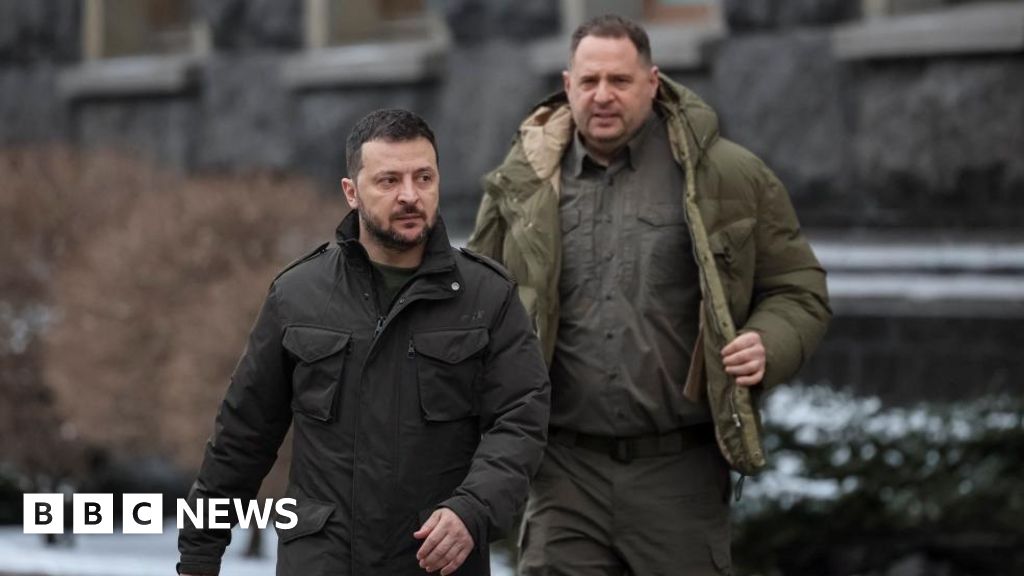
Yermak Steps Down After Corruption Raid Sparks Crackdown

Ukraine’s Political Stability in Jeopardy Amid Corruption Scandal and Diplomatic Turmoil

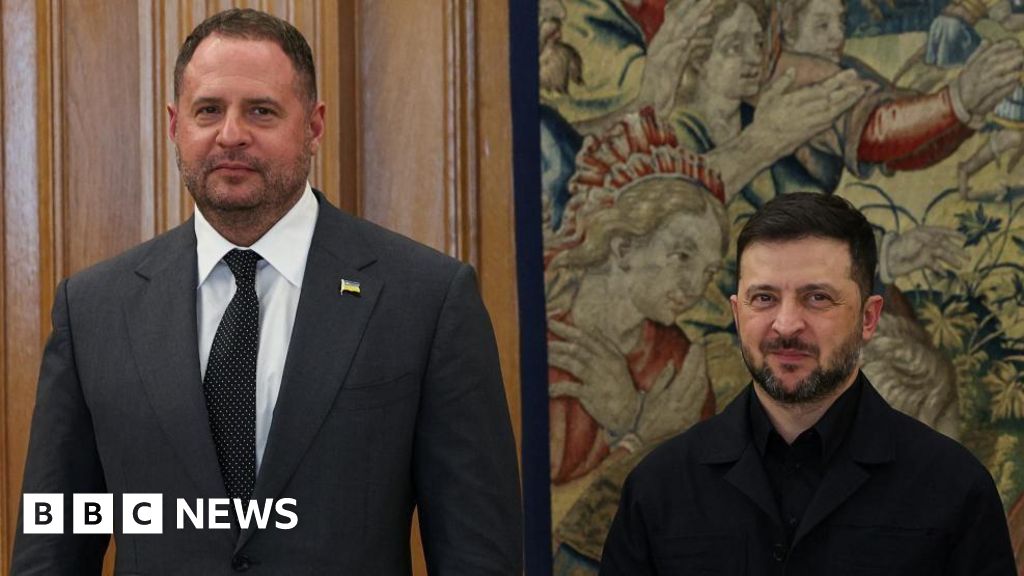
In a development that has sent shockwaves through the international community and raised pressing questions about Ukraine’s internal stability, President Volodymyr Zelensky announced the resignation of his chief of staff, Andriy Yermak. The resignation follows a high-profile anti-corruption raid on Yermak’s residence in Kyiv, which analysts are assessing for its potential impact on Ukraine’s diplomatic negotiations and internal unity. Yermak, the long-standing confidant and a key figure in Zelensky’s administration, has played a pivotal role in steering Ukraine through the tumult of Russia’s ongoing invasion and the complex diplomatic efforts aiming for resolution. Despite not facing any formal charges, the raid symbolizes the heightened scrutiny, both domestically and internationally, on Ukraine’s fight against corruption—a persistent sore point that critics argue hampers Kyiv’s quest for legitimacy and stability amid war.

This diplomatic shake-up comes at a critical juncture, as Ukraine’s leadership faces mounting pressure from Western allies and U.S. officials to make concessions that could alter Ukraine’s territorial integrity. On the heels of Yermak’s departure, U.S. Secretary of the Army Dan Driscoll is scheduled to arrive in Kyiv to discuss President Donald Trump’s} recent push for a peace plan—an indication that international powers are intensifying efforts to broker a settlement that risks encroaching on Ukraine’s sovereignty. Kyiv’s leadership, under immense strain, has reiterated their stance that “no territory will be surrendered,” a line that echoes the steadfast resistance historically championed by Ukraine’s defenders. Nevertheless, analysts such as Dr. Robert C. H. Peters, an international security expert, warn that the window for diplomatic victory is narrowing, and inner political stability is crucial if Ukraine is to stand firm against external pressure.

Despite Ukraine’s official assertions of resolve, the scandal has exposed vulnerabilities within Zelensky’s government, leading to concerns about how internal discord may weaken their negotiating position. The continued conflict in the Donetsk region, where Russia demands the return of strategically vital cities, remains tense, with President Vladimir Putin warning that failure to withdraw by Kyiv could result in military escalation. Yermak’s remarks prior to the raid underscored the gravity of Ukraine’s stance, emphasizing that “as long as Zelensky is president, no one should expect us to cede territory,” encapsulating the indomitable spirit of Ukrainian resistance. The situation is further complicated by Russia’s relentless offensives and the international community’s divided response, which hinges on balancing diplomatic negotiations with the imperative to deter aggression.

As the dust settles over Kyiv and Moscow’s forces gird for further advances, the unfolding drama signifies more than mere political intrigue; it reflects the geopolitical stakes at play. Ukraine’s internal resilience, the capacity of its leadership to navigate scandals, and the international community’s resolve to support Kyiv are all critical factors in shaping the future of Eastern Europe. Facing an uncertain horizon, history may yet judge this moment as the early chapters of a new Cold War chapter—where the global order hangs precariously in the balance, and the fates of nations are dictated not only by soldiers but by the unseen battles of diplomacy and corruption. As the international spotlight intensifies, the weight of history presses down, reminding the world that the choices made today will echo through generations to come, defining the very fabric of freedom in a world teetering on the edge of chaos.

National Guard shooting suspect to face murder charges amid Trump's aggressive immigration crackdown
National Guard shooting suspect to face murder charges amid Trump’s aggressive immigration crackdown

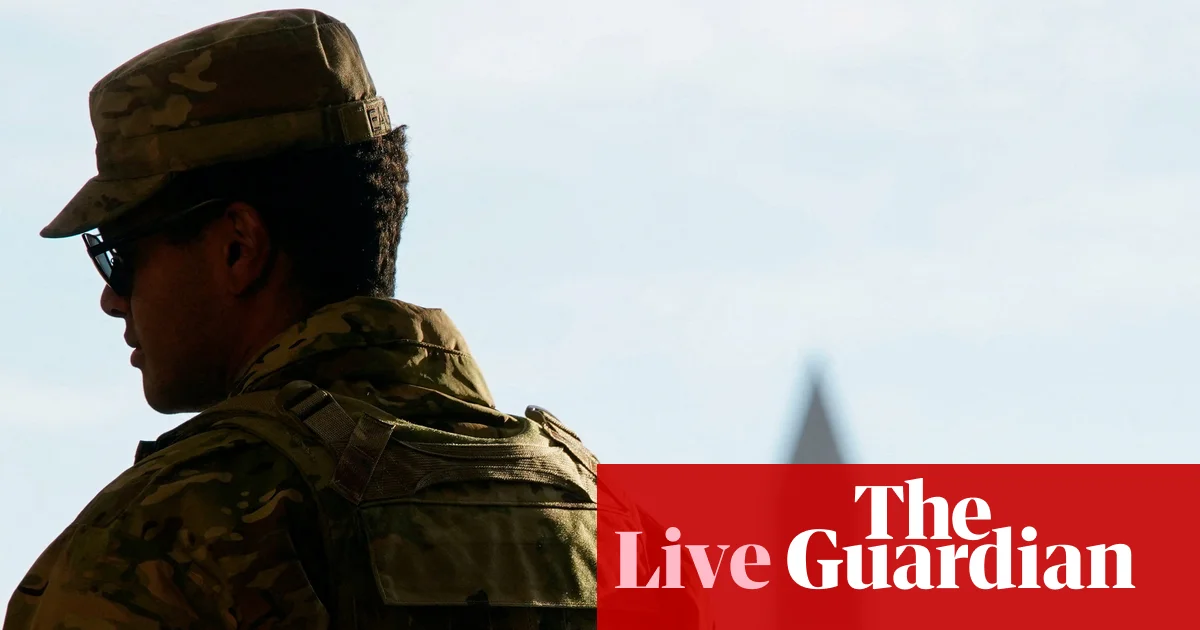
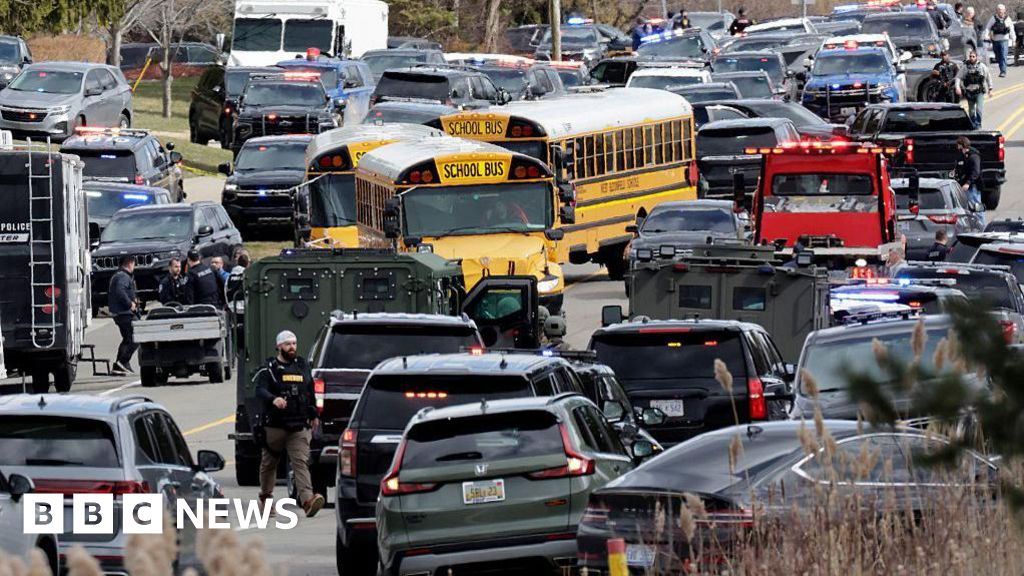
The recent surge of violence and political upheaval surrounding Washington, D.C. has ignited a firestorm with far-reaching geopolitical impacts that ripple across the international landscape. The escalation of violence—marked notably by the deadly shooting of National Guard members during a targeted attack close to the White House—has cast a shadow over what was once regarded as a symbolic safe zone. The attack, suspected to have been conducted by an Afghan national, underscores the complex challenge faced by U.S. authorities, who are now grappling with the security implications of foreign nationals involved in domestic violence. The incident further fuels Donald Trump‘s narrative that America’s borders and national security are compromised, prompting calls for stringent immigration policies.

The international community watches keenly as Trump vows to “permanently pause migration from all third-world countries,” signaling a potential shift away from America’s longstanding commitment to being a haven for immigrants. His promise, announced in a late-night social media post, aims to “end all federal benefits and subsidies to non-citizens” and remove those deemed “not a net asset” to the country. Yet, these aggressive rhetoric and policy proposals defy the legal and societal realities within the United States, where previous bans faced judicial hurdles and legislative resistance. Global analysts and human rights organizations caution that such measures could destabilize international efforts to support refugees and undermine America’s moral standing.

The incident has become a clear turning point, marking heightened tensions between the Biden administration’s policies and the growing nationalist wave, with many fearing increased institutional crackdowns and deepening societal divisions. As the Trump-era policies of mass deportations and immigration restrictions take a renewed shape, international voices—especially within Europe and Canada—warning that America risks retreating into isolationism and xenophobia. Renowned historians such as Professor Laura Sanchez argue that these developments threaten to turn the clock back on decades of inclusive policies, risking economic consequences due to the significant contributions of foreign-born workers, who fuel roughly 31 million American jobs.

This crisis also amplifies the debate about how internal decisions affect societal cohesion and international perceptions. The attack’s suspected perpetrator, linked to Biden’s post-2021 Afghan evacuation program, exemplifies the unintended consequences of rapid resettlements. As Trump calls for reexamining the status of Afghanistan nationals and intensifying immigration enforcement, international observers wonder whether the US is steering itself toward a more insular, security-focused approach—one that risks alienating traditional allies and destabilizing regional geopolitics. Historians warn that such internal rifts, if unaddressed, could lead to long-term societal fragmentation, with echoes that may reshape international relations for generations.

As the dust settles, the weight of history presses down—highlighting a moment where America’s founding ideals clash with burgeoning fears and nationalistic impulses. The choices made by its leaders in this perilous era could either forge a path toward renewed unity or fracture the social fabric beyond repair. The story of this chapter is still being written, but one thing remains certain: the unfolding narrative will influence the world’s outlook on democracy, security, and human rights for decades to come.

Hong Kong Tower Fire Claims 128 Lives, Youth Voice Demands Action

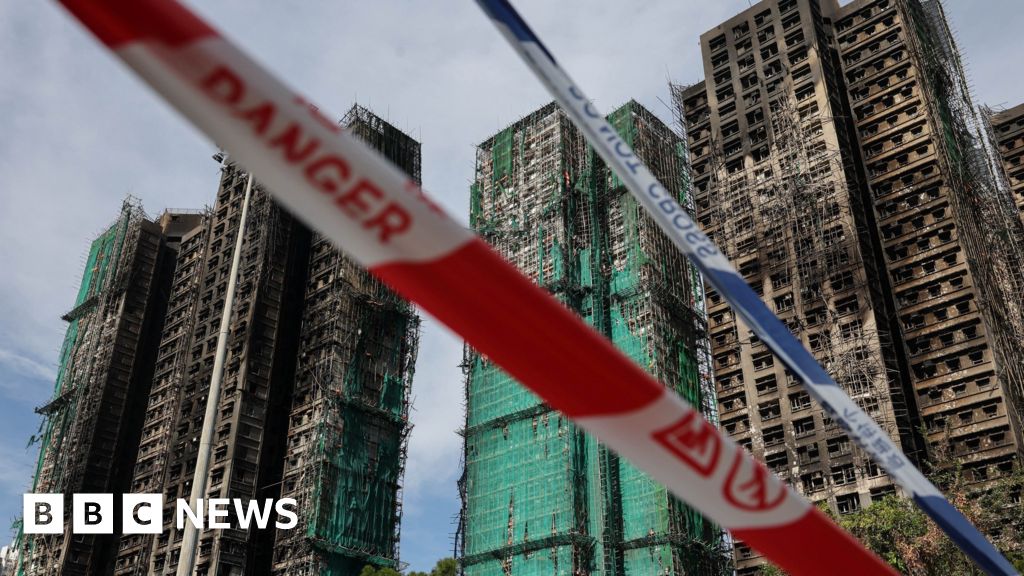
The recent fire outbreak at Wang Fuk Court in Hong Kong marks one of the most devastating tragedies in the territory’s modern history, with **128 lives lost** and dozens still missing. This catastrophe underscores profound failures in building safety standards and , igniting questions about how local governance and international investors manage safety protocols amidst ongoing urban renovations. As rescue operations conclude and emergency agencies tally the damage, the impact on Hong Kong’s societal fabric and global image becomes unmistakably clear, reflecting broader issues of urban neglect and corruption entrenched in the city’s development.*

This disaster, which saw flames rip through seven of the eight apartment blocks, speaks to systemic vulnerabilities. Firefighters worked tirelessly, with over 2,300 personnel involved in containment efforts, but the rapid spread was exacerbated by combustible exterior materials such as Styrofoam, which officials now link to the uncontrolled blaze. Experts from the International Fire Safety Organization warn that such negligence is indicative of a larger pattern—where cost-cutting and lax regulation compromise safety, especially in densely populated zones with aging infrastructure. Moreover, testimonies of missing safety alarms and allegations of turned-off fire systems by construction workers reveal a disturbing neglect that goes beyond mere oversight, pointing to potential criminal negligence***. These revelations resonate internationally as a warning of what unchecked corruption and profit-driven development can lead to, endangering vulnerable populations.

International analysts and historians have already contextualized this tragedy within Hong Kong’s longstanding struggle with urban density and governance. The 1948 fire that claimed 176 lives remains a dark chapter, and the current incident has reignited debates about urban planning failures—especially amidst recent protests over housing affordability and public safety. The fact that nearly 40% of residents are seniors who have lived in Wang Fuk Court since its 1983 construction emphasizes rising concerns that neglect of the elderly and marginalized communities is a symptom of broader societal disparities—disparities widened by the interplay of local government policies and international economic pressures. Such failures have drawn sharp criticism from international watchdogs and local civil society groups, who argue that the tragic loss could have been prevented had safety oversight been prioritized over profit gains.

The geopolitical repercussions extend beyond Hong Kong’s borders. As a major global financial hub, the city’s stability is vital to international investors and regional powers, notably China, whose leadership faces increasing scrutiny over transparency and governance. The incident fuels broader worries about urban resilience in the face of rapid development and challenges international perceptions of Hong Kong’s autonomy and rule of law. Some experts suggest that this crisis could catalyze reforms, but others caution it might deepen authoritarian tendencies, where accountability remains elusive. The story of Wang Fuk Court is thus not merely a local tragedy, but a symbol of the struggle between neglect and resilience, a chapter still being written in a consequential saga that shapes the very future of Hong Kong and, by extension, China’s global image.

As smoke clears and the city grapples with the enormity of the loss, history urges caution. Every life lost etches a scar into Hong Kong’s collective memory—an indelible reminder that the spirit of a society is measured by how it confronts its darkest hours. Yet, as with all moments of profound crisis, the question remains: will this catastrophe serve as a catalyst for meaningful reform, or will it fade into the backdrop of ongoing urban struggles? The weight of this tragic chapter lingers, leaving the world with a haunting realization—that sometimes, the flames of destruction threaten to consume not just buildings, but the very foundation of societal trust and safety, until a return to vigilance becomes the only path forward.

Starmer under fire from Labour youth over U-turn on workers' rights bill
Starmer under fire from Labour youth over U-turn on workers’ rights bill

Global Implications of the Labour Rights U-turn Amid Political Turmoil

In a remarkable turn of events that has sent shockwaves across the international political landscape, Britain’s Labour Party appears to be embroiled in a seismic policy shift that risks fundamental upheaval within its own ranks. Campaign promises made openly in the party’s manifesto, such as introducing ‘day one’ protections from unfair dismissal, have been swiftly abandoned in the face of mounting political and economic pressure. This retreat, characterized by a notable U-turn on employment legislation, has rekindled deep divisions within Labour, with its former allies and critics questioning the party’s commitment to its core principles.

Historian and political analyst Dr. Michael Armstrong notes that such policy reversals by major parties are not uncommon in parliamentary democracies, but the scale and public manifestation of Labour’s pivot mark a distinctive moment of crisis. Official statements from figures like Angela Rayner, once a prominent advocate for workers’ rights, highlight the internal tensions; her strong opposition to the *climbdown* underscores the broader implications for Labour’s social base and its relationship with labor unions. Union leader Sharon Graham has openly condemned what she describes as a “shell of its former self” legislation, warning that the Bill’s dilution—particularly the exclusion of reforms like fire and rehire bans and zero-hours contract restrictions—severely undermines trust in Labour’s promises.

The geopolitical impact of Britain’s internal discord reaches beyond its borders, serving as a cautionary tale to global democracies grappling with electoral mandates and governing realities. International organizations and foreign diplomats observe with concern the apparent unraveling of Labour’s electoral commitments, pondering whether this signals a broader trend of political expediency overriding genuine reform. Some analysts suggest that this collapse of ideological clarity could embolden populist and nationalist forces elsewhere, capitalizing on perceived governmental unreliability. As geopolitical strategists warn of a potential decline in political stability within the UK, European allies and transatlantic partners scrutinize the developments for signals of increased volatility, which could influence investment climates, alliance strategies, and the future of the UK’s role on the world stage.

In the hallowed halls of Westminster and the dusty corridors of history, this moment will be remembered as a symbol of the complex dance between policy promises and political pragmatism. As the battle lines within Britain are redrawn—highlighted by colorful debates over leadership ambitions, party loyalty, and the very fabric of democratic representation—the weight of the decision lingers. With Britain teetering on the cusp of a pivotal crossroads, the choices made today threaten to echo through generations, leaving an indelible mark on the annals of modern democracy. The unfolding saga of Labour’s legislative retreat serves as a stark reminder that, in politics, the line between ideals and reality is often blurred—a domain where the fate of nations and societies is ultimately forged amidst chaos and compromise, in the shadow of history still waiting to be written.

Ukrainian Anti-Corruption Raids Target Zelensky's Adviser Yermak’s Home
Ukrainian Anti-Corruption Raids Target Zelensky’s Adviser Yermak’s Home

In a move that underscores the volatile landscape of Ukraine’s internal politics amidst ongoing conflict, Ukraine’s anti-corruption agencies have initiated searches at the residence of President Volodymyr Zelensky’s chief of staff, Andriy Yermak. This development, confirmed by the anti-corruption bureau Nabu, signals a significant turn in the domestic fight against corruption, a persistent issue that has long hampered reform efforts in Ukraine. Despite these investigations, neither Zelensky nor Yermak have been formally accused of wrongdoing, but the unfolding events highlight internal struggles that threaten to destabilize Zelensky’s fragile political base.

Ukraine’s fight against corruption takes on particular importance amid the broader geopolitical contest involving Russia. Yermak, once praised for orchestrating diplomatic efforts and serving as Kyiv’s primary negotiator in peace talks with Western allies, now faces increasing scrutiny. Critics within Ukraine argue that the scandal reveals deeper issues of transparency and accountability, which could undermine foreign aid and international support crucial for Ukraine’s resistance against Russian aggression. As Ukrainian analysts and historians debate the significance of these events, some warn that internal divisions may be exploited by Moscow to weaken Kyiv from within, further complicating the fight for sovereignty.

International organizations, including the European Union and United States, watch closely. Their support remains conditional on Ukraine’s ability to demonstrate political stability and good governance. Yet, the political shakeup raises the stakes; each move of domestic power struggles resonates beyond national borders, reshaping perceptions of Ukraine’s resilience. As Yermak publicly cooperates, with full access granted to his lawyers, his case symbolizes the broader international dilemma: can Kyiv maintain unity and focus on defeating Moscow or will internal conflicts fracture its fragile front?

  • Yermak’s role as Kyiv’s chief negotiator makes his investigation a potential turning point in Ukraine’s diplomatic standing.
  • Critics suggest the scandals may be a result of internal power struggles more than genuine corruption.
  • Ukraine’s internal stability is essential for securing continued Western military and economic aid.
  • Geopolitical analysts warn that prolonged political infighting could embolden Russia’s ambitions.

The broader geopolitical imprint of these scandals extends beyond Ukraine’s borders, affecting international perceptions of its leadership and governance. As historians continue to analyze the unfolding events, the question remains: will Ukraine emerge from this crisis with strengthened resolve or fracturing alliances? The narrative of a nation fighting both external invaders and internal disloyalty hangs in the balance, carrying with it the weight of history still being written. Each action, each investigation, echoes across the halls of power in Kyiv and beyond, shaping the future of a country at the crossroads of East and West, caught in the relentless tide of history’s unfolding story.

Social Media Auto Publish Powered By : XYZScripts.com