Matox News

Truth Over Trends, always!

Palestinian-American teen imprisoned in Israel for 9 months finally released in West Bank

In a recent development that echoes across the geopolitical landscape, Mohammed Ibrahim, a 16-year-old Palestinian-American citizen, was released after nine months of detention in Israeli custody. The young teenager’s ordeal, which captured worldwide attention, underscores the ongoing controversies surrounding Israel’s treatment of Palestinian minors in military courts. Ibrahim’s case not only highlights alleged human rights violations but also signals the fragile state of U.S.-Israel relations, especially when American citizens are caught in the crossfire of regional conflicts. International organizations, including UN human rights agencies and various civil rights groups, have long condemned the systematic prosecution of Palestinian minors, which places Israel under increasing scrutiny for its military justice practices.

This incident arrives at a time of escalating tensions and international debates focused on the treatment of Palestinians under occupation. According to reports from B’Tselem and Defense for Children International-Palestine, hundreds of Palestinian children remain detained by Israeli forces, often subjected to harsh conditions, inadequate nutrition, and limited contact with their families. As of September, approximately 350 minors were in military detention, with allegations of abuses ranging from forced confessions to inhumane treatment. The case of Ibrahim, who lost a quarter of his body weight and contracted scabies, exemplifies the ongoing issues of military justice and human rights violations that continue to stain Israel’s image on the world stage. Critics argue that such practices threaten to undermine the legal norms espoused by democratic standards and fuel international divisions.

Notably, prominent American politicians, including Senators Bernie Sanders and Elizabeth Warren, along with over 100 human rights organizations, have demanded the U.S. government intervene to secure Ibrahim’s release. The U.S. State Department officially became involved when it appointed a dedicated officer to handle the case, reflecting mounting concern over the treatment of American citizens abroad. Yet, the broader geopolitical impact extends beyond individual cases. Many analysts view these incidents as symbols of a deeper conflict—a clash between Israel’s security policies and international calls for accountability. History advises caution, emphasizing that overlooking such abuses risks fostering further resentment and instability in one of the most volatile regions in the world. Furthermore, the international community remains divided, with some nations backing Israel’s security concerns, while others advocate for stronger adherence to human rights standards. Recognized voices like those from Amnesty International warn that ignoring abuses against minors could eventually catalyze wider movements against occupation policies, altering the continent’s geopolitical balance.

The incident involving Ibrahim is more than a mere isolated event; it amplifies the ongoing debate surrounding regional stability, human rights, and international law. The recent cases serve as stark reminders that, amid shifting alliances and renewed geopolitical rivalries, the unresolved Israeli-Palestinian conflict continues to echo with profound consequences. In the grand narrative of history, decisions made here—be it on military justice, human rights, or diplomatic engagement—will shape the future for generations to come. As the world watches, the question remains: will diplomacy and justice prevail, or will history record another chapter filled with injustice and lost opportunities? The weight of these choices bears heavily on the collective conscience, for it is in these moments that the course of history is truly decided.
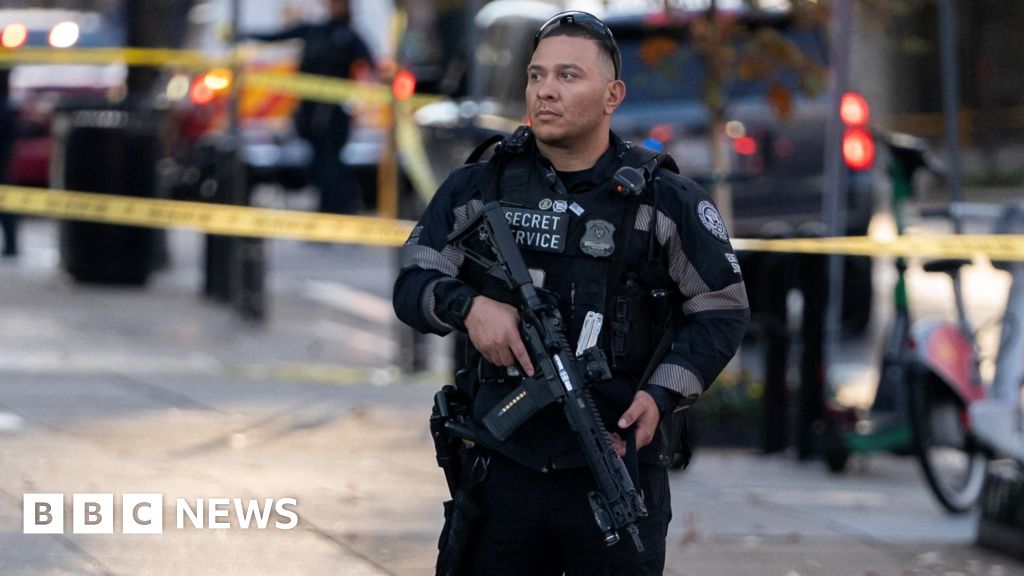

US Suspends Afghan Immigration Requests Following Guard Shooting Incident

Recent incidents in Washington, D.C., have underscored the volatile intersection of immigration policy, national security, and domestic stability. A shooting near the White House, involving an alleged Afghan national — Rahmanullah Lakanwal — has reignited fierce debates over U.S. immigration protocols and the efficacy of vetting procedures instituted since America’s chaotic withdrawal from Afghanistan in 2021. This event marks a critical juncture, exposing vulnerabilities in the U.S. border and immigration systems, which have become focal points of partisan contention and strategic reassessment.

The incident, involving a suspect identified as a criminal alien from Afghanistan, who arrived during Biden‘s administration under the Operation Allies Welcome program, has prompted a nationwide review of security measures. Following the attack, U.S. authorities suspended processing all immigration requests from Afghan nationals, citing concerns over security and vetting standards. This decision underscores a pivotal shift in policy, driven by fears that individuals like Lakanwal might pose risks to domestic safety, especially amid rising tensions over refugee and immigrant integration. Analysts from respected institutions warn that such dramatic policy reversals could undermine America’s standing as a land of opportunity while simultaneously fueling fears among citizens seeking safety first.

The geopolitical impact of these policy shifts extends beyond domestic borders, affecting US relations with neighboring nations and allies. The Biden administration’s reduced refugee protections and the ending of Afghanistan’s temporary protected status have created a sense of insecurity among Afghan-American communities and international observers who see these moves as a reflection of broader strategic withdrawals. Meanwhile, President Trump’s rhetoric—labeling the shooting as an “act of terror” and advocating for the removal of foreigners—resonates with a significant segment of the demographic seeking a tough stance on security. Such rhetoric risks emboldening nationalist and anti-immigrant factions worldwide, potentially destabilizing diplomatic relations and fueling regional tensions in already fragile zones.

Experts, including historians and security analysts, emphasize that this incident is emblematic of a larger narrative: how decision-making in Washington profoundly shapes the perceptions and realities of security for ordinary citizens. The deployment of thousands of National Guard troops—initially to curb amplified crime in the city—has become a political symbol of strength or overreach, depending on the lens. The decision to escalate military presence reflects an underlying challenge: balancing civil liberties with national security, especially when the stability of society is called into question after such violent events. As the debate intensifies, the outcome will likely influence future policies, emphasizing either increased security measures or cautious reforms aimed at preserving civil rights.

As the dust settles over this disturbing event, history remains in the making. With each decision, from immigration vetting to military deployment, the course of America’s future is being charted—its strength measured by how effectively it navigates internal divisions and external threats. The unfolding narrative reminds us that in the crucible of crisis, nations are tested not just by their response to violence, but by their ability to uphold sovereignty and social cohesion amid chaos. In the shadows of this violent act, the weight of history presses heavy, as the world watches whether America will emerge resilient, or falter under the mounting pressures of its own choices.

NHS doctor suspended for alleged antisemitic social media posts—Concern rises among youth over hate speech

The recent suspension of Dr. Rahmeh Aladwan, a trainee in trauma and orthopaedics at the NHS, highlights a disturbing intersection of social media misconduct and the broader geopolitical tensions surrounding antisemitism in the digital age. The Medical Practitioners Tribunal Service (MPTS) in the United Kingdom placed her on a 15-month interim suspension amidst allegations that her online posts contained content supporting terrorist organizations such as Hamas, propagated antisemitic conspiracy theories, and even used Nazi imagery. These acts are not isolated incidents but are symptomatic of rising global concerns over hate speech and the erosion of social cohesion, especially within highly sensitive societal institutions like healthcare and law enforcement.

International observers and analysts are now wary of how such incidents ripple beyond the confines of national borders, affecting the public’s trust in institutions and the fabric of multicultural societies. According to prominent international organizations and senior historians, the proliferation of extremist rhetoric online, particularly when backed by figures within societal institutions, poses a serious threat to what national security experts term cultural stability. The case raises a pressing question: How should nations balance the right to free expression with the need to protect communities from hate and extremism? The GMC and MPTS have justified their cautious approach, emphasizing that Dr. Aladwan’s conduct could harm public confidence in the healthcare system and fuel social divisions—an outcome that transcends the UK and impacts the global image of medical professionalism amid geopolitical unrest.

This incident comes at a time when Western nations are grappling with their own internal divides, often exploited by those seeking to manipulate societal fears for political ends. As nations seek to clamp down on hate speech, the broader geopolitical impact becomes evident: policies regarding internationally proscribed organizations such as Hamas have become a flashpoint, affecting diplomatic ties and the fight against extremism. Many analysts warn that permitting unchecked hate speech under the guise of political debate; risks emboldening terrorist sympathizers and radicalizing segments of society, thereby undermining national security. Understanding these dynamics is crucial, particularly as civil rights advocates call for greater oversight, yet critics argue that overreach could threaten free speech and political dissent. The UK’s response, including the ongoing review of Dr. Aladwan’s case, underscores the delicate balancing act between safeguarding societal cohesion and respecting individual freedoms—an issue faced universally, from Europe to the Middle East.

Historically, societal shifts driven by extremism have often left a lasting scar on nations’ collective memories. As historians and international security analysts observe, the current wave of online radicalization mirrors past periods of societal upheaval, often leading to conflict, division, and loss of life. The unfolding case of Dr. Aladwan is, therefore, more than an isolated disciplinary action; it is a stark reminder that history is watching us, and the decisions made today could shape the geopolitical landscape for generations. The fight against hate and extremism is not merely a national concern but a chapter in the ongoing battle for global stability. As institutions examine their roles and responsibilities, the weight of history presses on regulators to carefully weigh free expression against the imperative to defend vulnerable communities. The world remains on a knife’s edge, with the echoes of past conflicts whispering that, in times of rising division, the choices of today may determine whether future generations will remember peace or be haunted by the shadows of extremism.

OBR suspects 'outsider' behind budget leak as cyber expert steps in – UK politics updates
OBR suspects ‘outsider’ behind budget leak as cyber expert steps in – UK politics updates

Unfolding Geopolitical Ripples in the UK: Budget Leak and Domestic Policy Shifts

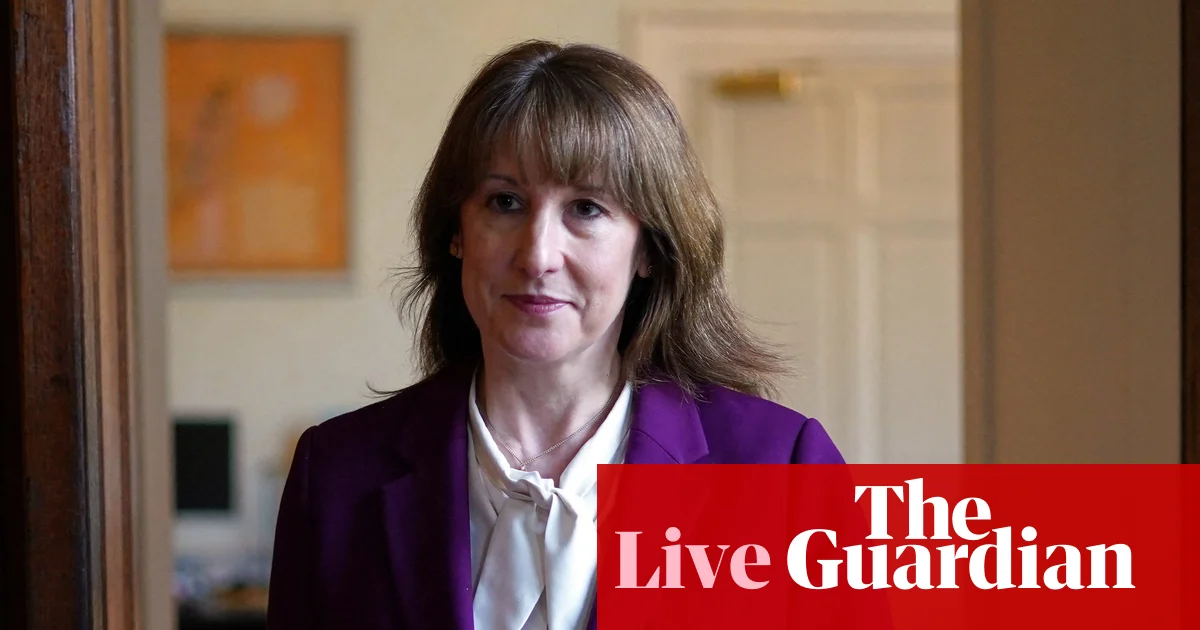
In a dramatic turn of events that underscores the fragile interplay of digital security and national governance, Richard Hughes, chair of the Office for Budget Responsibility (OBR), disclosed that an external individual may have inadvertently caused the early leak of the UK’s latest fiscal report. This incident, which surfaced just minutes before the Chancellor of the Exchequer, Rachel Reeves, formally announced the budget, has ignited concerns over cyber security at a time when international stability increasingly hinges on the integrity of government communications.

As Prof Ciaran Martin, former head of the UK’s National Cyber Security Centre, has been called in to oversee the investigation, critics warn of far-reaching geopolitical implications. This breach at the heart of the UK’s financial oversight not only raises questions about internal security protocols but also signals potential vulnerabilities that, if exploited, could ripple across allied nations and global markets. Analysts suggest that this incident is a stark reminder of how digital threats are reshaping the landscape of international politics, compelling leaders worldwide to revisit cybersecurity treaties and cooperation frameworks.

Domestic Politics and International Consequences

  • The UK government’s handling of fiscal transparency is now a subject of international scrutiny, especially within institutions such as the International Monetary Fund (IMF) and the G7.
  • Meanwhile, Rachel Reeves has defended her budget, emphasizing that none of her fiscal measures are designed to stimulate growth, a stance that contrasts sharply with the assessments of the Institute for Fiscal Studies (IFS). While she insists that her policies are designed to protect existing social frameworks, critics argue that her refusal to break manifesto promises on tax hikes risks exposing growing societal inequalities.
  • International observers, including leading economists and security experts, warn that such domestic discord, combined with vulnerabilities like the recent leak, can undermine Britain’s strategic alliances and its credibility in rallying international support for coordinated economic policies.

The Broader Impact: Rising Tensions and Evolving Alliances

This security lapse exemplifies the broader geopolitical shift where digital sovereignty and cyber diplomacy are now as critical as traditional military alliances. The incident offers a stark warning that how decisions inside nations’ borders influence global stability. With emerging powers like China and Russia deploying cyber tactics to bolster or destabilize existing structures, Western countries must accelerate efforts to forge resilient cybersecurity agreements.

Historical analyses by geopolitical scholars warn that such incidents could catalyze a new era of digital confrontation, compelling nations to rethink traditional alliances. According to the UNESCO, international cooperation in cyber governance must adapt swiftly to defend shared interests, lest fragile democracies fall victim to asymmetrical warfare that erodes trust in essential institutions.

Conclusion: The Unfolding Narrative of Power and Security

As the UK navigates this turbulent chapter, with its political landscape now under the shadow of cyber vulnerabilities and contentious fiscal policies, the weight of history presses heavily upon its future trajectory. The incident serves as a stark reminder that in an interconnected world, choices made within the vaults of London’s government chambers reverberate across continents, shaping the destiny of societies. The unfolding story — of leaks and policies, trust and treachery — leaves the global observer pondering: how resilient are the foundations of power in an age where information itself becomes the battlefield?

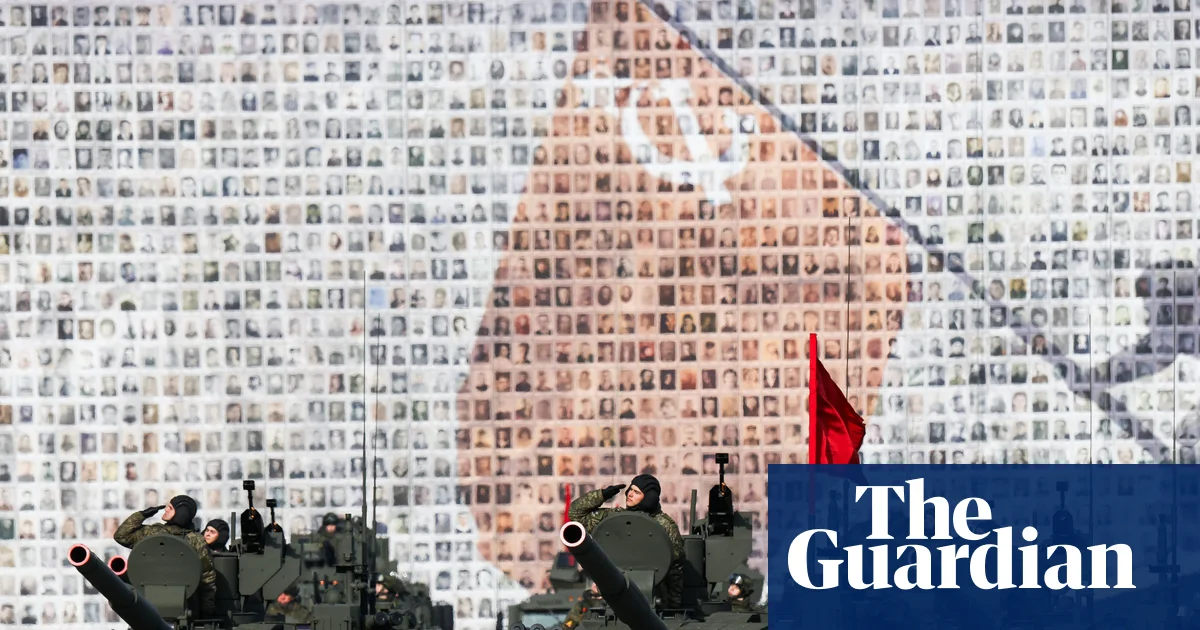
West Overlooking Key Sanctions That Could Hit Russia’s War Effort

In the ongoing geopolitical struggle surrounding Russia‘s invasion of Ukraine, Western powers continue to adapt their strategies to weaken Moscow’s military and economic capabilities. A recent report by the civil society group Dekleptocracy reveals a series of obscure but potentially devastating vulnerabilities within Russia’s war economy, which could be exploited to further diminish its capacity to sustain the conflict. While previous sanctions targeted Russia’s oil industry, banking sector, and military supply chains, these new findings identify critical chemical dependencies that threaten to disrupt key elements of Russia’s military infrastructure. The analysis underscores how geopolitical decisions impact not just power balances but the very fabric of society within Russia, as shortages in specialized chemicals could lead to logistics failures, reducing its operational effectiveness.

The report emphasizes that the supply chain for specialized chemicals used in manufacturing military-grade tyres and mechanical lubricants remains vulnerable. Despite Russia’s economic resilience, it lacks robust domestic production of these lesser-known yet vital chemicals. For instance, Chinese firm Xinxiang Richful, which supplies up to eight million kilograms of lubricant additives annually, has recently established operations in Virginia, risking U.S. sanctions that could choke off its supply. Experts warn that constraining such suppliers would create immediate mechanical shortages among the Russian military and civilian sectors, ultimately impairing logistical operations. In the words of Tom Keatinge, director at the Royal United Services Institute, “as long as Russia continues procuring essential components for its military, sanctions must evolve and tighten to remain effective.”

However, the challenge extends beyond targeting supplier entities; enforcement of secondary sanctions remains a critical concern. While recent measures have hit major oil producers like Rosneft and Lukoil, gaps in enforcement allow Russia to circumvent restrictions through third-party intermediaries. Keatinge notes that “a successful sanctions regime relies not only on the identification of targets but also on diligent enforcement”—a point that underscores the importance of international cooperation. These measures aim to deny Russia the means to sustain its war effort, but without persistent vigilance, the regime risks unraveling as black markets and illicit procurement networks flourish.

This layered approach to sanctions reflects a broader understanding of Russia’s economic vulnerabilities, which extend into chemical production and other critical sectors. Historians and analysts agree that leveraging these weaknesses could tilt the scales of the conflict. As DeKleptocracy collaborates with agencies like the Biden administration and Ukrainian groups, the strategic goal becomes clear: identify and exploit every fissure within Russia’s supply chain that could hamper its military machine. While Russia boasts a formidable oil industry, the nation’s inability to produce many of the specialized chemicals domestically exposes a chokepoint—a vulnerability that could have long-term consequences for its warfighting capabilities.

Ultimately, these efforts highlight a fundamental truth of modern warfare: victory is increasingly shaped in the shadows of global trade and economic policy. As the weight of history continues to build and shift—every decision to impose, enforce, or relax sanctions—the fate of nations remains intertwined with unseen technical vulnerabilities and strategic oversight. With each targeted disruption, the world edges closer to a new chapter in the ongoing cold confrontation, a chapter written not just in the language of tanks and missiles but in the delicate chemistry of global supply chains. The question remains whether the West’s relentless pressure will succeed in trimming the roots of Russia’s war machine before it’s too late—an epic struggle where every chemical molecule, every sanction, and every policy decision shapes the course of history.

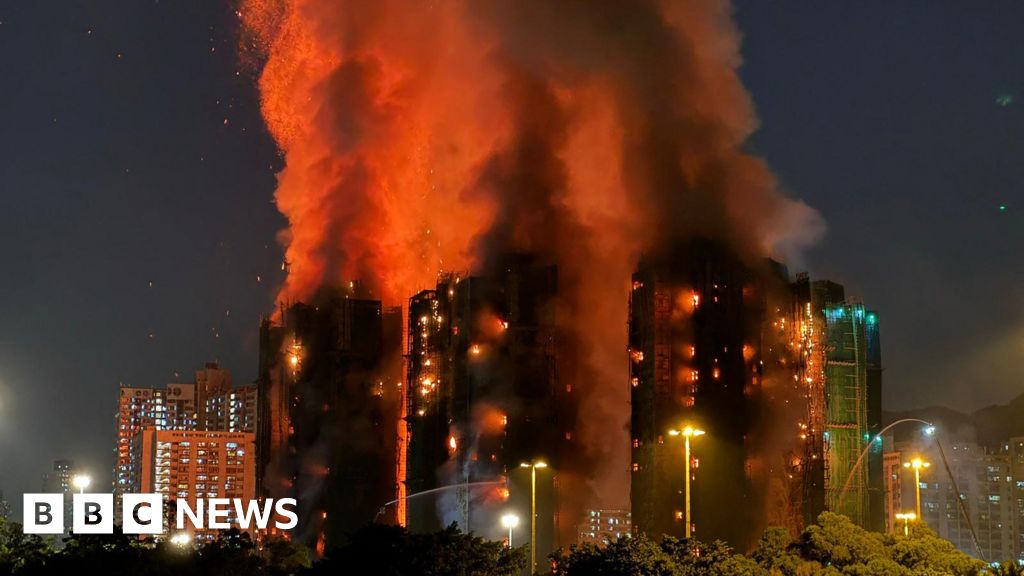
Hong Kong Fire Disaster: Rescues Underway as Dozens Dead, Hundreds Missing—Stay Updated

Hong Kong Blaze: A Tragedy with Geopolitical Consequences

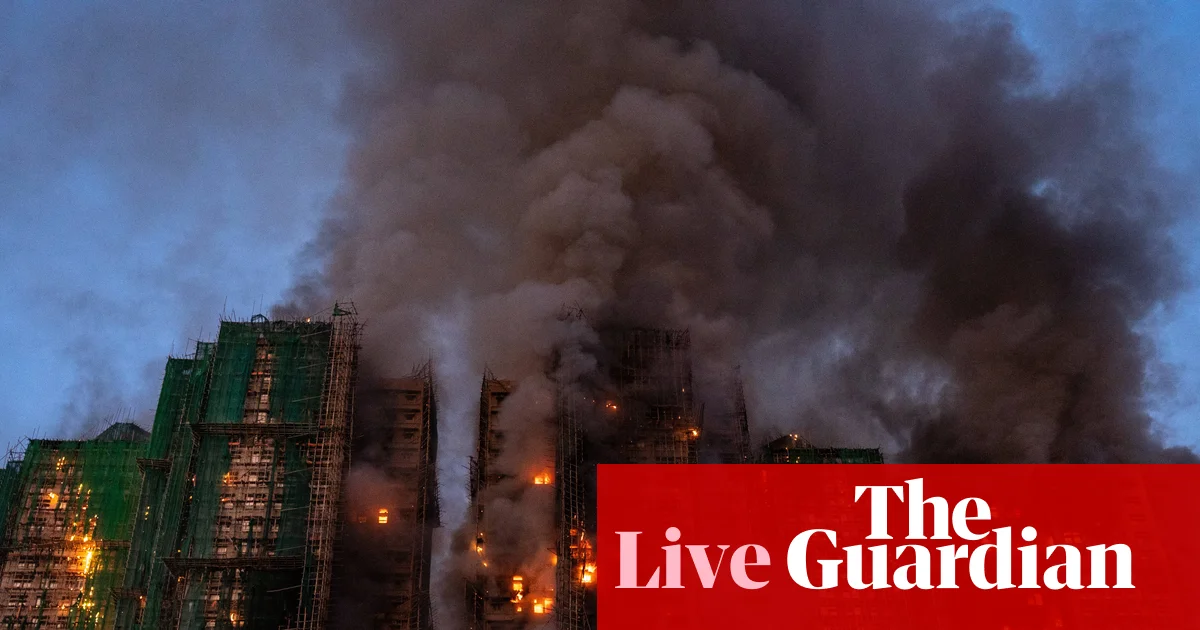
The devastating fire at Wang Fuk Court in Hong Kong has left at least 44 confirmed dead, with nearly 280 individuals still unaccounted for as of late November 2025. This catastrophe, unfolding amidst ongoing tensions between local authorities and international stakeholders, underscores the fragile fabric of society in one of Asia’s most geopolitically sensitive regions. Investigations point to the use of outdated bamboo scaffolding and questionable maintenance practices, with police alleging gross negligence by construction firms responsible for the safety of the complex. The incident has reignited debates over infrastructural safety standards and the broader social impact of rapid urban development under the watchful eye of Beijing’s influence.

Beyond the tragic loss of life, the fire has laid bare the underlying tensions that pervade Hong Kong‘s political landscape. The response from local leaders, including Chief Executive John Lee, has focused on containment and rescue, but critics from Western nations and pro-democracy advocates see this as tightly controlled. Yet, the regional investigation—with three construction company officials arrested on suspicion of manslaughter—highlights how authorities are framing this disaster within the framework of safety regulation failures. Analysts argue that this incident may serve as a stark symbol of the systemic issues plaguing Hong Kong, further complicating China’s efforts to present a stable image internationally while suppressing local dissent.

Global Reactions and Strategic Implications

International organizations and foreign governments are closely monitoring the fallout, with some emphasizing humanitarian aid and others questioning the adequacy of Beijing’s oversight. Notably, Taiwan’s President Lai Ching-te issued a statement expressing condolences and emphasizing solidarity, a move seen as a subtle yet strategic alignment with Hong Kong’s pro-democracy camp. Meanwhile, Chinese corporations like ANTA, Tencent, and Xiaomi have pledged millions in relief donations, illustrating how China’s corporate sector mobilizes for national image-building rather than genuine concern. The incident also raises questions about the safety practices of traditional construction methods, which have been phased out in many parts of China but remain prevalent in Hong Kong—an indicator of resistance to modernization that could exacerbate future crises.

Some international observers, including historians and geopolitical analysts, warn that this disaster could become a turning point in regional security and governance. The pattern of systemic negligence, coupled with the aggressive suppression of dissent and the strategic use of crisis situations to reinforce political narratives, suggests that Hong Kong’s crisis is not merely domestic but part of a larger geopolitical chess game. As the World Health Organization and other institutions observe how local authorities manage the aftermath, questions persist about China’s intentions to control the narrative and the real magnitude of the unreported casualties, including firefighters and elderly residents left defenseless in the flames.

The Weight of History Unfolding

History remembers moments like these as pivotal junctures—blurs between tragedy, policy failure, and geopolitical maneuvering. While rescue operations continue and families mourn, the implications stretch far beyond the smoke and rubble. The fire reveals fissures within society and exposes the consequences of decades of urban neglect under authoritarian oversight. As governments scramble for images of control or compassion, the world waits with bated breath for the next chapter in this unfolding story, for in the shadows cast by flames and the echoes of grief, the weight of history presses ever heavier upon the sands of the future.

Georgia's Pro-EU Youth Push Back a Year After Halted Accession
Georgia’s Pro-EU Youth Push Back a Year After Halted Accession

In the heart of the Caucasus, Georgia finds itself embroiled in a profound crisis that threatens its very future as a democratic nation. The recent protests in Tbilisi, which have persisted for over a year, signal the resilience of the Georgian people fighting against what they perceive as authoritarian overreach by their government. Fueled by reforms that threaten civil liberties and hinder Georgia’s European aspirations, these demonstrations reflect a broader diplomatic struggle over the direction of Georgian society. Analysts warn of a shift towards authoritarianism reminiscent of post-Soviet Russia, with significant geopolitical repercussions for Western interests in the region.

  • The Georgian government, led by Prime Minister Irakli Kobakhidze and the ruling Georgian Dream, has enacted sweeping legislation targeting protest activity, civil society, and media independence, drawing criticism from European institutions and democracy advocates worldwide.
  • Opposition figures, including respected journalist Mzia Amaglobeli, have faced arrest, imprisonment, and intimidation, sparking international concern about the erosion of civil liberties.
  • Despite these hardships, hundreds of Georgians remain committed to their demonstrations, inspired by the memory of the Rose Revolution, and driven by fears that their country is drifting into Russian-style autocracy.

Observers contend that the Georgian government’s policies are not merely domestic measures but are deeply entwined with Russia’s strategic interests. The influential billionaire Bidzina Ivanishvili, a key figure behind the scenes, has longstanding ties to Russia, fueling suspicions that Georgia’s leadership is acting in the Kremlin’s favor. As European Union officials recently delivered a “devastating” report, asserting that Georgia is now considered an EU candidate “in name only”, the nation’s fragile path toward integration remains more distant than ever. The crackdown on opposition—including the imprisonment of opposition leader Zura Japaridze—underscores the growing authoritarian trend, with critics warning that Georgia risks losing the democratic principles it fought so hard to secure.

The geopolitical impact of this crisis stretches beyond Georgia’s borders. Western nations are increasingly alarmed as democratic backsliding in Georgia threatens to destabilize the region, divide pro-European factions, and embolden Russia’s ambitions. Historians and policy analysts assert that the current crackdown echoes the post-Soviet pattern: a combination of authoritarian repression, suppressing free speech, and undermining electoral legitimacy, all under the guise of maintaining stability. The European Parliament’s recognition of Georgia’s faltering democratic trajectory marks a stark warning: unless there is international intervention, Georgia could become a new front in the contest between Western liberal values and Russian autocratic authoritarianism.

As Georgia’s protests continue amidst a climate of repression, the nation’s future remains a poignant symbol of a broader struggle for sovereignty and democratic integrity. The streets still echo with chants of freedom—a movement that, despite the government’s harsh tactics and the shadows of Russia’s influence, refuses to be silenced. The story of Georgia’s fight is now etched into the grand narrative of history—a chapter that will determine whether it can reclaim its European destiny or be swallowed by a new era of autocratic darkness. The weight of these moments rests heavily on the shoulders of the international community, as they watch a proud nation teeter on the brink—an unresolved story, yet unwritten, that will echo through generations to come.

Zambia's 'Fix-It' President Confronts Youth Rage and Stone-Throwing
Zambia’s ‘Fix-It’ President Confronts Youth Rage and Stone-Throwing

Unfolding Crisis in Zambia: Leadership in the Crosshairs

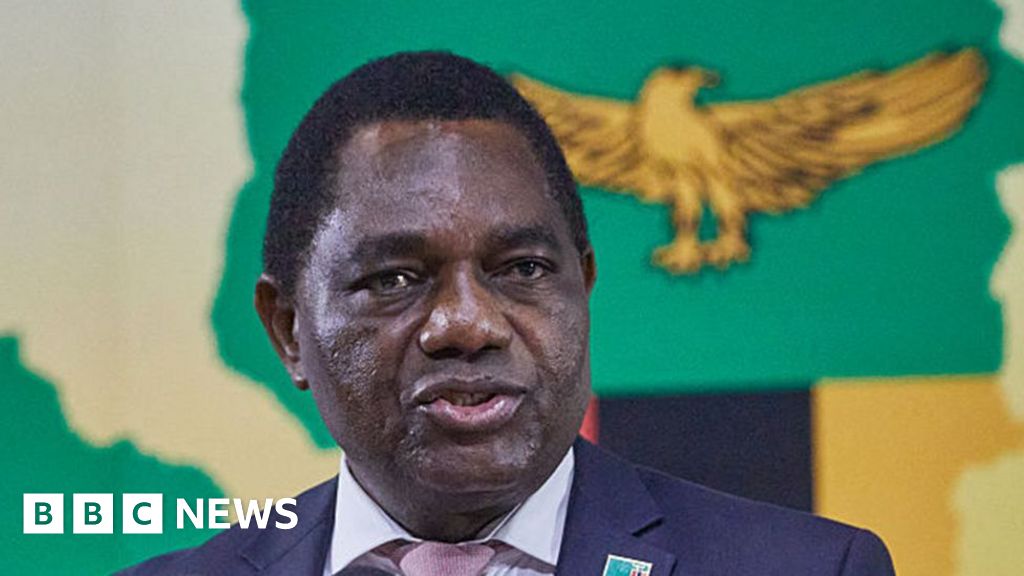
In a nation teetering on the edge of political tumult, Zambia‘s President Hakainde Hichilema is confronting burgeoning internal unrest and a fraught diplomatic landscape. Since his victory in the 2021 elections, Hichilema has sought to steer his country toward economic stabilization, capitalizing on reforms to renegotiate debt and attract international investment. Yet, the persistent struggles of power shortages, inflation, and widespread dissatisfaction reveal that his efforts have yet to fully resonate with the average Zambian, especially as the August 2026 elections draw near. Notably, a recent incident where Hichilema was violently attacked during a rally underscored the fragility of his presidency and the deep-rooted discontent simmering within the nation.

The internal unrest has provoked concerns beyond its borders, with regional analysts warning that Zambia’s instability could ignite a broader uprising of societal discontent that spills across neighboring nations. The president’s speech defense, where he emphasized ongoing national achievements, contrasts sharply with the hardships faced by ordinary citizens, many of whom are suffering under the weight of power outages and high living costs. The power crisis deepened recently when droughts decimated hydroelectric capacity, exposing Zambia’s vulnerability to climate variability and underscoring its reliance on unstable energy sources. Experts warn that this energy crisis could hamper the country’s economic recovery, further disgruntling voters and fueling opposition sentiments.

International Reactions and the Geopolitical Ramifications

Global institutions and international analysts have started to voice concern that Zambia might devolve into political chaos if unrest escalates, potentially destabilizing the southern African region. The African Union, along with the World Bank and other diplomatic bodies, emphasize the importance of safeguarding democracy and stability in Zambia. Yet, critics argue that Hichilema’s government is increasingly becoming encumbered by accusations of using oppressive laws against opposition figures, a trend that analysts say echoes authoritarian tendencies. Historically, Zambia has been viewed as a beacon of peaceful transition in a volatile continent; however, recent violence and suppression efforts threaten that reputation, raising alarms among international watchdogs.

Meanwhile, Hichilema maintains that his government upholds the rule of law and that measures taken against critics are necessary to renew order and promote reform. His stance aligns with his broader strategy of balancing reform and control amidst mounting pressure from both political opponents and civil society. This delicate dance has drawn sharp criticism from academia and local opposition, questioning whether the regime’s focus remains solely on consolidating power rather than fostering genuine societal growth. If Zambia continues down this path, many fear the nation’s hard-won democracy could be compromised, potentially setting a dangerous precedent for the region’s future.

Legacy in the Making: The Future of Zambia’s Political Journey

As Hichilema pushes forward with controversial constitutional reforms, including plans to expand parliamentary representation, opposition voices claim he is betraying the democratic ideals he once championed. The tipping point may come when economic hardships and political repression collide, forcing citizens to choose between stability and upheaval. Zambia’s saga is emblematic of the broader struggles faced by aspiring developing nations caught in the storm of internal reform and external pressure. Will the nation’s resilience withstand the rising tide of discontent, or will its people’s aspirations be drowned in the sound of stones thrown in anger?

History continues to write itself in Zambia’s streets and council chambers, a reminder that one nation’s internal conflicts can quickly reverberate across borders and redefine regional geopolitics. The weight of this unfolding chapter remains uncertain, yet it is clear: Zambia stands at a critical crossroads — with leaders and citizens alike holding the pen that will inscribe its future into the annals of history.

Australia Shark Attack: Woman Killed, Man in Critical Condition on NSW Beach

Rising Tragedy on Australia’s Shores: A Wake-Up Call for Global Marine Safety

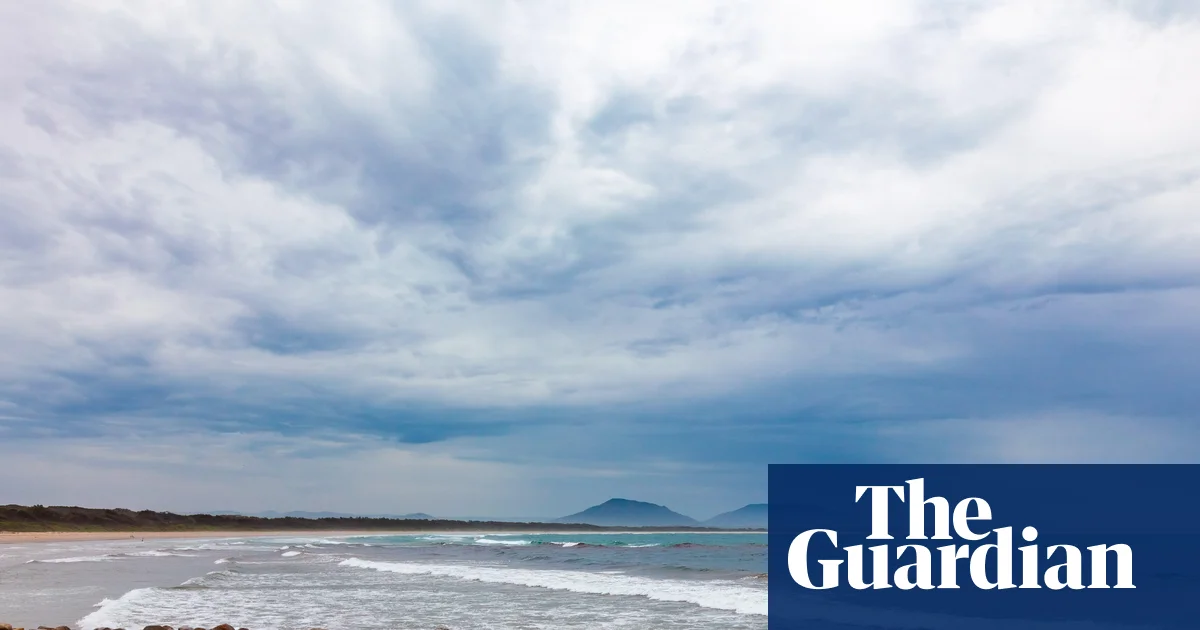
In the latest chapter of Australia’s ongoing struggle with marine safety, a tragic shark attack on the New South Wales mid-north coast has resulted in the death of a woman in her 20s at Kylies Beach. Emergency responders responded swiftly early Thursday morning, but despite their efforts, the woman succumbed to her injuries at the scene. The incident also left a man critically injured, though he is now reported to be in a serious but stable condition. Such events have become a stark reminder of the increasing dangerous interactions between humans and marine life, sparking debates on how international communities should address the rising threat of shark attacks amid climate shifts and human encroachment.

Australia’s rising number of shark bite incidents has raised alarm bells across the international community, with experts citing an unprecedented increase in unprovoked bites over the last two decades. According to Prof. Charlie Huveneers from Flinders University, while the surge in water activities among Australians contributes to the risk, other factors—possibly including climate change, coastal development, and shark migration patterns—are fueling an intensifying threat. Over the past year alone, Australia has experienced five fatalities due to shark attacks, with the current year marking 13 unprovoked bites—10 fewer than 2023 but still indicative of a troubling trend.

Local authorities, responding to the incident, promptly closed Kylies Beach and deployed advanced “smart” drumlines equipped with real-time shark monitoring capabilities. These non-lethal devices, which use baited hooks to lure and tag sharks before releasing them back into open waters, exemplify innovative strategies being considered by international marine safety agencies. A report from the Department of Primary Industries (DPI) aims to identify the species involved and assess the ongoing threat, demonstrating Australia’s commitment to balancing ecological integrity with human safety. Such measures, along with drone surveillance, highlight how technology is increasingly critical in managing human-wildlife interactions on a global scale. However, international experts note that while these efforts are vital, they remain only part of the solution, as the root causes of rising shark encounters are complex and multi-faceted.

Looking beyond Australia, the geopolitical impact of marine safety and climate-related shifts in marine ecosystems could have far-reaching consequences. Nations with extensive coastlines—such as the United States, South Africa, and countries across Southeast Asia—are closely watching Australia’s approach, as the patterns of shark migrations and oceanic changes are global phenomena. As international organizations like the United Nations Environment Programme (UNEP) caution about climate change’s role in altering marine biodiversity, analysts warn that uncoordinated responses could exacerbate tensions and threaten maritime economies. Historians and environmental experts emphasize that these incidents are a “turning point,” underscoring the urgency of collective global action on climate mitigation, marine conservation, and sustainable tourism. Failing to act decisively may result in an era where coastlines are plagued by ever-increasing dangers, and societies are forced to confront the devastating costs of ecological neglect.

In this unfolding saga of survival and sovereignty over the seas, the incident at Kylies Beach serves as a visceral warning—one that underscores how decisions made today will carve the contours of future generations’ relationship with the ocean. As history rushes forward, the question remains: will humanity learn to coexist with these majestic but unpredictable creatures, or will we continue to witness tragedies that echo through the corridors of time? The weight of this moment rests heavily on the shoulders of international leaders, environmental strategists, and communities alike. The tide is turning; the narrative of human stewardship over the ocean is still being written, and the world hangs in the balance as nature’s patterns reveal that no coast, no matter how remote, is immune to the profound shifts underway.

Tragedy strikes as fire claims at least 44 lives, hundreds still unaccounted for in tower blaze

Map that labels China, Hong Kong and Tai Po, highlighting Wang Fuk Court

Hong Kong Blaze Unfolds: A Tragedy with Broader Geopolitical Ramifications

The recent inferno engulfing the Wang Fuk Court housing complex in Hong Kong’s Tai Po district has shocked the international community and cast a spotlight on the city’s ongoing safety dilemmas amid rapid urban renewal. Involving more than 760 firefighters, the fire has claimed at least 44 lives, with hundreds still missing, and has sent shockwaves through a city famed for its dense high-rise architecture and unique blend of East-West integration. While local authorities scramble to contain the blaze and investigate its causes, analysts emphasize that this tragedy extends beyond immediate rescue efforts, revealing underlying tensions regarding urban infrastructure, safety standards, and the city’s overarching geopolitical identity.

At the heart of the incident is the controversial use of bamboo scaffolding—an aged construction method still prevalent in Hong Kong, despite efforts by local authorities to phase it out in favor of modern metal alternatives due to safety concerns. The bamboo scaffolding’s role in the rapid spread of the fire has raised suspicion, with preliminary evidence suggesting the flammable material may have exacerbated the blaze. The cause remains officially unconfirmed, but Hong Kong’s security secretary Chris Tang has alluded to possible suspicious activity, including the use of polystyrene to seal windows—a practice criticized for its fire hazards. This incident not only underscores the dangers of outdated construction practices but highlights the broader challenge Hong Kong faces in balancing tradition, safety, and urban resilience amidst ongoing political and social flux.

International organizations and Western analysts interpret the tragedy as a bellwether for Hong Kong’s evolving socio-political landscape—a city caught at the crossroads of greater integration with mainland China and its own distinct identity. Experts warn that the government’s ongoing push to modernize infrastructure, coupled with the lingering use of traditional building methods, could portend more crises unless comprehensive reforms are implemented swiftly. Xi Jinping, China’s paramount leader, expressed condolences and urged action to minimize further losses, reaffirming Beijing’s emphasis on maintaining stability and asserting greater control over Hong Kong’s civic infrastructure. Such signals underscore the emerging dynamic: Hong Kong, once a global financial hub, increasingly finds itself entangled in a geopolitical chess game where safety incidents are viewed through the lens of sovereignty and national security.

Shifting Tides and Lingering Shadows

The fire at Wang Fuk Court is not an isolated event—it echoes a tragic history of urban fires, with the city facing a comparable high-rise catastrophe 17 years ago at Cornwall Court. Such recurrent incidents symbolize a city grappling with modernization while attempting to preserve its identity amid political upheaval and economic transformation. Historian and urban safety analysts note that these disasters expose vulnerabilities inherent to dense urban environments, where outdated building materials and methods clash with contemporary safety standards.

Furthermore, the incident exposes societal rifts—many residents, primarily elderly, faced peril without timely alarms or evacuation assistance. Amid ongoing debates about the adequacy of emergency protocols and infrastructure, the broader geopolitical impact becomes clear: Hong Kong’s internal struggles over safety and sovereignty manifest as a microcosm of its complex relationship with Beijing. As authorities debate solutions, including replacing bamboo scaffolding with safer materials, the city’s future hangs in precarious balance, weighed down by history and the relentless march of progress.

As darkness falls over the smoldering ruins of Wang Fuk Court, the echoes of this tragedy resonate far beyond the borders of Hong Kong. The flames threaten to ignite a larger debate—one that questions the very fabric of urban life in a city where tradition and modernity collide, and where every decision could tilt the delicate scales of stability. In this unfolding chapter of history, the world watches with bated breath, knowing that the outcome of this crisis could redefine the narrative not just of a city, but of a generation seeking to reconcile the scars of yesterday with the promise of tomorrow. The flames are dying down, but their legacy is only just beginning to flicker across the pages of history, waiting for the next act to be written in the ongoing saga of urban resilience and geopolitical authority.

Social Media Auto Publish Powered By : XYZScripts.com