Matox News

Truth Over Trends, always!

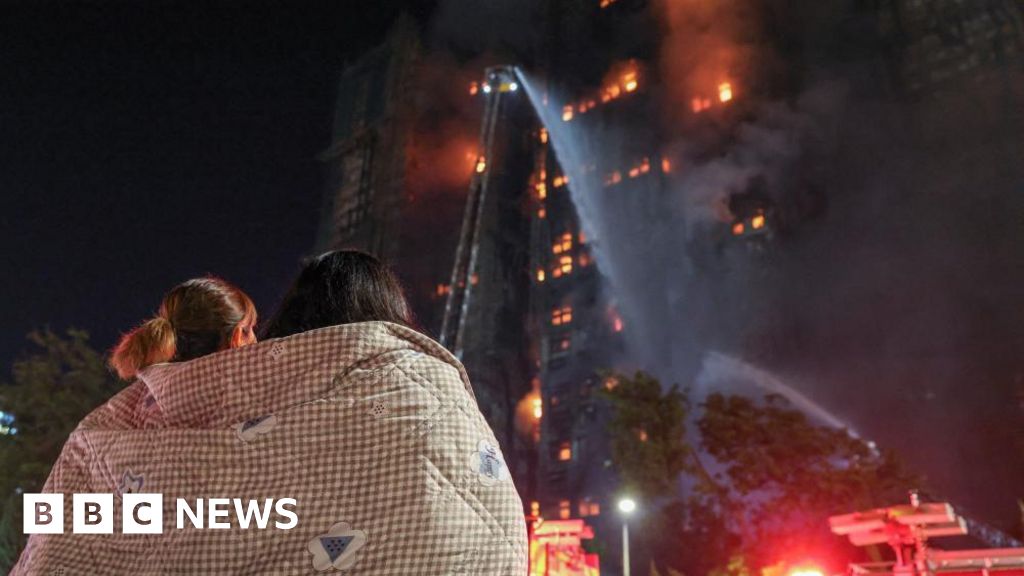
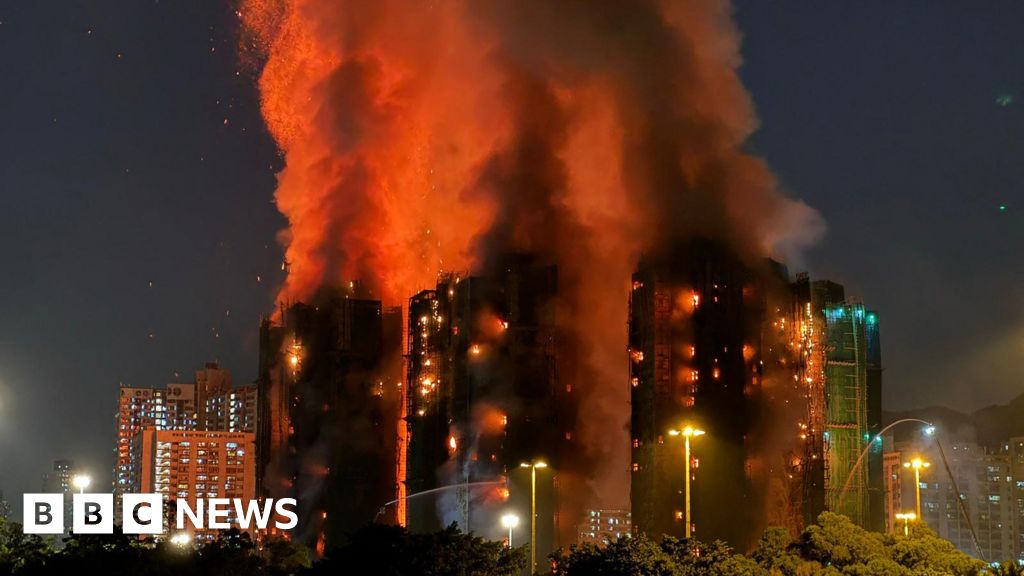
Tragedy strikes as fire claims at least 44 lives, hundreds still unaccounted for in tower blaze

Map that labels China, Hong Kong and Tai Po, highlighting Wang Fuk Court

Hong Kong Blaze Unfolds: A Tragedy with Broader Geopolitical Ramifications

The recent inferno engulfing the Wang Fuk Court housing complex in Hong Kong’s Tai Po district has shocked the international community and cast a spotlight on the city’s ongoing safety dilemmas amid rapid urban renewal. Involving more than 760 firefighters, the fire has claimed at least 44 lives, with hundreds still missing, and has sent shockwaves through a city famed for its dense high-rise architecture and unique blend of East-West integration. While local authorities scramble to contain the blaze and investigate its causes, analysts emphasize that this tragedy extends beyond immediate rescue efforts, revealing underlying tensions regarding urban infrastructure, safety standards, and the city’s overarching geopolitical identity.

At the heart of the incident is the controversial use of bamboo scaffolding—an aged construction method still prevalent in Hong Kong, despite efforts by local authorities to phase it out in favor of modern metal alternatives due to safety concerns. The bamboo scaffolding’s role in the rapid spread of the fire has raised suspicion, with preliminary evidence suggesting the flammable material may have exacerbated the blaze. The cause remains officially unconfirmed, but Hong Kong’s security secretary Chris Tang has alluded to possible suspicious activity, including the use of polystyrene to seal windows—a practice criticized for its fire hazards. This incident not only underscores the dangers of outdated construction practices but highlights the broader challenge Hong Kong faces in balancing tradition, safety, and urban resilience amidst ongoing political and social flux.

International organizations and Western analysts interpret the tragedy as a bellwether for Hong Kong’s evolving socio-political landscape—a city caught at the crossroads of greater integration with mainland China and its own distinct identity. Experts warn that the government’s ongoing push to modernize infrastructure, coupled with the lingering use of traditional building methods, could portend more crises unless comprehensive reforms are implemented swiftly. Xi Jinping, China’s paramount leader, expressed condolences and urged action to minimize further losses, reaffirming Beijing’s emphasis on maintaining stability and asserting greater control over Hong Kong’s civic infrastructure. Such signals underscore the emerging dynamic: Hong Kong, once a global financial hub, increasingly finds itself entangled in a geopolitical chess game where safety incidents are viewed through the lens of sovereignty and national security.

Shifting Tides and Lingering Shadows

The fire at Wang Fuk Court is not an isolated event—it echoes a tragic history of urban fires, with the city facing a comparable high-rise catastrophe 17 years ago at Cornwall Court. Such recurrent incidents symbolize a city grappling with modernization while attempting to preserve its identity amid political upheaval and economic transformation. Historian and urban safety analysts note that these disasters expose vulnerabilities inherent to dense urban environments, where outdated building materials and methods clash with contemporary safety standards.

Furthermore, the incident exposes societal rifts—many residents, primarily elderly, faced peril without timely alarms or evacuation assistance. Amid ongoing debates about the adequacy of emergency protocols and infrastructure, the broader geopolitical impact becomes clear: Hong Kong’s internal struggles over safety and sovereignty manifest as a microcosm of its complex relationship with Beijing. As authorities debate solutions, including replacing bamboo scaffolding with safer materials, the city’s future hangs in precarious balance, weighed down by history and the relentless march of progress.

As darkness falls over the smoldering ruins of Wang Fuk Court, the echoes of this tragedy resonate far beyond the borders of Hong Kong. The flames threaten to ignite a larger debate—one that questions the very fabric of urban life in a city where tradition and modernity collide, and where every decision could tilt the delicate scales of stability. In this unfolding chapter of history, the world watches with bated breath, knowing that the outcome of this crisis could redefine the narrative not just of a city, but of a generation seeking to reconcile the scars of yesterday with the promise of tomorrow. The flames are dying down, but their legacy is only just beginning to flicker across the pages of history, waiting for the next act to be written in the ongoing saga of urban resilience and geopolitical authority.
Is Canada Ready to Stand Firm in the US Trade Showdown?

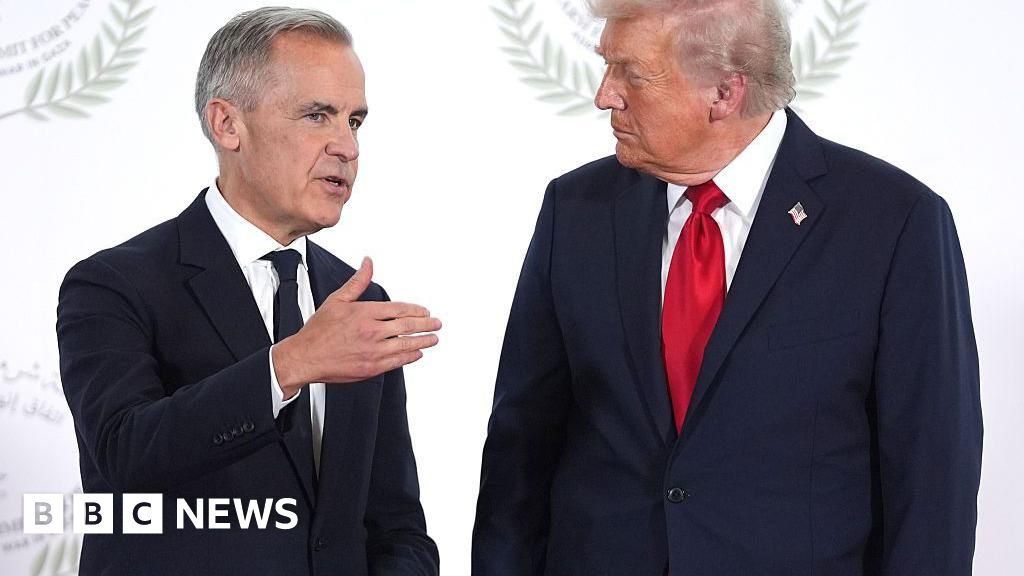
In an era characterized by shifting alliances and unpredictable economic policies, Canada finds itself at a critical crossroads in its relationship with the United States. The recent diplomatic stance taken by Prime Minister Mark Carney reflects a notable departure from previous negotiations—his apparent lack of urgency in resuming trade talks has stirred concerns both domestically and internationally. While Carney dismisses the timing of discussions as trivial and claims there is no “burning issue” to address, critics argue this signals a strategic shift, foretelling a more cautious, perhaps even confrontational, approach to trade under the shadow of mounting geopolitical tensions. This attitude could herald a new phase of Canadian independence in trade policy, distancing itself from the unpredictability of U.S. negotiations heavily influenced by the upcoming U.S. midterm elections and national political winds.

The pause in negotiations comes amid a backdrop of escalating tariffs imposed by Washington, including a 35% levy on certain Canadian exports, with specific sectors like metals and automobiles bearing the brunt of these punitive measures. Historically, such tariffs have crippled Canadian exports—about 75% of which are directed southward—and threaten the very fabric of its economy. With some Canadian officials advocating patience, Canadian trade representatives like Richard Madan continue lobbying U.S. lawmakers behind the scenes, even as formal negotiations stagnate. This diplomatic standstill is compounded by the fractured relationship over an anti-tariff advertisement from Ontario, which appears to have deeply offended the U.S. administration, further complicated by Trump’s unpredictable, often retaliatory, trade tactics. Renowned analysts, including Chris Sands of Johns Hopkins University, warn that *”a great deal of posturing”* obscures the underlying vulnerability that Canada’s economy faces in the face of American tariffs, which are both a tool of economic leverage and political signaling.

The geopolitical impact of this standoff extends beyond immediate economic concerns. As global leaders converge on events such as the FIFA World Cup draw—where Carney is expected to meet with President Trump—the diplomatic signals sent are fraught with implications. Canadian Prime Minister Carney’s recent trips to the United Arab Emirates and his focus on securing foreign investment signal a strategic pivot. With Canada’s goal to double non-U.S. exports within a decade, the government seeks to diversify its trade alliances amidst the turbulence. However, the shadow of Washington’s tariffs looms large, pressing Canadian industries, especially aluminum and heavy machinery, into a battle for survival. Industry leaders like Jean Simard emphasize that *”time is on our side,”* hinting that patience may benefit Canada in the long run, even as some U.S. sectors, such as aluminum, start feeling the pinch as stockpiles dwindle and dependence on imports intensifies. The looming review of the USMCA trade agreement, slated for December hearings, hints at a possible turning point—perhaps a window for Canada to influence the future arrangement and assert its economic sovereignty.

Yet, the internal political landscape complicates matters further. U.S. midterm elections are casting a long shadow, with many in Congress positioning themselves for upcoming campaigns. The growing discontent among American voters, evidenced by a recent Fox News poll indicating that 76% harbor negative views towards the economy, has pushed President Trump toward softening some tariffs, signaling a cautious openness to negotiations on metals and energy. Although the trade negotiations have hit a standstill, the impending US trade review and international pressures could hint at a possible thaw—yet the risk remains that history may be dictated not by diplomacy, but by increasingly entrenched national interests and the relentless march of history itself. As Canada steadies itself, navigating a complex web of geopolitical challenges, the future remains uncertain. The flesh-and-blood reality is that the decisions made today will ripple through generations, forging a path that could either unite or divide the continent—a defining chapter in the new world order, where the echoes of past conflicts still resonate with unforgiving clarity.

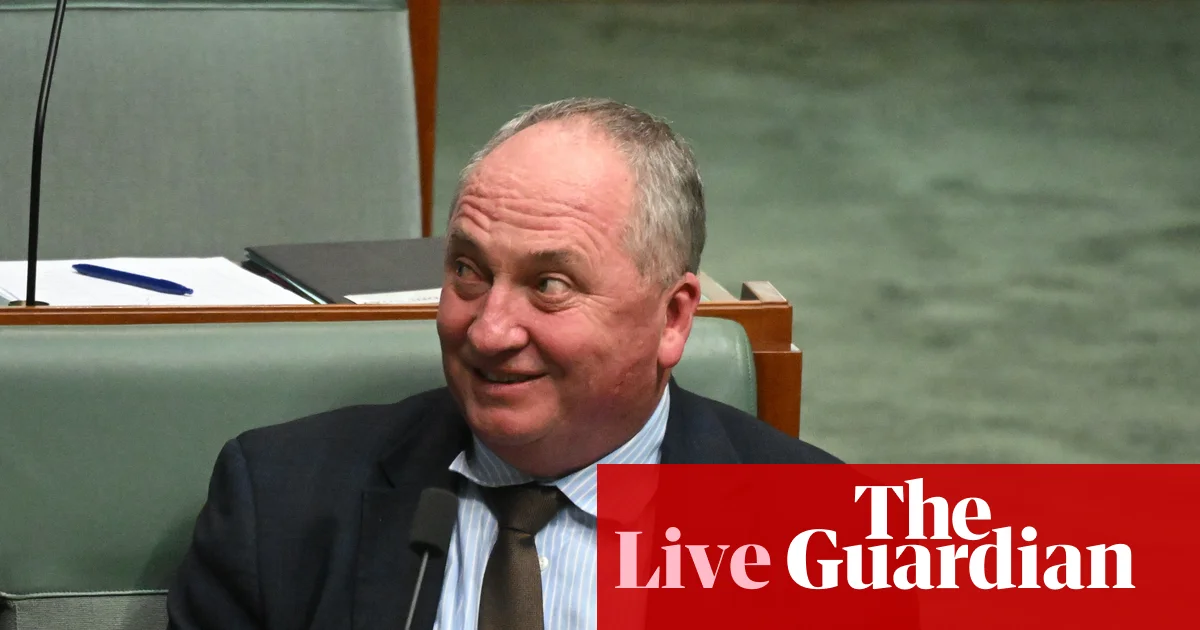
Australia Politics Live: Barnaby Joyce’s Potential Move to One Nation Sparks Buzz; AI 'Nudify' Service Hinders Aussies
Australia Politics Live: Barnaby Joyce’s Potential Move to One Nation Sparks Buzz; AI ‘Nudify’ Service Hinders Aussies

In a striking sequence of recent events, Australia stands at a pivotal crossroads, emblematic of broader global shifts impacting democracies and national sovereignties. The rumblings of political realignments within Australia, notably the potential defection of Barnaby Joyce from the Nationals to One Nation, underscore a period of intense internal dissent and ideological consolidation that could reverberate far beyond Down Under. As veteran analysts warn, such moves threaten to undermine established bipartisan consensus and potentially embolden populist and nationalist currents across the Pacific.

Meanwhile, the international community grapples with a darker shadow cast by the unchecked proliferation of AI-driven abuses. A recent crackdown by UK authorities on a company linked to “nudify” deepfake services illustrates how technological advancements—initially designed for entertainment or benign uses—are now being exploited to generate devastating child exploitation content. This global challenge highlights an urgent need for unified, comprehensive regulation of AI and digital services to prevent further societal harm. According to Australia’s eSafety commissioner, the company Itai Tech has been penalized and blocked from Australian users; a move hailed by advocates as a tangible step in combating online child exploitation. However, critics argue that without coordinated international efforts, such measures are only temporary repairs in a battle that demands systemic reform.

Geopolitical Ramifications ofInternal Political Shifts

The potential defection of Barnaby Joyce signals a substantive shift within Australian politics. Historically, such defections—while not unprecedented—are often precursors to wider realignments that challenge the stability of governing coalitions. Analysts warn that Joyce’s pivot could catalyze a broader realignment of populist sentiment, especially if it gains momentum among conservative voters galvanized by issues like environmental policy and national sovereignty. For the international community, a more fragmented Australian political landscape could slow progress on transnational issues such as climate change, trade, and regional security — crucial concerns given Australia’s strategic position in the Indo-Pacific.

Furthermore, the racial and cultural undertones often associated with One Nation might spark wider societal debates about multiculturalism, national identity, and the future trajectory of Australian values. According to regional security analysts, these internal shifts could impact Australia’s alliances with global powers, notably United States and China, by altering the political landscape and influencing Canberra’s foreign policy stance. Just as European nations face upheaval from populist surges, the Australian political scene’s current turbulence serves as an ominous warning of the fragility of consensus in democracies worldwide.

Technological Evil and International Responsibility

Simultaneously, the rise of AI-related malfeasance emphasizes the complex web of consequences that unchecked technological innovation can entail. The recent UK regulatory action against Itai Tech and the broader efforts by Hugging Face to halt AI model misuse exemplify a new frontier of international concern: digital misconduct transcending borders and aggravating societal vulnerabilities. The generation of child exploitation material via AI deepenfakes is not an isolated phenomenon but part of a disturbing pattern demonstrating how digital policies must evolve in tandem with rapid tech development.

Legal scholars and UN watchdogs warn that if nations do not craft cohesive, enforceable frameworks, the digital realm will remain a Wild West where predators operate with impunity. As Julie Inman Grant remarked, greater international cooperation is essential because, in the cyber age, the fight against abuse and exploitation cannot be restricted by national borders. Failure to act decisively risks ceding control of the digital universe to those who exploit its vulnerabilities for profit and power, condemning future generations to a digital dystopia rooted in societal decay.

The Unfolding Saga of Power and Society

The unfolding saga of political intrigue, technological peril, and societal resilience—encapsulated by Australia’s internal conflicts and the global fight against AI abuse—remains an enduring testament to the turbulent state of world affairs. As historians and international organizations observe with concern, the decisions made in these critical junctures will shape not only national destinies but also the fabric of global civilization. The weight of history presses heavily on the coming days, underscoring that the actions of leaders today are the chapters of tomorrow’s narrative: a story of resilience or ruin, unity or division—an epoch still in the making, with its destiny hanging in fragile balance.

Key Facts on Hong Kong Apartment Fires You Should Know

The recent fire at Wang Fuk Court in Hong Kong has sent shockwaves throughout the international community, revealing the deep-seated vulnerabilities of one of Asia’s most iconic urban landscapes. As the city faces the devastating aftermath—at least 36 lives lost and over 270 reported missing—analysts worldwide are assessing the geopolitical impact of this tragedy. Hong Kong, long a symbol of economic prowess and cultural resilience, now grapples with a crisis that underscores the precarious balance between rapid urban development and safety regulation. The world watches closely, knowing that how this disaster is managed will resonate far beyond the city’s borders, shaping perceptions of Chinese governance, urban safety standards, and international cooperation.

The fire broke out at 14:51 local time in a district near the Chinese mainland border, at a complex composed of eight tower blocks—each 31 stories high—serving around 4,600 residents. Built in 1983, these buildings are undergoing renovation, their exteriors draped in bamboo scaffolding—a quintessential feature of Hong Kong’s construction landscape. Yet, this iconic practice, rooted deeply in the city’s history, has come under renewed scrutiny following the blaze. Reports indicate the flames spread rapidly through the bamboo scaffolding, raising alarms about the safety of such traditional materials in modern urban environments. Despite efforts to phase out bamboo scaffolding over safety concerns—particularly its combustibility—the haste of renovation and existing infrastructure seemed ill-equipped to handle the crisis. Meanwhile, communities and authorities are confronting a stark reality: decades-old urban models may no longer suffice in the face of modern safety standards.

International organizations, including Interpol and UN-HABITAT, have long debated the safety implications of traditional building practices in dense metropolises like Hong Kong. The usage of bamboo scaffolding, although culturally revered, is criticized for its intrinsic weaknesses, such as deterioration over time and high combustibility. Hong Kong’s government has attempted to address these issues, but progress has been slow, hampered by the city’s deep-rooted reliance on historic construction methods. As the fire’s ferocity and spreading pattern reveal, these safety lapses are not mere technicalities—they are life-and-death issues that now threaten the city’s reputation and deliver a stark warning: the balance between tradition and safety must be revisited before more lives are lost. The incident also highlights the critical importance of resilient urban planning, particularly in a city where skyscrapers and tightly packed communities intertwine.

Analysts warn that the scene unfolding in Hong Kong is a turning point—an ominous wake-up call for global urban centers grappling with aging infrastructure and the lure of cultural heritage. The image of firefighters battling the flames amid collapsing debris and thick smoke encapsulates a crisis that transcends local borders. It also serves as a stark reminder of the ongoing challenges faced by societies caught between rapid modernization and maintaining safety. With China asserting its control over Hong Kong, the response to such incidents will be scrutinized for signs of effectiveness or systemic neglect. How the city’s authorities handle this disaster, including search and rescue efforts, safety reforms, and accountability, will influence perceptions of governance in the broader Chinese territory—an essential dynamic in a geopolitical landscape increasingly shaped by stability and human security.

As the smoke clears and the city takes its first steps toward recovery, history remains in the making. The flames at Wang Fuk Court are not merely a story of destruction but a chapter in a larger narrative—one where resilience, tradition, and reform collide amid the shadows of history. The world stands on a precipice, watching an unfolding story that may redefine urban safety standards and societal values in Asia’s most vibrant—and vulnerable—metropolis.

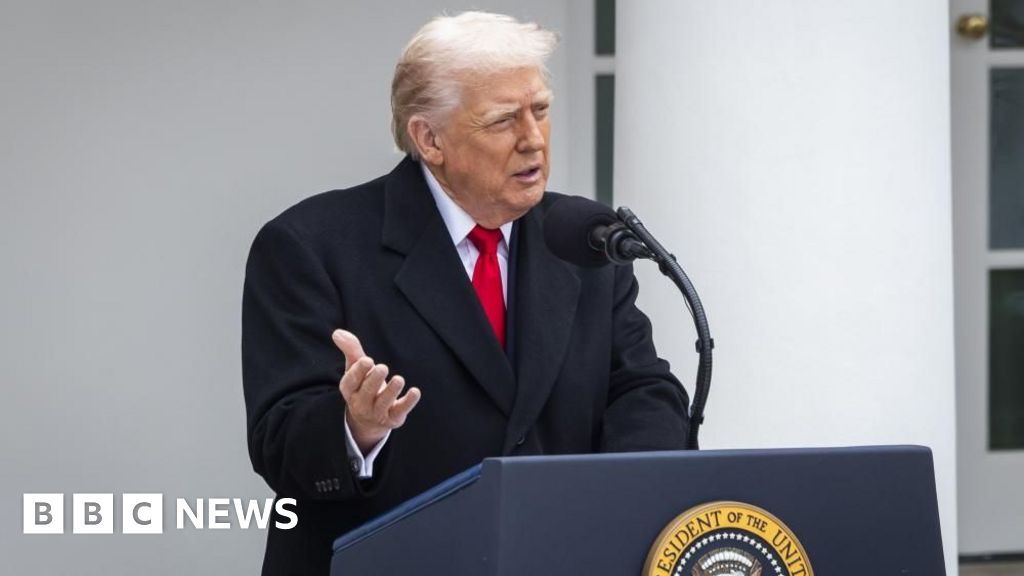
Georgia prosecutor drops charges against Trump in 2020 election case

Georgia Case Dismissal Becomes Turning Point in US Political Arena

The recent decision by a Georgia prosecutor to dismiss the 2020 election-interference case against President Donald Trump marks a significant juncture in the ongoing saga of American political conflict and legal battles. Pete Skandalakis, acting as the chief legal authority in this case, filed a motion to dismiss after former District Attorney Fani Willis was disqualified due to a scandal involving a romantic relationship with a special prosecutor. This move signals not only a legal reevaluation but also a potential shift in the wider understanding of justice and accountability within the United States. While partisan voices have claimed victory, analysts warn that the consequences extend far beyond a simple legal victory or defeat.

Initially, the case was launched in response to a recording of Trump’s January 2, 2021 call to Georgia’s Secretary of State, Brad Raffensperger, where he requested assistance to find enough votes to overturn his loss in the state. This event, widely regarded as a turning point in American political history, prompted allegations of conspired election interference. However, critics argue that the case became emblematic of what many see as a politically motivated pursuit rather than a pursuit of justice. As historians and international observers have pointed out, such internal conflicts threaten the fabric of U.S. democratic institutions, especially when legal proceedings become entangled with partisan disputes.

The geopolitical impact of this case is profound. The United States, long regarded as the global beacon of democracy, finds itself grappling with internal fractures that undermine its influence worldwide. Allies and adversaries alike are watching closely, noting how internal legal conflicts are impacting America’s international image. The United Nations has expressed concern, urging the rule of law to be upheld without bias, but many analysts believe the episode underscores the broader risks to American credibility on the world stage. Countries that depend on U.S. leadership for global security and economic stability now see a nation internally divided, mirroring internal civil conflicts and tests of constitutional resilience.

The decision to dismiss the case against Trump, which included charges against 18 co-defendants such as Rudy Giuliani and Mark Meadows, is viewed by supporters as a step towards restoring judicial fairness. Yet, critics argue that the move entrenches divisions within a society already polarized by contentious elections and selective justice. International organizations warn that if the U.S. cannot resolve these internal disputes transparently and objectively, its ability to lead global efforts—whether on climate change, trade, or security—may be compromised. The stakes are high, and history has shown that internal conflicts within dominant powers often ripple outward, influencing global stability.

As the dust settles on this pivotal moment in America’s legal and political history, the world is left to witness its repercussions. This saga is far from over: a nation’s internal struggles now play out on the stage of world history, where the decisions of its leaders and the course of justice will shape the future of democracy itself. In the shadows of courtrooms and presidential debates, history is quietly watching, waiting to see if the United States can heal its wounds or if these divisions will carve deeper scars into its sovereignty—a crucible where democracy itself faces its ultimate test.

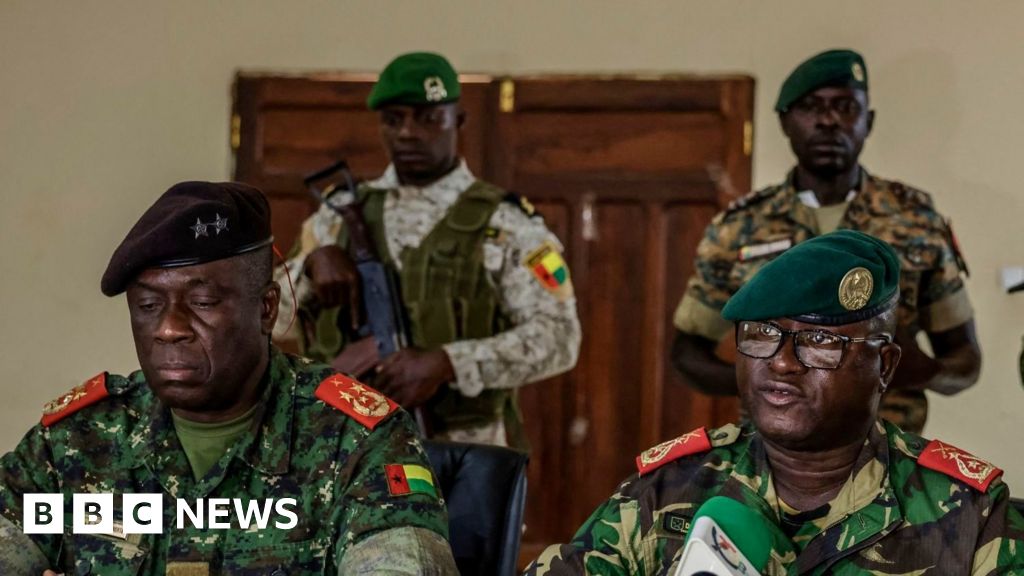
Guinea-Bissau Soldiers Claim Power Amid President Embaló's Arrest Reports
Guinea-Bissau Soldiers Claim Power Amid President Embaló’s Arrest Reports

Guinea-Bissau in Crisis: Military Coup and Political Unrest Shake West Africa

In an alarming development for the West African region, Guinea-Bissau has plunged into chaos following reports that a faction of military officers has **seized control of the government**. The country’s capital, Bissau, was rocked by gunfire around 13:00 GMT as witnesses reported hearing multiple shots. According to government sources, President Umaro Sissoco Embaló has been **detained**, marking a significant escalation in the nation’s ongoing political instability. This sudden military intervention comes just days after a contentious presidential election, in which the main opposition candidate was disqualified, raising fears of legitimacy concerns and deepening the political crisis that has persisted in Guinea-Bissau for decades.

Analysts warn that the unfolding situation could destabilize all of West Africa. Historically plagued by political upheavals—nine coups or attempted coups since 1980—the fragile maritime nation remains one of the poorest in the world, plagued by corruption, weak institutions, and a history of military meddling. The recent coup reflects long-standing frustrations with governance, compounded by the disputed election results and a lack of perceived legitimacy. In fact, both Embaló and his main rival, Fernando Dias, claimed victory, casting doubt over the announced results and fuelling tensions that quickly erupted into violence. International observers, including the African Union and the United Nations, have expressed concern over the escalation and called for restraint, but the military’s unilateral actions reveal a deep mistrust of civilian institutions.

The geopolitical impact of such instability extends beyond Guinea-Bissau’s borders. As a key player in West Africa’s maritime economy, the nation’s security is vital for regional stability, especially given its strategic position along Atlantic trade routes. Analysts from the International Crisis Group emphasize that continued military interference threatens to undermine efforts to stabilize the region’s fragile democracies. Additionally, the interruption of political processes may hinder international efforts to combat drug trafficking and illegal fishing, which are major economic and security concerns in the broader West African context. The coup also risks inspiring similar actions in neighboring countries with fragile political systems, threatening to reverse the gains made through diplomatic engagement and regional security initiatives.

Historians and political commentators highlight that Guinea-Bissau’s history of coups reflects a larger pattern of military influence on civilian governments, often justified by claims of corruption and inefficiency. As noted African political analyst Luís Monteiro observes, “This current upheaval is less about the immediate players and more about a broader trend of military-led governance emerging in many parts of Africa where democratic institutions remain fragile.” The international community’s response, therefore, could prove decisive in shaping whether Guinea-Bissau finds a path back to democratic stability or sinks further into chaos. For now, the echoes of gunfire and political uncertainty continue to reverberate across Bissau, leaving a nation at a crossroads that could determine its future for generations.

As history begins to write its next chapter in Guinea-Bissau, the world must watch closely—what happens here will ripple across borders, shaping the geopolitical landscape of West Africa for years to come. The question remains: will this be the moment when a nation collapses into prolonged chaos or the beginning of a resilient recovery? Only time will tell, but the weight of history—unfolding in real-time—reminds us that every decision has consequences beyond the horizon of today’s headlines.

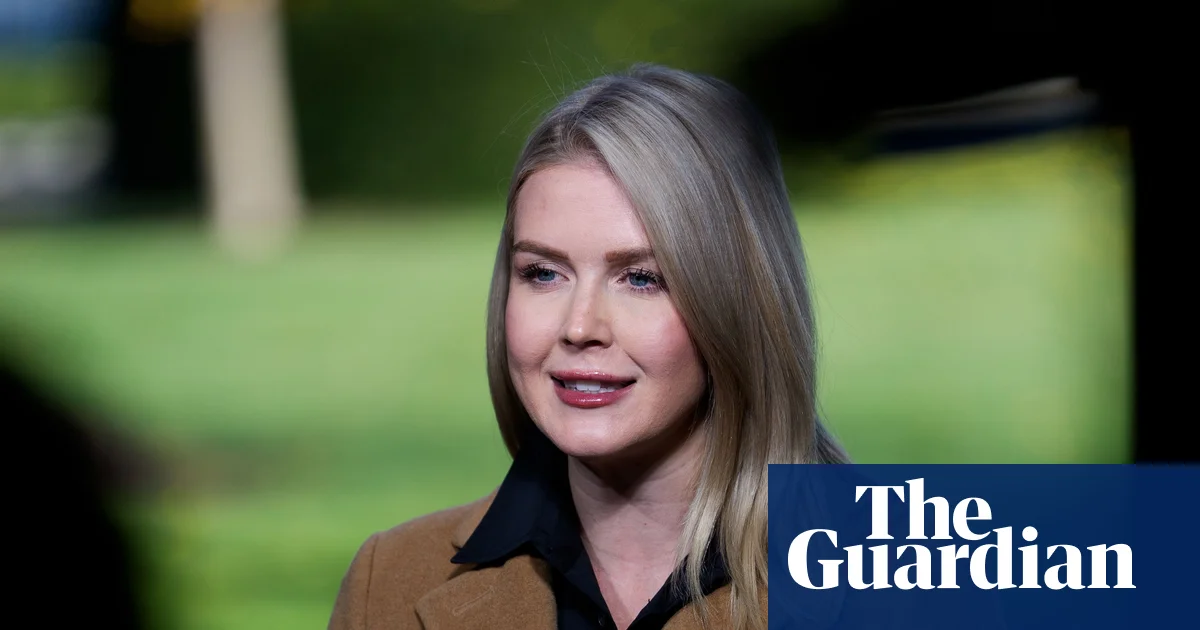
Karoline Leavitt’s relative detained by US immigration, raising questions about enforcement under Trump

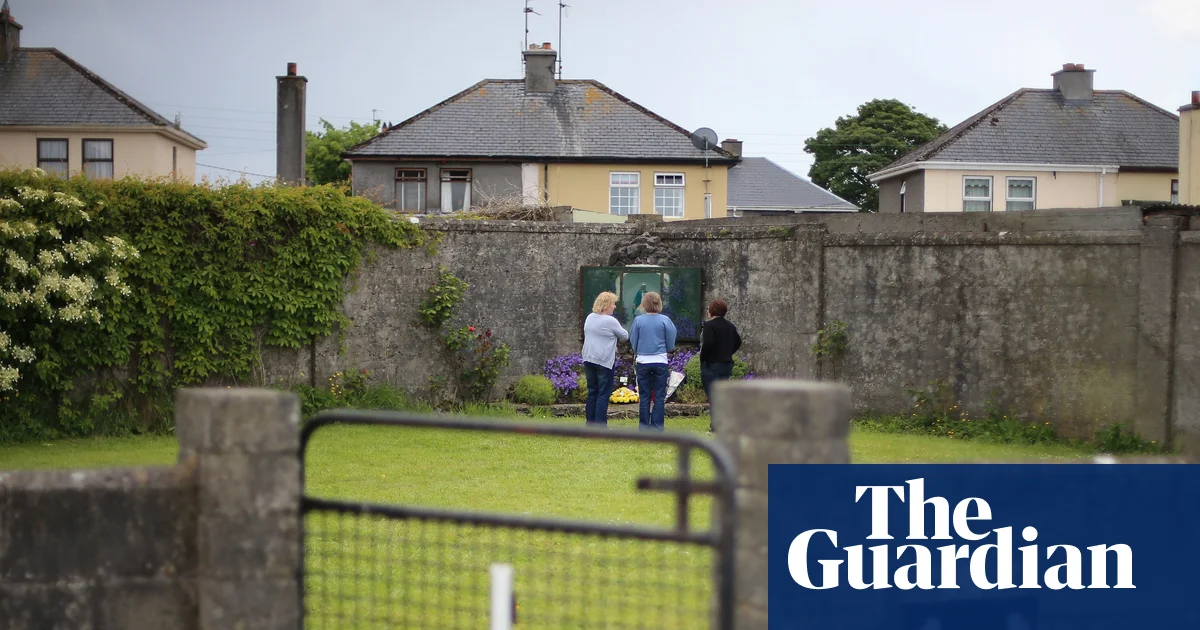
The United States continues to lead a contentious crackdown on undocumented migrants, exposing the deep fissures in its immigration policy under the current administration. A recent incident highlights how its aggressive enforcement tactics ripple across international borders, affecting families and communities. Bruna Ferreira, a Brazilian-born resident of Massachusetts, was detained by ICE agents while leaving her home in New Hampshire to pick up her son. Ferreira’s case has quickly become emblematic of the broader debate over what it means to be American, especially for those who migrated as children and rely on programs like Deferred Action for Childhood Arrivals (DACA). Her detention not only underscores the government’s firm stance on illegal immigration but also stirs questions about the human cost behind these policies.

The Department of Homeland Security confirmed Ferreira’s arrest, citing her previous criminal record and her entry into the country on a tourist visa that expired over two decades ago. Official statements emphasize that, under President Trump and current policies, all individuals unlawfully present—regardless of their integration or personal contributions—are subject to removals. This stance aligns with the broader geopolitical strategy aimed at deterring unauthorized entry, yet it also invites extensive criticism from international observers, human rights advocates, and even some allies. For many, the enforcement actions reveal a harsh reinterpretation of immigration laws, motivated less by national security and more by political symbolism. The case brings into focus the >shifting global narrative on sovereignty, border control, and human rights, with historic institutions warning that such aggressive policies could undermine America’s moral authority and domestic stability.

Analysts note that Ferreira’s situation is emblematic of a *broader pattern* seen in the Trump-era immigration regime. As international organizations like the United Nations have expressed concern, critics argue that the aggressive deportations threaten to destabilize immigrant communities and fracture families, especially those with longstanding roots in the US. Ferreira’s family, for instance, has mobilized to fund legal efforts to contest her detention—a move mirrored across many immigrant groups facing similar threats. Commentators point out that these policies disproportionately target vulnerable populations, including DACA recipients, who, despite legal protections, remain vulnerable under a strict enforcement framework. Historians and human rights analysts warn that such policies risk creating a *deterrent effect*, discouraging future immigrants and fostering social division. The international response echoes these concerns, with diplomatic debates intensifying over whether such enforcement strategies align with global human rights standards.

As this chapter unfolds, the world watches with a mixture of skepticism and apprehension. Ferreira’s case exemplifies how decisions made within the U.S. have repercussions beyond its borders—impacting international perceptions of American values and sovereignty. It is a stark reminder that the decisions of **leaders and institutions** are not isolated; they are woven into an ongoing narrative of history — one in which today’s choices may condemn or elevate future societies. The weight of this moment lingers, leaving audiences worldwide to ponder: as the U. continues its fierce immigration stance, how will history remember these actions? Will they serve as a testament to strength or as a warning of moral decline? Only time will tell, but the story of Ferreira, her family, and countless others echo loudly in these halls of power—an enduring call to reckon with the true cost of national security in a rapidly changing world.

Former House Speaker Warns Greene’s Departure Signals GOP Warning Sign for Future Success

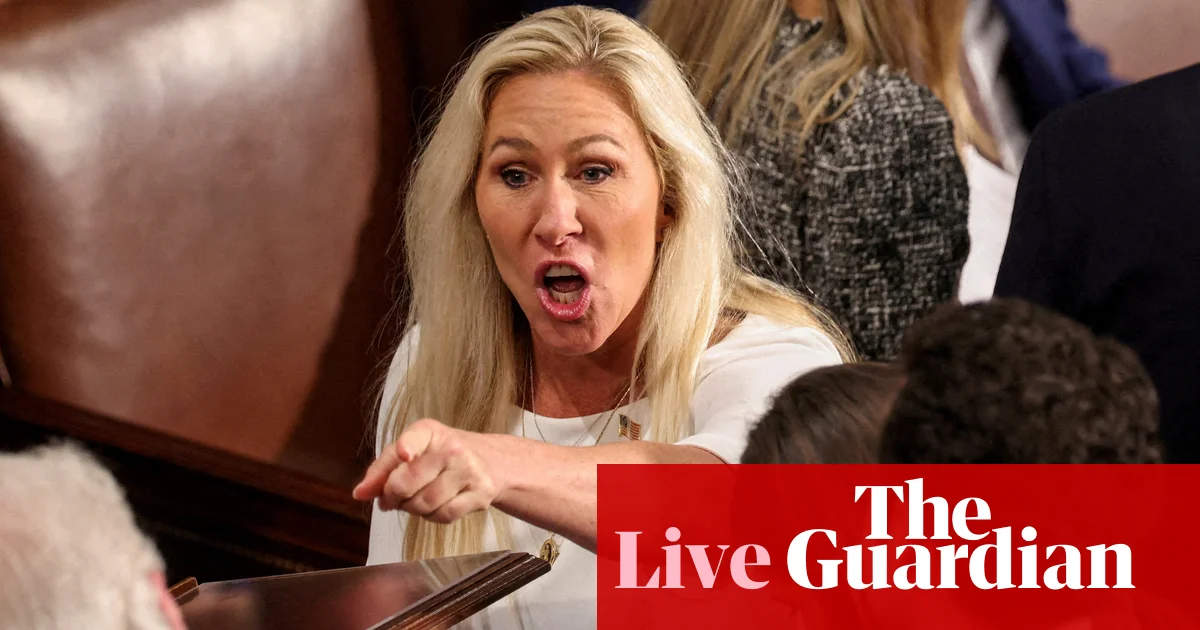
The recent upheavals on Capitol Hill and the evolving international diplomacy around the Ukraine conflict underscore a tumultuous chapter in U.S. and global geopolitics. As Marjorie Taylor Greene abruptly resigned from her congressional seat, analysts highlight this as a critical indicator—an emblem of the escalating internal crises within the GOP. Her departure signals a broader pattern of instability, with over twenty-two House Republicans already announcing retirements or plans to forgo re-election next year. Such mass withdrawals depict a party on the brink, fractured by internal divisions and teetering amidst impending electoral battles, which could fundamentally reshape America’s political landscape.

Beyond domestic upheavals, the international chessboard remains equally volatile. The Kremlin has confirmed that Steve Witkoff will return to Moscow next week, hinting at renewed efforts to broker peace in Ukraine. This follows reports of a leaked recording in which Witkoff advised Russia’s Yuri Ushakov on how to pitch a peace deal to Donald Trump. The recording reveals a hands-on diplomatic approach—one that many experts interpret as a testament to the fragile and complex negotiations underway. Furthermore, the US has rolled out a markedly concessionary peace plan, aimed at appeasing Russia and European stakeholders, but it risks further entrenching divisions, especially if those compromises undermine Ukrainian sovereignty.

The geopolitical impact of these intertwined developments is profound.

  • On one side, the U.S. appears to be shifting towards a more pragmatic, yet controversial stance, risking accusations of appeasement amid its support for Ukraine.
  • On the other, Russia’s diplomatic overtures—guided by a perceived desire to leverage the US’s internal discord—highlight Moscow’s strategic patience and its ongoing ambitions to weaken Western unity.
  • Within America, the Republican Party’s internal turmoil and leadership struggles threaten to weaken the United States’ global influence, particularly just as adversaries like China and Russia recalibrate their own geopolitical strategies.

International organizations and military analysts warn that decisions made in these critical moments will resonate through history, shaping the future of Western dominance and extending the shadows of conflict into the coming decades. As experts like prominent historians observe, the current period bears the hallmarks of a historic turning point—one where internal discord, diplomatic machinations, and strategic negotiations collide with unpredictable outcomes. The choices of today could either solidify a new era of resilience or usher in a perilous downslide into escalating conflict and chaos.

Indeed, as history unfurls its latest chapter, one cannot help but consider the weight of the decisions being made—in Capitol Hill, in Moscow, and amidst the Kremlin’s corridors of power. The tipping point may be just beyond the horizon, and the next move in this high-stakes game will determine the course of the world’s future, leaving us all to wonder: in this new epoch of geopolitical upheaval, what will be written into the annals of history, and what will be swept aside in the relentless tide of change? The stakes are clear—they are nothing less than the destiny of nations and the legacy we leave behind.

Texas centenarian bus driver, 95, defies age with no plans to stop

Age, Work, and Societal Shifts: The Lifelong Dedication of Raymond Hager Sparks Broader Reflections

In an era marked by mounting economic pressures and evolving social norms, the inspiring story of Raymond Hager, the 95-year-old bus driver from Texas, resonates as a microcosm of a worldwide phenomenon. Recognized by Guinness World Records as the oldest active bus driver, Hager’s unwavering dedication to his career exemplifies the changing landscape of work and retirement across nations. While his personal story focuses on individual perseverance, it also underscores the broader implications of demographic shifts, economic realities, and societal values, influencing international debates on aging, labor policies, and economic resilience.

Hager’s commitment to his profession reflects a broader trend—an aging workforce that challenges conventional retirement norms. In the United States, economic stagnation, soaring living costs, and stagnant wages are pushing individuals to extend their working years well beyond traditional retirement age. According to international labor analysts, this trend is not isolated; many advanced economies face similar realities, prompting policymakers to reconsider social security systems and labor laws. Experts point out that this shift could reshape national economies, strain social safety nets, and influence societal perceptions of aging. Nations such as Japan and Germany are already grappling with these complexities as their populations age at unprecedented rates, threatening to redefine productivity parameters and social cohesion on the global stage.

The international community observes such individual stories with mixed emotions. On one hand, they highlight resilience and personal purpose; on the other, they raise questions about how societies can sustain economic vitality and social stability amid demographic transformations. Global institutions like the United Nations and the World Bank have issued reports emphasizing the importance of adaptable socio-economic policies that address the aging phenomenon. These organizations warn that unprepared societies risk increased healthcare costs, labor shortages, and diminished economic growth if they fail to implement reforms that encourage lifelong employment and flexible work arrangements.

The geopolitical impact of these demographic trends extends further when considering international migration, workforce mobility, and shifting power dynamics. Countries with youthful populations, such as India and parts of Africa, could find themselves at the cusp of new economic opportunities by attracting aging professionals from the West. Meanwhile, nations with declining populations may become increasingly dependent on foreign labor, potentially fueling migration debates, diplomatic negotiations, and geopolitical alliances. These shifts will unquestionably influence global power balances, economic alliances, and even cultural perceptions of aging and productivity.

As this chapter of history continues to unfold, the story of individuals like Raymond Hager serves as a symbol of perseverance and an indicator of systemic change. His story is a reminder that societal progress demands adaptability—not only in laws and policies but also in cultural attitudes towards aging and work. With the weight of emerging demographic realities pressing down on national leaders worldwide, the legacy of such figures warns us that the future hinges on our ability to redefine aging—transforming it from a symbol of decline into one of enduring contribution. In the ongoing narrative of human history, the choices made today will resonate for generations, leaving an indelible mark on how societies will navigate the uncharted territories of aging and economic resilience.

Young researcher uncovers rare flower after 13-year quest—proof that dedication pays off

In a landmark discovery that has captivated the natural world, UK and Indonesian scientists have announced the re-emergence of the elusive Rafflesia hasseltii within the lush rainforests of West Sumatra. After over a decade of persistent searching, botanists Septian Andriki and Chris Thorogood confirmed the first wild sighting of this rare floral species since its disappearance from the wild, signaling a potential turning point in conservation efforts in the region. The find underscores the resilience of Indonesia’s biodiversity amid ongoing environmental challenges and highlights the importance of international scientific collaboration in safeguarding endangered species.

The arduous search commenced days prior when the team embarked on a challenging trek through dense, uncharted rainforest territory. Such expeditions are increasingly vital, as Indonesia’s vital tropical ecosystems face threats from deforestation, illegal logging, and climate change. According to conservation experts, this rediscovery could have profound geopolitical implications—not only emphasizing Indonesia’s critical role on the global biodiversity stage but also urging international stakeholders to bolster support for conservation initiatives. Notably, the United Nations Environmental Programme and other multinational bodies have been pressuring countries to protect their natural heritage, yet tangible results remain elusive. The latest breakthrough in West Sumatra now injects new hope—yet also a stark reminder—of the ongoing struggle to preserve such natural treasures against mounting threats.

Historians and environmental analysts warn that the reappearance of Rafflesia hasseltii could symbolize a broader shift in how nations approach conservation and sustainable development. With Indonesia now demonstrating its capacity to restore and protect vulnerable species, regional neighbors and global powers may reevaluate their priorities. The discovery also casts a spotlight on the *underlying tensions* surrounding land use policies in Indonesia, where economic development often clashes with ecological preservation. Such conflicts threaten to undermine international efforts; nonetheless, experts argue that discoveries like this serve as a wake-up call—a reminder of what is at stake if the world fails to act decisively. The implications extend beyond biology, touching the core of how nations balance growth with environmental responsibility.

As history continues to unfold, the sighting of this rare flower has become more than a botanical first—it is a symbol of resilience in a world increasingly at odds with nature. The moment resonates globally, hinting at a future where cooperation and dedicated conservation may still preserve our planet’s most endangered treasures. Yet, the shadow of uncertainty lingers, and the question remains: will this victory be enough to turn the tide of ecological decline, or will it merely serve as a fleeting glimpse of hope in the face of mounting crises?

Social Media Auto Publish Powered By : XYZScripts.com