Matox News

Truth Over Trends, always!

Young researcher uncovers rare flower after 13-year quest—proof that dedication pays off

In a landmark discovery that has captivated the natural world, UK and Indonesian scientists have announced the re-emergence of the elusive Rafflesia hasseltii within the lush rainforests of West Sumatra. After over a decade of persistent searching, botanists Septian Andriki and Chris Thorogood confirmed the first wild sighting of this rare floral species since its disappearance from the wild, signaling a potential turning point in conservation efforts in the region. The find underscores the resilience of Indonesia’s biodiversity amid ongoing environmental challenges and highlights the importance of international scientific collaboration in safeguarding endangered species.

The arduous search commenced days prior when the team embarked on a challenging trek through dense, uncharted rainforest territory. Such expeditions are increasingly vital, as Indonesia’s vital tropical ecosystems face threats from deforestation, illegal logging, and climate change. According to conservation experts, this rediscovery could have profound geopolitical implications—not only emphasizing Indonesia’s critical role on the global biodiversity stage but also urging international stakeholders to bolster support for conservation initiatives. Notably, the United Nations Environmental Programme and other multinational bodies have been pressuring countries to protect their natural heritage, yet tangible results remain elusive. The latest breakthrough in West Sumatra now injects new hope—yet also a stark reminder—of the ongoing struggle to preserve such natural treasures against mounting threats.

Historians and environmental analysts warn that the reappearance of Rafflesia hasseltii could symbolize a broader shift in how nations approach conservation and sustainable development. With Indonesia now demonstrating its capacity to restore and protect vulnerable species, regional neighbors and global powers may reevaluate their priorities. The discovery also casts a spotlight on the *underlying tensions* surrounding land use policies in Indonesia, where economic development often clashes with ecological preservation. Such conflicts threaten to undermine international efforts; nonetheless, experts argue that discoveries like this serve as a wake-up call—a reminder of what is at stake if the world fails to act decisively. The implications extend beyond biology, touching the core of how nations balance growth with environmental responsibility.

As history continues to unfold, the sighting of this rare flower has become more than a botanical first—it is a symbol of resilience in a world increasingly at odds with nature. The moment resonates globally, hinting at a future where cooperation and dedicated conservation may still preserve our planet’s most endangered treasures. Yet, the shadow of uncertainty lingers, and the question remains: will this victory be enough to turn the tide of ecological decline, or will it merely serve as a fleeting glimpse of hope in the face of mounting crises?


Robert Irwin crowns himself Dancing with the Stars champ, a decade after sister’s victory—showing true Aussie spirit and family legacy

In a world increasingly defined by rapid cultural shifts and intersecting geopolitical interests, recent developments underscore the enduring influence of individual leaders and international decisions on both societal values and global stability. Robert Irwin, the 21-year-old son of the legendary conservationist Steve Irwin, has captured headlines not for global diplomacy but for his triumph in the American reality TV competition Dancing with the Stars. This victory, amid emotional tributes to his late father, embodies how soft power—cultural influence—transcends borders and reshapes perceptions of national identity. As Irwin’s story resonates with audiences worldwide, it serves as a reminder of the subtle yet profound ways in which individual narratives can influence international cultural diplomacy, shaping perceptions of Australia and its values abroad.

The timing of this achievement is no coincidence. Amid tensions over climate policies, migration, and regional alliances, cultural icons like Irwin symbolize a resilient Australian identity rooted in conservation and youthful vigor—traits that many nations aspire to project on the world stage. Analysts from the International Crisis Group warn that in a shifting geopolitical landscape, nations are increasingly leveraging soft-power assets to bolster their geopolitical standing. The spectacle of the Irwin family’s ongoing legacy, woven into a narrative of environmental stewardship, subtly influences public opinion and international perception, asserting Australia’s position not merely as a regional player but as a moral voice on ecological issues. This alignment could serve as leverage in global alliances, especially at a time when the United States and China vie for narrative dominance on climate change.

Strategically, the recent decisions within U.S. foreign policy and the trajectory of European alliances reveal a complex chessboard where cultural exchanges are becoming as vital as military and economic treaties. Meanwhile, the decisive shifts regarding climate commitments, exemplified by Britain’s push for greater renewable energies and ongoing debates in the European Parliament, demonstrate how global institutions still grapple with balancing environmental imperatives against economic and geopolitical realities. International organizations like UNEP actively monitor how these decisions ripple across nations—affecting societies, influencing leadership, and reshaping societal priorities. The ongoing tension between conservation ideals championed by figures like Robert Irwin and the hard realities of geopolitical interests underscores the pivotal moment humanity faces: can cooperation on ecological issues override nationalistic competition?

History’s heavy hand reminds us that current decisions may ripple for generations. As historians analyze the age of ecological awakening and geopolitical reconfigurations, the question persists: is this era shaping a new world order or merely a transient chapter amidst unfolding chaos? With global powerhouses, regional alliances, and youthful icons intertwined, the full measure of this moment remains uncertain. Yet, one truth endures: as the narrative continues to be written in boardrooms, battlefield strategies, and cultural arenas, the weight of history presses ever harder. The collective trajectory of nations will depend on choices made today—choices that could either preserve the fragile fabric of peace or unravel it beyond repair. Humanity stands at a crossroads, watching as the unfolding saga promises that tomorrow’s history will be defined by the resilience, resolve, and sometimes, the unintended influence of those who embody the spirit of both youth and tradition.

Parking inspector and wife busted for €1M meter theft blitz

European Local Governance and Trust Under Scrutiny

In a striking case that underscores the fragility of public trust in local institutions, Kempten, Germany, a town renowned for its rich history and strategic position in the Bavarian Alps, has been rocked by allegations of massive embezzlement involving a municipal parking inspector and his spouse. The report reveals that over €1 million (£878,000) was siphoned from parking meters across the town, a scandal that has sent ripples through Germany’s meticulous system of local governance and integrity. This incident is not merely about theft but touches on the broader question of accountability and the erosion of trust that leadership and citizens must uphold in the face of increasing regional challenges.

Geopolitical Impact and Rising Concerns

While at first glance this appears as an isolated case of municipal corruption, analysts and international watchdogs such as Transparency International are warning that such incidents could serve as warning signs of deeper systemic failures. As local governments become focal points of societal trust, these breaches threaten to undermine confidence in the broader European Union’s fragile network of institutions and local administrations. The involvement of a public official in embezzling public funds echoes similar scandals across other European nations, where corruption scandals have weakened the perceived legitimacy of local and national authorities. Such instances fuel an atmosphere of disillusionment among citizens, who are increasingly demanding transparency and accountability from their leaders.

International Reactions and Societal Implications

  • European political leaders are emphasizing the importance of reinforcing anti-corruption measures at all levels of government, stressing that trustworthiness and integrity are essential for maintaining social cohesion and international credibility.
  • Germany’s federal institutions have reinforced their commitment to transparency, with the country’s justice system promising a thorough investigation. The mayor of Kempten, Thomas Kiechle, responded swiftly, establishing a commission to review past processes and prevent future misconduct, symbolizing a recognition that local governance must be resilient against such breaches.
  • In light of this scandal, economic analysts point to the potential for increased public demand for oversight, which could translate into political shifts at both regional and national levels—especially in a continent grappling with mounting migration pressures, economic instability, and geopolitical tensions.

The incident in Kempten highlights how fragile the societal contract can become when trust is broken. It exposes a flaw in the infrastructure of local governance—one that, if left unaddressed, could have far-reaching consequences not only for Germany but across Europe. Historically, corruption scandals such as these have served as catalysts for reform, yet they also threaten to deepen existing divides and foster cynicism among the youth and marginalized communities. As historians and political analysts warn, these episodes are not isolated failures but indicators of an urgent need for comprehensive reform in accountability structures across Western democracies.

As the investigation continues and the media follows the unfolding legal proceedings, the question remains: in an era where trust is fragile and the geopolitical landscape is ever-changing, how will European nations restore their credibility and ensure that such breaches of integrity do not become the norm? The weight of history presses heavily on today’s leaders—each decision shaping the destiny of their communities, each action echoing across generations. The story of Kempten’s scandal is a stark reminder that, beneath surface civility, the true strength of a society lies in its unwavering commitment to justice and transparency—a legacy that must be guarded with vigilance or risk being forever lost in the shadows of neglect.

Wagner Group Accused of Cold-Blooded Civilian Killings in Mali

Russia’s Shadow War in Mali: A New Era of Geopolitical Uncertainty

The recent escalation of violence in Mali underscores a profound shift in the continent’s geopolitical landscape, illustrating how foreign mercenary groups like Wagner are redefining global influence and regional stability. Since the military junta seized power in 2021—after ousting the democratically elected government—the country has become an arena for international power plays, with Russia emerging as a major player amid a backdrop of chaos and terror. What was once a fragile State struggling with insurgency has transformed into a battleground for competing interests, where human rights abuses are becoming the dark hallmark of Russia’s covert strategy in Africa.

This covert intervention was initially cloaked in the guise of counter-terrorism. However, evidence collected by human rights organizations and the BBC reveals a different reality: a brutal campaign marked by massacres, torture, and lawless violence attributed to Wagner mercenaries. Testimonies from survivors like Ahmed, a displaced shopkeeper, paint a disturbing picture of extrajudicial killings and systematic cruelty. From forcing villagers onto fields to identify supposed jihadists under threat of execution, to executing prisoners in plain sight, Wagner’s tactics are deliberately designed to sow fear, collapse local resistance, and establish Russian influence under the guise of stability. Historians warn that these tactics mirror Cold War-era dirty wars, where proxy armies serve wider geopolitics, often at the expense of human life and sovereignty.

The New Colonialism?

The transition from French to Russian influence in Mali signals a turning point—one that alarms Western allies and international observers. As the European Union and the United States express concern over human rights violations, analysts like Dr. John Morrison, an expert on African geopolitics, underline how Russia’s strategic pivot mirrors a broader global realignment. The mercenary presence consolidates Russia’s position as an alternative power to Western nations, countering the fading influence of colonial-era actors. The African Union and think tanks warn that this shift risks entrenching authoritarianism and prolonging conflict, with Mali’s sovereignty increasingly undermined by foreign military actors who operate beyond the reach of international law.

Despite Wagner’s official withdrawal announced in June 2023, reports indicate that its operatives have subtly persisted within the framework of Africa Corps, under Russia’s defense apparatus. The Timbuktu Institute estimates that over 70% of Africa Corps fighters are former Wagner members, inheriting a legacy of atrocities that threaten to destabilize entire regions. While some early indicators hint at a reduction in mass atrocities, organizations like ACLED warn that violence persists, cloaked in a veneer of fragile peace—signaling that, in geopolitical terms, the true war is not in the open but in the shadows.

Society in the Crossfire

For ordinary Malians, especially the nomadic Tuareg and Arab communities, the consequences are devastating. Refugees fleeing to camps in M’berra in neighboring Mauritania describe a climate of terror inflicted by Wagner operatives. Accounts of torture, summary executions, and threats of violence highlight how these mercenaries—initially described as “counter-insurgency”—have become agents of chaos. When history assesses the 21st century, it will remember this period as one when foreign powers exploited fragile states, turning them into theatres of human suffering and geopolitical contest.

As the world watches, the true impact extends beyond Mali’s borders: a continent destabilized, societies fractured, and a global order challenged. Decisions made in the corridors of power—whether to authorize, ignore, or confront these mercenaries—will determine whether Mali remains a sovereign nation or succumbs to a new form of imperial influence. The stories emerging from these conflict zones serve as stark warnings of the human toll exacted when geopolitics displaces human dignity, urging global citizens and policymakers alike to confront the reality that history’s pen continues to write our collective future amidst shadows of conflict and lawlessness. The outcome remains unwritten, but the weight of this unfolding chapter presses heavy upon the conscience of the international community—an unresolved story of power, pain, and the price of sovereignty.

Meet Trump's "Drone Guy" Becoming Key Player in Ukraine Peace Talks
Meet Trump’s “Drone Guy” Becoming Key Player in Ukraine Peace Talks

Geopolitical Shifts and Emerging Power Players in US Military Politics

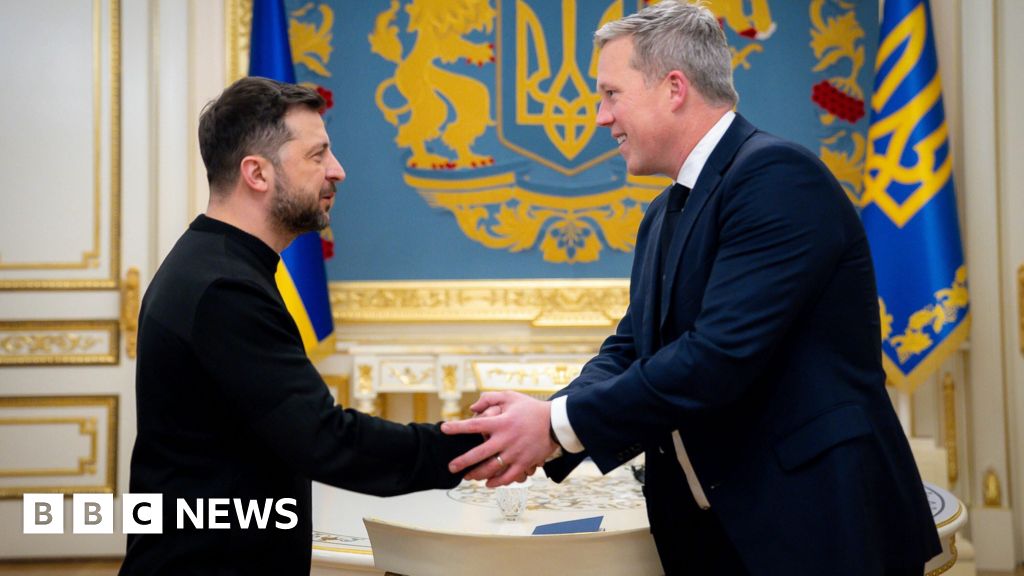
In the tangled web of international power, the recent appointment of Dan Driscoll as the youngest-ever Army Secretary in the United States marks a notable shift in the country’s military and geopolitical landscape. At only 39, Driscoll’s rise to prominence underscores an emerging trend where technology, youth, and political alliances forge new avenues for influence—an aspect not lost on international analysts and historians. Despite his limited diplomatic experience, Driscoll’s close ties with key figures like Vice President JD Vance and former President Donald Trump signifies a potential reorientation of America’s military and strategic priorities, especially regarding the ongoing crisis in Ukraine.

His unannounced visit to Kyiv and subsequent discussions with Ukrainian officials signal a significant departure from traditional diplomatic channels, hinting at a more direct or even unconventional approach to conflict resolution. The fact that Driscoll, with no formal background in international diplomacy, engaged in top-level talks with Zelensky and Russian officials, demonstrates a possible shift toward a strategy where military technology and unorthodox negotiations play an increasing role. Analysts, including those from international think tanks, warn that such moves could recalibrate America’s role in global conflicts, tilting the balance of influence in ways reminiscent of Cold War-era brinkmanship, but now driven by emerging battlefield technologies and rapid information exchanges.

Trump’s recent social media hints about directing his envoy Steve Witkoff to meet with Vladimir Putin in Moscow—plus Driscoll’s overt involvement—highlight an essential shift: the potential melding of military preparedness with diplomatic gambits. This combination might redefine how America projects power and mediates conflicts in our multipolar world. More critically, Driscoll’s vision of future warfare—where every soldier harnesses drones and artificial intelligence—reflects a broader trend towards technological dominance. Historical voices from military strategists and defense analysts warn that as societies become more reliant on silicon and software, the battlefield itself transforms into an arena of information warfare and automation, promising both unprecedented efficiency and dangerous vulnerabilities.

In the backdrop of these developments, questions emerge about Driscoll’s possible future role – whether as a key figure in negotiations over Ukraine, potential defense secretary, or a strategic envoy. Warnings from international bodies suggest that the autonomy and rapid decision-making enabled by technological integration could either speed up peace processes or plunge the world into new conflicts. As Europe, Russia, and Ukraine grapple with this shifting power dynamic, history warns us that decisions made today—often in backrooms and secret negotiations—could reverberate through generations. The unfolding saga of a young, tech-savvy military leader navigating a world on the brink underscores that history’s weight is immense, and the future remains unwritten — a ticking clock where each move could tilt the global balance and redefine the nature of warfare itself.

Bolsonaro Told to Begin 27-Year Prison Term Over Coup Plot

Brazil’s Political Turmoil Shakes Global Balance

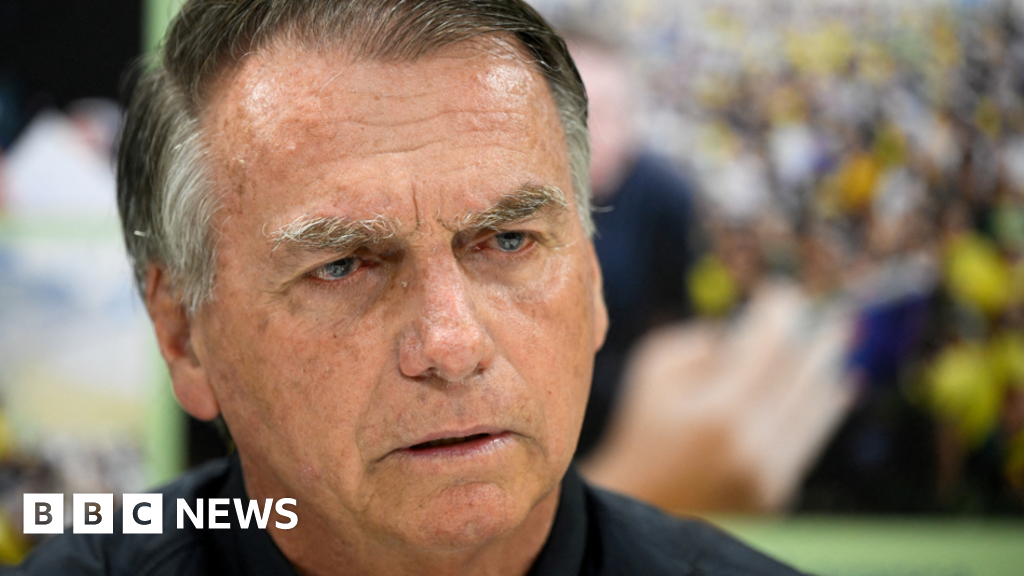
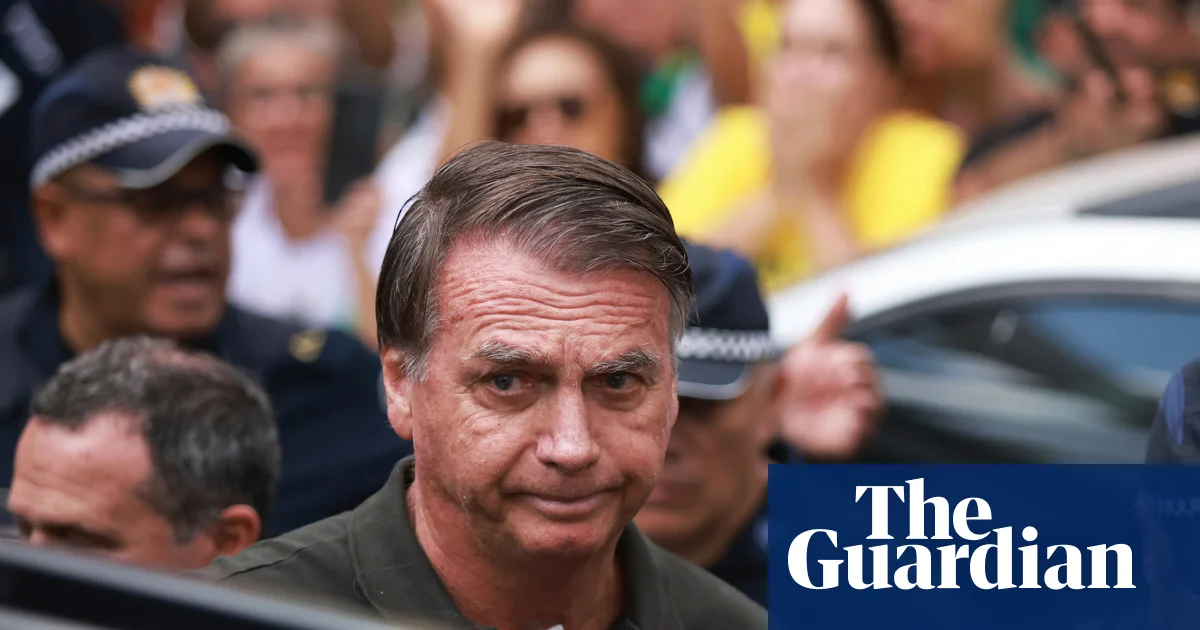
In a landmark decision that reverberates well beyond its borders, Brazil‘s Supreme Court has ordered that Jair Bolsonaro, the former president and a staunch right-wing figure, begin serving a prison sentence of 27 years and three months for allegedly orchestrating a coup conspiracy after his electoral defeat. Justice Alexandre de Moraes declared the case had reached its *final judgment*, leaving no room for appeals. This pivotal moment underscores a significant shift in Brazilian politics, signaling a firm move toward accountability amid heightened internal tensions.

The criminal proceedings stem from allegations that Bolsonaro led a conspiracy aimed at keeping him in power following his 2022 electoral loss to Luiz Inácio Lula da Silva. The former president, 70, was detained in Brasília and transferred from house detention to a federal detention center after authorities deemed him a flight risk. In a startling confession during a hearing, Bolsonaro admitted to attempting to open his ankle monitor, citing “medicine-induced paranoia” as a reason, but maintained his innocence and insisted he had no intention of fleeing. The court has ordered that Bolsonaro receive full-time medical care, highlighting concerns over his deteriorating health as seen through statements from his medical team. This development underscores how **legal and health issues intersect** in shaping Brazil’s political future—a nation at a crossroads where judicial decisions could determine the trajectory of democracy itself.

International analysts and historians have warned that Bolsonaro’s conviction marks a *turning point* in **Brazil’s** history, illustrating the state’s resolve to uphold constitutional order and prevent the rise of authoritarian elements. The trial also revealed that Bolsonaro had prior knowledge of assassination plots against Lula and other political figures, while plans to arrest and execute Supreme Court Justice Moraes were uncovered—culminating in the *failed attempt* to destabilize Brazil’s democratic institutions. Despite these *threatening developments*, the military did not support Bolsonaro’s plots, and Lula was inaugurated peacefully in January 2023, reaffirming the resilience of formal political processes.

The aftermath of the conspiracy was swift and stern: Bolsonaro and his alleged co-conspirators— including former security and defense officials— were ordered to serve sentences, effectively dismantling his influence. Furthermore, Bolsonaro has been barred from running for public office until 2060, a move seen as a decisive blow to his political resurgence. Bolsonaro dismisses the proceedings as a “witch hunt,” but the courts’ unwavering stance signals a broader message: **democratic institutions will be defended regardless of political rhetoric or influence**. As the world watches, the question remains whether this bold step will restore stability or deepen the continent’s ongoing political crisis.

History’s pen continues to inscribe an extraordinary chapter for **Brazil**, a nation grappling with the aftermath of political violence and the challenge of safeguarding democratic principles against the tides of radicalism. The narrative is still unfolding—an epic marked by courage, confrontation, and the relentless pursuit of justice. As the dust settles on Bolsonaro’s unprecedented fall from grace, nations across the globe remain alert to the *potential for ripple effects*—a warning that, in a world teetering on the edge, dedicated leaders and institutions must stand firm. The fate of **Brazil** and its place in the international order hangs in the balance, as history watches with bated breath.

Three Ex-Pupils Stand Firm Against Far-Right ‘Banter’ Claims, Supporting Nigel Farage

Global Reckoning: The Echoes of Youth and the Shaping of International Power

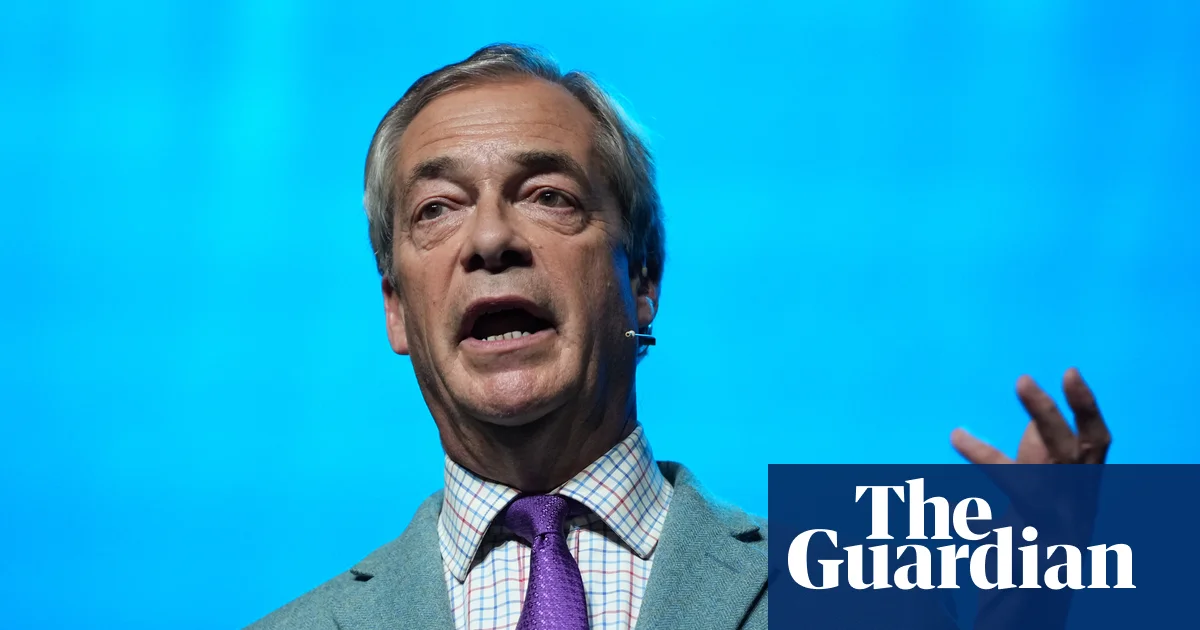
In recent weeks, a revealing story has emerged from Britain that underscores how the personal histories of public figures—particularly those involved in shaping national policy and geopolitics—can ignite international debates with far-reaching consequences. Former Prime Ministerial candidate Nigel Farage, known for his staunch nationalist stance and vocal opposition to open borders, has come under scrutiny amid allegations of deeply troubling racist and antisemitic behavior during his adolescence at Dulwich College. Over twenty individuals have come forward, recounting years of targeted abuse that reportedly spanned from the age of 13 to 18. These allegations, whether rooted in past misconceptions or genuine misconduct, reveal how history’s shadows can threaten the credibility and influence of figures who command currents in the modern political landscape.

The controversy is a stark reminder that the choices made in youth—sometimes dismissed as “banter”—can directly impact a nation’s international standing and societal cohesion. Analysis by international organizations and historians suggests that such revelations are not merely about individual morality but also about the broader implications for national identity in an interconnected, often polarized world. The allegations against Farage, including claims of racially charged taunts and antisemitic slurs, resonate globally, especially amidst rising uprisings and ethnic tensions across Europe and beyond. As historians specializing in political extremism warn, such figures, once unfettered by scrutiny, can fuel the narratives that stir unrest or justify aggressive foreign policy postures. Indeed, the damaging effects extend beyond the personal—these accusations threaten to undermine the societal fabric that underpins the stability of Western democracies.

Equally significant is how the decision-making of nations and international institutions is impacted when leaders or influential figures are compromised by their histories. Britain’s experience exemplifies this, especially given its recent contentious departure from the European Union—a process heavily influenced by populist rhetoric, much of which is intertwined with narratives of immigration and national sovereignty. Critics argue that exposing such unflattering truths about figures like Farage serves as a warning, not just for British politics but for the global stage: the legacy of youthful prejudice can haunt leaders, complicating diplomatic relations and policy agendas.

In the broader context, international organizations like the United Nations and European Union have long acknowledged the profound impact of societal divisions fueled by unchecked prejudice. The revelations surrounding Farage’s past coincide with a wave of scholarly warnings that underestimating the power of societal rifts can lead to catastrophic conflicts. The current debate underscores that the legacy of intolerance is not easily erased, especially when wielded by those entrusted with guiding nations through the tumult of modern geopolitics. As experts like Harvard historian Dr. Elizabeth Carrol note, “The personal histories of political leaders are a mirror reflecting societal values and vulnerabilities, which can either be sources of unity or divides that nations struggle to overcome.”

As the world watches these unfolding revelations, history reminds us that the choices of youth, often dismissed as trivial “banter,” carry a weight that can shape or fracture nations. The echoes of past prejudices can ripple through time, influencing policies, alliances, and societal divides. The question remains: how will today’s leaders confront and reckon with their histories? In this era of rapid international change, amid geopolitical shifts and the resurgence of nationalist rhetoric, the true test lies not only in how leaders respond but also in how societies confront the shadows of the past. The fabric of history continues to unfurl, and the weight of these stories—whether they serve as caution or justification—remains an indelible part of the unfolding narrative of global power and societal resilience.

Bolsonaro Ordered to Begin 27-Year Prison Term Over Brazil Coup Plot

Brazil’s Recent Verdict and Its Geopolitical Ripples

The recent sentencing of Jair Bolsonaro, Brazil’s former president, marks a significant milestone in the country’s troubled journey towards stabilizing its fragile democracy. After being convicted of conspiring to overthrow the elected government through a planned coup, Bolsonaro has been ordered to serve a 27-year prison sentence within the confines of a police base in Brasília. This development does not merely represent a judicial victory for Brazil’s judiciary, but it fundamentally alters the nation’s political landscape and signals the potential end of a populist chapter that many see as perilous for Latin America’s largest democracy.

As Brazil confronts its internal divisions, the decision by the Supreme Court, led by justice Alexandre de Moraes, to enforce Bolsonaro’s sentence follows a tumultuous period marked by conspiracy, failed assassination plots targeting Luiz Inácio Lula da Silva, and widespread political unrest. The plot—designed to eliminate Lula and his vice, Geraldo Alckmin—was thwarted with military leaders refusing to participate, reflecting the complex dynamics between civilian rule and military influence in Brazil. The court’s ruling underscores a clear message: political violence and sedition will be met with firm judicial resistance, a stance that resonates across the region, where instability remains a potent threat to democratic institutions.

How International and Domestic Forces Shape Brazil’s Future

This sentencing sends a powerful signal to both domestic and international audiences. Analysts from global organizations, such as the Inter-American Democratic Charter, warn that this development might inspire efforts to reinforce democratic norms amid populist crises across Latin America. However, Bolsonaro’s supporters continue to see him as a victim of what they label a “systematic witch-hunt,” and vow to persist despite his incarceration. Acts of defiance—small protests and social media campaigns—highlight the ongoing ideological battle that continues to shape Brazil’s political future. The decline in Bolsonaro’s popularity, as confirmed by recent polls indicating support waning to just 13%, indicates that the country might be moving away from the brink of further chaos. Yet, the deeply embedded divisions persist, with some factions still unyielding in their allegiance to his nationalist and anti-establishment rhetoric.

The international community watches with cautious interest as Brazil turns another page. In the broader context, the geopolitical impact of this event extends beyond Brazil’s borders. The election of Bolsonaro and his alignment with right-wing, populist movements had previously stirred concerns among regional allies and global powers wary of the erosion of democratic institutions. As Brazil distances itself from its populist past, the shift might signal a move toward greater stability, but also raises questions about the role of populist leaders in Latin America’s future trajectory. Historically, such moments serve as turning points—either toward renewed democratic consolidation or further exacerbation of partisan divides.

History in the Making

Despite efforts by Bolsonaro’s loyalists to rally opposition, the current landscape suggests a waning influence of his movement. The arrest and sentencing of key conspirators, coupled with the diminished enthusiasm among his base, paint a picture of a political era approaching closure. Nonetheless, the shadows of his legacy remain, alive in the memory of those who see him as a hero fighting against an unjust system. As history continues to unfold, the weight of this moment will be felt for generations as a defining chapter—an insurrection narrowly averted, and a fragile democracy still battling to find footing amidst the turbulence of populist extremism.

Millions of UK workers set for pay boost as Reeves announces higher minimum wage — Budget 2025

In the latest move reflecting domestic economic policy intertwined with global labor trends, the United Kingdom has announced a significant increase in minimum wages, aiming to bolster the living standards of its low-paid workers. The country’s leadership under Prime Minister Rishi Sunak has committed to raising the national living wage from £12.21 to £12.71 per hour for over-21s starting April, an increase of 4.1%. This escalation is designed to lift approximately 2.4 million workers, pushing their annual earnings up by around £900—an effort to counteract stubbornly high inflation and resolve the ongoing cost-of-living crisis. At the same time, the government is narrowing the gap for younger workers by increasing rates for 18- to 20-year-olds by 8.5%, signifying a preference for wage equality that continues to shape the nation’s economic landscape.

International and economic analysts observe this development as a reflection of a broader global shift toward protecting worker rights, yet caution that such measures carry complex geopolitical repercussions. Critics argue that steep wage increases, particularly for youth, could hinder employment opportunities by discouraging employers from hiring entry-level staff, especially amidst a backdrop of rising national insurance and economic uncertainties. According to the Resolution Foundation, youth unemployment has surged to 14.5%, up from 13.7% a year ago, illustrating the delicate balance between social welfare and economic vitality. Empirical data suggest that artificially inflating wages without concurrent productivity growth risks hampering economic competitiveness—a concern echoed by business leaders who report struggles in hiring due to increased labor costs.

This policy debate, however, extends beyond UK borders and touches on international labor standards. European countries, with their own history of wage regulation, brace for potential shifts in investment and migration patterns should wage policies influence business decisions. Meanwhile, the International Labour Organization and various global economic think tanks warn that inconsistent wage policies across nations could exacerbate trade imbalances and disrupt global supply chains. The UK’s push to elevate wages is, in part, a reflection of how rising populist sentiments and economic nationalism are reshaping traditional international relations, increasingly framing labor rights as elements of national sovereignty and economic resilience.

Historian and geopolitical analyst Dr. Emily Carter emphasizes that these internal economic choices are also part of a larger narrative—one where nations are reasserting control over their economic destinies amid a shifting international order. As China and the United States grapple with their own wage and inflation issues, smaller nations like the UK are making bold moves that could ripple through the global geopolitical landscape. The decision to safeguard jobs and raise wages can be viewed as an attempt to secure social stability, but it also leaves out the broader question: will such measures ignite a race to the top—or to the bottom in global labor competitiveness?

As history continues to unfold in the coming months, the UK’s wage policies serve as a stark reminder of how domestic economic reforms are intertwined with international trends. The world watches as nations balance between protecting their citizens and maintaining economic strength in an era marked by upheaval and uncertainty. Decisions taken today are likely to set precedents for future global interactions—where the tug-of-war between social justice, economic stability, and geopolitical influence remains as fierce and unpredictable as ever. The stage is set for a new chapter in history—one written not only through policies and politics but through the lives and futures of millions caught in the crossfire of a rapidly changing world order.

German 'Hammer Gang' Trial Targets Communist Extremists Behind Violence
German ‘Hammer Gang’ Trial Targets Communist Extremists Behind Violence

Germany Faces Critical Point in Fight Against Extremism as Trial Unfolds

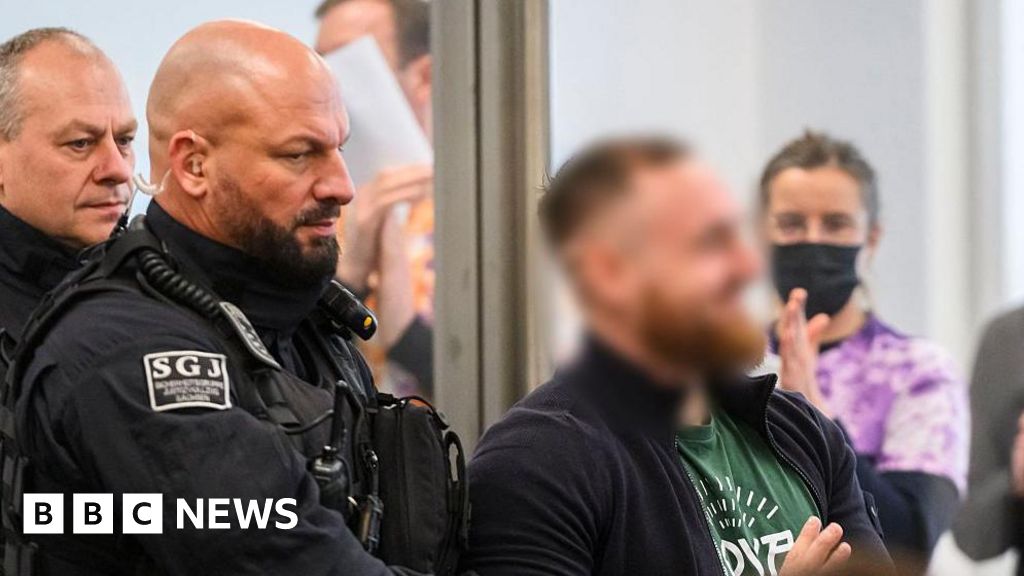
In a landmark case unfolding in Dresden, seven individuals are on trial accused of membership and support for Antifa Ost, a militant, far-left extremist organization labeled as a terrorist group by the United States. This trial not only exposes the brutal tactics employed by the suspects—including attempted murder, severe assaults, and property damage—but also signals a shifting tide in Europe’s ongoing struggle against violent political extremism. As this case garners international attention, it underscores the geopolitical impact of domestic radical groups and how their violence influences broader security policies across borders.

Extremism’s Cross-Border Reach and Political Ramifications

  • Antifa Ost, founded in late 2017 or early 2018, allegedly orchestrated attacks targeting those perceived as part of right-wing circles in Germany and Budapest. Prosecutors allege meticulous planning, including spying on targets and launching violent assaults with hammers and batons, causing severe injuries.
  • The US government’s decision to designate Antifa Ost as a terrorist organization earlier this month marks a significant escalation in its crackdown on extreme-left affiliated groups, aligning with a broader geopolitical trend. Some analysts see this move as a response to mounting concerns over violent extremism destabilizing democratic societies.
  • Moreover, the AfD, Germany’s far-right party, publicly welcomed the US designation, arguing that Antifa and similar groups pose a threat to national security. Stephan Brandner explicitly called on the German government to follow suit, warning that without decisive action, radical left-wing violence could undermine societal cohesion.

How These Decisions Reshape European Security Policies

International organizations, including Interpol and EU security agencies, have closely monitored organizations like Antifa Ost amid fears of escalating violence. The trial in Dresden and the U.S. classification reflect a turning point in how nations treat domestic terrorism—particularly ideologically driven violence—by blurring the lines between political activism and criminality. Historians and security analysts warn that such shifts could lead to increased government overreach, yet they acknowledge that leaving these groups unchallenged risks societal upheaval.

The global community observes that this case presents a broader lesson about the importance of strength and vigilance in the face of extremist ideologies. As each nation grapples with its own radical factions, the world watches to see if Germany and allies will adopt a more proactive stance in banning and dismantling these dangerous groups. The trial is not merely about justice for those victims but a mirror held up to Europe’s collective responsibility to preserve order and safeguard constitutional values amid a rising tide of violence.

Fate of a Continent at a Crossroads

As the trial continues, the atmosphere grows tense with unspecified warnings of potential retaliation or escalation. Germany, with its history deeply rooted in conflict and resilience, now faces tensions that threaten to ignite again if radical groups gain ground. The shadow of historic conflicts looms, urging a cautious but firm stance. Political leaders, security forces, and international partners must decide—will they confront this burgeoning wave of extremism with conviction or risk losing the fragile fabric of societal harmony? The unfolding narrative remains a stark reminder that history is rarely linear, and the future of Europe’s safety hinges on the decisions made today.

Social Media Auto Publish Powered By : XYZScripts.com