Matox News

Truth Over Trends, always!

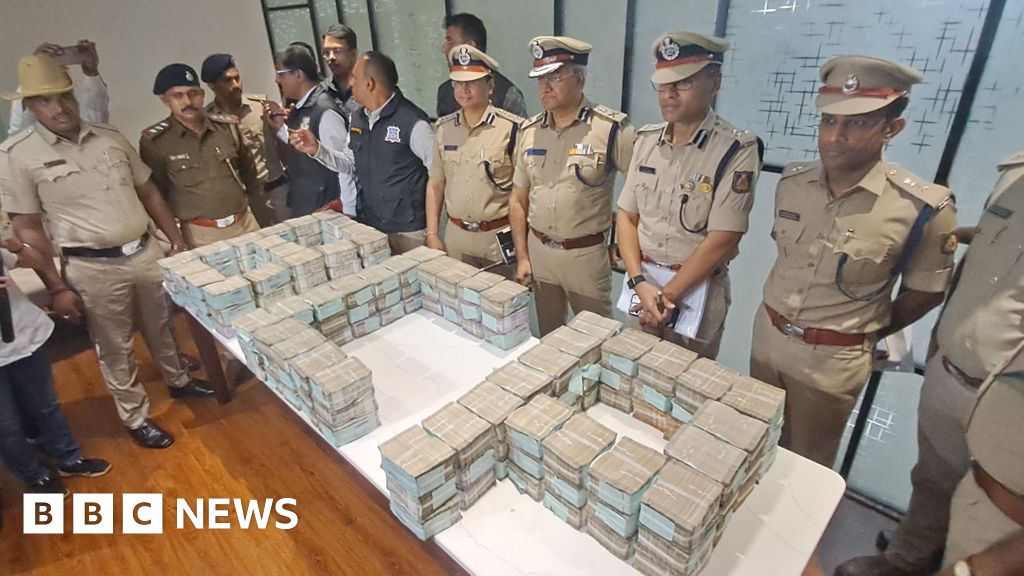
Three Youths Nabbed in India Over Major $800K Bank Robbery

Indian Authorities Thwart Major Heist, Underscoring Growing Security Challenges

In a dramatic display of law enforcement agility, India recently averted a significant security breach that could have had profound economic repercussions. A daring heist in Bengaluru, involving armed men posing as Central Bank officials, resulted in the theft of approximately 70 million rupees ($800,000). This incident—marked by meticulous planning and bold execution—sheds light on the complex security vulnerabilities confronting not only India but many nations striving to protect their financial infrastructure amid a rising tide of organized crime. The rapid police response and subsequent arrest of three suspects reflect a resolve to combat such threats, but the case also highlights the ongoing need for global intelligence sharing and improved security protocols.

The heist unfolded in broad daylight, with perpetrators executing a calculated deception by impersonating authorities, thus exploiting public trust and procedural complacency. According to authorities, the gang changed vehicles, employed fake registration plates, and targeted locations with minimal CCTV coverage—an indication of their sophistication and understanding of security gaps. The suspects, including a former employee of a cash transport company and a police constable, highlight a concerning nexus of insider involvement and criminal enterprise. Investigations are still ongoing, with police officials emphasizing the importance of tracking down the remaining stolen funds and dismantling the broader network behind the operation. Analysts warn that such brazen attacks expose systemic weaknesses that could inspire copycat crimes across India and beyond.

This incident also raises critical questions about the regulation and monitoring of cash transit operations. Experts and international organizations, including the World Bank and regional security analysts, have raised alarms on the laxity in compliance and oversight, which criminals exploit to conduct high-stakes robberies. The authorities’ focus on reviewing standard operating procedures—such as the routes taken by cash vehicles and their timing—points to a necessary strategic shift. If unchecked, similar tactics could be adopted elsewhere, threatening financial stability in emerging markets and undermining confidence in the banking sector. The interconnected nature of modern crime requires multinational cooperation and intelligence sharing to prevent these breaches from escalating into larger, destabilizing threats.

As India grapples with this internal security threat, the broader geopolitical landscape is also shifting. The incident underscores how organized crime, sometimes aided by corrupt officials, can destabilize economies and threaten national sovereignty. Historically, analysts like Dr. Lisa Chen from the International Security Institute have warned that such crimes are often intertwined with larger geopolitical ambitions, including funding insurgencies or destabilizing neighboring nations. The arrest of the police constable involved demonstrates a troubling challenge: the infiltration of criminal elements into the very institutions meant to safeguard societal stability. Runs on cash security protocols and inter-state coordination are indications that scalable, international-level police reforms are imperative for maintaining national integrity.

The Boundary of Justice and the Unfolding Struggles Ahead

Bangladesh’s latest security breach provides a stark reminder to the world that while police actions may temporarily restore order, the root causes of organized crime are far from eradicated. This incident could be a harbinger of more daring operations, especially as criminal syndicates become increasingly sophisticated and connected across borders. The relentless efforts of law enforcement agencies worldwide will determine whether this is merely a blip or part of a dangerous trend threatening the stability of entire regions. As historians and security experts observe these developments, one thing remains clear: the battle for security, sovereignty, and societal resilience is ongoing, and history’s next chapter is yet to be written.

U.S. Moves to End War in Ukraine Draw Careful Concerns from Allies

International Powers Confront The Future of Ukraine Amid Controversial Peace Plan

The unfolding saga of Ukraine‘s quest for sovereignty and security continues to shape the geopolitical landscape in profound ways. Recent developments have seen U.S. efforts to forge a peace plan amid fierce resistance from Kyiv and its allies, casting a long shadow over the stability of Eastern Europe. The controversial 28-point blueprint, leaked and scrutinized from multiple angles, envisions territorial concessions from Ukraine, including the possible ceding of critical regions like Donetsk, Luhansk, and Crimea—a move that has ignited fierce debate over border legitimacy and national sovereignty.

European nations and Japan, unified in their concern, have issued a joint statement underscoring that the draft peace plan will require additional diplomatic work. They emphasize the principle that borders must not be changed by force, while voicing apprehensions over limitations on Ukraine’s military capabilities—restrictions that could leave Kyiv vulnerable to future aggression. In Geneva, security officials from the UK, France, Germany, the US, and Ukraine are scheduled for critical discussions, recognizing the stakes are high. Historians warn that such concessions could set a dangerous precedent, emboldening authoritarian regimes and undermining international norms on territorial integrity, emphasizing the importance of safeguarding Ukraine’s sovereignty as a matter of global security.

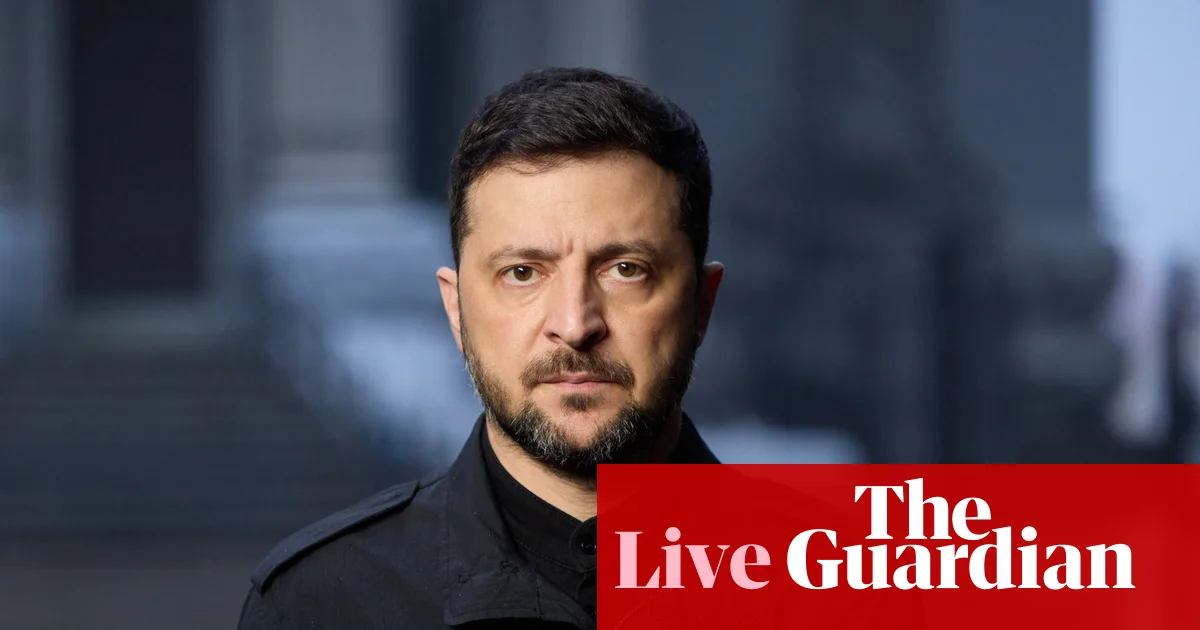
Meanwhile, President Zelensky has issued a stark warning, framing the moment as “one of the most difficult in our history”—highlighting the immense pressure Ukraine faces from Washington and Western allies to accept terms perceived as detrimental by Kyiv. Despite Zelensky’s declaration to pursue “constructive” negotiations, the key question remains: how will Ukraine balance the imperative of national dignity with the harsh realities of geopolitics? The leaked US draft proposes Ukraine’s military withdrawal from key territories and potentially limiting its armed forces to 600,000 personnel, while offering “reliable security guarantees” and promising reintegration of Russia into the global economy—an offer Moscow might interpret as a capitulation or a means to reassert its influence. Such proposals not only threaten Ukraine’s territorial integrity but also risk destabilizing the entire European security order, especially as the EU and NATO await consent on military and diplomatic implementations.

The regional balance of power hangs in the balance, with Vladimir Putin signaling that the draft could serve as a “basis” for settlement, but also remaining uncompromising in his rhetoric. Moscow’s willingness to show “flexibility” is paired with preparations for ongoing conflict, as Russian forces continue slow advances in Ukraine’s southeastern regions. Military analysts warn that concessions could be exploited by Moscow, paving the way for a prolonged proxy conflict, risking regional destabilization and global economic repercussions. The current situation has precipitated a dynamic contest of wills among world powers, with the outcome poised to redefine the 21st-century balance of authority. The weight of history presses heavily upon the unfolding negotiations, and as global leaders navigate treacherous diplomatic waters, the fate of Ukraine remains a poignant symbol of resistance, sovereignty, and the enduring quest for international stability. History will record whether the choices made today can forge a path toward lasting peace or herald a new era of geopolitical division.

Corbyn and McKellen’s cameo boosts panto’s image—ad libs stole the show

Across the globe, recent cultural developments reveal more than just entertainment; they are a microcosm of larger geopolitical shifts influencing societies, economies, and the very fabric of national identity. The resurgence of traditional festivities, like UK pantomimes, intertwined with high-profile celebrity appearances, underscores a strategic effort by local institutions to bolster community resilience amid ongoing economic challenges. These cultural events, often dismissed as mere entertainment, possess a profound role in sustaining regional arts, fostering social cohesion, and reinforcing national pride.

In the United Kingdom, the recent revival of pantomimes featuring celebrities such as Jeremy Corbyn and Ian McKellen exemplifies this trend. Despite the modest budgets of regional theatres, these productions continue to generate significant revenue—approaching £31 million in 2024—and attract over a million attendees. Analysts, including theatre critics like Nick Curtis, emphasize how this tradition acts as a critical “lifeblood” for UK arts, especially during the festive season when nearly a third of performance attendances occur. On a broader scale, such cultural investments serve as subtle yet powerful countermeasures against the encroaching effects of globalization and cultural homogenization, maintaining a distinct national identity in turbulent times.

This phenomenon has clear international implications. As regional theatres adapt by integrating pre-recorded cameos of international stars such as Stephen Fry, Judi Dench, and Brian Cox, they mirror a global trend where cultural diplomacy becomes intertwined with technological innovation. These figures act as ambassadors of a shared cultural heritage, transcending borders while simultaneously bolstering local communities. Meanwhile, international organizations like UNESCO recognize this cultural resilience as essential for safeguarding intangible heritage and fostering solidarity among nations. Such efforts highlight how decisions to preserve local art forms can ripple outward, influencing regional stability and international perceptions of national vitality.

However, these cultural strategies do not exist in a vacuum. As economic pressures persist—due to austerity measures and pandemic aftermaths—funding cuts have made it increasingly difficult for regional theatres to sustain their traditional programming. Yet, the inclusion of celebrities and digital innovations demonstrates resourcefulness, turning potential weaknesses into strengths. Stephen Fry’s voicing of the Giant at Watford Palace Theatre, for example, illustrates how contemporary technology allows for a form of “virtual celebrity,” multiplexing star power across multiple venues and reducing financial strains. This pragmatic approach ensures that even amid austerity, the arts continue to serve as a rallying point for tradition, community pride, and national resilience.

As the curtain falls on this year’s pantomime season, the legacy of such cultural endeavors remains uncertain, yet undeniably powerful. The ongoing narrative of cultural preservation, shaped by political will, technological progress, and societal values, leaves a compelling question for the future: Will these acts of cultural defiance and community building withstand the relentless tide of globalization and geopolitical upheaval? Or will they fade into history, replaced by superficial entertainment devoid of meaning? With every new performance, the story of a nation fighting to preserve its identity plays on—a testament to the enduring human spirit in the face of an ever-changing world. And as history continues to unfold, the true significance of these cultural battlegrounds will be revealed, perhaps into an era where tradition itself becomes a revolutionary act.

UK bird flu chaos threatens Christmas turkey supply—industry on edge

UK Bird Flu Outbreak Weighs Heavily on Christmas Supply Chain, Signaling Broader Geopolitical and Economic Shifts

The ongoing avian influenza outbreak sweeping through the UK poultry industry exemplifies a crisis that extends far beyond farmyards and supermarkets. With cases surpassing last year’s toll, the impact on the Christmas supply chain is mounting, revealing vulnerabilities that could have wider geopolitical implications. The reality that approximately 300,000 birds—particularly organic and free-range—have already been culled underscores the severity of this health emergency. Though major retailers exhibit resilience, willing to absorb short-term losses on advance orders, the disruption signals a fragile global food network exposed to the unpredictability of zoonotic diseases.

This health crisis is more than a local story — it’s a stark warning of how risks from emerging infectious diseases could reshape international trade relations and national security strategies. With outbreaks confirmed in large-scale commercial poultry units across England and neighboring nations under stringent biosecurity mandates, authorities are racing against time to contain the virus. The Animal and Plant Health Agency reports nearly 50 cases since October, emphasizing that *crisis management remains a delicate balance.* Historians and analysts warn that if such outbreaks persist or amplify, they could precipitate a cascade of economic repercussions, jeopardizing global food security and intensifying political tensions over resource sovereignty and pandemic response coordination.

International Responses and the Broader Geopolitical Impact

While the UK strives to manage its farm crisis, the broader international landscape is not immune to the repercussions of emerging zoonoses. Countries with significant poultry industries—such as the US, China, and India—are closely monitoring developments, aware that the spread of avian flu can undermine global supply chains and trigger protective trade measures. The World Organisation for Animal Health (OIE) cautions that such outbreaks may catalyze stricter import restrictions, impacting international relations and trade agreements rooted in agricultural commodities. This scenario underscores the need for a cohesive multinational response, yet it also exposes vulnerabilities in existing treaties that often prioritize economic gains over health security.

Experts contend that shifting geopolitical alliances could influence future biosecurity protocols, especially as nations seek to safeguard their food sovereignty amid mounting ecological and health challenges. The UK’s experience serves as a trial run for how local health crises can ripple outward, forcing countries to reevaluate their strategic alliances and resource allocations—factors that will significantly influence future global governance. As a result, international organizations are called to step up their coordination efforts, fostering resilience in an interconnected world increasingly threatened by zoonotic spillovers and climate change.

Conclusion: The Unfolding Chapter of Global Crisis

As the UK battles its most severe bird flu outbreak in years, the world watches with bated breath. The decisions taken today—ranging from immediate containment measures to long-term policy shifts—will carve the path for future generations. Public health and economic stability hinge on swift, decisive actions, but history warns that such crises often reveal deeper geopolitical fault lines, exposing vulnerabilities in our interconnected fabric of society. With every cull and containment order, the narrative of global resilience continues to unfold, leaving nations to ponder whether they are prepared for the next shadow looming on the horizon—a threat that, if unchecked, could transform the course of history in ways yet unforeseen.

Nigeria suffers major school abduction as 315 students vanish in mass kidnapping

Escalating Crisis in Nigeria: Mass Kidnappings and Their Geopolitical Ramifications

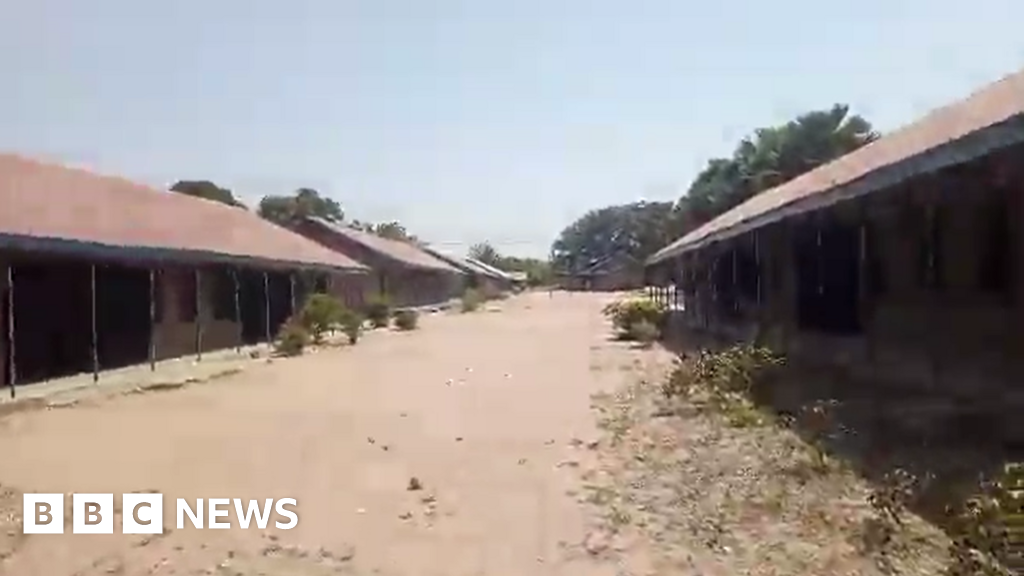
In a disturbing display of the ongoing insecurity plaguing Nigeria, reports confirm that over 300 children and staff have been kidnapped from St Mary’s School in Niger state—a tragic development that echoes the infamous Chibok abduction of 2014. According to the Christian Association of Nigeria, the revised figures indicate a significantly larger number of victims than initially reported, highlighting the grave escalation in armed group activity across the country. These mass abductions are not isolated incidents but part of a disturbing surge in violence by violent coalitions, often labeled as bandits or Islamist militants, that threaten the stability of Nigeria’s fragile security architecture.

Analysts warn that this escalation has profound geopolitical implications. The Nigerian government’s response—claiming to mobilize security forces and order school closures—struggles against a tide of multifaceted insurgencies, including Boko Haram’s remnants and criminal gangs. These groups are exploiting Nigeria’s vast and often inaccessible forested regions, making rescue operations perilous and uncertain. The recent kidnappings occur amid a backdrop of regional instability, as neighboring countries face similar challenges with militant insurgencies, leading some experts from the African Union to warn of a potential destabilization chain reaction in West Africa fueled by these uncontained conflicts.

Furthermore, the international discourse around these events has become polarized. Right-wing figures in the United States, including former President Donald Trump, have recently amplified allegations of persecution of Christians in Nigeria, claiming the government is either unable or unwilling to protect religious minorities. These claims, vehemently denied by Lagos, supply a turning point in the ongoing narrative—whether as a genuine concern or a politicized tool—highlighting how external actors are increasingly involved in Nigeria’s internal affairs. Such narratives risk complicating diplomatic efforts and may embolden militant groups, further destabilizing the region.

The geopolitical impact of Nigeria’s security crises extends beyond its borders. As Africa’s most populous nation and a key player in regional economics and politics, Nigeria’s instability threatens to undermine efforts towards regional integration and economic growth. Historians and security analysts warn that without decisive action—focusing on intelligence, community engagement, and tackling socio-economic roots—Nigeria could descend into a prolonged state of chaos, with ripple effects felt across the continent and beyond. The convergence of internal insurgencies, criminality, and international politicization ensures that Nigeria remains a critical flashpoint. The nation’s future hangs in the balance, a reminder that history is still being written with every flight of gunfire and every child’s cry, as Africa’s most vital country teeters on the edge of crisis—and perhaps, eventual breakthrough or collapse.

U.S. Deports Christian Converts to Iran, Raising Concerns

A Shifting Battlefield in Global Immigration and Human Rights

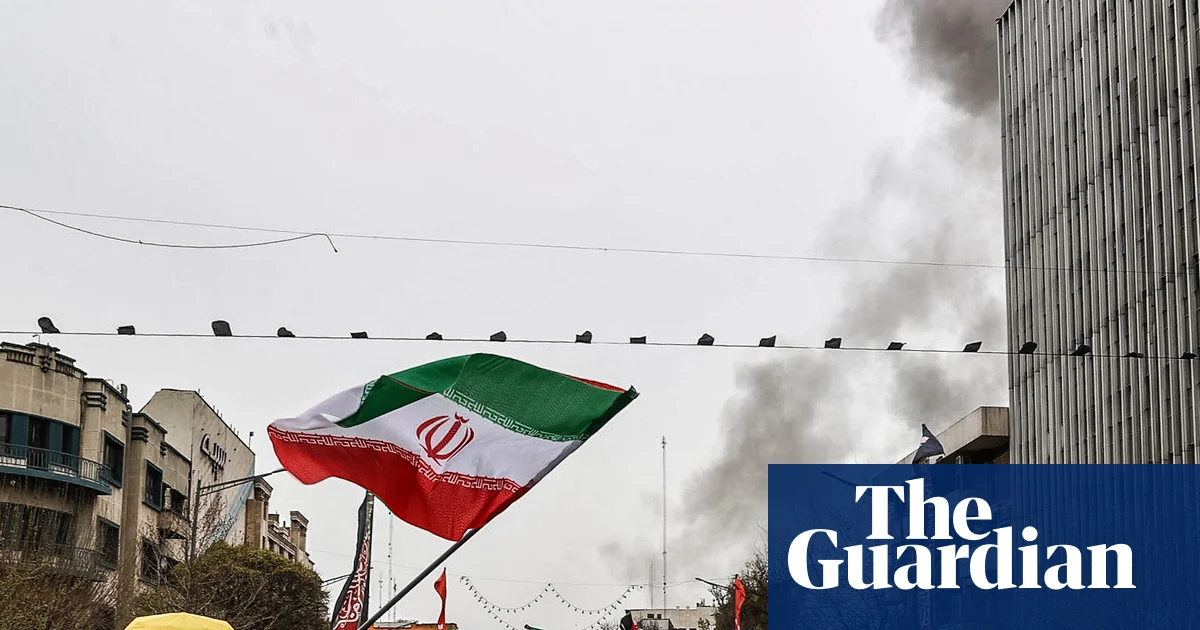
The United States has long positioned itself as a beacon of refuge for persecuted religious minorities, particularly Iranian Christian converts. Yet recent policy shifts reveal a disturbing paradox: while President Joe Biden publicly champions religious freedom and condemns Iranian oppression, the administration is simultaneously executing aggressive deportations that threaten the very groups it claims to protect. The recent chartered flights back to Iran, arranged via Qatar and involving passengers shackled and under armed guard, mark a stark reversal of United States’ historic stance on asylum for religious minorities fleeing religious persecution.

This unprecedented cooperation with Iran — a country with one of the most repressive regimes concerning religious freedom — sends a clear signal of geopolitical recalibration. Experts like Professor Alexei Ivanov of the London School of Economics warn that such moves could further embolden regimes hostile to religious minorities and escalate the persecution of converts back home. As reports surface of deported individuals facing interrogation about their faith by Iranian authorities, the global impact of America’s policies becomes evident.

The Fragile Lives Caught in a Geopolitical Crossfire

  • In late September, the US government orchestrated its first direct flight to Iran in decades, a move logic-defying given the *absence of diplomatic ties* and Iran’s notorious human rights abuses.
  • Families like Ali’s, whose wife was deported and is now targeted by Iranian intelligence, exemplify the personal danger underlying these policies.
  • Countries like Venezuela and Turkey, traditionally regions of refuge, are now increasingly becoming interconnected nodes in this perilous transit network for asylum seekers.

At the United Nations, calls for accountability grow louder. Human rights organizations criticize the US for mishandling and in some cases violating international standards—particularly regarding the confidentiality of asylum claims and the handling of sensitive religious information. The International Crisis Group suggests that these policies could undermine decades of diplomatic efforts to promote religious freedom and human rights. Notably, the divergence between the rhetoric of advocating for persecuted Christians and the reality of deportations reveals a troubling disconnect — a gamble with human lives that international analysts warn could destabilize fragile communities and embolden oppressive regimes.

The Shadows of Uncertainty and the Unfolding Crisis

Deeper within the US political landscape, legal experts caution that the decisions taken today may serve as a turning point in international refugee policies. Some argue that the administration’s claims of “fully adjudicated” asylum cases are contradicted by reports of mishandled information and the ongoing plight of individuals like Majid, who are now forced into hiding, fearful of reprisals. Meanwhile, the Iranian regime appears to be leveraging America’s internal tensions, using deported converts as leverage to crack down on internal dissent, framing converts as “Zionist agents”—a narrative designed to consolidate power and justify increased persecution.

As the weight of history bears down on this tangled geopolitical web, the stories emerging from beneath the surface suggest that these policies are more than bureaucratic decisions—they are reflections of a broader, ongoing conflict between principles and pragmatism. How long will the world’s most powerful democracy continue to turn a blind eye to its role as a protector or persecutor? This question hangs heavily in the air, as the fates of countless individuals unfold in shadows cast by shifting alliances and iron-fisted regimes. The story of Iran’s persecuted believers, and the US’s ambivalent stance, remains stubbornly unresolved — a stark reminder that in the grand chessboard of international affairs, human lives are pawns caught in a game still unfolding, written in the ink of history yet to be made.

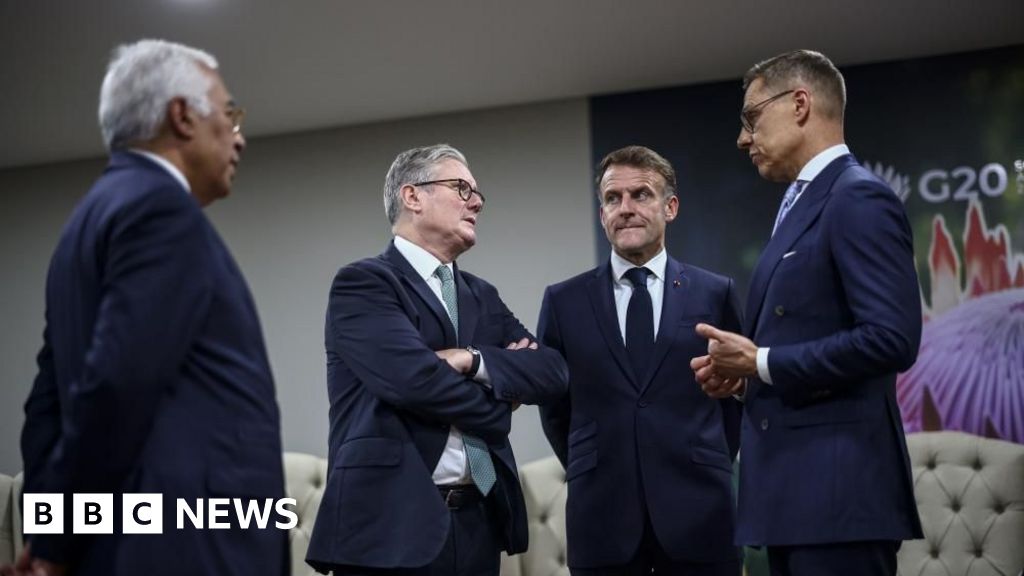
G20 allies to gather as Zelenskyy warns of ‘impossible choice’ over Trump’s peace plan

As Ukraine teeters on the brink of yet another pivotal moment in its ongoing conflict, the international community faces a convergence of strategic interests and increasing internal tensions. The upcoming G20 summit in Johannesburg has become a focal point for Western leaders, notably UK Prime Minister Keir Starmer, who is set to rally Ukraine’s allies to bolster a US-drafted peace plan aimed at ending the war with Russia. This diplomatic effort underscores the intense pressure Western powers are exerting to find a resolution — a resolution that many critics argue could betray Ukraine’s sovereignty and red lines.

What makes this situation even more dramatic is the conflicting narratives coming from Kyiv and Moscow. Volodymyr Zelenskyy has explicitly warned that accepting the US-Russian proposal could strip Ukraine of its territorial integrity and national dignity. Zelenskyy described the moment as one of the most difficult in Ukraine’s history, expressing fears that an imposed peace could leave the nation “without freedom, dignity, and justice.” Meanwhile, Vladimir Putin dismisses Ukrainian resistance as unrealistic, publicly declaring that Kyiv and its European allies cling to illusions, dreaming of inflicting a strategic defeat on Russia — a stance that echoes the Kremlin’s broader narrative of standing firm against what it frames as Western aggression. Putin‘s rhetoric not only reinforces Russia’s stance but also aims to sway international opinion to view the proposed deal as a capitulation, casting doubt on its feasibility.

The geopolitical impact of these developments is profound. The West’s unwavering support for Ukraine and the push for a “genuine and fair” peace, as reiterated by France’s President Emmanuel Macron and Germany’s Chancellor Friedrich Merz, brings into focus the broader contest for influence and the future stability of Europe. Analysts suggest that how this conflict advances or concludes will shape the geopolitical landscape for decades to come. Tensions are mounting as discussions pivot toward whether international diplomacy will succeed in staving off a larger, more destructive conflict or instead enable a further erosion of Ukrainian sovereignty under the guise of peace.

Adding to this tension are emerging reports of provocative actions, such as a Ukrainian drone attack on Russian energy facilities in the Samara region, which has resulted in casualties and a heightened state of alert in Moscow. This act of defiance indicates that, despite diplomatic efforts, the conflict remains volatile. Meanwhile, US officials are increasingly concerned about clandestine meetings in Miami, where members of the Trump administration reportedly met with Kirill Dmitriev, a Russian envoy under US sanctions. Such revelations threaten to complicate diplomatic processes — raising the worry that hidden agendas and back-channel negotiations might undermine official efforts toward peace, or worse, escalate hostilities.

As the world watches the shifting sands of diplomacy and conflict, one thing remains undeniable: history is writing itself in real time, and nations now face a dilemma of unprecedented magnitude. Will they forge a peace rooted in respect and fairness, or succumb to the temptations of strategic capitulation that could redefine sovereignty and alter the course of history? The unfolding drama at the G20 summit promises to be remembered as the moment when global courage, or cowardice, decided Ukraine’s fate — but in the shadows, the true hand of geopolitics continues to shape the coming storms, leaving the future suspended in a volatile balance of power and principle.

Trump and Mamdani Show Civility in Surprising Meeting

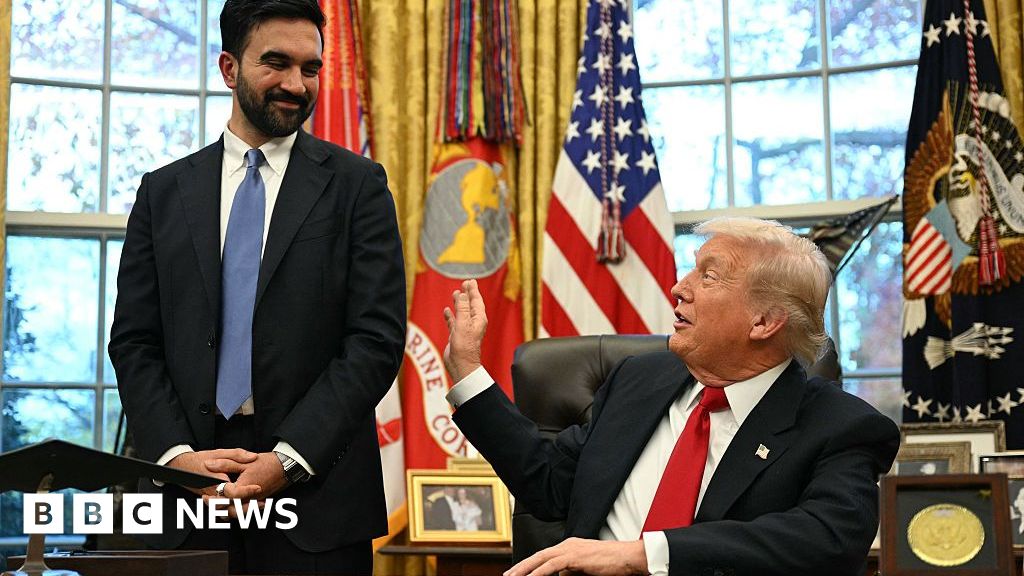
Recently, the United States has demonstrated that domestic political dynamics continue to shape international relations in profound ways. In a significant deviation from the expected hostility, President Donald Trump met with Zohran Mamdani, New York City’s newly elected mayor, in a display of unprecedented cordiality at the White House. Despite the mayor’s candid branding of Trump as a “despot” during his campaign, the Oval Office encounter revealed a surprising willingness on both sides to engage constructively—particularly around critical issues like affordability, crime, and immigration. This shift underscores how intra-national political debates echo beyond borders, influencing perceptions of American leadership worldwide.

  • The meeting marked a potential turning point in the Biden-era narrative, hinting at a possible de-escalation of partisan rhetoric in certain spheres.
  • Trump’s praise for Mamdani, coupled with his assertion that the Mayor has “views that are little out there,” signals an operational calculus: stability and cooperation over confrontation.
  • The focus on common ground—particularly on lowering the cost of living—reflects a strategic emphasis on ‘bread-and-butter’ issues that resonate with voters globally and reinforce America’s image as a nation grappling with economic hardship.

Analysts from international think tanks suggest that this apparent détente could have ripple effects beyond U.S. domestic politics. While Republicans had hoped to use Mamdani as a symbol of progressive excess—painting him as anti-police and anti-capitalist—the conduct of the meeting suggests a more nuanced landscape. As historians argue, the optics of bipartisanship at the highest levels often carry lasting influence, shifting global perceptions and strategic alliances. Additionally, Trump’s assertion that he would “cheer for him” underscores a broader message: even ideological rivals recognize the importance of stability in a nation as central to global affairs as the US.

This unfolding scenario also highlights the potential for internal U.S. political conflicts to influence foreign policy. As the world watches the spectacle of American democracy, the importance of these internal negotiations becomes even more evident. The rhetoric, images, and implied policies emerging from this encounter have the power to shape international confidence in the US’s capacity for leadership, especially in areas like Middle East peace, trade, and security alliances. The question remains whether this recent show of bipartisan spirit is merely a fleeting gesture or the beginning of a new calculus where civility among enemies may serve as a foundation for pragmatic policymaking.

With the stakes set high, history stands at a crossroads. Like the tumultuous shifts that defined the 20th century, decisions made in the coming months could either fortify or fracture the American political fabric—that fabric which continues to bear the weight of an emerging global order. As the storyline unfolds, it becomes clear: the United States is not merely a nation at war with itself but a pivotal actor whose internal developments will echo across the world’s stage for generations to come.

Trump Cheers Greene’s Resignation: A Win for America | Republicans

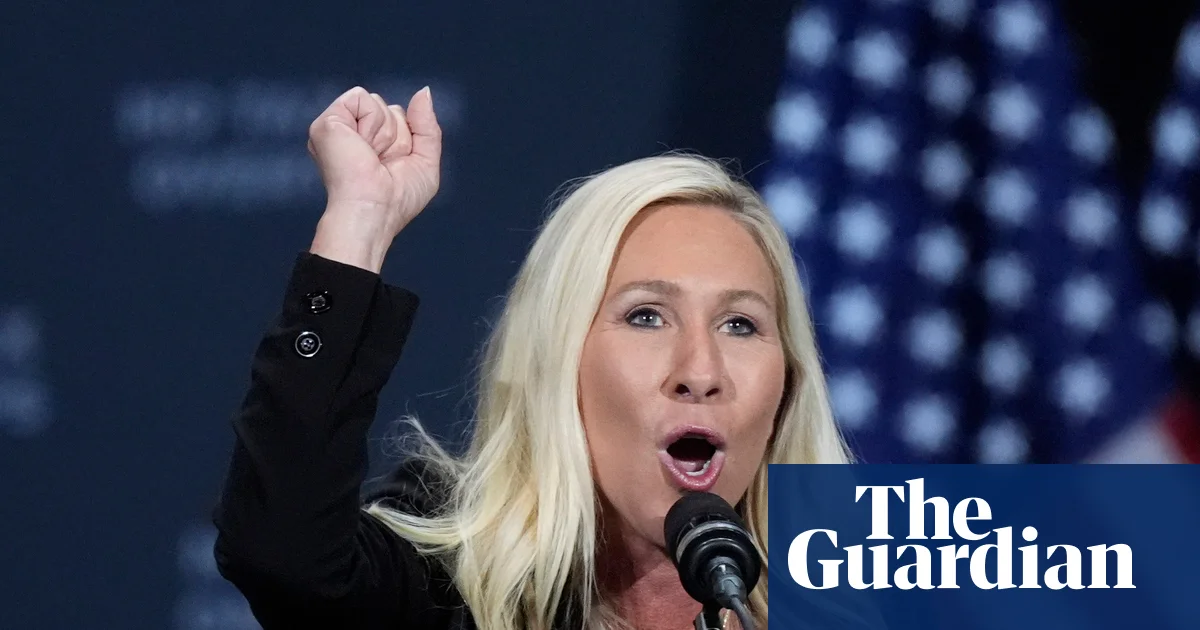
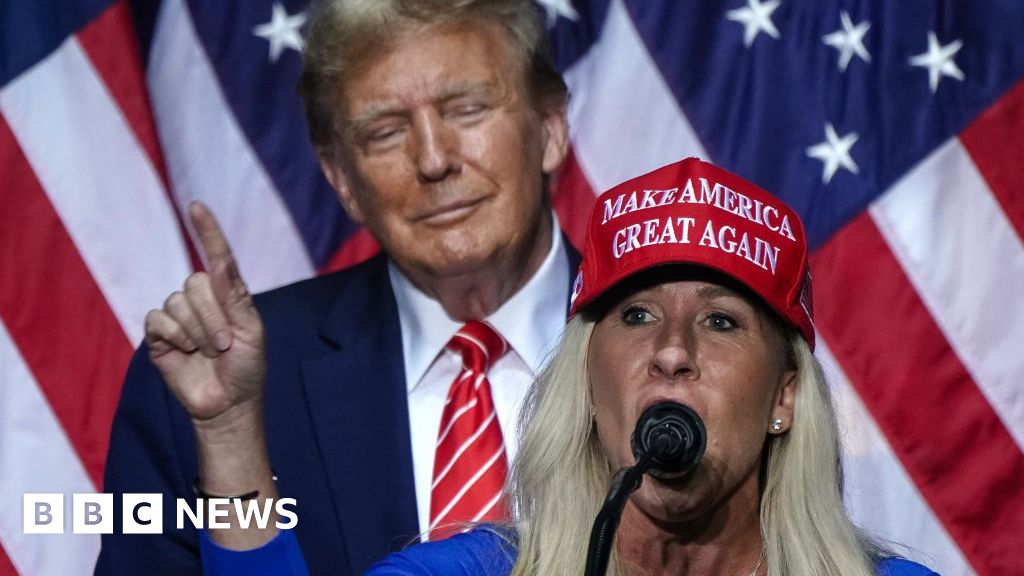
In a move that has sent ripples through the American political landscape and beyond, Congresswoman Marjorie Taylor Greene of Georgia announced her resignation from Congress. The decision, unexpectedly timed after a turbulent relationship with former President Donald Trump, underscores the volatile nature of partisan loyalties in the United States, especially in the context of rising global tensions and domestic upheaval. Trump, who publicly celebrated Greene’s exit, proclaimed it as “great news for the country,” highlighting how internal divisions within the Republican Party are shaping not only American policy but also its standing on the world stage.

Greene, long considered a pivotal figure within the more radical right-wing faction, faced intense threats following her recent withdrawal of Trump’s endorsement—a decision that marked a significant rift in their once-loyal alliance. She cited “never-ending personal attacks, death threats, lawfare, and slander” as the reasons behind her resignation, illustrating the high-stakes nature of contemporary American politics. Her departure fuels concerns about polarization and radicalization in the U.S., which has profound geopolitical repercussions. As analysts warn that internal discord weakens the nation’s ability to confront rising global challenges—from China’s assertiveness in the Pacific to Russia’s ambitions in Eastern Europe—the political chaos at home may be perceived as an opportunity for adversaries seeking to undermine American leadership.

The international community is watching as the American political machine exhibits signs of disarray. U.S. allies and rivals alike interpret such infighting as a sign of weakening resolve, especially at a time when global institutions call for unified Western action against common threats. Meanwhile, political strategists such as Shermichael Singleton suggest Greene’s resignation could be a prelude to future political maneuvers, possibly indicating a consolidation of more radical elements within the GOP. How these internal shifts influence US foreign policy will be crucial—whether America maintains its stance as the global “leader of the free world” or veers toward internal chaos that emboldens autocratic regimes worldwide.

Moreover, the bizarre spectacle of former allies turning against each other, with Trump’s praise for Zohran Mamdani, NYC’s democratic socialist mayor-elect, and Greene’s resignation occurring shortly thereafter, exemplifies the unpredictable and often surreal nature of American politics today. Such developments are not merely domestic dramas—they are highlighted by international analysts and historians as signs of a nation in the throes of transformation. The implications extend well beyond the borders of the United States: the decisions made within its Capitol walls influence geopolitical stability, economic markets, and military alliances across the globe. As the American story continues to unfold, the weight of history presses heavily—a reminder that the outcomes of these internal struggles will shape the fate of nations and societies for generations to come.

Marjorie Greene Plans to Exit Congress Amid Feud with Trump

Internal Strife in United States: The Fall of Marjorie Taylor Greene and Its Broader Implications

The recent announcement by Georgia Congresswoman Marjorie Taylor Greene that she will resign from the House of Representatives marks a significant escalation in the ongoing internal strife within the Republican Party. Greene, a high-profile supporter of former President Donald Trump and a representative of the America First movement, has become emblematic of the party’s ideological divides. Her departure, set for 5 January 2026, signifies not just a personal decision but a reflection of the shifting power dynamics and ideological battles shaping U.S. politics. The timing coincides with a public fallout with Trump himself, who publicly labeled Greene a “traitor” and vowed to endorse a challenger for her seat, signaling a seminal moment that could influence the upcoming 2026 midterm elections.

This internal rupture underscores a crucial geopolitical impact: the fragility of America’s political cohesion at a critical juncture in its global leadership. Greene’s vocal demands for transparency related to Jeffrey Epstein’s file releases drew her into direct confrontation with Trump, exposing divisions over how to address controversial, high-profile issues. Analysts suggest that this split may weaken the American right’s unity, which has traditionally served as a cornerstone of its geopolitical stance. As the US grapples with domestic divisions, global allies question the stability of American leadership, which has historically been anchored in bipartisan consensus on key foreign policy issues. The international community, especially nations relying on US security commitments, watches with concern as internal discord threatens to weaken the nation’s strategic resolve and decision-making consistency.

How Decisions in Washington Reshape Global Power Dynamics

The ripple effects extend well beyond the USA. The internal political shake-up potentially complicates efforts to project American strength abroad. The US remains a pivotal actor in global security and economic stability; however, with the polarization exemplified by Greene’s departure, international partners face increased uncertainty. The recent backlash and shifting alliances within the Republican Party highlight a broader trend of Persistent national division—a weakness that adversaries such as Russia and China are quick to exploit. As historian and geopolitical analyst Dr. Catherine Johnson notes, “When the United States experiences internal upheaval, the global balance of power is destabilized, providing openings for rival states to advance their interests.”

Meanwhile, the White House and security analysts are closely monitoring the renewed debate over classified documents and transparency, which has been a contentious issue both within and outside the country. The recent signing of legislation requiring the Justice Department to release Epstein-related files signals an internal effort to address grievances, yet it also underscores the nation’s ongoing struggle with transparency and accountability. As American society remains fractured and its leadership uncertain, the world watches intently—aware that this internal turmoil could influence global alliances, trade policies, and conflict management in the years ahead.

While the World watches, the story remains unwritten

As Greene prepares to step down amid the turbulence, the broader battle for America’s future continues to unfold. Her departure may serve as a catalyst for realignment within the Republican Party, but it also signals the deepening fissures in a nation that once stood as an unshakable superpower. In the shadows of these political upheavals, international actors brace for the next chapter in a saga of internal discord and global consequence. With each twist in the tale, history’s pen writes anew, leaving us to wonder: will the United States emerge united or fractured, and how will this tumult shape the course of the 21st century?

Social Media Auto Publish Powered By : XYZScripts.com