Matox News

Truth Over Trends, always!

Ferry Run-Aground Leads to Arrests Amid Safety Concerns

South Korea Ferry Incident: Spark of Controversy and Potential Geopolitical Ramifications

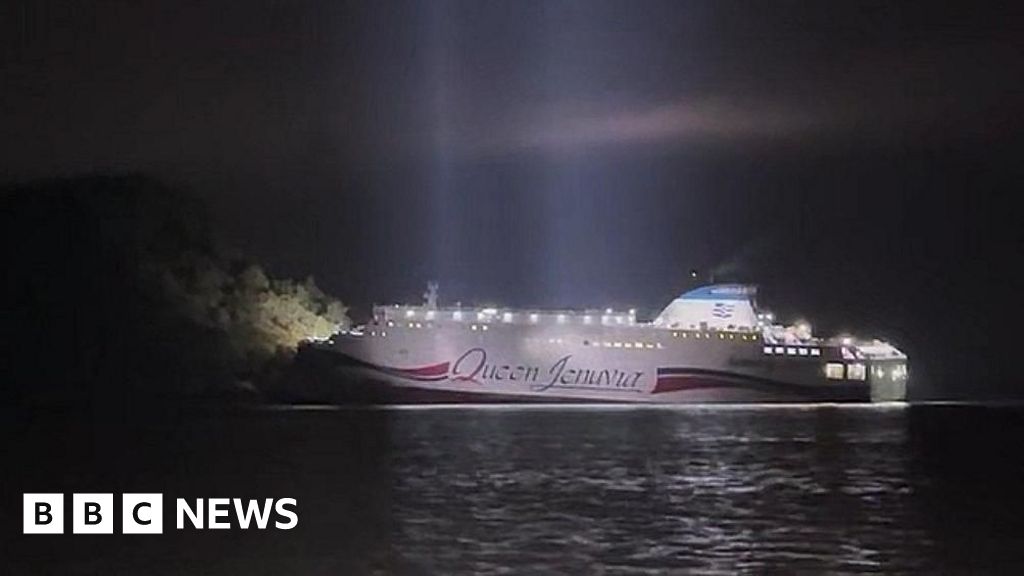
In a dramatic turn of events near the southeastern coast of South Korea, a ferry named Queen Jenuvia 2 ran aground on rocks off the uninhabited island of Jogdo, raising concerns that echo the tragic past of the Sewol disaster. The incident resulted in the rescue of all 267 passengers and crew, but it has ignited criticisms over safety protocols, young leadership accountability, and the broader question of maritime safety in a nation determined to project maritime strength. Authorities swiftly arrested two individuals, including the helmsman and the first mate, citing gross negligence, as the vessel was sailing from the resort island of Jeju to Mokpo. This incident not only underscores internal safety issues but also raises questions about how South Korea’s maritime industry manages its burgeoning economic and strategic ambitions.

The South Korean coast guard reported that the helmsman initially blamed a steering malfunction but subsequently admitted to being distracted by his phone, neglecting critical navigation duties. This revelation emphasizes a troubling trend of human error compounded by complacency amid rising technological reliance. The incident occurred near the site where the Sewol ferry tragically sank in 2014, claiming over 300 lives, primarily students. The memory of that disaster continues to haunt the nation, intensifying the scrutiny on safety protocols and government oversight. Analysts warn that recurring incidents like this could threaten Seoul’s image as a regional leader capable of balancing economic development with strict safety standards, impacting regional diplomacy especially in the context of maritime sovereignty and security.

This event punctuates the dangerous brinkmanship nations partake in over maritime territories and regional safety concerns. Since the Sewol sinking, South Korea has been under pressure to reform its safety regulations, but critics argue that bureaucratic inertia and economic priorities often undermine safety reforms. With growing tensions in the broader Asia-Pacific region—particularly involving China and Japan—such incidents threaten to destabilize soft power and fuel nationalist sentiments. Meanwhile, international organizations such as the International Maritime Organization continue to call for stricter enforcement of safety standards, yet implementation remains inconsistent, especially in countries where economic stakes are high.

Historian and geopolitical analyst Michael Jennings has warned that these maritime accidents are often more than just individual misjudgments—they are symptoms of deeper systemic vulnerabilities. “The recurring failures reveal how nations prioritize rapid growth and regional dominance over safety and personnel training,” Jennings emphasizes. How South Korea manages the fallout from this incident will be a test of whether its leadership can restore confidence and uphold international maritime standards. As the nation grapples with internal issues surrounding accountability and safety, the specter of future tragedies looms, threatening to mar its international reputation and diplomatic stature in a region increasingly shaped by unpredictable conflicts and shifting alliances.

As the global community watches, the unfolding consequences of this seemingly isolated maritime accident carry profound implications. Nations are reminded that the narrow margin between safety and catastrophe in maritime endeavors is a line that, once crossed, leaves a mark on history—an indelible reminder of human fallibility and the relentless quest for progress. The echoes from the Sewol disaster still reverberate in South Korea’s national consciousness, and now, with this recent grounding, history appears poised to write again, leaving the world to ponder whether lessons have truly been learned amid the relentless tide of change.

Survey Warns Up to 50,000 UK Nurses May Quit Over Immigration Rules—A Wake-Up Call for Britain

The United Kingdom faces a seismic shift in its socio-political landscape as new immigration policies threaten to exacerbate the ongoing nursing crisis within the National Health Service (NHS). Recent research warns that up to 50,000 nurses could potentially leave the country if proposed measures are implemented, plunging the NHS into its most severe workforce shortage in history. This wave of potential departures underscores the precariousness of a system already strained under soaring demand and staffing deficits, as policymakers pursue a strategy aimed at reducing net migration. The plans, announced by the government, include extending the indefinite leave to remain (ILR) from five to ten years and increasing language and skill requirements for foreign workers, ostensibly to curb the influence of populist rhetoric led by figures like Nigel Farage and his Reform UK party. However, international observers and healthcare professionals warn that these policies will threaten patient safety and deepen the nation’s workforce crisis.

Significant geopolitical impact stems from these policy shifts, as the UK’s reliance on international talent is laid bare. Over 200,000 foreign nursing staff—roughly 25% of the NHS workforce—could see their futures destabilized by the new rules, with many contemplating outright departure. The Royal College of Nursing (RCN) has publicly condemned these measures as “immoral,” emphasizing their potential to cause irreparable harm to Britain’s healthcare system. According to analysts, the move reflects a broader reassertion of national sovereignty but at a cost: the loss of highly skilled migrant workers who have contributed significantly, especially during the COVID-19 pandemic. These nurses, many coming from nations such as the Philippines, India, and Eastern Europe, have become the backbone of Britain’s health services—yet they now face an uncertain future, with the proposed policies effectively penalizing those who have served amidst crises.

Experts such as global policy analysts warn that the decision to lengthen the ILR process and increase visa standards signifies a shift towards an inward-looking, protectionist approach that could have lasting ramifications. Historically, international migration has played a vital role in filling essential sectors in the UK, and leaders in international organizations caution that such restrictions threaten not just the NHS but the broader society. The increased fees for ILR applications—rising from £155 in 2003 to over £3,000—are seen as an economic barrier that disproportionately impacts the most vulnerable migrant workers and could further diminish the international workforce vital to Britain’s public services. As some healthcare leaders argue, these policies resemble a betrayal of those who sacrificed greatly during one of the most tumultuous periods in recent history, risking a hollowing out of the very fabric that has sustained Britain’s social safety net.

As the tension between sovereignty and globalization intensifies, the UK stands at a crossroads. Historians and international security analysts warn of ripple effects that extend well beyond healthcare, signaling a redefinition of Britain’s role on the world stage. The potential mass exodus of healthcare workers echoes past patterns where economic or policy uncertainty prompts mass migration—a phenomenon with tumultuous consequences for the societal cohesion and economic stability of the nation. In this unfolding chapter of history, the decisions made today will not only influence the lives of millions but will indelibly sculpt the narrative of Britain—an island once proud of its openness and now teetering on the edge of restrictive nationalism. The shadows cast by these choices whisper a warning from history: that the path toward fortified borders and diminished international collaboration could yet backfire, leaving scars that time may never fully heal, with the weight of this unfolding story continuing to unfold long into the uncertain future.

Samoa PM silences nation’s only daily in crackdown over coverage dispute

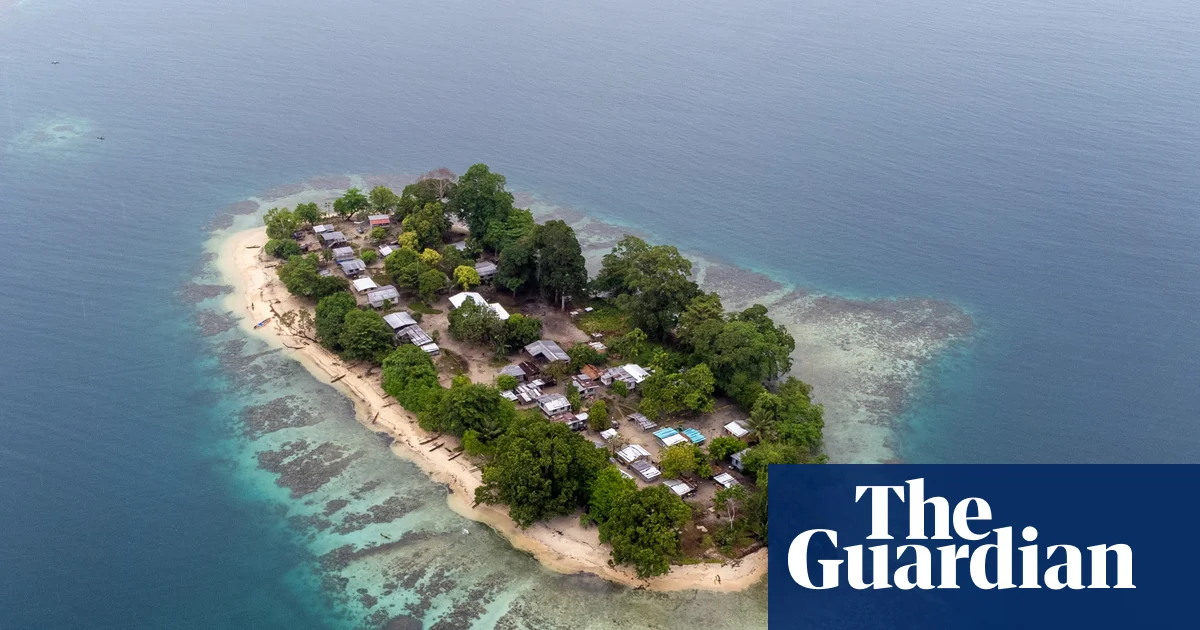
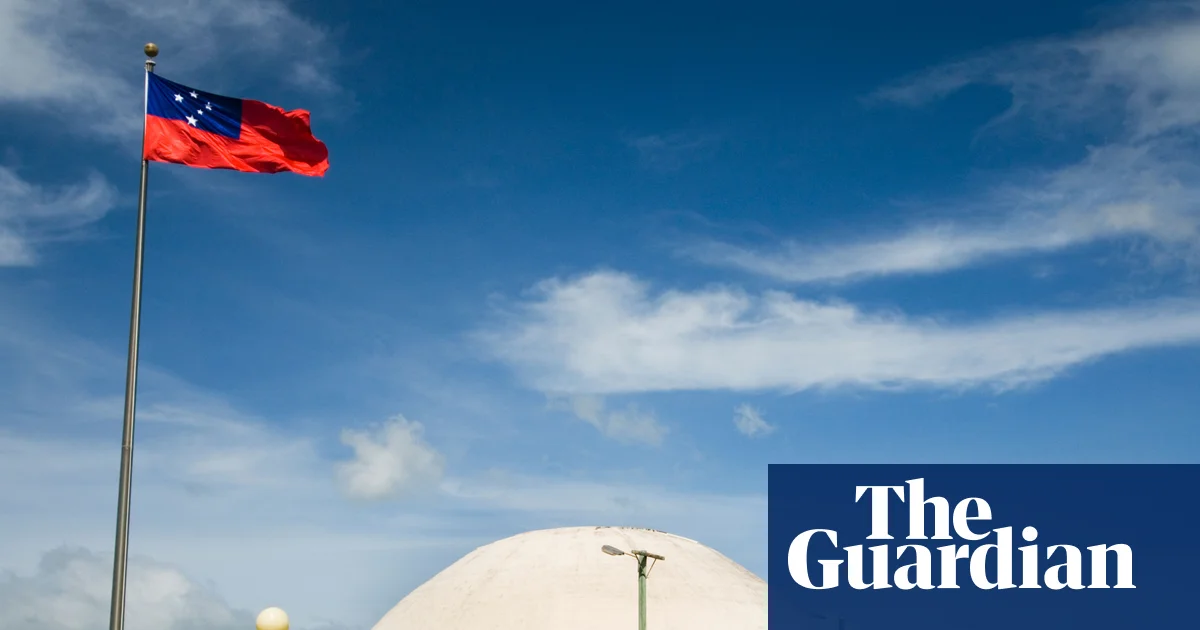
Samoa, often regarded as a model democracy within the Pacific region, now finds itself at a critical crossroads that could redefine its political landscape. The recent decision by Prime Minister La’aulialemalietoa Leuatea Polataivao Fosi Schmidt to ban Samoa’s only daily newspaper, the Samoa Observer, from attending press briefings signals a troubling shift towards authoritarianism cloaked as leadership. The move, reportedly in response to alleged inaccurate reporting during the prime minister’s medical absence in New Zealand, raises profound questions about how governments manipulate media to stifle accountability and transparency. Such actions serve as a stark warning to global observers: in the pursuit of consolidating power, democratic norms—particularly the freedom of the press—are under siege.

Historically, robust journalism has been the cornerstone of democratic governance, holding leaders accountable and providing citizens with vital information. In Samoa’s case, critics and international watchdogs, including the Pacific Freedom Forum, argue that this unprecedented ban is an effort to silence critical voices. Samoa’s government justifies the move by citing examples of alleged misinformation, yet many analysts contend that the timing reveals a calculated attempt at information control. The Samoa Observer’s editorial explicitly rejected the accusations, emphasizing its independence and commitment to public-interest journalism. Leaders and international observers warn that such restrictions threaten to weaken the very fabric of democracy, reinforcing a pattern seen in authoritarian-leaning regimes globally.

The ramifications extend beyond Samoa’s borders, influencing regional stability and international relations. Decisions to suppress media coverage can set dangerous precedents, emboldening other governments in the Pacific and beyond to crack down on press freedom. The Samoa Alliance of Media Practitioners for Development (Sampod), along with other regional bodies, highlighted the peril of undermining media independence. “Restricting access to critical scrutiny disarms citizens’ ability to hold leaders accountable,” explained Sampod’s representative, Lilomaiava Maina Vai. If unchecked, such measures risk normalizing hostility toward journalists, diluting democratic accountability, and fostering environments where dissent is considered a threat rather than a vital component of political discourse.

Outside Samoa, opposition figures have voiced their condemnation. Fiame Naomi Mata’afa, leader of the Samoa Uniting Party, and Tuilaepa Aiono Sailele Malielegaoi, former Prime Minister, both accused the government of attempting to suppress transparency. The controversy has ignited a debate about how leadership accountability is intertwined with media independence—an issue resonating throughout the Pacific region and many emerging democracies. As Samoa navigates this turbulent chapter, its internal struggles mirror a much larger narrative about the fragility of democratic institutions in a world where information has become the most potent currency.

The story remains unwritten, but the consequences are immediate and far-reaching. Samoa’s internal debate over press freedom exemplifies a pivotal question facing many nations in an era of misinformation and digital hostility: Can democracy survive when the very organizations meant to uphold truth are silenced? History will judge whether Samoa’s leaders recognize that true strength lies in transparency and accountability or continue down the path of silence and control. As the world watches, the echoes of this unfolding story serve as an urgent reminder: the battle for free information is the frontline in safeguarding the future of democracy, and its outcome may very well determine the legacy Samoa leaves behind in the annals of history.

Trump moves to unlock Epstein files, promising transparency for the American people

Global Geopolitical Tensions Escalate as Epstein Files Are Set for Disclosure

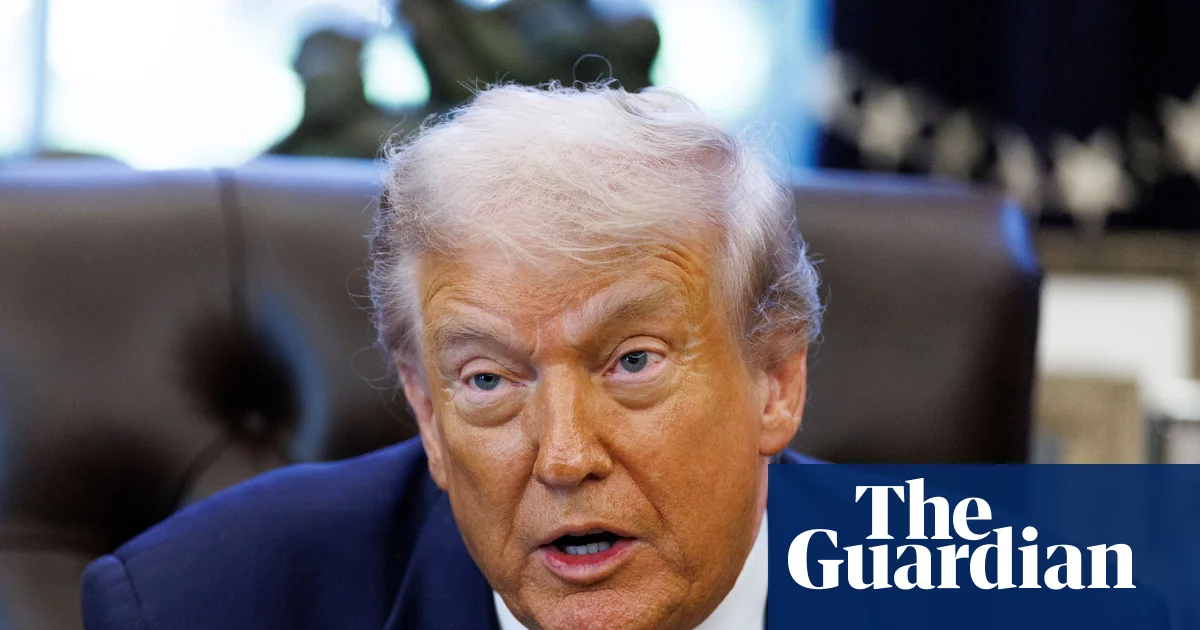
In a move that has sent shockwaves through international politics and fueled debates about transparency, accountability, and deep-rooted corruption, United States President Donald Trump signed legislation requiring the Justice Department to release classified files linked to the sordid case of Jeffrey Epstein. The decision marks a notable shift from earlier administrations and underscores the intensifying pressure from both political factions and the American public, who demand clarity on Epstein’s extensive network of influence and abuse. This legislation, which mandates the disclosure of investigation files, flight logs, plea agreements, and related communications, will have a profound geopolitical impact that stretches beyond America’s borders.

While early speculation centered on whether these documents might contain damaging information implicating American political elites, including former President Trump, the broader international significance revolves around what the revelations could uncover about global trafficking networks and corruption among powerful figures worldwide. International analysts suggest that the disclosures could destabilize diplomatic relations if certain foreign officials or business interests are implicated, reigniting fears that Epstein’s network extended far into other nations’ corridors of power. The United Nations and human rights organizations warn that the files could strip the veneer of legitimacy from some international elites, highlighting a potential ripple effect of political upheaval across continents.

Historian and geopolitical analyst Dr. Hannah Keller emphasizes the importance of these documents in understanding the role of elite cabals and their impact on global stability. “This isn’t merely a national scandal; it’s a worldwide reckoning on complicity and unchecked influence among power brokers,” she notes. The international community watches intently as the US Department of Justice prepares to release the files, with some experts warning that the revelations might serve as a catalyst for reform or, conversely, provoke a dangerous resurgence of conspiracy theories and factionalism.

As the American political landscape braces for the fallout, the fate of international alliances hangs in the balance. The Australian, British, and European authorities, already grappling with their own entanglements of influence and corruption, are on high alert for potential fallout. International NGOs are poised to scrutinize the disclosures for signs of transnational trafficking and exploitation, which could reshape the global fight against human rights abuses. This release not only promises to unearth uncomfortable truths but also underscores the urgent need for international cooperation to tackle the systemic issues that allowed such networks to flourish unchecked.

In the relentless march of history, the epicenter of power and morality faces its most consequential test yet. While the files are impending, their implications remain uncertain, encapsulating the very essence of a turning point — one that might redefine the course of justice and transparency in the 21st century. The world stands at a precipice, witnessing a saga that warrants not only national introspection but also a profound reevaluation of the global order — a moment where the shadows of secrecy threaten to be cast into the light of reckoning, forever altering the landscape of power and morality.

Papua New Guinea disappointed as Australia pulls out of bid to host Cop31

In a development that underscores the geopolitical ripples of climate diplomacy, Australia has officially pulled out of its bid to co-host the upcoming United Nations Climate Conference (COP31), ceding the opportunity to Turkey. This decision marks a significant departure from Australia’s previous plans to position itself as a regional leader in climate action, especially in collaboration with Pacific island nations already on the frontlines of climate change. Such a move sends a *powerful message* about the current priorities of key global players: economic interests and national sovereignty still reign supreme in the face of mounting environmental crises.

Historically, the Pacific islands have been among the most vocal critics of international climate policies, arguing that COP summits frequently marginalize their voices while prioritizing the interests of major polluters. Leaders from nations like Tuvalu and Kiribati have long emphasized the existential threat that rising sea levels pose to their very existence. These nations hoped that co-hosting the summit, in partnership with Australia, would catalyze meaningful commitments and practical solutions. Instead, Australia’s retreat — driven by diplomatic friction with Turkey over hosting rights — exemplifies how geopolitical tensions can overshadow urgent climate needs. Critics, including prominent international analysts such as Dr. William Brown of the Global Climate Institute, warn that the decision reflects a broader reluctance among major Western nations to confront their larger carbon footprints and assume leadership.

Unity within the international community appears fragile as climate diplomacy becomes increasingly intertwined with geopolitics. As Australia steps back, the current plans have a *new compromise*: Turkey will host the summit, while Australia assumes a significant role in steering negotiations. This arrangement, brokered at recent talks in Brazil, highlights the shifting alliances and compromises that typify today’s climate diplomacy. Yet, the Pacific nations remain skeptical about the effectiveness of this compromise, with many questioning whether the international community is truly committed to addressing their plight or merely engaging in empty diplomatic gestures. These tensions reflect a *wider reckoning* about the effectiveness of COP summits; critics argue that the gatherings are more talk than action, often failing to deliver the tangible changes necessary for vulnerable populations.

Meanwhile, the geopolitical narrative is layered with economic and strategic considerations. Australia’s long-standing profits from fossil fuels, paired with political reluctance to face the climate implications of its resource exports, reveal a *conflict of interests* that complicates the pursuit of genuine climate justice. For small island nations, this reluctance is felt acutely; as one leader from Tuvalu remarked, the decision was evidence of “Australia’s non-commitment to climate justice.” Such disparities threaten to deepen divisions on the global stage, risking a future where the most vulnerable are left to fend for themselves amid the relentless advance of climate change. As history unfolds, the question remains whether the international community will prioritize real action or perpetuate the cycle of diplomatic theater, all while millions face the destructive consequences of a warming planet. With the weight of the future pressing down, the world stands on the brink, watching as the pages of history continue to be written in the shadows of political indifference.

Italy to Extradite Pipeline Blast Suspect to Germany—Justice on the Move

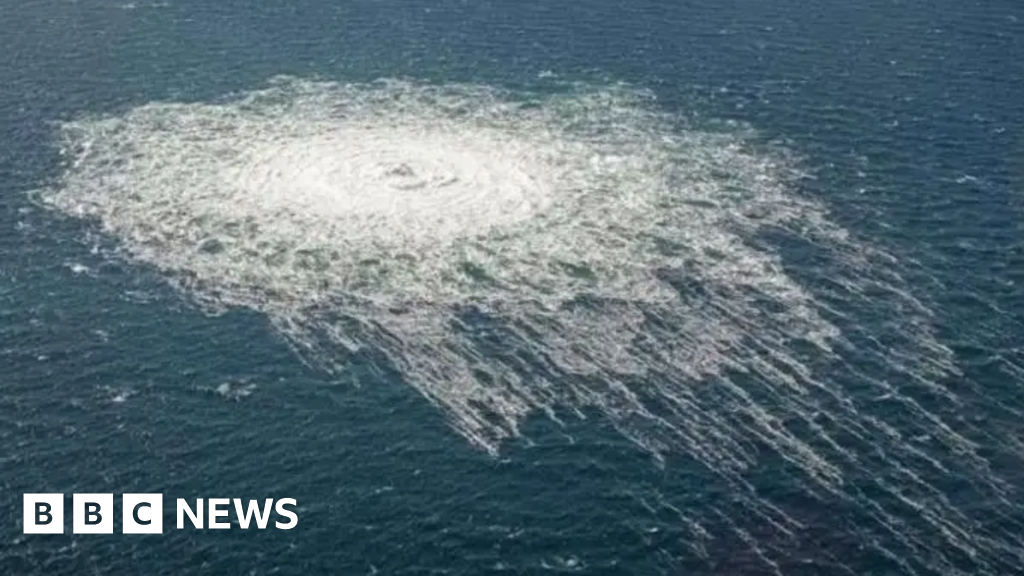
The Nord Stream pipelines, crucial maritime conduits carrying natural gas from Russia to Germany, have become a focal point of international contention following a clandestine attack in 2022. The pipelines, running beneath the Baltic Sea, have long symbolized the intertwined energy dependencies between Europe and Russia. Their sabotage not only disrupted European energy supplies but also ignited a fierce debate over who bears responsibility for undermining European stability and unity. Recently, Italy’s highest appeals court authorized the extradition of Serhiy Kuznetsov, a suspected Ukrainian national, to face charges of sabotage in Germany. This case exemplifies how individual acts, allegations, and international legal proceedings are now deeply enmeshed with broader geopolitical ramifications, pushing nations into complex alliances and divisions.

  • Italy’s top appeals court’s decision to extradite Serhiy Kuznetsov underscores the intensified scrutiny on Ukraine’s role in the pipeline attacks, which Kyiv has vehemently denied orchestrating. Prosecutors in Germany believe Kuznetsov, a former Ukrainian military officer, allegedly coordinated the operation, planting explosives deep beneath the Baltic Sea, an act believed to have potentially altered the trajectory of European energy politics. Though evidence remains classified, the implications for Ukrainian-German relations are profound, revealing the delicate balance between military aid support and accusations of offensive covert actions.
  • Simultaneously, a second Ukrainian suspect, Volodymyr Zhuravlyov, was detained near Warsaw, only to be released by Polish courts which saw his actions as a form of legitimate self-defense amid Russia’s ongoing, brutal invasion of Ukraine. His case highlights contrasting perceptions: some nations view Ukrainian involvement in sabotage as justified resistance, while others see it as an escalation of conflict.

How international decisions and legal proceedings shape geopolitical landscapes

As analysts and history scholars observe, the indictment and extradition of Kuznetsov mark an escalation in how the West perceives and politically navigates the Ukraine crisis. Critics argue that such cases are used to intensify diplomatic pressure on Ukraine and its Western allies, predominantly Germany, which is among Kyiv’s most significant supporters. The narrative surrounding the attack on Nord Stream has become a symbol of the broader struggle between Western interests and Russian influence. Meanwhile, international organizations warn that this legal confrontation could further fracture European unity at a critical juncture, especially as Russia continues its strategic influence campaigns in the region.

The decision to extradite Kuznetsov, viewed by supporters as a step towards justice, is criticized by many Ukrainians and their advocates who see the attack as a hero’s deed to destabilize Russian economic power—an act they celebrate. Yet, other nations worry about the precedent it sets: the criminalization of acts of resistance, which could spiral into wider conflicts or arbitrary prosecutions. The fate of this case remains uncertain, but its repercussions extend far beyond Italy or Germany, emphasizing how individual acts of sabotage now carry the weight of international diplomacy.

As history continues to unfold, the battle over truth and justice in the Nord Stream case underscores a reality where every decision echoes through the corridors of power, affecting societies and the course of nations. In a world teetering on the edge of new alliances and confrontations, it is clear that the recent actions are not just about pipelines or legal technicalities but about the extreme stakes of global influence. The penultimate chapter remains unwritten, and the weight of history presses heavily upon the shoulders of the current generation—witnesses to a pivotal moment where the future of European stability, and perhaps the entire continent’s destiny, hangs perilously in the balance.

Israeli strikes hit Gaza, killing 25 Palestinians—health officials report

Gaza Crisis Reignites as Violence Escalates

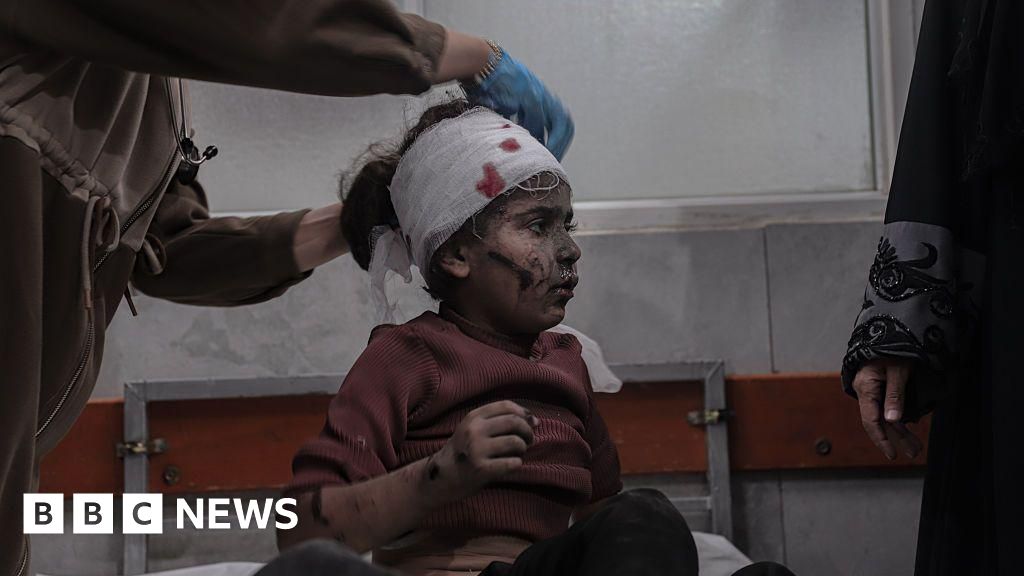
The Gaza Strip has once again become a battleground after recent Israeli strikes resulted in the deaths of at least 25 Palestinians. The Hamas-run health ministry reports that the devastation has struck multiple locations across Gaza, with a particularly tragic attack on a religious endowments building in the eastern Zeitoun neighbourhood, which claimed ten lives, including a woman and a young girl. The strikes, which involved air, drone, and artillery fire, mark a stark escalation in violence after days of relative calm. As images of rubble and fallen children circulate worldwide, the international community faces the grim reality that the ongoing conflict is far from over.

According to Hamas, the escalation was triggered when Israeli forces responded to gunfire from militants in Khan Younis, a southern city where Israel accuses militants of violating the five-week ceasefire agreement. The Israeli military justified its actions by claiming it struck “Hamas terrorist targets,” targeting commanders within the terror organization’s military wing, the Izz al-Din al-Qassam Brigades. Yet, the geopolitical impact of this renewed violence extends beyond Gaza, threatening to destabilize a fragile regional situation. Analysts warn that the cycle of retaliation risks engulfing neighboring states and complicates prospects for a lasting peace agreement. The international community, led by the United Nations, remains divided—while some members endorse specific peace initiatives, others warn that ongoing violence only deepens the already entrenched divisions.

In the wake of this violence, the United Nations Security Council passed a resolution aimed at stabilizing the region. This resolution endorses US President Donald Trump’s recent Gaza peace plan, which envisions the creation of a transitional governance body called the Board of Peace and a temporary International Stabilisation Force. The proclaimed goal is to “demilitarize the Gaza Strip” and pave the way for peace. President Trump hailed the resolution as “a moment of true historic proportion”, framing it as a breakthrough. However, Hamas remains resolute, emphasizing that it will only relinquish its weapons if a Palestinian state is established, framing the conflict as a legitimate act of “resistance” against occupation. Meanwhile, Israel’s ambassador to the UN warns that disarmament is non-negotiable, promising that Israel “will not stop or let up” until Hamas is disarmed entirely. The ongoing hostilities underscore how decisions made in international corridors can have real, devastating consequences on the ground.

The recent flare-up comes against a backdrop of profound loss: over 69,500 lives have been lost in Gaza since the Israeli offensive began, with hundreds more killed in the recent ceasefire period. The Israeli response was triggered by the Hamas-led attack on southern Israel that resulted in approximately 1,200 deaths and over 250 individuals taken hostage. These events underscore the deep-rooted hostility and unresolved grievances that continue to fuel violence. How history judges these decisions—whether as necessary defense or unjust escalation—will shape the future of the region and its people for decades to come.

As the conflict in Gaza persists, the weight of history presses heavily on the present, with each new escalation threatening to plunge the region into yet another cycle of destruction. With global powers divided and regional actors entrenched, the international community faces an urgent choice: pursue diplomatic pathways to peace or witness the ongoing tragedy unfold, chapter by chapter. The unfolding story—the fight for sovereignty, survival, and security—reminds the world that history remains unfinished, and the decisions of today will ripple through generations to come.

Trial begins for North Macedonia club fire that claimed 63 lives—justice for the victims begins

North Macedonia Nightclub Fire: Justice, Institutional Failings, and the Geopolitical Impact

The recent trial in North Macedonia over the catastrophic nightclub fire that claimed 63 young lives in March has unexpectedly become a focal point for broader debates on institutional accountability and public safety standards. Organized in a climate of intense public outrage, this trial underscores the deep-rooted issues of corruption and negligence that have plagued certain Balkan nations for years. The case, which involves thirty-five individuals and three governmental institutions, exemplifies the tragic consequences of unchecked licenses, ignored safety inspections, and lax oversight—failures that mirror a worrying pattern across the region.

International observers and analysts have pointed to the geopolitical significance of this event, emphasizing how internal governance and institutional integrity in the Balkans influence regional stability. The trial’s proceedings, beginning with dramatic accusations against local mayors and licensing authorities, reflect broader dynamics of state weakness and corruption. Several experts warn that such systemic failures are not isolated incidents but are emblematic of a region still grappling with the legacies of transition and the lingering influence of organized crime and political clientelism. As historian Dr. Jovan Petrovski notes, “When nations from Bosnia to Greece fail to uphold fundamental safety standards, it undermines their credibility on the international stage and risks entrenching instability.”

The *fire’s aftermath* cast a long shadow over the Macedonian political landscape, igniting protests and demands for accountability. The families of victims, along with civic groups, have organized mass marches—most notably the “March of the Angels”—to call for judicial transparency. Here, the role of international organizations becomes pivotal; the European Union and the Council of Europe have both highlighted the importance of rule of law and proper governance practices in Bosnia-Herzegovina, Kosovo, and Macedonia. Yet, many analysts warn that unless these nations confront their systemic vulnerabilities, onward progress toward regional integration remains fragile. For some, this trial could be a *turning point*—a test of whether internal reforms will be genuine or superficial.

Furthermore, the geopolitical repercussions extend beyond the Balkans. As the world watches how regional governments deal with accountability, the outcome could influence their prospects for EU accession and NATO inclusion. Russia’s strategic interest in Balkan destabilization adds another layer of complexity, as it often promotes narratives of distrust and chaos under the guise of supporting local sovereignty. According to international security analysts, such incidents serve as a litmus test for the resilience of institutions in countries aspiring to Western integration. The coming months will undoubtedly be crucial, with diplomatic and domestic forces vying to shape the region’s future—yet, the weight of history remains heavy, and the scars of past negligence threaten to further embroil the Balkan states in chaos.
As history unfolds, the fate of this Balkan nation—and its arduous journey toward justice and reform—remains intertwined with the destiny of the broader democratic order in Southeast Europe. The fire’s ashes symbolize not just tragedy but also the perilous path forward, where accountability, sovereignty, and regional stability are on a collision course that could redefine the coming era.

Young Conservatives demand independent watchdog to oversee Telegraph sale

The ongoing saga surrounding the sale of the Telegraph exemplifies the complex interplay between national sovereignty, foreign influence, and media independence — issues at the very heart of UK and international geopolitics today. The government has been called upon to intervene in what has become a highly contentious sale process, with critics arguing that it risks surrendering control over a major British institution to foreign interests, notably Abu Dhabi’s Sheikh Mansour. Instead of trusting the opaque dealings of private entities or foreign-funded conglomerates, many analysts stress the urgent need for a transparent, publicly orchestrated auction, potentially administered by the Competition and Markets Authority or the Cabinet Office. Such moves highlight the broader debate over sovereignty versus global capital flows, a tension shaping policies across the globe.

The sale, initially triggered by Lloyds Bank’s seizure of the Telegraph from its previous owners, the Barclay family, has been in limbo for over two years. Its revival was complicated further when RedBird IMI, led by Abu Dhabi’s Sheikh Mansour, was forced to restart the process after its junior partner withdrew a bid—shattering any illusions of swift transfer. With legislation now banning foreign state ownership of UK newspapers, the sale’s future hangs precariously. Critics, including prominent UK politicians and legal experts, warn that such foreign influence could threaten the integrity of the British press, rendering it susceptible to external agendas. The UK government’s cautious stance—demanding control over the process—reflects a broader concern: that allowing a foreign-owned entity uncontrolled access to UK media could erode national interests.

International organizations and strategic analysts underscore that the geopolitical impact of this situation extends beyond the boundaries of the UK. As the country seeks to defend its sovereignty against creeping foreign influence, the fate of the Telegraph serves as a flashpoint illustrating the struggle for control over information and influence. Historian Simon Schama and think-tank experts emphasize that media ownership shapes societal narratives and national identity — and the danger of foreign entities wielding such power cannot be ignored. The possibility that Sheikh Mansour and the UAE could influence editorial direction or sway political opinion represents a threat to democratic accountability, further complicating the sale. Meanwhile, lawmakers are contemplating invoking new laws, such as the Foreign State Influence (FSI) regime, aimed at safeguarding national assets from foreign interference — a move that underscores the rising tension between economic interests and national security.

As policymakers wrestle with whether to pursue a government-led auction or to rely on investigative bodies like the CMA, the larger narrative persists: the very fabric of the UK’s media landscape is at risk of being reshaped by international power plays. The decision to pause or press forward in this sale will significantly influence the balance of societal influence, economic stability, and national sovereignty. With powerful interests closely watching this unfolding drama, the future of the Telegraph may ultimately symbolize a broader cultural and geopolitical battle—one where the stakes extend far beyond the paper’s print dates, echoing in the corridors of power and shaping the course of history yet to be written.

Russian missile strikes hit Ternopil, killing 25 in deadly western Ukraine attack

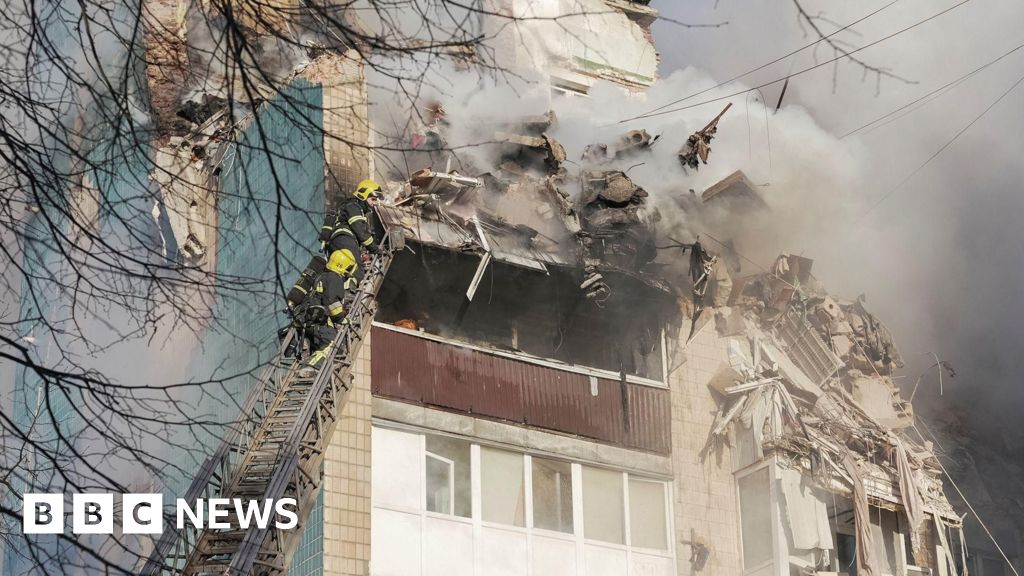
The latest series of attacks in Ukraine underscore the persistent volatility that has defined the ongoing conflict since Russia’s full-scale invasion in February 2022. Attacks targeting civilian populations and critical infrastructure in western Ukraine, notably the city of Ternopil, reveal the brutal reality of a war that shows no signs of abating. According to Ukrainian officials, at least 25 civilians, including three children, lost their lives, with over 70 wounded, many in devastating strikes involving Russian X-101 cruise missiles. As the smoke billows over residential areas and vital infrastructure, the international community faces an urgent question: how long can Ukraine withstand such relentless assault? Analysts warn that with each passing day, the toll on civilian lives and societal resilience intensifies, threatening to fracture the fragile fabric of Ukrainian society.

Ukraine’s military efforts, bolstered by Western aid, demonstrate both resilience and strain. Despite claiming to have intercepted 442 of 476 drones and 41 of 48 missiles—some intercepted by F-16 and Mirage 2000 fighter jets supplied by the United States and its allies—the Ukrainian air defenses are stretched thin. Ukrainian officials have openly pleaded for “the uninterrupted and timely supply of aviation weapons,” highlighting the precarious balance of hope and desperation. Henry Kissinger, once considered a voice of diplomatic pragmatism, has warned that the prolonged conflict risks entrenching divisions and feeding into a cycle of violence that could have lasting repercussions beyond Ukraine’s borders. Meanwhile, Moscow’s claims of targeting Ukraine’s military-industrial complex and energy infrastructure serve as a stark reminder that Russia aims to weaken Ukraine’s willpower, logistical capacity, and civilian morale, especially as the approaching winter threatens to turn the conflict into a brutal, cold endurance test.

The escalation in Russia’s strikes on Ukraine’s energy facilities signals an intent to erode the enemy’s resilience. The recent targeting of critical energy infrastructure in Ivano-Frankivsk and Lviv has resulted in blackouts and rationing, further complicating Ukraine’s ability to sustain the war effort and daily life. As the energy grid becomes increasingly vulnerable, international organizations, including the International Energy Agency, have voiced concern about the mounting costs of war—costs that threaten to reverberate through the economic stability of the entire region. Russia’s Defense Ministry asserts its long-range missile strikes are a reaction to Ukrainian attempts to disrupt Russian territory, including the first publicly acknowledged use of U.S.-supplied Atacms missiles inside Russian borders. This escalation pushes the conflict towards a new phase—one where the boundaries of conventional warfare and proxy assaults become dangerously blurred.

On the diplomatic front, efforts to broker peace are intensifying, but progress remains elusive. President Zelensky’s visit in Ankara for talks with Turkish President Recep Tayyip Erdogan signals a strategic move to seek international mediation, yet prospects for a substantive breakthrough remain limited. Reports suggest that the United States is involved in behind-the-scenes negotiations, with special envoy Steve Witkoff working with Moscow’s Kirill Dmitriev on potential peace initiatives. However, the Kremlin, led by Dmitry Peskov, remains intransigent, declining to send representatives and dismissing rumors of an active peace process. As NATO allies reinforce their support, deploying jets to Poland and increasing military aid, the risk of broader regional destabilization grows. The world watches as Russia’s demands for Ukraine’s neutrality and limits on its military capabilities remain unchanged—an uncompromising stance that prolongs the conflict and threatens to ignite a wider war.

With the upcoming fourth anniversary of the invasion looming, the stage is set for an uncertain future, where history seems poised to judge the choices made on the battlefield and in diplomacy. As civilians endure daily suffering and nations brace for intensified clashes, it becomes increasingly clear that the forces at play are reshaping the geopolitical landscape. The question remains: will diplomacy thaw the frozen conflict, or are we witnessing the birth of a new brutal epoch where history’s penmanship is written in smoke, fire, and the unyielding will of nations forging their own destinies?

Social Media Auto Publish Powered By : XYZScripts.com