Matox News

Truth Over Trends, always!

Parents Exonerated After Hertfordshire Police Admit Unlawful Arrest Over WhatsApp Dispute

Unlawful Police Action in United Kingdom Raises Global Concerns on Civil Liberties and Governance

In a recent incident that has galvanized public opinion and drawn international scrutiny, Hertfordshire police admitted that the arrest of Rosalind Levine and Maxie Allen was unlawful after they complained about their daughter’s primary school on WhatsApp. The incident, which resulted in the detention of the couple for 11 hours, underscores potential overreach in law enforcement practices under the guise of maintaining order and public safety. Their case exposes a troubling pattern of government institutions, notably law enforcement agencies, overstepping boundaries—an issue resonant across democracies striving to balance security with personal freedoms.

The couple’s ordeal began with allegations of harassment, malicious communications, and causing a nuisance, but the authorities later conceded that the criteria for their arrest, as outlined in the Police and Criminal Evidence Act 1984, were not met. Consequently, the police force acknowledged the arrest was unlawful and agreed to a payout of £20,000—a figure seen by legal analysts as both an apology and a stark reminder of the force’s misjudgments. Such admissions serve as a catalyst for wider debates: how many similar cases are ongoing silently, and how many citizens are being unjustly targeted for exercising their rights to free expression and scrutiny of local authorities?

Global Implications: When State Power Meets Civil Disobedience

This incident in Britain echoes a broader trend observed in various nations where governments confront dissent through administrative and sometimes aggressive law enforcement actions. International institutions like The United Nations and Amnesty International have repeatedly warned against the erosion of civil liberties, emphasizing the importance of safeguarding free speech—especially when directed at public institutions such as schools and local authorities. Historian Mary Beard and political analysts have cautioned that, as governments tighten control amid societal tensions, the risk of authoritarian drift increases, threatening the foundational values of democracy itself.

Moreover, the case reveals how social media, often heralded as a tool for empowerment, can inadvertently become a battleground where public officials view criticism as a threat rather than constructive feedback. The school’s response—banning Levine and Allen after their social media comments—fits a disturbing pattern of institutions attempting to silence critics, even at the cost of unsettling democratic principles. These actions have broader geopolitical impact; they reinforce a narrative of government overreach, surreptitiously narrowing the space for civic engagement and public accountability across nations.

The Shadows of Legitimacy and the Fight for Civil Rights

Analyzing this case from a geopolitical perspective, it becomes clear that how nations handle internal dissent has repercussions far beyond local borders. The incident signals a need for robust legal protections that prevent abuse of authority. International watchdogs insist that reforms in law enforcement practices are crucial to defending individual rights, especially for vulnerable populations like children with disabilities. The case unearths a critical divergence: on one side, democratic societies cherish free expression, while on the other, authoritarian-leaning regimes seek to control narratives and suppress dissent—sometimes through illegal actions.

Global organizations and political analysts warn that unchecked government power—if left unchallenged—may accelerate shifts toward authoritarianism, undermining the prospects for vibrant, free societies. The British government‘s admission of fault in such a straightforward case could serve as a warning or a blueprint for reform in other countries where legal overreach burdens citizens and causes societal fractures. As history’s long arc bends, the unresolved question remains: will governments learn to balance security with liberty, or will they continue to trample the rights they sworn to protect?

As the weight of history presses forward, the case of Levine and Allen leaves us pondering a profound truth—every decision, every law, every police act is a thread in the vast tapestry of a nation’s legacy. Future generations will look back at these moments, questioning whether we defended justice and freedom or allowed darkness to seep into their bedrock. The pages of history are still being written, and the outcome depends on what citizens and leaders choose in the moments of crisis—before the fabric of society is forever torn.
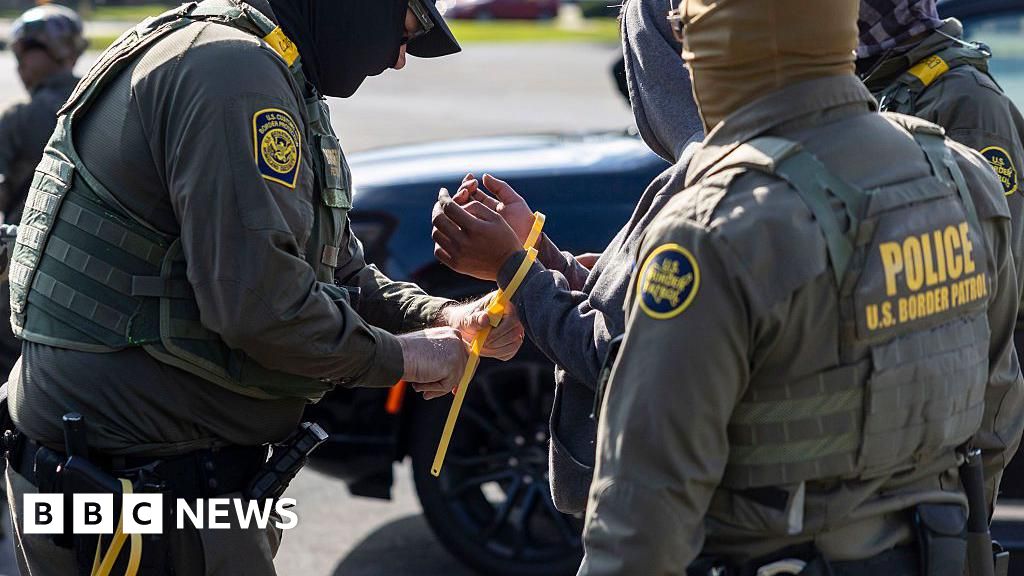
Charlotte braces for DHS crackdown on illegal aliens linked to crime

The recent surge of aggressive immigration enforcement by the United States, led by President Donald Trump, has reshaped the landscape of domestic policy and ignited intense debates about national security versus immigrant rights. With the announcement of “Operation Charlotte’s Web”, US homeland security officials have conducted large-scale raids in Charlotte, North Carolina, targeting what they describe as “criminal illegal aliens.” This operation, involving armored vehicles and special operations teams, marks a significant escalation in the Trump administration’s ambitious pledge to deploy the “largest deportation programme” in US history, a move that continues to draw both staunch support and widespread condemnation.

From an international perspective, the geopolitical impact of this crackdown cannot be understated. Critics argue that such aggressive tactics not only intensify domestic social divisions but also influence America’s standing on the global stage, especially among allied nations that emphasize immigration inclusion and human rights. While the DHS defends its actions, claiming they are necessary to uphold law enforcement in cities like Charlotte—which, notably, is a “certified welcoming city”—the repercussions extend beyond internal politics. International organizations, such as the United Nations, have historically voiced concern over mass deportations and the treatment of migrants, warning that such policies risk undermining basic human dignity and international norms.

Furthermore, the geopolitical implications ripple across the Atlantic and beyond as neighbors and allies monitor the United States’ internal policies with wary eyes. How such aggressive measures influence bilateral relations, especially with Mexico and Caribbean nations whose citizens are often targeted or affected, remains a critical concern. Esteemed analysts, including those at the International Crisis Group, have noted that prolonged enforcement actions could deepen existing tensions, destabilize regional migration flows, and complicate cooperation on transnational issues like security and trade. The debate over the balance between national sovereignty and international humanitarian obligations has become more urgent in this era of interconnected crises and shifting alliances.

As the operation unfolds, reports from Charlotte describe a community gripped with fear and uncertainty, illustrating the tangible societal cost of these policies. Youths and families fleeing into the woods and communities grappling with the reality of their neighbors’ detention underscore the internal societal strain caused by this crackdown. Critics, including local officials and civil rights advocates, argue that a policy rooted in harsh enforcement alienates vulnerable populations and threatens the social fabric of multicultural cities like Charlotte, which boasts a considerable foreign-born population.

In the broader historical narrative, these events signify a pivotal moment of transformative change in U.S. immigration policy, echoing debates that have raged since the country’s founding. As historians like Douglas Massey and Julie Siddiqi suggest, policies of this scale can redefine national identity, affecting not only the fabric of society but also positioning the nation on the global stage. With the next targets on President Trump’s list reportedly including New Orleans and possibly Chicago, the global community must prepare for a new chapter—one where the decisions made today will echo for generations.

In this unfolding drama of policy and power, the world watches as America grapples with the question of how far a nation should go to defend its borders and uphold its laws. With the weight of history looming large, this chapter in the story of a divided nation remains far from over, leaving the international community to wonder: what legacy will these turbulent times leave for future generations to learn from?

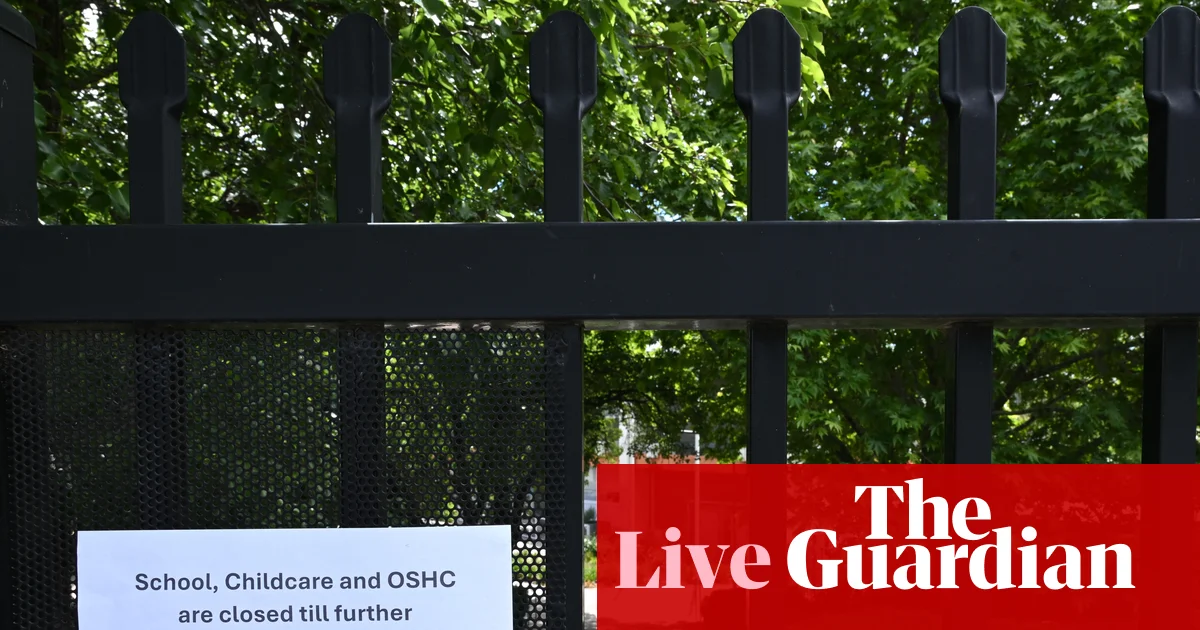
Australia News Live: ACT Shuts 71 Schools Over Sand Scare, NSW Police Crack Down on Domestic Violence—Protecting Our Communities

The geopolitical landscape is perpetually shifting, often influenced by key domestic decisions made within sovereign nations. Recently, Australia exemplifies this pattern through a series of dramatic developments that signal both internal challenges and external strategic recalibrations. The recent closure of 71 public schools in the ACT over fears of asbestos-laden children’s sand, alongside ongoing debates over immigration and energy policies, underscore how internal domestic issues can ripple outward, affecting international perceptions and alliances.

Meanwhile, in the wider global arena, significant shifts have occurred, notably with U.S. President Donald Trump signing an executive order easing tariffs on food imports, including beef and bananas. This move reflects a nuanced strategy aimed at addressing inflationary pressures domestically, but it also signals a broader tendency towards protectionism that could strain international trade networks. Patrolling these trade corridors, Australia’s Prime Minister Anthony Albanese reasserts the importance of global trade, framing it as a “bulwark against conflict”. Analysts from think tanks suggest that such rhetoric not only emphasizes economic cooperation but also highlights how trust in international partners can serve as a foundation for diplomacy, promising a buffer in times of crises.

Yet, Australia’s internal struggles — from the asbestos fears leading to school closures to contentious debates over immigration levels—a clear reflection of how decisions at home wield profound consequences for societal stability and international standing. Sussan Ley, the opposition leader, openly advocates for a reduction in immigration, citing community challenges such as transportation and infrastructure strains. Their stance, though controversial, reveals a broader tension on the alliance between open borders and national security, echoing concerns raised by historians and policy analysts who warn that unchecked demographic shifts can challenge social cohesion and political stability. Meanwhile, government funding for climate resilience projects across Australian states underscores a dual narrative: managing environmental threats while navigating economic constraints, as seen in the proposed $200 million investment in weather-resistant infrastructure.

Externally, unresolved conflicts and international economic policies intertwine with national strategies. With Australia poised at the crossroads—balancing energy independence, climate commitments, and economic revival—its path forward will inevitably influence regional stability and global alliances. The decision to support, or oppose, transitioning toward renewable energy sources and industrial resilience could determine whether Australia becomes a reliable partner or an unpredictable actor on the world stage. Historic analysts warn that in a world where “trust” is becoming a scarce commodity, the decisions of now will shape the geopolitical order of decades to come, a story still being written with each policy choice and international shift.

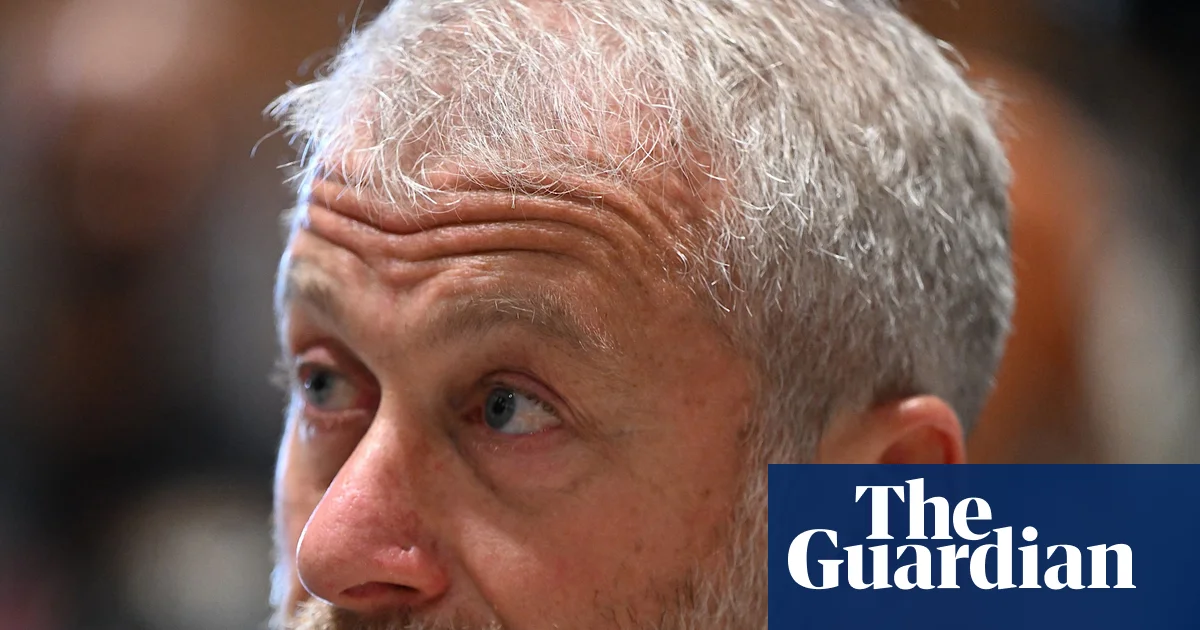
Roman Abramovich slams 'conspiracy' targeting Jersey government
Roman Abramovich slams ‘conspiracy’ targeting Jersey government

The recent escalation in the legal confrontation between Roman Abramovich, the infamous Russian oligarch once associated with Chelsea FC, and the government of Jersey underscores a broader trend of increasing scrutiny over offshore wealth and its geopolitical implications. The Crown dependency has launched a criminal investigation into allegations of corruption and money laundering, linking Abramovich’s vast fortune to illicit practices rooted in the tumultuous economic transition of 1990s Russia. This case exemplifies how elite financial networks—often concealed in tax havens—continue to shape global power dynamics. Analysts suggest that the unfolding legal battle could expose not only individual misconduct but also reveal the deeper mechanisms of international financial secrecy, which influence geopolitics at the highest levels.

In September, a Swiss federal criminal court ordered the release of Swiss banking records that implicated Abramovich’s wealth sources. These revelations prompted Jersey authorities to intensify their investigation, which initially targeted his offshore assets frozen shortly after Russia’s invasion of Ukraine in 2022. The freeze of over $7 billion in assets illustrates the sharp edge of international sanctions, designed to exert economic pressure on Russia and its elites. Yet, Abramovich’s legal team has argued that there is *no* concrete evidence linking him to criminal activity and has called the investigation a possible conspiracy. This claim aligns with a broader pattern where wealthy individuals employ legal and diplomatic tactics to shield their assets, delaying accountability and revealing the ongoing struggle for transparency in international finance.

The case’s significance extends beyond individual fortunes, highlighting the strategic importance of offshore jurisdictions like Jersey. These maritime enclaves facilitate the concealment and movement of assets, often out of reach of Western legal systems and sanctions regimes. The recent court orders demanding the disclosure of private messages, emails, and data—an unprecedented move—serves as a turning point, threatening to open a Pandora’s box of covert dealings. As Jersey’s government comes under pressure to justify its confidentiality policies, international organizations like the Financial Action Task Force (FATF) are raising concerns about the global impact of such secrecy, which enables corruption, illicit finance, and geopolitical leverage against Western interests.

Historian and geopolitical analyst Dr. James Thornton warns that this case exemplifies the fragile balance between sovereignty, financial privacy, and national security. “The decision by Jersey authorities to release sensitive data about a powerful oligarch reflects a potential shift in the legal landscape—one where transparency can no longer be bypassed with mere legal veneer,” he states. The United Kingdom and international community watch closely, aware that these revelations could influence not only individual reputations but also the broader conflict frameworks involving Russia, Ukraine, and Western sanctions. As the legal drama unfolds, the weight of history hangs heavily over Jersey’s tiny islands—reminding the world that even the most secretive financial fortresses are not immune to the relentless tide of accountability and justice.

German Auction Halted Over Holocaust Artifact Sale Amid Backlash

In a development that has reverberated across international borders and reignited debates on morality and respect in the midst of ongoing geopolitical tensions, Poland and Germany have seemingly aligned in a rare display of diplomatic unity to halt an auction perceived as deeply offensive. The auction, scheduled to take place in Germany, involved the sale of hundreds of Holocaust artefacts—ranging from prisoner letters to Gestapo index cards—titled the “System of Terror.” Such items, which are invaluable historical records, are painfully intertwined with the suffering and loss experienced during one of the darkest chapters of European history. The decision to cancel this sale not only signifies a crucial stance against unethical commodification but also underscores the global responsibility to preserve Holocaust memory with dignity.

The coordinated effort was spearheaded after widespread public outcry, most notably from Holocaust survivors and human rights organizations. Historians and analysts have long warned about the dangerous normalization and trivialization of such artefacts when treated as commodities. The International Auschwitz Committee issued a piercing statement condemning the auction, emphasizing that these documents “belong to the families of victims” and should be preserved within museum and memorial contexts, rather than ending up in private collections for profit. The incident illustrates the tension between mercantile interests and the moral obligation to honor the victims of Nazi persecution,” threatening to diminish the significance of Holocaust remembrance in a Europe where nationalist rhetoric and revisionist narratives are resurging. It also showcases how international cooperation remains essential in confronting emerging threats to historical integrity.

The geopolitical impact of this incident reaches beyond mere auction cancellations. Poland, which has consistently underscored the importance of Holocaust education and remembrance, demonstrated diplomatic agility in working with Germany—a country still grappling with its Nazi past and tasked with confronting its history. This collaboration sends a message to the world that, even amidst rising populism and ideological discord, the collective memory of atrocities cannot be allowed to become a commodity. It also serves as a warning to international auction houses and private collectors: the moral price of profiting from history may be higher than expected. The incident has been closely analyzed by global institutions, with many linking it to broader concerns over the commercialization of historical trauma and the erosion of moral boundaries that safeguard human dignity.

As the dust settles on this controversy, it becomes clear that decisions made in the coming years will shape how societies stand in defense of their shared history. The cancellation of this auction is more than a single event; it is emblematic of a vital and ongoing debate about the role of nations and individuals in preserving the memory of suffering. With tensions simmering from Eastern Europe to Western capitals, the very fabric of history remains under threat—an unfolding chapter in the ongoing struggle to reconcile commerce with conscience. As historians warn of potential shifts in the moral landscape, the weight of history presses us all—reminding us that the future is forged by the choices of today, and that the echoes of the past are never truly silenced, but waiting for those brave enough to honor them with respect and integrity.

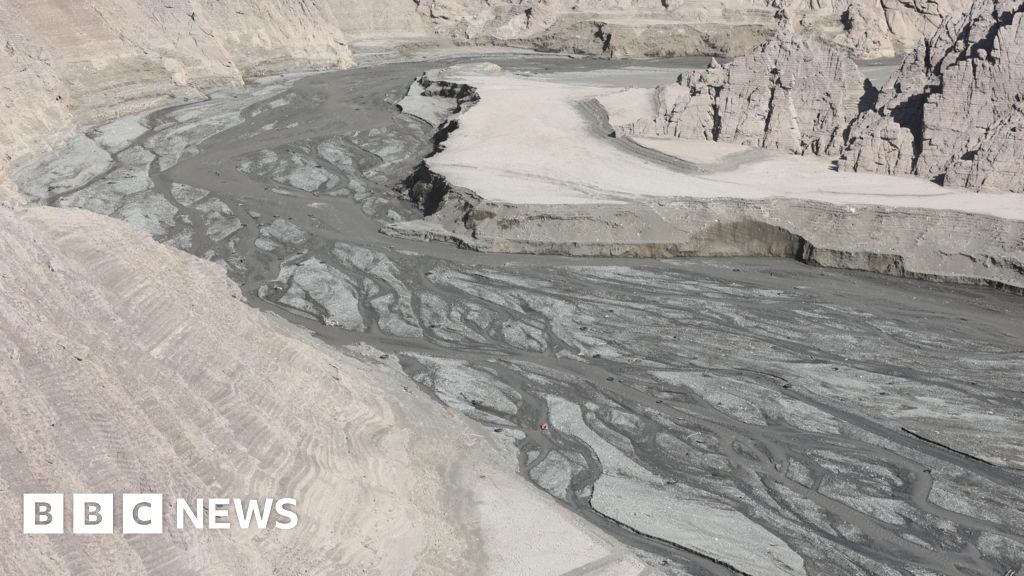
Iran Starts Cloud Seeding Amid Historic Drought Crisis

Iran Confronts Unprecedented Water Crisis

In a stark warning sign for international climate stability, Iran is grappling with its most severe drought in half a century. Authorities report that vital reservoirs, including Urmia Lake—Iran’s largest, have dried to a grim 8% of their capacity amidst record-low rainfall. The crisis has escalated to a point where officials are resorting to controversial measures like cloud seeding—a technique involving chemical agents to artificially induce rain—highlighting the gravity of the situation. This approach, employed over regions like the Urmia basin, exemplifies how nations are increasingly forced to adopt desperate strategies to mitigate environmental collapse. Yet, analysts warn that such measures are only band-aids on a widening wound caused by decades of mismanagement and climate neglect.

Iran’s government has issued stark warnings that the ongoing drought threatens not only water security but also societal stability. Last week, President Masoud Pezeshkian cautioned that without immediate and substantial rainfall, residents of Tehran face possible water rationing and evacuations—an alarming signal for one of the Middle East’s most densely populated capitals. The National Centre for Climate and Drought Crisis Management describes dams in key regions—including West Azerbaijan, East Azerbaijan, and Markazi—as being in a “worrying state,” with water levels dipping into perilously low levels. These developments underscore a broader crisis: a confluence of environmental degradation, water misallocation, and the geopolitical ramifications of a destabilizing climate trend.

Global experts and organizations have underscored that Iran’s plight is emblematic of a wider Mediterranean and Middle Eastern crisis. According to the United Nations, the region is experiencing climate shifts that threaten to drain vital water sources and deepen socio-political tensions. Historically, water scarcity has already fueled conflicts and mass migration, and critics argue that international cooperation remains insufficient to address the root causes of these crises. Meanwhile, the Iranian government’s efforts—such as penalizing excessive water consumption—offer only temporary relief and raise questions about sustainable long-term solutions. As historians and analysts warn, ignoring the mounting environmental warning signs could set the stage for future upheavals with far-reaching consequences.

The current environmental emergency also highlights how a failure to address climate change can exacerbate geopolitical instability. The decision to deploy cloud seeding, while innovative, highlights the desperation of nations trapped between environmental catastrophe and geopolitical limitations. As water reservoirs dwindle and rainfall remains at *record lows*, the weight of history presses down on Iran, serving as a harrowing reminder of the delicate balance between natural resources and national stability. The unfolding story of Iran’s drought serves as a powerful warning that the decisions made—or ignored—today will echo through history, determining whether societies will fall into chaos or find new paths of resilience amid the rising tide of environmental crisis. In this age of shifting climates, the struggle for water may define the next chapter of global conflict—or cooperation—marked indelibly by the choices made in the drought-stricken landscapes of Iran.

K-Pop Star Nana Defends Home from Intruder, Showing True Strength

South Korea’s Domestic Security Crisis: More Than Just a Celebrity Incident

The recent incident involving South Korean singer and actress Nana (Im Jin-ah), who famously rose to fame with the K-pop girl group After School, highlights a troubling trend within the country’s internal security landscape. According to local media reports, Nana and her mother successfully subdued an intruder in their residence, preventing what could have been a tragic outcome. The assailant, reportedly armed and demanding money, was detained on charges of aggravated robbery. This violent breach, occurring in the relatively peaceful city of Guri, underscores a broader issue: the erosion of safety and order even in jurisdictions generally considered safe. Such events raise questions about the stability of societal trust, and the effectiveness of local law enforcement strategies amid rising concerns about public security.

Implications for South Korea’s Internal Stability and International Reputation

This incident’s significance transcends the personal victory of Nana and her mother; it signals potential cracks in South Korea‘s societal fabric. As one of Asia’s most technologically advanced and economically vibrant nations, South Korea has historically maintained a reputation for impressive public order and security. However, the growing prevalence of such violent home invasions, bolstered by the global rise in cyber and real-world crimes, poses a challenge to that image. International analysts, such as those from the Heritage Foundation and the Asian Development Bank, warn that rising criminal activity could diminish confidence in Korea’s social cohesion. Ultimately, this could impact foreign investment, tourism, and diplomatic relations — especially as the world watches how well this dynamic society manages internal turbulence.

Global Patterns and the Shift in Security Paradigms

Experts like historian Samuel Huntington caution that the stability of a nation is often tested by its ability to adapt to rapid social and technological change. In the context of South Korea, the incident involving Nana echoes broader regional concerns, as neighboring Japan and China navigate their own domestic stability amid economic shifts and geopolitical tensions. The incident also underlines the importance of international cooperation on law enforcement and security matters, especially given the transnational nature of crime today. As global institutions like the United Nations emphasize, coordinated efforts are essential in combatting the rise of organized crime and ensuring that law and order are preserved without sacrificing individual freedoms.

In this unfolding narrative, the safety of a single celebrity becomes a microcosm for larger societal vulnerabilities. The security of families, the integrity of the rule of law, and the resilience of social cohesion are stakes that extend well beyond South Korea’s borders. As history continues to unfold, nations worldwide must grapple with the challenge of balancing progress with the imperative to maintain order. For now, the world watches as this story — like many others — remains a reminder that, in a rapidly shifting geopolitical landscape, the true battleground is often within the very fabric of society itself.

Almost 70 Aussie schools shut down over asbestos fears in playground sand

Australasia Encounters a Growing Crisis Over Asbestos in Children’s Play Sand

In a disturbing turn of events revealing the complex web of geopolitical and public health concerns, the Australian Capital Territory (ACT) has announced the closure of 69 schools due to the discovery of asbestos traces in commercially sold coloured sand. This development underscores not only domestic safety lapses but also emphasizes the far-reaching consequences of regulatory failures and international trade dynamics. The contaminated sand, linked to popular brands such as Kmart and Target, was introduced into educational environments, prompting precautionary measures that will ripple across regional policies and international relations. As inspectors and analysts delve into the causes, the incident raises critical questions about how safety standards are monitored and enforced in an interconnected global supply chain.

The recall was initiated after the Australian Competition & Consumer Commission (ACCC) identified traces of asbestos—a mineral once widely used in construction but now banned in both Australia and New Zealand—within the products. Despite the ACCC’s reassurance that the risk of airborne asbestos exposure is minimal, the decision to close schools reflects a broader motor of precaution embedded within government policy. Remarkably, air testing so far has yielded negative results for airborne asbestos, yet the government’s response remains cautious, illustrating the precarious balance between public safety and political risk. Such measures reveal a high level of sensitivity to the potential consequences of asbestos exposure, which remains a grave health threat, capable of causing deadly cancers over decades. The incident underscores the crucial importance of vigilant oversight in the export-import of hazardous materials, a subject of heated debate among international regulatory bodies.

The crisis has also spilled over into neighboring New Zealand, where fears surrounding asbestos-laden sand prompted additional school closures. This regional response underlines the shared vulnerabilities in the Pacific, where regulatory harmonization is often challenged by differing national policies and economic ties. As analysts highlight, the incident illustrates how seemingly local decisions can escalate into transnational crises, impacting regional stability and sovereignty. Experts like Dr. Raymond Stevens of the Pacific Safety Institute warn that this controversy may serve as a wake-up call, urging governments and international organizations to tighten controls over hazardous imports. Meanwhile, local authorities are conducting extensive searches to map the presence of coloured sand within school premises, an effort that, although reassuring with negative air tests thus far, underscores the importance of comprehensive safety protocols in protecting future generations.

In the grand geostrategic context, the contamination incident emphasizes the fragile nature of supply chains in an age of globalization. Moreover, it exposes the potential for malign influence or negligence to have far-reaching consequences. Some critics argue that lax enforcement of import bans on asbestos may be indicative of broader governance issues or economic priorities that favor cheap imports over safety. These incidents unfold in tandem with international debates over trade policies, environmental standards, and the role of multinational corporations in ensuring product safety. As such, the incident with coloured sand reflects the broader tensions between economic growth and societal health—an ongoing struggle that has historically defined the geopolitical landscape. Leaders and international organizations, including the World Health Organization, continue to emphasize the importance of adhering to strict standards, but the reality remains complex, fraught with loopholes and conflicting interests.

Ultimately, this controversy serves as a stark reminder that history’s most profound lessons often arrive cloaked within crises. The incident in Australasia is more than a local health scare; it is a symptom of the unresolved tensions between profit and safety, sovereignty and global interdependence. With each school closure and each cautious inspection, the weight of history presses on nations, demanding action and accountability. As the story continues to unfold across the Pacific, one thing remains clear: the decisions made today will echo for decades, shaping the landscape of international safety and sovereignty, and reminding us that, in an interconnected world, the safety of our children is ultimately a question of global resolve. The unfolding narrative stands as a testament to how fragile progress is—yet how vital vigilance remains in the face of emerging threats. The pages of history turn quietly, but their impact is profound—each chapter written by choices made in moments of crises, leaving us to confront the relentless march of time and consequence.

Thanksgiving Travel Back on Track as US Government Reopens

The Resilience of American Airways Amidst Political Turmoil

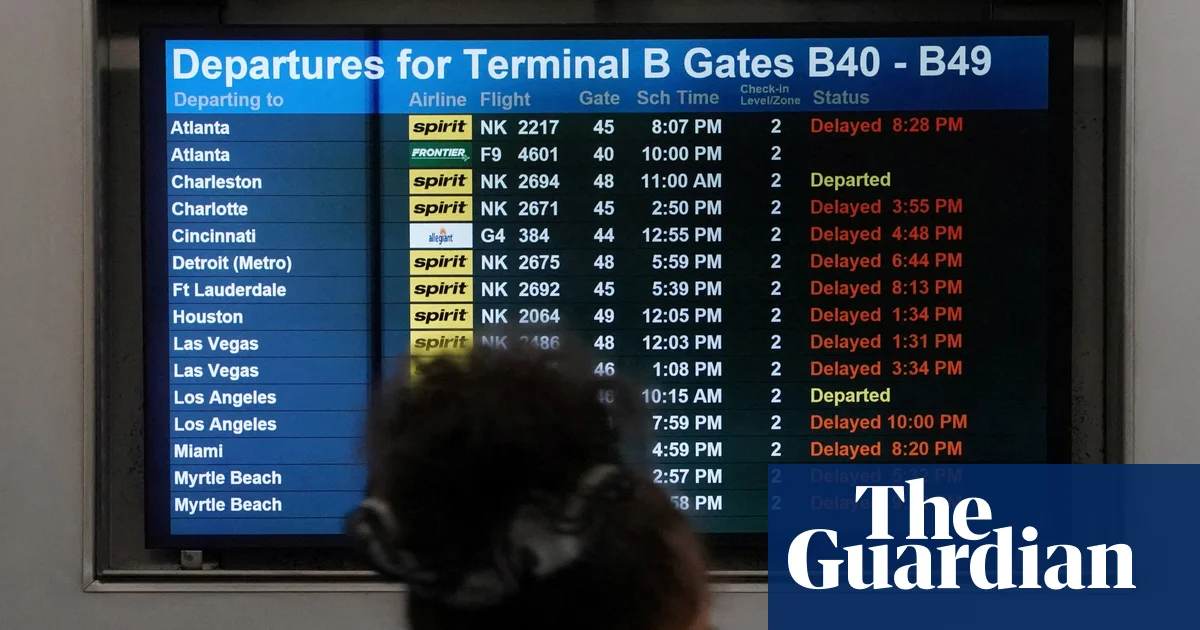
In an encouraging sign of recovery following the recent federal government shutdown in the United States, the nation’s airline industry is swiftly returning to normal operations, dispelling fears that travel chaos would spill over into the upcoming holiday season. Experts report that, thanks to the rapid return of air traffic controllers and a series of strategic measures, the busy airports are on the verge of regaining stability. Transportation Secretary Sean Duffy announced that controllers, deemed essential workers, would receive their full back pay within the coming days, a move that signals a crucial step toward restoring confidence in airline schedules and safety protocols.

Despite a pre-existing shortage of air traffic controllers—exacerbated by retirements and training challenges—this short-lived crisis has exposed larger issues within U.S. infrastructure and governance. During the shutdown, thousands of controllers and Transportation Security Administration (TSA) staff worked without pay, prompting the FAA to impose initial flight reductions at some of the country’s busiest airports. Almost 7% of departures were canceled at the peak, a significant surge from the usual 1%, illustrating how fragile the system had become amid staffing shortages and stress. Yet, as staffing levels improve, experts predict that typical schedules may be reinstated as early as next week, underscoring the resilience of American institutional mechanisms once politicians pull back from disruptions.”

International Implications and Broader Geopolitical Impact

The swift resolution of the shutdown, coupled with the issuance of bonuses to controllers and TSA officers, signals both pragmatic recovery and political messaging from the highest levels of government—foremost, President Donald Trump. Such concedes are not insignificant in the global context, where perceptions of American stability directly influence international relations and economic partnerships. Commentators like former diplomats and analysts at the International Institute for Strategic Studies warn that ongoing political turbulence at home can weaken America’s geopolitical standing and embolden adversaries watching from abroad, especially amidst rising tensions with China and Russia.

Furthermore, the decision to incentivize essential workers with bonuses may have ripple effects across allied nations, highlighting how domestic politics influence broader economic strategies. In particular, the U.S. might pursue a cautious expansion of its security and transportation policies, reinforcing the need for robust infrastructure investments amid unpredictable political weather, as Chinese and European competitors accelerate their own agendas. Such shifts inevitably shape the future of international commerce, travel, and security—parameters that generations will inherit as part of the unfolding geopolitical saga.

What Lies Ahead in a Turbulent Age

While current indicators show a fast return to routine, some uncertainties linger beneath the surface. Airline pilots and staff face increased workloads, and the lingering staffing shortages threaten to cause future delays, especially should adverse weather conditions arise. Analysts from Atmosphere Research Group warn that Mother Nature’s unpredictability remains the ultimate test for reinstating complete operational stability. The FAA’s target to replenish the number of qualified controllers—now about 3,800 below desired levels—won’t be met for years, hinting that the fundamental weaknesses in the system could resurface if not addressed with visionary reforms.

As history remains in the midst of being written, the resolve of American institutions to bounce back from political crises will be scrutinized by watchers near and far. Just as the specter of the 2019 shutdown lingered for months before fully dissipating, this latest episode urges a sober reflection amidst the glitter of recovery. With each flight returning to the skies and each paycheck fulfilling its purpose, the weight of history presses on, reminding all observers that beneath the veneer of recovery lies the fragile, enduring struggle of a nation choosing between chaos and resilience.

YouTuber Jack Doherty Held in Miami Over Drug Possession Charges

The recent arrest of YouTuber Jack Doherty in Miami has raised eyebrows beyond American borders, exemplifying how interconnected issues of law enforcement, social media influence, and societal values are in our increasingly digital world. According to local police reports, Doherty was detained early Saturday morning after engaging in reckless behavior—filming disruptive content on a busy street, blocking traffic, and attempting to provoke police officers. Such incidents highlight the growing trend of social media personalities pushing boundaries, sometimes crossing into legal and ethical gray zones that can threaten societal order and safety.

During the incident, authorities discovered substances consistent with Schedule II amphetamines and suspected cannabis cigarettes in Doherty’s possession. This revelation underscores a troubling intersection of youth culture and substance use—elements that are often glamorized or misunderstood, yet carry serious legal and health implications. Experts warn that such behaviors, especially when amplified by the influence of social media,” can distort perceptions among impressionable audiences. International organizations, such as the World Health Organization, continue to emphasize the importance of addressing youth drug use within a broader framework of public health and social stability, reminding nations of the far-reaching consequences of unchecked behavior within influential circles.

Geopolitical Impact of the Cultural Shift

This incident is emblematic of how cultural values and social media consumption are shaping the landscape of international influence. Countries around the world are grappling with the impact of Western digital influencers—whose reach transcends borders—on youth and societal norms. Analysts from the International Crisis Group have warned that the behavior of figures like Doherty can serve as unwitting ambassadors of chaos, potentially undermining efforts to promote responsible media use and societal cohesion. As U.S. social media giants continue to dominate global markets, the narrative of individual liberty intertwined with reckless conduct becomes a fragile point in the diplomacy of soft power, influencing perceptions of the United States and its cultural exports.

Global Reflection and Historical Perspective

Historian Michael Parenti and other scholars have long emphasized that the cultural dimensions of international influence are as vital as political and economic strategies. Decisions at the policy level regarding social media regulation, drug enforcement, and public morals extend beyond national borders, affecting societal development worldwide. The Doherty incident echoes past episodes where the behaviors of influential figures challenged societal norms, prompting debates on morality, legality, and the role of social media in shaping public consciousness. These debates are not merely local—they invoke a global reflection on the trajectory of modern civilization’s values and priorities.

As nations observe the ripple effects of such incidents, they are compelled to confront the haunting truth that history is perpetually in motion. One cannot ignore the mounting tension between individual freedom and social responsibility—forces that will continue to define the narrative of our time. With the shadows of past upheavals looming large, the questions remain: Will society adapt to this digital age by embracing stricter standards, or will it continue to dance on the edge of chaos, watched over by the silent eyes of history waiting for its next chapter?

Social Media Auto Publish Powered By : XYZScripts.com