Matox News

Truth Over Trends, always!

YouTuber Jack Doherty Held in Miami Over Drug Possession Charges

The recent arrest of YouTuber Jack Doherty in Miami has raised eyebrows beyond American borders, exemplifying how interconnected issues of law enforcement, social media influence, and societal values are in our increasingly digital world. According to local police reports, Doherty was detained early Saturday morning after engaging in reckless behavior—filming disruptive content on a busy street, blocking traffic, and attempting to provoke police officers. Such incidents highlight the growing trend of social media personalities pushing boundaries, sometimes crossing into legal and ethical gray zones that can threaten societal order and safety.

During the incident, authorities discovered substances consistent with Schedule II amphetamines and suspected cannabis cigarettes in Doherty’s possession. This revelation underscores a troubling intersection of youth culture and substance use—elements that are often glamorized or misunderstood, yet carry serious legal and health implications. Experts warn that such behaviors, especially when amplified by the influence of social media,” can distort perceptions among impressionable audiences. International organizations, such as the World Health Organization, continue to emphasize the importance of addressing youth drug use within a broader framework of public health and social stability, reminding nations of the far-reaching consequences of unchecked behavior within influential circles.

Geopolitical Impact of the Cultural Shift

This incident is emblematic of how cultural values and social media consumption are shaping the landscape of international influence. Countries around the world are grappling with the impact of Western digital influencers—whose reach transcends borders—on youth and societal norms. Analysts from the International Crisis Group have warned that the behavior of figures like Doherty can serve as unwitting ambassadors of chaos, potentially undermining efforts to promote responsible media use and societal cohesion. As U.S. social media giants continue to dominate global markets, the narrative of individual liberty intertwined with reckless conduct becomes a fragile point in the diplomacy of soft power, influencing perceptions of the United States and its cultural exports.

Global Reflection and Historical Perspective

Historian Michael Parenti and other scholars have long emphasized that the cultural dimensions of international influence are as vital as political and economic strategies. Decisions at the policy level regarding social media regulation, drug enforcement, and public morals extend beyond national borders, affecting societal development worldwide. The Doherty incident echoes past episodes where the behaviors of influential figures challenged societal norms, prompting debates on morality, legality, and the role of social media in shaping public consciousness. These debates are not merely local—they invoke a global reflection on the trajectory of modern civilization’s values and priorities.

As nations observe the ripple effects of such incidents, they are compelled to confront the haunting truth that history is perpetually in motion. One cannot ignore the mounting tension between individual freedom and social responsibility—forces that will continue to define the narrative of our time. With the shadows of past upheavals looming large, the questions remain: Will society adapt to this digital age by embracing stricter standards, or will it continue to dance on the edge of chaos, watched over by the silent eyes of history waiting for its next chapter?

US-South Korea Nuclear Sub Pact: A Bold Step for Young Patriots

South Korea’s Nuclear Submarine Ambitions Reignite Tensions in East Asia

The recent agreement between South Korea and the United States to develop nuclear-powered submarines marks a pivotal moment in regional geopolitics. Coming amid a rising tide of regional tensions—particularly with North Korea and China—this move signals Seoul’s desire to elevate its defense capabilities and reclaim strategic autonomy in the face of aggressive neighbors. While the US has justified this initiative as a means to counter North Korea’s burgeoning nuclear submarine program, experts see it as a declaration that South Korea is positioning itself as a formidable regional power.

The announcement came amidst a broader trade and military partnership between Seoul and Washington, which includes a formalized agreement to reduce tariffs from 25% to 15%, alongside commitments for nuclear submarine production. A White House fact sheet emphasizes US approval for Seoul to build attack submarines, with cooperation on sourcing nuclear fuel—a move that places South Korea in an exclusive club of six nations possessing nuclear-powered submarines. Such a development underscores South Korea’s intent to modernize its fleet with vessels capable of operating deeper and longer, thereby challenging existing power balances on the Peninsula and beyond.

How This Agreement Shakes Up the Regional Power Dynamics

The decision to pursue nuclear submarines has significant geopolitical repercussions. Analysts warn that this enhancement of South Korea’s military might will only deepen the arms race in East Asia. North Korea, with its estimated arsenal of roughly 50 nuclear weapons and its own nuclear submarine program, views Seoul’s move as an escalation. The unveiling of what Pyongyang claims to be a nuclear-powered submarine last March, along with its ongoing efforts to modernize its nuclear arsenal, indicates that the Korean Peninsula is inching toward an even more volatile balance of power.

Meanwhile, China perceives this development as a direct challenge to its regional influence, especially given Beijing’s recent increase in naval activity near South Korea’s maritime borders. The Chinese government has voiced concerns through diplomatic channels, with the ambassador expressing hopes that Seoul will act prudently. In fact, the Chinese have long viewed United States’ and South Korea’s alliance as a strategic threat—exacerbated by this new military step—fueling fears of a potential regional conflict spiraling out of control. It is precisely within this tense atmosphere that the importance of the decision is understood, as it reflects a broader struggle for influence in a region teetering on the edge of instability.

The U.S. Strategy and Future Implications at the Crossroads of History

While President Donald Trump has highlighted the economic benefits of the deal—such as job creation and US technological leadership—the true strategic significance extends far beyond. The US’s approval signifies a clear intent to bolster Seoul’s military independence and send a message to China and North Korea that its regional alliances are stronger than ever. This shift also complicates efforts to denuclearize North Korea, as Pyongyang interprets Seoul’s new capabilities as an endorsement of nuclear weaponization, ultimately undermining diplomatic pressures for denuclearization.

Some international observers, including defense analysts and historians, warn that such moves could trigger a new arms race, propelling the Korean Peninsula into a more perilous future. As the world watches, the unfolding narrative of power, fear, and diplomacy continues to write itself into history—each decision, each missile test, and each diplomatic exchange a testament to humanity’s fragile quest for stability amidst burgeoning threats. The stage is set, yet the outcome remains written in the uncertain pages of history, waiting for the next chapter to unfold.

Katter’s Party Ex-MP Wins Townsville Mayor Race, Defeats Old Leader Swinging Against Them

Australian Local Politics: The Rise of Nick Dametto in Townsville Signifies Shifts in National Identity

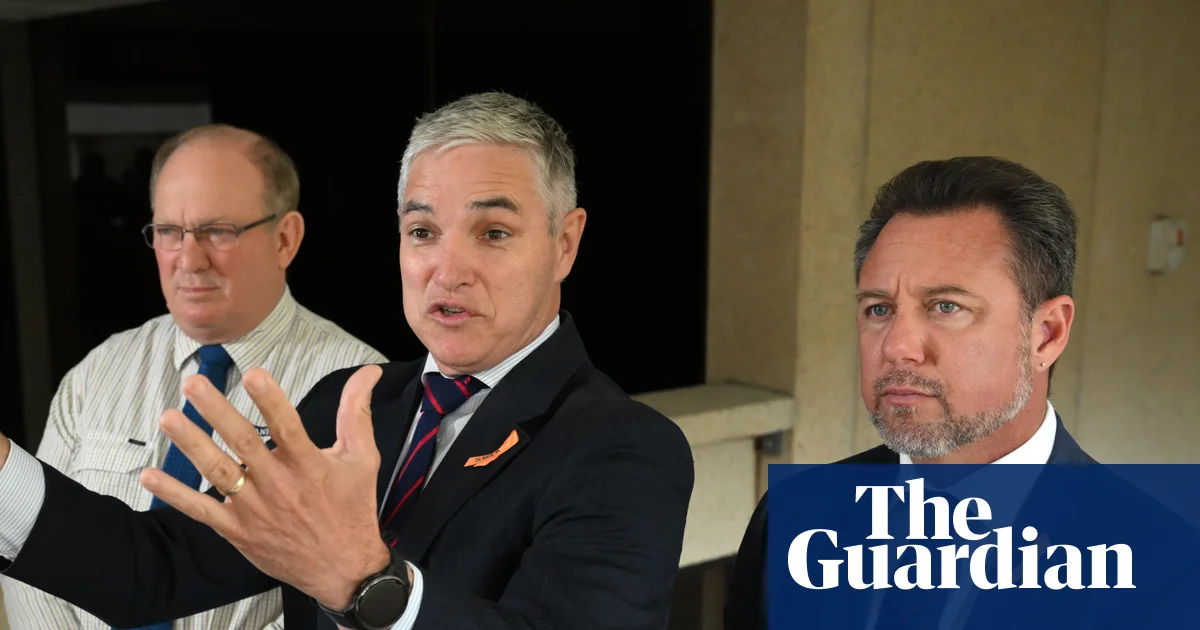
The recent byelection in Townsville, Queensland, has sent shockwaves through Australian political circles, reflecting broader undercurrents of societal values, identity, and national pride. Nick Dametto, a prominent figure associated with the populist right and former deputy leader of Katter’s Australian Party, secured a commanding victory with over 61% of the vote—an unprecedented margin that underscores a decisive shift in local sentiment. Dametto’s platform, emphasizing strong border controls, traditional values, and targeted regional development, resonated with voters craving stability and a renewed sense of identity amid ongoing debates over immigration and multiculturalism. His prominence, bolstered by recent anti-immigration marches and pushes for policies such as “castle law,” illustrates a growing tide of conservative populism rooted in Australia’s more rugged, pioneer-oriented political culture.

The significance of this electoral outcome extends beyond mere local politics; it signals a shift in how Australia’s northern regions define their future. Analysts like Griffith University’s Paul Williams highlight Dametto’s appeal as emblematic of a “rugged, masculine, pioneer culture” that still holds sway in towns like Townsville, often dubbed the “unofficial capital of the north.” These areas, historically dependent on mining and military services, appear to be clinging tightly to conservative values in an era characterized by shifting geopolitical dynamics and internal societal upheavals. The fact that Dametto, a young and visible leader, consistently campaigned on themes of economic openness and regional pride, demonstrates a growing confidence among many rural and regional Australians who feel alienated by coastal urban liberalism. His victory, during a period of political upheaval and scandal—marked notably by the resignation and legal troubles of former mayor Troy Thompson—reflects a broader appetite for leadership that prioritizes national sovereignty and traditional identity.

International perspective contextualizes Australia’s local developments within a global wave of populist resurgence. Experts warn that the broader geopolitical impact lies in Australia’s increased alignment with Western conservative policies, particularly in the context of rising tensions with China, fluctuating Pacific alliances, and the NATO-led push to redefine global security frameworks. The fragile stability of the Indo-Pacific region depends increasingly on electoral shifts that favor nationalist policies over internationalist approaches, potentially altering Australia’s role in regional security pacts. The decision of voters in Townsville to endorse Dametto’s vision echoes similar trends seen in other Western democracies—where sovereignty, national borders, and traditional cultural identity are being reclaimed amid the chaos of globalization and multicultural pressure. International analysts observe that these local victories hinge on widespread discontent with immigration policies, economic uncertainty, and perceived loss of cultural control—themes that resonate deeply with conservative youth movements worldwide.

As the nation faces pending electoral tests in regions like Hinchinbrook, and as scandals continue to erode trust in established political figures, the weight of history presses heavily upon Australia’s shoulders. Dametto’s triumph symbolizes more than a regional political victory; it signifies a burgeoning movement that threatens to reshape Australia’s national trajectory. The ongoing saga—marked by scandal, populist rallying cries, and a reassertion of traditional values—reminds historians that history is often written in moments of turmoil and upheaval. Whether this marks a durable shift or a transient surge will depend on how Australia’s society and leadership respond to the mounting pressure of identity, security, and sovereignty in a rapidly evolving international arena. The impending chapters of this unfolding story will determine if Australia chooses to forge a future grounded in cultural resilience or to succumb once more to the tides of globalist influence, with the weight of history still shaping every step forward.

India’s Pollution Cap at 500: Ignoring the Real Toxicity Issue for Youth’s Health

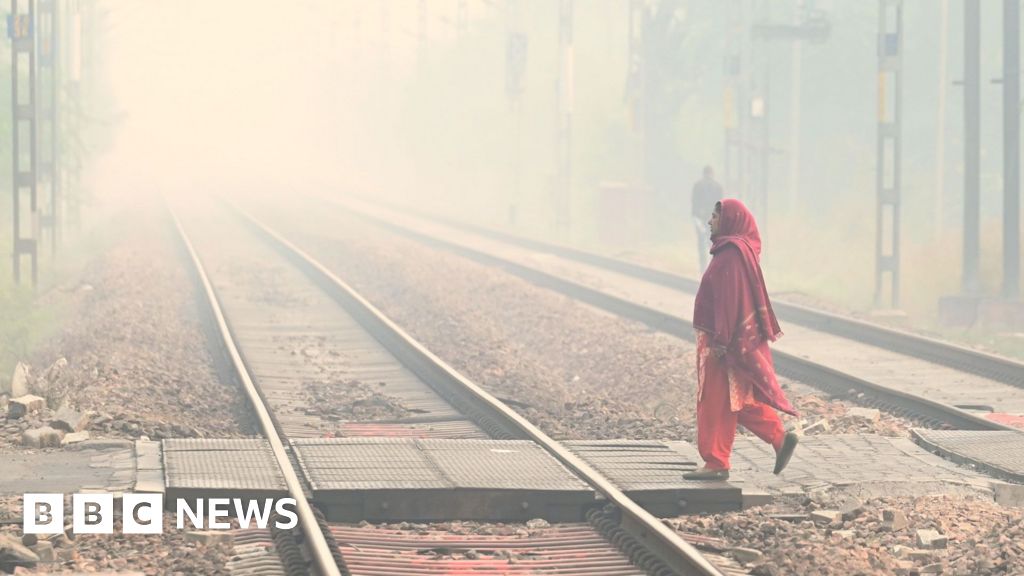
In recent years, India has attracted international scrutiny over its air quality data, revealing a troubling disconnect between official figures and independent monitoring. While private platforms like IQAir and open-source projects frequently report air quality indices surpassing 600 and even 1,000, the official National Air Quality Index (NAQI) remains capped at 500. This artificial ceiling masks the severity of pollution, raising critical questions about government transparency and public health priorities. Such a discrepancy not only undermines public trust but also influences how nations perceive India’s environmental commitments, impacting its geopolitical standing.

  • Official thresholds have been deliberately set to suppress alarming data, with the cap introduced over a decade ago when health risks were assumed to plateau beyond a certain point.
  • Emerging scientific insights and international standards, notably from the World Health Organization, challenge this approach, emphasizing that health impacts worsen with higher pollution levels.
  • Global organizations and technological innovators advocate for revision of India’s AQI framework, arguing that the current model inhibits effective policy responses.

Analysts like Gufran Beig, founder of the System of Air Quality and Weather Forecasting and Research (SAFAR), openly admit that the 500 cap was originally designed to prevent panic rather than reflect reality. “It was assumed that health impacts would be the same above 500, but evidence now shows symptoms intensify with increasing pollution,” he states. This deliberate obfuscation could be a strategic choice to avoid economic disruptions or diplomatic fallout amidst an escalating geopolitical climate. India‘s refusal to update its AQI standards is increasingly viewed as a form of environmental diplomacy—an effort to project control and stability in a situation that, scientifically, demands urgent acknowledgment.

The disparity in international standards complicates this picture further. While WHO guidelines classify PM2.5 levels above 15 micrograms per cubic meter as hazardous, India’s threshold is set at 60 micrograms—a stark contrast that underscores how different nations calibrate their environmental assessments based on local weather, industrial activity, and economic priorities. This disparity impacts not just data interpretation but also diplomatic negotiations—particularly in the context of climate change commitments and cross-border pollution agreements. Critics warn that such data manipulation fosters a dangerous narrative of ‘environmental denial‘, undermining global efforts to combat pollution.

Beyond the data thresholds, the technological debate highlights a broader crisis: India’s aging air monitoring infrastructure. The Indian pollution control board relies on Beta Attenuation Monitors (BAMs), which offer accurate measurements but are costly and less flexible than newer sensor-based technologies capable of providing granular, real-time data. However, these sensor systems face regulatory hurdles, with the government yet to fully endorse their widespread use. As a result, India’s air quality framework remains outdated, stagnant since 2009, and in dire need of a comprehensive overhaul. “Without modernized calibration and broader transparency,” warns environmental scientist Mr. Pathak, “the real picture of India’s pollution crisis will continue to be hidden.”

In the grand arc of history, the question remains: how long can a nation sustain this dichotomy—between public perception and ecological reality? As India’s pollution levels continue to soar and global scrutiny intensifies, the implications extend far beyond its borders. Governments across the world watch closely, recognizing that environmental health is no longer a local issue but a potent instrument of geopolitical influence. The global community must reckon with a stark choice: confront the truth and adapt, or continue to construct a facade amid the gathering storm of environmental catastrophe. The narrative of India’s air quality policy, ultimately, may be a mirror for the future of global environmental governance—where truth, transparency, and accountability determine the legacy of this unfolding epoch.

Patronato: My Mom, a Free-Spirited Teen in Franco’s Spain

Uncovering Spain’s Hidden History: Echoes of a Repressive Regime

Nearly fifty years after the death of Francisco Franco, Spain is grappling with a past long concealed beneath the veneer of its modern democracy. Historians and international organizations continue to spotlight the systematic abuses committed within the patronato institutions, where thousands of women and girls deemed “rebellious” or “fallen” were detained, re-educated, or worse, subjected to barbaric treatments. The revelations emerging from testimonies like that of Mariona Roca Tort serve not only as a stark reminder of repression but as a critical juncture in the nation’s pursuit of justice and accountability. The decision to revisit these dark chapters will undoubtedly reshape geopolitical impact—prompting debates over historical memory, reparations, and the ongoing fight against authoritarian legacies.

The atrocities committed under Franco’s regime, especially through institutions managed by religious entities, remain shrouded in silence. The patronato system—a network of residential institutions—embodied state and church collusion, targeting women who deviated from conservative Catholic moral standards. Details from survivor accounts like those of Mariona portray a dystopian world where girls and young women were imprisoned for surreptitious acts of personal independence or political dissent. The turning point came when Mariona, a spirited teenager engaged in anti-Franco activism, was forcefully detained and subjected to violent “treatments” such as electric shock and insulin coma therapy, intense methods now universally condemned for their lethality and cruelty. International observers, including critics from the United Nations, have condemned such practices, emphasizing the importance of truth and reparations to reshape historical consciousness.

The 50th anniversary of Franco’s death now sparks renewed calls for justice, with survivors and their families demanding formal recognition of their suffering. The documentary “Els Buits” (meaning “The Spaces”) by Marina Freixa and her mother, Mariona, is catalyzing international focus on Spain’s continued struggles with its authoritarian past. The film exposes the systematic erasure of memory—blank spaces in history that survivors now aim to fill. According to international analysts, such efforts have the potential to influence geopolitical stability by setting a precedent for other nations grappling with similar legacies, especially in transitioning from authoritarian regimes. The Spanish Minister for Democratic Memory, Ángel Víctor Torres, has publicly expressed openness to re-examining these historical wounds, signaling a shift towards accountability, even if decades late.

How decisions made in these critical moments ripple through societies and nations is profound: they affect international relations, domestic legal frameworks, and societal perceptions of justice. As Spain wrestles with its history, the international community watches closely. Historians warn that forgetting these atrocities could pave the way for the re-emergence of repressive ideologies, especially as current political climates oscillate between progress and regression. The ongoing tour of “Els Buits” exemplifies how truth-telling and remembrance bolster societal resilience and global moral standards. Yet, the fight for full acknowledgment remains fraught with resistance, and the weight of history continues to hang heavily—as a silent judge—reminding us that the crucial lessons of the past are the foundation for any future built on justice.

Americans endure shutdowns — brace for the next round

Implications of the US Government Shutdown: A Reflection of Political Instability and Its Global Repercussions

In recent weeks, the United States has faced its longest government shutdown in history, a stark reminder of the deep divide within its political landscape. The 43-day closure, which resulted in over 1.4 million federal employees, including military personnel and essential service workers, going without pay, underscores a broader crisis that transcends domestic policy. As families like Beth Johnson’s—an American military spouse—live through extended uncertainty, analysts argue that this ongoing dysfunction highlights a fragile political system increasingly unable to meet its constitutional responsibilities. Historians underscore that such fiscal impasses threaten to erode the very fabric of America’s governance, potentially undermining public trust and social cohesion.

This latest shutdown was driven by fierce partisan battles over budget allocations and social subsidy programs. Particularly contentious was the debate over health-insurance subsidies, which Democrats insisted must be maintained—a key point that contributed to the deadlock. When eight Democrats sided with Republicans to pass a temporary spending plan, it became clear that even within the U.S. political establishment, consensus is slipping away. For the everyday American, especially those who depend on programs like Supplemental Nutrition Assistance Program (SNAP), the stakes are painfully real. The World Bank and the International Monetary Fund (IMF) have warned that such internal tumult diminishes the U.S.’s credibility as an economic leader, larger than merely fiscal turmoil—it’s a signal of weakening resolve in the face of mounting domestic challenges.

Global observers are paying close attention to how these internal crises influence America’s foreign geopolitical standing. During these shutdowns, military and diplomatic operations have faced disruptions, raising concerns about national security and America’s commitment to international alliances. The impact extends beyond borders; allies and adversaries alike watch the U.S. internal chaos, interpreting it as a sign of political fragility that could embolden rivals such as China and Russia. According to strategic analysts, the recurrent internal crises are playing right into the hands of competing powers that are eager to test American resolve—undermining its capacity to lead in critical multilateral fora regarding security, trade, and climate change. This erosion of stability not only hampers U.S. influence but also destabilizes global markets already rattled by mounting geopolitical tensions.

As history unfolds, the shadow of uncertainty looms large over the American republic, serving as a stark reminder that internal discord is a catalytic force shaping the international order. While the recent bipartisan agreement offers a temporary reprieve, the underlying fissures remain—and the looming prospect of yet another shutdown threatens to accelerate societal divisions. With analysts warning that this cycle of fiscal brinkmanship might be a symptom of deeper systemic failure, the world watches intently. The coming weeks will reveal whether the legacy of this political turmoil will be one of resilience or further unraveling, as the pages of history turn and the global stage remains watchful for signs of American weakness.

Nine injured as Walcha demolition derby crash crashes into spectators

Critical Incident at Australian Motorsport Event Sparks Reflection on Public Safety and International Response

In Australia, an incident at the Walcha Motorcycle Rally — a well-known grassroots motorsport event— has sent shockwaves across the nation and reignited global debates about public safety at sporting and entertainment events. During a scheduled demolition derby, a vehicle unexpectedly veered off course, crashing through a fence and into spectators gathered near the grandstand, resulting in nine injuries, including one critically injured individual. While organizers and authorities are still investigating the exact causes, such tragic accidents underscore a growing concern: how to ensure safety in increasingly high-risk public gatherings.

This event has not only exposed local vulnerabilities but also drew attention to broader issues addressed by international organizations and safety experts. As historians and analysts examine this incident, they warn that a failure to implement rigorous safety protocols could have devastating consequences worldwide, especially as motorsport events grow in popularity in both the West and developing nations. Such accidents, though often considered isolated, can serve as stark reminders of the thin margin between entertainment and catastrophe. The incident demonstrates how decisions affecting safety standards—whether at local level or in international policy—can have ripple effects that influence societal trust and the global image of nations hosting major events.

  • The driver, a 27-year-old, was involved in a collision moments before the crash, hinting at potential lapses in safety oversight or vehicle control.
  • The local council expressed shock and committed to thorough investigations, emphasizing that premature judgments could undermine ongoing inquiries.
  • Key political figures, including Brendan Moylan and Barnaby Joyce, publicly expressed their sympathies, highlighting how political leaders often become focal points in moments of crisis, affecting international perceptions of national stability.

Furthermore, the incident occurs against the backdrop of a shifting international landscape where risks associated with large public gatherings are openly debated amid the lingering echoes of global crises. Such events serve as reminders that the decisions nations make—be it tightening safety regulations or balancing economic interests—directly impact societal resilience and international reputations. According to safety analysts, failure to adapt traditional safety standards to evolving challenges could result in tragic outcomes with long-lasting geopolitical consequences, especially in countries eager to promote tourism and sporting events without adequate safeguards. These accidents, often scrutinized by international media and authorities, illustrate how fragile public trust can be when safety is compromised.

The Broader Geopolitical Impact of Safety Incidents

This local tragedy extends beyond national borders, intertwining with the global discourse on risk management, safety regulations, and leadership accountability. Organizations such as the International Olympic Committee and Fédération Internationale de l’Automobile have long championed stricter safety protocols, especially in the wake of past disasters. Critics argue that inadequate safety measures reflect deeper issues of governance and priorities where economic gains often overshadow fundamental safety considerations. Countries striving to host international events fear such incidents could tarnish their reputations, deter investments, and discourage tourism, all of which have far-reaching geopolitical ramifications.

This incident, while localized in Australia, reminds analysts of historical lessons. Experts, including prominent historians, point out that seemingly isolated tragedies often serve as catalysts for reform—though not without controversy. The Greek Olympics of 2004 and recent incidents in motorsport history demonstrate how failures in leadership and safety oversight can escalate into larger crises, shaping international policies and public attitudes for decades. The ongoing debate is a testament to how critical decisions made in moments of crisis influence the trajectory of international relations, societal stability, and public trust in institutions.

As the dust settles over Walcha, the world watches attentively. With governments and international organizations carefully analyzing safety standards and crisis management protocols, the future remains uncertain. Yet, one thing is clear—each incident adds to a complex tapestry of history still being written. As the nations of the world continue to navigate this perilous landscape, they are reminded that underneath the thrill of competition and community lies a fragile thread that, once broken, leaves echoes for generations to come, shaping the course of history in unpredictable ways.

Youth-led protests erupt in Mexico criticizing government’s crime crackdown

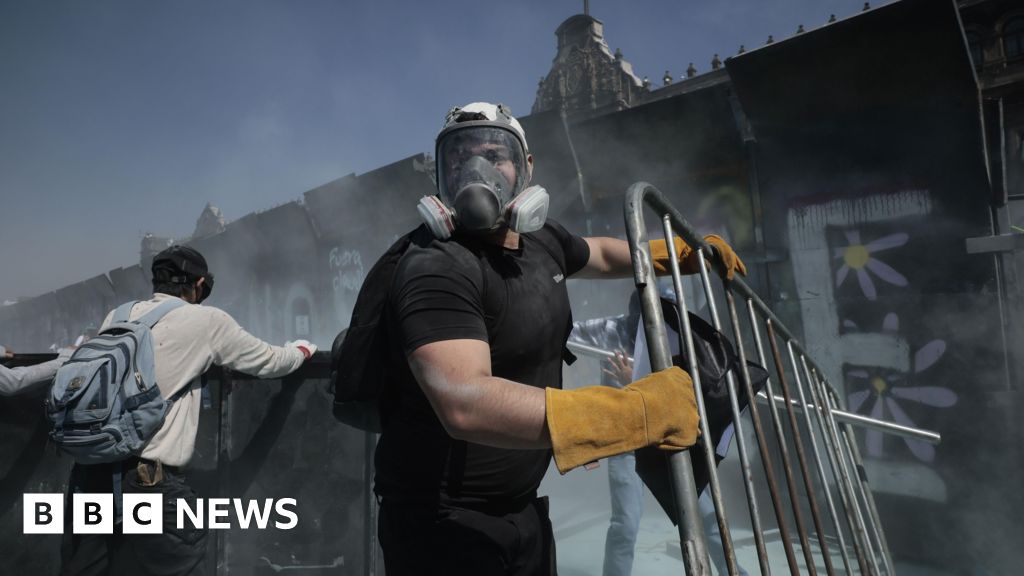
In a striking display of domestic unrest, Mexico has recently witnessed thousands of protesters flooding the streets of Mexico City and other urban centers, voicing their anguish over the persistent grip of violent crime and cartel warfare. Organised largely by Generation Z youth groups, this wave of dissent underscores a profound societal crisis that transcends mere law enforcement failures to threaten the very fabric of Mexican society. The rally, sparked by the brutal assassination of Carlos Manzo, a progressive mayor who demanded tough action against criminal gangs, echoes a broader dissatisfaction with the government’s approach, and highlights the simmering tensions that could destabilize the region further.

President Claudia Sheinbaum has come under fire for her handling—or perceived mishandling—of these issues. Her assertions that the protests are fueled by right-wing political actors and online bots reveal her effort to deflect responsibility and maintain public approval, which remains above 70% according to official polls. Yet, critics—both within and outside Mexico—argue that her resistance to an all-out war against cartels is fueling the violence, while her reluctance to implement aggressive drug policies—a legacy of Mexico’s tumultuous history—risks prolonging the chaos and undermining regional stability. As analysts like historian María Rivera warn, the decision to tread carefully rather than confront cartels directly could have far-reaching consequences beyond Mexico’s borders.

The geopolitical impact of Mexico’s internal turmoil extends to its neighbors, especially the United States. US policymakers, concerned about the spillover of violence and fentanyl trafficking, see Mexico’s approach as a critical factor in shaping regional security. President Trump’s focus on border security and drug interdiction is echoed by others who demand a more aggressive stance; however, Mexico’s reluctance to escalate the conflict highlights a broader debate about sovereignty, intervention, and the limits of foreign influence. Meanwhile, Peru’s recent declaration of Sheinbaum as persona non grata and the severance of diplomatic ties reveal how Mexico’s domestic issues have begun to resonate on the international stage, destabilizing diplomatic relations in South America and exposing fissures within Latin America’s diplomatic fabric.

As global powers jostle to define their roles in this unfolding crisis, international organizations have warned of a potential regional escalation. The International Crisis Group cautions that if Mexico’s internal strife persists without a clear and effective resolution, it could serve as a catalyst for broader U.S.-Latin America tensions, and even encourage unauthorized state actors to exploit the unrest. The fact that Mexico—once hailed as a pillar of regional stability—is now embroiled in violent upheaval underscores the cautionary tale that history offers: when internal disorder is left unaddressed, it inevitably becomes a larger, transnational threat. The world watches with bated breath as this chapter of Mexico’s history remains unwritten, yet the shadows of conflict cast long and dark across continents.

Thousands rally outside COP30, demanding real climate action now

Belém, Brazil — a City on the Frontline of Climate Politics

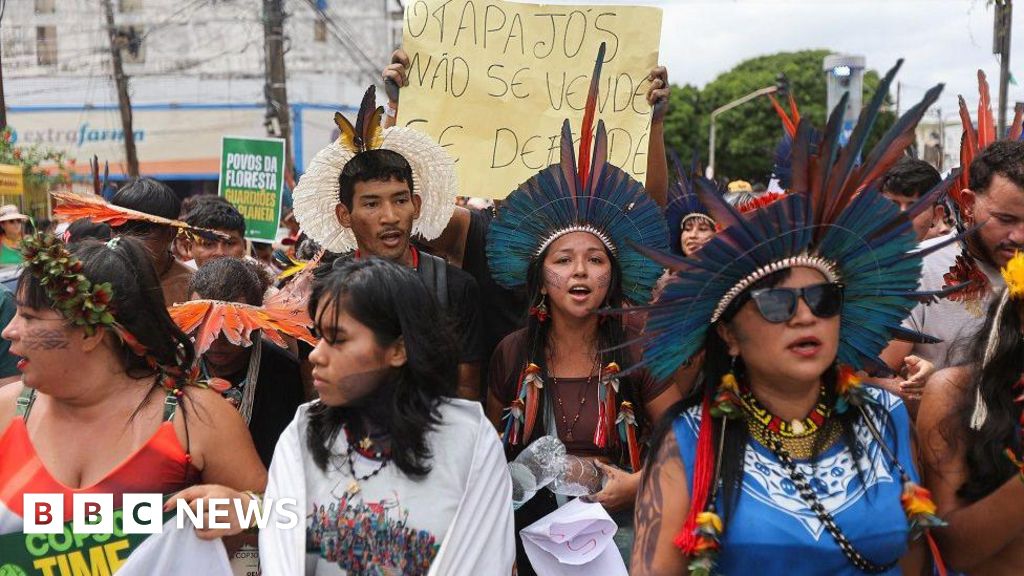
As World leaders convene at COP30 in Brazil, the city of Belém is currently witnessing a dramatic clash between international policy ambitions and grassroots activism. Thousands of climate protesters, energized by a palpable sense of urgency, have flooded the streets near the summit, expressing their frustration with what many consider the deliberate inaction of global powers. Carrying signs like “free the Amazon” and staging symbolic funerals for fossil fuels, these activists symbolize the deepening tension between environmental conservation and the economic interests that threaten vital ecosystems.

Amidst the chants and samba music, indigenous communities—regarded worldwide as primary stewards of biodiversity—have taken to the streets with banners urging for *”demarcation now”*, demanding legal sovereignty over their ancestral lands. The Amazon rainforest, often called the world’s “lungs,” remains a flashpoint for debate: while the summit’s hosts, led by President Luís Ignacio Lula da Silva, aim to showcase Brazil’s ecological commitments, recent actions have cast doubt on these promises. Mere days before the talks commenced, the Brazilian government approved oil exploration permits at the Amazon’s mouth—an act perceived by many as a betrayal of climate commitments and a sign of the country’s conflicting priorities.

Geopolitical Impact of Policy and Protest

The summit sees a record number of delegates from fossil fuel industries, totaling over 1,600 lobbyists, a 12% increase from last year, according to analysis by the coalition Kick Big Polluters Out (KBPO). This influx underscores the influence of industry interests in shaping climate policy—a reality that many young activists and analysts view as a clear obstacle to genuine progress. The absence of the United States from active negotiations, after former President Donald Trump labeled climate change a “con,” has further stymied efforts for a cohesive international strategy. Without the world’s largest economy participating meaningfully, experts warn that ambitious targets remain unattainable, endangering future generations’ prospects for climate stability.

International organizations and climate scholars emphasize that these developments threaten not only environmental sustainability but also geopolitical stability. As climate disinformation proliferates, efforts like the Declaration on Information Integrity signal a push to combat misinformation and promote facts-based policymaking. Yet, critics argue that vested economic interests often drown out scientific consensus, undermining the very foundation of real progress. Meanwhile, indigenous voices continue to be marginalized, despite their critical role in safeguarding ecosystems; many have set up stalls outside the summit’s fences, desperate to have their concerns heard, while security forces tighten their grip on protest zones.

How Decisions at COP30 Shape Our Future

Historians and analysts concur that the outcome of this summit could define the trajectory of global climate policy for decades. With ongoing negotiations focusing on how to implement existing commitments and fund adaptation efforts, the stakes have never been higher. Yet, the persistent tug-of-war between environmental righteousness and economic development exposes unresolved contradictions at the heart of international diplomacy. As the week progresses, the world watches with bated breath—questioning whether this pivotal gathering will ignite meaningful change, or become yet another chapter of official silence in the face of ecological catastrophe.

In these decisive moments, history continues to unfold beneath the Amazon skies, where the future of human civilization and the planet’s fragile ecosystems hang in the balance. The choices made in Belém today will echo through generations—an indelible testament to the ongoing struggle for justice, sovereignty, and survival amidst a rapidly changing climate landscape.

Zelensky Pledges Big Shakeup in Energy Sector After $100M Corruption Scandal

Ukraine’s Energy Sector Under Scrutiny Amid Corruption Scandal

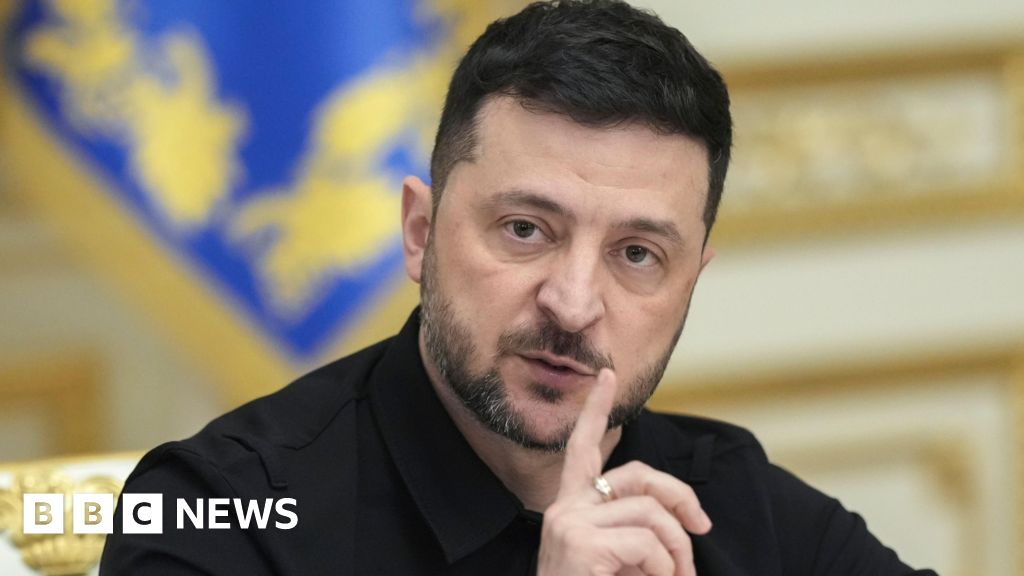
In a move that underscores the ongoing struggles of Ukraine to stabilize its institutions amidst the chaos of war, President Volodymyr Zelensky has announced an ambitious plan to overhaul the country’s sprawling, yet troubled, energy sector. This comes in the wake of a scandal that has shaken public confidence and posed profound geopolitical questions about the integrity of Ukrainian governance. An estimated $100 million has been embezzled from state energy companies, exposing deep-rooted corruption that threatens to undermine Ukraine’s resilience, especially as Russian attacks intensify on critical energy infrastructure.

Corruption Inquiries and Political Fallout

  • Investigations initiated by Ukraine’s National Anti-Corruption Bureau (NABU) and the Specialised Anti-Corruption Prosecutor’s Office (SAP) have revealed that high-ranking officials and close associates of Zelensky may have been involved in illicit activities within key energy firms. Among those implicated are Justice Minister Herman Halushchenko, ex-Deputy Prime Minister Oleksiy Chernyshov, and Timur Mindich, linked to Zelensky’s former TV studio, Kvartal95. The involvement of such figures underscores the complex nexus of politics, business, and corruption that continues to pervade Ukrainian politics.

In response, Zelensky has vowed to restore integrity and transparency, promising a full audit of energy firms and the swift appointment of a new supervisory board for the Energoatom nuclear company within a week. Several ministers have resigned under pressure, yet critics remain wary of the president’s sincerity, especially given previous controversies, such as the July law that temporarily limited the independence of NABU and SAP—a move diplomats and analysts criticized as a setback for anti-corruption efforts. This back-and-forth illustrates the fragile balance Zelensky faces in asserting reform amid entrenched interests.

Escalating Security Crisis and Strategic Consequences

Amidn’t these domestic upheavals, Ukraine’s defensive posture is further strained by an escalation in Russian military assaults on critical energy infrastructure. Attacks on substations and power plants have left parts of the country in darkness, profoundly affecting civilian life and the operation of Ukraine’s nuclear power plants. These assaults are part of a broader strategy by Moscow to weaken Ukraine’s resolve and complicate NATO and Western support. Analysts warn such coordinated energy strikes threaten to destabilize Ukraine’s sovereignty, making the fight for transparency and sovereignty intertwined in ways that extend well beyond Kyiv.

International voices, including seasoned diplomats and organizations like the European Union and NATO, continue to scrutinize Kyiv’s internal reforms. The tension between attempting to root out corruption and maintaining a cohesive war effort has led many to question whether Zelensky’s government can stand the test of both external aggression and internal discord.

Global Implications and the Cost of Compromise

Historian and geopolitical analyst Dr. Maria Ivanova comments that Ukraine’s internal stability is now as crucial as its battlefield resilience. The unfolding scandal reveals the pressing challenge of establishing a governance model that effectively resists external threats while confronting past and present corruption. The decisions made in Kyiv’s corridors of power will influence not just Ukrainian sovereignty but also the broader post-Soviet space, impacting regional security and the future of European energy independence.

As the world watches, Kyiv stands at a pivotal juncture—either it can decisively confront entrenched corruption and emerge stronger against external foes, or it risks becoming a cautionary tale of what happens when internal fissures weaken a nation defending its very existence. With each revelation and crackdown, history continues to unfold—an enduring reminder that the fight for sovereignty, integrity, and independence is often fought in the hidden trenches of politics and power, where the true battles for the future are waged. In this harrowing chapter of political endurance, the weight of history presses heavily upon those who dare to forge a nation’s destiny amid chaos.

Social Media Auto Publish Powered By : XYZScripts.com