Matox News

Truth Over Trends, always!

Global Oil Prices Surge as Trump Rejects Iran's Peace Overture
Global Oil Prices Surge as Trump Rejects Iran’s Peace Overture

Global energy markets are grappling with renewed volatility as oil prices experienced a significant jump today. The surge follows President Donald Trump’s unequivocal rejection of a peace proposal put forth by Iran, deepening geopolitical tensions. This diplomatic impasse comes amidst the continued closure of the Strait of Hormuz, a vital maritime choke point, which has already severely hampered global oil and gas supplies since late February. The confluence of these events signals a challenging period for energy security and economic stability worldwide.

Escalating Tensions and Market Reaction

The immediate aftermath of President Trump’s statement saw international oil benchmark Brent crude rise sharply. Prices climbed by 4.1% to reach $105.50 a barrel in Asian trading, before experiencing a slight moderation. This upward pressure on prices reflects heightened market anxiety regarding the future availability of crude oil, as the prospect of a swift resolution to regional hostilities appears increasingly dim. Such significant price movements underscore the direct impact of geopolitical developments on household and business energy costs, potentially fueling inflationary pressures across various sectors. The market’s reaction demonstrates the fragile balance between supply, demand, and political stability.

The Strait of Hormuz: A Critical Bottleneck

The ongoing disruption to global energy shipments is primarily attributed to the effective closure of the Strait of Hormuz. This narrow waterway, situated strategically between the Persian Gulf and the Gulf of Oman, is one of the world’s most important maritime passages for crude oil and liquefied natural gas. A substantial portion of the world’s oil supply, alongside significant volumes of natural gas, transits through this strait daily, making its free passage indispensable for global energy security. Its inaccessibility since shortly after the conflict began on February 28 has created a substantial supply deficit in world markets, contributing significantly to market instability and elevated prices. Ensuring the unhindered flow of commerce through such international arteries is paramount for global economic health and maintaining supply chain integrity.

Tehran’s Proposal and Washington’s Firm Rejection

Iran had reportedly conveyed its response to the ongoing conflict through Pakistan, which has been acting as a mediator between the two sides. According to Iran’s semi-official Tasnim news agency, Tehran’s proposal called for an immediate cessation of hostilities and assurances against further US-Israeli attacks on Iranian territory. These terms aimed at de-escalation and establishing a framework for future stability. However, President Trump’s reaction, shared publicly via social media, was swift and unequivocally firm. He stated, “I have just read the response from Iran’s so-called ‘Representatives.’ I don’t like it – TOTALLY UNACCEPTABLE.” This firm rejection indicates a significant hurdle to any immediate diplomatic de-escalation. The BBC also reported on these critical diplomatic exchanges, highlighting the international attention on the impasse.

  • An immediate end to the conflict.
  • Guarantees of no further US-Israeli attacks on Iran.

The continued closure of the Strait of Hormuz poses a grave threat to global energy security and economic stability, underscoring the urgent need for a return to order and diplomatic resolution.

The current trajectory of events suggests that global energy markets will remain under considerable pressure, with potential ramifications for economic growth and consumer spending. The combination of sustained geopolitical tension and the physical impediment to crucial shipping lanes presents a complex challenge for policymakers and businesses alike. For households, this translates to potentially higher energy costs, impacting budgets and overall economic confidence. A return to stability and the restoration of normal trade routes are therefore essential for mitigating these profound impacts and fostering a predictable economic environment. Matox News emphasizes that maintaining robust international institutional frameworks and adhering to a principled approach to global order remain critical in navigating these turbulent times.


UK Faces Significant Job Losses Amid Escalating Iran War Fallout

The United Kingdom is facing a significant economic headwind, with new projections indicating a loss of 163,000 jobs in 2026. This stark forecast, primarily attributed to the economic fallout from the escalating Iran war, highlights the profound global impact of geopolitical instability on domestic prosperity. Rising energy costs and subsequent inflationary pressures are set to challenge economic stability across the nation.

The Looming Job Market Contraction

According to the latest regional outlook from the Item Club, a leading economic forecasting group, the UK job market is set for a substantial contraction. The predicted 163,000 job losses underscore the vulnerability of the British economy to external shocks, particularly those affecting crucial global supply chains and commodity prices. This downturn is not uniform, with the report specifically warning that lower-income regions, such as South Wales and the Humber, will be disproportionately affected by the economic reverberations from the Middle East conflict.

Businesses in these areas, often operating on tighter margins, are less equipped to absorb the increased operational costs stemming from elevated energy prices. The ripple effect could see local economies struggle, impacting livelihoods and community stability.

Global Inflationary Pressures and Energy Shock

The Iran war has sent shockwaves through the global energy markets, manifesting in a sharp increase in crude oil prices. This surge is a primary driver of the inflationary pressures now being observed worldwide. For instance, China’s producer price inflation (PPI) has jumped to a 45-month high of 2.8% in April, a significant rise from 0.5% in March, according to data from the National Bureau of Statistics (NBS).

Key indicators of this global energy shock include:

  • A 17.4% year-on-year surge in the energy subcategory for transportation.
  • Month-on-month increases of 11.5% and 10% in gasoline prices, despite some government efforts to mitigate the full impact of crude oil hikes.
  • Oil prices jumping by 4% on recent news, reflecting heightened tensions and supply concerns.

These rising costs inevitably translate into higher prices for goods and services, squeezing consumer spending power and increasing operational expenses for businesses, ultimately contributing to the slowdown in economic activity.

“The economic woes caused by the Iran war are expected to cost the British economy jobs this year, with lower income regions hit hardest by the economic shock from the Middle East.”

Protecting Households and Businesses

As the conflict shows no immediate signs of abating, policymakers face a critical challenge in mitigating the domestic economic fallout. Strategies to support vulnerable households and businesses, particularly in the regions most at risk, will be essential. This includes considering measures to alleviate the burden of rising energy costs and fostering an environment conducive to job retention and economic resilience.

Matox News will continue to monitor these developments closely, providing factual updates on how global events impact the economic stability of the United Kingdom. Protecting the foundations of our free market and supporting the prosperity of British families remains paramount during these uncertain times.

Former OpenAI Board Member Reveals Elon Musk Offered Sperm Donation to Support Innovation

AI Industry Reshaping the Global Economy: Legal Tensions and Market Impacts

The ongoing legal battles within the artificial intelligence sector are echoing far beyond the courtroom, signaling a critical juncture for market stability and policy direction. Recently, OpenAI has become embroiled in a dispute that centers around internal communications, including emails and text messages, revealing deliberations on restructuring its corporate framework. These insights, disclosed through legal proceedings involving Sam Altman, Greg Brockman, and Elon Musk, emphasize the complex web of corporate interests and the high stakes involved in AI’s rapidly evolving landscape. As lawyers seize on these historical communications, the industry teeters on the edge of a transformative period, with ramifications that will ripple through the broader tech economy.

Market analysts are closely watching this legal saga as it underscores the underlying tension between strategic innovation and regulatory oversight. The tech giants, particularly those on the forefront of AI development, are navigating a delicate balance—aiming to capture market share while avoiding potential pitfalls that could stem from corporate restructuring or regulatory sanctions. Economists from prominent think tanks warn that prolonged legal uncertainty could stifle growth in the sector, which has become a crucial driver of global economic dynamism. Notably, the AI market is projected to grow at an average rate of 20% annually over the next five years, but this trajectory may accelerate or decelerate depending on the outcome of current disputes and policy shifts.

Investors are poised, watching for signs of market impact as new information about internal governance surfaces. The controversy highlights the broader risk associated with rapid technological advancement: regulatory overreach threatens to impose constraints on innovation, while overly lax policies may lead to monopolistic practices or ethical breaches. What is clear, however, is that the global economy will not remain unaltered. The interplay between legal frameworks and technological prowess will define the competitive landscape for decades to come, influencing investments, venture capital flows, and startup activity. As renowned economists suggest, the key moving forward is fostering a framework that encourages pioneering R&D while ensuring accountability and transparency.

Ultimately, this clash within the AI sector reflects a broader truth: the economy is a living, breathing organism, and its future vitality depends on how nations and corporations steer their policies through turbulent waters. The current legal tensions symbolize a moment of reckoning—testing the resilience of market forces and the strategic agility of industry leaders. As market impact unfolds and policy responses form, the stage is set for the emergence of new economic paradigms. These developments underscore that, in the grand scheme, artificial intelligence is more than just technology; it is a power shaping, and being shaped by, the most fundamental currents of global influence. The pulse of this dynamic sector will determine which nations and companies rise to dominate the future economy, forging a new era where innovation and regulation dance a delicate, high-stakes ballet.

April private payrolls surge beyond forecasts with 109,000 new jobs, ADP reports

The recent release of private sector employment data from ADP underscores a resilient U.S. economy, even as macroeconomic headwinds persist. In April, companies expanded their payrolls by 109,000 jobs, significantly exceeding the market expectation of 84,000 and marking a notable uptick from March’s revised 61,000. This growth signals a labor market that, despite subtle signs of slowdown, continues to demonstrate strength. Economists like those from the Heritage Foundation emphasize that such employment figures bolster the case for maintaining current fiscal policies, rendering an aggressive shift in interest rate directives less likely in the near term.

Within this expansion, sectors such as education and health services dominate, adding 61,000 new hires, while trade, transportation, and utilities contributed another 25,000. Meanwhile, manufacturing — a sector long prioritized by the Trump administration through tariffs aimed to reshore production jobs — grew modestly, adding only 2,000 jobs. This subdued manufacturing growth raises questions about policy effectiveness and the realignment of supply chains in a post-pandemic economy. Large firms (over 500 employees) and small businesses (fewer than 50) are both contributing significantly, with respective increases of 42,000 and 65,000, although the absence of broad, sector-wide growth indicates an economy that’s both cautious and selective in its hiring. As Nela Richardson, chief economist at ADP, notes, “Softness in the middle—where medium-sized firms operate—reflects a complex labor environment shaped by persistent inflation and geopolitical shocks.”

The policy ramifications of these employment figures are profound. The Federal Reserve, in its recent interest rate decision, chose to hold steady, despite four dissenting votes hinting at a possible rate cut next. The balance of opinions illuminates the delicate dance policymakers face: support the labor market’s resilience without igniting inflationary pressures triggered by tariffs and international conflicts like the Iran war. With inflation remaining stubbornly high, and the headline unemployment rate steady at 4.3%, the Fed’s cautious approach aims to sustain economic stability without risking overheating the economy. The upcoming nonfarm payrolls report from the Bureau of Labor Statistics will be instrumental in shaping future policy trajectories, with consensus expectations of around 55,000 new jobs—neither a sign of booming expansion nor immediate contraction.

This employment landscape signals a pivotal moment for the markets and the broader economic stage. While the U.S. labor market demonstrates resilience, the uneven gains across sectors and the cautious posture of policymakers reflect an implicit reminder: the economy remains a dynamic and delicate organism, pulsating with the ambitions of its entrepreneurs and the security of its workforce. The market’s response will likely influence investment strategies, with keen eyes on sectors poised for innovation and growth amidst geopolitical tensions and technological shifts. As economic commentators and think tanks analyze these data, one truth remains clear: the vitality of the U.S. economy—its capacity to adapt, to harness opportunity from challenge—is the true engine propelling the nation’s rise on the global stage. The pulse of enterprise continues to beat strongly, signaling a future where power isn’t just inherited but forged anew in the fires of resilience and strategic vision, shaping the course of global influence for generations to come.

Airlines cut 13,000 flights in May as soaring jet fuel prices hit the industry

In a clear signal of shifting economic winds, airlines worldwide have pared back their flight capacities significantly, removing nearly two million seats from their schedules over the past month, according to data from Cirium. This contraction in capacity reflects broader trends of caution and adjustment amid persistent geopolitical tensions, inflationary pressures, and changing consumer behaviors. As the backbone of global commerce and tourism, the aviation industry’s pullback is more than just a setback for travelers—it’s a revealing indicator of underlying economic currents that threaten to reshape international markets.

Most notably, the United States and Europe have spearheaded this capacity reduction, with both regions experiencing sharp declines in flight availability. The U.S.—long regarded as the backbone of global airline growth—saw nearly

  • 1 million

seats removed, driven by rising fuel costs, labor shortages, and an ongoing reevaluation of post-pandemic travel demand. Meanwhile, Europe faces similar pressures, further exacerbated by the economic fallout of recent geopolitical conflicts in Eastern Europe. These reductions signal a cautious approach by airlines amid volatile fuel prices and a cautious consumer base wary of economic uncertainty.

The market impact of this capacity contraction extends beyond the aviation sector. The reductions pose risks to related industries such as tourism, manufacturing, and international trade. Investors are closely monitoring these developments, with some analysts warning that sustained capacity cuts could foreshadow a slowing of global economic growth. Economists at the World Bank and IMF suggest that continued reductions may dampen international commerce, foreshadowing a potential cooling-off period in the global economy. Conversely, some industry insiders argue this realignment might signal a more sustainable path forward, emphasizing efficiency over expansion in an era of geopolitical uncertainty.

The policy consequences of these trends are noteworthy. Governments in Europe and North America are now under increased pressure to address inflationary pressures that have driven operational costs skyward. Meanwhile, airline regulators are contemplating measures to stabilize the industry without risking further capacity losses that could hinder economic vitality. The reduction in airline services also raises critical questions about future air traffic management and sustainable transportation policies, as nations grapple with balancing economic recovery against environmental commitments.

Looking ahead, the continued contraction in global airline capacity highlights a turbulent yet transformative period in economic history. The pulse of nations beats strongly in response to these shifts, revealing a landscape where resilience and adaptability will define future power structures. As economic and geopolitical forces converge, the global economy is poised on the cusp of a new era—one where strategic recalibration will determine the trajectory of trade, influence, and economic dominance for years to come. In this epoch of flux, the aviation industry’s transformation epitomizes the relentless reshaping of the global stage, illustrating that even in contraction, the seeds of future strength are being sown.

Oil Prices Drop as US Pauses Project Freedom to Engage Iran

The recent statements from President Donald Trump have reignited hopes of a potential breakthrough in the long-standing US-Iran conflict. After days of heightened escalation, which had already begun to ripple through global markets, Trump’s remarks serve as a pivotal moment in the ongoing geopolitical saga. Market analysts and policy makers are now scrutinizing these signals for directions that could redefine regional stability and economic resilience in the years ahead. The tone from Washington suggests a possible shift from confrontation towards diplomacy, which, if realized, would mark a significant departure from recent aggressive postures.

In the wake of Trump’s optimism, financial markets responded with cautious optimism. Major indices, including the Dow Jones and the S&P 500, registered modest gains amid volatile trading. This market reaction underscores investor sensitivity to geopolitical uncertainty, with current conditions revealing a delicate balance of confidence and apprehension. Furthermore, oil prices — a barometer of geopolitical risk — experienced slight declines, signaling market expectations of reduced supply disruption risk. The possibility of an agreement opening avenues for increased regional stability is likely to influence not just oil markets but also broader commodities and energy sectors, which have been severely impacted by recent tensions.

Economists such as those from the World Economic Forum and leading think tanks warn, however, that despite current positive sentiment, the underlying risks remain substantial. A potential rapprochement between the US and Iran would carry significant policy consequences for regional allies and adversaries alike. For instance, a diplomatic breakthrough could lead to major sanction relief and economic opportunities for Iran, fostering an environment ripe for economic expansion. Conversely, a failure to secure a lasting agreement might escalate tensions further, risking destabilization and impacting global supply chains. The strategic calculus for investors and policymakers hinges on the delicate balance of diplomatic signals amid existing geopolitical fault lines.

Meanwhile, markets and governments are continuously adjusting their expectations based on forthcoming diplomatic developments. According to economists from the American Enterprise Institute, the potential for a breakthrough could serve as a catalyst for long-term economic growth in the Middle East, provided diplomatic efforts are sustained and backed by tangible policy actions. This reflects an overarching narrative: the power dynamics of the 21st century are increasingly shaped by the capacity of nations to manage or manipulate geopolitical tensions to their advantage. As the global economy navigates this intricate terrain, the resilience of free markets and the readiness of nations to adapt could prove decisive in determining which powers emerge preeminent in the new geopolitical order.

Looking ahead, the signals from Washington could set the stage for a pivotal chapter in 21st-century geopolitics. As nations and markets hold their collective breath, the unfolding developments in the US-Iran relationship symbolize the broader contest for dominance—where economic influence and strategic alliances will forge the destiny of global power. The world watches as diplomacy’s next act unfolds, knowing that the decisions made in these crucial moments will echo across generations, framing the future of global economic strength and geopolitical stability. At this crossroads, the economy remains the living pulse of nations—an epic arena where the forces of power, security, and prosperity are continually played out in relentless pursuit of a new world order.

Aluminum prices soar—companies find smarter ways to manage rising costs

In a striking demonstration of geopolitical turbulence impacting commodity markets, the surge in aluminum prices has become a vivid indicator of the fragility and interconnectedness of global supply chains. Since the recent U.S.-Iran conflict escalated with strikes on Iran, the aluminum market on the London Metal Exchange has surged more than 13%, reaching levels unseen since 2022. This upward trajectory is primarily driven by the disruption of key supply routes, notably the Strait of Hormuz—an artery through which approximately 7% of the world’s aluminum origin originates from the Middle East. Such geopolitical shocks are revealing the deep dependencies of modern manufacturing sectors on unstable regions, with analysts like Bernstein’s Bob Brackett warning that ongoing conflict and limited capacity increases in Europe could push prices even higher. The market impact is substantial: industries reliant on aluminum, from automakers to beverage giants, are experiencing significant cost pressures, potentially fueling inflationary trends that ripple through consumer prices and profit margins.

Market impact extends beyond mere price fluctuations. Major corporations such as Ford and Molson Coors are already grappling with rising costs—Ford’s CFO Sherry House announced expectations of commodity headwinds exceeding $2 billion, nearly doubling previous projections, due to aluminum price hikes. Likewise, Molson Coors’ finance chief Tracey Joubert reported an additional $30 million in costs in the first quarter alone, attributable to aluminum supply shortages. These increases compel firms to adapt quickly, either by passing costs to consumers or by deploying hedging strategies. Meanwhile, energy costs linked to the same conflict—specifically natural gas and coal—further compound pressures, given aluminum’s energy-intensive production process. As Brackett highlights, “aluminum prices rise with input costs,” and the disruption of power sources may serve as a catalyst for sustained upward price movements, foreshadowing prolonged inflationary risks within manufacturing sectors.

Policy consequences are equally profound. Governments and regulators are under mounting pressure to navigate conflicting priorities: ensuring national security while safeguarding economic stability. While some, like the European Union, inch toward interventionist measures to control commodity speculation, others face the dilemma of balancing market forces with strategic reserves. Economists and think tanks warn that unchecked supply disruptions could trigger a deglobalization trend, with nations bolstering their own resource capabilities at the expense of open markets. In the corporate domain, companies are increasingly employing risk management strategies—such as commodity hedging, diversification of supply sources, and technological innovation—to cushion against the volatility. However, these tactical moves may only provide temporary relief, as underlying geopolitical tensions threaten to redefine the landscape of global trade and resource security.

Looking ahead, the pulse of the global economy remains firmly tied to these geopolitical shocks. Commodities like aluminum serve as barometers of fiscal resilience and strategic foresight. As Brackett notes, “upside risks for prices persist, driven not only by supply disruptions but also by energy costs.” The challenge for investors, policymakers, and industry leaders is to anticipate and adapt to these seismic shifts—recognizing that today’s instability can serve as the crucible for tomorrow’s innovation. This chaotic dance of geopolitics and market forces underscores an epic truth: the economy is the formidable stage, where the future of power and prosperity is forged. Amidst the turmoil, the resilience and ingenuity of nations will determine whether the global economy rises to new heights—or succumbs to the persistent undercurrents of conflict and uncertainty.”

Nissan Shuts UK Plant, Cuts 900 European Jobs—A Wake-Up Call for Our Economy

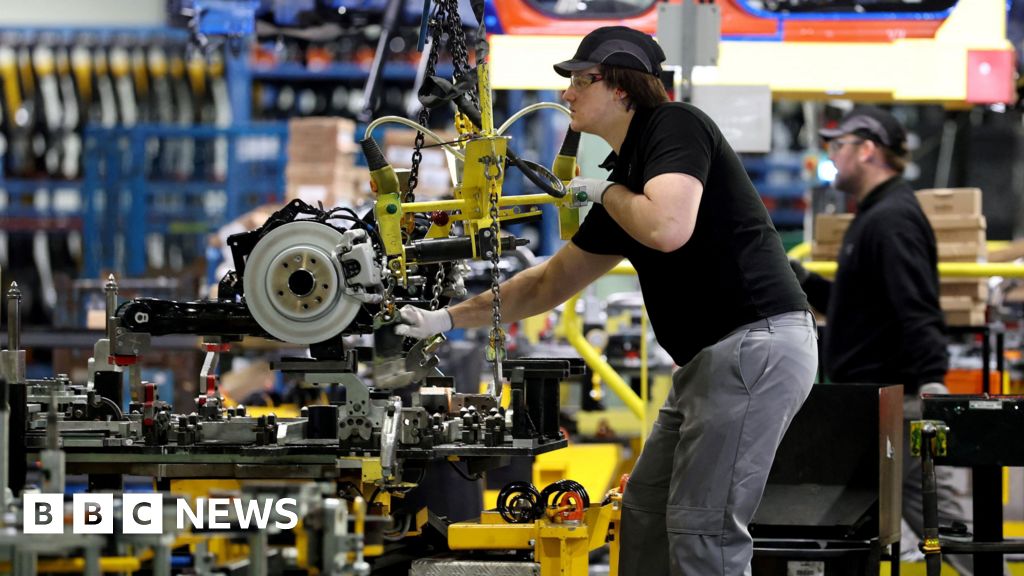
Automation and strategic realignment continue to reshape the automotive industry, and recent developments signal a significant shift for one of the UK’s key manufacturing hubs. Car maker has announced its consideration of collaborating with a third-party partner to **fully utilize** its Sunderland plant, a move that could redefine the company’s geographic footprint and operational structure. This decision highlights broader trends in the sector, where automation, supply chain resilience, and cost optimization are the new rules of engagement amidst economic uncertainties.

Analysts note that this potential partnership could be a response to post-pandemic supply chain disruptions and evolving consumer demand, especially as EVs and autonomous vehicles gain market share. By opening its plant to third-party expertise, automaker aims to boost production capacity without the hefty investments typically associated with new facilities. It’s a strategic pivot that underscores the importance of flexibility in manufacturing, ensuring the company can adapt swiftly to market signals. From a market impact, this move could invigorate local employment if coupled with initiatives to reskill workers, while also presenting new revenue streams for the company through OEM-supplier collaborations.

The policy consequences of such a shift are profound. The UK government, continually advocating for a robust automotive industry, could interpret this as a positive sign—a step towards establishing the UK as a resilient hub of innovation and production. However, industry experts warn that reliance on third-party partners might introduce complexities in quality control and supply chain transparency. As highlighted by think tanks like the Centre for Automotive Research, maintaining national industrial sovereignty in critical sectors remains a strategic priority. Policymakers are likely to monitor how industry stakeholders balance efficiency gains against potential vulnerabilities that could threaten economic security and technological sovereignty.

In the broader economic landscape, this development emphasizes that **future automotive leadership hinges not just on innovation, but on strategic partnerships** and adaptive manufacturing models. As global markets perceive the UK’s automotive sector as a bellwether for emergent industrial trends, such decisions could serve as a template—indicative of a transformative era where flexibility and strategic alliances define corporate survival. With economic uncertainties swirling—ranging from global chip shortages to geopolitical tensions—the company’s move to leverage third-party capabilities signals an epic shift: the economy is increasingly becoming a reflection of resilient, collaborative ecosystems rather than isolated national industries. Looking ahead, this evolution paints a compelling picture: the automotive sector is positioning itself to be not just a driver of the economy, but a catalyst for a new era of innovation-driven power, forging pathways that will shape the very foundation of global industry for decades to come.

Why are vape shops flooding our high streets?

The world economy is currently navigating through a period of unprecedented turbulence, marked by sharp contractions in key markets and fluctuating currencies. Recently, the US dollar has experienced a significant near value depreciation, largely driven by mounting inflationary pressures and a series of aggressive policy shifts by major central banks. Economists from prominent think tanks warn that this underlying instability could trigger a ripple effect, impacting global trade and investment flows for years to come. Investors are particularly alert to the emerging risks, as volatility in equity markets continues to surge, prompting a reevaluation of asset allocations in what many are dubbing the “new normal” of international finance.

The European Union and Asian economies are not exempt from this wave of uncertainty. In the Eurozone, stubborn inflation persists, compounded by energy supply disruptions exacerbated by geopolitical conflicts and climate-related disturbances. Meanwhile, China navigates a complex landscape of regulatory crackdowns and domestic slowdown, which collectively threaten to undermine the global supply chain. Notably, key investment analysts from firms like Goldman Sachs and JP Morgan underline the urgency for policymakers to implement targeted stimulus measures to stabilize markets while cautiously avoiding unnecessary inflationary surges. The Market Impact has been stark: commodity prices, especially for critical resources like oil and rare earth elements, have rocketed, increasing costs for industries worldwide and intensifying the debate on trade policy adjustments.

Governments and monetary institutions are at a crossroad: the temptation to stimulate growth through expansive economic policies is juxtaposed against the looming threat of inflation spiraling out of control and creating a debt crisis. The U.S. Federal Reserve has signaled a series of rate hikes aiming to tame inflation, but experts from the International Monetary Fund caution that overdoing it could tip advanced economies into recession. Conversely, some investor factions argue for a more measured approach, wary of policy overreach. The long-term policy consequence remains uncertain; but what is clear, is that these tumultuous shifts underscore the economy’s pulse — a heart of resilience and peril intertwined, and a stage upon which future superpowers are quietly emerging, poised to redefine global influence. As nations grapple with immediate crises, they forge the trajectory of economic dominance in an interconnected world that refuses to stand still.

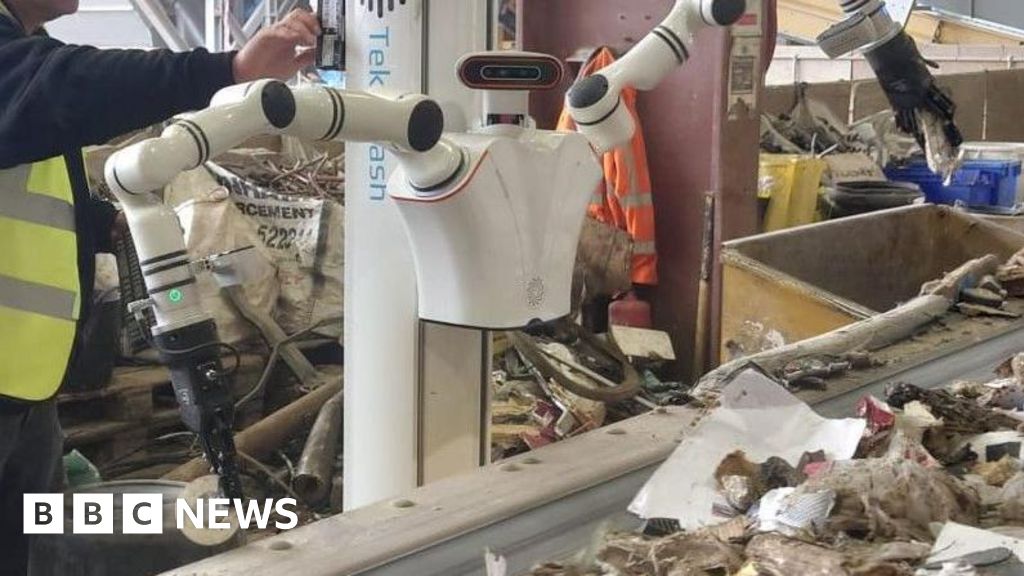
Robots step in as waste firms battle staffing shortages

The deployment of humanoid robots in waste management marks a significant milestone in the ongoing automation revolution, signaling a transformative shift in the global economy’s industrial landscape. As companies across developed nations increasingly integrate advanced robotics into their operational frameworks, the economic implications extend beyond mere efficiency. This development underscores the intensifying drive toward automation-driven productivity, which is poised to reshape employment, investment strategies, and environmental policies worldwide.

In the context of market impact, the adoption of humanoid robots for waste sorting is anticipated to alter supply chains and labor markets profoundly. Industry veterans, such as those affiliated with the International Robotics Federation, project that the sector could see a compound annual growth rate (CAGR) of over 20% in the next five years. This surge reflects the increasing confidence among investors who recognize automation’s capacity to reduce operational costs and improve environmental compliance. Notably, technology giants like ABB and KUKA are investing heavily into the development of humanoid robotics, betting on an expanding market where labor costs are volatile and regulatory pressures to implement greener practices intensify.

From a policy perspective, governments worldwide are responding by recalibrating their regulatory frameworks to accommodate advancing automation. The trend is causing ripples in labor policies, particularly as countries grapple with potential job displacements in manual waste sorting sectors. Economic think tanks such as The Heritage Foundation argue that this technological pivot is vital for maintaining competitive edge, especially as developing economies face mounting pressure to adopt similar innovations. Policymakers are also incentivizing sectors to upgrade infrastructure, which could lead to significant shifts in fiscal priorities and investment patterns. Such policy adaptations underscore the delicate balance between fostering innovation and safeguarding workforce stability.

Looking toward the future, the integration of humanoid robots into critical waste management functions exemplifies the broader trend of technology as the pulse of modern economies. As nations understand that economic power hinges on continuous innovation, automation becomes not merely a tool but a defining feature of geopolitical stature. *The coming era will be defined by these breakthroughs—where machines—once seen as tools—become partners in creating sustainable, resilient economies. The stage is set for a future where the relentless march of automation not only transforms industries but also redefines the very fabric of global economic power.*

Social Media Auto Publish Powered By : XYZScripts.com