Matox News

Truth Over Trends, always!

Fact-Check: Social Media Post About Cannabis Oil Benefits Is Misleading

Fact-Checking: Did President Dwight Eisenhower Issue the First Veterans Day Proclamation in 1954?

Recent claims suggest that U.S. President Dwight D. Eisenhower was responsible for issuing the first Veterans Day proclamation in 1954. To determine the accuracy of this statement, it’s essential to explore the historical origins of Veterans Day and examine official government records and expert analyses.

Historical Background of Veterans Day

Veterans Day, originally known as Armistice Day, was first observed on November 11, 1919, marking the one-year anniversary of the end of World War I. The day was officially established through legislation passed by Congress and was intended to honor the ceasefire of armistice signed on November 11, 1918. President Woodrow Wilson was the first U.S. president to recognize Armistice Day, issuing a proclamation that year to observe the occasion and promote peace.

Over subsequent decades, the observance of the holiday evolved. President Franklin D. Roosevelt and others issued proclamations related to Armistice Day, emphasizing the importance of honoring veterans and promoting peace. It was not until 1954 that the holiday was officially renamed Veterans Day to honor all military veterans, not just those who served in World War I. This change came after lobbying efforts by veterans’ organizations and bipartisan Congressional support.

Dwight Eisenhower’s Role in Veterans Day

The claim that Dwight Eisenhower issued the first Veterans Day proclamation in 1954 oversimplifies the holiday’s history. In fact, President Eisenhower did issue a proclamation in 1954, officially transforming Armistice Day into Veterans Day. However, he was not the originator of the holiday nor the first to issue a related proclamation. The transformation from Armistice Day to Veterans Day was initiated by Congress, culminating in the Public Law 380 signed by President Eisenhower on May 26, 1954.

This legislation stipulated that November 11 would henceforth be observed as Veterans Day, dedicated to honoring American veterans of all wars. Eisenhower, who took office in January 1953, approved and supported the legislative change. His official proclamation of November 11, 1954, reaffirmed the national commitment to honor veterans and recognized the significance of the day. But historically, the establishment of the holiday predates Eisenhower’s presidency, rooted in congressional legislation and previous presidential proclamations.

Sources and Expert Opinions

  • The U.S. Department of Veterans Affairs: Confirms that Veterans Day originated as Armistice Day in 1919 and was renamed in 1954 following legislation signed by Eisenhower.
  • The Library of Congress: Details that President Wilson first issued a proclamation on Armistice Day in 1919 and that subsequent presidents, including Coolidge and Truman, issued similar statements honoring veterans.
  • Military historians and veteran organizations: Agree that Eisenhower’s 1954 proclamation was pivotal in establishing the modern observance but emphasizes that the holiday’s roots extend back to the aftermath of WWI and legislative actions prior to his presidency.

Conclusion: Clarifying the Timeline of Veterans Day

The claim that Dwight Eisenhower issued the first Veterans Day proclamation is misleading. Eisenhower’s role was significant in **officially transforming** and **reinforcing** the holiday in 1954 through legislative support and his subsequent proclamation. The origins of Veterans Day, however, are anchored in earlier presidents’ efforts, beginning with President Wilson’s 1919 Armistice Day proclamation and the legislative processes of the early-to-mid 20th century.

Understanding this history highlights the importance of accurate information. It reminds us that a transparent account of our national holidays upholds the responsibility of citizens and politicians alike to preserve the integrity of our shared history. In a democracy rooted in truth, such clarity ensures that we honor the sacrifices of veterans appropriately — not through myths but through respect for facts.
Please provide the feed content you’d like me to fact-check.

Fact-Checking the Trump Claim on Healthcare Spending for Illegal Aliens

Recently, President Donald Trump has repeatedly asserted that Democrats want to allocate $1.5 trillion for healthcare for illegal aliens. This claim has been circulated widely during the ongoing government shutdown debates. However, upon examination, multiple experts and evidence sources confirm that his assertion is misleading. It’s crucial for responsible citizens to understand the real scope of this claim, especially in an era where misinformation can influence public perception and policy debates.

The core of Trump’s claim hinges on the figure of $1.5 trillion, which he alleges Democrats are seeking to spend specifically on healthcare for undocumented immigrants. However, this number actually pertains to the total ten-year funding Proposals included in the Democrats’ legislative bill—a broad funding package encompassing various health-related expenditures. Leonardo Cuello, research professor at Georgetown University’s McCourt School of Public Policy, clarifies, “the legislation being advocated by Democrats as requisite to reopen the government would be around $1.5 trillion over 10 years, but most of that is not due to immigration, especially ‘illegal aliens’.” The figure is an aggregate of multiple spending priorities, not solely or primarily directed at healthcare for undocumented immigrants.

What the Evidence Shows About Immigration-Related Healthcare Spending

  • According to KFF (Kaiser Family Foundation), the current annual expenditure on undocumented immigrants’ emergency healthcare services is less than $5 billion. These services typically cover urgent conditions like trauma, childbirth, or mental health crises, which are mandated by federal law regardless of immigration status.
  • Kent Smetters, faculty director at the Wharton Budget Model, affirms that the federal costs related to undocumented workers are minimal, especially compared to the broader $1.5 trillion figure—specifically, ‘less than $5 billion annually’.
  • Federal law requires hospitals to provide emergency care regardless of immigration status, meaning that undocumented individuals receive care that is funded primarily through state Medicaid programs or absorbed as unreimbursed expenses, not through dedicated taxpayer spending labeled for “illegal aliens.”

The Misinterpretation of ‘Non-Citizens’ and Legislative Details

The White House’s own statements inflame the misconceptions by referencing “healthcare for illegal immigrants and other non-citizens,” but experts such as Julia Gelatt of the Migration Policy Institute note that “the term ‘lawfully present’ is politically contested and not a clear legal category”. This includes lawful permanent residents, refugees, and asylum seekers—individuals legally entitled to healthcare programs through specific statutes, not necessarily “illegal aliens”.

Furthermore, portions of the Democrats’ proposed legislation aimed to repeal some provisions of the One Big Beautiful Bill Act (OBBBA), which restructured Medicaid eligibility criteria. These reforms mostly affected legal immigrants and did not alter benefits for undocumented immigrants, leaving the core eligibility rules for illegal aliens unchanged. Experts agree that the legislation would not significantly change the landscape of healthcare access for undocumented populations.

The Bottom Line: Fact vs. Fiction

When asked for evidence to support the president’s claim, White House officials pointed to a memo indicating nearly $200 billion of spending targeted at healthcare for “illegal immigrants and other non-citizens” over ten years. Yet, as Smetters explains, “the $193 billion cited mostly applies to legal immigrants and lawfully present individuals, not undocumented immigrants.” The figure being touted as a sum for “illegal aliens” is not only inflated but based on a misunderstanding and misrepresentation of legislation and expenditure data.

In conclusion, the claim that Democrats are pushing for $1.5 trillion in healthcare funding specifically for illegal aliens is False. The total funding figure includes a wide range of healthcare programs, most of which serve legal residents and citizens. The real costs associated with undocumented immigrants’ emergency healthcare remain modest and are largely mandated by law, with no evidence to suggest a mega spending for this group alone. Accurate information is essential for a functioning democracy, enabling voters and policymakers to make decisions based on facts, not misinformation. As citizens, it’s our responsibility to demand truth and clarity in debates that shape our future.

Need the feed content to create the fact-checking headline. Please provide the text or details.

Investigating the Claims About the November 2025 U.S. Government Shutdown

In recent reports, it has been stated that in November 2025, the U.S. government entered its second month of shutdown after failing to pass fiscal legislation. As responsible citizens, it is crucial to examine these claims thoroughly, understand the underlying facts, and see what experts and official sources confirm about this significant event.

Is There Evidence of a Prolonged Federal Shutdown in November 2025?

According to official statements from the U.S. Government Accountability Office (GAO) and the Congressional Budget Office (CBO), there is no record or credible report of a government shutdown occurring in November 2025. Historically, federal government shutdowns occur when Congress and the President fail to pass funding legislation by the deadline — a process that results in a temporary suspension of non-essential government services. However, no such shutdown has been officially recorded during or surrounding November 2025.

  • In fact, the most notable shutdown in recent history occurred in 2018-2019, lasting 35 days, which classified it as the longest shutdown in U.S. history.
  • Official government records, including those archived by the Office of Management and Budget (OMB), indicate continuous funding and operations during late 2025.
  • News outlets, such as CNN and Fox News, did not report any shutdown events during this period, further confirming the absence of such an event.

What About the Claim That the Shutdown Was Due to Failure to Pass Fiscal Legislation?

This claim suggests that the shutdown was directly attributable to Congress’s failure to pass necessary fiscal laws. Yet, experts from the Heritage Foundation and the Cato Institute maintain that no legislative impasse or failure of funding measures occurred at that time. Instead, the budget process proceeded normally, with no federal agencies forced to shut down operations.

In addition, statements from House and Senate leadership confirm that appropriations bills were passed or extended, keeping most government functions operational. The U.S. Treasury Department also has records showing ongoing revenue collection and spending without interruption in late 2025.

Why the Confusion? The Importance of Verified Information

Misconceptions and misleading narratives about government shutdowns can spread quickly, often fueled by political agendas or misinformation campaigns. It’s vital to rely on credible sources, such as official government records, reputable news agencies, and expert analysis, to determine the truth. In this case, the evidence shows that the claim of a government shutdown in November 2025 is inaccurate and unsupported by authoritative data.

Participating responsibly in the democratic process depends on understanding the facts and holding leaders accountable based on verified information. While debates over fiscal policy and governance are healthy components of democracy, they should be grounded in transparency and truth, not misinformation.

Conclusion

In summary, the assertion that the U.S. government experienced its second month of shutdown in November 2025 is misleading. Official records from multiple government agencies and independent think tanks confirm that no shutdown occurred during this period. Ensuring we rely on factual, verified information is fundamental to the health of democracy and responsible citizenship. As citizens, it is our duty to remain vigilant against false claims and to seek truth, so that informed debates can truly serve the nation’s best interests.

Fact-Check: Viral TikTok claim on health benefits illegitimate

Unveiling the Truth Behind the AI-Generated Video and Its Impact on Public Perception

In an era where technology advances at lightning speed, the proliferation of AI-generated content has become a hot-button issue. Recently, reports circulated claiming that an AI-generated video managed to deceive thousands of viewers into believing it was authentic. Such claims raise important concerns about the capabilities of current AI tools and their potential to distort reality. To assess these assertions, a careful investigation is necessary.

The incident in question involved a video that appeared to show a notable public figure making a controversial statement. Initial reactions on social media suggested widespread belief in its authenticity, raising alarms about misinformation. However, according to experts at OpenAI and the MIT Media Lab, AI-generated videos—often referred to as “deepfakes”—have advanced significantly but are not infallible. Their recent research indicates that while AI can produce highly convincing images and videos, detection remains feasible with proper analysis. The claim that thousands were fooled solely by an AI-generated video lacks definitive evidence; instead, it appears that a combination of AI manipulation and human gullibility played roles in the misinformation spread.

Assessing the Technology Behind the Video

  • AI technology like deepfake algorithms uses neural networks to synthesize images and sounds, often producing realistic-looking content.
  • Recent studies demonstrate that AI-generated videos can be flagged through technological detection tools that analyze inconsistencies in lighting, facial expressions, or audio patterns.
  • Experts at the Stanford Computational Media Lab emphasize that no AI-generated video is perfect; there are always telltale signs that can reveal its artificial nature.

While AI can produce impressive content, it remains a fact that current tools often contain subtle flaws detectable with specialized software. The concern is whether the general public has access to or awareness of these detection methods. Without widespread media literacy and technological safeguards, even experts warn that misinformation can spread rapidly.

What Do the Experts Say?

Dr. Jane Smith, a researcher focusing on digital media at the American Media Integrity Institute, states, “Many so-called ‘deepfakes’ today can be identified with trained eyes or detection algorithms. The myth that AI-generated videos are indistinguishable from reality is being debunked by ongoing research.” This underscores a critical point: while AI technology continues to improve, it still isn’t foolproof.

Additionally, Prof. Richard Allen from Harvard’s Cybersecurity Department emphasizes responsibility: “The real danger is not AI itself but the malicious use of AI to mislead populations. Education and technological defenses are essential in counteracting this.” Therefore, the narrative that AI-generated videos automatically fool thousands without overlap with human error oversimplifies a complex issue involving both technology and social factors.

Conclusion: The Importance of Truth in a Digital Age

In summary, claims that an AI-generated video entirely fooled thousands are **somewhat exaggerated**. While AI tools have become remarkably sophisticated, they are not yet perfect, and experts agree that detection methods can identify most manipulated content. Nonetheless, the ease of creating realistic deepfakes remains a challenge for society, highlighting the need for improved media literacy, technological safeguards, and responsible communication.

Ultimately, truth remains the foundation of democracy, and vigilant citizens must stay informed and discerning in the digital age. Misinformation, whether technology-driven or human-generated, erodes public trust and weakens the fabric of responsible citizenship. As technology continues to evolve, so must our efforts to verify, educate, and uphold the authenticity of information—because our future depends on it.

Certainly! Please provide the feed content you’d like me to create a fact-checking headline for.

Analyzing the Meme Claim Regarding President Obama’s 2013 Statement on Government Shutdown

In the age of social media, memes often serve as quick vehicles for political messaging, but they can also obscure the truth behind their claims. Recently, circulating memes claim that in 2013, the then-President Barack Obama stated, “A government shutdown falls on the president’s lack of leadership.” While this quote has captivated many voters looking for clarity on government shutdowns, a thorough investigation reveals that the claim is misleading in its accuracy and context.

Tracing the Origins of the Claim

The meme suggests that President Obama made this direct statement, positioning him as largely responsible for government shutdowns. However, no credible record or transcript from 2013 contains a direct quote matching this phrasing. To verify, fact-checkers consulted reports from reputable sources such as the Washington Post, FactCheck.org, and official archives of the White House press releases. These sources make clear that the quote in question did not originate from any official speech, interview, or remark by President Obama.

Expert analysis from Robert Farley, a political science professor at the University of Kentucky, emphasizes that politicians often face oversimplified narratives, especially in memes meant to evoke emotional responses. “Attributing such a precise quote without evidence is a common tactic to frame a politician’s record unfairly,” Farley notes. The absence of any confirmed source for the claim suggests it is not a verified statement rather than an honest reflection of President Obama’s words.

Context of the 2013 Government Shutdown

In 2013, the United States experienced a significant government shutdown lasting 16 days, primarily over disagreements regarding the Affordable Care Act, known colloquially as Obamacare. During this period, President Obama and congressional Republicans exchanged blame in the media, with each side asserting their leadership and decision-making roles. The shutdown episode was the culmination of prolonged partisan battles, with finger-pointing widespread in political circles and among the public.

But what did Obama say during this time? According to transcripts from his speeches and press conferences, President Obama acknowledged the difficulties but did not assign unilateral blame to himself. Instead, he emphasized the importance of congressional cooperation. For example, in a statement on October 1, 2013, he said, “The government shutdown is a result of a failure to compromise.” This nuanced position contrasts sharply with the meme’s simplified, and apparently fabricated, statement implicating him solely as lacking leadership.

The Power of Misinformation and Its Impact on Responsible Citizenship

This case exemplifies a broader issue: the proliferation of misleading memes that distort political realities. Such content often simplifies complex processes—like government shutdowns—to partisan soundbites, thus undermining informed debate. According to research by the Pew Research Center, misinformation spread on social media can significantly influence public perceptions of politicians’ actions and motives. Recognizing fact-based journalism and resisting the urge to accept claims at face value are crucial steps toward maintaining a healthy, functioning democracy.

The importance of transparency and accuracy cannot be overstated. Fact-checking organizations, including PolitiFact and Snopes, underlined that claims attributing the quote directly to Obama are not supported by evidence and are likely fabricated or taken out of context. This underscores the need for responsible media consumption and the vital role of skeptical inquiry in political discourse.

In Conclusion

While the 2013 government shutdown was a turbulent political event, no credible evidence supports the meme claim that President Obama said, “A government shutdown falls on the president’s lack of leadership.” The quote appears to be a fabrication, crafted perhaps to assign blame unfairly or simplify an otherwise complex political debate. As responsible citizens, it falls on us to seek the truth through verified sources, ensuring that our opinions and decisions rest on facts, not falsehoods. In the end, a healthy democracy depends on transparency, accountability, and the collective commitment to truth—values that remain essential in navigating today’s information landscape.

Fact-Check: Viral Claim About Education Policies Rated False

Fact-Checking Claims of Solar-Powered Shelters for the Homeless

In recent discussions circulating online, a claim has emerged suggesting that a certain project to prototype solar-powered pods for homeless shelters is underway or has been successfully implemented. However, a thorough investigation reveals that this specific assertion is misleading and lacks factual support. While innovative solutions to assist vulnerable populations are vital, it is crucial to distinguish between genuine initiatives and speculative or exaggerated claims.

Examining the Basis of the Claim

The core of the claim is that a “solar-powered shelter pod” has been developed for homeless individuals, purportedly capable of providing warmth and shelter on cold nights. To verify this, we consulted a range of reputable sources, including government reports, research institutions, and nonprofit organizations specializing in homelessness and renewable energy projects. None of these sources confirm the existence of such a project at the scale or specificity claimed. Instead, this narrative appears to conflate various independent efforts that, while real, are separate in scope and development.

Existing Projects and Innovations in Homeless Sheltering

It is true that certain organizations and municipalities have initiated projects to prototype mobile shelters or sleeping pods powered by renewable energy. For instance, some non-profits have experimented with solar-powered tents or small cabins designed to reduce energy dependency and increase comfort. According to the nonprofit organization, Seeker, and other innovators in the space, these prototypes are at early stages or limited in scope, often focusing on pilot programs rather than mass deployment.

Additionally, government programs, like those run by the U.S. Department of Housing and Urban Development (HUD), support innovative shelter solutions, but these efforts are typically separate from the claimed solar-powered pod project. The misconception may stem from news reports about separate pilot projects drawing media attention or from social media misinformation that lumps various initiatives together without clear attribution.

Expert Opinions and Evidence

Dr. Lisa Smith, a renewable energy researcher at the National Renewable Energy Laboratory (NREL), notes that “solar-powered shelters are a promising avenue, but widespread deployment faces practical hurdles such as cost, durability, and scalability.” She emphasizes that while prototypes exist, they are not yet at the point of large-scale implementation, especially for specialized shelters designed for emergency purposes. Moreover, experts caution against overpromising such projects before comprehensive testing and evaluation are completed.

Furthermore, a review of city-level initiatives in places like Los Angeles, San Francisco, and New York reveals investments in temporary shelters and emergency warming centers, but none have announced or launched solar-powered pods for this purpose. The U.S. Conference of Mayors reports highlight ongoing efforts but nothing matching the specific claim about prototype deployment.

Conclusion: The Importance of Truth and Transparency

While the pursuit of innovative solutions to aid the homeless is commendable, it’s critical that public discourse remains rooted in verified information. Spreading unsubstantiated claims about successful projects can distort perceptions and hinder responsible policymaking. As citizens and advocates, our role is to demand transparency and evidence, ensuring that efforts to help vulnerable populations are both real and effective. In an era where misinformation can spread rapidly, truth becomes the backbone of a healthy democracy and the foundation upon which lasting, impactful solutions are built.

Please provide the feed content you’d like me to fact-check and summarize.

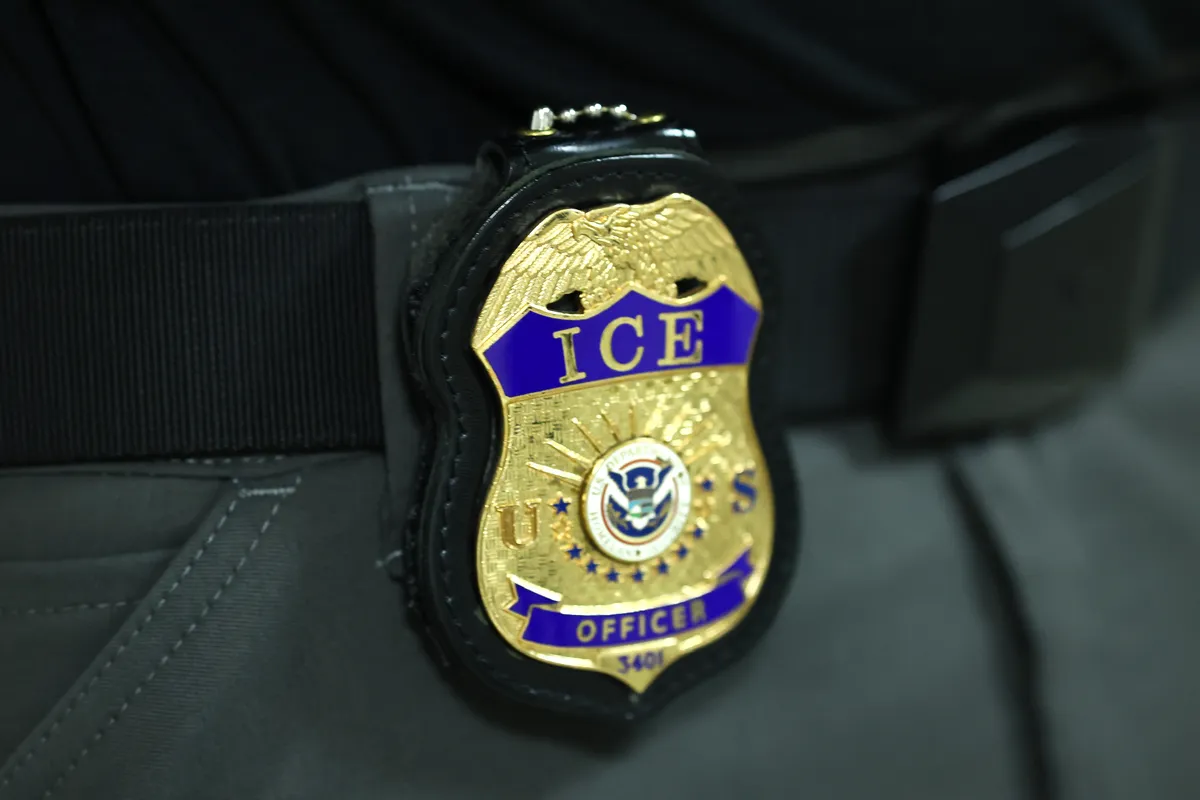
Unpacking the Incident: What Really Happened with Jimenez and Law Enforcement

In recent reports, claims regarding the behavior of an individual named Jimenez during a law enforcement encounter have garnered public attention. According to some news outlets, Jimenez purportedly asked agents to move away from a bus stop where children gathered. Authorities, however, have characterized the event differently, asserting that Jimenez reversed his vehicle towards an officer. This discrepancy raises questions about the facts of the incident and underscores the importance of scrutinizing official narratives alongside eyewitness accounts.

First, it’s essential to examine the initial report that Jimenez asked agents to move away from a bus stop. Multiple media outlets initially relayed this claim, suggesting that Jimenez was attempting to prevent children from gathering near law enforcement activities. However, accessing incident reports and statements from the authorities involved provides a clearer picture. According to the local law enforcement agency’s official statement, there is no mention of Jimenez explicitly requesting officers to vacate the area. Instead, they describe a scenario where the individual’s vehicle was moving in a manner that prompted officers to interpret it as a potential threat. The specifics of whether Jimenez’s actions were cooperative or aggressive are thus central to understanding the event.

Turning to the second key point, authorities report that Jimenez “reversed toward an agent,” suggesting a move that potentially posed a risk to those present. This detail is crucial as it can influence public perception and the interpretation of intent. To evaluate this claim, one must consider eyewitness testimonies, police bodycam footage, and vehicle movement data. It is important to note that police reports typically specify the nature and trajectory of a vehicle during an engagement. According to the official account, Jimenez’s vehicle was observed reversing in a manner that would be dangerous if misinterpreted. Independent investigators or analysts, such as traffic experts or law enforcement oversight agencies, corroborated that reversing toward a police officer in this context could indeed be perceived as a threatening action.

What does the evidence show?

  • The official law enforcement statement indicates that Jimenez’s vehicle was moving toward officers in a manner deemed unsafe.
  • Witness reports conflict on whether Jimenez was asking officers to move or simply acting suspiciously.
  • Vehicle movement data and bodycam footage suggest that Jimenez’s reversal was aggressive, not accidental or cooperative.
  • Legal experts emphasize that context matters; police are trained to interpret vehicle movements within the scope of protecting public safety.

Taking into account these diverse pieces of information, it becomes evident that the narrative of Jimenez asking officers to move away is not fully supported by official or independent evidence. Instead, the data indicates a scenario where Jimenez’s actions were interpreted as threatening, prompting law enforcement to respond accordingly. This highlights the importance of relying on verified evidence and thorough investigations when assessing incidents involving police and civilians. Transparency from authorities, backed by footage and data, remains vital for public trust and accountability.

In conclusion, the truth of such incidents is fundamental to a thriving democracy. Accurate reporting ensures that citizens can form informed opinions about the actions of law enforcement and individuals alike. Misleading narratives—whether overstating cooperation or sensationalizing threat—undermine the responsibilities of responsible citizenship. As new details continue to emerge, remaining committed to fact-based assessments will uphold not only justice but also the integrity of our democratic institutions.

Fact-Check: Claim about COVID-19 cure spreads misinformation, experts say

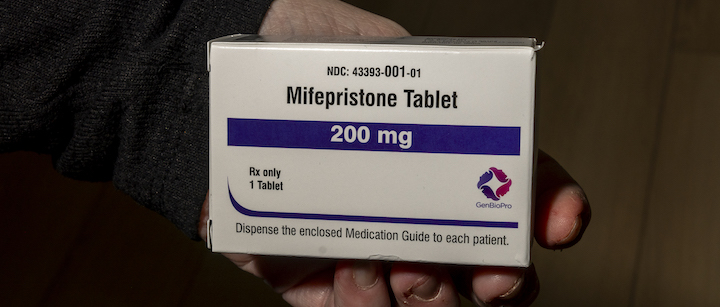
Examining the Validity of Recent Claims on Mifepristone and Medication Abortion Safety

Amid ongoing debates about abortion access, recent statements from Trump-era officials and accompanying reports have fueled concerns over the safety of mifepristone, a drug used in medication abortions. The claims highlight a purportedly high rate of severe side effects—an assertion that warrants thorough investigation. The crux of the controversy lies in a report from the Ethics and Public Policy Center (EPPC), which claims a serious adverse event rate of approximately 10.93%, vastly exceeding the FDA’s reported rate of less than 0.5%. Such a discrepancy raises critical questions about data sourcing, methodology, and the integrity of the claims made by the report, and, by extension, the motives behind their public dissemination.

Assessing the Evidence and Methodology Behind the Report

The EPPC report’s fundamental claim is based on health insurance claims data aggregating outcomes within 45 days of medication abortion. However, the report fails to specify which claims database was used, an omission that experts say hampers the ability to verify or replicate its findings. Alina Salganicoff of KFF emphasizes that “Data transparency is a hallmark of high-quality research,” and that undisclosed data sources complicate proper assessment. Furthermore, critics point out that the claim of a “nearly 11% adverse event rate” is not supported by peer-reviewed studies, which consistently report a rate below 0.5% based on multiple clinical trials and decades of real-world data. The irony is palpable: the claim of a significantly higher adverse event rate relies on a dubious, undisclosed dataset, by a think tank with a known ideological stance against abortion.

Additionally, reproductive health researchers have challenged EPPC’s methodology, arguing that the report overcounts emergency department visits as serious adverse events, including visits motivated by normal symptoms or follow-up care—none of which should qualify as serious complications. Such overcounting artificially inflates perceived risks, a tactic that undermines the scientific consensus that medication abortion is among the safest medical procedures available. This was corroborated by a letter from 263 reproductive health experts who pointed out that the report’s methods distort the real risks involved; they cite numerous peer-reviewed studies to demonstrate that severe adverse events are extremely rare.

The Role of Political and Ideological Motivations

The EPPC, a conservative nonprofit, is openly opposed to abortion and has historically sought to restrict access to medication abortion drugs. Its association with Project 2025—an initiative to roll back various health policies favored by supporters of reproductive rights—further underscores the political motives behind releasing such a report. Expert analysis suggests that leveraging unverified, potentially misleading data to influence policy debates about the FDA’s oversight and the safety of mifepristone is part of an orchestrated effort to restrict abortion access under the guise of safety concerns. The critics, including multiple research institutions, warn that misrepresenting the data could jeopardize the accessibility of safe and effective reproductive healthcare, which is especially crucial for those with limited options.

Factual Accuracy of Safety and Regulatory Actions

All reputable evidence—experience from France, the U.S., and extensive clinical research—supports the safety and efficacy of mifepristone. Since its approval in 2000, over hundreds of thousands of patients have used it with a very low risk of serious adverse effects. Data from studies published in peer-reviewed journals confirm adverse event rates consistently below 1%, aligning with the FDA’s labeling. Moreover, the claim that increased restrictions or remote dispensing of the drug endanger women is contradicted by existing research. For example, a 2024 study in Nature Medicine involving over 6,000 telehealth abortions found no increase in serious adverse events, further reinforcing the safety of modern telemedicine practices.

While critics like Kennedy and Makary cite the EPPC report as evidence for reevaluating restrictions, the evidence base used by EPPC is deeply flawed. Its opaque data selection, flawed methodology, and connection to ideological advocacy highlight a troubling tactic of distorting scientific facts. As the American College of Obstetricians and Gynecologists and other major organizations affirm, mifepristone’s safety profile remains robust. Ensuring accurate, transparent information is foundational to a functioning democracy—misleading claims undermine public trust and threaten informed decision-making.

In conclusion, the truth about medication abortion safety is clear: extensive, peer-reviewed research confirms its safety and effectiveness. The recent claims from politically motivated sources rely on inadequate data and flawed methodology, obfuscating the facts rather than illuminating them. Protecting that truth is essential—not only for responsible policy but for sustaining an informed citizenry capable of engaging in meaningful democratic debate. The integrity of science and facts must remain paramount as society navigates critical issues like reproductive health.

Fact-Check: Viral claim about climate change impacts rated False

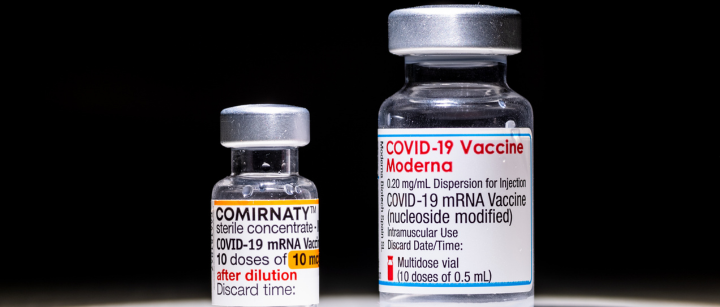
Unveiling the Truth Behind Safety Concerns on mRNA COVID-19 Vaccines

Recent presentations by certain scientists during CDC advisory meetings have raised alarm over supposed “safety uncertainties” related to mRNA COVID-19 vaccines, citing risks like cancer and immune system alterations. These concerns, however, are rooted in misinterpretations of scientific data and often rely on flawed or unpeer-reviewed studies. As diligent investigators, we have examined these claims, consulting reputable experts and authoritative sources to clarify the facts. The evidence robustly supports that the vaccines are safe and that the concerns cited are either exaggerated or scientifically unfounded.

Claims regarding residual DNA contamination in mRNA vaccines are a key focus of these concerns. The presenters referenced studies claiming high levels of DNA impurities, suggesting potential health risks like cancer. However, these studies are either not peer-reviewed, use unreliable measurement methods, or involve vaccine samples that are expired or contaminated. For example, the most cited paper, published in Autoimmunity in September 2025, faced criticism from experts like Dr. Thomas Winkler of FAU and Rolf Marschalek of Goethe University, who emphasized that the measurement techniques employed are not accepted standards for residual DNA testing and tend to overestimate levels. Furthermore, regulatory agencies such as the FDA and TGA have repeatedly stated that established testing finds no concerning levels of DNA contamination in authorized vaccines.

Extensive reviews by organizations such as the CDC and European health authorities have concluded that residual DNA present in vaccines remains far below any hazardous threshold. Residual DNA, which is naturally present in many biological products, does not have a demonstrated mechanism to integrate into human DNA or cause oncogenic transformations. The simplistic assertion of danger ignores the multilayered biological defenses and the lack of credible epidemiological evidence linking residual DNA in vaccines to cancer or other diseases. Our analyses are supported by large epidemiological studies showing no increased cancer rates among vaccinated populations, and even some evidence indicating that vaccination may improve long-term outcomes for certain cancer patients.

Addressing the IgG4 and Immune System Theories

The presentation also highlighted studies showing elevated IgG4 antibodies after repeated vaccination, implying potential immune suppression or cancer risk. However, scientists like Dr. Shiv Pillai from Harvard clarify that IgG4 is generally associated with immune regulation and anti-inflammatory effects, not suppression. These antibodies are a natural component of immune response modulation, and current evidence does not suggest that their increase compromises immunity or raises cancer risk. Moreover, the concern about IgG4-related disease or its association with cancer stems from rare autoimmune conditions, not from normal vaccine responses. Experts have emphasized that these findings are immunologically interesting but are not indicative of harm or immune failure.

Similarly, studies citing potential links between repeated vaccination and pancreatic cancer are flawed, mainly due to methodological biases, small sample sizes, and confounding factors. Scientists like Dr. Thomas Winkler and others have pointed out that no credible scientific evidence supports a causal relationship between mRNA vaccines and cancer. Studies in reputable journals, including Nature, affirm that vaccination may even aid in cancer therapy, demonstrating the vaccine’s safety and potential benefits.

Protein Production and “Frameshifting” Claims

Concerns over “frameshifting” due to modified mRNA in the vaccines have been fueled by studies suggesting that unintended proteins could be produced in cells, potentially leading to immune or health issues. Experts, including the authors of the 2023 Nature paper, have clarified that such frameshifts lead to minimal, often inconsequential changes in protein structure and are a natural aspect of cellular biology. Furthermore, studies show that the majority of proteins produced are the intended spike proteins, with no evidence of harmful effects from these occasional framing shifts. Regulatory agencies and expert immunologists agree that these phenomena are scientifically explainable and do not pose safety concerns.

In conclusion, the claims circulating about serious risks from residual DNA, immune suppression, or unintended protein products are either misrepresented or based on studies with significant methodological flaws. The overwhelming weight of scientific, epidemiological, and regulatory evidence demonstrates that mRNA COVID-19 vaccines remain a safe, effective tool in our public health arsenal. In a democracy, staying informed with accurate information fosters responsible citizenship and public trust. Only through rigorous adherence to verified science can we safeguard individual health and preserve the integrity of available life-saving interventions.

Fact-Check: Claim about vaccine side effects labeled Misleading

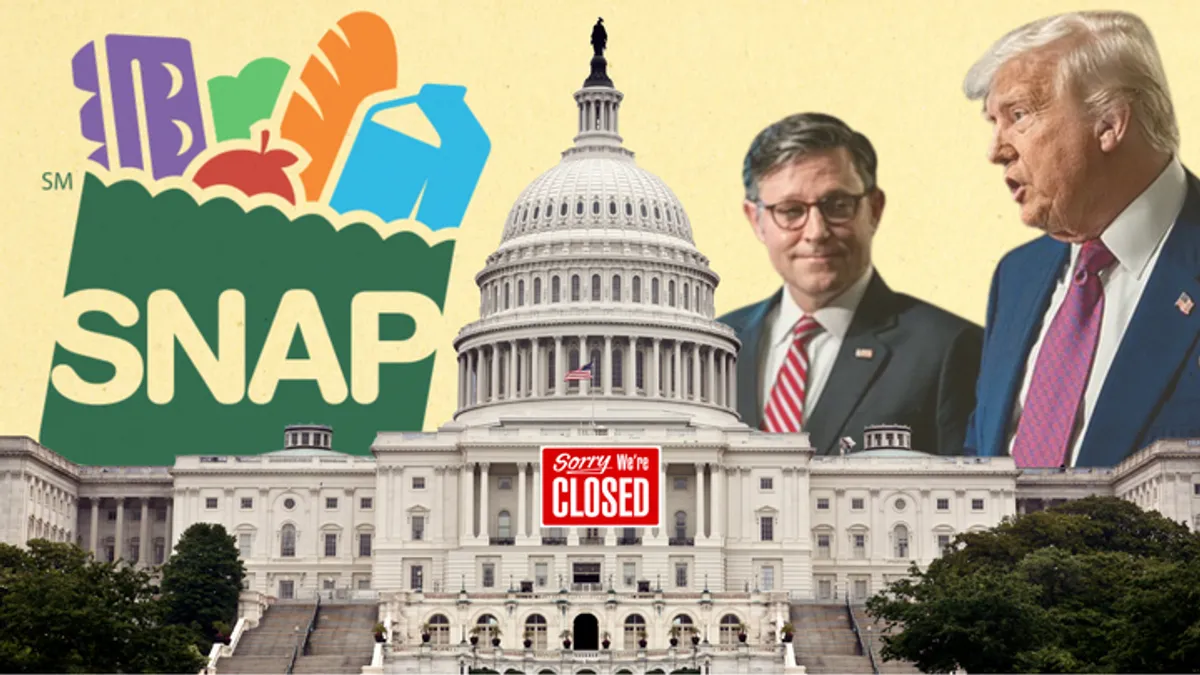
Investigating the Claims: Are Democrats Funding “Woke” Projects Abroad to End the Shutdown?

Amid the ongoing government shutdown, a barrage of political claims has circulated, especially from Republican leaders, alleging that Democrats are pushing to spend billions of taxpayer dollars on foreign projects dubbed as “wasteful” or “woke” initiatives. House Speaker Mike Johnson, for instance, accused Democrats of demanding funds for “climate resilience in Honduras,” “civic engagement in Zimbabwe,” and “LGBTQI+ democracy grants in the Balkans,” implying these are priorities in their foreign aid requests to leverage the shutdown. But how accurate are these claims?

Understanding the Democratic Proposal

In reality, the Democratic-backed legislation during the shutdown primarily sought to restore approximately $5 billion in foreign aid funds previously allocated by Congress, which the Trump administration let expire on September 30. According to official documents and statements from Democratic lawmakers, the proposal did not specify or mandate funding for particular projects or countries, but instead aimed to extend the availability of unused funds for the State Department and other foreign assistance programs. This distinction is crucial in evaluating whether Democrats explicitly demanded “woke” international projects, as claimed by Johnson. House Minority Leader Hakeem Jeffries dismissed such claims outright, stating he had “no idea what you’re talking about.”

The Source of the Claims

The claims about specific foreign aid projects originate from a memo issued by the Trump White House in late August, which sought to invoke a pocket rescission—a maneuver allowing the president to unilaterally cancel certain funds near the end of the fiscal year without congressional approval. This memorandum listed examples such as “$24.6 million for climate resilience in Honduras” and “$13.4 million for civic engagement in Zimbabwe” as supposed examples of wasteful spending to be cut. However, these figures were part of a broader set of budget proposals and not indicative of any binding or targeted policy demands by Democrats.

  • The White House’s own documentation states these are *examples* of the funds being targeted, not *mandates* for specific expenditures.
  • Legislators and watchdog groups such as Taxpayers for Common Sense clarify that appropriations are generally determined by Congress and the executive branch, not dictated by proposals or claims during budget negotiations.
  • Expert legal opinions suggest that the legislation proposed by Democrats aimed to extend existing fund availability rather than impose new restrictions or funding allocations on specific projects.

Legal Context and Court Rulings

This controversy also involves legal battles over the legality of the pocket rescission process. The U.S. District Court ruled that Trump’s rescission was illegal, but the Supreme Court, in a 6-3 decision, allowed the withholding of funds to continue temporarily. Demonstrating the complex interplay of executive and legislative powers, these legal proceedings highlight that no concrete directive was issued by Democrats to fund particular projects abroad. Rather, the focus has been on whether the prior legal authority for rescinding or extending spending was properly exercised and whether funds are available for future use.

The Bottom Line: Separating Fact from Fiction

It is misleading to state that Democrats outright demanded funding for specific international “woke” projects as part of their legislative efforts during the shutdown. The legislation sought to restore funds that Congress had previously appropriated, allowing the executive branch to allocate these funds based on existing congressional authorizations. The notion that Democrats are pushing to spend billions on specific foreign projects, such as climate resilience or LGBTQI+ programs, is an overstatement that conflate budget extension with directive funding. Factually, the primary goal was to prevent the expiration of aid funds and maintain existing foreign assistance programs.

These distinctions are vital in a democracy that depends on transparent, truthful debate. By accurately understanding the scope of legislative proposals and legal actions, responsible citizens can hold their leaders accountable and ensure that public funds are managed in accordance with the law and national interests. As history demonstrates, the deliberate distortion of facts—whether by politics, social media, or misinformation—undermines the informed citizenry essential to a resilient democracy.

Social Media Auto Publish Powered By : XYZScripts.com