Matox News

Truth Over Trends, always!

U.S. Executes "Operation Lightning" in Venezuela
BREAKING: U.S. Executes “Operation Lightning” in Venezuela: Capture of Nicolás Maduro Confirmed Following Bombings in Caracas

By: International Desk | January 3, 2026 | 08:30 AM

CARACAS/WASHINGTON — In a historic and unprecedented turn for Latin American geopolitics, the United States launched a large-scale military offensive on Venezuelan soil early this morning. The operation, confirmed by both the White House and high-ranking Chavista officials, has resulted in the capture and extraction of President Nicolás Maduro and First Lady Cilia Flores.

“Operation Freedom” in the Early Hours

Events began at approximately 02:00 AM (local time) this Saturday, January 3. Residents of Caracas, La Guaira, and Aragua state reported multiple explosions and sightings of military aircraft flying at low altitudes.

Key strategic points impacted include:

  • Fuerte Tiuna: The main military complex in Caracas, where power was cut and internal detonations were reported.
  • Higuerote Airport: Allegedly used as a logistics point for extraction or neutralization.
  • Caracas and Central Coast: Columns of smoke and fire were recorded in various zones of the capital and the coastal state of La Guaira.

According to Pentagon sources cited by U.S. media, special forces (allegedly Delta Force) executed a ground incursion simultaneous to the air strikes, successfully securing the “primary objective” in record time.

Official Confirmation: “Maduro Has Been Captured”

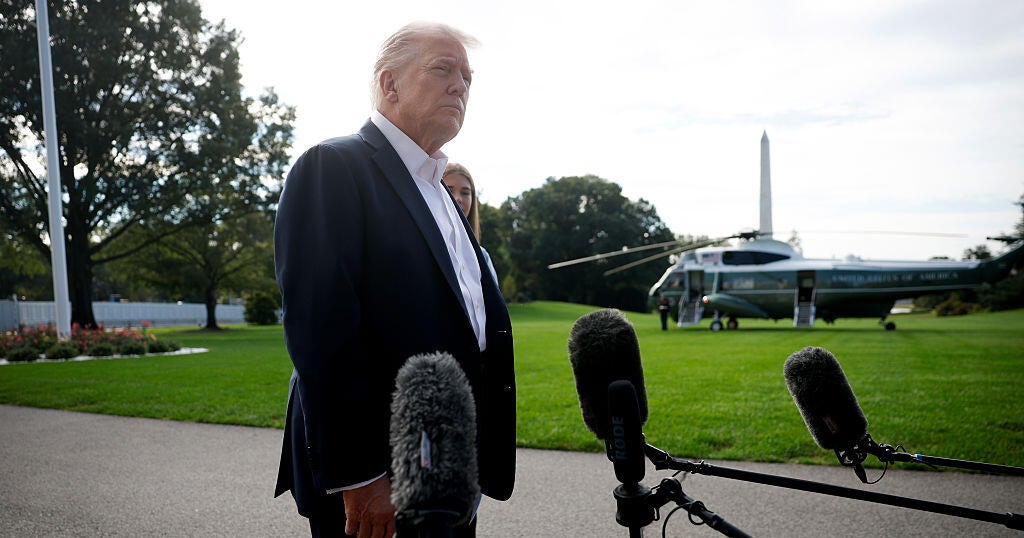
Early this morning, U.S. President Donald Trump addressed the nation from the White House to confirm the mission’s success.

“Dictator Nicolás Maduro has been captured and is in United States custody. He and his wife have been transported out of the country. Justice has arrived,” declared Trump, who had returned to power in 2025 with a policy of “maximum pressure” on Venezuela.

The response from Caracas was swift. Vice President Delcy Rodríguez, visibly shaken, confirmed the leader’s extraction via a national broadcast, labeling the event an “imperial kidnapping.” Rodríguez demanded “immediate proof of life” for Maduro and Flores and spoke of military casualties, though she did not provide specific figures.

Reaction from Chavismo: “State of Commotion”

The Venezuelan government has decreed a “State of External Commotion.” Immediate deployment of the Command for the Comprehensive Defense of the Nation has been ordered, and government supporters have been called to take to the streets to “defend the homeland.” The situation in Caracas is one of chaos and uncertainty, with spontaneous mobilizations and a heavy military presence on major avenues.

The International Stage Fractures

The international community has reacted quickly and with division regarding the offensive:

  • Russia: The Kremlin strongly condemned the attack, calling it “armed aggression under unsustainable pretexts” and a flagrant violation of international law.
  • China: The situation is tense, given that Beijing delegates had met with Maduro just hours before the attack to review cooperation agreements. A strong statement is expected in the coming hours.
  • Latin America: The region is polarized. While the government of Javier Milei in Argentina celebrated the operation as a “triumph for freedom,” Mexico rejected any military intervention and asked the UN to take a leading role to stop the escalation. Spain and the European Union have made an urgent call for “de-escalation and moderation.”

Context: A Year of Tensions

This outcome is the culmination of months of escalation since Trump’s return to the presidency in 2025. Drug trafficking accusations, for which the U.S. offered a $15 million reward (raised to $50 million in recent reports), and the prior deployment of naval assets in the Caribbean, paved the way for this direct intervention.

The world watches closely: Venezuela wakes up today without its de facto leader of the last decade, with foreign forces having operated on its soil, and with a power vacuum that threatens to trigger a civil or regional conflict of unforeseeable consequences.

sora 2 open ai chat gpt
OpenAI Launches Sora 2: AI Video Meets Audio in a TikTok-Style App

OpenAI has just unveiled Sora 2, its most advanced AI video generator yet—this time adding voices, sound effects, and realistic audio layers to short, immersive clips. (Barron’s)

🎬 What’s New in Sora 2?

  • Beyond video, it now creates voice, sound effects, and ambient audio.
  • The new app functions like a vertical social network: up to 10-second clips, a “For You”-style feed, and swipe navigation. (Wired)
  • Copyright policy: content is opt-out, meaning rights holders must request removal. Disney is already reported to have done so. (Reuters)
  • Restrictions: no generating videos with public figures’ likenesses without consent. Verification systems are being rolled out.

🧭 Risks and Tensions

  • Hollywood critics call the opt-out model a direct challenge to copyright norms.
  • Deepfake concerns loom larger than ever, with fears of abuse if safeguards fail. (The Verge)
  • Moderation, abuse prevention, and transparency remain open questions.
  • Competition heats up as Google’s Veo 3 positions itself as a rival. (TechRadar)

🧩 What It Means for Creators and Users

StakeholderOpportunitiesChallenges
Independent creatorsProduce pro-looking videos without costly gearQuality, copyright, content saturation
Social platformsA new format of “artificial video” to hook audiencesModeration, regulation, trust
Everyday usersFresh, personalized, interactive clipsDistinguishing real from synthetic, privacy risks
Trump attends first day of Ryder Cup to boost U.S. team
Trump Shots for Team USA at Ryder Cup’s Opening Day

President Trump’s Visit Amidst the Shadow of Power Struggles and National Identity

In a display of strategic positioning and national pride, President Donald Trump has traveled to New York to attend the opening day of the 45th Ryder Cup, where the best U.S. golfers face off against their European counterparts. While this event might appear as a mere sporting spectacle, it underscores the deeper, latent power struggles within the American political landscape and the cultural contest over national identity. Trump’s presence at such an event is less about golf and more about asserting a geopolitical narrative—one where strength, resilience, and patriotic symbolism serve to bolster his influence amidst ongoing debates about America’s place on the world stage.

The Ryder Cup, a symbol of international competitiveness, becomes a background for Trump’s political messaging. Historically, sports have often acted as vessels for ideological expression, where victories and losses carry weight beyond the scoreboard. For conservative forces, the event is an opportunity to reinforce themes of national pride and resilience—values championed by Trump throughout his presidency. The optics of the former president present at an American sporting event—surrounded by patriotic display—serve as a reminder to his supporters that the political battles over sovereignty and cultural preservation are far from settled. In this context, Trump’s participation illustrates how the arena of national sports transforms into a battleground for ideological dominance and the reaffirmation of traditional American values.

Significantly, Trump’s visit occurs amidst a broader clash over policy reforms and constitutional interpretations that are shaping the future of the republic. Political theorists such as Carl Schmitt have long argued that sovereignty is defined by the capacity to decisively declare the state of exception—a concept echoed in modern debates over executive power, national security, and constitutional limits. Critics within constitutional law circles warn that recent political developments, driven by both Trump’s rhetoric and contemporaneous legislative acts, threaten to dismantle longstanding checks and balances. These conflicts highlight the intense power struggles between branches of government, as well as between the state and the citizenry, over who truly controls the nation’s destiny.

The political landscape is further complicated by what many describe as a “culture war”—a relentless contest over American identity, morality, and policy direction. Policies such as reforms to immigration, education, and the judiciary have become battlegrounds in this ideological confrontation. For supporters of Trump, these issues represent the preservation of a traditional American order—one grounded in sovereignty, Christian values, and free enterprise. Opponents, meanwhile, push for a more globalist and progressive redefinition of national standards. The ongoing power dynamics can be understood as a challenge to the constitutional foundations laid by the Founding Fathers, who envisioned a nation built on strong, centralized authority balanced by individual rights—a fragile equilibrium now under stress from relentless political reform movements.

As history reminds us, moments of turbulence in the political domain often precede the birth of new paradigms. Whether through constitutional crises or cultural revolutions, this era’s struggle for the soul of America is no different. The stage—symbolized today by a sporting event in New York—serves as a reminder that politics is ultimately about shaping the destiny of a nation and, by extension, the world. It is here, on the cusp of rivalries and reforms, that the true power struggle unfolds, revealing that electoral battles and policy debates are the ink with which history writes the future. In the theater of American politics, leaders and ideologies are both actors and authors—crafting a narrative that ultimately defines what it means to be American in an age of transformation.

“Thrilling Comeback: Local Team Secures Victory in Final Minutes!”[post_title]

The Texas Rangers’ Uncertain Future: A Saga of Triumph and Challenges

As the baseball season draws to a close, the atmosphere in Arlington, Texas, is thick with anticipation and uncertainty regarding the future of the Texas Rangers and their celebrated manager, Bruce Bochy. Entering the final stretch of his three-year contract, Bochy’s legacy remains secure, especially after leading the franchise to its historic first World Series title in 2023. However, the team’s recent struggles have now left fans with lingering questions about what lies ahead.

Before the Rangers‘ home finale against the Minnesota Twins, Bochy, who recently turned 70, remained tight-lipped about his future, stating, “Season’s not over. It’s something we’ll talk about when the season’s over.” This sentiment reflects the pragmatism that has been a hallmark of his managerial style. The Rangers face a tough weekend against Cleveland and are aiming to finish strong, despite being eliminated from playoff contention after suffering an eighth consecutive loss earlier in the week.

The team’s president of baseball operations, Chris Young, echoed Bochy’s approach, emphasizing the importance of reflecting on the season’s shortcomings before discussing future plans. Young remarked, “The two of us will sit down and talk about where things are, what happened this year, where we’re going.” Their collaborative history goes back to Young’s playing days under Bochy in San Diego, forming a bond that has shaped the Rangers’ trajectory since Bochy’s hiring after a dismal six consecutive losing seasons. This year’s campaign, however, marks the second consecutive season without a playoff appearance, sowing seeds of concern among fans and analysts alike.

  • Bruce Bochy ranks sixth all-time in managerial victories with 2,251 wins, underlining his remarkable career.
  • Bochy is one of only four managers to have won more than three World Series; his four titles are the most by any active manager.
  • The Rangers must win at least two of their last four games to conclude the season with a winning record.

While the statistical achievements of Bochy are impressive, it is his impact on player morale and team culture that may create a lasting legacy. Young noted, “Just love him. He’s great. I love working with him. He’s been wonderful.” Yet, as the organization faces decisions about the future of the team, every stakeholder—players, management, and fans—will play a vital role in shaping what comes next. In an era where instant gratification often rules the sports narrative, some voice concerns on whether a managerial change could re-invigorate the team or if continuity with Bochy, a renowned leader in the sport, is the path forward.

Ultimately, the essence of sports transcends the win-loss records. Whether Bochy remains at the helm or the team undergoes a transitional phase, the experience of community and camaraderie is what keeps fans coming back, time and again. As the Texas Rangers look to finish the season on a strong note, it’s crucial to remember that the true victory lies not merely in the standings but in the bonds forged in the pursuit of a common goal. This is the heart of sport: the narratives, the challenges, the victories, and the fleeting moments that remind us of our shared passions and dreams.

Source link

Sharge’s New SSD: A Magnetic Powerhouse with Built-in USB Hub!

Sharge Unveils the Innovative Disk Pro SSD: A Game-Changer in Data Storage

In an era where data management and performance are paramount, Sharge has introduced a groundbreaking external SSD known as the Disk Pro, currently generating buzz on platforms like Kickstarter. This device not only delivers storage solutions but also tackles a common issue among SSDs: overheating. By integrating a cooling fan directly into the design, Sharge stands at the forefront of innovation, highlighting a shift towards more efficient and reliable external storage solutions.

The Disk Pro is available in multiple capacities—1TB, 2TB, and 4TB—priced at discounted rates of $189, $289, and $469, respectively. As solid-state drives (SSDs) evolve, the issue of excess heat has become increasingly critical, especially in slim models lacking appropriate airflow. This can lead to performance throttling when SSDs reach temperatures of 70 degrees Celsius. The built-in fan in the Disk Pro mitigates this risk by offering two operational modes: a *Turbo Mode* that maintains peak cooling at 10,000 RPM, and an *Auto Mode* that adjusts fan speed based on temperature, effectively keeping the drive’s operating temperature around 50 degrees Celsius.

The Tech-Savvy Features of Disk Pro

  • Read/Write Speeds: Up to 10 Gbps
  • Cooling Options: Turbo and Auto modes with temperature regulation
  • Additional Ports: USB-C, USB-A, and HDMI output supporting 4K/144Hz and 8K/30Hz
  • Power Delivery: Can supply up to 80W to connected devices

The implications of the Disk Pro for consumers and businesses alike are significant. This device exemplifies the current drive toward *disruption* in the tech industry, where efficiency and multifunctionality are paramount. By allowing users to connect various accessories like laptops and smartphones while simultaneously managing data transfers, Sharge redefines the external SSD landscape. Major industry analysts, including those at Gartner, affirm that such innovations will likely set trends for future technology, marking a decisive shift towards versatile, all-in-one devices.

However, the introduction of the Disk Pro invites a more critical examination of the industry. With burgeoning competitors keen to enter this market segment, established brands may need to re-evaluate their strategies or risk becoming obsolete. Experts like Elon Musk and Peter Thiel have often noted that the tech sector thrives on relentless innovation and disruption. The current landscape necessitates solutions that not only meet consumer needs but anticipate future challenges, all while navigating the competitive market dynamics.

As the tech world braces for the impact of the Disk Pro, the excitement is palpable. This launch serves as a clear indicator that user-centric innovation is not merely a trend but a necessity. For young professionals and tech enthusiasts, staying informed and adaptable in such a rapidly evolving realm can define success and enable greater business implications. The advancing capabilities of devices like the Disk Pro urge us to ask: what will come next? With incessant technological advancements, the horizon glows bright, and businesses must accelerate their strategies to keep pace or risk falling behind.

Individual Freedom: The Cornerstone of Our Future


In the contemporary landscape of political discourse, the question of individual freedom stands at the crux of our society’s evolution. Many argue that personal liberties are fundamental to progress, acting as a bulwark against the encroachments of authoritarianism and collectivism. The essence of individual freedom, encapsulated in the rights to speech, assembly, and personal choice, plays a pivotal role in not only shaping individual lives but also in driving societal advancement.

The historical context of individual freedom can be traced back to the Enlightenment, where philosophers like John Locke and Adam Smith laid the groundwork for liberal democratic principles. Their advocacy for limited government intervention and the sanctity of personal rights offered a counter-narrative to oppressive regimes. In contrast, critics of unleashed individualism contend that unregulated freedoms can lead to societal fragmentation and moral decay. However, the potential pitfalls of individualism should not overshadow its undeniable capacity to catalyze innovation and creativity, essential elements for a thriving future.

Moreover, the modern economy, increasingly driven by entrepreneurship and digital innovation, depends on the freedom of individuals to explore, create, and challenge the status quo. Young entrepreneurs exemplify this trend; they leverage cutting-edge technology to disrupt traditional business models, improving efficiency and accessibility. By enabling individuals to pursue their passions, societies can foster environments that incubate new ideas and solutions, ultimately propelling economic growth. Thus, maintaining robust individual rights becomes essential for nurturing this entrepreneurial spirit.

On the social front, the rise of movements advocating for personal liberties across different spheres—such as gender identity, privacy rights, and freedom of expression—demonstrates a collective push towards a more inclusive society. Many argue that these movements are emblematic of a broader recognition that individual freedom is not merely a privilege but a universal right that enhances social cohesion. Counterarguments suggest that such liberties can sometimes clash with traditional values or lead to divisiveness within communities. However, accepting a multiplicity of identities and perspectives can enrich our cultural tapestry, fostering empathy and progressive dialogue.

Education plays a critical role as well in this discourse. A system that prioritizes individual freedom encourages critical thinking and empowers students to engage with diverse viewpoints. By fostering an environment where questioning authority and exploring new ideas are not just permissible but encouraged, educational institutions can cultivate the next generation of leaders who are equipped to navigate the complexities of modern life. Critics, however, may assert that this approach risks undermining established historical narratives and societal norms, which serve to maintain order. Yet, a well-rounded education that values both personal freedoms and historical context can equip individuals with the tools to engage thoughtfully with both their rights and responsibilities.

Internationally, countries that prioritize individual freedoms often experience more stability and prosperity than those that suppress such rights. Nations that embrace market-oriented policies and democratic governance tend to witness elevated standards of living and greater citizen satisfaction. Conversely, countries that engage in heavy-handed regulation and restrict personal liberties frequently find themselves entrenched in cycles of stagnation and social unrest. Critics of neoliberal policies point to inequality as a potential downside; however, the evidence indicates that absolute freedom spurs opportunities that ultimately uplift everyone, rather than merely enriching a select few.

For many, it is crucial to recognize that individual freedom does not exist in a vacuum. It must be balanced by a commitment to social responsibility and community well-being. This calls for a nuanced understanding of what it means to be free in today’s interconnected world. Many suggest that fostering civic engagement and a sense of duty towards one’s immediate community can enhance individual freedoms rather than diminish them. While critics may argue that a focus on community can infringe upon personal liberties, it is entirely possible to support communal values while maintaining a strong commitment to individual rights.

In conclusion, the trajectory of our future hinges on our commitment to individual freedom as a foundational principle. As we navigate the complexities of modern challenges—be they technological, social, or political—it is imperative to champion the rights of individuals while fostering a sense of collective responsibility. Through a balanced approach, we can ensure that individual freedom not only remains a cornerstone of our identity but also propels us toward a sustainable, enriched future. By standing firm in our belief in the empowerment of all individuals, we pave the way for innovation, inclusivity, and ultimately, a brighter tomorrow.

Free Markets: The Key to Youth Empowerment


The concept of free markets often elicits robust debate, particularly regarding their implications for youth empowerment. Proponents argue that fostering free-market principles allows individuals, especially the younger generation, to harness economic opportunities, exercise personal agency, and drive innovation. As the complexities of the modern economy evolve, many suggest that empowering youth through free-market mechanisms can yield compelling benefits not only for individuals but also for society as a whole.

One of the most significant advantages of a free-market economy lies in the opportunities it presents for entrepreneurship. A youth that is equipped with the ability to start and grow businesses enjoys the chance to create jobs, solve societal issues, and contribute to economic development. According to the Global Entrepreneurship Monitor, young entrepreneurs are often more innovative than their older counterparts. In an unfettered market, young individuals can bring fresh ideas to the table, unbound by the traditional limitations of older market players. This empowerment through entrepreneurship is pivotal in fostering a culture of responsibility and self-sufficiency.

Furthermore, free markets tend to create an environment conducive to competition, which can lead to lower prices and improved quality of goods and services. For youth entering the job market or seeking specific products, this competitive landscape can enhance choices. Critics often argue that the free market exacerbates inequality; however, evidence shows that efficiency and innovation arising from competition can open pathways for disadvantaged youth to enhance their skills and access better opportunities. A more competitive market can serve as a democratizing force, allowing young people to break into industries that may have seemingly been off-limits.

Moreover, the advent of technology has been a game-changer in empowering youth through free markets. The digital economy functions largely on principles of free-market competitiveness, enabling young individuals to capitalize on their skills and creativity. Platforms such as Etsy and Teespring allow aspiring artists and designers to sell their products with relative ease. Remote work opportunities facilitated by gig economy platforms enable youth to gain experience and earn income while balancing education and other commitments. Such advancements showcase the powerful intersection of technology and free-market principles in empowering the next generation.

However, the question arises as to whether free markets alone can adequately address the systemic barriers faced by many young individuals. Critics point towards issues of economic disparity, student loan burdens, and the rising cost of living as significant obstacles. While free markets can provide opportunities, they must be coupled with supportive policies and education that foster adaptability and resilience among youth. This includes investing in educational programs that emphasize not just academic knowledge, but also practical skills that align with market demands.

With the growing recognition of mental health and well-being, it is crucial to understand that the empowerment derived from free markets should also consider the well-being of young individuals. A solely profit-driven approach could lead to burnout and dissatisfaction. Many argue that integrating corporate social responsibility into business models can provide a balanced framework that uplifts youth. Companies that prioritize mentorship, apprenticeships, and wellness initiatives can greatly enrich the free-market ecosystem by investing in the human capital that constitutes its future.

The argument for free markets as a vehicle for youth empowerment is particularly relevant in the context of global trends such as globalization and digital transformation. Young people today are adapting to rapid changes and competing with their peers worldwide. To navigate this landscape successfully, a strong foundation in free-market principles can equip them with the tools to thrive. It fosters not just a sense of agency but also a spirit of innovation and adaptability, essential traits for success in the 21st century.

In conclusion, while free markets are not a panacea for all challenges faced by young people, they represent a significant avenue for empowerment. By enabling entrepreneurship, enhancing competition, and leveraging technology, free markets can help foster a generation that is ready to tackle the complexities of a continuously evolving economy. When paired with thoughtful policies and an emphasis on workers’ well-being, free markets can create a fertile ground for the youth to not just envision their futures but actively shape them. For a forward-looking society, investing in the potential of youth through free markets holds the promise of a more dynamic and innovative future.

MPs Call for Greater Rights for UK YouTube and TikTok Creators

A new cross-party initiative has emerged, urging the government to dismantle the barriers that hinder the success of Britain’s vibrant community of online content creators. This group of MPs and peers is focused on addressing critical issues ranging from mortgage accessibility to the challenges creators face in obtaining filming permits. With the landscape of media rapidly changing, it’s vital that policies adapt to support these digital pioneers.

The growth of platforms like YouTube and TikTok has revolutionized content creation, allowing individuals to reach and engage with millions. Recent research indicates that these creators contribute a staggering £2.2 billion to the UK economy. As young entrepreneurs continue to shape the future of media, there’s a pressing need for government action to ensure they have the rights and resources necessary to thrive in this evolving industry.

Minister: Trump Misunderstands Sharia Law Debate in London, Our Capital Stands Strong.

Pat McFadden has responded to misleading claims made by the U.S. president regarding Labour Mayor Sadiq Khan. This comes amid significant discussions about integrity and governance, particularly as the British government ramps up its efforts to tackle fraud. The Cabinet Office recently announced impressive savings of £480 million through the implementation of AI data tools, marking a major achievement in their ongoing crackdown on fraud.

Of the total savings, £186 million has been identified from fraud related to the Covid-19 pandemic. The government has successfully blocked hundreds of thousands of companies with questionable Bounce Back Loans from disappearing without repaying. Additionally, significant amounts have been recovered from businesses that improperly took out multiple Covid loans. The focus has also extended to other areas of fraud, such as those unlawfully claiming single-person council tax discounts and those attempting to illegally sublet social housing homes, all funded by taxpayers.

Meanwhile, the new political party Advance UK, led by former Reform deputy Ben Habib, is gearing up for its conference in Newcastle this weekend. While the venue specifics were initially kept under wraps, it is understood that the event will take place at the Crowne Plaza hotel in the city center. This gathering signifies a growing interest among younger constituents in the political landscape, fostering conversations that address their concerns and aspirations for the future.

Urgent Audit Called for Asylum Seeker Taxi Expenses

Asylum seekers are covering significant distances to attend required appointments, raising concerns about the efficiency of the current system. One individual disclosed to the BBC that their trip to see a GP cost the Home Office a staggering £600, highlighting both the financial burden and the logistical challenges faced by those seeking refuge. This situation begs the question—can we improve the process to ensure that individuals in genuine need aren’t hindered by unnecessary travel costs and complexities?

The expenses involved in these long journeys not only strain public resources but also put undue pressure on asylum seekers, often leaving them vulnerable and anxious. As a society, we must consider how to streamline these appointments to better serve those who rely on our support while also safeguarding taxpayer money. Addressing these inefficiencies is crucial if we want to create a more functional, compassionate approach to asylum and immigration.

Social Media Auto Publish Powered By : XYZScripts.com