Matox News

Truth Over Trends, always!

Birmingham bin strike sparks concern: what's behind it and when will trash be back? | Birmingham
Birmingham bin strike sparks concern: what’s behind it and when will trash be back? | Birmingham

Society in Crisis: The Birmingham Bin Strike and Its Social Impacts

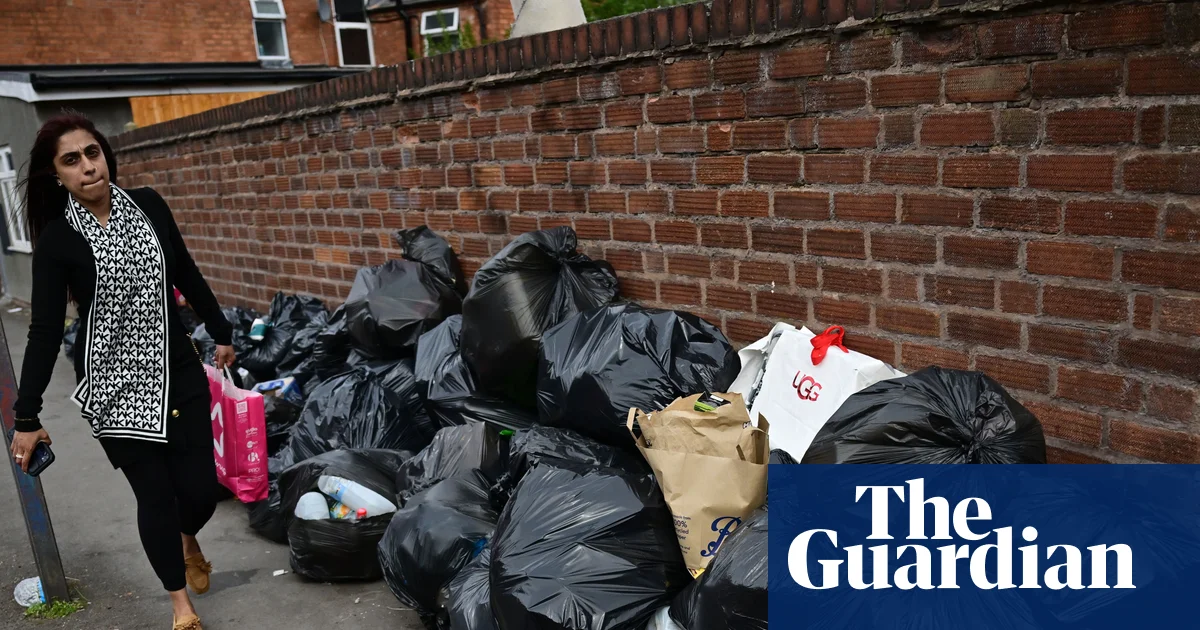
Over a year has passed since the bin workers of Birmingham initiated an all-out strike, leaving the city engulfed in overflowing waste and mounting health concerns. This protracted dispute is emblematic of wider societal issues rooted in economic austerity, social inequality, and the erosion of traditional community institutions. As the UK’s second-largest city struggles under the weight of uncollected rubbish, the ripple effects are felt most acutely by families and vulnerable populations, exposing the fragility of social cohesion and the growing divide within urban communities.

At the heart of the conflict lies a debate over pay cuts, job roles, and the financial burdens faced by local government. The union, Unite, claims that proposed changes threaten workers’ safety and threaten to strip hundreds of pounds from their annual income. Conversely, city officials cite the specter of costly equal pay claims and financial instability as reasons for their stance, a consequence of recent bankruptcies and austerity-driven policies. Sociologists like Robert Putnam warn that such economic strains threaten social capital, eroding trust and cooperation necessary for vibrant communities. As negotiations falter, citizens bear the brunt—mothers with children, the elderly, and low-income families—who are now coping with the unsanitary conditions that threaten their health and safety.

Impact on Families and Communities

The social fabric of Birmingham is unraveling under the weight of uncollected waste. Public health crises emerged—mountains of rubbish, rat infestations, and maggots—highlighting how hampered waste collection disrupts daily life. Communities in affluent areas managed to keep their streets cleaner, disproportionately benefiting those with resources and social capital, while marginalized neighborhoods faced the worst. Such disparities underscore the widening social divide and the destabilization of shared spaces that traditionally foster community ties.

  • The city declared a major incident amidst overflowing bins, endangering residents and intensifying fears surrounding sanitation and disease.
  • The disruption has fractured trust in local governance, fueling political upheaval—mayoral elections loom, with new administrations potentially eager to restore order and social stability.
  • Families are disproportionately affected, with children exposed to increased health risks, compounding existing inequalities and social tensions.

This scenario echoes social theorists’ warnings about the corrosive effects of prolonged social neglect, and highlights how essential community institutions are in maintaining societal resilience. Without proactive engagement and social safety nets, disparities deepen, threatening the very cohesion that sustains urban life.

Hope for Renewal and societal transformation

Despite the bleak narrative, there remains a glimmer of hope—a societal recognition that addressing the root causes of such conflicts is imperative for future stability. Sociologists argue that restoring trust hinges on genuine dialogue, accountability, and shared commitments to rebuilding community resilience. The upcoming local elections could serve as a catalyst for change, signaling whether Birmingham’s leadership will prioritize social equity, transparency, and investment in public services.

In this frontier of social challenge, the community’s story is not solely one of decline but also resilience. It is an invitation—perhaps even a moral call—to society’s leaders and citizens alike—to reimagine a city where dignity, health, and shared responsibility are renewed in the face of adversity. As history has shown in moments of crisis, the strength of a society lies not in the absence of challenges but in its capacity for reflection and renewal. Birmingham’s struggle with its waste crisis, therefore, becomes a mirror—reflecting our collective need to forge social bonds and restore trust, lest society itself become buried under the weight of its neglect.


At 56, I Lost My Hearing—A Wake-Up Call on Society’s Neglect of Aging and Deafness

In a rapidly changing society, social cohesion hinges on our collective ability to bridge communication gaps that threaten to fracture communities and divide families. The story of Deborah’s experience — a woman who, at age 56, found herself grappling with sudden, profound hearing loss — illustrates a pervasive yet overlooked crisis that transcends individual hardship. Her journey underscores a crucial societal issue: despite advancements in medical technology and understanding, the barriers that prevent equitable access to hearing care persist, often fueled by a healthcare system driven more by profit than compassion. When insurance companies deny coverage for critical procedures and devices, families face not only financial ruin but also devastating social isolation, which in turn weakens the fabric of our communities.

This crisis is not isolated. According to sociologists like Dr. Susan K. Gardner, the societal consequences of untreated hearing loss are staggering — from increased loneliness to diminished participation in educational and communal activities, disrupting the very foundations upon which families and communities are built. For Deborah, the denial of her surgery and hearing aids meant months of silence, profound loneliness, and a shrinking social circle. The inability to communicate effectively with loved ones or participate fully in society erodes not only individual well-being but also the interconnected trust that sustains communities. As many as 48 million Americans are impacted by hearing loss, and yet, systemic inequities continue to silence millions more, amplifying their struggles while society turns a deaf ear to their needs.

Adding to this social adversity are cultural shifts and demographic changes that demand a reevaluation of how we approach neurodiversity, language, and accessibility. The example of Martha’s Vineyard, where generations grew up learning and signing in MVSL, demonstrates that fully integrated deaf and hearing communities are achievable. Their success stems from early cultural integration and a shared language—traits that could serve as a blueprint for broader, national inclusion. Society’s failure to adopt similar strategies leaves many deaf individuals isolated and marginalized, often unaware that solutions are possible. Policymakers and social institutions must prioritize initiatives that promote early language education, expanded insurance coverage, and the integration of AI-powered technologies—ensuring that the social fabric is woven with threads of understanding rather than strands of silence.

Ultimately, the moral imperative of society lies in recognizing that deafness is an unsolved problem of communication—one that we choose each day not to resolve. Every missed opportunity for early intervention, every denied coverage, and every societal neglect to foster inclusivity compounds the challenge. But hope remains. Through legislation that mandates coverage for hearing health, investments in innovative AI solutions, and widespread efforts to teach sign language, society can turn the tide. In doing so, we do not merely restore the ability to hear; we restore voices, relationships, and the unity of our shared humanity. As Deborah’s story demonstrates, when we commit to bridging the deaf-hearing divide, we revive the promise that every individual, regardless of their physical limitations, can participate in the symphony of society—listening, speaking, and ultimately, belonging.

Study Finds Wegovy Users Face Five Times Higher Risk of Sudden Vision Loss than Ozempic Users

In recent years, health and wellness trends fueled by pharmaceutical innovations have gained significant traction among urban youth and working families. Drugs like Wegovy, Ozempic, and Rybelsus, marketed primarily for weight loss and diabetes management, have become widespread. However, emerging research has shed light on serious adverse effects that pose a threat not just to individual health but to the fabric of communities and families. A large-scale study recently published in the British Journal of Ophthalmology reports that patients taking Wegovy exhibit nearly five times the risk of sudden sight loss—specifically, non-arteritic anterior ischemic optic neuropathy (Naion)—compared to those on Ozempic. Such stark findings underscore a larger societal challenge: how quick access to pharmaceutical remedies can overshadow the importance of comprehensive health education and preventative care, particularly affecting vulnerable communities.

These “eye strokes,” which cause sudden and often permanent vision loss, highlight an often-overlooked ripple effect within families—loss of independence, increased care dependency, and emotional trauma. Historian and social critic, Dr. John Taylor, argues that societal focus on quick fixes fosters an atmosphere where short-term solutions eclipse long-term wellness. The disproportionate risk observed among men (who face a threefold greater chance of Naion than women) adds another layer of social tension: gender disparities within healthcare and the uneven distribution of risk. Moreover, these risks are compounded by a lack of widespread understanding; many families, especially those in socioeconomically disadvantaged communities, are left vulnerable to adverse effects that can destabilize their lives. As the data points out, around 1 in 10,000 people taking semaglutide experience Naion, a statistic that may seem small but represents a profound quality-of-life change for those affected. The findings have prompted regulatory agencies such as the UK’s Medicines and Healthcare products Regulatory Agency (MHRA) and European authorities to issue warnings—yet, critics argue these measures are reactive rather than preventive.

To address these burgeoning concerns, experts stress the importance of enhanced public awareness and responsible prescribing practices. The sociological perspective reveals that families and communities are often the first line of defense in recognizing early symptoms and advocating for safer alternatives. The challenge lies in mobilizing a societal shift towards prioritizing informed decision-making over the allure of immediate weight loss or disease management. Sociologists like Dr. Lisa Carter point out that education campaigns need to be deeply rooted in cultural competence and accessible messaging—a crucial step if we are to reshape a society where health risks are openly acknowledged and properly mitigated. Companies like Novo Nordisk emphasize their commitment to patient safety, yet critics claim that industry-led safety protocols should not replace a broader societal debate on the ethics of rapid drug deployment. As families grapple with the reality of drug-related risks, a future that truly prioritizes human well-being hinges on integrating social, medical, and ethical considerations. In this ongoing story of societal resilience, hope persists—a hope rooted in community awareness, moral responsibility, and the collective pursuit of a society where health innovations uplift rather than destabilize the core of social cohesion.

Families applaud Donna Ockenden’s appointment to lead Leeds maternity review

Recent tragedies at Leeds General Infirmary and St James’s Hospital have cast a harsh light on enduring flaws within the NHS. In a society where families expect safe and compassionate care, the loss of 56 babies and two mothers over five years represents a profound breach of trust—highlighting the devastating human toll of systemic failures. Families affected by these events have voiced their pain and frustration, yet also a cautious hope as Donna Ockenden, renowned for her meticulous reviews, is appointed to lead an independent inquiry into these tragedies. This move signals a societal recognition of the urgent need for accountability and a reorientation toward *families and human dignity* amid increasing hospital oversight challenges.

In an era marked by societal introspection, the demographic shifts and cultural tensions over healthcare safety have sparked debates about the priorities of public institutions. The care quality at Leeds was rated “inadequate” by the Care Quality Commission, exposing longstanding deficiencies in basic standards. For families like Amarjit Kaur Matharoo and Fiona Wisner-Ramm, the pain remains deeply personal, yet their stories underscore a collective societal failure to protect the most vulnerable—our mothers and children. These grassroots voices have prompted government officials, like Wes Streeting, to acknowledge the trust deficit and pledge reform. Such moments serve as societal catalysts, forcing reassessment of how institutions prioritize *human lives* over bureaucratic processes, and prompting calls for *holistic safety protocols* embedded into cultural change.

  • The appointment of Donna Ockenden, who previously led a review into the Shrewsbury and Telford NHS Trust following similar tragedies, is seen as a step toward restoring public confidence.
  • Families express a mix of initial disillusionment and cautious optimism, highlighting the importance of *listening* and *transparency* in rebuilding trust.
  • Structural failures, identified as “gross failures of the most basic nature,” reveal urgent lapses in healthcare standards that threaten the social fabric, especially the foundations of family and community life.
  • The societal challenge involves not only fixing immediate safety issues but also addressing *cultural change* within healthcare, ensuring that *families* are prioritized in decision-making and accountability processes.

Experts argue that these incidents reflect broader societal issues—where *institutions often shield themselves behind bureaucratic facades*, disregard *human impact*, and reproduce *patterns of neglect*. Sociologists like Charles Wright Mills warned of the “power elite” shaping policy behind closed doors, often at the expense of the everyday person. Today, these tragic events at Leeds serve as a stark reminder of what happens when societal priorities skew away from *moral and humanistic considerations*. The appointment of Donna Ockenden must be more than an investigation; it should catalyze a societal movement that re-centers *families* and *community well-being* as the true measure of a society’s success.

As society grapples with these unsettling realities, it becomes imperative to reflect on the transformative power inherent in accountability and compassion. In the shadows of tragedy, there is a potential for renewal—wrought from honest acknowledgment, courageous reform, and a collective will to safeguard trust. Ultimately, the hope remains that society can learn from its failures, weaving resilience into the very fabric of its institutions, ensuring that no family endures such pain in vain. Society’s greatest challenge lies not just in diagnosing these failures but in daring to imagine and build a future where accountability, compassion, and dignity are not just words, but lived realities for every family.

Billions in SEND funding to boost school inclusivity, government vows to fairer future
Charity warns SEND reforms may weaken kids’ legal protections—challenging society’s commitment to vulnerable youth

Planned Changes to England’s SEND System Spotlight Critical Social Issues

In recent developments, the government in England announced significant reforms to the Special Educational Needs and Disabilities (SEND) system, aiming to reshape the landscape of support for children and families facing neurodiversity and other special needs. While these reforms are often framed as a necessary step toward improving educational inclusion, they unveil deeper social tensions and cultural shifts surrounding what it means to truly serve diverse learning needs. The reforms come at a time when many families rely heavily on an overstretched system that has struggled to meet the complex needs of their children, raising critical questions about equity, community inclusion, and moral responsibility within society.

Historically, the SEND system has been a battleground of social policy, as sociologists like Michael Young highlighted decades ago, emphasizing the importance of equitable access to education as a foundation for social cohesion. Today, however, the new proposals suggest a shift towards more localized control and a focus on streamlining services. While this might address some administrative inefficiencies, critics warn that such decentralization risks deepening disparities among communities in socio-economic and cultural terms, potentially leaving the most vulnerable without the necessary support. The impact on families is profound: increased bureaucratic hurdles can exacerbate anxiety, as parents are often left navigating complex systems, risking their children’s educational and social inclusion.

Underlying the policy shift is a broader cultural debate about how society values neurodiverse individuals and what constitutes a fair and compassionate community. Some social commentators argue that the reforms may inadvertently reinforce misconceptions, framing disability as an issue to be managed within a fragmented system rather than as part of a collective moral obligation to embrace and serve all members of society. In this landscape, schools, local authorities, and families are interconnected; changes here could determine whether children with SEND experience a genuine sense of belonging or remain on society’s fringes. Furthermore, the education sector faces the challenge of balancing resource limitations with the moral imperative to foster inclusive environments, a concern articulated by sociologist David Matza, who emphasized that the social acceptance of difference is foundational to social stability.

  1. Challenges include inconsistent access to specialist support, disparities based on geography or socioeconomic background, and the risk of marginalization for those with complex needs.
  2. Proposed solutions focus on strengthening local authority budgets, integrating community resources, and enhancing specialist training for school staff.
  3. Yet, critics argue that without broader societal change—such as tackling inequality and stigma—these measures are insufficient to create genuine inclusion on their own.

Ultimately, the question remains: how can society reconcile its promise of justice and equality with the reality of limited resources and cultural biases?’ In an era increasingly defined by identity, diversity, and social justice discourse, the future of the SEND system may serve as a mirror reflecting society’s core values. As communities stand at this crossroads, the hope lies in fostering a shared moral perspective—where the dignity of every child is non-negotiable, and support for families becomes a societal priority rather than an afterthought. It is in this collective effort that society may find its true strength, transforming these challenges into opportunities for a more inclusive, compassionate future—one in which every child is given the education not just to survive, but to thrive.

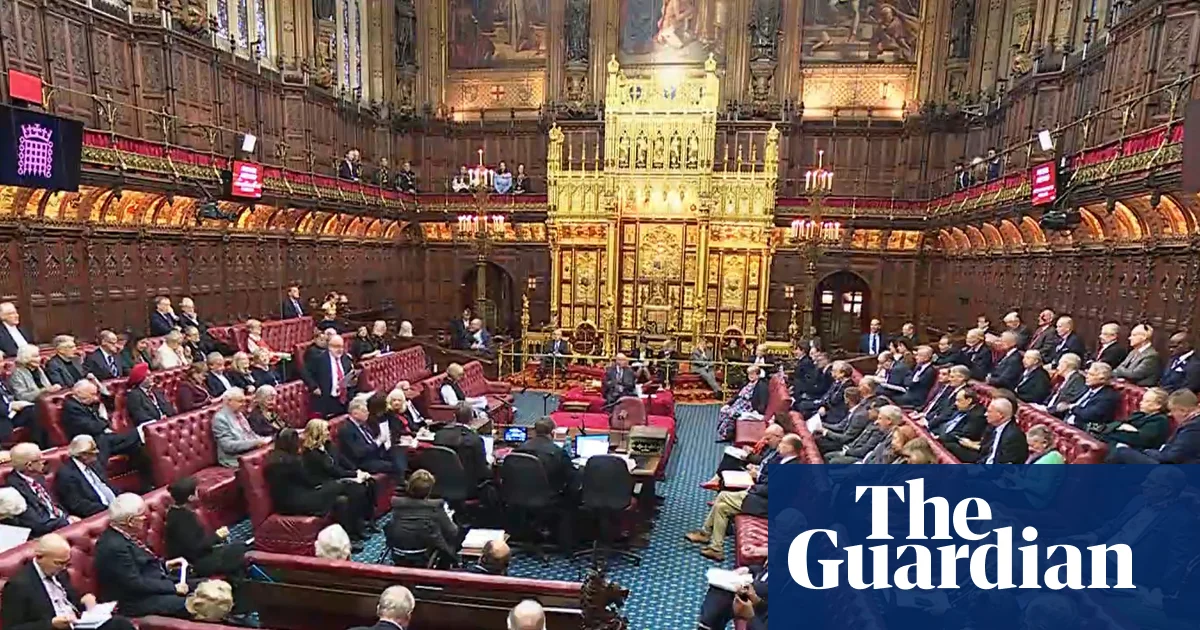
Lords to Decide on Law Failing to Shield Kids of Convicted Pedophiles

In recent weeks, the UK Parliament has been engaged in a heated debate over the adequacy of legislation designed to safeguard children from dangerous, convicted offenders. At the heart of this discussion is a proposed law aimed at restricting parental rights for individuals convicted of serious sexual offences against minors. While recent efforts focus on legal measures to prevent known offenders from exerting influence over their own children, the broader societal implications reveal a complex web of social and cultural tensions. These issues hit close to home for many families, threaten the integrity of community bonds, and challenge traditional notions of parental responsibility.

The Victims and Courts Bill proposes that anyone convicted of such heinous crimes who receives a sentence of four or more years will automatically lose parental responsibility. This is a critical step forward for protecting children from further harm—but critics note that the legislation fails to address a significant loophole: what happens to children born after the offender’s conviction? Many argue that without a comprehensive approach, the risk persists that future children might be left vulnerable, even if their biological parent has a conviction on record. A proposed amendment—introduced by former family court judge James Meston—aims to close this gap, suggesting that individuals convicted of severe sexual offences should be barred from acquiring parental responsibility even at a child’s birth, thus ensuring that families are shielded from future dangers.

This debate is layered with societal and ethical questions that extend beyond legislative language. Alarming cases, such as the BBC report of a mother legally fighting to prevent her ex-husband—a convicted paedophile—from contacting their child, underscore the urgent need for clearer policies. According to sociologists like Dr. Laura Sanchez, the social fabric of families and communities is deeply impacted by the presence of offenders with unchecked parental rights. When offenders retain influence, they can manipulate or coerce their victims—often family members—recreating cycles of trauma and fear that ripple through generations. In this context, the moral and human rights of children to protection and stability must be prioritized over the rights of offenders, especially when those rights could endanger innocent lives.

  • Legal amendments aim to restrict offenders with certain convictions from acquiring parental responsibilities at birth.
  • The legislation seeks to prevent future children from being exposed to potential abuse by their biological parent.
  • Critics emphasize the importance of balancing individual rights with community safety and moral responsibility.
  • Experts suggest that societal cohesion depends on clear boundaries that protect vulnerable populations without infringing on legitimate parental rights.

Ultimately, the challenge lies in fostering a society that upholds the moral duty to protect vulnerable children while respecting the legal frameworks meant to preserve human rights. Historians remind us that societies often grapple with balancing justice and compassion, and social commentators warn that ignoring the long-term impact of these decisions could erode the moral fabric of communities. As Parliament considers amendments to close legal loopholes, society stands at a crossroads—whether it will prioritize the safety of its most innocent or risk future cycles of harm. In the quiet reflection of this societal struggle, there lies a hopeful promise: that through diligent laws and collective resolve, a future can emerge where families flourish free from the shadow of unchecked predation. Society’s greatest strength remains its capacity to evolve, and in protecting its children today, it sows the seeds of a safer, more just tomorrow.

Are Traditional School Uniforms Fading? Why Some Schools Are Embracing 'Active' Dress Codes for a Modern Generation
Are Traditional School Uniforms Fading? Why Some Schools Are Embracing ‘Active’ Dress Codes for a Modern Generation

In recent years, a notable trend has emerged within the sphere of urban education policy: the push toward relaxed school uniforms. Advocates argue that this shift caters to the practical needs of children, fostering a more comfortable, inclusive environment where students can focus on learning rather than conforming to traditional dress codes. Such proponents maintain that allowing students to choose less restrictive attire diminishes the burdens placed on families—particularly those from economically disadvantaged communities—and encourages a healthier, more dynamic atmosphere conducive to physical activity and creative expression. However, beneath these promising perceptions lies a complex web of social tensions and cultural shifts that reveal much about the evolving landscape of our shared societal values.

As sociologists like Dr. Jane Harper of the Social Dynamics Institute observe, educational attire has historically served as an important marker of social cohesion and discipline. Traditional uniforms aimed to diminish inequalities rooted in socioeconomic disparities, fostering a sense of collective identity among students. Moving towards more relaxed standards raises questions about whether such policies inadvertently undermine efforts to promote equality and discipline, or whether they reflect a necessary adaptation to the realities faced by modern youth. Critics warn that loosening dress codes might subtly erode the boundaries that help ground responsibility and decorum—values that have historically anchored communities and shaped moral development among young people.

This debate is further compounded by the fact that families are at the crux of this social transformation. For many parents, particularly from working-class communities, relaxed uniforms can ease morning routines and reduce financial strain—no longer requiring costly gown purchases or strict adherence to dress standards. Yet, others fear that such shifts could embolden a broader cultural move away from respect for tradition and authority, challenging communal norms that foster social stability. As social commentator Marcus Holloway notes, these policies are not simply about clothing; they are emblematic of a larger struggle over cultural identity and the societal values that shape our youth, our families, and the future of our collective life.

  • Many schools and districts are experimenting with relaxed uniform policies aimed at increasing student comfort and participation in physical activities.
  • Concerns persist that these changes could weaken social cohesion or diminish the educational environment’s moral authority.
  • Cultural tension exists between maintaining order and embracing individual expression—a fine line that influences family life and community morale.
  • Solutions proposed include community dialogue, clear guidelines balancing freedom with responsibility, and fostering a shared understanding of societal values among students.

Ultimately, the debate over school uniforms encapsulates larger questions about who we are as a society and what we value most in nurturing future generations. As sociologists remind us, these choices reflect and influence the moral fabric of our communities. As families and educators navigate this terrain, they are tasked with balancing personal freedom and societal responsibility, striving for an environment that supports both individual growth and social stability. The path forward remains uncertain, but it is within this ongoing conversation—rooted in respect, shared purpose, and the hope for a unified society—that the true challenge and opportunity lie: to build a future where societal bonds are reaffirmed, and each generation inherits a shared commitment to moral excellence and community resilience. Only then can society hope to confront its social issues not as insurmountable barriers, but as catalysts for meaningful transformation.

Trump chaos pushing more youth to seek help — society’s in flux

Across families, schools, and communities, the pervasive impact of burgeoning social and political crises cannot be overstated. As sociologists like Ann Cvetkovich and mental health professionals observe, a palpable wave of political depression is emerging, where individuals grapple not only with external chaos but also with internal despair. For many, this despair manifests as a feeling of helplessness, compounded by the notion that traditional avenues of resistance or engagement are effectively collapsing. The result is a societal disconnect that threatens to weaken the very fabric that holds communities together, undermining the hope and resilience needed to face ongoing economic disparities, cultural tensions, and government overreach.

For families and youth, these social fissures translate into a disorienting landscape where uncertainty reigns. With education systems often caught between progressive agendas and conservative backlash, young minds are left navigating a complex, often divisive moral terrain. Historians like Howard Zinn warned that societal malaise grows when civic engagement declines, and today, that warning resonates more acutely. Families report rising anxiety and frustration, with children witnessing unrest at home and in their neighborhoods. Additional stressors, such as rising crime, politicized schooling, and pervasive misinformation, threaten long-term societal stability. Amidst this chaos, the moral challenge looms: how can communities support a generation at risk of growing disillusioned and disengaged? The answer appears to lie in reclaiming community bonds and fostering a renewed sense of agency among young people.

Educational and community leaders emphasize the importance of building resilience through collective action. Initiatives like community support groups, youth activism, and artistic collaborations offer pathways for young individuals to channel their emotions into constructive endeavors. As social commentators argue, these efforts are more than just symbolic—they can forge meaningful change and rekindle faith in democratic participation. Furthermore, mental health professionals advocate for strategies that promote *engagement without burnout*, emphasizing the necessity to mobilize consciousness with care. According to Brett Ford, an associate professor of psychology, social resilience depends on maintaining a balance where individuals are informed and active, yet protected from the debilitating effects of chronic stress. The challenge lies in creating environments where young voices are not only heard but empowered to shape their societies rather than retreat from them.

Ultimately, the social issues facing our communities, families, and institutions are intertwined with broader cultural shifts and demographic transformations. Yet, amidst the turbulence, there remains a flicker of hope—through community, art, and active engagement. The stories of individuals like Rebecca McFaul and advocates like Shahem Maclaurin remind us that resistance does not always look like protests or headlines; it begins with the small acts of hope we nurture within our circles. As society stands at a crossroads, the challenge is to hold onto the belief that society’s collapse is not inevitable—that through conscious connection, education, and mutual support, a renaissance of resilience is possible. It is in our collective response to these societal wounds that we find the potential to heal, rebuild, and redefine the future—one where hope becomes the foundation for lasting change, echoing the timeless truth that even in darkness, the human spirit can ignite a brighter dawn.

Students ordered to ditch blazers to boost safety and curb violence

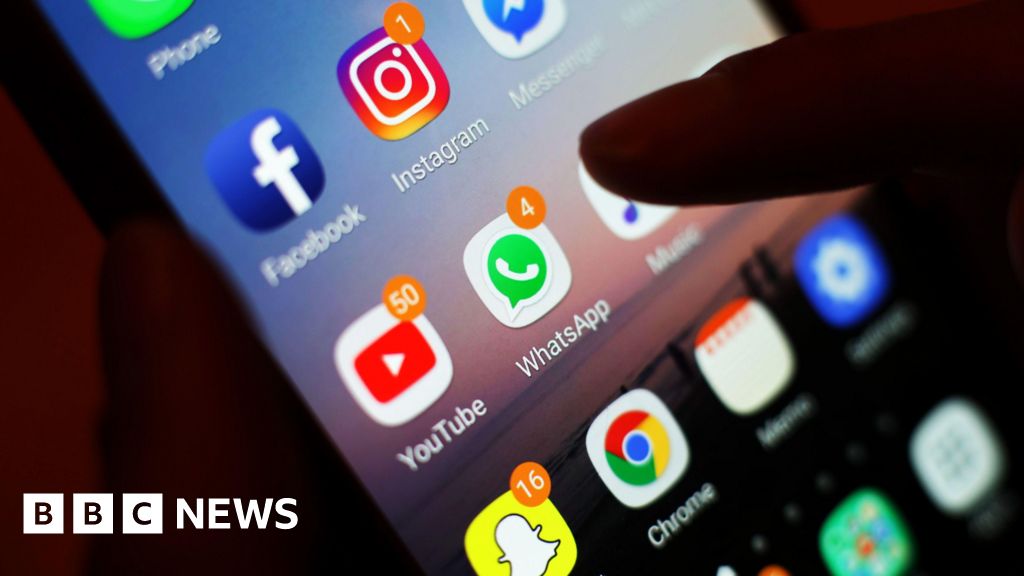
In an era where digital platforms have become the battlegrounds of youth identity and social influence, troubling trends have emerged that threaten the fabric of families and communities across the country. Posts encouraging conflicts between students of different schools—often derogatory, provocative, and designed to incite violence—are proliferating on social media. This phenomenon not only undermines the spirit of mutual respect and cohesion among youth but also creates ripple effects that destabilize local neighborhoods, educational institutions, and the broader societal cohesion that binds us together.

Experts warn that such social media campaigns foster a dangerous climate of divisiveness and hostility. Historians and sociologists highlight that when kids are encouraged to see peers from other schools as enemies, the boundaries of community dissolve. Families and educators, who are the first line of defense against social fragmentation, find themselves increasingly powerless to combat the online influences that normalise aggression and intolerance. According to Dr. Karen Matthews, a sociologist specializing in youth culture, “these provocative online activities chip away at the shared values of respect and unity that are fundamental to a healthy society.”

Social tensions are compounded by a shifting demographic landscape, underlining the need for a societal approach rooted in higher moral standards and community engagement. It is vital for schools, local authorities, and families to recognize the implications of such divisive actions—particularly how they threaten the safety and emotional well-being of young people. The challenge lies in fostering environments that not only prevent violence but actively promote understanding and reconciliation among diverse student populations.

  • Implementing comprehensive anti-bullying and anti-violence campaigns in schools.
  • Engaging community leaders and parents in dialogues that promote societal cohesion.
  • Utilizing social media literacy programs to equip youth with skills to critically evaluate online content.

In confronting these social issues, it is essential to reflect on how the erosion of community bonds impacts educational outcomes and the moral development of youth. The social fabric that sustains families and neighborhoods hinges on shared principles and collective responsibility. As sociologist Amy Chua warns, “the fragmentation of social trust can lead societies down a path of increasing polarization and alienation, where youth might see conflict as inevitable rather than resolvable.” Yet, amidst these challenges, hope remains. By cultivating resilient communities grounded in respect, understanding, and moral clarity, society can forge a future where young individuals no longer see violence as a means of expressing their identity but as a betrayal of our shared human dignity. In this moment of societal reflection, perhaps the greatest challenge—and opportunity—lies in anchoring our youth in values that transcend division, forging a society that refuses to be defined by conflict but instead finds strength in unity and hope for transformative change.

Why Society Ignores Female Desire: The Paternalism We Must Overcome | Documentary

Across the United States, a complex tapestry of social issues continues to unfold, revealing how cultural shifts and demographic changes profoundly impact families, education, and communities. From the persistent neglect of female sexual health within medical curricula to the ongoing battle over reproductive rights, these struggles underscore a society grappling with its moral and ethical foundations. At the heart of these issues lies a universal desire for autonomy—whether related to sexuality, reproductive freedom, or the very fabric of cultural identity.

Consider the case of female sexual health, a domain historically marginalized within the medical establishment. As documented in the documentary The Pink Pill, the silence surrounding female libido and orgasm demonstrates a troubling disinterest rooted in paternalistic attitudes. While drugs like Viagra gained approval in the late 1990s, efforts to develop and approve female counterparts faced insurmountable hurdles, primarily due to biases and side effect concerns. The story of Addyi, often dubbed “female Viagra,” exemplifies this dynamic. Despite demonstrating benefits for women suffering from HSDD (Hypoactive Sexual Desire Disorder), the drug was plagued by regulatory obstacles, cultural resistance, and immense financial hurdles, ultimately being shelved despite patient demand.

This narrative reflects a broader societal tension: the conflict between public health progress and social skepticism. Sociologists like Dr. Naomi Wolf have pointed out that the suppression of female desire is intertwined with patriarchal notions about morality and gender roles. As healthcare providers and policymakers waver, many women find their choices constrained, a situation aggravated in the post-Roe era, where reproductive autonomy faces ongoing threats. The debate over sexual health remedies is not merely a medical matter but a fragment of a larger cultural war over whose body belongs to whom. For families and communities, this translates into a sense of disempowerment, fostering mistrust and feelings of exclusion from discussions about their own well-being.

Concurrently, the societal narrative surrounding education and social engagement reveals a youth increasingly aware of the disparities that divide. Movements mobilizing around fear of censorship and attacks on free thought reflect a generation demanding both accountability and respect. These efforts echo in the broader fight for bodily rights and social justice—a fight that many argue must be championed from within local communities, as well as national institutions. Community leaders are calling for a renewed commitment to *fostering environments where young people can explore issues like sexuality, mental health, and societal norms without fear of marginalization.* They recognize that educating future generations about ethics, rights, and personal agency is not a challenge of mere policy but of moral integrity.

In the face of this turbulent landscape, there remains hope—an enduring belief that societal change is possible through community activism, education, and the resilience of families. As social commentators like Christopher Lasch have noted, society’s true strength lies in its moral fabric, woven through generations committed to upholding the dignity and rights of every individual. The journey toward healing and equity requires confronting uncomfortable truths, but it also offers an opportunity—a chance to redefine what cultural progress means. Perhaps, in this ongoing struggle, society will rediscover the essential truth: that true liberty begins with respect for individual choice and the moral courage to protect it. Only then can society look forward, with hope, to a future where the rights of families, communities, and individuals are no longer sacrificed at the altar of outdated biases, but celebrated as the foundation of a truly free society.

Social Media Auto Publish Powered By : XYZScripts.com