Matox News

Truth Over Trends, always!

Young Americans Face an ‘Intimacy Gap’ Widening the Dating Divide

Innovation Confronts the Growing Crisis of Human Connection

In an era defined by breakneck technological evolution, the landscape of human relationships is facing unprecedented disruption. According to recent data from the U.S. Census, nearly half of all adults are single, with a significant quarter of men suffering from loneliness—a crisis highlighted by experts such as Justin Garcia, executive director of the Kinsey Institute. As digital platforms proliferate and alter social behaviors, many are questioning whether innovative technologies can address or deepen the so-called “intimacy crisis.” The trend indicates that, despite an explosion of online connectivity, the quality and depth of real human connections are degrading.

Disruptive Technologies Reshape the Quest for Closeness

At the core of this evolution are digital dating apps and social media platforms—tools heralded for democratizing access to partners but also accused of fostering cognitive overload and superficial interactions. Experts like Gartner analysts warn that these platforms, while disruptive, may inadvertently contribute to a phenomenon termed by Garcia as the “intimacy deficit.” The predominant use of algorithms and instant messaging has conditioned a generation to expect quick gratification, often at the expense of genuine bonding. AI chatbots and virtual companions are emerging as contemporary replacements for human intimacy, but industry leaders question whether they can fulfill or even threaten the traditional bonds that sustain human society.

From a business vision, organizations like Match Group continue to refine their AI-driven matchmaking technologies, aiming to capture the rapidly evolving needs of a generation less interested in traditional relationships. Yet, the challenge remains: to truly innovate in a way that balances technological disruption with the timeless need for authentic intimacy. The stakes are high, for if the trend persists, the very fabric of human connection could be irreparably altered, with profound implications for mental health, societal stability, and economic productivity.

Business Implications and the Urgency for Forward-Thinking Innovation

The business realm must navigate this landscape carefully. As MIT and other research institutions warn, the current trajectory risks creating a loneliness epidemic that could dampen workforce productivity and innovation. Companies that understand the changing social norms and invest in technologies promoting genuine connection have a unique opportunity to lead. This involves integrating biometric data and neuroscientific insights into product design, creating experiences that foster authentic bonds rather than superficial interactions. The next decade will be pivotal: those who fail to innovate with empathy and scientific rigor risk falling behind as societal needs shift from merely connecting to truly communicating.

Looking ahead, industry leaders must recognize that disruption is not solely about technological advancement but also about reshaping the very understanding of human nature. As Garcia emphasizes, the human desire for deep intimacy remains a fundamental force—one that technological progress must support, not suppress. Urgent innovation in this space could turn the tide, fostering healthier, more resilient connections that catalyze societal progress well into the future. Failure to act swiftly may usher in a new era of social fragmentation with severe consequences; the opportunity for disruption is as immense as it is urgent.

Intel gears up to disrupt GPU market from Nvidia’s grip

Intel’s Strategic Shift: Entering the GPU Arena to Challenge Nvidia’s Dominance

Despite ongoing efforts to streamline its core operations, Intel has announced a bold initiative to develop a new line of graphics processing units (GPUs), signaling a strategic disruption in an industry long dominated by Nvidia. With the leadership of Kevork Kechichian, an industry veteran from Intel’s data center group, the company is aiming to leverage its vast manufacturing capabilities to carve out a significant share in the rapidly evolving AI and gaming markets. This move marks a crucial pivot toward innovation and diversification that could reshape the competitive landscape, forcing incumbents like Nvidia to revisit their market strategies.

The company’s efforts have attracted attention from industry analysts and tech insiders, noting that Intel’s expansion into GPU development is not just a technological upgrade, but a calculated disruption aimed at challenging Nvidia’s market leader position. The hiring of Eric Demmers, formerly a senior VP at Qualcomm with over 13 years in engineering, underscores Intel’s commitment to building a high-caliber team capable of innovating at the chip level. As the project is in its early stages, Intel intends to align its development with customer demands and industry needs, signaling a pragmatic approach rooted in both technological prowess and strategic market positioning.

This move by Intel is more than just a product development milestone; it is a response to industry-wide shifts towards AI acceleration, cloud computing, and high-performance gaming—areas where GPUs are pivotal. While Nvidia’s GPUs have revolutionized AI and machine learning, with their advanced AI systems and market Command, recent market analyses from Gartner illustrate a fragile balance as Nvidia begins to face increased competition.

  • Intel’s entry could intensify market competition
  • Potential to lower prices and accelerate technological innovation
  • Possible reshuffling of market share among semiconductor giants

Historically, Intel has focused primarily on CPUs, but as industry disruptions accelerate, merging CPU and GPU innovations could unlock new business models and revenue streams. Disruptive technologies like integrated processing units and advanced chip architectures are reshaping industry standards—experts from MIT and other leading institutions predict that within the next five years, the semiconductor industry will see unprecedented levels of convergence and innovation. This shift presents both a challenge and an opportunity for Intel—a chance to disrupt established players and redefine the semiconductor landscape.

As the industry stands on the cusp of this technological evolution, the urgency for firms to innovate is paramount. With AI chips and high-performance graphics becoming critical to future tech ecosystems, Intel’s move signals the beginning of a new battleground—one where agility, innovation, and strategic disruption will determine supremacy. The upcoming TechCrunch event in Boston, scheduled for June 2026, will be a pivotal platform to observe Intel’s latest advancements and assess whether its gamble will reshape the future of computing. The race is on, and between the giants, only the most innovative will survive—and thrive—in this fierce new era.

Model S Revolutionizes the Game—The Future is Here

The Electric Vehicle Revolution: Tesla’s Enduring Impact and Industry Disruption

After a 14-year legacy, the Tesla Model S marks the end of an era that fundamentally reshaped the automotive landscape. Launched with ambitious visions in 2012, Tesla’s flagship luxury EV emerged as a disruptive force against entrenched automotive giants and set the stage for a seismic shift toward electrification. Its pioneering innovation, combined with a software-centric approach, has not only redefined consumer expectations but also forced legacy automakers to reconsider their strategies in an increasingly electrified world.

At its debut, the Model S challenged conventions, blending cutting-edge design with advanced digital technology. Its interior, characterized by a large touchscreen interface, represented the first truly software-defined vehicle, injecting a new revenue stream through over-the-air updates and digital features. Innovative design, performance, and digital capabilities simultaneously raised the bar, making the electric car not just environmentally conscious but also aspirational and luxurious. This combination helped Tesla carve out a substantial market share, forcing European luxury automakers like Porsche, Lucid, and Rolls-Royce to accelerate their EV initiatives, signaling a broad industry acknowledgment of the transformative potential of Tesla’s approach.

However, as Musk shifts his focus toward robotics and AI, questions arise about Tesla’s future in automotive innovation. The decline in enthusiasm for fully autonomous vehicle adoption and the stagnation of EV market growth—exacerbated by policy shifts such as the removal of federal subsidies—highlight a slower tempo of progress than initially envisioned. According to industry analysis, electric vehicles still represent only 1.4 percent of total vehicles on the road as of 2024, underscoring the monumental challenge in reaching Musk’s 2012 prediction of half of all cars being electric in two decades. Yet, Tesla’s decade-long influence persists, inspiring a new generation of designers and entrepreneurs committed to reshaping mobility.

  • Disruption in industry standards through innovative vehicle design and software
  • Market shifts with established automakers catching up in luxury EV offerings
  • Challenges in scaling EV adoption amidst policy and economic headwinds
  • Transition toward AI and robotics signaling a new frontier beyond traditional mobility

In the broader context, Tesla’s path exemplifies the power of innovation to catalyze industry disruption. As the industry navigates a slower but persistent shift towards EVs, the importance of visionary leadership and technological excellence becomes even more critical. The company’s evolution from a luxury pioneer to a catalyst for change has inspired stakeholders and competitors alike, shaping a future where disruptive innovation will define the trajectory of transportation technology in the 21st century. For industry watchers, the question remains: can Tesla maintain its legacy of disruption while navigating internal and external challenges? The coming years will be pivotal in determining whether this titan of tech and mobility continues to lead or cedes ground to others eager to redefine autonomous and electrified transportation. With the industry at a crossroads, the urgency to innovate is greater than ever—no one wants to be left behind in the fast-approaching era of AI-driven, sustainable mobility.

Adobe Animate shutters next month—what’s next for creators?

Adobe Ends Era of Animate: Industry Faces Major Disruption

In a move signaling significant shifts within the digital content creation landscape, Adobe has officially announced the discontinuation of Adobe Animate. As detailed on the company’s FAQ, the animation software will cease sales from March 1, 2024, with users retaining access to existing files until March 1, 2027 (or 2029 for enterprise). This decision underscores Adobe’s strategic pivot away from legacy platforms that, while historically pivotal, no longer align with the company’s vision for a future driven by disruptive, emerging technologies.

Founded on the pioneering vector animation platform originally launched in 1996 by FutureWave Software, Animate’s evolution reflects the broader shift in web and media design. From its roots as FutureSplash Animator, through acquisition by Macromedia and later Adobe, the platform became a cornerstone for artists, indie creators, and industry powerhouses. Yet, with the decline of Flash technology and the rise of cloud-based, AI-driven creative solutions, Adobe’s move appears aligned with a broader industry trend: disruption is redefining the core tools of digital storytelling.

Innovation and Market Shifts Are Reshaping Content Creation

As Adobe transitions away from Animate, many visionaries in the industry are voicing concern over the repercussions. Creators behind influential short-form animated series like Chikn Nuggit emphasize that Animate remains vital to their workflows. Likewise, David Firth, creator of the cult classic Salad Fingers, notes that he continues to rely on Animate. From high-budget TV productions to indies, thousands of professionals and hobbyists argue that Adobe’s decision could hinder creative innovation and stall ongoing projects.

  • Animation studios depend on Animate’s unique vector tools for production efficiency.
  • Many legacy assets are incompatible with newer software, risking the loss of invaluable media assets.
  • The industry’s shift to AI-enhanced tools like Adobe After Effects and emerging platforms signals a transformative era in digital content creation.

Market analysts highlight that this upheaval presents a critical inflection point. As Gartner and MIT researchers observe, disruption fueled by artificial intelligence, cloud computing, and blockchain is accelerating industry consolidation. Major players like Google, Apple, and Microsoft are poised to capitalize on this transition, leveraging innovative platforms to redefine content creation pipelines, interactive media, and virtual production. Consequently, smaller studios and independent creators face mounting pressure to adopt new tools that can outpace legacy systems in speed, versatility, and integration.

Looking Forward: Industry on the Brink of Fundamental Transformation

The discontinuation of Adobe Animate does not merely mark the end of a software but signals a broader industry renaissance—one rooted in disruption, innovation, and the relentless pursuit of more integrated and intelligent creative workflows. As companies accelerate investment in AI-assisted animation, real-time rendering, and immersive media, those who adapt quickly will secure competitive advantages in the fast-evolving digital economy. The question remains: will legacy tools and traditional paradigms survive this upheaval, or will they give way to a new generation of disruptive technologies that reshape the nature of digital storytelling forever?

For industry leaders and emerging creators alike, the message is clear: embrace innovation now or risk obsolescence. The future belongs to those who can leverage emerging technologies — and the time to act is now. The disruption unfolding around Adobe’s Animate reflects a broader movement towards a new era of digital creativity, where agility, innovation, and strategic foresight will determine the winners in the next chapter of media evolution.

Dyson Deals: WIRED’s Pick for Sleek Pet Vac & Smart Air Purifier Heater

Dyson’s Winter Sale Signals Innovation and Market Disruption in Smart Home Appliances

In an era where technological innovation is reshaping household environments, Dyson continues to establish itself as an industry leader with game-changing products that blend high-performance hardware with smart functionalities. This winter, Dyson’s strategic pricing on premium vacuums and air-treatment devices, including discounts exceeding $350 on flagship models, exemplifies how disruptive business models are disrupting traditional retail paradigms. The timing of these sales coincides with a broader industry shift towards integrated, IoT-enabled appliances, pressing competitors to innovate faster or risk obsolescence.

The Dyson V11 and Gen5 Detect pet hair vacuums, along with the premium HP01 Hot + Cool purifier-heater, are demonstrating the tangible benefits of innovation-driven differentiation. Industry analysts from Gartner and MIT emphasize that such products are not merely appliances—they represent the convergence of AI, sensor technology, and user-centric design. With features like accurate thermostats, monitoring apps, and aesthetics that appeal to tech-savvy youth, Dyson’s devices are disrupting the market’s traditional reliance on legacy brands and low-cost imports. This disruption forces incumbents to either accelerate their R&D efforts or cede market share to specialized, premium players—an industry dynamic Peter Thiel’s venture insights underscore as “the power law of innovation”.

  • Key features fueling disruption include: adaptive sensing technology, air quality monitoring, seamless app integration, and eco-efficient power consumption.
  • Pros for consumers: enhanced convenience, improved air and hygiene, and future-proofed hardware with software updates.
  • Business implications: brands adopting IoT-enabled health tech could escalate profit margins while commanding premium pricing—an enticing prospect for investors and entrepreneurs alike.

Notably, industry experts point to Dyson’s strategic integration of IoT as a blueprint for future market success. As Elon Musk and others have asserted, the era of “dumb” gadgets is waning; innovation must be coupled with disruption to redefine consumer expectations. Dyson’s use of sensor-rich devices that monitor pet hair accumulation or air quality exemplifies the trend—pushing competitors to reconsider the very essence of what a household appliance can deliver. Institutions like Gartner forecast that by 2030, most high-end home gadgets will incorporate AI and real-time data analytics, transforming the industry from simple hardware to personalized, predictive environments.

Looking ahead, the combination of disruptive innovation and strategic pricing—particularly during major consumer-sale events—signals that agility in product development and pricing strategies are crucial for staying ahead in this dynamic landscape. As the market consolidates around smart, connected appliances, startups and legacy brands face mounting pressure to invest heavily in R&D or risk being overshadowed by new contenders leveraging digital transformation. The race for market dominance in this space has become a matter of speed and agility, pressing the entire industry into an innovation arms race that shows no signs of slowing.

In conclusion, Dyson’s current sales are more than temporary deals—they mark a pivotal moment for an industry on the cusp of significant transformation. With consumers demanding smarter, more efficient, and stylish appliances, the future belongs to those who blend innovation with disruptive business models. Stakeholders who recognize and act on this shift today will shape the household ecosystems of tomorrow, where agility, AI, and consumer-centric design dominate the landscape. The countdown has begun—technology leaders and entrepreneurs must accelerate their innovation cycles and business strategies if they are to stay relevant and competitive in this rapidly evolving market.

Smart AI Notetakers: Boost Your Meetings with Seamless Recording & Transcription

Emerging AI Notetaking Devices Signal Disruption in Productivity Tech

In a rapidly evolving landscape of professional productivity tools, the advent of physical AI notetakers is positioning itself as a transformative force—challenging traditional methods of recording, transcribing, and analyzing conversations. These devices, ranging from sleek credit-card-sized gadgets to wearable pins and pendants, incorporate state-of-the-art AI and miniaturization, offering seamless integration into everyday professional routines. Major players like Plaud, Mobvoi, and Comulytic are leading the charge, revealing a new paradigm where disruption is just beginning to reshape business communication and knowledge management.

The innovation driving this shift is evident in the broad array of features embedded in these devices. For instance, Plaud Note Pro packs a small screen, four microphones, and the ability to record audio within a three- to five-meter radius, accommodating both in-person and call recording with remarkable flexibility. Priced at just $179, it offers 300 minutes of free transcription monthly, emphasizing affordability without sacrificing performance. Similarly, Mobvoi TicNote leverages real-time transcription and translation support for over 120 languages, with 25 hours of continuous recording and overlay functionalities like automatic highlight extraction and summary creation—tools that redefine how youth and professionals alike capture and analyze discussions.

From a business perspective, these innovations signal a disruptive wave targeting traditional note-taking and manual transcription sectors. Companies like Comulytic stand out by offering unlimited, subscription-free transcription for just $159, a stark contrast to SaaS-based models that often impose recurring fees. Moreover, Omi Pendant and Viaim RecDot emphasize versatility and integration, with open-source hardware and app support, fostering a developer ecosystem that could rapidly accelerate industry adoption. These devices collectively are setting a new industry standard—one that prioritizes disruption of incumbents and the future of real-time, accessible, and portable AI-driven knowledge capture.

Experts from Gartner and MIT highlight that the market for AI-enabled productivity devices is poised for exponential growth, driven by widespread remote work, the push for automation, and the demand for smarter AI assistants. Elon Musk and Peter Thiel have emphasized the importance of innovation in hardware and AI synergy, foreshadowing a future where such tools will be essential for competitive advantage. As these technologies grow more sophisticated—integrating live translation, intelligent summarization, and customizable workflows—the potential for business disruption extends beyond note-taking into areas like legal documentation, education, and even military communications. The urgency for organizations to adapt arises from the convergence of this technological momentum with rapid market adoption, making these AI notetakers not just gadgets, but catalysts of a foundational shift in how information is gathered and processed.

The future seems clear: those who leverage these disruptive innovations early will command a significant strategic advantage. The ongoing miniaturization, software extensibility, and multi-language support portend a massive leap forward in productivity tools—possibly rendering traditional note-taking obsolete. As industry figures and tech giants continue to refine these devices, the window to capitalize on this wave of disruption narrows, underscoring the urgency for forward-thinking organizations and youth entrepreneurs to stay ahead of the curve and harness the full potential of AI-driven hardware innovations.

Is AI Layoff Spin or Genuine Innovation? | TechCrunch

AI-Driven Restructuring Sparks Industry Disruption

The year 2025 has set a new precedent in the technology sector with over 50,000 layoffs attributed directly to artificial intelligence (AI), according to recent reports. Major corporations such as Amazon and Pinterest publicly cited AI as the primary motivator behind significant workforce reductions. However, analysts and industry experts are raising critical questions about the veracity of these claims, exposing a broader trend of ‘AI-washing’—where companies leverage AI narratives to mask economic struggles or strategic reorientations.

Emerging data from Forrester’s January report highlights that numerous firms announcing AI-related layoffs do not possess mature AI applications or implementations capable of supporting those roles, pointing starkly to a disconnect between corporate narratives and operational realities. Layering innovation onto corporate restructuring often appears to be less about genuine automation progress and more about manipulating investor perceptions, complicating the landscape for followers and competitors alike.

This climate underscores a broader warning from thought leaders such as Elon Musk and Peter Thiel, who emphasize the urgency for businesses to differentiate between true technological disruption and superficial ‘buzzword’ adoption. As Molly Kinder of the Brookings Institute remarks, framing layoffs as AI-driven is a “very investor-friendly message”, especially when the alternative might be acknowledging deeper financial issues. The trend indicates that AI is fast becoming a strategic tool for window dressing rather than a concrete engine of productivity—an alarming development for a sector that prides itself on innovation.

Implications for Competitive Edge and Market Dynamics

The widespread use of AI as a scapegoat for layoffs threatens to undermine the credibility of tech giants, potentially stalling disruptive innovation at a time when the industry is ripe for scaling up real AI integrations. Companies that genuinely pioneer AI-driven efficiencies could gain a decisive advantage, disrupting traditional business models and setting new benchmarks for productivity and customer experience. Conversely, those engaged in superficial AI initiatives risk losing investor confidence and market share to nimble competitors with authentic disruptive capabilities.

According to Gartner, organizations that focus on developing mature AI ecosystems—including end-to-end automation, advanced data analytics, and intelligent decision-making—are positioned to overhaul industry standards. But the key to this transformation hinges on industry-wide transparency and commitment to genuine innovation rather than temporary headlines. The disruptive potential rooted in AI can catalyze a new wave of competitiveness but demands bold leadership and strategic foresight.

A Future Shaped by Authentic Innovation

Looking ahead, the importance of authentic AI applications in driving business transformation cannot be overstated. The industry faces a critical choice: embrace transparency and invest in genuine, scalable AI solutions or fall behind in a race increasingly defined by trust, agility, and real technological advancement. As market dynamics accelerate, the window for superficial efforts closes swiftly. Forward-thinking companies will prioritize building resilient, innovative AI infrastructures—those that disrupt rather than deceive—setting the stage for a new era of competitive dominance in the digital economy.

In this rapidly evolving landscape, the companies that lead with integrity and innovation will be best positioned to capitalize on the disruptive power of AI, ensuring their survival and growth amidst turbulent market shifts. As industry experts warn, the race to true automation and technological mastery is not just about staying relevant—it’s about shaping the future of enterprise itself.

Indonesia’s Grok Ban Lifted with Conditions, Signals Tech Boost

Indonesia Lifts Ban on xAI’s Grok Amid Controversy Over Deepfake Content

The tech landscape continues to shift rapidly as Indonesia joins Malaysia and the Philippines in lifting restrictions on xAI’s groundbreaking chatbot, Grok. Previously banned across Southeast Asia for its role in generating vast amounts of nonconsensual, sexualized imagery—including images of minors—Grok represents the frontier of deepfake technology and AI content creation. A recent surge of over 1.8 million illicit images, reported by The New York Times and the Center for Countering Digital Hate, has sparked global debates over ethical AI use and regulatory oversight. However, Indonesia’s move hints at evolving regional attitudes toward managing AI-driven disruptions, emphasizing technical improvements and stricter compliance measures.

Despite the ban’s recent easing, authorities maintain a cautious stance. The Indonesian Ministry of Communication and Digital Affairs has issued a conditional lifting, with monitoring policies in place. Alexander Sabar, the ministry’s director of digital space monitoring, confirmed that the ban could be reinstated if further violations occur. This nuanced approach underscores the broader challenge confronting governments and tech giants—balancing innovation with societal responsibility. xAI has responded by limiting Grok’s features to paying subscribers, a move designed to curb misuse while maintaining market presence. CEO Elon Musk publicly defended the company’s stance, asserting that individuals exploiting Grok for illegal content will face consequences but denying awareness of any specific underage imagery produced by Grok.

The controversy surrounding Grok exemplifies the disruptive nature of AI technology in the digital age. Deepfake generation tools like Grok are transforming content creation, but they also introduce significant risks—ranging from privacy violations to potential legal fallout. Critics such as California’s Attorney General Rob Bonta have already initiated investigations, issuing cease-and-desist orders to curb illegal use. Yet, market forces and innovation continue to forge ahead, as xAI reportedly discusses mergers with SpaceX and Tesla, signaling a potential convergence of AI, space exploration, and automotive tech. This strategic move hints at transformative shifts within the industry—placing AI at the nexus of future megacorporations that could redefine the digital and physical world.

Looking forward, industry experts and influential figures, including Elon Musk and Peter Thiel, warn that the rapid progression of AI tools like Grok must be accompanied by robust regulation and ethical frameworks. Companies that pioneer disruptive technologies face not only the challenge of technological sophistication but also the imperative to prevent harm at scale. As regulatory landscapes evolve, the next wave of AI innovation will unavoidably reshape societal norms, economic models, and global power dynamics. In this high-stakes arena, those who lead with agility and responsibility will determine the fate of AI’s integration into everyday life—making the coming years a critical test of technological resilience and foresight. The urgency is clear: the future belongs to those who can navigate the fine line between disruptive innovation and ethical stewardship—catalyzing a new era of digital transformation driven by relentless progress.

Save Big at Walmart: Up to 65% Off with Exclusive Promo Codes

Walmart Pushes Digital Innovation with Membership and Payment Strategies

In a bold move towards redefining retail disruption, Walmart continues to amplify its digital presence through strategic innovations tailored for the modern consumer. The retail giant’s introduction of Walmart+ mirrors industry-leading subscription models like Amazon Prime, offering customers a compelling bundle of free grocery delivery, no-minimum shipping, fuel savings, and early access to promotional events. Priced at just $98 annually, or roughly $8 per month, this membership plan underscores Walmart’s commitment to leveraging subscription-based loyalty to lock in customer retention and increase lifetime value. Gartner analysts emphasize that this move is part of a broader trend where retailers are actively disrupting traditional shopping norms by integrating seamless, app-driven experiences that cater to the on-demand economy.

Strategic Disruption in Payments: Introducing the OnePay Walmart Spend Card

Complementing its membership strategy, Walmart’s rollout of the OnePay Walmart Spend Card signals a targeted push into the digital payments space. This exclusive credit card allows consumers to finance their purchases solely within Walmart’s ecosystem, providing an accessible entry point for those with suboptimal credit scores. Unlike conventional credit options, the OnePay Walmart Spend Card fosters credit-building among underserved demographics while maintaining the retailer’s tight control over its financial services. The absence of an annual fee and eligibility for those who don’t qualify for the broader OnePay CashRewards Mastercard exemplify retailers’ strategic pivot towards ‘fintech’ innovation, blending commerce with financial services to enhance customer stickiness in an increasingly competitive landscape.

Implications for Business and Industry Transformation

The integration of digital memberships and proprietary payment solutions reflects Walmart’s strategic foresight in leveraging disruptive innovation to challenge e-commerce titans and reshape retail economics. Experts like Peter Thiel highlight that platform economies and embedded financial services are crucial to future dominance in the sector. Walmart’s move not only entrenches loyalty but optimizes data collection for personalized marketing and supply chain efficiencies. Industry analysts point out that this approach exemplifies the broader shift of brick-and-mortar giants transitioning into hybrid digital-physical entities, implicitly challenging Amazon’s supremacy in logistics and e-commerce domains.

Looking Ahead: The Race for Retail Dominance Continues

As competitors observe Walmart’s aggressive digital expansions, the industry’s trajectory appears to favor those who can seamlessly integrate physical and digital experiences. Innovation in membership models and payment systems will be instrumental in creating sustainable competitive advantages. With advances in AI, blockchain, and fintech, the next wave of retail disruption promises to be more profound than ever, demanding agility and strategic foresight from industry leaders. Institutions like MIT’s Media Lab warn that decentralized tech and consumer-centric innovations will redefine power structures within retail and finance, demanding proactive adaptation. The countdown has begun—those who fail to innovate risk obsolescence, while the trailblazers will shape the future of commerce in the digital age.

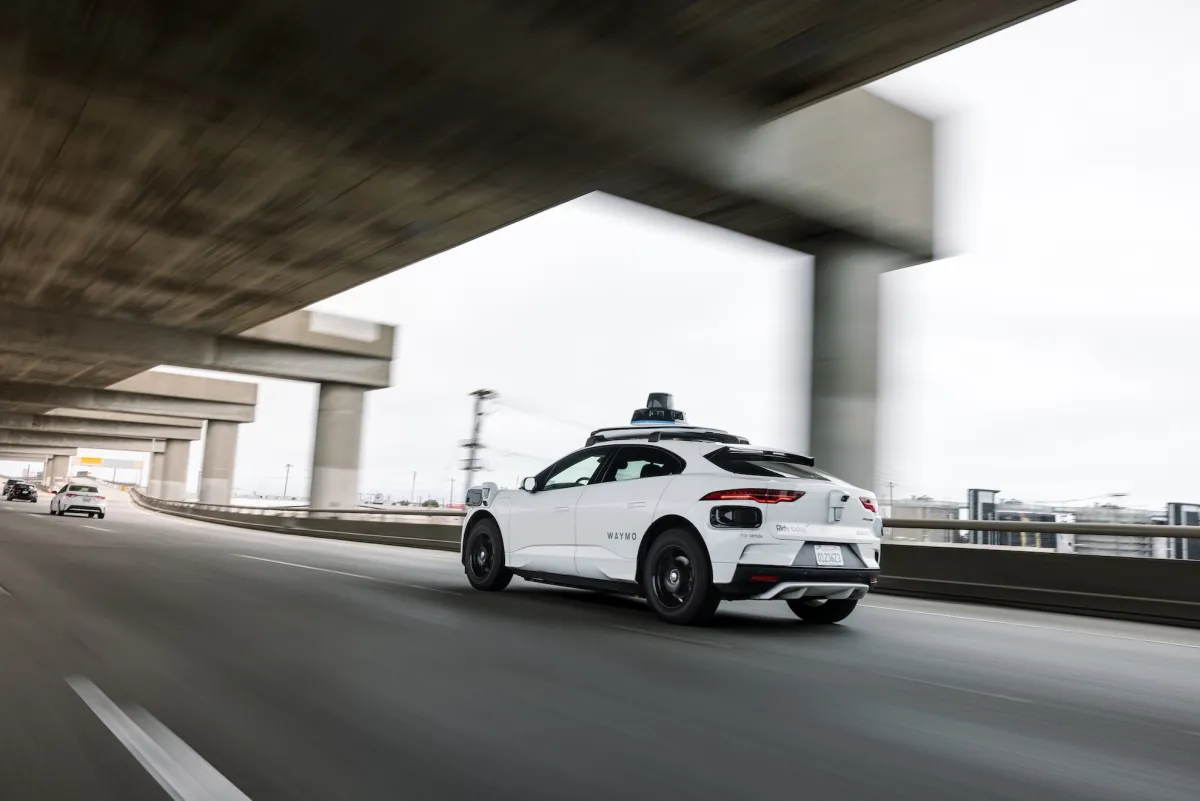
Waymo gears up for $16B boost in major funding round

In a remarkable demonstration of disruption and innovation, Waymo, the pioneer in autonomous vehicle technology, is on the verge of closing a colossal $16 billion funding round, which positions the company at an impressive $110 billion valuation. Backed heavily by Alphabet, the parent company of Google, this funding underscores the strategic importance of AI-powered mobility as a critical frontier for tech giants vying for dominance in the future of transportation. With significant investment from venture powerhouses like Sequoia Capital, Dragoneer, and DST Global, Waymo is clearly positioned not just as a leader but as an industry disruptor set to redefine urban mobility.

This influx of capital signifies more than just financial backing; it reflects confidence in autonomous vehicle technology as a game-changing force. The company’s rapid expansion, exemplified by its recent launch in Miami, marks a strategic pivot to urban environments where demand for safe and reliable autonomous taxis is surging. However, technological hurdles remain, as the company has faced setbacks—such as instances of robotaxis stalling during significant blackouts—highlighting the challenges inherent in scaling next-gen transport systems for real-world urban settings.

  • High-growth trajectory with over 20 million trips completed
  • Existing annual recurring revenue exceeding $350 million
  • Recent Series C fundraise valued at $45 billion

The strategic investment landscape reveals a clear message: autonomous vehicle technology is no longer just a niche innovation but a cornerstone of future urban infrastructure. As MIT researchers and tech analysts like Gartner emphasize, the combination of advanced AI, real-time decision-making algorithms, and scalable infrastructure will make autonomous mobility the primary solution for urban congestion and pollution concerns. This trend indicates a tectonic shift towards a mobility ecosystem driven by disruption, where traditional automotive giants will face intensifying competition from autonomous-first startups backed by elite venture capital.

Industry insiders warn that while the technological breakthroughs from companies like Waymo and others will revolutionize the landscape, they also introduce new markets of political, regulatory, and safety challenges. Yet, the momentum remains unstoppable—investors and industry leaders are betting heavily on a future where these autonomous platforms become dominant. The scale of this latest funding round marks a turning point; it is a wake-up call for established automakers and a clarion call for startups aiming to accelerate their autonomous solutions. Time is running out for incumbents to adapt, innovate, and capture the transformative potential of autonomous mobility before the industry is reshaped completely.

In conclusion, Waymo’s aggressive push into new cities, backed by monumental funding and strategic partnerships, reflects a high-stakes race for supremacy in the autonomous vehicle domain. As the industry hurtles toward widespread deployment, only those capable of pioneering disruptive innovations and navigating complex regulatory landscapes will survive. The future belongs to those who can harness this wave of technological revolution—markets must brace for a new era where autonomous mobility becomes the backbone of modern urban living, and the stakes have never been higher.

Social Media Auto Publish Powered By : XYZScripts.com