Matox News

Truth Over Trends, always!

Amazon Alexa+ Now Open to All—Here’s How to Disable It (2026)

Amazon Reinvents Home AI with the Launch of Alexa+

In a bold move marking a new chapter in consumer technology, Amazon has rolled out its latest evolution in AI-driven home assistants: Alexa+. Unveiled at CES earlier this year, this upgraded voice assistant showcases Amazon’s aggressive push to redefine how millions of households interact with smart technology. The immediate deployment to Prime members and the end of the waiting list signal Amazon’s readiness to dominate the next wave of digital disruption, emphasizing innovative conversational AI that extends beyond simple command execution.

Disrupting the Industry Standard

Alexa+ represents a significant innovation, heralding a shift from traditional voice assistants that function primarily as digital butlers, to more advanced chatbots capable of natural, nuanced conversations. Amazon claims this new iteration can better comprehend complex requests, offering a more intuitive user experience that blurs the lines between human and machine interactions. This development aligns with industry trends identified by Gartner and other leading analysts, which highlight the emerging importance of AI that is not just reactive but proactively engaging. With this move, Amazon disrupts the market standard of voice assistant capabilities and sets a new bar for the industry’s competitive landscape.

  • Enhanced Conversationality: Alexa+ allows for context-aware dialogue, reducing misunderstandings and repetitive commands.
  • Broadened Capabilities: It is poised to serve as an advanced chatbot, integrating with broader smart home ecosystems and third-party services.
  • Business Implication: This increases user engagement, providing Amazon with a larger data repository and monetization opportunities through targeted services and subscriptions.

Industry watchers like Elon Musk and Peter Thiel have long emphasized the critical role of AI innovation in future tech dominance. Amazon’s aggressive upgrade strategy reflects a keen understanding of this trajectory, positioning Alexa+ as not merely a product but a platform capable of disrupting entrenched players in the home automation space.

Impacts on Consumer Experience and Market Dynamics

Despite the excitement surrounding Alexa+’s rollout, the transition underscores the persistent tension between innovation and user consent. Reports reveal some users experience forced upgrades and sudden voice changes, illustrating a broader industry challenge: how to effectively balance rapid innovation with user autonomy. Amazon’s move pushes the envelope in this context, making voice assistants more sophisticated but also raising important questions about privacy, data security, and consumer choice.

From a business perspective, Amazon’s decision to integrate Alexa+ seamlessly into existing Prime memberships signifies a strategic intent to deepen ecosystem lock-in and generate additional revenue streams. The AI’s personalized conversational interface reinforces Amazon’s overall dominance in digital retail, smart devices, and cloud services, giving the company an edge in the competitive landscape.

Looking Forward: Innovation as a Double-Edged Sword

As Amazon continues to iterate on Alexa+ and similar AI innovations, the industry’s trajectory appears clear: Innovation will accelerate, competition will intensify, and traditional paradigms of user interaction will be fundamentally challenged. Companies that fail to adapt risk falling behind in the race to create truly disruptive, intelligent assistants capable of transforming everyday life. Meanwhile, consumers and regulators alike must grapple with the long-term implications of pervasive AI, emphasizing the need for robust oversight and strategic foresight.

For the tech industry and young entrepreneurs eager to lead the next big wave, the message is unequivocal: the future belongs to those who innovate boldly and navigate disruption wisely. With Amazon’s Alexa+ setting the pace, the urgency to develop smarter, more intuitive AI solutions has never been greater. The next decade will be pivotal—an era where innovation and disruption will define the competitive landscape of the digital age.


JudgeGPT Takes the Stand: AI’s Next Justice?

Legal Industry Faces Disruption as AI Revolutionizes Dispute Resolution and Judicial Processes

In a fast-paced technological era where innovation meets disruption, the legal industry’s landscape is undergoing a seismic shift. Leading institutions, such as the American Arbitration Association, are pioneering the integration of artificial intelligence (AI) tools like the AI Arbitrator, built upon OpenAI’s models, to streamline dispute resolution processes. This innovation promises to significantly lower costs and increase accessibility for civil litigants, especially in document-heavy cases. Unlike traditional judicial proceedings that can stretch over months—sometimes up to 75 days—these AI-driven systems are projected to cut resolution times to 30-45 days, reflecting a profound industry-wide push for efficiency and business model disruption.

Reimagining Judicial Functions with Large Language Models

The legislative and judicial sectors are still grappling with the potential and pitfalls of generative AI. Notable figures like Judge Kevin Newsom have suggested that, when appropriately assessed, LLMs (Large Language Models) could serve as auxiliary tools to analyze legal texts, interpret language, and assist in defining ambiguous contractual terms. For instance, a landmark case involving the classification of in-ground trampolines as “landscaping” demonstrated how AI could contribute a nuanced understanding of language — albeit with notable reservations about reliance and accuracy. Nonetheless, the prospect of AI providing multiple definitions and contextual insights offers a disruption of traditional textualist approaches that hinge solely on dictionaries.

  • Enhanced analysis of legal language and terminology
  • Potential reduction in bias introduced by human subjectivity
  • Facilitation of faster decision-making in routine cases

Despite these advancements, academic research warns that AI’s legal interpretations remain imperfect. Studies from institutions like Stanford have identified persistent issues such as hallucinations—the tendency of models to fabricate facts—and biases embedded within training data. The widespread concern is that over-reliance on these models could inadvertently reinforce inequalities or distort legal reasoning, thus threatening the foundational fairness of justice.

Challenges and Business Implications of AI in Justice

Leading legal tech firms like LexisNexis and Westlaw have responded to these concerns by deploying retrieval-augmented generation (RAG) systems designed to improve factual accuracy and reduce hallucinations. However, research in 2025 indicates that substantial challenges persist, especially in interpreting complex jurisprudence and case law, which continually evolve and require contextual understanding that AI has yet to master fully. These challenges underscore the need for rigorous validation and oversight, not static automation, to ensure trust and efficacy in legal AI tools.

The business implications are profound: Law firms and government agencies are increasingly investing in AI-powered systems to manage caseloads more efficiently, freeing human judges and attorneys for cases that warrant their specialized judgment. However, critics like former judge Paul Grimm emphasize that AI cannot replace human nuance and ethics, warning that these tools should serve as supplements rather than replacements. Disruption in this space is inevitable, but it hinges on careful regulation and transparent AI development that maintains the integrity of legal decision-making.

Future Outlook: The Urgency of Adaptation

The trajectory is clear: the legal industry must adapt swiftly to the AI-driven transformation, or risk obsolescence. As MIT researchers and industry leaders underscore, the time to innovate is now—especially with the potential to expand justice accessibility for under-resourced populations. Yet, the road ahead demands balancing ¬disruption with caution, ensuring AI enhances, rather than undermines, procedural fairness and societal trust. The window for policymakers, legal professionals, and tech entrepreneurs to shape this future is narrowing; delay could entrench biases and inaccuracies, prolonging the very injustices AI aims to solve.

In conclusion

With disruptive AI technologies poised to revolutionize the legal landscape, those who innovate boldly and regulate wisely will emerge as industry leaders. The coming years will determine whether AI becomes a driver of fairer, faster justice, or a threat to public confidence and the rule of law. For young entrepreneurs, tech visionaries, and policymakers alike, embracing the urgency and possibilities of this transformation is not just strategic—it’s essential for shaping the future of justice itself.

Judge Pauses Minnesota ICE Action Amidst Illegal Punishment Concerns

Federal Enforcement Actions in Minneapolis Fuel Legal Battles and Civil Discontent

In an unprecedented display of federal authority, recent operations in Minneapolis have ignited a fierce debate over the limits of government power, civil liberties, and the future landscape of law enforcement technology. The deployment of thousands of armed agents during federal raids—aimed at curbing crime but marred by tragic incidents—has raised fundamental questions about the disruption of local sovereignty and the potential overreach of federal operations. Experts like those from MIT’s Cybersecurity Institute warn that such interventions might set dangerous precedents, risking a precedent where federal agencies operate with near-impunity within state borders, potentially unleashing an era of unchecked coercive power.

Legal battles currently dominating the headlines highlight the tension between federal authority and local autonomy. Judges such as Judge Menendez have expressed concern over the scale and scope of these operations, questioning whether federal agencies are crossing constitutional lines. The legal claims focus on whether the federal government, in its effort to combat crime, is effectively coercing or even overriding local officials’ ability to manage their jurisdictions. The core worry among legal scholars is how these large-scale operations could erode the constitutional protections of states and municipalities, forcing them into crisis mode—diverting resources, disrupting local law enforcement, and destabilizing entire communities. This scenario has significant business implications for private security, surveillance tech firms, and emergency response industries, which stand to benefit from increased demand driven by federal initiatives.

Adding fuel to the fire are recent tragic incidents in Minneapolis involving federal agents—specifically, the deaths of Renee Nicole Good and Alex Pretti. The killings, both involving armed federal agents and operating in the context of seemingly unrelated raids, have turned public opinion sharply against federal enforcement tactics. Official narratives such as allegations that Pretti posed a “lethal threat” have been challenged by citizen footage and autopsy reports, underscoring a growing gap between government claims and on-the-ground realities. These events serve as stark reminders that disruptive law enforcement technology—including surveillance and armed response tools—must be wielded with precision and accountability, or risk undermining the trust necessary for future innovation.

Looking ahead, the industry’s response to these shifts will be critical. Disruptive technologies like AI-powered surveillance, real-time tracking, and autonomous law enforcement drones are poised to revolutionize public safety. However, the legal and ethical dilemmas highlighted by Minneapolis’s recent turmoil signal that without robust safeguards, such technological advances could accelerate a trajectory toward authoritarianism or civil unrest. Key industry players and policymakers are now racing to develop frameworks that balance innovative disruption with respect for civil liberties—a task that’s becoming ever more urgent.

As the battle lines between federal authority and local sovereignty sharpen, the next wave of tech-driven enforcement will define the limits of American liberty and security. Industry leaders like Elon Musk and Peter Thiel emphasize that the future of safe, accountable law enforcement depends on proactive innovation paired with strict regulatory oversight. The coming months will be pivotal: failure to strike a sustainable balance could see unchecked federal expansion transforming into a technology-enabled surveillance state. In this high-stakes game of innovation versus regulation, those who act swiftly and decisively will shape the future of justice, security, and innovation—setting the course for a nation that must navigate this new frontier with clarity and resolve.

Skylight Takes Off: Over 380K Teens Flocking to TikTok Alternative as U.S. Deal Wraps Up

Innovative Disruption in the Social Media Landscape: Skylight Challenges TikTok‘s Dominance with Open-Source Technology

The rapid evolution of social media platforms is demonstrating a clear shift towards decentralization and user-centric designs, with Skylight emerging as a formidable contender against the entrenched dominance of TikTok. Built on open-source protocols such as the AT Protocol, Skylight embodies a new wave of innovation aimed at disrupting traditional siloed social networks. Since its launch last year, the startup has achieved significant growth, surpassing 380,000 registered users—highlighting a notable traction spurred by current geopolitical tensions and consumer concerns regarding privacy and national security.

The strategic leveraging of open standards signals a paradigm shift in social media architecture, fundamentally challenging the centralized control exercised by giants like ByteDance (TikTok’s parent company). Unlike conventional platforms, Skylight offers features that empower creators and users with greater control over content, data, and community engagement. Its ability to support a vibrant ecosystem—highlighted by over 150,000 videos uploaded and streaming from Bluesky through its interoperability—demonstrates the disruptive potential of decentralized technology. Industry analysts, including Gartner and MIT researchers, emphasize that such innovation could redefine the landscape by significantly reducing dependency on monopolistic algorithms, thus fostering healthy competition and user sovereignty.

The recent developments surrounding TikTok’s legal and political battles reveal both vulnerabilities in centralized models and opportunities for open-source competitors. The Biden administration’s recent efforts to establish the TikTok USDS Joint Venture LLC—a move purportedly aimed at assuaging security concerns—has, paradoxically, increased skepticism about American ownership’s true allegiance. Concerns over privacy practices, especially regarding GPS and immigration data collection, have fueled a wave of distrust among younger demographics. This environment creates fertile ground for alternatives like Skylight, which tout transparency and open standards as core differentiators. The startup’s surge over the weekend, with up to 20,000 new users and a 150% growth rate in active sign-ups, exemplifies how concerns over control and privacy are driving the next-generation social media revolution.

The implications for existing tech giants and the broader industry are profound. Traditional platforms face mounting pressure to innovate or risk obsolescence, as their business models based on data monopolization and closed ecosystems are increasingly viewed as outdated and insecure. Disruption driven by open-source protocols and decentralized networks could usher in a new era where consumer sovereignty and content creator empowerment become the norm. Industry leaders like Elon Musk and Peter Thiel have long championed the potential of open models to catalyze innovation, and Skylight’s early success underscores this movement’s momentum. As regulatory scrutiny intensifies and user demands for privacy and transparency grow, the industry must adapt swiftly, or risk losing relevance in a rapidly shifting digital landscape.

Looking ahead, the rise of platforms built on open standards signals that the ongoing battle for control over social media’s future is just beginning. Technologies that prioritize decentralization, interoperability, and user empowerment are poised to challenge the conventional giants’ dominance, ultimately fostering a more competitive and resilient ecosystem. For innovators and investors alike, this era presents an urgent call to champion disruptive technologies that unlock new business models and redefine what social media can be—more open, more secure, and ultimately more aligned with user interests. As the industry hurtles toward this future, those who embrace these changes early will set the course for the next chapter in digital communication.

Intel’s Panther Lake Chips Crush Apple’s M5—Game Changer for Young Tech Fans

Intel’s Latest Chips Signal a Disruptive Shift in Computing Power and Industry Dynamics

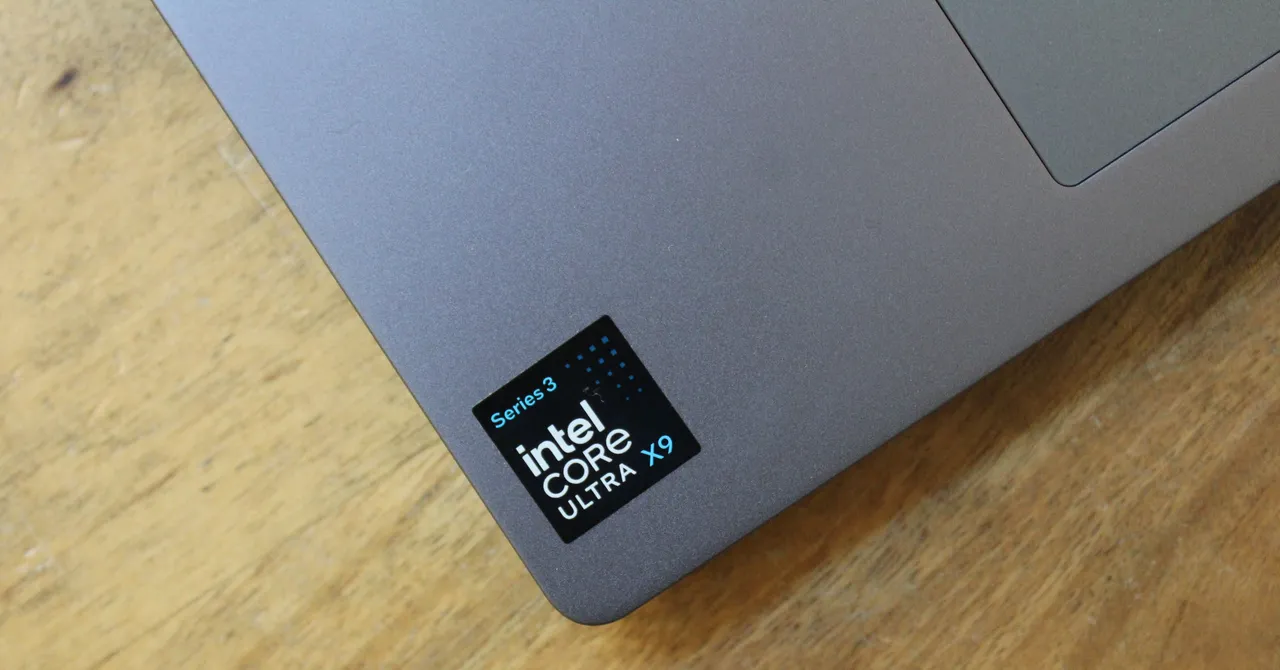
In a remarkable display of hardware innovation, Intel has reasserted itself at the forefront of the tech battlefield with its new generation of chips boasting unprecedented multi-core performance and integrated graphics capabilities. The flagship X9 388H chip, outperforming Apple’s latest M5 by a staggering 33 percent, exemplifies how Intel is strategically disrupting the status quo. This surge is more than a simple technical victory; it signals a potential redefinition of benchmarks in laptop and mobile computing, challenging established industry giants and paving the way for new standards of performance in thin-and-light devices.

Revolutionizing Integrated Graphics and Multi-Core Power

Intel’s Core Ultra 7 258V has delivered a benchmark-defying 52 percent increase in multi-core CPU performance and a 54 percent upgrade in integrated graphics, tested against current-generation competitors such as the M4 MacBook Air. The use of the powerful B390 GPU and 12 Xe cores in the X7 and X9 configurations, with the X9 at the forefront, demonstrates a disruption of traditional discrete GPU reliance—transforming laptops from mere portable tools into powerhouse multi-taskers capable of professional-grade graphics processing.

  • Top-tier multi-core performance surpassing industry expectations
  • Integrated graphics on par with discrete desktop GPUs
  • Significant leaps in AI and video editing capabilities within ultraportables

Analysts from Gartner and industry insiders note that this leap in integrated graphics represents a strategic pivot for Intel, directly challenging the long-held dominance of dedicated desktop GPUs in performance computing. Industry watchers view this as a clear signal that Intel intends to redefine what is possible in portable computing hardware, with implications across gaming, AI inference, and professional content creation sectors.

Market Implications and Industry Disruption

The impact of Intel’s advancements extends beyond mere performance metrics. The industry is witnessing a shifting market dynamic where innovation drives new business models. OEMs are already integrating these chips into ultrathin laptops that balance power with portability, radically shrinking the gap between high-end desktop performance and mobile efficiency. Such innovations threaten to erode the market share of traditional discrete GPU manufacturers, while companies like Apple, AMD, and NVIDIA face a renewed challenge from Intel’s disruptive hardware advances.

Furthermore, this progress demonstrates how disruption in core hardware can accelerate software and ecosystem innovation, prompting developers and businesses to rethink their approach to application design. As noted by industry leaders, the potential for integrating powerful AI operations directly into portable devices could” change the landscape of mobile AI, edge computing, and real-time data processing.

Looking Ahead: A Future Defined by Agility and Power

Intel’s latest chips are not merely an evolution but a revolution in portable computing, an inflection point that demands rapid adaptation from competitors and entrants alike. As Thiel and Musk have historically emphasized, technological progress hinges on relentless innovation and nimbleness. The next phase will see hardware manufacturers pushing these advances further into AI, machine learning, and 5G-enabled computing, making today’s breakthroughs tomorrow’s industry standard. Time is of the essence for competitors who wish to remain relevant in this new era of high-performance, integrated computing.

In conclusion, with such groundbreaking hardware, Intel is signaling a shift that could reshape the entire technology ecosystem—disrupting established players while opening doors for bold new applications. The race for supremacy in integrated, mobile, and AI-powered computing is accelerating, and those who innovate swiftly will lead the charge into a future where hardware and software harness unprecedented levels of power and efficiency.

Founder revolutionizes firefighting, now mining AI gold for the next-gen tech wave

HEN Technologies Unveils Next-Gen Fire Suppression System with Smart Data Capabilities

Emerging as a formidable contender in the realm of industrial innovation, HEN Technologies is revolutionizing fire suppression and water management through groundbreaking sensor-driven, predictive systems. Founded in June 2020, the company has levered a diverse technological background—including nanotech, solar, semiconductors, and automotive—to develop a portfolio of intelligent water control devices. These tools are not just hardware; they are catalysts for disrupting the entrenched firefighting and municipal water systems, with far-reaching business implications for military, emergency, and industrial sectors globally.

Innovation at the Core: From Nozzles to Data Ecosystems

  • Utilizes custom-designed circuit boards embedded with sensors and powerful computing units—including Nvidia Orion Nano processors—transforming basic hardware into connected, smart systems.
  • Develops precise, adaptive water nozzles capable of controlling droplet size, managing velocity, and resisting wind, enhancing firefighting efficiency in high-stakes scenarios.
  • Expands into a portfolio of flow control and monitoring devices—such as Stream IQ and discharge systems—integrating real-time data streams for operational insights.

The innovation is embodied in HEN’s system architecture, which employs sensors at the pump level to act as virtual sensors in the nozzle, capturing detailed data about water flow, pressure, and environmental conditions. This data not only optimizes firefighting efforts but also creates a valuable multi-modal data pipeline that has attracted significant investor interest, including a recent $20 million Series A round led by O’Neil Strategic Capital. According to industry experts, this level of integrated data infrastructure positions HEN as a potential pioneer for predictive analytics—crucial for advanced AI systems that construct dynamic models of physical environments.

Disruption and Business Implications: Beyond Firefighting

HEN’s platform is poised to disrupt traditional emergency response and municipal water management by enabling predictive analytics and resource optimization. Its devices gather critical data on water usage, environmental conditions, and system performance—information that has historically been difficult to access in real time. This data ecosystem could revolutionize how agencies like the DHS NERIS program and international defense organizations approach emergency readiness, disaster mitigation, and resource allocation.

The company’s strategic move into qualified federal procurement channels, such as GSA approval, signals a deliberate push toward scale within government contracting, turning this technological disruption into a sustainable business model. Fire departments routinely replace thousands of aging engines annually; HEN’s intelligent hardware offers recurring revenue opportunities from hardware sales complemented by ongoing data contracts—an attractive prospect for investors driven to capitalize on the growing need for smart city infrastructure.

The Road Ahead: Data as the Future Currency

While hardware sales currently fuel revenue growth—$200,000 in Q2 2023 skyrocketed to over $20 million forecasted for this year—the real value lies in the data generated. As analysts at Gartner and MIT emphasize, the future belongs to companies that can harness real-world data for AI-driven predictive systems. Companies building sophisticated world models, especially in emergency management and robotics, will pay a premium for the high-fidelity, multimodal physics data generated by HEN’s deployments.

With a talented team drawn from Tesla, Apple, NASA, and Microsoft, HEN is positioning itself as a critical enabler of these emerging AI applications, which require granular, real-time data to operate effectively in unpredictable, high-stakes environments. As government agencies and private industries increasingly adopt such systems, HEN’s strategic focus on robust hardware, data pipelines, and institutional penetration signals a fast-approaching industry inflection point. Companies ignoring the looming disruption risk falling behind in the race for the next-generation of intelligent, connected infrastructure—making early adoption not just advantageous but essential.

In this rapidly evolving landscape, the message is clear: the convergence of sensor technology, AI, and real-time data is giving rise to a new wave of disruptive innovation. HEN’s success, fueled by visionary engineering and strategic investor backing, exemplifies how the future of infrastructure resilience and emergency response will be driven by those who master the art of data collection and intelligent control. The race to dominate this space is just heating up, and forward-looking companies must move swiftly to capture the immense opportunities ahead.

Why Is Ice Still a Mystery to Science?

Groundbreaking Research Challenges Long-Standing Theories on Ice Slipperiness

The age-old mystery of why ice remains perpetually slippery has entered a new phase of understanding, with recent scientific advancements threatening to disrupt traditional perspectives in physics and materials science. German researchers have proposed a compelling fourth hypothesis—known as the premelting theory—that suggests an intrinsic, microscopic layer of liquid water exists on ice surfaces prior to contact, fundamentally redefining the phenomenon. This innovative approach tailors to a broader trend in scientific disruption—where classic theories are being replaced by more nuanced, real-world models.

The Evolution of Theories: From Pressure to Premelting

The longstanding debate began in the 1800s with James Thomson, who theorized that additional pressure from a human step could locally lower the melting point, thus creating a slippery layer of water. His idea was supported by Lord Kelvin, but later challenged in the 1930s by scientists like Frank Bowden and T. P. Hughes, who argued that the pressure exerted by even vigorous skaters isn’t sufficient to cause melting. Their calculations indicated that the force generated on a typical skate is orders of magnitude too weak to influence ice’s phase change significantly. This skepticism prompted the scientific community to look elsewhere.

Friction and its Falling Out of Favor

Another dominant hypothesis suggested that heat generated through motion—the idea of frictional heating—caused the ice to melt at the contact point. However, recent experimental studies, including those by Daniel Bonn at the University of Amsterdam, have challenged this assumption. By creating microscopic ice slabs and measuring the forces involved, Bonn’s team discovered that ice slipperiness appears largely independent of the speed of movement, undermining the frictional heating explanation. These findings place the role of surface physics into sharper focus, emphasizing that the phenomenon might arise from more subtle, surface-specific processes rather than bulk heat generation.

The Rise of the Premelting Hypothesis and Industry Implications

Perhaps the most revolutionary shift is the renewed support for the premelting hypothesis—an idea originating from Charles Gurney and others—that ice’s surface is inherently wet at temperatures below 0°C. This microscopic wet layer could be responsible for the persistent slipperiness, and its understanding opens doors for disruptive applications across multiple industries. For instance, manufacturers of anti-icing and de-icing products could leverage this knowledge to develop more effective solutions, reducing reliance on chemical de-icers that harm the environment. Similarly, advances in ice-related transport technologies—like autonomous snow plows or luxury skating rinks—stand to benefit from a profound grasp of the surface physics involved.

  • Emerging technologies in surface coating and material design aiming to manipulate or reinforce the premelted layer.
  • Potential for reduced energy costs and increased safety in winter transportation through advanced understanding of ice’s natural properties.
  • Strategic positioning for companies innovating in climate resilience and infrastructure adaptation.

The Future: Innovation, Disruption, and Competitive Edge

As top industry analysts from Gartner and innovation leaders like Elon Musk and Peter Thiel emphasize, those companies that quickly adapt to the evolving scientific landscape hold the keys to gaining a first-mover advantage. The shift toward understanding surface premelting not only symbolizes a significant paradigm change but also indicates an upcoming wave of technological disruption in fields ranging from transportation to renewable energy. With research like Bonn’s providing a clearer picture of ice’s intrinsic properties, the energy sector and smart infrastructure developers are keenly watching for how to incorporate this knowledge into next-generation solutions.

The decades ahead will determine whether traditional industry giants or agile startups lead the charge—yet one thing remains clear: the race to harness the fundamental science of ice is more urgent than ever. Those who can translate these breakthroughs into practical, scalable applications will set the course for resilience and innovation in a warming world, cementing their position at the forefront of the new technological frontier.

Score $100 Off with Shark’s January Deal — Upgrade Your Tech Game Now!

Revolutionizing Consumer Markets: Shark’s Strategic Expansions

In an era marked by rapid innovation and disruption, Shark is carving out a broader footprint beyond its established reputation in cleaning appliances. Recently, the brand has leveraged targeted marketing strategies—offering exclusive discounts like 10% off for first-time vacuum buyers and 15% discounts for students via UNiDAYS—to foster brand loyalty while expanding its consumer base. Such initiatives underscore a shift in the company’s approach, employing digital incentives and referral programs to catalyze organic growth in a competitive landscape.

Crucially, Shark is venturing into the emerging segment of personalized, at-home food production with its Ninja CREAMi line. This innovation exemplifies how traditional appliance brands are disrupting the food-tech industry by democratizing culinary creativity. Market acceptance has been strong—showcased by consumer enthusiasm for home gelato and soft-serve recipes—making Shark a meaningful player in the rapidly evolving kitchen gadget market. According to industry analysts, this shift signals a broader move toward multifunctional, affordable appliances tailored for younger, tech-savvy audiences seeking convenience and novelty.

Implications for Industry & Market Disruption

The company’s strategic diversification blurs industry boundaries, challenging established giants in both cleaning and kitchen appliances. Disruption occurs when a company leverages innovation to reduce costs and improve user experience—Shark’s incorporation of smart features and cost-effective designs exemplifies this trend. Meanwhile, their push into refurbished product markets aligns with a broader sustainability trend that appeals to environmentally conscious younger consumers, reducing barriers to purchase and fostering repeat engagement. Experts at MIT have noted that these moves could force competitors to reassess their innovation pipelines, especially as AI and internet-connected devices redefine product capabilities and consumer expectations.

Business implications are profound: Shark’s strategy not only heightens industry competition but also signals a paradigm shift where customer-centric digital incentives and versatile product offerings become standard. Companies must now innovate beyond features—consider sustainability, affordability, and seamless user experiences—or risk losing relevance in a fast-changing market.

Looking Forward: Innovation as the New Standard

As technology accelerates, the era of passive consumption is giving way to active, personalized engagement—something Shark is capitalizing on through targeted promotions, product innovation, and sustainability initiatives. Industry observers, including Gartner analysts, predict that the convergence of smart technology, AI-driven customization, and eco-conscious practices will set the new benchmark for success.

For the youth and future-ready entrepreneurs, this landscape is ripe with opportunity—and peril. The brands that harness innovation’s disruptive power will dominate the next decade; those that fail to adapt risk obsolescence. Shark’s aggressive yet strategic approach exemplifies how modern companies must act with urgency, blending technological advances with savvy marketing. As we look ahead, one thing remains clear: the race for consumer loyalty and industry leadership is intensifying, and the next chapter in this technological revolution is just beginning—warning those slow to innovate that in today’s market, complacency is costly.

Score Big: 60% Off HP Coupons & Discounts This December 2025!

HP Sets New Bar in Tech Innovation, Disruption, and Market Shifts

The technology landscape is witnessing a seismic shift driven by aggressive innovation and disruptive business models, with HP at the forefront. As industry leaders like Gartner and MIT scholars identify emerging trends, HP’s recent announcements reflect a clear intent: to revolutionize how young consumers and professionals access and utilize tech. The company’s robust lineup, which now includes the rebranded OmniBook series powered by Qualcomm’s Snapdragon X chips and cutting-edge OLED displays, signals a strategic pivot towards ultra-portability and all-day battery life—resources highly sought after by the modern youth demographic.

This shift is underscored by their latest adoption of NVIDIA’s RTX 50-series graphics, which introduces features like multi-frame generation—a technology that promises to redefine gaming performance, especially on mobile platforms. The Omen Max gaming laptops, equipped with 240Hz refresh rate screens and RTX 4050/4070 options, are emblematic of how HP is disrupting traditional boundaries between gaming and professional hardware—ushering in a new era of powerful yet portable machines aimed squarely at gamers, creators, and students alike.

Market Implications and Industry Disruption

What truly sets HP apart is its aggressive pricing strategy, with discounts and subscriptions that make high-end tech more accessible to the first-time buyer and the budget-conscious consumer. The company’s push into offering 40% off on gaming laptops, student-exclusive discounts, and military discounts is not merely about sales; it signals a market reconfiguration. Industry analysts from MIT suggest that such strategies could accelerate market penetration for premium features among youngsters, disrupting established brands that rely on higher price points and slower innovation cycles.

The introduction of the OmniBook Ultra Flip—a sleek, Qualcomm-powered convertible with OLED display—caters specifically to the increasing demand for versatile, high-performance devices. As Peter Thiel notes in his discussions about technological acceleration, this rapid infusion of capability into consumer-level products bears the potential to catalyze “fundamental shifts” in how youth engage with education, work, and recreation. Meanwhile, the rise of

  • subscription ink services like HP Instant Ink
  • affordable gaming models with >RTX 4050 GPUs

signals a new service-driven business model that emphasizes lifetime value over one-time sales.

Looking Forward: The Future of Disruption and Innovation

The industry’s next few years will be critical as competitors scramble to match HP’s aggressive pace of innovation and market disruption. With disruptive tech, fast-paced product launches, and a focus on affordability, HP exemplifies the youthful, forward-thinking ethos that will define the next era of technological evolution. As Elon Musk and other visionaries have pointed out, the future belongs to those who can seamlessly blend innovation with disruption—harnassing these trends to not only gain market share but also to redefine consumer expectations.

Young consumers—and the market at large—must remain vigilant and agile; technological advancements are moving with unprecedented velocity. Companies that fail to adapt risk obsolescence while those like HP position themselves as the architects of a new digital frontier. Now is the moment for industry stakeholders to understand that innovation is no longer optional but essential, as the competitive landscape evolves into a realm where disruption is the new standard.

Top AirPods Picks for 2025: Gear Up for the Future

Apple’s Next-Generation Earbuds Push Industry Boundaries with Strategic Innovations

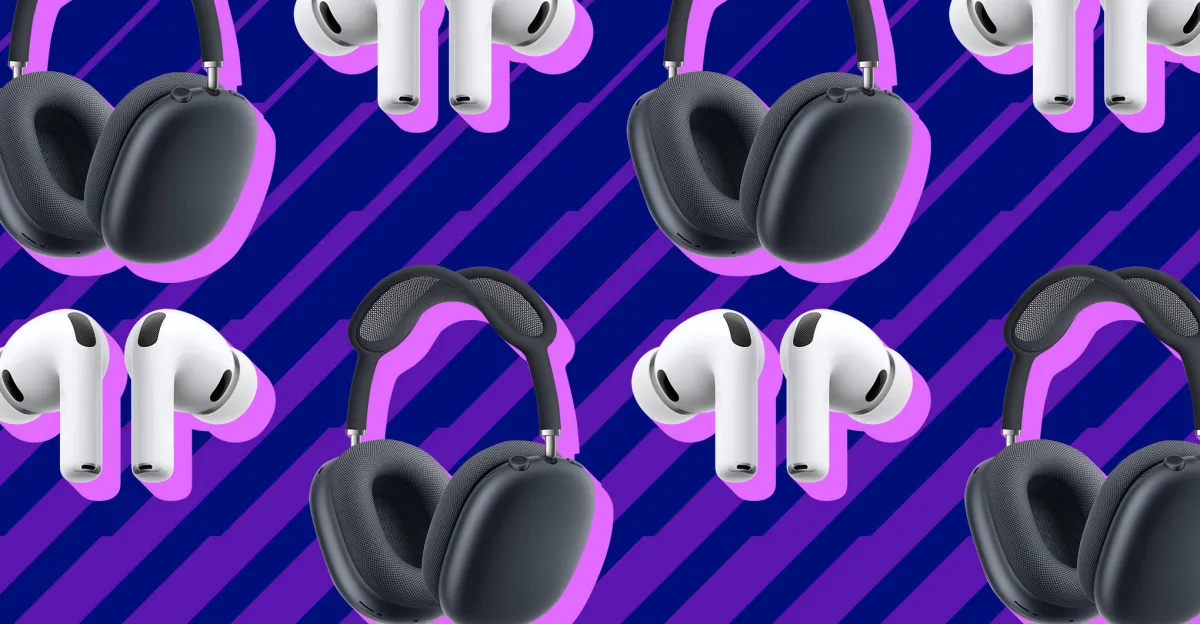
In a move poised to redefine the wireless audio industry, Apple is reportedly preparing to launch its latest iteration of earbuds, building on its tradition of disruption and ecosystem-centric innovation. According to recent reviews and industry leaks, these new earbuds are expected to incorporate a suite of advanced features that emphasize disruption in both hardware and ecosystem integration, with potential implications for competitors like Bose, Sony, and emerging tech giants—pushing the boundaries of what consumers now expect from wireless audio devices.

Key features under development suggest a focus on elevating sound quality, comfort, and ecosystem synergy, challenging established norms. Industry analysts from Gartner and institutions like MIT underscore the significance of innovation-driven product differentiation. The new earbuds are anticipated to boast

  • Enhanced active noise cancellation (ANC) capable of competing with premium models such as the AirPods Max
  • Extended battery life, promising up to 8 hours with ANC enabled
  • Improved ergonomic fit with adjustable foam-plus-silicone tips—including XXS sizes to cater to diverse ear shapes
  • Health and fitness features, notably a built-in heart rate sensor, positioning these earbuds as personal health trackers
  • Advanced ecosystem connectivity, including seamless integration with iOS, macOS, and Windows devices, along with sound-rich features like live translation and clinical-grade hearing aid support

Implications for Business and Industry Dynamics

The disruption extends beyond hardware to influence the broader market shift towards integrated, multi-functional wearable devices. As Elon Musk and Peter Thiel have emphasized, business innovation in tech hinges on ecosystem lock-in and user experience. Apple’s targeted enhancements threaten to widen its lead in the premium wireless earbuds segment, while incentivizing competitors to innovate or cede ground. The strategic introduction of tailored features—such as active health monitoring and immersive spatial audio—signal a future where earbuds serve as multifunctional health and entertainment hubs, disrupting traditional product categories.

Furthermore, the adoption of *new materials and form factors*—like foam-infused tips—highlight Apple’s push for premium comfort and better fit, addressing longstanding consumer pain points—especially for users who find tight ear tips uncomfortable. This focus on personalization and user-centered design is expected to escalate competition, compelling brands to invest in dual-purpose innovations that blendaudio excellence with health and lifestyle functionalities.

Conclusion: A Turbulent Future Demands Urgency

The upcoming launch signals a critical juncture in tech innovation, urging stakeholders across the industry to remain vigilant. As Apple continues to leverage its extensive ecosystem, the company’s new earbuds are set to redefine the standards for disruption, innovation, and ecosystem control. Industry observers warn that those slow to adapt risk obsolescence in an increasingly fast-paced market environment, where the integration of health, AI, and high-fidelity audio becomes the new battleground. For developers, manufacturers, and competitors alike, this is a stark reminder: The future belongs to rapid innovation rooted in a seamless ecosystem experience.

In an era characterized by relentless technological evolution, the race for supremacy in premium earbuds is more urgent than ever. With Apple’s strategic moves, the industry is likely to witness a cascade of disruptive innovations that will shape consumer habits and corporate strategies alike for years to come.

Social Media Auto Publish Powered By : XYZScripts.com