Matox News

Truth Over Trends, always!

Disney and ESPN return to YouTube TV, bringing your favorites back to the screen

Disruption in Media Streaming: Disney and YouTube TV Form Strategic Alliance

In a move that underscores the ongoing transformation of the entertainment industry, Disney has announced a comprehensive carriage deal with YouTube TV, signaling a renewed focus on direct-to-consumer (DTC) strategy and digital innovation. This partnership includes the full portfolio of Disney’s linear networks—covering ESPN, ABC, Freeform, FX, National Geographic, and more—and aims to leverage YouTube TV’s platform to reach a broader, younger demographic in an increasingly competitive streaming landscape. The evolving arrangement exemplifies how legacy media giants are resorting to strategic alliances and platform diversification to disrupt traditional broadcast models, carving out new revenue streams amid declining cable subscriptions.

Central to this deal is the introduction of ESPN’s Unlimited Plan, a DTC service accessible at no extra cost to YouTube TV subscribers. This development marks a significant shift from conventional cable model reliance toward a more flexible, consumer-centric approach characterized by disruption of traditional sports and entertainment broadcasting. With access to curated live and on-demand offerings within YouTube TV, ESPN aims to recapture viewer loyalty in a crowded marketplace teeming with competitors like Apple TV+ and Amazon Prime. Industry experts observe that such integrations could fundamentally alter the economics of sports and media rights, forcing competitors to rethink pricing models and licensing strategies.

Furthermore, the partnership includes the launch of genre-specific packages and the ability to integrate the all-important Disney+, Hulu Bundle into select YouTube TV plans. This convergence of content aims to optimize user engagement and foster customer retention in a landscape where consumer discretionary spending on traditional subscriptions is waning. According to Gartner, the shift toward customizable bundle offerings is a clear indicator of the industry’s desire to innovate beyond one-size-fits-all models, fortifying Disney’s position as a dominant player in the digital age and exemplifying strategic disruption championed by visionary executives like Elon Musk and Peter Thiel.

From a business perspective, this expanded collaboration signifies a broader trend targeting industry disruption and consumer empowerment. By harnessing the power of digital platforms such as YouTube TV, Disney is effectively challenging entrenched distribution channels and reshaping the competitive landscape. The move underscores the importance of disruptive innovation—a term popularized by Clayton Christensen—which suggests that established players must leverage new technology to stay relevant. As the industry advances, the emphasis remains on rapid adaptation, with a sense of urgency palpable across boardrooms worldwide. The future looks poised for a new era of content delivery—dynamic, personalized, and data-driven—demanding both agility and foresight from all stakeholders. The question now is: who will be the next industry disruptor in this ongoing revolution, and how will legacy media giants respond to maintain their foothold in a rapidly evolving digital ecosystem?
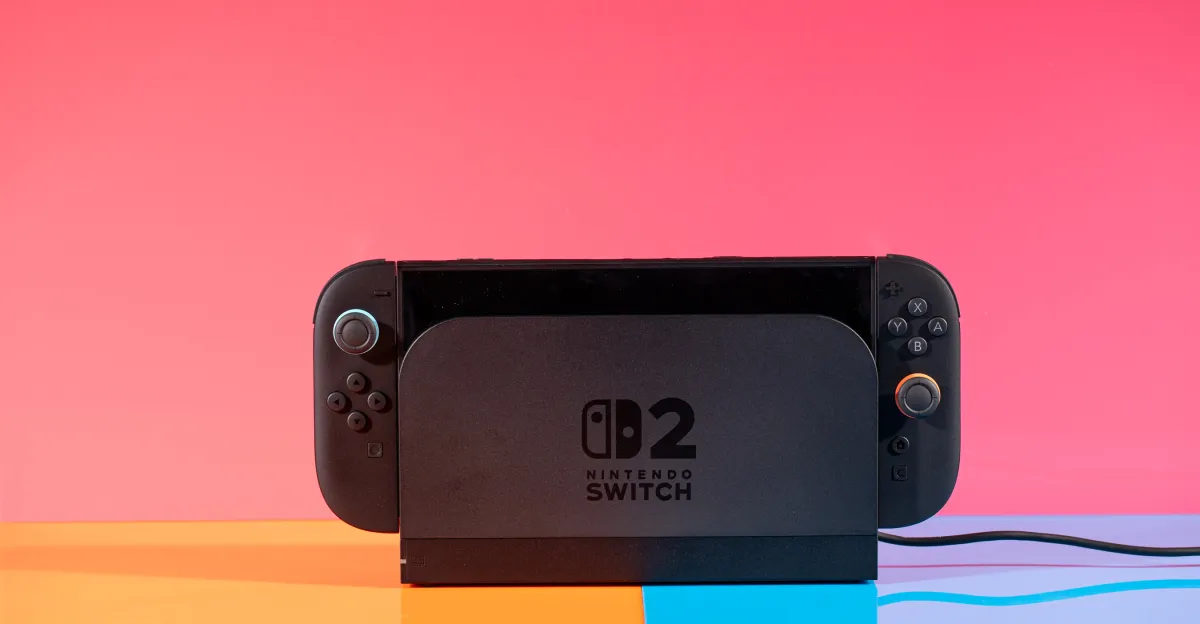

Nintendo blocks some third-party Switch 2 docks — the reason’s still a mystery

The recent firmware update 21.0.0 for Nintendo’s highly anticipated Switch 2 has sent ripples across the gaming and accessory markets, exemplifying how technological innovation often triggers disruption within proprietary ecosystems. While Nintendo aimed for minor improvements, the update unexpectedly compromised compatibility with popular third-party docks, spotlighting an ongoing battle between console manufacturers’ desire for control and third-party innovators’ push for open ecosystems. This move shifts the industry’s dynamics, prompting accessory companies to quickly recalibrate their strategies—a reflection of the relentless pace of innovation and the high stakes involved in maintaining relevance.

Initially, third-party accessory developers scrambled to reverse-engineer Nintendo’s proprietary handshake protocols, racing against the clock to keep their products functional. Early efforts involved:

  • Adjusting firmware commands
  • Modifying power delivery algorithms
  • Reengineering chips to bypass restrictions

Despite significant progress, the latest Nintendo update appears to have reconfigured the system’s handshake handshake validation, effectively “closing the door” on previous circumventions. This turn heralds a broader industry pattern where tech giants like Apple and now Nintendo are implementing tighter control measures—potentially signaling a move toward a more closed, locked-down ecosystem that limits third-party innovation. Whether Nintendo will follow the model of Apple’s MFi certification, allowing accessory developers sanctioned access through a standardized, fee-based program, remains to be seen. Such a move could catalyze a new wave of disruption, as legitimate players might leverage certification to ensure quality while safeguarding platform integrity, but it also risks stifling independent innovation.

This scenario exemplifies the ongoing tension between disruption and control—a dynamic examined closely by industry analysts and thought leaders across sectors. Experts from MIT and Gartner warn that, without a shift toward more open standards, manufacturers risk alienating the very communities that drive their ecosystems’ relevance. Yet, at the same time, business giants are realizing that protecting their ecosystems can reinforce brand loyalty and revenue streams. The implications are profound: third-party accessory markets, once thriving on flexibility and innovation, may face increased barriers, yet they remain critical to fostering technological innovation and consumer choice.

Looking into the future, the trajectory appears clear: we are entering a phase where control measures become more aggressive, but opportunities for strategic disruption also multiply for those willing to innovate within or around these constraints. Companies that can negotiate certification programs, or develop solutions that seamlessly integrate with proprietary systems, could secure a strategic advantage, turning restrictions into opportunities. As industry leaders like Elon Musk and Peter Thiel have argued, real innovation often emerges from disruption—not compliance. The challenge ahead for accessory makers and developers: adapt rapidly or risk obsolescence in a market that rewards agility and forward-thinking. Ultimately, the next wave of technological evolution will test the limits of control, opening a landscape fraught with both danger and opportunity—a future where those who act boldly will define the new frontier.”

Harvey’s Rise: How a Young Legal Clerk Disrupted Silicon Valley with a Top Startup

San Francisco’s Harvey: The Rising Tide of Legal AI Disruption

In an industry long seen as resistant to rapid transformation, Harvey, a legal technology startup based in San Francisco, is making waves with its revolutionary AI-driven legal solutions. The company’s valuation has experienced unparalleled growth, surging from $3 billion in February 2025 to an astonishing $8 billion by late October—reflecting not only investor confidence but also the profound industry impact of its innovation. As Harvey continues to attract major legal firms globally, its story highlights a new era where disruption and technological prowess are redefining legal workflows.

Founded by former lawyer Winston Weinberg, Harvey leverages advanced AI models to automate and enhance legal research, transactional work, and litigation support. The company’s secret sauce is its sophisticated platform, which combines innovations like multiplayer collaboration tools and complex data permissioning systems—an essential feature given the industry’s strict confidentiality and data residency laws. With more than 235 clients in 63 countries and over $100 million in annual recurring revenue, the startup is poised to reshape how legal services are delivered, a trend acknowledged by prominent analysts like Gartner, which predicts AI-driven solutions will soon handle a significant portion of routine legal tasks.

What sets Harvey apart from generic AI chat models like ChatGPT is its focus on building a dedicated, industry-specific platform that integrates deeply into the legal ecosystem. Weinberg emphasizes that their moat lies in their ability to evaluate law firm workflows continuously, collect extensive operational data, and develop multiplayer, outcome-oriented models. This approach not only offers a competitive advantage in accuracy and workflow integration but also establishes a disruptive force capable of challenging entrenched legal industry norms. The company’s move toward outcome-based pricing, and its focus on expanding services for large corporate clients and law firms, signals a strategic targeting of high-margin, complex legal work—an area ripe for innovation.

Industry insiders warn of the challenges ahead—particularly in navigating the delicate balance between technological adoption and legal ethics. As Weinberg notes, security and permissioning remain key hurdles in scaling these solutions globally, especially amidst diverse regulatory environments in regions like Germany and Australia. However, the future of legal AI is undeniable: with the industry still in its early innings, the integration of these technologies promises to accelerate legal training, streamline litigation processes, and potentially democratize access to justice. Equipping junior lawyers with AI-enhanced training tools could profoundly reshape legal education, but also raises questions about traditional apprenticeship models.

As Harvey plans to extend its capabilities further—aiming for broader adoption and higher degrees of automation—the broader legal landscape is set for a seismic shift. With major firms and corporate clients embracing AI solutions, the window is closing quickly for slower adopters. Industry leaders like Elon Musk and Peter Thiel have long emphasized the importance of innovation-led disruption, and Harvey’s trajectory embodies that ethos, transforming legal practice from a slow, document-heavy, and error-prone process into a high-speed, AI-powered domain. In the coming years, those who fail to adapt risk being left behind as the legal industry becomes a battleground for AI supremacy.

Insiders Spill: The Truth About the AI Race

AI Industry Faces Disruption and Innovation Boom Entering 2024

The recent Cerebral Valley conference in San Francisco, now in its third year, underscores a pivotal moment for the AI industry—marked by rapid innovation, strategic repositioning, and significant business implications. Industry insiders, analysts, and entrepreneurs are recalibrating expectations amidst a landscape driven by disruptive technology and fierce competition. Leading figures like OpenAI and Nvidia are projected to see tremendous growth, but the trajectory toward Artificial General Intelligence (AGI) remains clouded, hinting at a future where market dynamics and regulatory frameworks will shape technological progress as much as the models themselves.

By the end of 2026, OpenAI is anticipated to generate about $30 billion in annualized revenue, a testament to the soaring demand for AI-powered services across industries. Simultaneously, Nvidia is expected to reach a valuation of around $6 trillion, driven by its dominant position in AI hardware and software. These milestones illustrate both innovation dominance and disruption, accelerating the shift of AI from niche technology to a core business survival tool. However, emerging competition—such as China’s Qwen model and open-source Chinese AI initiatives—signals industry-wide regional power plays and global market reshuffling. This trend is especially notable considering Meta’s absence from the top Model Leaderboard, emphasizing a shift in industry leadership and strategic focus.

Venture capital and corporate strategy also reveal a landscape where reverse acquihires and talent wars dominate—evidence of the industry’s pursuit of accelerated innovation and competitive positioning. Firms like Meta, Google, and emerging AI startups are vying not just for market share, but for top-tier talent, often financed with what some insiders describe as “infinite money”. Notably, investors show growing preference for companies like Anthropic, OpenAI, and startups like Cursor and Anduril, which are paving the way for next-generation AI advancements. The strategic moves—such as deals with ScaleAI or investments in Mistral and Thinking Machines—highlight the race to dominate foundational models and deployment architectures. As experts like Peter Thiel emphasize, “Disruptive innovation in AI is reshaping the entire landscape—those who lead now will control future markets.”

Implications: Disruption and Preparing for the Future

The implications for business and technology leadership are profound. The industry appears to be moving toward a critical inflection point—where the pace of progress toward AGI, regulatory oversight, and regional leadership will determine who sets the standards for the next era of AI-enabled growth. Companies positioned with cutting-edge models and hardware—like Nvidia—are likely to enjoy exponential valuation growth, but the race is nowhere near over. The emergence of Chinese models like Qwen signals a more multipolar AI landscape, demanding strategic agility from Western tech giants and policymakers alike.

Looking ahead, disruption and innovation will continue to accelerate, demanding a sense of urgency among investors, entrepreneurs, and industry stakeholders. With the recent strategic shifts and a clear push toward consolidating talent and capital, the future of AI is poised for a period of unprecedented transformation—favoring those who harness breakthroughs quickly and navigate geopolitical complexities deftly. The next two years will be critical, as the industry approaches what could be the defining moments for AI’s role in society—making it imperative for players to stay ahead of the curve.

Blue Origin nails second try, lands New Glenn booster—proof of real progress

Blue Origin Achieves Milestone with Second-Stage Landing of New Glenn Rocket, Signaling Disruption in Space Launch Industry

In a remarkable display of technological innovation and launch system resilience, Jeff Bezos’ Blue Origin has successfully landed the booster of its New Glenn mega-rocket on a drone ship in the Atlantic Ocean, marking only its second-ever launch attempt. This achievement positions Blue Origin as a formidable competitor to SpaceX, which pioneered reusable rocket landing technology. Such a feat demonstrates the rapid advances in space transportation, fundamentally altering the commercial space landscape.

The October 12th flight from Launch Complex 36 in Cape Canaveral is a testament to Blue Origin’s commitment to innovation, as it illustrates their ability to develop reliable reusability at scale for heavy-lift vehicles — crucial for future payloads to the Moon, Mars, and beyond. The successful recovery of the 189-foot booster is significant not just as a milestone but as a disruptive breakthrough with potential to reduce costs and increase launch cadence across the industry. Meanwhile, the spacecraft payload, cargo for NASA consisting of twin spacecraft destined for Mars, underlines the capabilities of New Glenn as a platform for complex interplanetary missions—emphasizing its role in the emerging space economy.

Market Implications and Industry Disruption

While SpaceX led the charge in reusability, Blue Origin’s recent success is expected to accelerate the pace of industry-wide innovation. Experts from MIT and industry analysts like Gartner now see disruptive potential in heavy-lift reusable rockets, envisioning a future where multiple players provide competitive launch services with significant cost savings. The fact that Blue Origin’s booster successfully touched down after a previous failed attempt signals a clear shift in competitive dynamics, especially as new entrants and traditional players alike scramble to secure a foothold in this high-stakes market.

  • Potential for reduced launch costs, fostering new business models
  • Enhanced payload capacity for government and commercial missions
  • Accelerated development of lunar infrastructure and Mars exploration missions

Recent developments reinforce the idea that disruption is inevitable in space transportation. Companies now race toward sustainable and reusable platforms, with Blue Origin’s progress prompting increased investment and innovation. Elon Musk’s SpaceX has already set the bar high, but the latest success from Blue Origin indicates a broader industry shift towards more economical and reliable off-planet logistics. As Peter Thiel and other visionary investors note, the race for space dominance is entering a critical phase, with game-changing implications for global geopolitics and economic expansion.

Looking Ahead: The Future of Space Innovation

As the industry stands on the cusp of a new era, the urgency to innovate remains paramount. Reusability, payload flexibility, and cost-effective access to space are no longer aspirational goals but definitive markers of success. With Blue Origin’s recent advancements, stakeholders across government, academia, and private sectors must prepare for a future characterized by rapid technological evolution and unprecedented disruption. The upcoming years will be pivotal, as these emerging players push boundaries, challenge traditional monopolies, and unlock new economic opportunities beyond Earth’s orbit. Investors, policymakers, and entrepreneurs should heed the evolving landscape—with the clock ticking, tomorrow’s space economy is shaping today.

Spotify drops boring repeats with fresh shuffle and banks on audiobook recaps

Spotify’s Bold Push for Innovation in Audio Streaming

In a strategic move aimed at redefining user engagement, Spotify has announced the rollout of innovative features designed to disrupt traditional music and audiobook consumption. The company’s latest updates center on enhancing personalization and reducing algorithmic repetitions—initiatives that could set new industry standards in digital entertainment. With competitors like Apple Music and Amazon Audible continually refining their offerings, Spotify’s focus on leveraging AI and data-driven algorithms signals a clear intent to maintain its market dominance through cutting-edge innovation.

The most significant advancement is the introduction of a new shuffle mode, where fewer repeats are prioritized by default for paid users. Unlike previously fixed features, users can now choose between the new “Less Repeats” shuffle or revert to the traditional Smart Shuffle via explicit settings, giving listeners greater control. Lauren Saunders, Spotify’s product director for personalization, explained the approach: “Instead of giving you one random order, we now generate hundreds of genuinely random playlist variations, scoring them for ‘freshness, variety, and repeat frequency.’” This shift toward *more nuanced playlist curation* exemplifies how disruption in the streaming space is increasingly driven by sophisticated AI models capable of tailoring experiences in real time—an arena closely studied by MIT’s AI lab and industry analysts alike.

Expanding AI-Driven Personalization: Audiobooks and Beyond

Complementing the new shuffle features, Spotify is making a move into the booming audiobook segment with its AI-powered recap feature. This innovation aims to close the engagement gap for long-form content, allowing users to catch up quickly on stories they’ve previously listened to, without relistening from scratch. The company claims that these recaps will appear after 15-20 minutes of listening and will be dynamically updated to reflect ongoing progress—fundamentally disrupting the traditional narrative “[pause and rewind](https://techcrunch.com/2023/03/08/spotify-revamps-its-app-with-tiktok-style-discovery-feeds-smart-shuffle-for-playlists-and-more/)” model.

  • Recaps are generated using AI, without leveraging audiobook content for model training, ensuring content integrity.
  • Currently available in beta on iOS, with plans for broader rollout, primarily targeting English-language titles.
  • This feature underscores Spotify’s aspiration to establish itself as a comprehensive platform—integrating music, podcasts, and audiobooks within a unified AI-enhanced environment.

Such advancements demonstrate how disruption in the audio content industry is accelerating. Industry experts, including Gartner analysts, note that AI-driven curation and personalized recaps are the next frontier in maintaining user retention and engagement. However, these innovations also present a warning: as algorithms become more sophisticated, they could marginalize traditional creators and content producers, raising questions about the future landscape of content control and intellectual property.

Implications and the Road Ahead

The trajectory of Spotify’s innovations provides a vivid indication of where the broader digital economy is heading: towards hyper-personalization powered by AI and disruption of conventional content formats. As Elon Musk and Peter Thiel often emphasize, the winners in this arena are those who can harness advanced technology to fundamentally alter user experience and industry standards. The shift towards generating highly tailored playlists and story summaries exemplifies the new paradigm—where data, AI, and user autonomy combine to forge a more immersive, engaging digital realm.

With these developments, the urgency for competitors, startups, and content creators to innovate or adapt has never been greater. The future of streaming—whether music, podcasts, or audiobooks—is poised for unprecedented transformation driven by AI-powered personalization and disruption. Stakeholders must act swiftly, lest they be left behind in a fiercely competitive environment that rewards technological agility and strategic foresight. As the industry evolves, one thing remains clear: the race toward smarter, more adaptive media experiences is only just beginning, and those leading the charge today will shape the entertainment landscape of tomorrow.

DHS Hid Chicago Police Data for Months, Flouting Espionage Laws

US Government Accelerates Digital Surveillance Infrastructure, Signaling Major Disruption for Tech and Security Sectors

The recent revelations about the Department of Homeland Security’s (DHS) expanding ambitions highlight an aggressive push towards integrating public safety and commercial data through groundbreaking technological innovations. As DHS’s budget nears $191 billion, its focus on eliminating information silos signals a new era of *disruptive* government-driven data fusion, setting a precedent that could reshape both security operations and industry standards. The March 2025 executive order that urges federal agencies to streamline and consolidate data repositories indicates a strategic move to leverage cutting-edge AI capabilities for enhanced surveillance and enforcement, marking a significant shift in how national security apparatuses operate.

At the heart of these initiatives lies the FBI’s watch-listing system, including the Terrorist Screening Dataset and the Threat Screening Center’s TADP list, which, according to newly obtained records, is evolving beyond its initial scope. While explicitly excluding U.S. citizens and lawful residents, authorities are broadening definitions of threat-related entities—sometimes blurring lines to include individuals with *vague associations* with groups like Latin Kings or drug cartels. This approach harnesses *innovation* in data analytics and AI to connect seemingly disparate information sources—ranging from border crossings to social support networks—creating a comprehensive digital footprint that could revolutionize enforcement strategies but raises serious privacy and civil liberties concerns.

Disrupting Traditional Boundaries in Security and Business

The recent decision by the FBI to expand its TADP list to include the Latin Kings exemplifies the shifting *industry landscape*. The move illustrates a departure from traditional law enforcement boundaries, integrating commercial and public data to facilitate broader targeting mechanisms. This is compounded by the DHS’s ongoing efforts to merge domestic and international data sources, effectively creating a unified, real-time monitoring ecosystem. Such integration not only disrupts legacy security models but also opens new avenues for innovative *private sector* technologies, including advanced AI, real-time analytics, and large-scale data management systems. Industry leaders like Palantir or Darktrace are already positioning themselves as critical enablers of this new intelligence paradigm—offering tools capable of processing vast datasets with unprecedented speed and accuracy.

  • Key features of this digital overhaul:
  • Fusion of sensitive public and commercial data streams for comprehensive surveillance.
  • Implementation of AI-driven watch-list algorithms, with real-time updates and alerts.
  • Expanding scope to include broader definitions of threat entities, blurring conventional lines of suspicion.

This technological disruption signals a potentially **transformative** period for national security, but it also presents *significant risks*. Critics warn that the expansion of surveillance and data aggregation without sufficient oversight may lead to *overreach*—targeting innocent individuals, infringing privacy rights, and undermining constitutional protections. As MIT’s Digital Intelligence Lab advocates for balance, industry giants and policymakers must navigate the fine line between innovation and civil liberties — a challenge that will define the future of American security policy.

Looking Ahead: The Future of Surveillance Innovation and Industry Impact

The rapid integration of AI and big data into federal security efforts underscores an urgent call for strategic adaptation across sectors. With *industry disruptors* poised to capitalize on government contracts and technological advancements, competitive pressure will intensify to develop more sophisticated, yet ethical, data management tools. Inspired by visionaries like Elon Musk and Peter Thiel, the outlook suggests a future where *disruption* becomes an essential element of national security, fostering a high-stakes race to build the next-generation surveillance ecosystem.

As the government accelerates its digital transformation, stakeholders across industry and civil society are compelled to stay vigilant. The path forward involves harnessing *innovation* to bolster security, while safeguarding fundamental freedoms. The stakes have never been higher—timing and strategic foresight will determine whether these technological leaps serve as instruments of protection or tools of unchecked surveillance. The question remains: in this new frontier, who will shape the future, and how quickly will industry adapt to meet the challenge?

Deepwatch trims staff as it turbocharges AI push to stay ahead

Disruption in Cybersecurity: Deepwatch’s AI-Driven Layoffs Signal Industry Shift

The cybersecurity landscape is undergoing a seismic shift driven by cutting-edge AI technology. Deepwatch, a prominent player renowned for its AI-powered detection and response platform, recently announced layoffs affecting between 60 and 80 staff members—roughly one-third of its workforce. CEO John DiLullo explained that the company’s restructuring aligns with a strategic push to accelerate investments in AI and automation, underscoring a broader industry trend where innovation is often accompanied by significant operational upheaval. This move not only exemplifies the rapid integration of AI into core security functions but also signals a broader disruption impacting the entire cybersecurity sector.

In context, Deepwatch’s layoffs are not isolated but part of a larger pattern in cybersecurity. Earlier this year, industry heavyweight CrowdStrike eliminated approximately 500 jobs—around 5% of its workforce—even amid record-breaking financial performance, including a cash flow of $1.38 billion. Other firms such as Deep Instinct, Otorio, ActiveFence, and SkyBox Security have also conducted layoffs, reflecting a sector-wide recalibration driven by emerging AI capabilities and shifting market demands. These workforce reductions highlight how disruptive AI technology is transforming traditional business models and operational paradigms, compelling companies to rethink talent deployment and strategic focus.

Experts like those at Gartner emphasize that AI-driven cybersecurity solutions are poised to redefine industry standards, with innovations in real-time threat detection and autonomous response systems. This disruption brings a dual-edged promise: unmatched efficiency and operational excellence, but also the risk of upheaving existing job structures and market stability. As Peter Thiel and Elon Musk have warned, embracing transformative AI is essential to maintaining competitive advantage, yet it demands a readiness to navigate complex ethical, technical, and workforce challenges. The rapid adoption of AI not only accelerates innovation but also creates a pressing sense of urgency for cybersecurity firms to adapt swiftly or face obsolescence.

The implications for the business ecosystem are profound. Companies that successfully integrate AI-driven solutions can unlock new revenue streams—offering enhanced threat detection, incident response, and predictive analytics—while those lagging behind risk losing market relevance. As industry leaders gear up for the upcoming TechCrunch event in San Francisco (October 13-15, 2026), the message is clear: the next wave of cybersecurity innovation is here—and it is fueled by AI’s relentless advance. For forward-thinking organizations and entrepreneurs, the call to action is urgent: innovate now or be left behind in a rapidly evolving digital battleground.

Ultimately, the current layoffs at Deepwatch serve as a stark reminder that disruption in cybersecurity is accelerating, demanding unprecedented agility from industry players. The fusion of AI and automation promises to revolutionize threat mitigation, but it also mandates a proactive stance—embracing innovation while managing the risks inherent in upheaval. As the industry stands on the cusp of this new era, the future belongs to those who recognize the strategic imperative of leveraging AI for competitive advantage, setting the stage for a transformative decade in cybersecurity and beyond.

Top Home Depot Black Friday Deals You Can’t Miss in 2025

Tech Industry Shaken by Market Disruption and Innovation Amid Holiday Sales Frenzy

In a display of dynamic market shifts and relentless innovation, the tech landscape is witnessing unprecedented disruption fueled by expansive consumer campaigns such as the ongoing Home Depot Black Friday sale. This year’s event, extended from November 5 to December 3, underscores a larger trend where disruptive pricing strategies and aggressive promotional tactics are redefining competitive boundaries. Big names like Google and Dewalt are leveraging this retail surge to push their latest smart home gadgets and power tools, fundamentally altering how businesses approach innovation and consumer engagement.

At the forefront of this movement are innovations like Google’s Nest Learning Thermostat (4th Generation), which is now available at its lowest retail price and exemplifies the power of precision smart home control. This device, praised for its sleek design and robust connectivity, integrates external temperature sensors and adaptive readouts to maintain optimal comfort levels—a testament to how disruption in IoT (Internet of Things) devices continues to accelerate. Industry analysts, including Gartner and MIT’s digital innovation labs, highlight that this surge in smart appliances signals a pivotal shift: the integration of intelligence into everyday devices is no longer optional but essential for competitive advantage.

Business Implications: The Race for Dominance in Smart Home and Power Tools

Meanwhile, the power tools segment is experiencing its own seismic shift. DeWalt and Milwaukee Tools are offering buy-one-get-one deals on essential equipment like cordless drills and impact drivers—an aggressive strategy aimed at locking in consumer loyalty at an early phase of ecosystems built around robust battery tech and modular systems. This approach is disrupting traditional sales models, forcing competitors to reconsider their pricing and product development trajectories. Experts argue that such BOGO and deep discount strategies” may significantly accelerate ecosystem lock-in, consolidating market power among brands like Milwaukee, Makita, and Ridgid.

Looking ahead, business analysts speculate that this hyper-competitive environment will force companies to innovate not just in product evolution but in business models. The recent trends suggest that the most successful firms will integrate advanced battery technology with AI-powered management systems, creating seamless, interconnected tool ecosystems that deliver unparalleled value. Elon Musk’s recent remarks on AI displacing traditional manufacturing and Peter Thiel’s focus on zero-to-one innovations further emphasize that disruption in this sector is imminent and necessary to avoid obsolescence.

Forward Looking: The Urgency of Innovation in a Disruptive Market

As the holiday deals season underscores the trend, the tech industry faces a clear mandate: embrace innovation or risk irrelevance. From smart thermostats that optimize comfort intelligently to power tools that integrate with next-gen battery tech, the race is on for market supremacy. Industry leaders and disruptors alike must leverage the current window of consumer engagement to accelerate R&D, data-driven customization, and strategic partnerships. The message is undeniable: The future belongs to those who disrupt, adapt, and innovate swiftly.

In conclusion, the current retail frenzy is more than a fleeting seasonal event; it’s a harbinger of a technological evolution where disruption, innovation, and strategic agility will determine industry leadership. With market shifts accelerating and consumer expectations evolving, tech companies that prioritize innovation today will shape the landscape of tomorrow—and those that delay risk being left behind in the dust of revolutionary change.

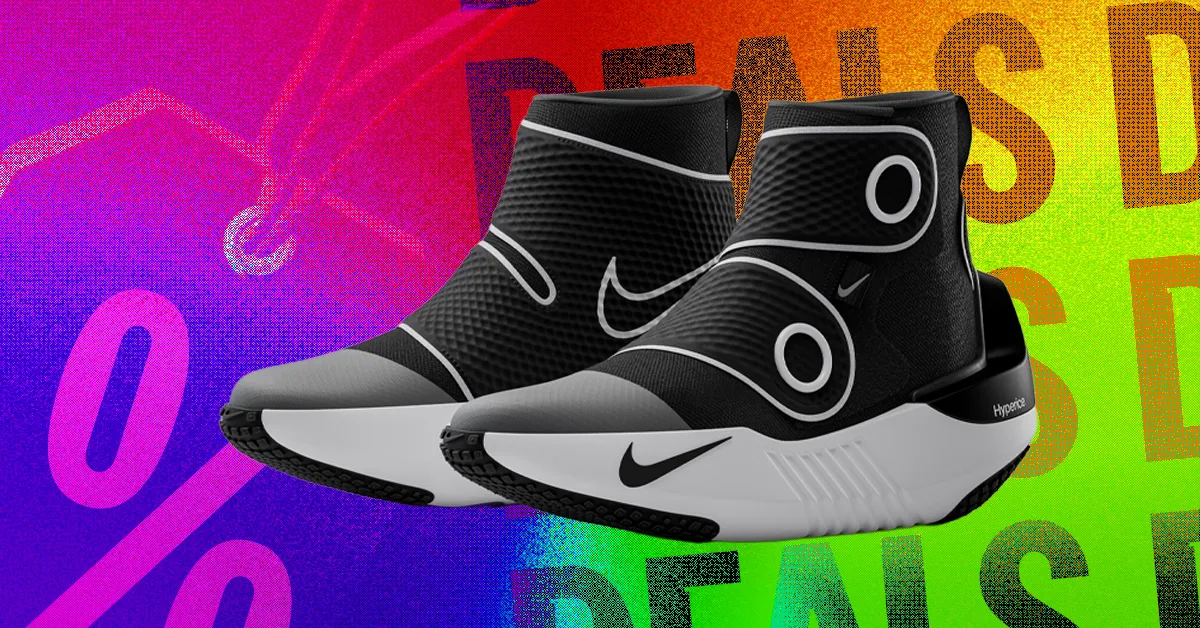
Nike x Hyperice Hyperboot Hits $200 Off — Gear Up and Save big!

Disruption in Wellness Tech: Nike Collaborates with Hyperice on Game-Changing Recovery Wearables

The wellness industry is witnessing a significant leap forward with Nike’s latest partnership with Hyperice, resulting in the debut of the revolutionary Hyperboot. Unlike traditional recovery boots such as Hyperice’s Normatec series, the Hyperboot introduces a high-top, portable design that promises to disrupt post-exercise recovery routines and redefine athlete recovery paradigms. This innovation not only exemplifies the ongoing convergence of sports, health, and wearable technology but signals a broader market shift toward accessible, at-home recovery solutions that are both effective and convenient. As disruption accelerates in the digital health sector, industry analysts suggest that such devices could fundamentally alter how consumers approach mental and physical wellness.

The Hyperboot’s features underscore its disruptive potential. It offers three levels of adjustable compression and heat up to 125°F, adaptively syncing both boots to optimize treatment. Battery life extends to approximately 90 minutes per charge, making it well-suited for busy schedules—whether post-snowboarding or pre-workout warmups. Its IP54 rating ensures durability against dust and splashes—an essential feature for active users seeking rugged, on-the-go recovery gear. With affordability now down from $899 to just $699 during Hyperice’s Black Friday sales, the market is witnessing a clear push towards democratizing elite recovery tech, breaking free from expensive, clinical-grade devices. This opens doors for young athletes and everyday fitness enthusiasts to adopt professional-grade wellness solutions, positioning Nike and Hyperice as disruptors in the high-growth wearable health market.

The business implications of this collaboration are compelling. Nike’s global brand influence, combined with Hyperice’s innovative compression technology, signals a strategic move to mainstream recovery accessories that were previously confined to sports medicine clinics. The significant price reduction and inclusion of HSA/FSA eligibility indicates a deliberate effort to reach a broader market segment—potentially rapidly expanding the consumer base and challenging traditional recovery device manufacturers. Such disruption is reminiscent of Elon Musk’s approach with Tesla, where market shifts were driven by affordable, high-performance tech accessible to a mass audience. Industry giant Gartner predicts that wearable health devices will reach a market size of over $60 billion by 2025, and Nike’s entry with Hyperice’s hyper-advanced Hyperboot exemplifies how industry giants are positioning themselves at the forefront of this growth sector.

Looking forward, the fitness and health tech sphere is more primed than ever for transformation. The Hyperboot’s success may catalyze a wave of innovative, disruptive wellness devices that blend portability, affordability, and sophistication. As industry pioneers like MIT’s media lab and Peter Thiel-backed startups continue to push boundaries, competitors will be forced to innovate rapidly or risk obsolescence. The market is increasingly favoring products that empower users to take control of their recovery journey—anytime, anywhere—without sacrificing performance or functionality. As these trends accelerate, young consumers and ambitious athletes must stay alert; the future belongs to those who leverage cutting-edge technology for competitive and personal gains. To ignore this disruption is to fall behind in the rapidly evolving landscape of next-generation wellness innovation.

Social Media Auto Publish Powered By : XYZScripts.com