Matox News

Truth Over Trends, always!

iPad Air 2026: The M4 Power Surge Sparks a New Era for Youth Tech

Apple’s Strategic Chip Bump in the New iPad Air: What It Means for the Future of Tech Innovation

The latest iPad Air introduces a significant leap forward through a trio of upgraded chips: the M4 processor, the C1X cellular modem, and the N1 chip. These developments mark an intentional effort by Apple to extend its dominant position in the tablet market by refining performance and connectivity without radically altering form factors. While benchmarks show a modest 20-25% speed increase over the M3-powered Airs, industry experts recognize that real-world differences often remain subtle—yet the ripple effects across the industry are anything but minor.

Innovation and Disruption Driving Market Shifts

The chip bump strategy exemplifies a broader industry trend of incremental innovation that leverages hardware improvements for enhanced longevity and business efficiency. Apple’s approach—refining a proven product with targeted upgrades—stands in stark contrast to radical innovation cycles seen in other sectors, yet it effectively sustains consumer interest and operational margins. Gartner analyst Ian Wang notes, “Such strategic updates prevent obsolescence, fostering customer loyalty while pushing competitors to prioritize disruptive breakthroughs.”

Crucially, the C1X cellular modem signals a deliberate pivot towards enhanced mobile connectivity. Early testing indicates these devices outperform recent smartphones in adverse conditions, making the iPad the definitive mobile productivity tool. This is a strategic disruption,” argues industry analyst Mark Davis, “where Apple is not only satisfying existing demand but setting new standards for portable, always-connected workflows.”

Business Implications for Industry Players and Consumers

Within this context, the industry faces significant industry-wide ramifications. The continuation of refined hardware—focused on efficiency, connectivity, and seamless integration—presents an obstacle for emerging competitors as well as established rivals like Samsung and Microsoft. Apple’s incremental yet strategic enhancements suggest a business model built on durability and scalability, where faster chipsets prolong device lifecycles, ultimately challenging the paradigm of rapid tech refresh cycles.

  • Pros: Superior performance in key tasks, extended device life, and improved network capabilities.
  • Cons: Marginal performance differences for average users, persistent limitations such as base storage and display refresh rates, which reflect deliberate cost-optimization.

As Peter Thiel often emphasizes, “In tech, breakthroughs are often sterile, but incremental progress combined with ecosystem dominance can be more disruptive long-term.” Consequently, this market evolution reinforces the importance of strategic investment in hardware that emphasizes not just raw power but also connectivity, security, and ecosystem control.

Looking Ahead: The Urgency of Innovation and Market Readiness

The iPad Air’s chip upgrades demonstrate Apple’s keen focus on building an ecosystem that is resilient and future-proof. The enhancements hint at an era where hardware becomes increasingly invisible but indelibly impactful, underpinning a new wave of enabled, connected lifestyles. Industry insiders like MIT’s Center for Future Computing warn, “failing to keep pace with such nuanced but critical improvements risks obsolescence not just for Apple but for the entire connected device market—an industry where rapid disruption determines future dominance.”

In a landscape characterized by rapid technological shifts, the urgency for companies and consumers to stay ahead is clear. Innovation, disruption, and strategic agility will define the next decade. The rising tides of hardware enhancement and connectivity benchmark new standards—those who adapt swiftly will position themselves at the forefront of this new era, while complacency invites obsolescence. The question remains: how will you leverage this wave of innovation to stay competitive in tomorrow’s tech landscape?


Apple gears up for premium push with new ‘Ultra’ lineup set to dominate

Apple’s Innovation Trajectory: Folding Devices, Visual-Enhanced Earbuds, and Market Disruption

Apple continues to push the boundaries of consumer technology, signaling a strategic shift towards integrating disruptive innovations across its product lineup. Rumors indicate that the tech giant is on the cusp of releasing a foldable iPhone priced at approximately $2,000, which would introduce a new dimension to premium mobile devices. This move positions Apple firmly in the competitive high-end segment, where innovation often dictates clear market leadership. Additionally, the upcoming touchscreen MacBook Pro, expected by fall, exemplifies Apple’s commitment to blending portability with cutting-edge display technology—a move that could redefine professional computing.

However, it is the evolution of wearable technology that exemplifies Apple’s focus on disruption and innovation. The rumored next-generation AirPods are said to include embedded cameras capable of feeding visual context directly to Siri, signifying a leap toward more intelligent, context-aware devices. This suggests a future where auditory and visual inputs are seamlessly integrated into a unified user experience, elevating the potential for how consumers interact with AI. Platforms like Apple Silicon and branding extensions such as AirPods Ultra are expected to consolidate the company’s market dominance, while also challenging established players in the wearables space.

Market Strategies: Going Both Up and Down

Apple’s approach appears to be twofold: expanding into high-end premium markets with ultra-luxury foldable devices and venturing into more affordable, versatile form factors to capture emerging consumer segments. The development of multiple foldable devices and the Neo model hints at a strategy to appeal to both tech enthusiasts seeking the latest innovation and mainstream users seeking adaptability. This “dual-market” approach could disrupt traditional product hierarchies, compelling competitors like Samsung and Google to reevaluate their offerings and innovate faster.

Analysts at Gartner emphasize that this dual trend might accelerate industry-wide disruption, fostering a more dynamic, competitive landscape. According to MIT researchers, such portfolio diversification aligns with the broader industry trend toward convergence of mobile, AI, and wearable tech, foreshadowing a new era of interconnected devices. As industry leaders like Elon Musk and Peter Thiel have consistently highlighted, innovation’s velocity is fundamental to maintaining economic dominance; Apple’s moves indicate it is fully attuned to this imperative.

The Road Ahead: Accelerating Innovation and Industry Transformation

The implications for businesses are profound. As Apple invests in disruptive technologies that blend form, function, and AI capabilities, competitors will need to accelerate their own R&D efforts to keep pace. The industry’s future hinges on seamlessly integrated, smart devices that redefine consumer expectations. The emergence of foldables, AI-powered wearables, and versatile form factors will likely serve as catalysts for industry-wide disruption. Time is of the essence—companies that fail to adapt swiftly risk obsolescence in an era where technological innovation drives market leadership.

As we look forward, one thing remains certain: the pace of change in consumer tech will only accelerate. Apple’s current trajectory underscores a clear reality—those who innovate fastest and adapt most nimbly will shape the digital landscape of tomorrow. Industry insiders and analysts warn that delays in embracing these emerging trends could leave others behind as the market evolves into a hyper-competitive, AI-integrated environment. The coming years will be pivotal, demanding bold moves and relentless innovation from all players seeking to secure their place at the forefront of the next tech revolution.

Could Pentagon’s Anthropic debate scare startups from defense tech?

AI Innovation Meets Political Disruption: Pentagon Pulls Back from Anthropic and OpenAI

In a dramatic turn of events, the Pentagon’s attempt to leverage Anthropic’s Claude AI technology for defense purposes has encountered significant roadblocks. Just over a week after initial negotiations, the Trump-era Department of Defense designated Anthropic as a “supply chain risk,” effectively halting the agreement and prompting the AI firm to prepare for legal action. This move signals a new era of heightened scrutiny over dual-use AI technologies—particularly those with capabilities that intersect with military applications—reshaping the landscape of public-private partnerships in national security.

Meanwhile, OpenAI quickly responded with its own deal to supply the Pentagon with its GPT-based AI solutions. This swift maneuver did not go unnoticed; it sparked backlash among users, evidenced by a 295% surge in ChatGPT uninstalls and a spike in public sentiment questioning the ethics of deploying advanced AI in military contexts. Industry analysts like Gartner warn that such friction is emblematic of a broader disruption: the integration of cutting-edge AI into defense frameworks is becoming a flashpoint for regulatory and ethical debates. To many, these conflicts threaten to slow innovation but also serve as a clear signal that governments are becoming increasingly wary—as well they should—of AI’s potential for misuse.

Speaking on the implications of these disputes, veteran tech commentators on podcasts such as TechCrunch’s Equity have underscored the business risks involved for startups aiming to partner with federal agencies. Kirsten Korosec and her colleagues emphasize that the Pentagon’s shift to reevaluate contract terms and risk assessments may chill the willingness of innovative AI firms, especially startups, to engage in critical defense collaborations. This potential “chilling effect” could hinder the rapid deployment of disruptive AI tools, which are poised to revolutionize both military strategy and civilian industries.

Looking ahead, industry insiders like Elon Musk and venture capitalists such as Peter Thiel point to a future where disruptive AI development remains essential to global competitiveness. However, the current political climate—highlighted by aggressive scrutiny over AI’s application in lethal contexts—injects a sense of urgency into the innovation pipeline. While the Pentagon’s recent moves reveal a desire to tighten oversight, they also expose inherent vulnerabilities in the U.S.’s ability to remain at the forefront of AI progress. As leading think tanks, MIT and Stanford, continue to call for robust oversight and responsible innovation, the real question for technologists and policymakers alike is: can the United States balance cutting-edge technological disruption with ethical safeguards that preserve industry leadership?

In summary, the unfolding dispute over AI use in defense exemplifies a pivotal crossroads—one where innovation and regulation collide on a global stage. The evolving dynamics highlight a strategic imperative for startups and established firms: to navigate this shifting terrain with agility, foresight, and a relentless focus on responsible AI deployment. As national security pressures rise and the world’s most powerful AI firms grapple with ethical considerations, the next wave of technological evolution may redefine both the battlefield and business landscape. In this race for dominance, only those who innovate with prudence and resilience will secure their place in the future of AI-driven disruption.

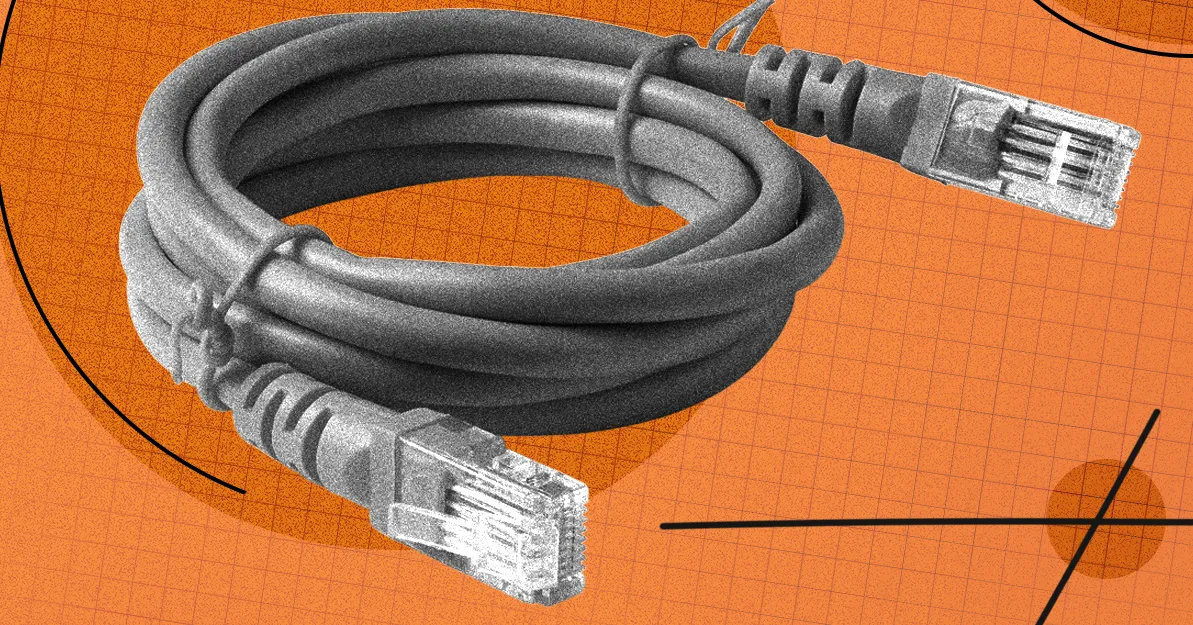
Plug In & Power Up: Smart Tips to Run Ethernet Cables Like a Pro and Keep Your Setup Clean

Revolutionizing Home and Tech Installations: The Disruption in Cable Management Solutions

In an era marked by rapid technological advancement and a relentless pursuit of sleek, efficient environments, the traditional art of cable management is undergoing a profound transformation. Leading companies like Alex Tech and D-Line are spearheading innovation with modular solutions such as reusable cable ties, mesh sleeves, and customizable trunking systems. These new offerings are not only democratizing access with affordability—evident in budget-friendly bundles of 60 reusable ties for just $7—but are also redefining what disruption in infrastructure hardware looks like, especially for the young, tech-savvy demographics eager to optimize their spaces for a clutter-free aesthetic.

This wave of innovation is set to redefine industry standards, as manufacturers introduce adaptable products aimed at simplifying complex technical setups. For example, cable sleeves that double as mesh covers enable users to easily add or remove cables, streamlining iterative upgrades. Such features challenge the once-inevitable chaos of wiring, promising more than superficial convenience—they herald a paradigm shift in how data and power delivery infrastructure is integrated into modern lifestyles. Meanwhile, experts from Gartner emphasize that these modular systems allow for scalable, future-proofing installations, making them essential in both consumer and enterprise contexts. This disruption echoes the vision Elon Musk advocates—where technology seamlessly integrates into daily life, eliminating obsolescence and maximizing utility.

  • Utility and Affordability: Budget options like a 60-pack of reusable ties for $7 revolutionize cost structures in DIY projects.
  • Modular Design: Sleeves and trunking systems facilitate quick installation, easy access, and adaptability, posing a direct challenge to traditional, permanent wiring methods.
  • Design Aesthetics: Trunking and crown molding innovations allow aesthetic concealment, turning functional wiring into a design feature, thus aligning technology with modern interior trends.

Implications for Business and Industry Disruption

The implications extend beyond consumer convenience; established industries face a critical inflection point. By integrating these innovative solutions, service providers and contractors could drastically reduce installation times and costs, paving the way for faster deployment of smart homes and commercial infrastructure. The disruption is compounded by the emergence of DIY-focused product lines, positioning startups like Alex Tech as formidable competitors against legacy electrical and telecommunication firms.

Analysts from MIT’s Media Lab suggest that such modular systems catalyze a new era of “distributed infrastructure”, where individuals are empowered to maintain and upgrade their own environments without relying on costly professional interventions. This democratization of technological upgradeability is comparable to the disruptive impact of open-source software, where community innovation outpaces traditional corporate R&D. As industry giants scramble to adapt, the urgency for established players to innovate or risk obsolescence has never been more pressing. The clock is ticking for legacy providers to embrace these disruptive technologies or become relics as the industry pivots towards smarter, more adaptable, and aesthetically pleasing wiring solutions.

The Road Ahead: Embracing Disruption

Looking forward, the trajectory of cable management innovation indicates a future where intricate wiring is no longer hidden but becomes an integral part of interior design, facilitated by high-tech solutions that are robust, scalable, and affordable. The adoption of flexible fiberglass rods, paint-matching trunking, and concealed wiring techniques points towards a landscape that favors sustainability, ease of upgrade, and sleek aesthetics. Industry leaders who recognize these shifts and proactively incorporate these innovations will gain competitive advantage in a marketplace that demands agility and sophistication.

In summation, disruption in cable management isn’t merely about tidiness; it reflects a broader paradigm shift where technology’s integration into daily life becomes more intuitive and design-conscious. As venture capital flows into startups pioneering these solutions and industry giants begin to pivot, the urgency for innovation intensifies. Stakeholders who act swiftly can capitalize on this revolution by aligning business models with the bold future of infrastructure—one that is flexible, affordable, and disruptive by design. The future belongs to those who recognize the signs of this transformation now, transforming cluttered chaos into seamless efficiency and aesthetic excellence.

Why I Trust the Ratio Four Series Two to Try Fresh Coffee Gear

Innovation Reshapes Coffee Culture: Disruption and Business Implications for a Classic Industry

The coffee industry, long rooted in tradition and ritual, is witnessing a technological renaissance that could redefine its core business models. While coffee’s status as the original office biohack remains unchallenged—serving as an essential productivity tool—the advent of new brewing technologies demonstrates an industry on the cusp of significant disruption. Companies like Ratio are spearheading this change by introducing precision brewing devices like the Four Small-Batch Brewer (Series 2), designed to deliver café-quality coffee in the comfort of homes, which, according to industry analysts, could elevate consumer expectations and reshape market dynamics.

This wave of innovation is driven by advances in small-batch, quality-focused coffee appliances that emulate the precise craftsmanship of artisan cafes. By integrating features such as quiet vibratory pumps, customizable brew temperatures, and optimized water flow, these devices mark a paradigm shift away from the low-cost, convenience-driven commercial machines of the past. Industry experts from Gartner and academics at MIT highlight that this trend reflects a broader shift toward personalization and premiumization within the beverage sector. Furthermore, a renewed focus on the disruption of traditional retail channels, exemplified by the rise of boutique roasters like Heart Coffee Roasters), underscores how niche craftsmanship can now reach a wider audience.

Technological Disruption and Market Shifts

The transformation of coffee brewing technology fundamentally threatens established market players, from mass-market producers to traditional brick-and-mortar cafes. As consumers increasingly seek bespoke coffee experiences, companies like Ratio are embracing innovation not merely as a product feature but as a strategic pivot. Their premium small-batch brewers emphasize aromatic purity and precision, aligning with avant-garde consumer tastes that favor authenticity, quality, and control.

The economic implications are profound: The premiumization trend is expected to shift consumer spending from standard brands to boutique companies, hastening the decline of commoditized coffee products. This invites entrepreneurs and established firms alike to consider integration of autonomous, IoT-enabled brewing solutions that could automate quality control, gather data analytics, and personalize flavor profiles. As Elon Musk’s ventures demonstrate, disruptive technologies driven by AI and automation tend to catalyze consolidations in traditional markets, with opportunities for new entrants to challenge incumbents.

Business Opportunities and Future Outlook

The potential for disruption extends beyond appliances; it encompasses a reevaluation of retail and supply chain models. The growing consumer demand for hyper-personalized, small-batch coffee fosters an environment where direct-to-consumer sales, subscription models, and third-wave coffee collaborations could flourish. Institutions like MIT’s Media Lab predict that this shift will accelerate as integrated sensor technology and AI-driven brewing algorithms become mainstays in both home and commercial settings.

In this landscape, businesses that prioritize innovation, quality, and technological integration will have the most to gain. Young consumers, in particular, are placing a premium on authenticity and craftsmanship, which favors brands that communicate a compelling story of artisanal mastery backed by cutting-edge technology. The industry’s trajectory suggests a future where coffee is no longer just a morning ritual but a frontier for disruption and technological entrepreneurship.

With industry giants and startups vying for dominance in this high-stakes game of innovation, one thing remains clear: the future of coffee belongs to those who dare to disrupt and redefine. As the technological tide advances, swift adaptation and bold invention are essential for capturing market share and shaping consumer habits—making the coming years pivotal for players in this evolving industry. The question is no longer whether traditional coffee markets will be disrupted, but when and how rapidly this transformation will unfold.

PopSockets Founder David Barnett Shares the Secrets Behind Creating a Viral Success

From Philosophy to Phenomenon: How PopSockets Redefined Mobile Accessories

In an era marked by relentless technological disruption, David Barnett’s journey from philosophy professor to startup pioneer underscores the transformative power of innovation. Over the past decade, PopSockets has emerged as a household name in consumer tech, illustrating how humble beginnings—born from a need for headphone management—can evolve into a global accessory phenomenon. This case study exemplifies how “disruption” often starts from overlooked niches, and with strategic pivots, can fundamentally reshape user engagement in the mobile ecosystem.

Innovation, Business Strategy, and Industry Impact

Barnett’s decision to eschew traditional venture capital funding in favor of a more bootstrap approach has signaled a noteworthy shift in startup economics. This aligns with a broader trend identified by analysts at Gartner emphasizing sustainable growth models, especially within consumer hardware markets prone to volatility. By prioritizing organic growth over cutthroat funding rounds, PopSockets showcased resilience amidst early manufacturing defects and logistical hurdles—a lesson for budding entrepreneurs navigating today’s hyper-competitive landscape.

The company’s strategic pivot to retail, coupled with iterative product design, exemplifies innovation-driven disruption. Barnett’s engagement with local retailers and eventual online disputes, notably with Amazon, highlight that market dominance stems from a relentless focus on customer interaction and intellectual property protection. These steps accelerated the company’s penetration into markets worldwide, illustrating a recipe for success—adaptability combined with relentless pursuit of quality and innovation.

Implications for the Future of Tech Businesses

This story underscores a vital trend: the importance of disruptive innovation in securing industry leadership. PopSockets, initially a simple grip accessory, now exemplifies how a product can evolve through consumer-centric design and strategic collaborations. Moving forward, disruption will increasingly favor entrepreneurs who embrace agility and value-driven growth—traits exemplified by Barnett’s leadership style, which emphasizes people-centric management.

As industry giants like Elon Musk and Peter Thiel continue to emphasize the importance of innovation, startups are urged to identify underserved niches and deploy lean tactical models. The future will be defined by those harnessing emerging technologies—such as AI, AR, and IoT—to create immersive, user-forward experiences that challenge traditional paradigms. With market shifts accelerating faster than ever, companies that prioritize disruptive innovation and resilient business models will be best positioned to dominate tomorrow’s tech landscape.

The quiz remains: Will legacy firms adapt swiftly enough, or will agile startups like PopSockets continue to set new standards? As the global economy presses toward a future of intensified competition and technological upheaval, those who recognize that it’s all about people, innovation, and bold disruption will lead the charge into the next era of mobile and connected device evolution.

Valve doubles down: Steam Machine set to hit shelves in 2026

Valve Announces 2023 Launch for Steam Hardware Amid Supply Chain Disruptions

In a bold move signaling confidence in its hardware ambitions, Valve Corporation has reaffirmed plans to release its much-anticipated Steam Machine, Steam Frame, and Steam Controller within 2023. This announcement comes amid ongoing challenges posed by the global supply chain disruptions, notably the persistent memory shortage that has hampered multiple high-tech industries, including giants like Apple and other hardware manufacturers. Despite initial uncertainties fueled by a misleading blog post, Valve’s recent communications — including an update on its official blog — underscore a strategic push to disrupt the gaming hardware market and leverage its dominant platform, Steam.

The supply chain crunch, driven by AI industry buying sprees and increased demand for memory chips, has created a challenging environment for hardware innovators. Gartner analysts estimate that memory costs have surged by as much as 30% in recent months, raising the stakes for companies like Valve that are aiming to innovate without sacrificing profitability. This disruption underscores the importance of technological agility and supply chain resilience— key factors that could determine the success or failure of Valve’s recent hardware push. The company’s unwavering commitment highlights a broader industry trend: disruption is no longer limited to software or services but is rapidly shifting towards physical devices that shape user interfaces and gaming experiences.

Furthermore, the upcoming hardware lineup is set to emphasize innovation and user-centric design. The Steam Machine, Steam Frame, and Steam Controller are expected to introduce breakthrough features that could redefine gaming ergonomics and immersion. Industry experts, including MIT’s media lab researchers, suggest that hardware products integrated with Valve’s ecosystem could usher in a new era of modular, customizable gaming platforms. The potential to disrupt existing console and PC markets aligns with the strategic vision of tech entrepreneurs like Elon Musk and Peter Thiel, who emphasize how disruptive innovation can boost competitiveness in an increasingly crowded tech landscape.

With the industry’s spotlight firmly on Valve’s hardware push, the implications extend well beyond gaming circles. The company’s ability to navigate the complex supply chain environment — and deliver on its roadmap — could set a precedent for other tech stalwarts grappling with similar disruptions. As Gartner analysts highlight, companies that successfully adapt to supply chain shocks through innovation and strategic sourcing will gain a competitive edge in an industry that prizes agility and forward-thinking. Valve’s dedication to shipping these products within the year indicates a strategic resilience to market volatility, signaling a potential paradigm shift in how physical hardware integrates with digital content ecosystems.

Looking ahead, the rush to innovate amidst constraints underscores a broader truth: the future of technology is defined by speed, agility, and the relentless pursuit of disruption. As Valve prepares to debut these groundbreaking products in a volatile market, industry observers can anticipate that the competitive landscape will undergo significant transformations in the coming months. Companies that embrace innovative supply chain solutions and push the boundaries of hardware design will be the ones to watch — shaping the next chapter of tech evolution with agility and purpose. In an era where supply chain stability is fragile, the race to innovate remains fierce, and the winners will be those who recognize that disruption is the new normal.

DJI Gives $30K to Man Who Unintentionally Hacked 7,000 Romo Robots

In a decisive move reflecting industry-wide shifts toward security and transparency, DJI, the global leader in consumer drone technology, has announced significant upgrades to the security of its DJI Romo platform following recent vulnerabilities exposed by independent researchers. This development underscores a broader trend toward disruption in the way tech giants handle security risks—a necessary evolution in an era where interconnected devices dominate our daily lives. The incident, sparked by security researcher Sammy Azdoufal’s discovery of backdoor access to hundreds of DJI robots, serves as a wake-up call for both manufacturers and consumers, highlighting the critical need for proactive security measures.

Industry experts like Gartner and MIT’s Cybersecurity Lab have long emphasized the importance of continuous security validation and collaborations with the security research community as essential pillars for safeguarding IoT and AI-driven products. DJI’s recent responses showcase a fundamental shift: the company is now not only patching vulnerabilities but also fostering a more open, partnership-oriented approach to cybersecurity. According to DJI’s official statements, they’ve already addressed the flaw allowing unauthorized viewing of video streams—another step towards restoring consumer confidence. Yet, concerns remain regarding whether such certifications—like ETSI, EU, and UL—are enough to prevent future exploits, especially considering the scale and sophistication of today’s threat landscape.

Disruption in the business model is evident as DJI commits to a comprehensive upgrade of its systems, with the company pledging to roll out iterative updates over the next month. This proactive stance indicates a strategic pivot: moving from a reactive to a proactive stance in security innovation. Moreover, DJI’s plans to enhance engagement with independent research entities—incorporating formal collaboration channels—are expected to set a new industry standard. As Peter Thiel has observed, fostering a community of transparency and innovation creates a moat that can outpace competitors relying solely on traditional security measures. This approach may not only mitigate risks but also serve as a competitive advantage in a crowded market increasingly driven by trust and technological resilience.

This recent episode of security scrutiny and response has broad implications for the future of disruptive innovation in connected devices. As drones, robots, and AI-enabled products become embedded into everyday life, the pressure mounts on manufacturers to prioritize security-led design. The incident also accentuates the pressing need for swift, transparent communication and collaboration with cybersecurity communities to stay ahead of malicious actors. Industry watchers must now evaluate whether DJI’s efforts will serve as a model for others or if more daring, innovative approaches are required to truly secure the next generation of technology. For investors and startup founders alike, this signals a critical truth: the future belongs to those who prioritize innovation not only in features but also in the security infrastructure underpinning their products. As the race to dominate the IoT and AI frontier accelerates, the ability to quickly adapt, patch vulnerabilities, and build resilient systems will decisively determine market leaders in the years to come.

Nintendo sues US government for Trump-era tariffs, demanding refund to protect gaming legacy

Major Companies Challenge Tariff Policies Amid Legal Battles

The ongoing tariff disputes initiated during the Trump administration are reshaping the landscape of international trade and corporate strategy. Nintendo of America has taken an unprecedented step by filing a lawsuit against the U.S. government, demanding a prompt refund with interest for duties paid under tariffs deemed illegal by the Supreme Court last month. This move underscores a broader trend of corporate pushback against government policies perceived as punitive or disruptive to business operations. Innovation-driven companies are increasingly asserting their rights in court, signaling a shift in how corporations will engage with regulatory frameworks in the future.

The Supreme Court’s ruling is a clear turning point, declaring that President Trump’s use of the International Emergency Economic Powers Act (IEEPA) to impose “reciprocal” tariffs was illegal. This decision threatens to undermine the legal basis for future trade restrictions that rely on emergency powers, creating a ripple effect that impacts not only government authority but also the broader ecosystem of innovation, import-export businesses, and supply chains. FedEx, a logistics giant, has joined the chorus by suing for a full refund of tariff payments, emphasizing its role in the disruption. If granted, FedEx has announced plans to pass refunds onto consumers, challenging the traditional burden placed on small shippers and signaling a push towards greater transparency and fairness in trade practices.

From an industry perspective, these legal confrontations highlight the disruptive power of legal and policy frameworks in shaping technological and commercial ventures. The ongoing battles are not just about tariffs; they are about business resilience and innovation resilience in the face of government overreach. Companies such as Nintendo and FedEx leverage legal channels to challenge policies they perceive as detrimental to their growth and operational efficiency. Such actions create a new precedent, where corporate legal strategies become critical tools in navigating the increasingly complex global trade environment. Experts from institutions like MIT, alongside forward-thinking analysts such as Elon Musk and Peter Thiel, suggest that this wave of legal resistance and policy pushback could catalyze reforms that favor more equitable and innovation-friendly trade policies.

Looking ahead, the implications extend beyond mere tariffs. The dynamic dispute signals a potential redefinition of the relationship between government authority and corporate innovation. As regulatory landscapes evolve, the importance of agile legal strategies, disruptive technology threats, and proactive lobbying will only intensify. Stakeholders must recognize that future progress hinges on not just technological innovation but also on the ability to challenge and reshape legal frameworks. The pursuit of fair trade practices and regulatory reform might serve as catalysts for the next wave of transformative technological disruption, with companies leading the fight for a more open, competitive ecosystem. The urgency for businesses to stay ahead of this curve is undeniable—those who adapt swiftly will hold the keys to future market dominance in a rapidly shifting global economy.

Why Is Alexa+ Falling Short?

Revolutionary AI Assistants Face Real-World Challenges in Industry-Disrupting Devices

In a striking development within the smart home sector, the integration of cutting-edge AI assistants like Amazon’s Echo Show 15 has come under scrutiny after a month-long hands-on trial. While initial expectations centered on seamless control, personalized automation, and a futuristic smart kitchen, reality has revealed substantial obstacles, raising questions about the scalability and practicality of current AI implementations for consumers. This real-world test underscores a broader trend of disruption in the IoT and AI landscapes, as industry leaders push the boundaries of what home automation technology can truly deliver.

The Echo Show 15, equipped with Alexa+ — an upgraded AI assistant— embodies the ambition of tech giants to create integrated, voice-activated ecosystems. The device offers features such as a large display for multimedia, visual calendars, and Alexa’s voice commands, promising to transform the traditional kitchen into a hub of smart productivity. However, feedback from practical use indicates that there are significant gaps in user experience, ranging from frequent misinterpretations of commands to technical malfunctions. Experts at Gartner and MIT warn that such shortcomings reveal fundamental challenges in consumer-facing AI: maintaining accuracy amid the complexities of natural language processing, and ensuring dependable, behind-the-scenes hardware support.

Market analysts point out that this highlights a critical inflection point for AI-powered consumer devices. While companies like Amazon and Google continue to invest heavily in AI, their focus on innovation often outpaces the realities of deployment in everyday settings. The result is a gap between technological promise and practical usability, which could influence future investment directions and consumer trust. Furthermore, the convergence of AI with IoT indicates a potential for business disruption, as startups and established corporations vie for dominance in an increasingly connected, intelligent home ecosystem. This technological scramble presents both opportunities for rapid market growth and risks of consumer alienation if core issues remain unresolved.

Investors and industry stakeholders are closely watching how tech giants adapt to these challenges. Key milestones such as Amazon’s recent hardware refreshes, ongoing AI enhancements, and strategic partnerships signal a competitive push to refine smart assistant offerings. Experts like Elon Musk and venture capitalists such as Peter Thiel emphasize the importance of increasing AI reliability and user-centric design to sustain innovation momentum. This period also marks a shift towards more sophisticated, disruption-ready solutions that could redefine how households interact with technology, potentially replacing traditional appliances and untangling the conventional home dashboard.

Looking forward, the industry is at a crossroads. The emerging narrative suggests that the initial wave of AI-enabled smart devices may need a paradigm shift—prioritizing functional robustness and seamless integration over glitzy features. Companies that can efficiently bridge the gap between innovation and practical usability will set the stage for a new era of ultra-connected, intelligent homes. As market leaders refine their strategies and new entrants challenge the status quo, one thing remains clear: the future of AI in consumer tech hinges on how quickly and effectively these systems can transition from ambitious prototypes to indispensable elements of daily life. The stakes have never been higher, and the race for dominance in this disruptive tech frontier is only intensifying.

Social Media Auto Publish Powered By : XYZScripts.com