Matox News

Truth Over Trends, always!

Government Shutdown Sparks Urgent Cybersecurity Risks for the Future

US Government Faces Cybersecurity Breach During Ongoing Shutdown, Highlighting Industry Vulnerabilities

The recent six-week-long US government shutdown has unexpectedly exposed critical vulnerabilities within federal digital infrastructure. The Congressional Budget Office (CBO), tasked with providing unbiased economic data to policy makers, confirmed it suffered a cyber breach attributed to a suspected foreign actor. This event underscores a broader trend: even during periods of political paralysis, cyber threats to vital national security and economic data continue unabated, leveraging the digital systems that underpin government functions.

Disruption & Innovation in Federal Cybersecurity

  • Despite the shutdown, many federal agencies, including the CBO, maintain operational cloud infrastructures, illustrating a shift towards resilient, cloud-based security architectures.
  • In response to the breach, CBO has implemented enhanced security measures, including advanced monitoring tools and new controls.
  • However, cybersecurity experts warn that relying on cloud infrastructure, especially during operational disruptions, can be a double-edged sword, exposing vulnerabilities if not managed properly.

Industry leaders and analysts, citing research from institutions such as MIT and firms like Gartner, emphasize that government agencies and private corporations alike must prioritize disruptive cybersecurity innovation. Traditional perimeter security models are no longer sufficient in the face of sophisticated threat actors, and this breach epitomizes the critical need to adopt adaptive, AI-powered defenses that can react in real time to emerging dangers.

Business Implications & Broader Industry Impact

The breach at the CBO illustrates industry-wide vulnerabilities, reinforcing the importance for innovative cybersecurity solutions that blend automation, threat intelligence sharing, and resilience. As Peter Thiel and Elon Musk have long warned, “security is a competitive advantage in the digital age”, and the failure to innovate rapidly can spell disaster for both public institutions and private enterprise.

Moreover, the incident signals a paradigm shift in how government and business protect sensitive data: disruption in cybersecurity defenses during crises is unacceptable. Organizations must now view security as an ongoing battle, integrating next-generation AI, blockchain, and zero-trust architectures to outpace threat actors.

Looking Forward: The Urgency of Next-Gen Cybersecurity

Industry observers and government officials agree that the current breach is likely a wake-up call, stressing the necessity of proactive, innovative security strategies. As _cyberthreats continue to evolve_, companies and agencies must accelerate investments in disruptive technologies to safeguard critical infrastructure and maintain trust. The government’s ongoing shutdown underscores a fragile moment for national security, with industry pioneers poised to lead the charge in redefining cybersecurity resilience.

In this rapidly shifting landscape, the future will belong to those who innovate aggressively, disrupting old paradigms before they are exploited. The clock is ticking, and the stakes have never been higher for tech leaders to step into this digital frontier with urgency and foresight—because the next attack could be just one breakthrough away.


Rivian CEO RJ Scaringe Scores $5B Pay Package, Spotlight on EV Boom

Rivian Reshapes Executive Incentives to Accelerate Market Disruption

The EV startup Rivian has announced a strategic overhaul of its compensation strategy for founder and CEO RJ Scaringe, signaling a bold move to align executive incentives with future innovation and market dominance. According to a recent filing, Scaringe is being rewarded with a new performance-based stock award that could eventually be valued at approximately $5 billion, contingent on hitting ambitious growth benchmarks. This initiative underscores Rivian’s commitment to disruption, not just through its electric vehicles, but through a recalibrated business strategy that keeps pace with industry giants like Tesla and emerging players leveraging the latest in autonomous and clean tech innovation.

The company’s latest move follows a period marked by fluctuating market valuation, with Rivian’s stock soaring past $129 post-IPO in November 2021—only to slump to around $30 in subsequent months. Currently trading between $10 and $20, this volatility reflects broader industry challenges but also emphasizes why now more than ever, redefining incentives for leadership is critical in maintaining competitive advantage. Rivian’s decision to double Scaringe’s annual salary to $2 million and grant a significant 10% stake in its newest spinout, Mind Robotics, exemplifies an aggressive push towards technological diversification and integration. Such approach aims to unlock new revenue streams and deepen innovation pipelines, potentially changing the landscape of robotics and AI within the automotive sector.

By canceling Rivian’s previous 2021 performance grant, the company’s compensation committee aims to counteract what it calls a “lack of incentive,” replacing it with a more aggressive, goals-based equity scheme. This strategic pivot echoes trends seen across high-growth tech sectors, where disruption of traditional business models hinges on aligning executive rewards with technological milestones. The move also signals to investors and competitors alike that Rivian intends to accelerate R&D, especially as it prepares to launch its anticipated R2 model, a critical phase in its competitive push against legacy automakers and likes of Tesla’s autonomous vehicle empire.

Looking ahead, industry analysts like Gartner and think tanks such as MIT emphasize that the next wave of innovation in EVs and advanced automation is driven by relentless disruption in hardware, software, and business models. Rivian’s evolving incentive structure reflects a broader market recognition that attracting top-tier talent and incentivizing breakthrough performance is essential in a landscape where timing is everything. With the global push for cleaner transportation and autonomous tech accelerating, Rivian’s bold strategic incentives highlight a clear message: the race to redefine mobility is not just automation or electrification but the strategic mastery and vision of industry leaders prepared to disrupt the status quo at a moments’ notice. As the industry stands on the cusp of what may be a transformational decade, Rivian’s moves signal a clarion call—those who innovate fastest and incentivize effectively will shape the future of transportation.

‘Landfall’ spyware exploits zero-day to target Samsung Galaxy devices

Emerging Threats in Mobile Security: The Landfall Android Spyware Disrupts Samsung Galaxy Ecosystem

In a significant development that underscores the vulnerabilities inherent in mobile hardware manufacturing and software ecosystems, security researchers at Palo Alto Networks’ Unit 42 have uncovered a sophisticated Android spyware named Landfall. This spyware, which targeted Samsung Galaxy phones in an extensive, nearly year-long hacking campaign, highlights the rapid pace of cyber-attack innovation and the critical importance of proactive security measures in the tech industry. The discovery points to the ongoing disruption within the mobile security landscape, with potential implications for global markets and enterprise security frameworks.

The Landfall spyware operated by exploiting a previously unknown security flaw in Samsung’s Android software—classified as a zero-day vulnerability—identified as CVE-2025-21042. Zero-day exploits are notorious for their ability to bypass traditional defenses because they leverage vulnerabilities that even the manufacturer is unaware of until they are actively exploited. The fact that Samsung did not have prior knowledge of the flaw until this threat emerged raises questions about the robustness of its security architecture, especially in an era where rapid patching is critical for maintaining consumer trust and product integrity. Although Samsung issued a patch in April 2025, the damage caused during the window of exposure exemplifies the risks associated with complex software supply chains and the need for advanced detection strategies.

What makes Landfall particularly disruptive is its geopolitical footprint, with infection samples uploaded from regions including Morocco, Iran, Iraq, and Turkey, which underscores the escalating nexus between cyber espionage and global geo-politics. The Turkish national cyber readiness team, USOM, identified suspicious activity stemming from associated IP addresses, suggesting targeted operations against specific populations or organizations. Moreover, the spyware’s code revealed targets within the Galaxy S22, S23, S24, and Z model series, spanning Android versions 13 through 15—indicative of an expansive vulnerability that affects a broad range of flagship devices. This targeted disruption signals a new wave of cyber actors leveraging zero-day flaws not just for espionage but potentially for more malicious intents such as data exfiltration or sabotage.

From a broader business and industry perspective, this incident underscores the urgent need for hardware manufacturers, software developers, and cybersecurity firms to innovate faster and implement disruptive security paradigms. Industry experts, including Gartner analysts and MIT cybersecurity scholars, stress that the traditional reactive approach to security vulnerabilities is no longer sufficient in a landscape dominated by sophisticated threat actors. This incident exemplifies a fundamental industry’s shift towards proactive, AI-driven, and disruption-ready cybersecurity solutions. Tech companies must integrate continuous monitoring, automated patching, and resilient architecture designs to disrupt emerging threats before they can exploit vulnerabilities at scale.

As global markets and consumers become increasingly dependent on mobile technology for critical operations, the security of devices like Samsung’s Galaxy series transforms from a technical detail into a strategic imperative. The Landfall espionage campaign offers a compelling warning: in an environment of relentless technological disruption, those who fail to innovate risk being left behind in the dust of cyber adversaries outpacing traditional defenses. Moving forward, industry leaders must prioritize revolutionary security strategies to safeguard their innovation pipelines and preserve user trust—because the future belongs to those who act with urgency and foresight in the face of an evolving cyber threat landscape.

Pluribus on Apple TV+: A Bold New Sci-Fi that Keeps the Mystery Alive

Disruptive Innovation Meets Narrative Excellence: The Promising Future of “Pluribus”

In an era where technological disruption is redefining every industry, the entertainment sector continues to lead with groundbreaking innovations that are reshaping storytelling. Apple’s latest series, “Pluribus”, exemplifies this seismic shift, blending sophisticated narrative design with cutting-edge technology to deliver a viewing experience that challenges traditional formats. Developed under the guidance of visionary creators like Vince Gilligan, well-known for his work on “Breaking Bad,” “Pluribus” leverages the power of immersive storytelling with high fidelity to audience expectations for intelligence and nuance. This approach not only elevates content quality but also signals a broader trend of disrupting the conventional TV game.

At the core of “Pluribus”’s innovation is its deliberate pacing and complex character development, highlighted by a compelling performance from actress Seearon that anchors the series. The show’s deep dive into layered narrative and psychological authenticity demonstrates the new frontier of entertainment—one where storytelling is no longer just about entertainment, but about engaging viewers’ intellect and emotional spectrum. This sophistication aligns with recent insights from Gartner, emphasizing that the future of successful media is rooted in content that demands active audience participation. As streaming giants such as Apple TV push into this space, they are not simply competing on quantity but on quality, innovation, and disruption of audience expectations.

From a business perspective, “Pluribus” exemplifies how tech-driven storytelling platforms are redefining market dynamics. The series’ strategic deployment of slow-reveal narrative techniques and emotionally complex characters signals a shift toward premium, high-investment content that aims to capture a growing segment of highly engaged viewers—particularly younger demographics who crave authenticity and intellectual stimulation. These viewer segments are increasingly discerning; they seek narratives that mirror real-world complexity and moral ambivalence. This creates new opportunities for content creators and tech platforms to differentiate themselves by investing in high-concept, high-value productions—shifting away from formulaic fare toward innovative storytelling that can generate lasting engagement.

Moreover, as industry analysts like Peter Thiel and Elon Musk highlight, the convergence of artificial intelligence, data analytics, and immersive media signals an explosive future where content creation and consumption become synergistic. The “Pluribus” model, with its meticulous attention to character nuance and narrative pacing, exemplifies the potential of leveraging AI to optimize storytelling processes and tailor content to highly specific audience segments. This disruption may soon extend beyond traditional media, influencing educational, gaming, and even virtual reality sectors, aligning with next-generation convergence of technology and human experience.

As “Pluribus” premieres on November 7th, industry observers eagerly anticipate whether it will set new standards for scripted content and viewer engagement. The show’s success could multiply, fostering an ecosystem where innovation is not merely an advantage but a requirement. The path ahead calls for proactive adaptation: companies that harness advancements in AI, storytelling algorithms, and immersive tech will be positioned as market leaders in the next wave of digital entertainment. The landscape is poised for a revolution—an era where technological disruption fuels authentic, nuanced content that captures the imagination of a global, tech-savvy audience. The stakes have never been higher; the future belongs to those bold enough to innovate and disrupt, shaping the narrative of what’s possible in entertainment and beyond.

Top 65 Must-Watch Movies on Disney+ This November—Don’t Miss Out!

Disruptive Innovation in Streaming: How New Content Powerhouses Are Reshaping the Entertainment Business

The entertainment industry is experiencing an era of unprecedented innovation, driven by the relentless expansion of streaming platforms challenging traditional distribution models. Disney+, with its expansive library of classics and contemporary hits, exemplifies the disruption sweeping through Hollywood. This launch has transformed content consumption, forcing studios and content creators to rethink business strategies in a fiercely competitive landscape. According to Gartner, streaming services will account for over 60% of global television entertainment by 2025, marking a significant industry shift away from traditional broadcasting and theatrical releases. The technology behind these platforms—ultra-fast data delivery, cloud computing, and advanced video compression—has enabled a new era of on-demand, high-quality entertainment, making complete content libraries accessible at the tap of a button.

What sets Disney+ apart in this revolution is not just its vast repertoire but its strategic focus on innovation—particularly in leveraging new formats like exclusive documentaries and cinematic reboots, which serve as both business tools and cultural touchstones. This approach exemplifies the power of disruption, where traditional studios are no longer the sole gatekeepers of valuable intellectual property. Instead, newer competitors are capitalizing on technological advancements to deliver targeted, personalized content, compelling a shift in consumer preferences. The release of critically acclaimed titles like Inside Out 2 or the documentary Summer of Soul demonstrates how storytelling with social relevance and high production value keeps audiences engaged and loyal. For businesses, this means adapting quickly to the digital-first economy—embracing innovation not just in tech but in content and audience engagement.

Industry insiders such as Peter Thiel have long recognized that disruption often comes from non-traditional sources. As major players face stagnation, startups and tech giants are stepping into the vacuum—pioneering artificial intelligence-driven content curation, immersive virtual reality experiences, and interactive media—that threaten to redefine entertainment’s future business models. Companies like Netflix and Amazon Prime are investing heavily in original productions that blend cutting-edge technology with storytelling mastery. Recently, the successful integration of features like interactive storytelling in series such as Black Mirror showcases how innovation can generate new revenue streams and customer loyalty. As Elon Musk emphasizes, “The future belongs to those who can combine technology and narrative seamlessly,” and that truth is now manifesting in the studios that dare to disrupt the status quo.

Looking ahead, the convergence of technological innovation and disruption compels industry stakeholders to move with a sense of urgency. The advent of in-browser augmented reality, 5G networks, and next-generation graphics rendering signals an imminent overhaul of entertainment norms. This evolution promises not only to enhance viewer immersion but also poses strategic challenges—those unable to adapt risk obsolescence or marginalization in what is rapidly becoming a digital-native entertainment universe. The next decade will likely see a dramatic shift where content is not just consumed but experienced, integrated, and personalized through emerging technologies that could, as some critics warn, threaten privacy and cultural diversity if not carefully managed. For youth consumers and savvy entrepreneurs alike, the message is clear: the pace of technological change demands bold innovation and relentless disruption—those who fail to anticipate these shifts will be left behind as the entertainment landscape rewires itself at a breakneck speed.

Google Maps gets a major boost for India with Gemini updates and safety alerts

Google Elevates Maps with Gemini AI Integration in India: A Game-Changer for Digital Navigation

In a bold move to disrupt traditional navigation paradigms, Google has begun integrating its innovative Gemini AI technology into Google Maps, specifically tailored for the Indian market. This strategic deployment signifies a major leap in AI-powered navigation, transforming how millions of users plan routes, access real-time safety alerts, and explore localities. The rollout, which commenced in the U.S. and is now expanding to India, underscores Google’s relentless drive to lead in disruption and innovation—with national localization and contextual awareness at its core.

By embedding Gemini—a sophisticated generative AI model—into Maps, Google is redefining user interactions. The new features include contextual route suggestions, hands-free AI assistance, and comprehensive location details. Miriam Daniel, Google Maps’ vice president, emphasizes that localization extends beyond language translation; it involves adapting to India’s unique geographical, linguistic, and cultural landscape. The service will support nine Indian languages initially, ensuring broad accessibility while enhancing the navigational experience. This approach enables hyper-personalized guidance, empowering users with smarter, more intuitive routes.

The business implications of this innovation are profound. Google’s partnership with India’s National Highways Authority of India (NHAI) exemplifies a strategic move to harness near real-time data for enhanced safety. New features include accident-prone zone alerts supported by visual and audio warnings, designed in collaboration with local authorities. Such safety-centric updates are not only crucial for user trust but represent a strategic shift toward integrating AI with infrastructure data—ushering in a new era of disruption in transportation safety systems. Furthermore, proactive notifications about route disruptions and delays, extended to major urban centers like Delhi, Mumbai, and Bengaluru, position Google Maps as an indispensable tool for urban mobility—reshaping the very business model of how navigation services generate revenue and user engagement.

While these technological strides highlight Google’s aggressive innovation agenda, concerns over reliability persist—in particular, instances like the tragic accident involving an unfinished bridge in Uttar Pradesh have cast shadows over trust in digital navigation systems. Google’s proactive approach, including partnerships with local agencies to improve data accuracy, exemplifies an industry-wide recognition that trust and safety remain critical to long-term disruption. Industry analysts such as Gartner suggest that this fusion of AI and real-world data signifies a pivotal shift, driving a new wave of smart, adaptive infrastructure—though not without inherent risks. As AI continues to evolve, so does the industry’s need to address safety, accountability, and transparency standards.

Future Outlook: The Race Toward Ubiquitous, AI-Driven Navigation

Looking ahead, the integration of Gemini AI into Google Maps signals a seismic shift in how digital navigation intersects with daily life. With ongoing enhancements like voice-supported flyover navigation and speed limit alerts, Google is setting the stage for a future where AI doesn’t just assist but actively manages and predicts real-world conditions. Analysts from MIT and industry veterans like Peter Thiel underscore that this trajectory—marked by rapid innovation and disruptive potential—requires startups and incumbents alike to accelerate familiarity with AI-driven solutions or risk obsolescence.

This year’s developments underscore an undeniable trend: The future belongs to those who leverage AI to transform infrastructure, safety, and mobility. Market shifts favor proactive adaptation, and companies that ignore this wave risk falling behind. Awaiting just beyond the horizon are enhanced autonomous systems, smarter cities, and seamless, real-time digital-physical integration. As Google’s initiative demonstrates, the imperative is clear: disruption is accelerating, and the race to dominate the AI-powered landscape is more urgent than ever.

Discord’s Family Center update empowers parents to keep tabs on weekly spending—gear up for safer, smarter gaming!

Discord Unveils Next-Generation Parental Monitoring Tools, Signaling Industry Disruption

In a move that underscores the increasing importance of youth safety in digital spaces, Discord has rolled out a suite of substantial updates to its Family Center platform. These enhancements, aimed primarily at empowering guardians with deeper insights into their teens’ activity, embody the broader trend of tech giants intensifying parental oversight. At a time when social platforms face mounting scrutiny over youth privacy, Discord’s latest features position it as a disruptive force, potentially reshaping parental engagement across social media.

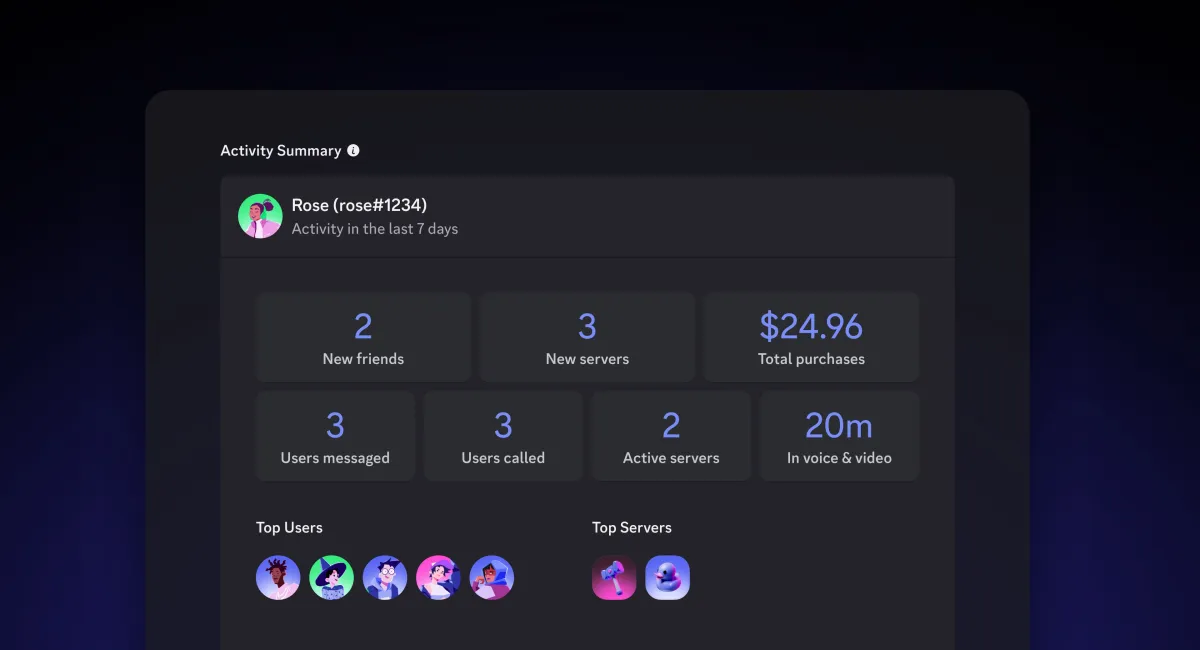
Among the most notable innovations is the expansion of guardians’ visibility into their teens’ digital behavior, including detailed reports on purchases, interaction patterns, and communication activity. Guardians can now track weekly expenditure within Discord’s Shop and Nitro subscriptions, gaining awareness of how teens allocate both time and money. Additionally, along with showing top interacted users and servers, Discord’s platform provides comprehensive insights into time spent on voice and video calls, reflecting an industry-wide response to the ‘teen safety’ wave fostered by competitors like Meta and Snapchat. The implications for business disruption are significant, as platforms move from passive monitoring to active engagement, potentially increasing user retention through safer environments, while simultaneously appealing to parental authority as a core feature.

Adding to this paradigm shift are enhanced parental controls, which now include restrictions on direct messaging, content filtering, and data privacy management. Guardians can dictate how their teens interact within Discord, a regime that echoes the industry’s strategic emphasis on responsible data practices and privacy. Experts from MIT and industry analysts from Gartner recognize that such features could usher in a new era of product differentiation—a crucial factor for platforms seeking to sustain relevance among younger demographics aware of privacy concerns. Meanwhile, Discord’s flexible reporting options—allowing teens to notify guardians of content reports—highlight an evolving model where transparency and communication become central to platform trustworthiness.

However, the deployment of these tools raises critical questions about industry standards and regulatory impacts. While fostering safer environments, increased oversight may prompt competitors to accelerate innovation, leading to a disruption in the social media landscape. With the backdrop of a sharply competitive market, where Elon Musk’s \href{https://parents.snapchat.com/safeguards-for-teens}{Snapchat} and Meta’s \href{https://techcrunch.com/2024/01/25/meta-teen-controls/}{tighter restrictions} are already reshaping youth interaction, Discord’s strategic move could accelerate the trend toward privacy-first, guardian-centric social spaces.

Future Outlook: Navigating the Next Wave of Social Tech

Looking ahead, the technology sector must brace for a rapid evolution in how digital platforms balance disruption and responsibility. As industry leaders like Gartner forecast an inevitable convergence of youth-centric design and privacy safeguards, Discord’s initiatives serve as a blueprint for the future of social media. In this high-stakes environment, the race is on to develop platforms that not only captivate younger audiences but also foster trust and security—critical ingredients for long-term business sustainability. With regulatory pressures mounting and consumer expectations shifting, developers and investors must act swiftly to secure a competitive edge, or risk being left behind in the digital revolution.

Apple’s sleek M4 MacBook Air hits new lows just in time for Black Friday

Apple’s M4-Powered MacBook Air Sets New Benchmark for Portable Computing

The recent rollout of the 13-inch and 15-inch MacBook Air models featuring Apple’s cutting-edge M4 chip signifies a seismic shift in the portable computing landscape. As the industry witnesses a swell of disruption and innovation, Apple’s latest offerings—available at unprecedented discounts ahead of Black Friday—highlight its strategic focus on delivering maximum performance in ultra-slim form factors. With the base 13-inch model now retailing for just $749.99—$250 off at Amazon—Apple is not only increasing accessibility but also challenging entrenched notions of premium hardware pricing.

At the core of this tech renaissance is the Apple M4 chip, which has quickly become a critical enabler of faster performance, enhanced battery life, and seamless integration with macOS 26. Gartner analysts note that the M4’s architecture signifies a paradigm shift, promising to disrupt traditional PC segments and accelerate Apple’s market dominance. The MacBook Air now features

  • Double the RAM at 16GB
  • Expanded webcam capabilities with a 12-megapixel Center Stage camera
  • Thunderbolt 4 ports upgrade

. These enhancements reinforce Apple’s strategic move to deliver higher-value experiences, placing the new MacBook Air well ahead of competitors in the ultralight category.

The implications extend beyond Apple’s product line. Industry watchers forecast a ripple effect, with other OEMs racing to adopt advanced ARM-based architectures inspired by Apple’s disruptive approach. MIT’s computer science faculty emphasize that such shifts point towards a future where integrated, efficient, and AI-optimized chips define the standard for next-generation laptops. This aligns with broader trends where software and hardware integration become pivotal for business agility, mobility, and innovation.

For businesses and consumers alike, this evolution signals a decisive move towards ultra-portable devices that do not compromise on performance. The 15-inch variant, with a superior six-speaker system and larger display, underscores Apple’s ambitions to tap into the professional segment without sacrificing portability. Meanwhile, the industry as a whole faces a decisive question: who will lead the next wave of disruption? As Elon Musk and Peter Thiel warn of a tech arms race driven by AI and hardware innovation, such advancements could reshape entire markets within the next few years—a race that tech pioneers must engage in decisively.

In conclusion, Apple’s latest MacBook Air models exemplify how innovation and disruption drive business strategies in the technology sector. With the combined power of the M4 chip and strategic pricing falls, Apple is reaffirming its leadership in shaping the future of portable computing. For industry stakeholders, the message is clear: timing is critical to stay ahead of the curve. The coming months will be pivotal as competitors scramble to respond, and early adopters profit from the cutting-edge capabilities that define tomorrow’s standards in portable hardware. The race to dominate the AI-integrated, ultra-light device market is intensifying—making now the critical moment for strategic investment and innovation-led growth.

Razer Blade 14: Still the Top Compact Gaming Machine for the Next Generation

Razer Sets the Stage for Gaming Laptop Disruption with Next-Gen Hardware

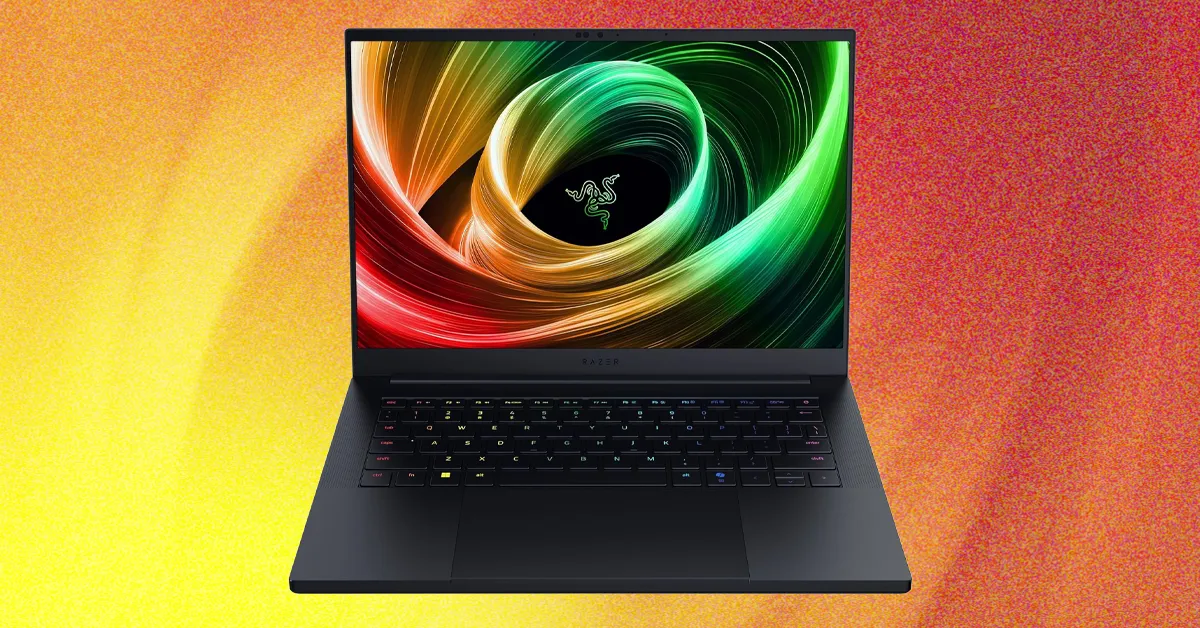
In a move that underscores the relentless push for innovation in gaming hardware, Razer has unveiled its latest gaming laptop configuration, harnessing the raw power of the AMD Ryzen AI 9 365 processor paired with the cutting-edge Nvidia RTX 50-series graphics cards. Starting with a foundational 1 TB of storage, users can choose between the RTX 5060 and 5070, two GPUs emblematic of Nvidia’s ongoing disruption in graphics processing technology. The new models reflect a strategic focus on performance optimization and user configurability, with Razer enforcing storage and memory upgrades based on their GPU selection—marking a shift that emphasizes tailored computing experiences in the gaming industry.

Performance Benchmarks Illuminate Industry Shifts

Initial reviews suggest that the Razer Blade 14 offers performance aligned with current expectations for high-end gaming laptops. Testing at a native resolution 2560 x 1600 strikes a balance between visual sharpness and smooth gameplay, though many gamers will prefer 1920 x 1200 for superior frame rates. Notably, the RTX 5070 performs approximately 14% faster than the previous RTX 5060 in comparable models, such as Lenovo’s Legion 7i Gen 10, signaling a step forward in GPU efficiency and power density.

Critically, the performance benchmarks were conducted without leveraging Nvidia’s advanced upscaling—such as frame generation or ray tracing—which means these numbers underrepresent the full potential of the hardware. By employing Nvidia’s DLSS technology, gamers can sustain higher frame rates without compromising visual quality, underscoring the industry’s shift toward AI-driven rendering advancements that challenge existing paradigms.

Business Implications and Industry Disruption

This latest release highlights how companies like Razer continue to disrupt traditional gaming laptop markets by integrating performance-centric innovations with modular, configurable platforms. The industry is witnessing a shift towards more user-customizable hardware, driven by consumer demand for mobility, power, and flexibility—all while maintaining competitive edge against competitors like ASUS, MSI, and Alienware.

Strategic differentiation lies in the advanced GPU offerings and their integration with AI-based features. As noted by industry analysts from Gartner and MIT, AI acceleration in graphics and workload processing will soon become standard, forcing incumbents to innovate swiftly. For instance, the RTX 5070 and upcoming RTX 5070 Ti models with increased VRAM will further challenge existing high-performance segments, especially as the demand for portable yet powerful machines grows exponentially.

Future Outlook: Innovation as a Business Mandate

The gaming hardware industry is on the precipice of significant transformation. Traditional perceived limitations—such as power consumption and thermal management—are being addressed through disruptive innovations in cooling systems, AI-optimized rendering, and component miniaturization. With giants like Elon Musk and investors like Peter Thiel emphasizing disruption and breakthrough tech, the race to dominate the next wave of AI-infused, ultra-portable gaming platforms intensifies.

In this environment, businesses that prioritize innovation, agility, and user-centric customization will lead the future of gaming hardware. As Razer’s latest models demonstrate, this is not merely about incremental upgrades but about redefining performance benchmarks and industry standards. The next few years promise to be a battlefield where disruption is the new norm, and those who fail to adapt risk being left behind in a rapidly evolving technological landscape.

NVIDIA, Qualcomm Team Up with US & Indian VCs to Power India’s Next Deep Tech Wave

India’s Deep Tech Ecosystem Gets a Major Boost with US-India Coalition

In a significant move toward disruption of traditional markets and the acceleration of technological sovereignty, major players like NVIDIA and Qualcomm Ventures have joined forces with leading Indian venture firms to bolster India’s deep tech startup scene. Launching in September with over $1 billion in commitments, this coalition signifies a strategic pivot aimed at fostering innovation in areas such as satellite technology, semiconductor design, and quantum computing. Known for transforming industries through breakthroughs like AI accelerators and advanced chipsets, NVIDIA’s involvement as a strategic advisor—without direct funding—underscore the increasing importance of technical mentorship and ecosystem validation.

Indian startups have already demonstrated remarkable growth, boasting over 180,000 enterprises and more than 120 unicorns, yet a gap persists in capital dedicated to *fundamental infrastructure-scale innovations*. These ventures require long-term investments, often facing reluctance from risk-averse venture capitalists favoring proven, lower-risk models. This market gap is crucial for future global leadership and technological sovereignty, especially as major economies race to dominate core sectors such as biotech, space tech, and AI. The latest alliance, led by the India Deep Tech Alliance (IDTA), aims to fill this void by integrating capital, mentorship, and access to networks for startups involved in these high-impact domains.

Strategic Partnerships and Policy Acceleration

  • Participation from top U.S. and Indian investors, including Accel, Blume Ventures, and YourNest Venture Capital.
  • NVIDIA’s contribution as a technical guide will facilitate best practices in AI and accelerated computing deployment.
  • Qualcomm Ventures extends beyond funding to help startups leverage their internal expertise and network, emphasizing business disruption at the infrastructure level.
  • The Indian government’s recent ₹1 trillion (approximately $12 billion) Research, Development, and Innovation (RDI) scheme aims to empower long-term projects in key sectors like space, quantum, and biotechnology, positioning India as a burgeoning epicenter of deep tech innovation.

Experts such as Elon Musk and Peter Thiel have long emphasized the importance of building an ecosystem capable of sustaining disruptive innovation. The coalition’s strategy aligns with this vision, recognizing that *role models and substantial investment* are necessary to propel India into a new era of high-tech manufacturing and innovation. The alliance’s collaborative policy efforts could catalyze India’s emergence as a global hub for frontier technology, challenging incumbents in Silicon Valley and Shenzhen.

Implications for the Global Tech Landscape

While India’s deep-tech funding rose 78% year-over-year to $1.6 billion in 2024, disparities with mature markets remain stark. The new coalition and India’s proactive government initiatives could serve as catalysts to bridge that gap, drawing increased global capital and corporate interest. As MIT researchers note, ecosystems built on a foundation of strategic mentorship and long-term vision tend to produce market-changing companies within a decade. The current momentum indicates a potential surge in Indian-based, science- and tech-heavy firms that will become mainstays on global exchanges.

This shift signals a time-sensitive race for technological leadership; companies and nations that act decisively now will shape the future of innovation and economic power. With the participation of industry giants like NVIDIA and Qualcomm, combined with supportive government policies, India is poised to become a dominant player in the emerging frontier sectors. Tech entrepreneurs and investors alike must recognize that **the next wave of industry disruption is already under way**, and strategic engagement today will determine who leads tomorrow.

Social Media Auto Publish Powered By : XYZScripts.com