Matox News

Truth Over Trends, always!

Netflix doubles down on AI, fueling the future of entertainment amid industry splits

Netflix Embraces AI Innovation, Signaling Industry-Wide Disruption

In a move that underscores the transformative power of artificial intelligence (AI) across the entertainment sector, Netflix is positioning itself at the forefront of technological innovation. During its recent quarterly earnings report, the streaming giant explicitly stated it is “very well positioned to effectively leverage ongoing advances in AI,” highlighting a strategic shift that aims to redefine content creation and production workflows. Unlike narratives that paint AI as a threat to creativity, Netflix emphasizes its role as a tool for making the creative process more efficient—an approach that aligns with the broader industry trend of technological disruption brought about by generative AI.

While Netflix does not intend to depend on AI as the core of its content, the company’s recent experiments demonstrate a pragmatic approach to integrating this disruptive technology. For example, the use of generative AI in the Argentine show “The Eternaut” to craft a collapsing building scene, and other projects like “Happy Gilmore 2,” which employed AI to make characters appear younger, illustrate how content creators leverage AI for pre-visualization, visual effects, and post-production processes. These innovations not only accelerate production timelines but also open avenues for storytelling that were previously constrained by budget and time. In this context, AI becomes a catalyst for disruption that could redefine competitive dynamics within the industry.

Industry analysts like Gartner and institutions such as MIT have long predicted that AI-driven automation will drastically lower production costs, thus enabling new entrants and more agile competitors to challenge traditional media giants. However, this rapid evolution also sparks intense debates around ethical considerations and creative integrity. Artists express concern about AI tools that non-consensually utilize their work as training data, posing potential threats to job security and artistic authenticity. Despite these controversies, industry leaders like Netflix’s CEO Ted Sarandos assert that AI will serve as an enhancer, not a replacement, for human creativity. His comments reflect a broader consensus: innovation must complement, not substitute, genuine storytelling talent.

The implications for business models are substantial. Disruption driven by AI technology is poised to shift market leadership and content economics. As Netflix’s quarterly revenue edges upward to $11.5 billion, an increase of 17% year-over-year, it remains evident that leveraging AI for more efficient production could create a competitive edge in an increasingly crowded streaming landscape. With AI’s capabilities expanding rapidly, major players like Disney, Amazon, and Apple are likely to follow suit, pushing the industry toward a new paradigm where speed, customization, and innovation become the benchmarks of success.

Looking ahead, the industry faces a critical point of inflection. As AI tools become more sophisticated and widespread, the pressure on traditional filmmaking and content creation will intensify. Events like the upcoming TechCrunch conference in San Francisco from October 27-29, 2025, are expected to spotlight these trends, highlighting the urgency for companies to adapt quickly or risk falling behind in the relentless march of technological progress. The future of entertainment is undoubtedly intertwined with disruption driven by AI innovation. The companies that harness this wave of change—and do so ethically—will define the new standards of storytelling, business agility, and competitive dominance in the digital age.


Gates’s Climate Lobby Team Reinvents Itself with Fresh Firm Launch

Disruption in Clean Energy Policy: Breakthrough Energy Staff Launch Independent Initiative

In a significant move signaling continued innovation and strategic shifts within the clean energy landscape, several former Breakthrough Energy staff members have founded a new nonprofit organization, Clean Economy Project (CleanEcon). This reorganization follows the recent disbanding of Breakthrough’s energy policy team by Bill Gates earlier this year — a decision driven by political realities and limited progress with the current administration. However, rather than retreating, these innovators are seizing the moment, aiming to accelerate disruption in energy markets through nimble, targeted strategies.

According to insiders, the organization is focused on pioneering technological advancements, reducing time-to-market for energy projects, and mitigating investment risks—a triad of priorities aligned with the emerging needs of the industry. Backed by an undisclosed consortium of philanthropists and venture capitalists—whose exact identities are under wraps—the Clean Economy Project embodies a strategic pivot toward private-sector-led innovation. Its leadership, helmed by former Breakthrough Energy executive Aliya Haq, underscores the organization’s commitment to building the kind of influence necessary to reshape the energy policy landscape.

While government policy remains a decisive factor, industry analysts highlight that private investment and disruptive R&D are now the key drivers of change. As Gartner and MIT researchers have emphasized, technology-driven disruption in clean energy is gathering pace—particularly in areas like advanced battery storage, green hydrogen, and next-generation solar cells. This push toward cost competitiveness suggests that we are nearing a tipping point where clean energy can finally outperform fossil fuels economically, even without heavy regulatory support. The long-term implications could be profound, disrupting existing energy monopolies and creating fertile ground for startups and established corporations alike to innovate aggressively.

The emergence of CleanEcon highlights a broader industry trend: a mounting shift toward decentralized, innovation-focused approaches in achieving a sustainable energy future. If current trajectories hold, disruption could accelerate faster than many industry veterans expected, rewriting the rules of market dominance. Industry leaders like Elon Musk and Peter Thiel have long championed such disruptive models—combining rapid tech advancement with bold investment strategies—and now, even within traditional policy circles, a new wave of entrepreneurs is staking its claim.

Looking ahead, the competitive landscape for clean energy is poised for explosive growth. Time is of the essence, as geopolitical tensions and climate change pressures heighten the urgency for scalable, cost-effective solutions. As the private sector continues to fill gaps left by hesitant governments, innovation and disruption will define the next decade. Stakeholders—from venture capitalists to policymaker strategists—must stay alert to these shifting dynamics, or risk being left behind as the energy sector redefines itself at a breakneck pace. The future belongs to those who can combine bold ideas with agile execution; disruption is no longer optional but essential in securing the energy economy of tomorrow.

Top 17 Epic Couches for 2025: Shop Online Without Compromising Style

Furniture Industry Gets a Tech-Forward Makeover: Disruption, Innovation, and Market Implications

In an era where technological ingenuity continues to redefine every facet of our lives, the furniture market is experiencing a seismic shift driven by innovation and a relentless pursuit of disruption. Fueled by the insights of industry analysts at Gartner and innovations envisioned by industry titans like Elon Musk and Peter Thiel, companies are now leveraging modular, customizable, and smart furniture solutions that challenge traditional notions of home comfort and aesthetic appeal. This emerging trend underscores a transformation of the furniture ecosystem into a more dynamic, consumer-centric landscape that is primed for rapid growth and profound industry implications.

Leading the charge are brands such as Lovesac with their Sactional modular design, and Outer with their Teak Outdoor Loveseat — both exemplifying a new wave of super-customized, reconfigurable furniture. These offerings, with their

  • interchangeable components
  • easy assembly
  • vast array of fabric and style options

– not only allow consumers a level of personalization never seen before but also represent a disruption of traditional retail and manufacturing models. This shift in consumer preference is forging a path toward a more fluid and adaptable furniture landscape — one that emphasizes functionality, durability, and aesthetic flexibility.

On the technological frontier, companies are harnessing smart features and sustainability to differentiate themselves. The Nugget Play Couch, for instance, appeals to the millennial parents and Gen Z buyers by offering a machine washable, kid-friendly alternative to conventional furniture — highlighting a trend towards eco-conscious, user-friendly products. Meanwhile, brands such as Castlery are integrating spill-resistant fabrics with modern designs, signaling a market shift towards durable, low-maintenance options appealing to younger consumers who value both style and practicality.

Business Implications and Industry Outlook

This technological infusion into the furniture sector is eliciting profound business implications for established players and new entrants alike. As MIT researchers and industry experts have noted, the move toward mass customization and digital manufacturing threatens legacy furniture companies that rely on traditional supply chains. Instead, leaner, digitally-savvy firms employing on-demand production and localized manufacturing are better positioned to capitalize on consumer demand for quick turnaround and personalized products. The rise of subscription-based and modular furniture models, exemplified by brands like Lovesac and Koala, indicates a future where flexibility and reusability become core value propositions, fueling a new growth trajectory.

Industry analysts such as Gartner estimate that by 2025, up to 40% of furniture sales will involve some form of customization or modular design. This transformative shift underscores an urgent need for companies to innovate or risk obsolescence. Young consumers, eager for environmentally sustainable options, are increasingly gravitating toward brands that prioritize eco-friendly materials, smart features, and configurability. As Elon Musk’s ventures demonstrate, technological breakthroughs often cascade across industries — and furniture is not immune. The integration of IoT and smart home connectivity into furniture pieces further amplifies the disruption, hinting at a future where furniture becomes an active participant in home automation and energy efficiency.

Looking Ahead: The Future of Furniture in a Tech-Driven World

The rapid evolution of furniture manufacturing and retail signals an epoch where disruption and innovation will no longer be optional; they will be essential for survival. As young consumers demand products that combine style, adaptability, and smart technology, companies that prioritize disruption in supply chains, product design, and customer experience will likely dominate the next decade. Firms unprepared for this technological revolution risk being left behind in a market that is accelerating toward a future where furniture is as dynamic and intelligent as the homes they inhabit.

From modular designs that adapt to changing lifestyles to AI-enhanced smart furniture, the industry is signaling a transformation that could redefine how consumers think about comfort and personalization. With the pace of innovation quickening, the time for strategic action is now — or risk being swept away by the wave of technological disruption transforming every corner of our ecosystem.

Apple Gives Users a Switch to Tinted Mode, Dialing Back the Liquid Glass Look

Apple Introduces Customizable Liquid Glass: A New Paradigm in UI Innovation

In a move that underscores its relentless pursuit of innovation through user-centric design, Apple has launched a groundbreaking feature allowing users to personalize the appearance of its Liquid Glass interface. First observed in the latest iOS 26.1 beta, this addition offers a toggle between Clear and Tinted modes, empowering users with more control over their visual experience. This development signifies a strategic pivot toward disruption at the forefront of UI customization, aligning with broader industry trends towards democratized control and individualized interfaces.

This step echoes Apple’s previous controversial but ultimately strategic UI recalibrations—most notably the 2021 repositioning of Safari’s address bar. Despite initial backlash, critics like Gartner analysts acknowledged that such changes are driven by principled design evolution aimed at improving accessibility and user efficiency. Now, by enabling users to modify Liquid Glass’s opacity, Apple is continuing to blur the line between hardware, software, and user preference—further disrupting the traditional, one-size-fits-all approach to interface design. Such moves reinforce the notion that future competitive advantage will hinge on flexibility and personalization.

The implications for business are significant. Developers can now seamlessly integrate these user preferences into their apps, as Apple ensures that settings will automatically propagate across devices through an emerging ecosystem of personalized UI options. This is expected to accelerate innovations in enterprise and consumer sectors, where tailored experiences could enhance engagement and boost retention. Meanwhile, industry leaders like Elon Musk and Peter Thiel have long championed the pivotal role of disruptive UI innovations, viewing them as key to maintaining relevance amidst rapid technological evolution. By offering users choice over Liquid Glass’s appearance, Apple is not only refining its competitive edge but also raising the bar for industry standards.

Looking ahead, the strategic significance of this customization feature extends beyond mere aesthetics. As the industry braces for the advent of next-generation interfaces—driven by AI, augmented reality, and advanced haptic technologies—Apple’s focus on adaptive, user-controlled UI could serve as a blueprint for future innovation. Recognizing the industry’s trajectory, institutions like MIT emphasize that *the next wave of disruption will be fundamentally rooted in personalized, predictive interfaces*, capable of transforming user interaction into a more seamless, intuitive experience. In this context, timely adaptation to such advancements is not optional but imperative for business sustainability.

As the public beta rollout progresses, the pressure mounts for competitors to match or surpass Apple’s progressive approach to UI customization. Time will tell whether these features will reshape user expectations or serve as a catalyst for even more radical design shifts across platforms. One thing remains clear: in the quest for technological supremacy, speed, innovation, and user empowerment are the new currency. Industry players must remain vigilant—these innovations signal that the future belongs to those who can rapidly adapt in the face of relentless disruption and turn emerging technologies from trends into transformative realities.

Google’s New York Offices Hit with Bed Bug Outbreak — What’s Going on Behind the Screens?

Google’s New York City Campus Encounters Bed Bug Outbreak, Highlighting Industry Challenges

In a striking reminder that even the most innovative technological giants are not immune to operational disruptions, Google recently issued a notice to employees at its Chelsea campus in New York City regarding a potential bed bug outbreak. The incident underscores ongoing challenges in maintaining clean and healthy environments within the rapidly evolving landscape of tech hubs, despite the company’s status as an industry leader in innovation. Exterminators, equipped with advanced sniffing dogs, confirmed credible evidence of pests, prompting the immediate suspension of office activities until remediation efforts were completed.

Implications for Business Operations and Industry Standards

This recurring annual issue reveals a broader truth about high-density tech campuses—sustainable innovation demands resilient infrastructure and robust operational protocols. Google’s proactive approach, including additional inspections across its New York campuses, exemplifies industry best practices. The incident not only disrupts workflow but also raises questions about workplace hygiene standards in these high-profile centers of innovation. Such occurrences serve as a reminder to industry leaders and firms across sectors about the lurking vulnerabilities of large-scale physical environments, even amidst the digital revolution.

Broader Industry Trends and Disruptive Challenges

The recurrence of pest issues at Google’s offices is emblematic of urban tech hub insecurities faced by Silicon Valley giants and startups alike. Past incidents, such as the 2010 outbreak at Google’s Ninth Avenue offices, highlight a persistent challenge in managing the intersection of urban living conditions and cutting-edge workplaces. As industry analysts like Gartner emphasize, disruption isn’t limited to products or markets—it extends to operational resilience and health standards.

Future Outlook: Innovation Meets Continued Disruption

While these setbacks might seem minor against the epoch-defining scope of technological progress, they serve as crucial lessons for future innovation strategies. Technological disruption is often accompanied by unforeseen operational vulnerabilities, underscoring the need for integrating advanced pest management and environmental controls into corporate infrastructure. Experts like Elon Musk and Peter Thiel have long warned that disruption also requires resilience and agility—traits that will define market leaders in the coming decade. Going forward, the emphasis on health-driven innovation and sustainable workplace environments will be essential to sustain growth amid mounting external challenges. The lesson remains clear: as the artificial and digital realms accelerate, so must the robustness of their physical counterparts.

Scale AI vet secures $9M to power AI innovations for vital MENA sectors

Innovative Disruption in Infrastructure Management: 1001 AI Secures $9 Million Seed Funding

The burgeoning startup 1001 AI is positioning itself at the forefront of AI-driven infrastructure modernization across the Middle East and North Africa (MENA), unveiling a bold vision to revolutionize how critical industries operate. Led by visionary entrepreneur Bilal Abu-Ghazaleh, who brings nearly a decade of experience from the U.S. tech scene—including a key role at the robotics data company Scale AI—the firm is pioneering decision-making AI solutions designed to optimize complex and high-stakes environments such as airports, ports, and construction sites. This emerging wave of disruptive AI technology promises to send ripples through traditional sectors long plagued by inefficiencies, slipping schedules, and budget overruns.

In a recent funding round totaling $9 million led by investment giants CIV, General Catalyst, and Lux Capital, 1001 AI’s innovative approach attracted notable angels including industry experts such as Chris Ré and Amjad Masad. This influx of capital marks a significant milestone, providing the leverage for rapid deployment and scaling. The company’s flagship product, scheduled for release by the end of the year, exemplifies its disruption strategy: AI models that integrate seamlessly with existing software platforms to automate decision-making processes, effectively transforming manual operations into real-time orchestrated workflows.

Beyond mere automation, 1001 AI emphasizes its strategic focus on physical-world problems — a critical gap in many sectors where legacy infrastructure and manual oversight dominate. Through sophisticated data modeling, the AI system can optimize the movement and allocation of resources—vehicles, crews, and equipment—eliminating idle times and reducing operational bottlenecks. According to Abu-Ghazaleh, this translates into tangible cost savings, especially in megaprojects that frequently face delays and budget overruns. Industry analysts, including those at Gartner, underscore that such intelligent orchestration not only enhances efficiency but also sets the stage for a new era of infrastructure resilience and profitability.

The broader implications of this technological disruption extend far beyond regional borders. As Abu-Ghazaleh aims to establish the Gulf as a global hub for AI-enabled infrastructure solutions, the potential for a transformative impact on the global supply chain and construction sectors is immense. By embedding AI deeply into physical operations, 1001 AI is challenging existing paradigms and tipping the industry toward a future where real-time data-driven automation becomes the norm, not the exception. With plans to launch its initial deployments within construction before expanding into logistics and aviation, the company anticipates becoming the regional backbone for operational orchestration. Such a shift could recalibrate entrenched models, making them more agile, cost-effective, and responsive.

As we look ahead, the urgency to embrace this wave of innovation grows—industries resistant to digitization risk falling behind in a hyper-competitive landscape. The combination of regional market opportunities and global technological trends signals that the next decade will see innovations in infrastructure management define the economic and strategic landscape. Companies that fail to adapt will likely face irrelevance, while those like 1001 AI are set to lead the charge, harnessing AI to unlock unprecedented levels of operational efficiency and disruption. The race for AI dominance in critical industry infrastructure is underway — and the clock is ticking for industry leaders to respond.

Kohler drops next-gen toilet camera—tech meets bathroom innovation

Revolutionizing Personal Health Monitoring: Kohler’s Dekoda and the Future of Digital Health Devices

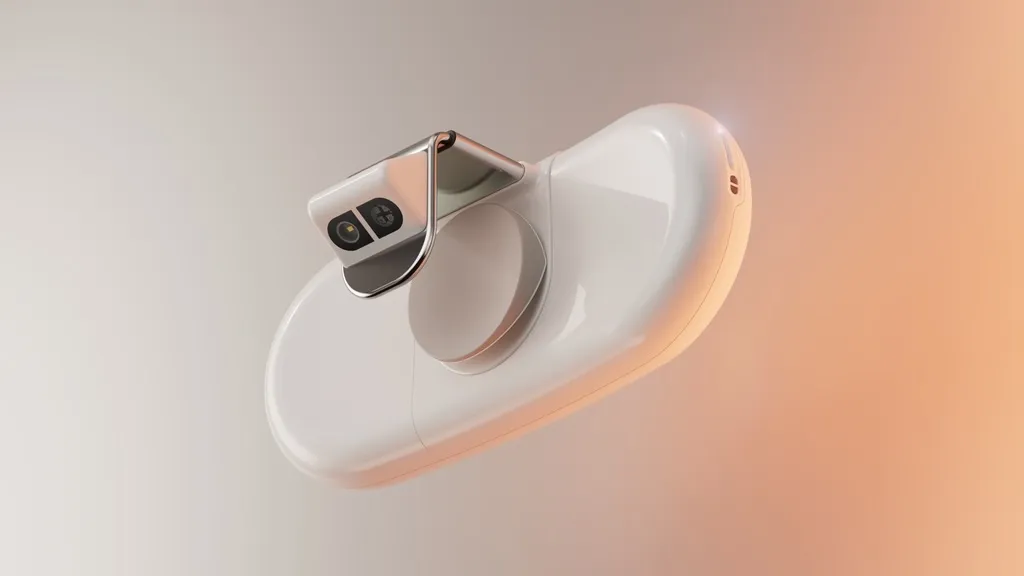
Kohler, a renowned leader in home goods, has entered the healthtech arena with its groundbreaking device, Dekoda. Priced at $599, this miniature camera attaches directly to the toilet bowl and provides users with real-time imaging of their digestive output. While this innovation is undeniably disruptive, it signals a broader trend toward integrating digital technology into daily routines, transforming personal health monitoring from conventional checkups to continuous, at-home diagnostics.

The Dekoda leverages advanced imaging technology along with AI-driven analysis to offer insights into gut health, hydration levels, and even detect potential blood in stool—key indicators often linked to serious health conditions. Its design incorporates a rechargeable battery, USB connectivity, and a fingerprint sensor that ensures user identification, emphasizing both convenience and security. According to CNET, the device is available for pre-order, with shipments to commence on October 21, accompanied by a subscription model ranging from $70 to $156. This business model exemplifies how tech firms are shifting toward recurring revenue streams, much like the SaaS industry, by embedding continuous health insights into consumer routines.

Market Implications and Industry Disruption

The advent of the Dekoda signifies a seismic shift in the health and wellness industry—an industry historically dominated by medical professionals and traditional diagnostics. With startups like Throne emerging with comparable products, a new competitive landscape is forming. Disruption here is driven by consumer demand for more personalized, at-home health solutions—an emerging vertical that giants like Apple and Gartner predict will expand rapidly over the next decade.

This development also raises strategic questions for established healthcare systems and insurance providers, who must now contend with increasingly accessible, user-driven diagnostic data. As Peter Thiel and other Silicon Valley visionaries have emphasized, the convergence of hardware, AI, and data analytics will elevate individuals from passive health consumers to active participants in disease prevention and health management. Such trends push the industry towards a future where early detection and proactive health interventions become the norm, reducing long-term healthcare costs but also shaking up regulatory frameworks.

Challenges and Ethical Considerations

Despite its promise, Dekoda and similar innovations evoke critical concerns around privacy, data security, and user consent. Kohler assures customers that the device’s sensors only see within the toilet bowl and guarantees end-to-end encryption for all data. However, industry analysts warn that widespread adoption may catalyze a wave of privacy infringements, with sensitive health data vulnerable to hacking or misuse. As the market matures, regulatory agencies will likely impose stricter standards, but the pace of innovation risks outstripping policy development, leaving consumers exposed.

Disruptive technologies like Dekoda exemplify a rapidly evolving frontier where innovation intersects with ethics. Tech giants and startups alike are racing to carve out dominance in a space that could redefine healthcare delivery. In the coming years, advancements in AI, machine learning, and sensor miniaturization will further push the boundaries of what personal health devices can achieve, fostering both excitement and caution among industry experts and consumers alike.

Future Outlook: A Call to Action for Industry Leaders

As this market accelerates, the question for entrepreneurs, investors, and policy makers is clear: who will set the standards for privacy, security, and ethical deployment of these transformative devices? The proliferation of toilet cameras like Dekoda indicates that innovation is no longer confined to high-end labs—it’s now embedded in everyday life, demanding agile yet responsible stewardship. With every new development, the stakes rise higher, underscoring the necessity for rapid technological progress paired with robust safeguards. The future of personal health technology is here, and those who embrace disruption while navigating its challenges will shape healthcare’s next era.

TechCrunch Mobility: Bold Move, No Hostility – The Future of Mobility Looks Different

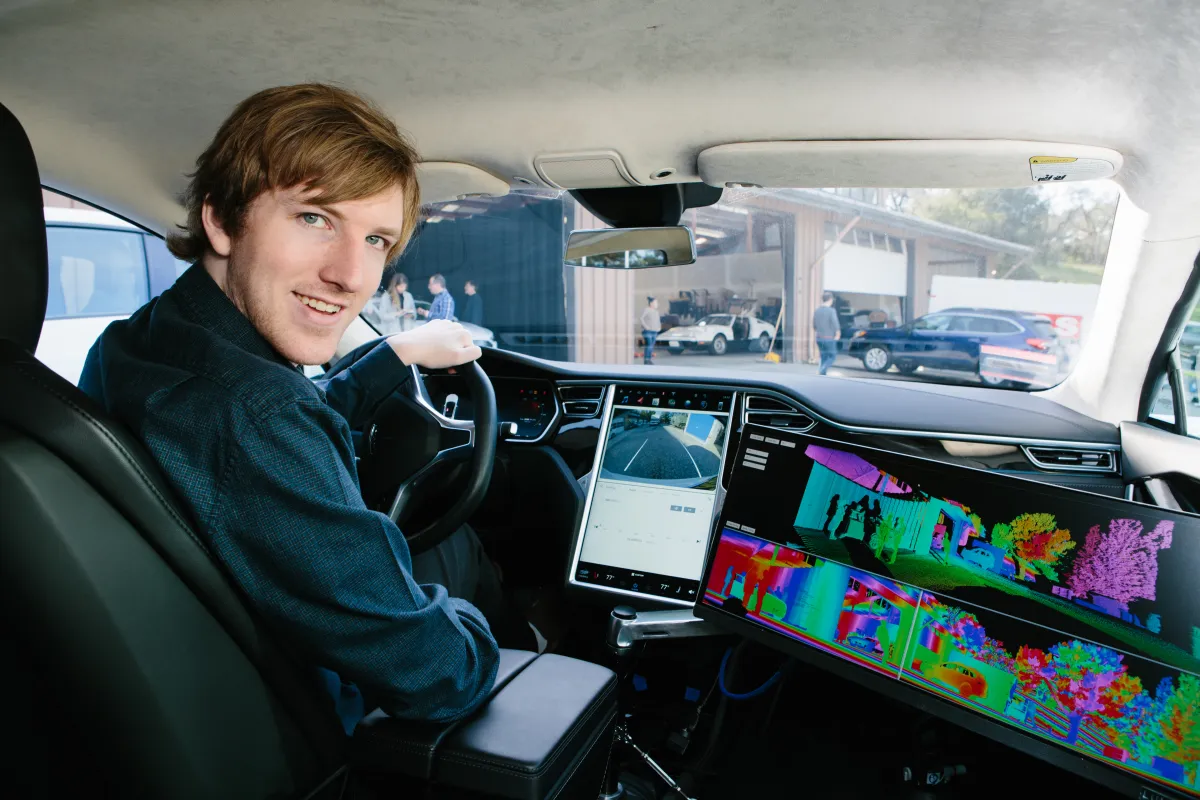
In the rapidly evolving landscape of transportation technology, autonomous vehicles (AVs) and electric mobility stand at the forefront of a disruptive wave that promises to overhaul traditional industry paradigms. Recent developments highlight how pioneering companies are leveraging breakthrough innovations to challenge incumbents and reshape economic opportunities. Notably, Luminar, a leader in lidar technology, is embroiled in a dramatic internal power struggle that could have far-reaching implications for the autonomous vehicle sector. The bid by Austin Russell, Luminar’s founder and former CEO, to acquire the company underscores an ongoing narrative of disruption from within, as visionary entrepreneurs seek to redefine competitive advantage amid tumultuous boardroom politics.

Russell’s return to the scene with a new venture, Russell AI Labs, signals a strategic pivot that could catalyze industry-wide innovation. The proposed bid involves acquiring or merging with other automotive tech entities, hinting at a broader trend of consolidation and diversification aimed at accelerating autonomous and sensor technology integration. This move coincides with key market shifts, as Gartner and other research institutions emphasize the importance of business model agility for AV success. Companies willing to disrupt entrenched supply chains and pivot toward value-driven services will dominate the next decade, with startups like Russell AI Labs poised to challenge established giants.

Simultaneously, the electric aviation sector exemplifies how disruption extends beyond ground mobility. Lilium, once considered a disruptor in vertical takeoff and landing (VTOL) aircraft, has transitioned its assets to Archer Aviation after ceasing operations. The acquisition of all 300 patents for €18 million underscores a strategic move driven by a desire to capitalize on legacy tech and optimize urban air mobility. While the industry is still embryonic, this deal exemplifies the potential for patent consolidation as a weapon against incumbent transportation giants, actively shaping urban mobility’s future.

  • Emerging startups like Airbound and Dexory are receiving significant funding—$8.65 million in seed capital and $165 million in Series C, respectively—highlighting investor confidence in automation and logistics innovation as markets mature and infrastructure demands escalate.
  • International expansion continues unabated, with Pony.ai and WeRide gaining regulatory approval to list on the Hong Kong Stock Exchange, signaling a burgeoning Chinese presence in global autonomous markets.

As the industry accelerates, *strategic partnerships* are becoming vital. Stellantis’ collaboration with Pony.ai aims to deploy robotaxis across Europe, threading together traditional automakers’ market reach with cutting-edge AV software—setting a precedent for legacy automakers to embrace disruption proactively. Meanwhile, automakers like Stellantis are reorienting their investment strategies; despite betting big on AVs, Stellantis plans to scale back electrification investments in favor of strengthening manufacturing capacity—highlighting a broader industry tension between supply chain resilience and innovation acceleration. Furthermore, companies like Waymo exemplify the trend of international expansion, with plans to operate robotaxi services in London, and strategic collaborations such as with DoorDash, to explore driverless delivery solutions—an indicator of the industry’s push toward multifaceted mobility ecosystems.

The future belongs to those who move fast and innovate relentlessly. With regulatory landscapes shifting rapidly, technological advances accelerating, and bold entrepreneurs pushing boundaries, the industry is poised for transformative change. Stakeholders who understand the importance of disruption, strategic agility, and disruptive business models will shape the mobility of tomorrow. The race is on, and incumbents who hesitate risk ceding their market dominance to new wave innovators. For investors, policymakers, and technologists alike, one thing is clear: the time to be bold and adapt is now. The next few years will define the trajectory of transport, and those who act decisively will reap the rewards in the decade ahead.

Google’s Gemini in Home Keeps Calling My Dog a Cat—Time for Better AI?

Google’s Gemini Revolutionizes Smart Home Ecosystem, Signaling Major Industry Disruption

In a bold stride toward hyper-intelligent home automation, Google has integrated its latest large language model, Gemini, into the Android-based smart home ecosystem, marking a pivotal shift in how consumers interact with connected devices. Announced in early October, this technological leap is not merely an incremental upgrade; it indicates a significant disruption in the smart device industry, with far-reaching implications for entrenched players and emerging startups alike. As business analysts and industry experts scrutinize, the integration of Gemini suggests an unstoppable momentum toward AI-driven environmental awareness and autonomous decision-making, setting a new standard for the convergence of AI and IoT.

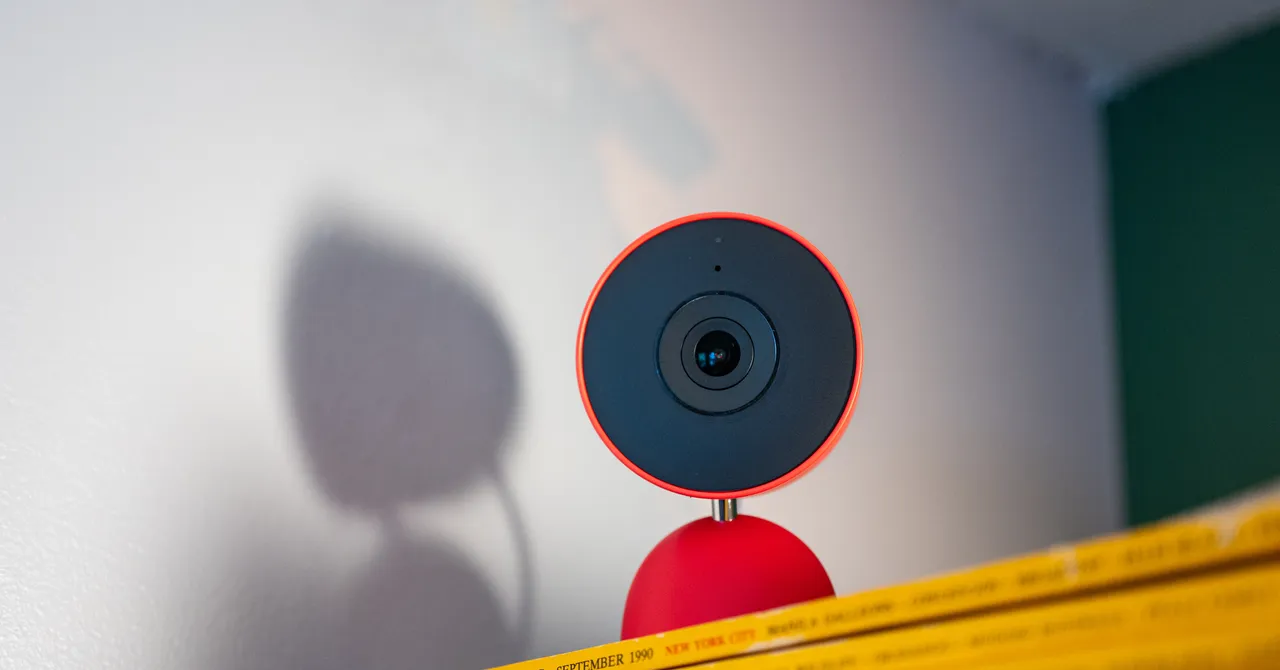
By replacing Google Assistant with Gemini across a decade-old range of Google Nest devices, the company signals its focus on innovation and disintermediation. The new AI-powered assistant offers profound improvements, such as multi-command understanding, automated routines, and richer contextual alerts — capabilities once reserved for high-end enterprise systems. Notably, disruption extends beyond user experience: this technological shift challenges legacy industry models, compelling traditional security camera firms and smart device manufacturers to accelerate their AI integration plans or face obsolescence. As Gartner recently noted, the advent of large language models in consumer devices will catalyze an ecosystem where data, automation, and user engagement are more tightly intertwined than ever before.

Innovation in Action: Smarter Security and Home Automation

  • Enhanced contextual alerts — such as distinguishing delivery personnel from pedestrians or neighborhood animals
  • Advanced automation — enabling users to set complex routines through conversational commands
  • Improved response accuracy — reducing false positives like misidentifying indoor dogs as cats or hallucinating events

However, these improvements come with a note of caution. Industry veteran Elon Musk warns that heavy reliance on AI, particularly in safety-critical applications like home security, warrants rigorous testing and oversight. Currently, Gemini’s indoor camera alerts still experience hallucination issues, such as mislabeling a dog as a cat, illustrating that AI models require more refined training before deployment at scale. Still, the trajectory leads toward an autonomous, AI-driven smart environment that is less about manual control and more about seamless, anticipatory, and context-aware assistance.

Business Implications: Disruption, Competition, and Market Shifts

The strategic move by Google exemplifies disruption theory in action. Traditional players like Arlo and Sony are now under pressure to embed comparable AI capabilities or risk losing ground to Google’s integrated ecosystem. The move also raises the bar for startups aiming to carve niches in AI-powered smart homes, as consolidation appears imminent. Equally, business implications extend to data privacy debates, with AI models requiring vast data sets for refinement, thus prompting new regulatory and ethical considerations. According to MIT’s Digital Economy Lab, the integration of large language models into everyday devices accelerates a paradigm shift from device-centric to data-centric business models, where control over AI and consumer data becomes the new competitive battleground.

Looking to the future, the question remains: are we witnessing the dawn of a new era in AI-powered living spaces or the early signs of overhyped disruption? Given the rapid pace of innovation, companies that prioritize disruption through technological breakthroughs and adopt a forward-thinking, agility-first approach will shape the next frontier of smart technology. With industry giants like Google pushing the envelope, the time for startups and incumbents alike to adapt is unmistakably now — because the smart home of tomorrow is being engineered today, and those who fail to innovate risk being left behind in a dust cloud of legacy systems and missed opportunities.

Top Deals: Motorola Razr Ultra & Marshall Emberton II Lead the Pack this Week

2025: A Year of Breakthroughs and Industry Shifts in Technology

As the technological landscape accelerates into 2025, industry leaders are witnessing unprecedented waves of innovation and disruption that are fundamentally reshaping consumer markets and enterprise sectors alike. Notably, the launch of the Motorola Razr Ultra signals a renewed focus on foldable devices, integrating cutting-edge hardware with an ultra-stylish aesthetic that appeals to a youthful, style-conscious demographic. With its dual-display setup featuring a 7-inch inner screen and a 4-inch outer panel, powered by the Snapdragon 8 Elite chipset, this device exemplifies the convergence of form and function, setting a new benchmark for mobile tech that prioritizes both innovation and user experience.

The business implications of such innovations extend well beyond aesthetics; they signal a pivotal shift in how device developers incorporate AI and versatile hardware to meet the demands of next-generation consumers. The addition of a dedicated AI button for live transcriptions and notification summaries illustrates a move towards more intuitive, context-aware devices—an evolution driven by industry visionaries like Elon Musk and analysts from Gartner. Meanwhile, accessories are following suit. The Marshall Emberton II portable speaker, now more affordable at Best Buy and Amazon, showcases how iconic brands are pivoting towards rugged, outdoor-friendly designs with multi-directional stereo sound, enhancing brand relevance and consumer engagement in competitive markets.

The rapid growth of integrated peripheral solutions underscores a broader trend: hardware ecosystems are becoming more interconnected and powerful. The Ugreen 8-in-1 dock exemplifies this, bringing a wealth of connectivity—including four Thunderbolt 4 ports, gigabit Ethernet, and multiple USB-A ports—centered around an efficient 140W GaN charger. Such innovations streamline workflows, allowing professionals and power users to operate seamlessly across multiple high-resolution displays, high-speed data transfers, and legacy accessories. This level of hardware integration paves the way for more flexible, portable, and powerful computing setups, which are indispensable as remote work becomes entrenched within corporate strategies.

Looking ahead, these technological advancements demonstrate an industry eager to disrupt traditional paradigms by weaving together hardware excellence, AI sophistication, and consumer-centric design. Industry observers like Peter Thiel have long predicted that the most impactful companies will be those that leverage disruptive innovations to redefine user expectations. The combination of rugged, stylish devices like the Motorola Razr Ultra, smart accessories like the Emberton II, and comprehensive connectivity hubs suggests that 2025 may be the year where breakthrough fundamentals set the stage for a more integrated, AI-powered, and consumer-first digital ecosystem. A sense of urgency surrounds these shifts: the companies that embrace this future faster will dominate an increasingly competitive landscape driven by innovation, disruption, and relentless pursuit of future-ready tech. As the industry propels itself forward, it remains clear—those who hesitate risk falling behind in the race for technological supremacy.

Social Media Auto Publish Powered By : XYZScripts.com