India’s Sarvam Launches Indus: Disrupting the AI Landscape with Localized Innovation
In a strategic move emblematic of regional innovation disrupting global dominance, Indian AI startup Sarvam has announced the launch of its Indus chat app for both web and mobile platforms. This development arrives amidst a fiercely competitive landscape, where international giants like OpenAI, Anthropic, and Google continue to lead the generative AI revolution. Sarvam’s entry signals a pivotal shift, emphasizing localization, digital sovereignty, and tailored solutions for India’s unique linguistic and cultural landscape.
Innovation in Context: Building AI for India’s Market
The app is powered by Sarvam’s 105-billion-parameter large language model (LLM), labeled Sarvam 105B, an ambitious undertaking that reflects advanced innovation and a disruptive approach to AI development. Alongside its 30B model, Sarvam’s models aim to democratize AI, making sophisticated language processing accessible to India’s diverse linguistic demographics. Launched just days after unveiling its models at the India AI Impact Summit, Sarvam’s initiative exemplifies how disruption is no longer confined to Silicon Valley but now thrives in emerging markets.
- Focus on local languages and dialects for better user engagement
- Strategic partnerships, including collaborations with HMD for AI-enabled Nokia feature phones and Bosch for automotive AI applications
- Expanding hardware capabilities and enterprise solutions tailored for India’s burgeoning digital economy
As analysts from Gartner and academic institutions like MIT emphasize, AI models trained on localized data are key to disrupting the global AI paradigm, shifting power towards regions like India capable of fostering innovation on their own terms. This signals not just technical progress but a strategic realignment that challenges the hegemony of Western AI giants.
Business Implications and Industry Impact
The launch of Indus is more than just a new app; it signifies a strategic attempt by Sarvam to carve out a dominant foothold in a market accustomed to global giants. With initial restrictions, such as limited compute capacity and the absence of certain user controls—features expected to evolve—Sarvam aims to attract feedback while gradually expanding access. The company’s recent $41 million funding round, led by prominent investors such as Lightspeed Venture Partners and Khosla Ventures, underscores confidence in its disruptive potential. This infusion of capital positions Sarvam to scale rapidly, pushing the boundaries of what AI can achieve within India’s unique language, cultural, and regulatory context.
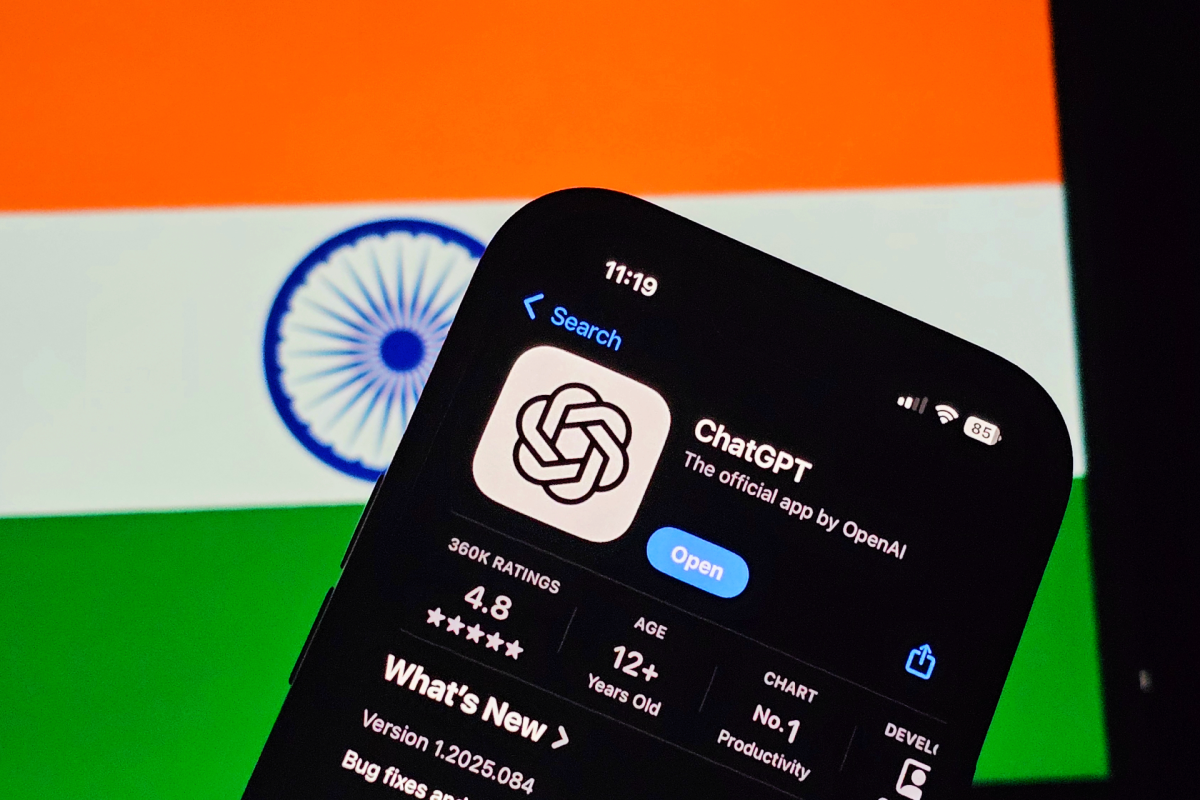
Industry leaders and investors are watching closely, especially as India’s AI adoption accelerates, with OpenAI’s Sam Altman reporting over 100 million weekly active ChatGPT users in India—a clear indicator of the market’s vast potential. The question now is: which regional players will leverage local innovation to disrupt this crowded space?
The Road Ahead: Urgency in a Rapidly Evolving Landscape
The emergence of Sarvam’s Indus app and its formidable models marks a turning point, highlighting both the opportunity and the necessity for regional actors to innovate rapidly. The AI industry’s trajectory is increasingly characterized by disruption fueled by localized solutions, high investment, and strategic partnerships. With India positioned as a vital AI market for the future, global competitors must adapt quickly or risk losing influence. As industry analysts warn, continued innovation and control over AI infrastructure will determine economic and strategic dominance in the coming decade.
In this rapidly evolving landscape, Sarvam’s push into the AI arena exemplifies the urgency for emerging markets to develop homegrown tech solutions that not only challenge global incumbents but also redefine industry norms. Stakeholders worldwide must prepare for a future where localized, innovative AI is at the forefront of technological progress, shaping the global digital economy for decades to come.