Matox News

Truth Over Trends, always!

Stay warm and bold: The coolest puffers, parkas, and leopard print coats to slay fall and winter style

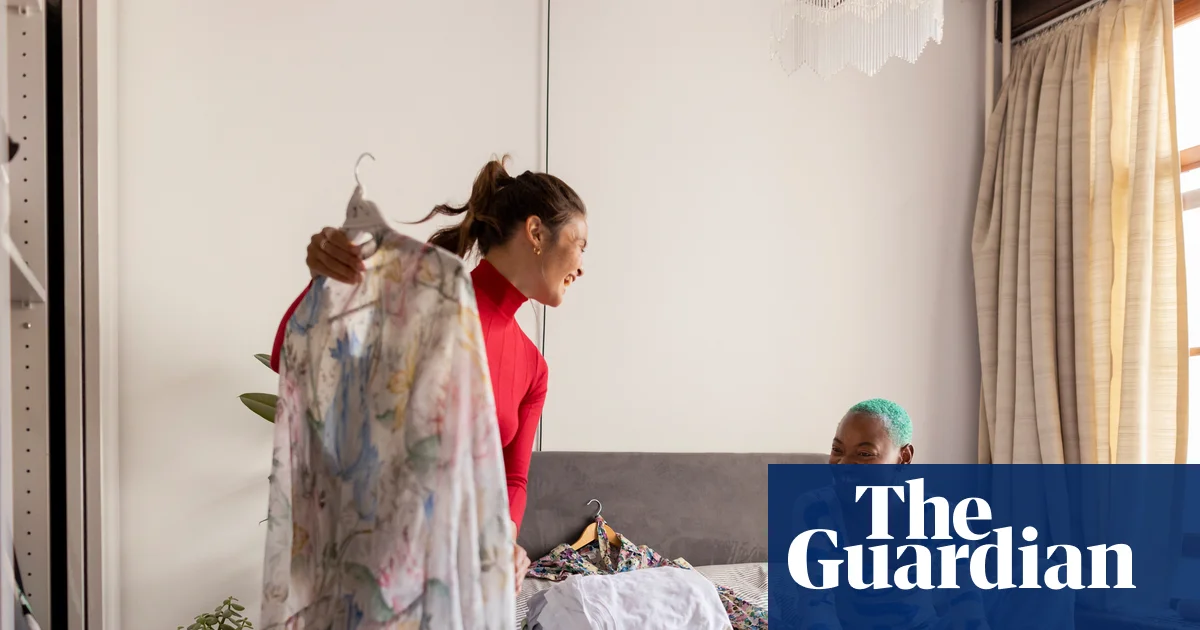
As seasons change and autumn whispers its arrival, a new society-wide obsession begins to brew: the coat. Far beyond mere insulation, this garment transforms into a cultural statement, reflecting an evolving social landscape that young consumers are increasingly eager to define and redefine. The shift is obvious — from the classic navy trench to bold, pop-of-colour puffer jackets, coats are now more than just functional; they’re powerful symbols of identity, social status, and environmental consciousness. Influencers like Chiara Ferragni and sociologists like Dr. Antonia Hart highlight how this season’s coat choices mirror a society hungry for self-expression while seeking authentic expressions of sustainability in fashion.

The social relevance of this trend is undeniable. Fashion experts now observe that bold colours and vintage repurposing are dominating the scene, signaling a move toward individualist expressions amid a backdrop of collective societal transformation. The iconic leopard-print coat, once a symbol of rebellion, now signifies empowerment and a desire to stand out in a sea of conformity. Meanwhile, the rise in sustainable, recycled coats speaks to a societal shift that values conscious consumption. Major brands like Rains and Nobody’s Child are responding with innovative, environmentally friendly designs that cater to a generation increasingly aware of their social footprint, fostering a culture where fashion becomes a statement of hope and activism.

Pop of Colour and the Social Impact

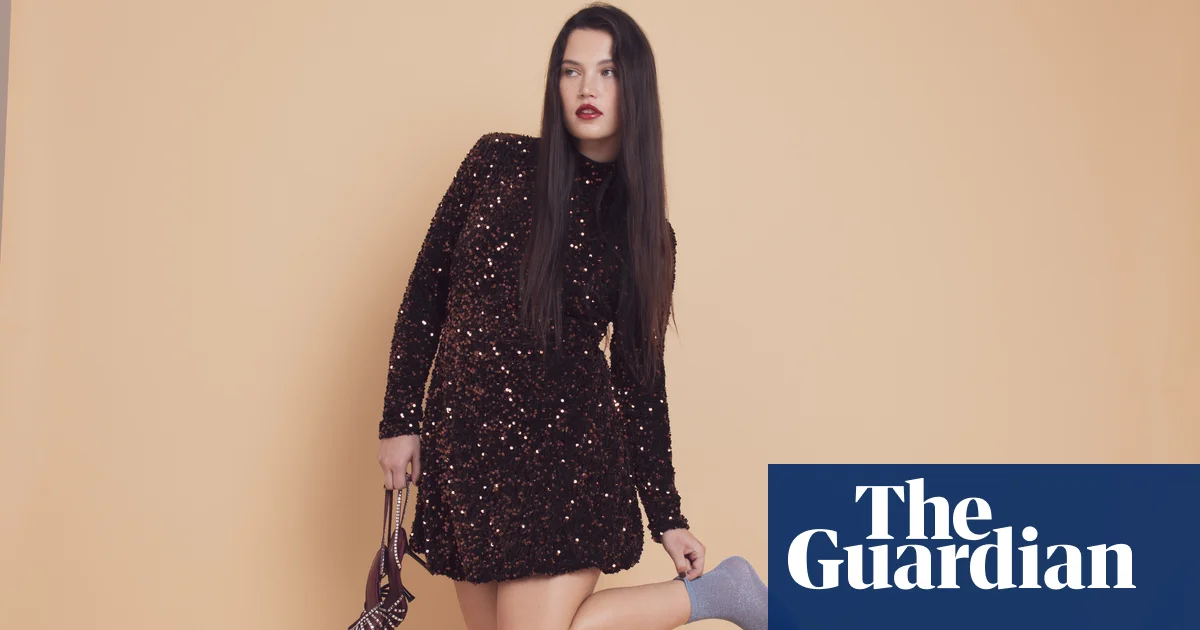
This season’s pop of colour isn’t just about standing out — it’s about standing up. Bright, eye-catching hues such as emerald green and burgundy are now embedded in everyday wardrobe staples, challenging traditional notions of muted autumn fashion. Influencers celebrated for their daring style choices are inspiring millions to embrace these bold statements—transforming coats into wearable activism. Sociologists have noted that this cultural shift emboldens young consumers, encouraging them to see fashion as a portal for expressing values and social allegiance. From a leopard print to a pink wool jacket, clothes are no longer passive; they’re active gestures in societal dialogues, amplifying voices that seek autonomy and self-love.

The Next Big Question

As we admire the daring colors and environmental commitment, a pressing question remains: Will this movement toward individualism and sustainability redefine our very notion of style? With major brands racing to innovate and influencers pushing the boundaries of self-expression, the next chapter in fashion may not be about the clothes you wear but about the stories they tell—stories that challenge societal norms, question consumerism, and inspire a generation to create their own identities. The future of coats, then, could well be a mirror of society’s larger story: one of resilience, authenticity, and relentless self-redefinition. So, as autumn turns to winter, the real question is: are we merely dressing for the weather, or are we gearing up for something far bigger?

Social media and weight loss meds fuel UK surge in male and 40s facelifts—why more young guys are chasing the trend

In recent years, a quiet revolution has taken hold among the young and the ambitious: facelifts are no longer the exclusive domain of Hollywood starlets or aging celebrities. Society’s shifting standards of beauty, combined with radical innovations in surgical techniques, have made cosmetic procedures more accessible and appealing to a broader demographic. According to the British Association of Aesthetic Plastic Surgeons, the number of facelifts performed in the UK has swollen by 8% in 2024, with a striking 26% increase among men alone. This trend signals not just a superficial obsession with youth but a deeper cultural shift in how society perceives vitality, success, and self-confidence.

Experts such as Nora Nugent, president of Baaps, emphasize that the appeal of modern facelifts lies in their ability to deliver natural and durable results without the relentless maintenance that fillers demand. This quest for longevity and authenticity feeds into a broader societal narrative: the desire to age gracefully without surrendering to the ravages of time or societal pressure. With technological innovations like endoscopic “scarless” facelifts and multifactorial techniques targeting deeper facial structures, surgical options have become less invasive and more tailored to individual needs. These advancements not only enhance the aesthetic outcomes but also bolster the social acceptability of getting cosmetic procedures—transforming what was once taboo into a normative lifestyle choice.

However, beneath the surface of this trend lies a more complex social narrative. As psychologist Helena Lewis-Smith points out, “appearance pressure in society has never been stronger”. Public figures like Kris Jenner, who openly speak about aging and cosmetic enhancements, serve as influential role models that normalize procedures. The messaging resonates especially with the younger generation, who are racking up surgical stats at an unprecedented rate. Importantly, this phenomenon isn’t solely about vanity; many view these procedures as a form of self-care, resilience, and societal capital. Yet, critics express concern about the risks—scarring, nerve damage, and the misconception that these surgeries are risk-free or quick fixes. Medical professionals warn that facelifts, while increasingly refined, remain major surgeries requiring psychological assessments and a commitment to long-term health.

On a social level, the normalization of cosmetic procedures raises pertinent questions about the future of youth culture, societal standards of beauty, and the commodification of self-image. The rise of weight loss drugs like Ozempic has added another layer to this dynamic—rapid fat loss often leaves faces looking gaunt, prompting a surge in both facial and body contouring surgeries. Is this relentless pursuit of perfection creating a new form of societal discontent or merely empowering individuals to take control of their appearance? As social media amplifies this conversation, the next big question becomes: are we witnessing the emergence of a society where leaving aging behind becomes less an aspiration and more a cultural mandate?

Score the Latest Samsung 65-inch AI Smart TV for Just $499.99 on Amazon—Upgrade Your Home Entertainment!

The Digital Leap: How Smart TVs Are Shaping the Next Generation’s Lifestyle

As autumn settles in and cozy nights become the new norm, the spotlight is shifting toward next-generation entertainment technology. Smart TVs—once considered a luxury—are quickly becoming an essential part of the modern lifestyle, especially among the youth. Recent sales data and market analyses reveal a surge in demand for high-end models like the Samsung Class QLED Q7F Series AI Smart TV, which now offers impressive features such as Vision AI for automatic content upscaling and vibrant visuals validated by Pantone. With prices dipping below the $500 mark—an all-time low—these devices are democratizing quality entertainment, making it accessible for younger consumers eager to upgrade their living rooms.

What makes this trend particularly significant is not just the increasing affordability but the cultural impact of the features integrated into these devices. Influencers and sociologists alike note that smart technology is becoming a social currency. Owning a TV with sophisticated AI-powered features signifies more than just viewing; it’s about being connected to a broader digital community that values clarity, vibrancy, and seamless integration. The entertainment ecosystem now extends far beyond traditional broadcast, influencing social interactions, preferences, and even fashion—think premium soundbars, interactive gaming, and streaming platforms that are reshaping leisure routines among today’s youth.

From Functional to Trendsetting

  • Top-tier features: Quantum Dot technology for billion shades of true-to-life color and AI-enhanced visuals
  • Smart capabilities: Voice control, automatic content enhancement, and integration with smart-home devices
  • Social influence: TikTok reviews, YouTube unboxings, and influencer endorsements turning these TVs into cultural phenomena
  • Price accessibility: Deals like the current Amazon sale for the Samsung QLED Q7F at just $499.99, making high-tech affordable

Industry analysts highlight that the proliferation of smart TV technology is more than a trend—it’s a cultural shift that emphasizes the importance of personal expression, technological savvy, and social connectivity. Young consumers see owning such a device as a statement: it’s not just about displaying aesthetic taste but signaling that they’re plugged into contemporary culture and technological progress. Influencers like Marques Brownlee and Justine Ezarik amplify this narrative, demonstrating how these gadgets serve as portals not only for entertainment but for identity formation among digital natives.

Looking Ahead: The Next Big Question

As technology continues to evolve at a rapid pace, the question that arises for both consumers and industry insiders is: What will be the next frontier in smart entertainment? Will our homes become fully integrated hubs of virtual and augmented realities, or will the emphasis on AI-driven visuals and connectivity redefine what it means to indulge in leisure? The current trajectory suggests that these devices are merely the beginning of a broader societal transformation—one where personalized content, social engagement, and technological immersion merge into a seamless lifestyle experience.

In essence, the rise of affordable, AI-powered smart TVs signals a future where entertainment is not just passive consumption but an active, social, and cultural act. As young generations embrace these innovations, the next big question remains: How will this shift influence our social fabric, our media consumption habits, and our very sense of identity in a digital age? It’s a conversation that’s just beginning, and one that could determine the cultural landscape of tomorrow.

Hit the Trails in Style: Hoka Ora’s Fall-Ready Footwear for the Adventure Seekers

In the ever-evolving world of sneakers, Hoka continues to prove that functionality and style can walk hand in hand. Their latest release, the Hoka Ora Primo “Squid Ink / Mineral Brown”, exemplifies a new chapter in footwear design—one that prioritizes subtle sophistication while maintaining peak performance. The shoes seamlessly blend technical features with a muted, understated color palette, making them a perfect fit for the modern, urban youth who refuse to sacrifice style for substance. Driven by a desire for versatile footwear that performs on both trail and city streets, this model showcases a strategic shift—an acceptance of minimalist aesthetics in the performance sneaker market, a domain historically dominated by bold logos and loud hues.

Designed with a keen eye on social relevance, the Ora Primo’s deep navy and mineral brown tones emanate a quiet confidence—appealing to a generation that values authenticity over flamboyance. Influencers such as Creative Revolt and Urban Explorer have championed these shoes not merely as athletic gear but as a statement of lifestyle, bridging outdoor adventure with urban minimalism. Its hybrid design, supporting light trail runs while blending into everyday life, signals a broader shift—sneakers as multi-functional pieces, essential tools for the active, style-conscious youth. Beyond aesthetics, the responsive foam cushioning, reinforced overlays, and durable gum rubber outsole reinforce that this is no ordinary sneaker; it’s a symbol of adaptability and resilience in a fast-paced, ever-changing society.

The cultural impact of this trend transcends footwear. It reflects a generation that values balance—between performance and quiet style, between outdoor exploration and inner city hustle. Sociologists such as Dr. Lisa Hernandez argue that this shift signifies a move away from superficial branding, steering toward a more authentic expression of identity. The rise of streamlined, discreet designs hints at a collective desire to redefine what it means to be fashionable in the age of social media, where efforts at self-expression are increasingly nuanced and sophisticated. As youth turn to influencers for guidance, the less-is-more mentality gains momentum, shaping a lifestyle that values purposefulness over flashy excess.

Looking ahead, the question remains: will this trend of understated, versatile sneakers continue to expand and influence other facets of youth culture? As brands like Hoka innovate with purpose-driven designs, and society pushes further towards authenticity, the next big question isn’t just about what we wear, but how these choices reflect our shifting societal values. In a world obsessed with status symbols, the real victory might lie in defining ourselves through that which is quietly powerful and genuinely meaningful.

Fendi’s Fresh Take: Childish Charm Meets Luxe at Milan Fashion Week

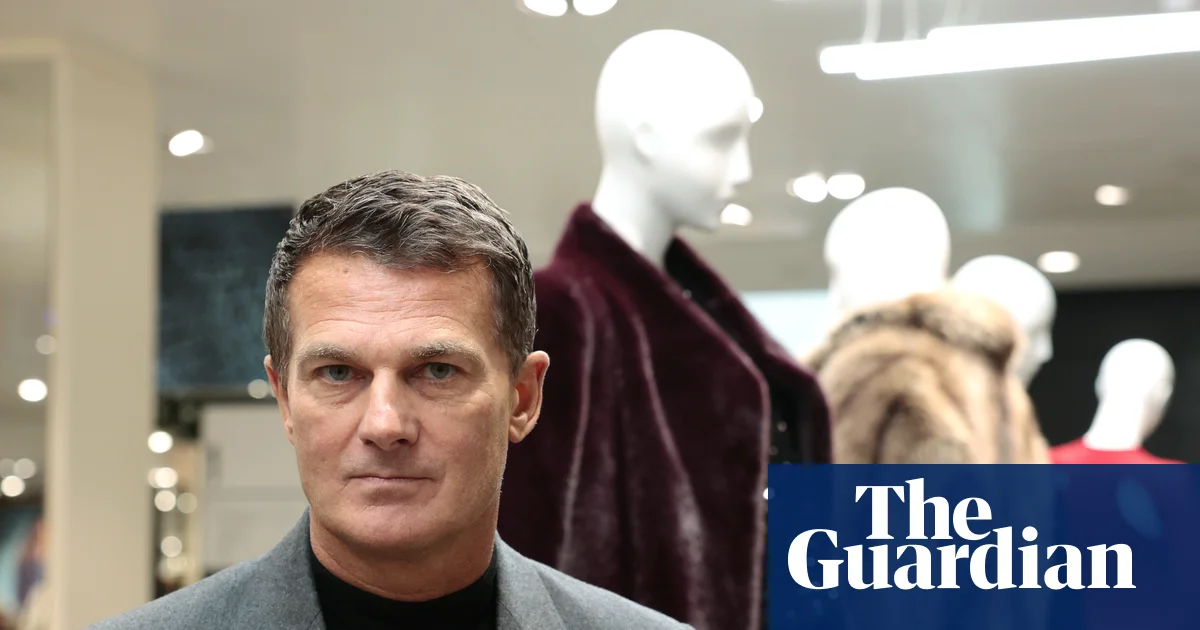
As Fendi marks its historic centenary this year, the fashion world witnesses more than just a celebration of legacy — it reflects a broader shift in societal attitudes towards inclusivity and family-centric branding. Under the creative direction of Silvia Venturini Fendi, the house has seamlessly blended tradition with modernity, showcasing a new generation that values authenticity and social relevance. The recent runway event highlighted this evolution, featuring models of all ages and sizes, utilizing adjustable elastics and elegant grosgrain pull-tapes, once thought to be purely functional, now reimagined as symbols of style and adaptability. Many fashion analysts view this as a cultural shift towards accepting & celebrating diversity, especially in the younger demographics seeking brands with a conscience, not just a heritage.

One cannot ignore the cultural impact of this movement; it resonates deeply with the rising tide of youth-driven social activism. Influencers like Chiara Ferragni and Marina Benetti have championed brands that embrace inclusivity and family values. As Silvia vented her pride backstage, she encapsulated the sentiment: it’s not just about creating luxury items but fostering a sense of belonging and social consciousness. Meanwhile, the fashion industry at large is grappling with a steepening slowdown, causing brands to innovate with fresh faces and reimagine traditional luxury. With Fendi opening new flagship stores in Milan, the focus is shifting from mere exclusivity to cultivating a culture that appeals to a younger, more socially aware consumer base.

While Fendi’s approach demonstrates a reverence for its roots, other brands are pivoting towards minimalism and strategic reinvention. The Jil Sander show, led by Simone Bellotti, returned to the brand’s minimalist melting pot, emphasizing crisp silhouettes and industrial tones that appeal to those longing for understated elegance amidst the extravagance. The trend of minimalism signifies more than aesthetic choice; it aligns with a societal desire for authenticity and sustainable luxury. Industry insiders, including sociologists like Dr. Laura Jensen, argue this signals a collective move away from ostentation toward a more intentional, purpose-driven fashion culture. Still, as the scene grows ever more innovative, one must ask: what will be the next big thing that truly captures the social imagination? Could future trends make fashion not just an expression of identity, but a catalyst for social change?

Get Ready! ‘Stranger Things 5’ Promises to Be the Biggest Adventure Yet!

The Big Finale: What to Expect from Stranger Things 5

The highly anticipated fifth season of Netflix‘s Emmy-winning series Stranger Things is set to make its debut, bringing closure to a show that has captivated audiences since its inception. As we reflect on the cultural phenomenon that has shaped the viewing habits of a generation, it’s fascinating to see how this series has not only entertained but also influenced social conversations. The latest featurette, showcasing behind-the-scenes moments and dramatic glimpses of the upcoming season, has ignited excitement among a loyal fanbase eager for the final installment.

In a recent featurette, cast members and creators the Duffer Brothers shared nostalgic memories from the first season while teasing the monumental scale of Stranger Things 5. Set in the fall of 1987, over a year after the dramatic events of Season 4, Hawkins is now a town marred by trauma, military quarantine, and the looming presence of Vecna (played by Jamie Campbell Bower). These elements underscore a broader theme in the series: confrontations with evil forces often reflect the struggles we face in our own lives. This thematic relevance resonates deeply with today’s youth, who are navigating their own battles in a world fraught with challenges.

The sneak peeks in the featurette suggest that this season is not just about nostalgia; it’s also about growth, both for the characters and the audience watching them. With heightened stakes involving Eleven (Millie Bobby Brown) and her friends as they prepare for what the Duffer Brothers call “the biggest season we’ve ever had,” viewers are gripping their seats. Stranger Things has always balanced the clever integration of pop culture with a coming-of-age narrative, making it relatable for audiences both young and old. The explosive trains, roaring Upside Down energy, and hints of heartbreak reinforce why this series has become a modern classic.

As youth-oriented markets increasingly revolve around streaming platforms and viral phenomena, the question emerges: What lies ahead after Stranger Things concludes its run? Will the spirit of the series live on through new adaptations, merchandise, or thematic spin-offs? The lasting impact of Stranger Things on today’s culture cannot be overstated, and perhaps the biggest question is—how will future creators draw inspiration from this storytelling juggernaut? As we prepare for what could be a heart-wrenching finale, one can only wonder how the show’s legacy will shape the narratives and mediums of tomorrow.

Unlock Your Music Scene: Ckord Connects You to Local Tunes and Artist Vibes!

The Rise of Ckord: A New Era in Live Music Experience

In an age where digital consumption has largely replaced traditional forms of entertainment, the return of live music events has become a vibrant trend among youth culture. Enter Ckord, the groundbreaking mobile platform designed to connect users with live music events in their area. With its focus on local performances, Ckord serves not only as a guide to concerts, shows, and gigs but also as a catalyst for a broader revival of community engagement and the shared social experience of music. This trend underscores a remarkable shift in the way young people are interacting with music and each other.

Gone are the days when discovering live performances meant laboring through local newspapers or browsing outdated flyers taped to telephone poles. Ckord leverages technology to streamline this process, allowing users to access a comprehensive list of events at their fingertips. Sociologist and cultural analyst Dr. Emma Wong notes that music is increasingly viewed as a communal experience rather than a passive activity. This suggests a demographic eager for engagement, an audience that craves not just entertainment but a sense of connection with their peers. By aggregating information on local events, Ckord allows users to not only find entertainment but also to cultivate a sense of belonging within their communities.

The implications of this trend are profound. As young individuals flock to live music events, they are likely to experience a resurgence in community spirit, akin to that seen during classic rock festivals of the 1960s and ’70s. It’s not just about the music; it’s about the shared energy, the collective vibe, and the unforgettable moments that occur when people gather. With the rise of Ckord, we see a return to an era where live performances serve as a focal point for social interaction. In an increasingly polarized world, this could signify a necessary remedy for social disconnection.

  • Ckord leads the charge in local music discovery.
  • It promotes community unity through shared experiences.
  • This trend could signal a revival of local arts and culture.
  • Youth engagement at live events is set to reshape consumer entertainment choices.

Yet, as this trend flourishes, one cannot help but ask: What lies ahead for platforms like Ckord? As more users adopt the app, will there be a corresponding rise in the quality of performances and local talent? Additionally, how will this influence the music industry at large—will we see a shift toward prioritizing local artists over mainstream icons? The next big question that arises is how our changing relationship with music and technology will redefine not just our entertainment choices, but our broader cultural landscape in the years to come. The future of live music could very well hinge on the answers to these questions, driving a new narrative that marries innovation and tradition in the ever-evolving world of youth culture.

Social Media Auto Publish Powered By : XYZScripts.com