Reclaiming Community and Wellbeing: The Unexpected Rise of Pilate Sessions at Bradford’s Mosques
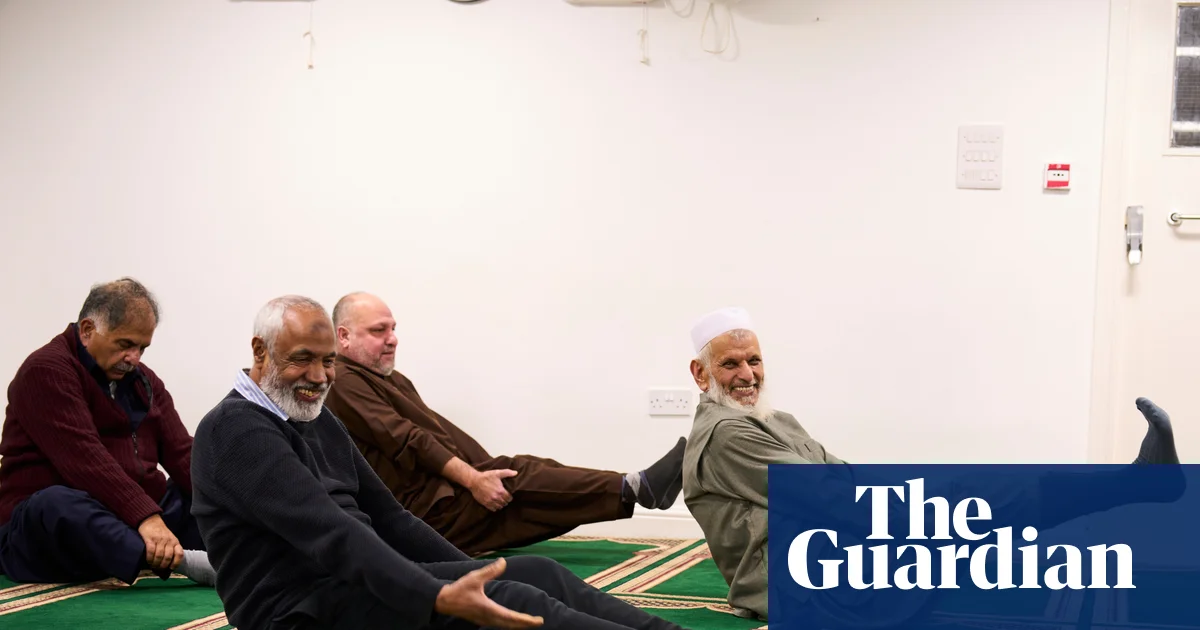
In a world increasingly fragmented by social and cultural tensions, innovative community initiatives are emerging to bridge divides and foster solidarity among diverse populations. At the Jamia Usmania mosque in Bradford, a quiet revolution is unfolding, blending faith-based practices with physical and mental health pursuits. A seemingly simple activity — a pilates class designed primarily for older men — has become a beacon of social cohesion, illustrating how communities can adapt to societal challenges and reinforce their social fabric.
What differentiates this initiative is the cultural shift among elderly Asian men, who traditionally might have limited outlets for social interaction beyond religious routines. The classes, which happen after prayer sessions, bring together men aged 50 to 80, offering them a space to improve their health while also building friendships. Social commentators emphasize that such efforts are vital for families, as they provide older generations with support networks that can prevent loneliness and mental health decline. As sociologist Dr. Sarah Ahmed notes, “When communities create accessible, non-judgmental spaces, it not only improves physical health but also redefines societal roles for elders, empowering them to participate actively in community life.”
- Within weeks, the classes gained virality through TikTok, with almost 2 million views, sparking a wave of interest that extends beyond Bradford to mosques across the UK, Malaysia, and Canada.
- The initiative’s viral success underscores the potential of social media as a tool to promote positive social change and community engagement
- Participants have reported significant improvements in physical wellbeing, with some overcoming chronic ailments through regular activity.
- This movement lends weight to the argument that health is holistic — intertwining physical, mental, and social dimensions.
The social impact extends beyond health benefits; it nurtures a sense of belonging that can combat the social isolation often faced by immigrant communities. Families benefit as elders become more active participants in community life, which can translate into stronger intergenerational bonds. Moreover, the initiative exemplifies a fundamental shift towards inclusive community spaces: a mosque transforming into a community hub capable of hosting a variety of activities, including future female pilates classes and youth clubs. As Ilyas, the mosque’s general secretary, remarks, “We want to make our mosque a place not just for prayer but for life — accessible, welcoming, and vibrant.”
Facing societal challenges such as aging populations, mental health crises, and social fragmentation, communities are called to reimagine the role of traditional institutions. These pilates sessions showcase how grassroots actions, driven by local leaders and social innovators, can gradually reshape societal norms and expectations. As historian David Lloyd observes, “Community resilience hinges on capacity for adaptation — turning existing spaces into engines of societal cohesion”. With each stretch and smile, these men reclaim not only their health but their place within a society that increasingly values their contribution and dignity. Ultimately, society’s greatest hope lies in recognizing that even the smallest acts—like a gentle lift or a shared laugh—can set in motion profound transformations, inspiring a future where every individual, regardless of age or background, feels valued, connected, and empowered to contribute to the collective wellbeing.