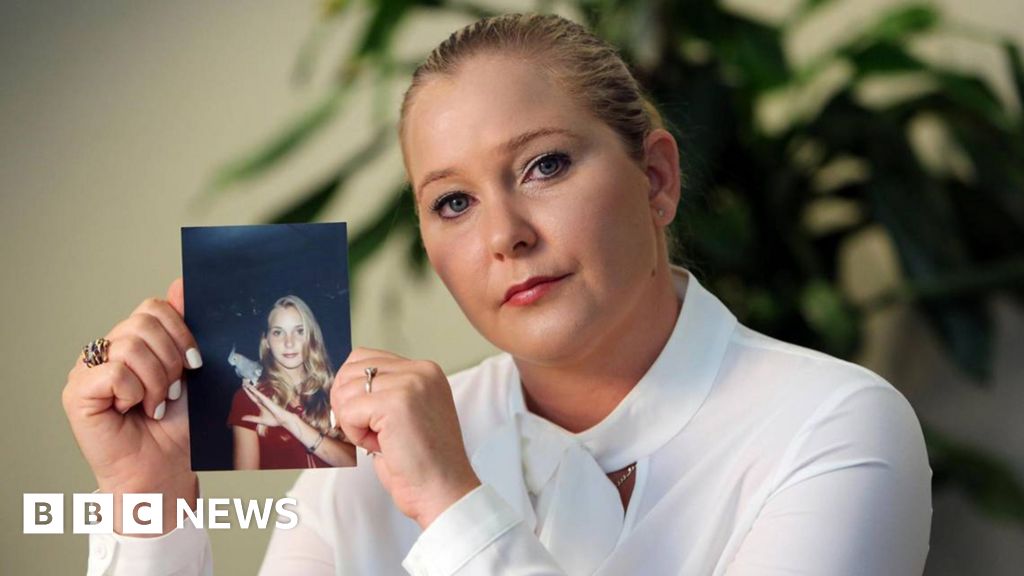
In an era increasingly defined by exposing the abuses of the powerful, the recent publication of Virginia Giuffre’s memoir, Nobody’s Girl, has sent shockwaves through international political and social spheres. The harrowing details recount her allegations of abuse at the hands of Jeffrey Epstein and his circle, notably implicating Prince Andrew. This revelation not only erodes the veneer of invincibility surrounding the British royal family but also exemplifies the profound geopolitical impact of global elites’ clandestine exploits. How nations perceive their leaders in the light of such scandals shapes alliances, diplomatic dialogues, and the moral fabric of society itself.
<p>Many analysts view this scandal as a critical bellwether in the ongoing struggle between transparency and the entrenched shield of privilege. Historians like Dr. Elaine H. Newton have argued that such disclosures mark a *turning point*—a stark reminder that no amount of institutional pride can fully shield the powerful from accountability. Meanwhile, international organizations such as <strong>Interpol</strong> have increased scrutiny into Epstein's extensive sex trafficking network, which spanned continents and involved dozens of high-profile figures. The fallout extends beyond individual reputations; it challenges the integrity of decades-old diplomatic assumptions about immunity and status, especially where *wealth and influence* intersect with crimes of the most heinous nature.</p>

<p>The <u>accusations against Prince Andrew</u> have ignited a fierce debate on the geopolitical ramifications of royal scandal. As the monarchy attempts damage control by relinquishing Andrew’s titles—a symbolic yet insufficient gesture—questions about the future of the British royal institution loom large. The decision to step back from formal duties and withdraw from the Order of the Garter underscores a shifting landscape where <strong>public morality</strong> and <strong>international reputation</strong> are increasingly intertwined. Experts such as geopolitical strategist Mark Evans warn that the scandal's ripple effects threaten to undermine Britain’s soft power, a vital tool in the delicate dance of diplomacy. As this crisis unfolds, the world watches with a mixture of suspicion and anticipation—<em>how long before this exposes deeper systemic rot?</em></p>

<p>Yet perhaps the most sobering aspect of Giuffre’s memoir is its revelation of how global elites abuse their power, weaving a web of influence that stretches across borders and cultures. Her detailed account of abuse, which includes troubling accusations involving some of the world’s wealthiest individuals, exposes a dark underbelly of sex trafficking and sadistic exploitation derived from a culture of impunity. Such revelations compel international watchdogs and legal authorities to intensify their investigations—while critics argue that true justice remains elusive in a system often more inclined to protect the privileged than the victims. As scholars examine this unfolding saga, the question remains: <u>will we see a reckoning that finally dismantles the secretive enclaves of influence?</u></p>

<p>In this turbulent moment, history hangs in the balance, waiting for the decisive actions that will either reinforce the old order or forge a new paradigm rooted in accountability. As the story of Virginia Giuffre converges with the ongoing upheavals surrounding global elites, the spotlight remains fixed on how nations evolve their moral compass in the face of unprecedented revelations. At the end of the day, the truth unveiled is a stark message: <em>power without accountability is a fragile illusion—one that, when shattered, leaves history forever changed.</em></p>