International Tensions Rise as US Implements Restrictive Visa Policies
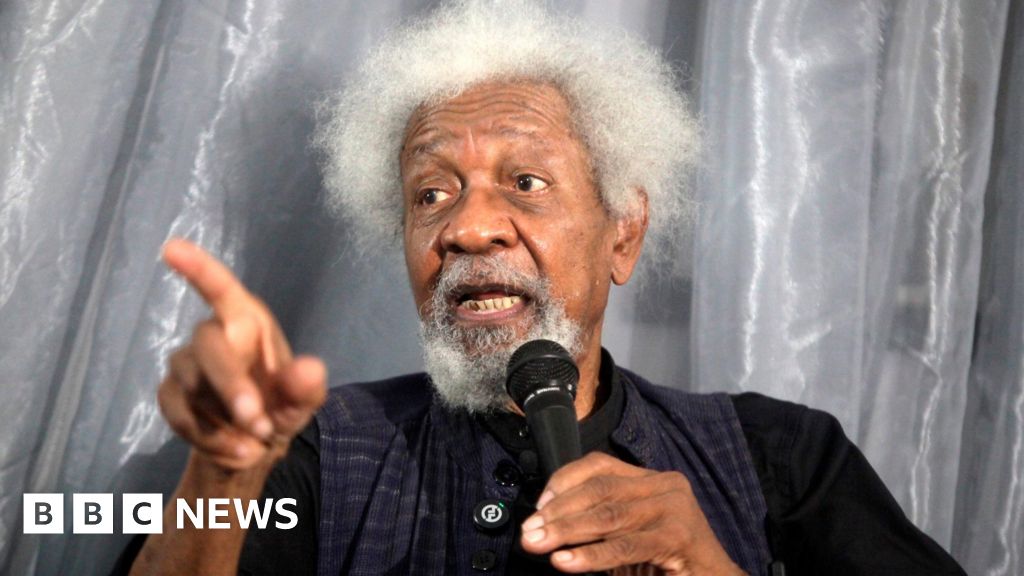
The recent move by the United States to revoke visas of prominent figures like Nigerian Nobel laureate Wole Soyinka signals a significant shift in its diplomatic stance towards cultural and intellectual diplomacy. Soyinka, who publicly announced that the US had canceled his visa—calling it a “curious love letter from an embassy”—embodies the broader tensions over American foreign policy and its impact on global perceptions. The US State Department’s decision, which comes amidst the implementation of *restrictive visa policies* affecting many African nations, underscores a broader pattern of tightening borders that deeply affect individual exchanges and international reputation.
This policy shift is not occurring in isolation. In July, the US government announced sweeping changes to its non-immigrant visa system, especially targeting citizens of Nigeria, Cameroon, Ethiopia, and Ghana. These nations now face restrictions where visas are predominantly single-entry and valid for only three months, reversing previous allowances for longer, multiple-entry visas. Analysts argue that such policies serve as a form of diplomatic signaling—whether intended or not—casting shadows over US commitment to global engagement and collaboration. This crackdown is influencing how nations perceive the US as a hub for international exchange, academic progress, and cultural diplomacy, factors that historically bolstered America’s soft power worldwide.
How Decisions Reshape Diplomatic Norms and Societal Relations
Soyinka’s experience underscores how political decisions translate into tangible consequences for individuals and, by extension, their countries. A renowned critic of US policies, Soyinka has long been an advocate for free expression—yet now finds himself barred from the land where he once held permanent residency, which he renounced in 2016 in protest of President Donald Trump’s policies. This incident exemplifies how shifts in US immigration policy—linked directly to political rhetoric—can undermine the country’s reputation as a sanctuary for free thinkers and seekers of knowledge. By restricting visas, the US risks alienating the very voices that have historically contributed to its intellectual diversity.”
Cultural and academic exchanges are vital to fostering mutual understanding, yet recent actions threaten to erode this foundation. The revocation of Soyinka’s visa, following his critical remarks comparing Trump to Uganda’s infamous dictator Idi Amin, reflect a pattern where political dissent is increasingly viewed as disloyalty or threat. Such acts of suppression could have lasting implications, impairing efforts aimed at bridging cultural divides and advancing shared global values. International organizations and historians warn that these moves risk creating a polarized world where societies retreat behind nationalistic barriers rather than engaging in dialogue that promotes peace and cooperation.
Unfolding History and the Future of Global Competitiveness
As world leaders watch the US’s evolving policies, the geopolitical landscape is shifting dramatically. Many consider these restrictions a strategic move to assert national sovereignty, yet critics argue they threaten to diminish America’s global influence during a time when international stability is fragile. The decisions influence multiple facets: diplomatic relations, academic collaborations, and cultural exchange programs—elements integral to the fabric of global society. This era could be remembered as a turning point when the US’s commitment to openness and diversity was tested, with consequences rippling across generations. International institutions warn that if such policies persist, they may embolden other nations to follow suit, ushering in a new era of fragmented global engagement.
Ultimately, the unfolding story of visa restrictions, diplomatic retractions, and international reactions leaves humanity at a crossroads. History will judge whether these decisions serve as a temporary blip of authoritarian overreach or a signal of a fundamental shift in global power dynamics. As nations watch and react, the weight of history hangs heavy, reminding all that in the dance of geopolitics, today’s choices forge tomorrow’s legacy—an unfolding saga that history will record long after the ink has dried.