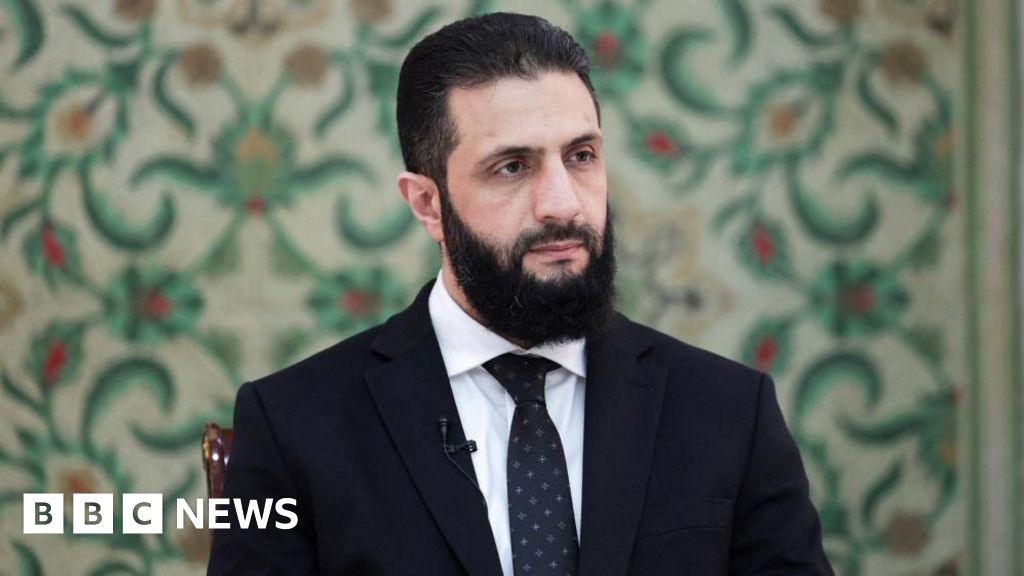
The geopolitical landscape in the Middle East has reached a pivotal juncture, as recent developments signal a significant shift in international recognition and diplomatic engagement with Syria. The United Nations Security Council has voted in favor of a US resolution to lift sanctions on Syrian President Ahmed al-Sharaa, setting the stage for his upcoming White House visit next week. This move marks not only a change in policy but also underscores a broader recalibration among global powers regarding Syria’s future. Once considered a pariah state during its prolonged civil war, Syria now finds itself at the center of a new geopolitical narrative—one that privileges stability and regime consolidation over decades of Western-led isolation.
- The US has officially recognized the shifting power dynamics by removing Hayat Tahrir al-Sham (HTS) from its list of foreign terrorist organizations, a group that was once linked to al-Qaeda and whose leader, Ahmed al-Sharaa, was previously sanctioned as a terrorist. The decision reflects a strategic pivot in Washington’s approach—viewing Syria through a lens of pragmatic diplomacy rather than exclusively ideological confrontation. Alongside sanctions on Syrian Interior Minister Anas Khattab, the move signals a recognition of the evolving landscape of influence and control within Syria’s borders.
- The UN’s decision, hailed by Syrian officials as a gesture of appreciation and acknowledgment, underscores a broader shift that has cautious analysts pondering whether the tide of international support has turned decisively in favor of Bashar al-Assad’s regime or, as in the case of Sharaa, an alternative leadership figure emerging from the ashes of conflict.
The symbolism of Sharaa’s upcoming visit to Washington cannot be understated. His first address to the UN General Assembly since the civil war’s peak foreshadows a more concerted effort by Syria to reintegrate into the global community. “Syria is reclaiming its rightful place among the nations of the world,” Sharaa proclaimed, emphasizing his aspirations for legitimacy and influence. Meanwhile, U.S. President Donald Trump has acknowledged the “good progress” made by Sharaa toward peace—a stark departure from past isolationist policies. This shift suggests that the United States and its allies are recalculating their strategic priorities, choosing diplomacy over confrontation in hopes of stabilizing a region long characterized by chaos and conflict.
This latest episode in Syria’s complex narrative raises profound questions about how decisions made in international rooms resonate on the ground. By lifting sanctions and engaging with Syrian figures who have been branded terrorists in the past, the global community’s stance underscores an emerging acknowledgment: alliances are volatile, and today’s enemies can become tomorrow’s partners. Historians and analysts warn that such shifts carry risks—reconciliation may threaten to overshadow justice, and the re-emergence of strongman rule could deepen existing societal divides. Yet, how nations adapt to these fast-evolving geopolitics will indelibly shape the future of the Middle East and beyond.
The story of Syria stands as a testament to the relentless pursuit of power, influence, and stability amidst a landscape of shifting allegiances. As Sharaa steps into the diplomatic arena with Washington, it is clear that the region remains a theater of strategic chess—a place where the weight of history presses heavily upon each move. Future chapters will determine whether these diplomatic gestures herald a new era of peace or mask deeper struggles that threaten to ignite anew. The unfolding drama in Syria reminds the world that history is a relentless witness—watching, recording, and waiting for the moment when an already tense story takes an unforeseen and irreversible turn.