Typhoon Kalmaegi Leaves Trail of Destruction Across Asia, Starkly Revealing the High Stakes of Climate and Geopolitical Decision-Making
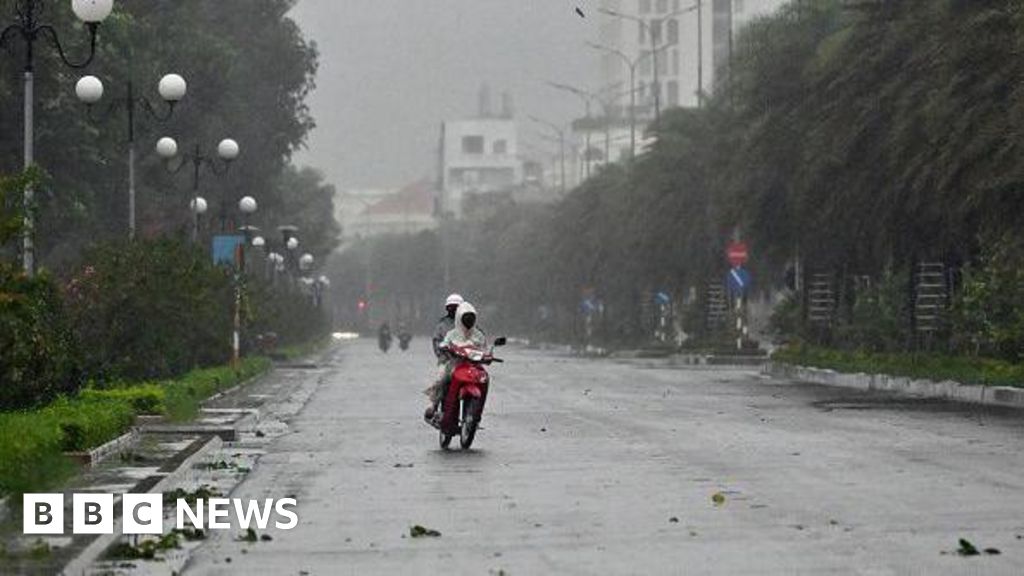
As Vietnam, the Philippines, and neighboring nations grapple with the aftermath of Typhoon Kalmaegi, the storm underscores the profound geopolitical impact of climatic forces. Making landfall in Vietnam Thursday evening, Kalmaegi—locally known as Tino—brought with it winds exceeding 92 mph, flooding entire towns, uprooting trees, and crippling vital infrastructure. With over 114 fatalities already reported in the Philippines, and thousands evacuated, the disaster exemplifies how natural calamities are increasingly intertwined with geopolitics and global stability. Experts from international organizations and historians emphasize that the storm’s devastating course is not merely a random act of nature but a stark reminder of the vulnerability inflicted by uncooperative climate policies and regional tensions.
The Vietnamese government has responded with an unprecedented mobilization, deploying more than 260,000 soldiers and utilizing over 6,700 vehicles to contend with the crisis. Such massive state-led efforts highlight how nations, especially in Southeast Asia, are under immense pressure to organize complex disaster responses in a climate-altered world. Meanwhile, local authorities warned of flooding risks in seven provinces and urged sustained vigilance amid forecasts of waves reaching 8 meters in the South China Sea. This profound threat to coastal communities—especially fishing fleets and tourism hotspots—aligns with warnings from the Vietnamese National Center for Hydro-Meteorological Forecasting and echoes prior catastrophes like Typhoon Damrey in 2017. As NIEHS, an influential think tank, warns, these recurring natural disasters are symptoms of a broader “climate crisis fueled by geopolitical inertia,” with vulnerable populations bearing the brunt.
Across the Philippines and Vietnam, historic floodwaters and storm surges have devastated communities, transforming vibrant cities like Cebu into scenes of chaos and despair. Deadly floods in the Philippines have wiped out entire neighborhoods, and President Ferdinand Marcos Jr. has declared a state of emergency, signaling the severity of the crisis. Such events are not isolated but are symptomatic of a region increasingly troubled by _climate-induced_ upheavals—an issue that analysts predict will only worsen without international cooperation. As Vietnam’s deputy director Nguyen Xuan Hien alludes, these storms serve as harsh warnings: “Typhoon Damrey was less intense but still caused damage; Kalmaegi is a message that we must remain vigilant.” At its core, this reminds the world that decisions made in distant capitals—regarding climate policy, military readiness, and regional alliances—directly influence the fate of millions.
As history unfolds and the storm’s aftermath gives way to recovery and reflection, the geopolitical landscape faces a decisive moment. The profound destruction leaves underlying questions about discipline, preparedness, and international solidarity. Will nations recognize the interconnectedness of environmental and security issues? Or will they continue to prioritize short-term economic and political gains over sustainable, collaborative responses? The rising tide of Kalmaegi and its relentless march through Asia’s heartland leaves a haunting message—one that echoes through the corridors of history, calling for urgent unity or risking that the next chapter in this unfolding tragedy may be even darker. This is a story not just of weather but of a world at a crossroads, where the choices today will write the final lines of tomorrow’s history books.