Matox News

Truth Over Trends, always!

Robot Takes the Mic: Melbourne Innovator Turns AI into Comedy Gold for the Next Gen

In an era where **technology** continues to reshape every facet of **lifestyle** and **entertainment**, a groundbreaking initiative from the University of Melbourne is probing the very limits of **artificial intelligence** (AI) in the realm of **comedy**. Led by Dr. Robert Walton, a dean’s research fellow in the **Faculty of Fine Arts and Music**, this project seeks to determine whether **robots** can go beyond mere **physical mishaps** and develop a genuine sense of **humor**. Unlike the stereotypical clumsiness that often elicits laughter at robots’ expense—think of those viral clips of Boston Dynamics’ malfunctioning machines—Walton’s goal is to explore the potential for **AI** to *intentionally* make us laugh, tapping into the core skills of **timing**, **reading the room**, and **visual humor**. Thanks to a substantial Australian Research Council grant of roughly $500,000, Walton will train a team of ground-based **robots**, ranging from 40 centimeters to two meters tall, to hone their *visual* comedic skills alongside human collaborators.

This initiative marks a conscious departure from memetic AI humor derived from language models like **ChatGPT**, which often mirror *underwhelming* jokes, reminiscent of those found in **Christmas crackers**. Instead, Walton emphasizes that humor rooted in **non-verbal communication**—such as **physical comedy** and **timing**—may be the key to unlocking believable **machine humor**. By observing how **robots** sense movement, establish **connection**, and respond to gestures like **head tilts** or **laughter**, Walton aims to understand how machines might eventually *adapt* to mimic human **behavioral cues**. The project’s ultimate aim isn’t merely to entertain but to garner insights on how **human-robot interactions** can evolve, with all their **risks and benefits**.

Indeed, this investigation touches on profound questions about **authenticity**, **creativity**, and the very essence of **humanity**. Notable **cultural figures** like comedian and musician **Tim Minchin** have pointed out that what makes **comedy** truly compelling is the **flaws**—the imperfections and **agency** of **the artist** behind the act. Human **comedians** bring their **personal experiences**, **struggles**, and **mistakes** into their routines, crafting a moment of **authentic connection** that technology has yet to replicate convincingly. The **Melbourne comedy festival** director, Susan Provan, echoes this sentiment, emphasizing that **originality** arises from **lived experiences** and **spontaneous interactions**—elements that many believe define the **soul** of **comedy**. Walton’s project recognizes these facets, exploring whether **robots** can simulate this **authenticity** or if they will simply be **clumsy imitators**, providing humor through their **failures** rather than their **intentions**.

  • Reflect on the blend of **technology** and **lifestyle** as an avenue for **self-improvement** and **well-being**;
  • Consider how **training** in **humor** could be applied in fields like **caregiving** or **public interaction** to foster **empathy** and **connection**;
  • Embrace the idea that **innovation** must be paired with **ethical caution**—exploring both empowering potential and **threats** associated with **AI** transforming **entertainment** and **personal interaction**.

As Walton’s work unfolds, it invites us to reflect not just on what **technology** can do but what it **should** do. The journey from **robots fall** to the potential of a **believable** comedian embodies a broader societal quest: fostering a **lifestyle** that balances **innovative progress** with **authentic human essence**. This pursuit underscores an enduring truth—**the human spirit** thrives in spontaneity, mistakes, and the genuine **connection** with others. While AI may someday learn the **timing** and **gestures**, it remains to be seen whether it can truly emulate those **imperfections** that make us *laugh*, *cry*, and *feel alive*. Perhaps, in the end, the most profound comedy—like life’s richness—resides in embracing our **flaws** and the **journey** of perpetual discovery.

Paramount Skydance throws down a bold new bid to outshine Warner Bros Discovery—are the studios gearing up for a new Hollywood showdown?

In the ever-evolving landscape of entertainment, the power dynamics among industry giants continue to shape our cultural lives and influence our personal well-being. Recently, we witness an intense showdown as Paramount Skydance makes a bold move to acquire Warner Bros Discovery. Their intentions? To outflank a rival plan from Netflix, the titan of streaming, in what could be a seismic shift for media ownership. As these corporate maneuvers unfold, they remind us that the pathways we choose—whether for leisure, career inspiration, or family entertainment—are profoundly tied to the media landscape’s future.

This ongoing saga is more than a corporate chess match; it reflects broader trends of personal impact in our daily lives. Netflix, with over 300 million subscribers worldwide, has revolutionized how audiences consume content. Meanwhile, traditional studios like Warner Bros, with its iconic HBO and beloved franchises such as Harry Potter and Looney Tunes, showcase a legacy of creative excellence that keeps millions inspired and engaged. The proposed acquisitions spotlight the significance of maintaining a diverse media ecosystem—one that fosters wellness through varied storytelling, cultural representation, and the freedom to craft authentic voices. These corporate moves trigger questions about who gets to tell what stories, how they influence our worldview, and ultimately, how they impact our mental and emotional health.

Industry experts and cultural commentators have expressed mixed views about the ramifications. According to financial analysts, the escalating merger bids reflect a strategic push towards scale—a necessity to compete in a saturated market dominated by companies like Disney and Amazon. Yet, as Ben Barringer of Quilter Cheviot notes, “Paramount needs this deal more than Netflix,” implying that smaller players recognize the value of consolidating their assets to build competitive strength. For young viewers seeking meaningful entertainment, this race for dominance underscores the importance of supporting diverse content and channels, which in turn supports a vibrant culture of creative independence. The challenge lies in ensuring that these power shifts don’t diminish the quality and authenticity of the stories we cherish, but rather, enhance their capacity to inspire and educate.

In a broader reflection, the moves by giants like Paramount, Warner Bros, and Netflix are emblematic of a deeper cultural evolution. As the media landscape consolidates, the responsibility falls on both creators and consumers to foster an environment where well-being and truthful storytelling remain at the forefront. These corporate battles can be viewed as a metaphor for our own personal journeys—navigating the complex web of influences to find our authentic voice and purpose. Ultimately, just as industry leaders seek to shape the future of entertainment, each individual has the opportunity to craft a lifestyle rooted in inspiration, resilience, and a commitment to truth. In embracing this journey, we are reminded that the most compelling stories are those that uplift, challenge, and ultimately, help us become the best versions of ourselves.

Monaco Yacht Show Doubles Down: Global Turmoil Can’t Sink the Luxury Wave

Living Large in Monaco: The Resilient Allure of Superyachts

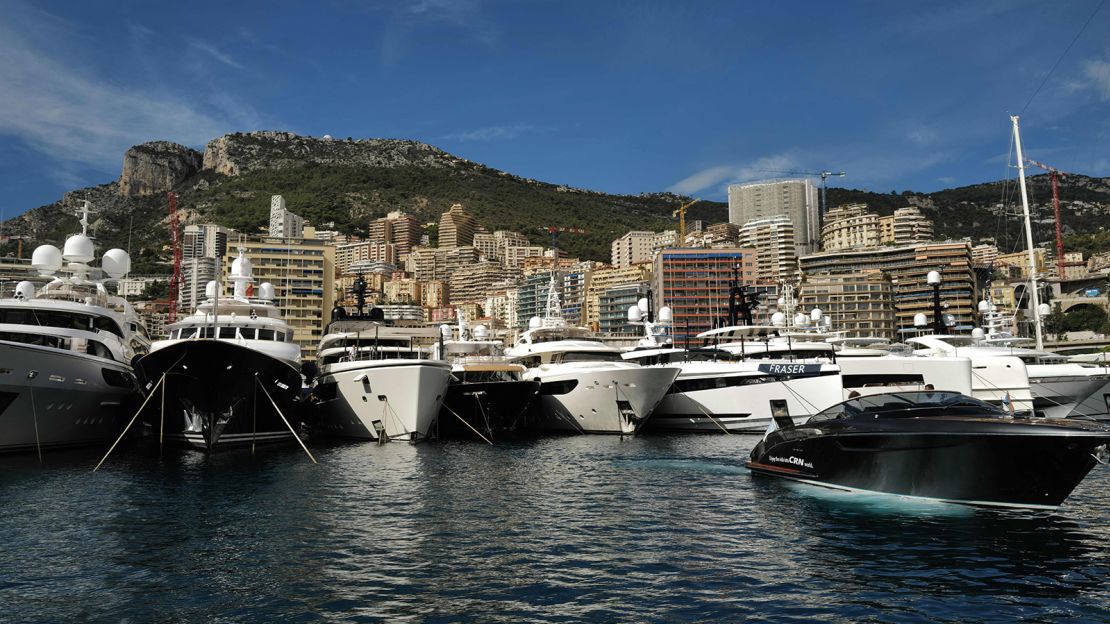
In a world beset by international conflict, rising energy prices, and lingering pandemic uncertainties, one of the most captivating spectacles continues to defy global turmoil: the Monaco Yacht Show. This annual event, held in the glamorous Mediterranean enclave, showcases some of the world’s most extravagant and technologically advanced superyachts ranging up to over 100 meters in length. Despite a backdrop of geopolitical anxiety, the event attracted a record-breaking assembly of luxury vessels, a testament to the resilience and enduring allure of luxury lifestyle.

The Monaco Yacht Show exemplifies how wellness and leisure pursuits remain pillars of personal well-being for the wealthy and aspirational alike. As Johan Pizzardini, the show’s communications head, notes, all of the world’s leading superyacht brands and the latest models were present, including 118 magnificent vessels with a combined value near $3.8 billion. Even amidst economic uncertainty, luxury yacht ordering remains robust, with new entries like the record-breaking AHPO, a 115.1-meter giant from German builder Lürssen, making waves in the industry. The message is clear: for the elite, investment in personal escape—whether by land or sea—continues to be a priority, fostering a culture centered around self-optimization and life’s pleasures.

Emergence of New Buyers and Design Innovations

This year’s event showcased a shift in buyer demographics. Not only seasoned yacht owners but also first-time luxury yacht buyers are making splashes with their debut vessels. New models like the 60-meter Lusine from Dutch shipyard Heesen, which boasts exquisite interiors by Sinot Yacht Architecture, exemplify this trend. Interior design experts such as Ron Holland and Francesco Paszkowski continue to elevate yacht aesthetics, blending functional luxury with cutting-edge sustainability. For many, this pursuit is more than ostentation: it’s about creating personal sanctuaries that promote mental/physical health and inspire.

Innovations like hybrids and eco-conscious propulsion systems reflect a _growing emphasis on environmental responsibility_. Tankoa’s Kinda, with its hybrid engine modes, encapsulates this commitment—combining power, efficiency, and a respect for nature. Such focus aligns with wellness experts advocating for a sustainable lifestyle that harmonizes indulgence with planetary stewardship, showing how luxury can coexist with _\u201cmindful living\u201d_ principles.

Industry Confidence and Investment in Dreamscapes

Despite recent sanctions impacting the Russian superyacht industry, the global order book remains strong. CEOs like Arthur Brouwer of Heesen report record orders, with over 1,000 superyachts under construction worldwide—a 24% increase from the previous year. This surge illustrates a confident market driven by a pandemic-inspired mindset: a desire to seize the moment and embrace personal freedom through luxurious escapism. For many, these vessels are more than assets—they are floating retreats that foster community, rejuvenation, and escape into wellness.

Moreover, the event revealed an ever-expanding array of custom features—from vibrant murals and opulent materials like mother-of-pearl and rare woods, to innovative amenities such as onboard gyms, massage salons, and helipads. These details exemplify how personalized experiences and lifestyle upgrades are shaping a new era of private luxury. Industry leaders emphasize that even in uncertain times, the quest for personal excellence remains a steadfast pursuit, fueling continued shipbuilding and innovation.

This glamorous gathering in Monaco reminds us that lifestyle is an ongoing voyage—a pursuit of balance, beauty, and strength amid the chaos. Like the majestic vessels that glide through azure waters, our own journeys are marked by resilience, innovation, and a relentless pursuit of betterment. In embracing these ideals, we discover that luxury isn’t just about material wealth—it’s about cultivating inner peace and creating spaces where one can truly thrive. As the world sways with uncertainty, the message is clear: through vision, craftsmanship, and a bold yearning for living fully, the journey to personal fulfillment continues unabated.

Ami-dong: Busan’s Bold ‘Tombstone Village’—Korean Refugees Reclaim a Japanese Cemetery with Style

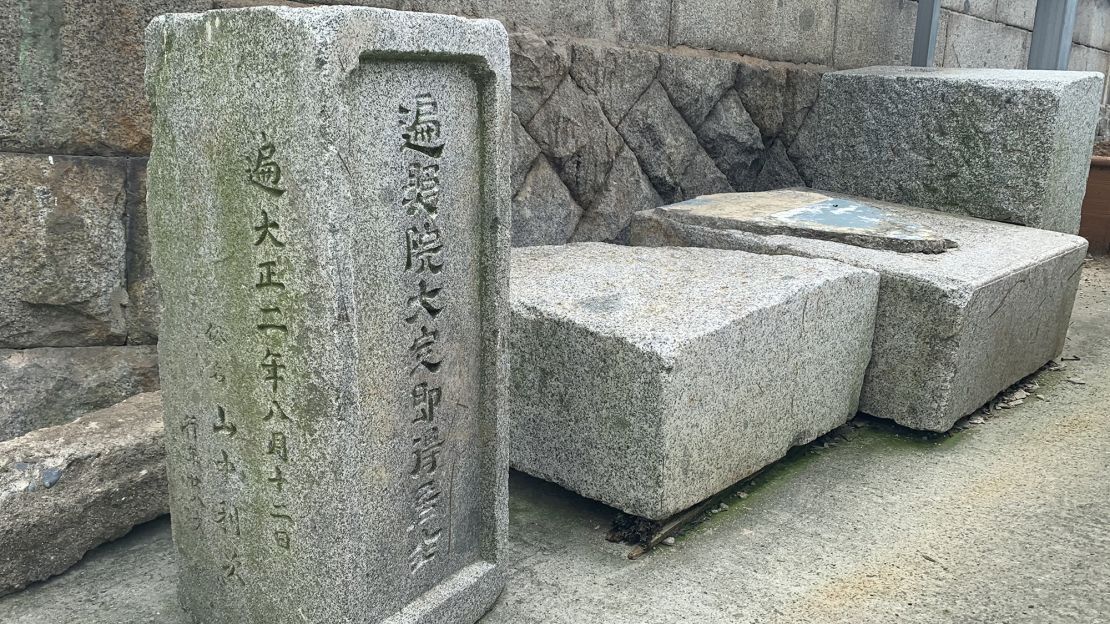
Standing at the crossroads of history and transformation, Busan, South Korea, offers more than just scenic beaches and vibrant markets—it embodies a complex narrative of resilience, migration, and cultural preservation. Tucked away in the hills adjacent to one of the city’s most colorful landmarks, the Ami-dong area is a living testament to Korea’s turbulent past and the enduring spirit of its people. Once a hidden pocket of history, adorned with tombstones inscribed with Japanese characters, today it stands as a symbol of renewal—a place that invites visitors to reflect on the layers of life, death, and rebirth that have shaped the city’s identity. For the modern explorer, Ami-dong isn’t merely a tourist attraction; it is an immersive journey into the soul of a nation that refuses to forget its past while boldly building its future.

During the Korean War, Ami-dong served as a crux of survival for refugees fleeing the devastation of conflict. Built atop the remains of an old cemetery—originally established during Japan’s occupation of Korea from 1910 to 1945—the area symbolizes a convergence of colonial history and wartime resilience. As the war displaced over 640,000 North Koreans and countless South Koreans, many sought refuge in Busan, which became a makeshift wartime capital. This influx of displaced citizens led to the rapid expansion of densely packed hut villages, with the remnants of Japanese tombstones repurposed as construction materials or used as garden borders—small, tangible echoes of the past laid bare amidst the urban sprawl. As noted by historians like Kim Jung-ha, the area of Ami-dong was once a boundary—between life and death, urban and rural, home and alien territory—a reflection of Korea’s ongoing struggle to redefine itself amidst layers of colonization and conflict.

In recent years, however, the narrative of Ami-dong has shifted from one of trauma to one of vibrant cultural revival. The South Korean government has invested significantly in preserving this unique heritage site, transforming it into a thoughtfully curated tourist destination that balances remembrance with progress. Guided by local initiatives and cultural experts, the area now features an information center illustrating its historical significance, with murals and plaques paying homage to the tombstones and the lives they represent. Visitors are encouraged to approach respectfully, as many residents still cherish their community’s roots.

  • Explore the winding alleys and spot tombstones nestled under staircases and doorsteps, some inscribed with Japanese characters, others weathered by time, whispering stories of those long gone.
  • Visit the nearby Gamcheon Culture Village—another hub of colorful art and history—often linked by scenic bus rides that highlight the city’s blend of old and new.
  • Reflect at the planned memorial site, where scattered tombstones θα be collected, honoring the memory of those who contributed to the city’s layered history.

Ultimately, Ami-dong exemplifies a lifestyle rooted in *mindful remembrance* and *urban renewal*. It challenges the urban dweller and the curious traveler alike to consider how history influences our present—and how, through respect and preservation, we forge a meaningful connection to the past. As urban engineering professor Kong Yoon-kyung eloquently expressed, “In an urgent situation, when there was no land, a cemetery was there, and people felt compelled to live among those memories.” Today, this sentiment resonates in the enduring presence of tombstones, not as symbols of death, but as anchors of personal and collective identity. Life, in its continual flow, demands that we confront our roots with honesty and reverence, recognizing that our future can be enriched only by learning from what we carry beneath our feet. For those willing to embrace history in its raw, unvarnished form, Ami-dong beckons as a reminder that true wellness and inspiration come from understanding where we come from—even when that means walking among ghosts of a complex, storied past.

The rise of the ‘scam state’: Southeast Asia’s booming illegal industry and the new wave of cybercrime targeting youth

Unmasking the Monster: How Southeast Asia’s Scam Industry Threatens Power and Prosperity

In recent years, cryptic economic undercurrents have surged beneath the surface of southeast Asia’s vibrant landscape, revealing a dark infrastructure that is reshaping not only regional stability but also defining issues of personal security and economic freedom. The dramatic demolition of KK Park, one of the continent’s notorious “scam centres,” signifies a fragile attempt to open a window into this clandestine world—a world rooted deeply in _conflict zones_ and _lawless borders_, where opulence and impunity walk hand in hand. These hubs, often sprawling and openly visible, symbolize the extent to which corruption and illicit financial networks have become intertwined with state power, painting a narrative of *blatant impunity* that is hard to ignore.

What makes this industry particularly insidious is its *evolution* from simple phishing scams to an *industrial-scale political economy.* Experts like Jacob Sims, a Harvard fellow specializing in cybercrime, describe a shift where online fraud has transformed into a *massive illicit market*, grossing hundreds of billions annually—roughly mirroring the drug trade in scope. The industry relies heavily on _advanced technologies_ such as generative AI, deepfake video calls, mirrored websites, and *sophisticated misinformation tactics* to manipulate victims globally. Recent estimates reveal that, in 2024, cyber scams in the Mekong sub-region generate about $44 billion annually, representing 40% of the formal economy—making it not just a criminal enterprise but an *economy unto itself*. Such figures underscore a stark reality: these illicit networks are *driving regional economic shifts* and exerting *enormous influence* over policy and governance.

This rise has serious personal implications for individuals worldwide—victims entrapped in “pig-butchering” scams, where authentic relationships are cultivated online before victims are pressured into fraudulent investments, often in cryptocurrencies. The regret and financial devastation for victims are profound, with many losing *more than half of their net worth*, sometimes totaling hundreds of thousands of pounds. This *human toll* reveals how *technology* and *greed* have become tools for exploitation, fueled by scammers who harness deepfake videos and AI translation to deceive even the most cautious. From a personal health perspective, such scams foster stress, anxiety, and financial strain, reinforcing a need for better *digital literacy* and *preventive education*. To truly understand and combat this industry, awareness must extend beyond borders, involving clients worldwide and policymakers committed to rooting out these *global illicit networks*.

Despite efforts to dismantle these operations, their **publicly visible** scale and *interwoven political connections* suggest a disturbing compromise of sovereignty and law enforcement. Experts argue that visible scams are often mere *”performative”* acts—aimed at appeasing international pressure without risking the fundamental interests of powerful *criminal-elite networks*. The ongoing existence of enormous compounds, diplomatic cover-ups, and *state co-optation* signals a *systematic failure*—a reflection of a *scam industry* that has become entrenched, profiting off *conflict*, *border chaos*, and *weak governance*. This situation demands a reassessment of our *values* and *priorities*, emphasizing that the fight against such corruption must also be a personal journey—one of resilience, knowledge, and refusal to accept *an economy of exploitation*.

Reflection

As society stands at this crossroads, the path forward invites each of us to consider how our choices—whether in safeguarding our digital lives or advocating for *transparency*—connect to the broader narrative of _power, integrity,_ and _independent prosperity_. The story of Southeast Asia’s scam industry is not just about illicit money—it’s a lesson in vigilance and responsibility, urging us to embrace a lifestyle rooted in _truth_, _empowerment_, and _ethical awareness_. The challenge remains: will we continue to be passive spectators, or will we become active participants in fostering a world where *justice and integrity* hold sway? The journey of lifestyle, after all, is a reflection of our collective willingness to uphold these principles, transforming us from bystanders to builders of a resilient future.

Key Takeaways:

  • Understand the scope: The scam industry is a major economic driver in the region, comparable in size to the illicit drug market.
  • Stay vigilant: Technological advancements make scams more sophisticated—education and awareness are your best defenses.
  • Recognize the systemic issues: Many scam hubs operate with state complicity, highlighting the importance of advocacy and international pressure.
  • Personal impact matters: protection of personal wealth and mental health should be prioritized amid these evolving threats.
Unveiling the Hidden Vibes of Turkey’s Iconic Cool Capital

Discovering Izmir: A City of Ancient Roots and Modern Resilience

In the heart of the Levant, Izmir stands as a testament to centuries of cultural confluence and historical resilience. Once Turkey’s most cosmopolitan city, it was renowned over a century ago for its sophistication, with streets bustling with families from Greek, Armenian, Turkish, and Levantine backgrounds. The era of Parisian fashions, imported Munich beers, and elite schools marking the city’s golden age was abruptly halted in 1922 by devastating fires and political upheavals—yet Izmir’s spirit has refused to fade. Today, this ancient port city embraces a *vibrant blend* of history and modern lifestyle, inviting young explorers to discover its layered legacy while forging their own stories of inspiration.

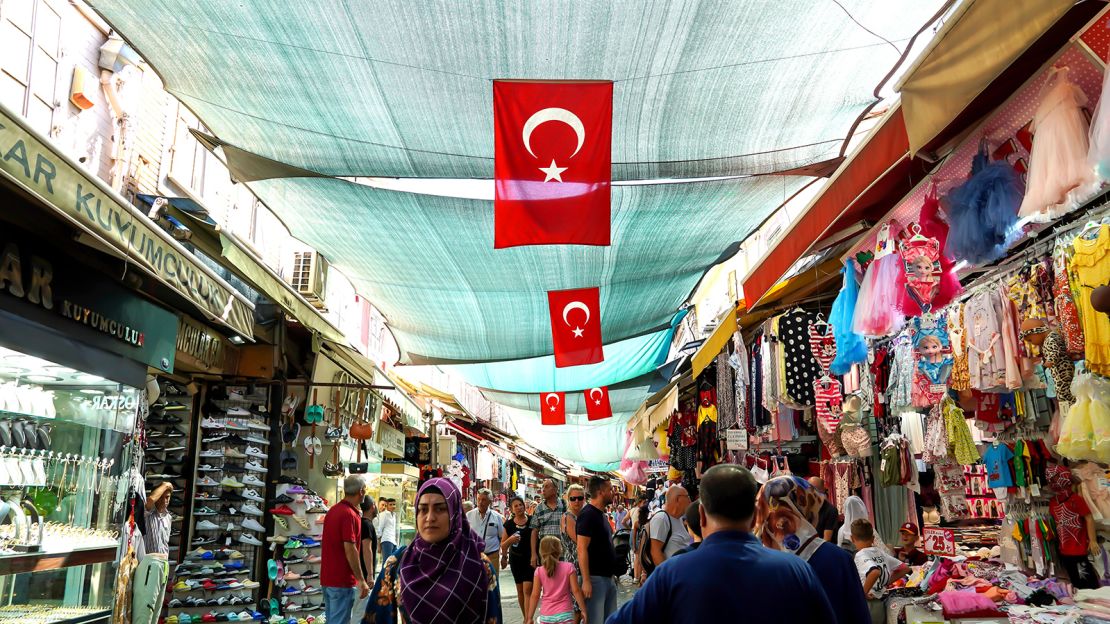
Walking through Izmir today, the historical imprint is undeniable. The Kemeralti Bazaar, a labyrinth of covered streets and han inns, remains the pulsating heart of the city’s commerce and culture. Its architectures whisper tales of the Silk Road, once making Smyrna Quay the hub for merchants exchanging silk, spices, and exotic goods. Travel buffs and history enthusiasts should heed these echoes of the past, where traditional Turkish coffee still brews over hot coals in Kahveciler Sokağı, and relics like the copper bazaar tell stories of bygone eras. Beyond the bazaar, visitors can explore the Clock Tower in Konak Square, an Ottoman-era masterpiece influenced by North African and Andalusian styles. Its ornate architecture not only provides a scenic backdrop for social media but also embodies the city’s eclectic character—a comforting reminder that beauty often lies in the convergence of diverse influences.

Yet, Izmir is more than a city frozen in time; it is a narrative of revival and entrepreneurial vigor. The reclaimed waterfront along Smyrna Quay, now known as the Kordon promenade, serves as an open-air playground for young people and tourists alike. The promenade invites activities from jogging at dawn to biking amid sunset hues, fostering a wellness culture that values well-being over the mundane. Cultural landmarks like the Adal Sultan Clock Tower symbolize resilience, constructed in 1901 with influences spanning multiple continents, echoing the city’s history of multicultural exchange. Moreover, Izmir’s music scene flourishes through figures like Darío Moreno, a singer whose legendary recordings such as *“Ya Mustafa”* continue to inspire generations. Such stories underscore how personal passions—be it music, art, or street food—fuel the city’s modern heartbeat, making it an ideal destination for the youth seeking an authentic encounter with history while forging new paths toward health and happiness.

  • Explore local cafes serving Ottoman-style coffee over traditional copper cezves.
  • Take a day trip to Ephesus, where Roman streets and mosaics tell stories of Mediterranean trade and civilization.
  • Walk or cycle along the Gulf of Izmir, soaking in views that blend natural beauty with urban revival.
  • Visit hidden gems like Havra Sokak, where ancient synagogues stand as silent witnesses to centuries of multicultural coexistence.

Ultimately, Izmir exemplifies how a city can honor its storied past while embracing a future filled with vitality and youthful energy. Its resilience, driven by centuries of multicultural exchange, reminds us that even amid chaos, there is always an opportunity to rebuild and redefine one’s identity. For the young explorer, entrepreneur, or wellness seeker, Izmir offers a metaphorical journey—a personal odyssey through history, innovation, and lifestyle. As you stand on its shores or wander its ancient streets, you realize that lifestyle itself is an evolution—a continuous act of reclaiming, rediscovering, and celebrating the spirit of resilience. In this city of the phoenix, every moment becomes an invitation to craft your own narrative of strength and inspiration, one step at a time.

FAA greenlights new rule giving flight attendants more downtime — a win for crew wellness and fly crew freedom

Restoring Balance in the Skies: Flight Attendants’ Push for Better Rest

In a significant shift toward enhancing aircrew well-being and ensuring safer skies, federal aviation officials have announced a new regulation that mandates increased rest periods for flight attendants. The updated rules now require a 10-hour rest window between shifts, a notable increase from the previous nine-hour requirement. This change comes amidst growing concern over the intense fatigue and overwork faced by crew members, especially during a time when the aviation industry is rebounding from pandemic setbacks. As seasoned advocates like Sara Nelson, president of the Association of Flight Attendants-CWA, highlight, “It’s about time! As aviation’s first responders and last line of defense, it is critical that we are well rested and ready to perform our duties.” This statement underscores how crucial adequate rest is to both safety and operational efficiency, particularly in today’s fast-paced travel environment.

With increased demand following the easing of COVID-19 restrictions, flight crews have been under unprecedented pressure. Anecdotal reports describe crew members sprinting through airports after delays, trying to make tight connections—despite working shifts that stretch as long as 14 hours. Such demanding schedules, coupled with intense passenger interactions and the unpredictable nature of air travel, have only compounded fatigue levels and illness among crew members globally. The recent rule change is viewed in many circles as an overdue correction to an industry that has often prioritized efficiency over crew morale and safety. The new regulation, which was first approved by Congress in 2018 but delayed under the Trump administration, finally reflects a collective push from unions and safety advocates demanding regulatory reform.

Beyond the practical benefits for safety and health, this regulatory change resonates on a cultural level, emphasizing the importance of wellness and self-care in an industry often characterized by relentless schedules. As wellness experts like Dr. Andrew Weil and others argue, sustainable work habits—especially in high-stakes environments—are vital for professional longevity and personal health. The move also signals a broader shift in the modern lifestyle, where greater awareness of mental and physical well-being influences policy and corporate culture alike. For young professionals within the airline industry, the message is clear: safeguarding your health isn’t just about work-life balance anymore; it’s a fundamental component of your career resilience and overall quality of life.

  • Prioritize quality sleep during rest periods to rejuvenate both body and mind.
  • Stay informed and actively participate in union or industry discussions to advocate for better conditions.
  • Embrace wellness routines that include stretching, hydration, and mental decompression, especially after long shifts.

As aviation executives and unions navigate these new regulations, the hope is that a renewed focus on crew welfare will foster a more sustainable working environment. For the young, ambitious traveler and professional alike, this development reminds us that progress often begins with recognizing the importance of balance and self-care. The journey of a lifestyle is not merely about reaching destinations but about embracing the experiences that nourish us along the way. In a world that is increasingly driven by relentless progress and innovation, the steady pursuit of well-being becomes an inspiring testament to the resilience of the human spirit—a reminder that sometimes, the most courageous act is to prioritize oneself amid the demands of modern life.

Why Sleep Tourism Is Taking Over the Youthful Travel Scene

Sleep Tourism: A Journey Toward Restorative Living

In a world increasingly obsessed with wellness and personal health, a fascinating trend has been quietly gaining momentum—**sleep tourism**. No longer just about exploring exotic destinations or indulging in luxury, travelers are now prioritizing something fundamental: quality sleep. The pandemic’s disruption has only amplified this shift, revealing how critical rest is for mental and physical regeneration. Hotels and resorts worldwide are stepping up with innovative offerings that focus on enhancing sleep, transforming overnight stays into restorative experiences that could redefine the way the younger generation perceives leisure and self-care.

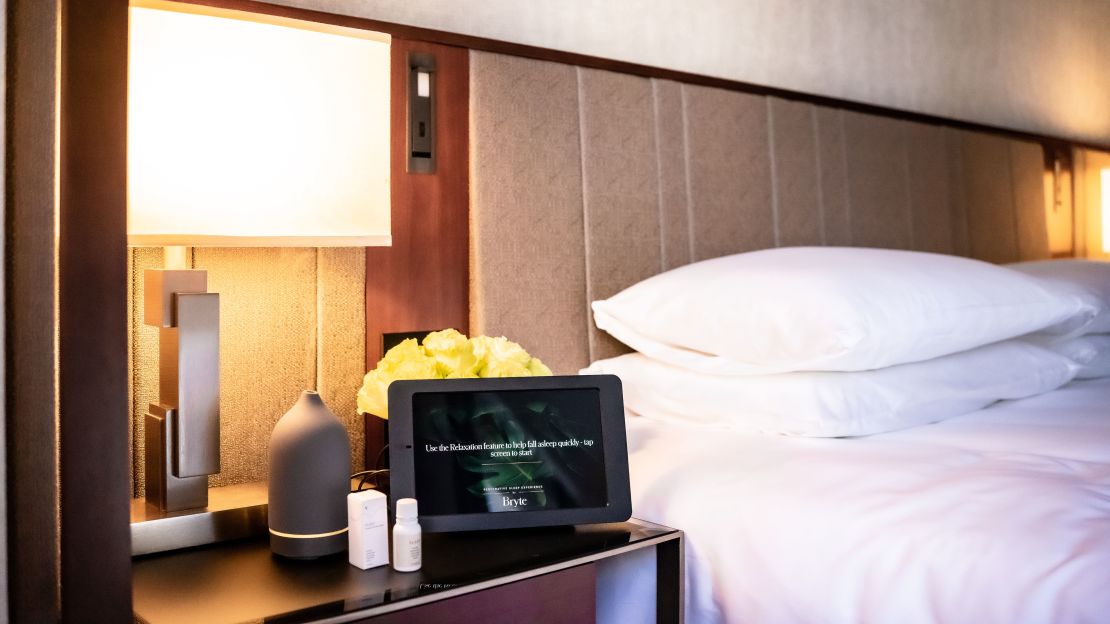
Leading the charge are establishments like the Park Hyatt New York, which recently unveiled the Bryte Restorative Sleep Suite. This 900-square-foot sanctuary is outfitted with sleep-enhancing amenities designed to promote optimal rest—think custom blackout curtains, scent-misted pillows, and soundproofing. Similarly, Rosewood Hotels & Resorts launched the Alchemy of Sleep retreats, emphasizing the importance of holistic, personalized rest strategies. These innovations reflect a deep understanding that sleep is a pillar of longevity and well-being, which the wellness industry is now recognizing as vital for sustained youthfulness and vitality.

The concept of sleep-centric hotels extends beyond luxury. In London, the Zedwell hotel offers rooms with cutting-edge soundproofing technology designed to block out noise and disturbances. Meanwhile, Swedish manufacturer Hästens introduced the Hästens Sleep Spa Hotel in Portugal, focusing on personalized sleep environments. These ventures illustrate how sleep-focused hospitality is thriving, inviting a new generation—particularly millennial and Gen Z travelers—to view rest not as a downtime but as a crucial part of their lifestyle journey.

Pandemic Impact on Sleep Awareness

The COVID-19 pandemic has been a catalyst for re-evaluating priorities, especially regarding health. According to research published in the Journal of Clinical Sleep Medicine, over 40% of adults experienced deteriorating sleep quality during this period. This alarming statistic has prompted hotels and wellness advocates to champion sleep-focused retreats and programs, emphasizing that restoration extends beyond physical recovery to mental resilience. Experts like Dr. Rebecca Robbins highlight how travel experiences centered on healthy sleep strategies can offer long-term benefits, especially when guided by qualified science and medical professionals.

Innovative approaches such as the Sleep Concierge at London’s Cadogan Hotel, featuring tailored interventions like meditation recordings, weighted blankets, and scented pillow mists, exemplify a holistic approach. Tailored sleep programs aim to address individual needs, recognizing that personalized care is essential for genuine improvement. The long-term goal is to empower travelers to carry these principles into their everyday lives, fostering a culture where quality sleep becomes a cornerstone of youthful vitality, mental clarity, and overall well-being.

Looking Ahead: A New Narrative for Lifestyle and Wellness

As sleep tourism continues to evolve, it signifies a broader cultural shift away from the relentless hustle that has long defined modern life. With industry leaders like Six Senses and boutique hotels emphasizing integrated wellness programs, the message is clear: rest is revolutionary. The future lies in blending science, luxury, and personal empowerment to redefine how we view leisure. It invites us to see ourselves not merely as busy individuals racing against time but as explorers on a journey toward lifelong vitality.

This growing movement encourages everyone—whether a college-bound youth or a young professional—to embrace the idea that life’s most profound gift is the power of restorative sleep. It challenges the old narrative that sleep is optional, replacing it with a mindset that prioritizes health, longevity, and self-love. Ultimately, our lifestyle becomes a conscious voyage, one where embracing the art of rest allows us to truly flourish, both physically and spiritually—making every night’s sleep a stepping stone toward a future filled with vitality and purpose.

Here’s to a journey where rest isn’t just a pause but a pathway to a stronger, brighter you.

US and UK Strike Bold Zero-Tariff Pharma Deal to Boost Future Innovation

The Future of Pharma: UK and US Seal a Historic Trade Deal

In a move that signals a new chapter in global healthcare innovation, the United Kingdom and the United States have recently forged a groundbreaking agreement designed to safeguard the vital link between pharmaceutical exports and national security. Under this pact, the UK will maintain zero tariffs on medicines exported into America for three years, even as it gradually increases its investment in healthcare and research. This strategic decision is not only a boost for the UK’s life sciences sector but also a testament to the importance of embracing the shifting landscape of global commerce.

The agreement emerges amid mounting global pressure and ongoing negotiations, with the UK’s Business Secretary Peter Kyle emphasizing that it “guarantees” that medicines worth over £5 billion annually will enter the US tariff-free. This move comes in response to previous threats by US President Donald Trump, who, in 2023, had expressed intentions to slap tariffs of up to 100% on branded drug imports — a stark warning to the UK’s robust pharmaceutical industry. The recent deal reflects a strategic balancing act: the UK will slightly increase the prices it deems acceptable for new treatments by 25%, and plan to ramp up NHS spending on medicines from 0.3% to 0.6% of GDP over the next decade, ultimately fostering an environment conducive to innovation while securing export stability.

How This Impacting the Personal and the Broader Economy

This development is more than a political maneuver—it has profound implications for individual health and national economic resilience. For the average citizen, it translates to increased access to cutting-edge medicines and therapies, ensuring that the wellness revolution continues unimpeded by tariff disputes. It underscores a collective desire for a system where progress isn’t hindered by protectionist measures, but instead propelled by collaboration and innovation. Moreover, the deal promises to bolster employment and investments, as UK-based pharmaceutical companies are freed from burdensome tariffs, paving the way for continued research breakthroughs and enhanced manufacturing capacity in the US market.

It’s worth noting that the UK government, in the face of internal budget pressures and international competition, has committed to increase its investment in research and development, signaling a shift towards fostering a **well-rounded, globally competitive biotech environment**. Experts like William Bain from the British Chambers of Commerce have welcomed the move, highlighting that it creates an “environment conducive” to ongoing investment, research, and exports, which are essential for maintaining global competitiveness in healthcare. Conversely, critics voice concerns about the potential for increased NHS spending to strain already stretched resources, urging the government to balance innovation with sustainability.

Looking Beyond Borders: A Reflection on a Connected Future

This story is a reflection of a *changing world*—one where **adaptability and strategic alliances** are paramount**. The US’s vigilant stance on safeguarding its domestic manufacturing, paired with the UK’s desire to remain a **life sciences hub**, demonstrates the importance of resilience in a **hyper-connected global economy**. As U.S. companies like Bristol Myers Squibb pledge to amplify their investments, and UK giants like AstraZeneca recalibrate their strategies, the overarching theme is clear: the future belongs to those who bridge borders with innovative trade agreements and shared visions. For the individual looking to cultivate personal wellbeing amidst this evolving landscape, the message is inspiring—

embrace change, pursue knowledge, and champion progress. When nations collaborate and prioritize innovation, the journey toward better health and prosperity becomes not just a dream but a tangible reality — one fueled by resilience, strategic foresight, and unwavering determination.

Top 50 Bars of 2022: The Hottest Spots Every Young Rebel Should Know

Barcelona’s Paradiso Reigns Supreme: A New Era for Global Cocktail Culture

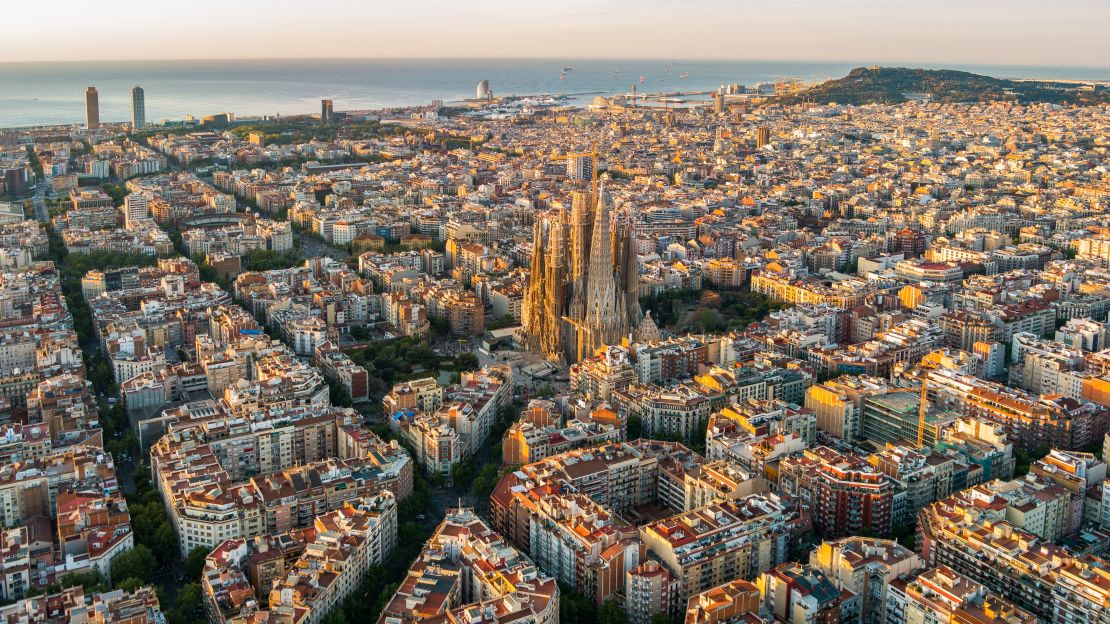
In a remarkable turn of events that signals a shift in the world’s vibrant nightlife landscape, Barcelona has surged to the forefront of the global cocktail scene, claiming the coveted title of World’s Best Bar in 2022 with its iconic establishment, Paradiso. A Mediterranean-style speakeasy tucked away behind a freezer door in the hip El Born district, Paradiso’s ascent from number three in 2021 to the pinnacle of the industry marks a significant evolution in the cocktail world. This recognition underscores the city’s rising reputation as a cosmopolitan hub where tradition meets cutting-edge innovation, inviting young enthusiasts to indulge in a lifestyle rooted in _wellness_ and experiential leisure.

What makes Paradiso’s victory particularly momentous is its status as the first bar outside of London or New York to claim top honors since the inception of the World’s 50 Best Bars list in 2009. Its founders, Giacomo Giannotti and Margarita Sader, emphasize creating cocktails that push creative boundaries while remaining anchored in _authentic Mediterranean style_. Giannotti shared with the awards organizers that their philosophy blends **hard work**, **passion**, and **innovation**, recognizing that breakthrough success stems from relentless discovery and a dedication to _excellence_. More than a celebration of taste, Paradiso exemplifies how the new cocktail culture is about _inspiring_ and _transforming_ the beverage experience, aligning with what wellness experts like Amanda Feifer highlight as the importance of _mindful indulgence_ in a health-conscious era.

Europe’s Culinary and Mixology Renaissance

The city of Barcelona is no longer just known for its striking architecture or rich cultural heritage—it’s now a key player on the global stage of _lifestyle_ and _culinary_ innovation. The 2022 list features three of the top 10 bars hailing from this vibrant city, including Sips, which catapulted from 37th to 3rd position, exemplifying how _food-inspired_, _creative_ cocktails are reshaping the industry. European cities continue to maintain dominance in this arena, with London and Italy also making powerful showings, underscoring the continent’s _legacy_ of blending _culinary artistry_ with a _luxurious lifestyle_, one that resonates with a youthful desire for _luxury_ and _personal impact_ in everyday pleasures.

  • Engage in _local _tours, exploring Barcelona’s innovative venues, and experiencing _Mediterranean-inspired_ cocktail craftsmanship.
  • Seek out _experiential_ and _food-infused_ drinks that elevate _wellness_ and _mindful_ consumption.
  • Embrace _design_ and _aesthetics_ in drinking experiences, including _custom glassware_ and _science-driven techniques_ like centrifuges, as exemplified at Paradiso and other top-tier venues.

In tandem, the emphasis on _hospitality_ and _customer experience_—a ripple effect of the pandemic’s lessons—continues to prioritize safety, _personalized service_, and creating environments where patrons feel valued and secure. This renewed focus not only elevates _leisure_ but fosters a sense of _community_ and _well-being_, essential elements for forging a _purposeful lifestyle_ rooted in _quality_ and _authenticity_. By drawing from expert voices and the evolving landscape of _gastronomy_ and _mixology_, these bars reflect a cultural shift where _creative_ expression harmonizes with _healthful_ living.

Beyond the Cityscape: A Global Tapestry of Cocktail Creativity

The recognition of Barcelona’s Paradiso as the world’s top bar symbolizes a broader _rebirth_ of _cultural innovation_ across continents. Notable entries from Madrid’s Salmon Guru, Italy’s Florence, and Lisbon exemplify how emerging hotspots further diversify the global _premium lifestyle_ scene. In Asia, Singapore’s Jigger & Pony takes the Best Bar in Asia title, while Middle Eastern hubs like Dubai demonstrate a persistent _luxury_ that appeals to _global_ explorers and _young adventurers_ seeking _meaningful_ _leisure_. Each of these venues offers a unique _story_—a _narrative of _craft, culture_, and _ambition_—that inspires aspiring _independent thinkers_ and _trendsetters_ to view _lifestyle_ as a personal _journey_, a collection of _moments_ that shape _identity_ and _well-being_.

As the industry continues to evolve, tools like science-based _cocktail_ techniques and _artful_ _presentation_ are seamlessly merging _culinary_ arts with beverage innovation. The emphasis on _aesthetic_ and _experience_—whether through _custom glassware_ or _food-inspired_ drinks—encourages a _mindful_ approach to _indulgence_. This reflects a societal desire to _reclaim_ _pleasure_ as _part of a _holistic_ lifestyle_, fitting seamlessly into the _wellness_ paradigm favored by intellectuals like Tim Ferriss and wellness entrepreneurs emphasizing _quality over quantity_. It reminds young audiences that _living well_ does not mean sacrificing excitement for health; instead, it’s about _integrating_ _the best_ into _everyday life_, cultivating _balance_, and _creating_ _lasting impressions_ of _self-awareness_ and _inspiration_.

In conclusion

Today, the _world’s top cocktail bars_ do more than serve drinks—they craft _experiences_ that embody the _spirit_ of _adventure_, _creativity_, and _self-improvement_. They evoke a sense of _possibility_, inspiring a generation to see _lifestyle_ as a _personal _canvas_, where _health, _leisure_, and _self-expression_ intertwine. As you navigate the corridors of this _lyrical_ _world_, remember that your _journey_—like a meticulously crafted _cocktail_—is about _balance, _discovery_, and _embracing_ each moment with _passion_. Because ultimately, _life_ is the grandest _adventure_, waiting to be _poured_ from the _bottle_ of _your_ _potential_ into a _glass_ of _possibility_.

Social Media Auto Publish Powered By : XYZScripts.com