Matox News

Truth Over Trends, always!

Democratic Party Infighting Clouds Midterm Push Over Secret 2024 Autopsy Report

Despite a series of recent electoral victories, the Democratic Party’s internal dynamics are being tested by a significant dispute over transparency. The Democratic National Committee (DNC) is under scrutiny for its decision to keep an internal review of the party’s substantial 2024 election losses under wraps, fueling infighting as crucial midterm elections approach.

This internal friction comes at a challenging time for Democrats. While they have enjoyed some ballot box successes since President Donald Trump’s return to the White House, public opinion polls show the party’s image remains underwater. Furthermore, the DNC trails the Republican National Committee in fundraising, a key indicator of a party’s organizational strength and readiness.

Calls for Transparency Intensify

The demand for the DNC to release its 2024 election postmortem has grown louder, with prominent figures joining the chorus. Among those advocating for public disclosure is former Vice President Kamala Harris, who was the party’s presidential nominee two years prior. Harris, reportedly weighing a 2028 White House bid, recently shared with donors her belief that the DNC should make the autopsy public. This development, initially reported by NBC News and confirmed by the News Desk, highlights the internal pressure on party leadership.

DNC Chair Ken Martin, who ordered the report shortly after his election early last year, made the controversial decision in December to keep the findings confidential. The report was compiled through interviews with over 300 Democrats across all 50 states, intended to dissect the party’s missteps in 2024 and provide a clear roadmap for future victories. The refusal to release these findings has sparked considerable debate within party ranks, questioning the commitment to accountability and open assessment.

Strategic Implications and Party Health

The DNC’s decision to withhold the autopsy report carries significant strategic implications, particularly as Democrats aim to regain congressional majorities in the upcoming midterm elections. A comprehensive understanding of past failures is often seen as essential for correcting course and building a stronger campaign strategy. Without this shared insight, internal divisions could deepen, potentially hindering cohesive efforts to engage voters and counter Republican narratives.

For a party that has struggled with its public image and fundraising compared to its rivals, transparency around a critical self-assessment could be vital for rebuilding trust and demonstrating a commitment to learning from mistakes. The lack of a public reckoning for the 2024 losses may also impact the morale of grassroots activists and donors, who seek clear direction and a sense of shared purpose.

“The DNC’s refusal to release its 2024 election autopsy report is fueling internal dissent, undermining efforts to understand past setbacks and strategize for future victories.”

The Path Forward for Democratic Leadership

The ongoing controversy places considerable pressure on DNC leadership to address the concerns of key party figures and the broader Democratic base. While the immediate focus is on the midterm elections, the shadow of the 2024 defeat and the secrecy surrounding its review looms large over the party’s long-term health and its prospects for the 2028 presidential cycle. A robust and open discussion about past performance is often a hallmark of strong, self-correcting institutions. The Democratic Party’s ability to navigate this internal challenge will be a crucial test of its institutional maturity and its commitment to principles of accountability.

The debate over the DNC autopsy report underscores a fundamental tension between internal party management and the broader demands for transparency within a democratic political system. How this conflict is resolved will likely shape the Democratic Party’s trajectory in the coming years, influencing everything from fundraising prowess to electoral outcomes and leadership dynamics.

President Trump Receives Grand Welcome in Beijing Ahead of High-Stakes Xi Meeting

President Donald Trump received a grand diplomatic welcome in Beijing on Thursday morning local time, signaling the formal commencement of his high-stakes visit to China. The elaborate ceremony, held outside the iconic Great Hall of the People, set the stage for crucial bilateral meetings with Chinese President Xi Jinping, where pressing issues are expected to dominate the agenda.

Upon his arrival in his armored vehicle, President Trump was met with significant pomp and circumstance. He shook hands with President Xi, and the two leaders introduced their respective dignitaries. The scene was marked by a vibrant display of military personnel, a musical accompaniment, and crowds of children waving flags and holding flowers, underscoring the ceremonial gravity of the occasion.

A Display of Diplomatic Pomp

The pageantry outside the Great Hall of the People was meticulously orchestrated, featuring a red-and-yellow canopy under which the two leaders stood for a photo opportunity. The playing of the American national anthem, the Star-Spangled Banner, alongside China’s national anthem, highlighted the formal and respectful nature of the greeting. President Trump expressed his appreciation for the spectacle, remarking on the impressive display.

President Trump later commented on the ceremony, stating,

“That was an honor like few I have ever seen before.”

He specifically highlighted the children present, noting their enthusiasm and what they represented. This initial display of diplomatic cordiality aims to foster an environment conducive to productive dialogue, despite underlying complexities.

Agenda for Crucial Discussions

Following the ceremonial welcome, the leaders proceeded into a series of meetings designed to tackle the most significant challenges facing the U.S.-China relationship. Key topics on the agenda include ongoing trade disputes, regional security concerns, and the sensitive issue of Taiwan tensions. These discussions are pivotal in determining the future trajectory of economic and strategic cooperation between the two global powers.

The administration’s objective is to stabilize relations and seek progress on areas of mutual interest, while firmly addressing points of contention. As reported by the News Desk, these high-stakes talks will test the ability of public diplomacy to translate into concrete advancements on long-standing disagreements.

Navigating Deep-Seated Disputes

Despite the initial warm reception and the emphasis on cooperation, the U.S.-China relationship continues to be defined by deep-seated disputes. The ability of both nations to bridge differences on economic policy, intellectual property rights, and geopolitical influence will be a critical measure of the visit’s success. Analysts suggest that while the public display of diplomacy is important, the real test lies in the substance of the private negotiations.

The outcomes of these meetings could have far-reaching implications for global markets and international security. Both Washington and Beijing are keenly aware of the need to manage their relationship effectively to avoid escalation of conflicts and to promote a stable international order.

As the bilateral talks continue, the world watches to see if the spirit of cooperation showcased during the welcome ceremony can pave the way for tangible progress on the complex issues at hand. The path forward for the U.S. and China, and indeed for global stability, hinges significantly on the outcomes forged in Beijing this week.

DHS Funding Standoff: GOP Pushes Border Security Amidst 'Ballroom' Controversy
DHS Funding Standoff: GOP Pushes Border Security Amidst ‘Ballroom’ Controversy

Washington D.C. finds itself embroiled in another protracted legislative battle over crucial Department of Homeland Security (DHS) funding. Republicans in Congress are moving to secure a three-year funding package for key border security agencies, including Immigration and Customs Enforcement (ICE) and the Border Patrol, a move designed to circumvent Democratic opposition. However, this initiative has been overshadowed by a contentious proposal to allocate an additional $1 billion for presidential security, drawing sharp criticism from the Democratic leadership.

The current fiscal year, which concludes on September 30, still lacks comprehensive funding for DHS. While a bipartisan bill addressing most of the department’s needs passed both the House and Senate in late April, its journey through the legislative process has been fraught with delays. The House’s reluctance to take up the Senate-approved measure until just before a recent Congressional recess underscores the deep divisions hindering essential government operations.

The Persistent Funding Impasse

The inability to fully fund the Department of Homeland Security reflects an ongoing pattern of legislative gridlock. Lawmakers have struggled for months to reach a consensus, leaving critical components of national security in budgetary limbo. The bipartisan measure that advanced previously was seen by many as a potential breakthrough, offering a path to stability for vital government functions. Yet, its delay in the House signaled that the underlying political tensions remained unresolved, setting the stage for the current high-stakes maneuver by the GOP.

GOP’s Reconciliation Gambit for Border Security

In an effort to break the stalemate and prioritize what they view as essential border security measures, House Republicans are now employing a special legislative process: budget reconciliation. This procedural tool allows certain spending and tax bills to pass the Senate with a simple majority, effectively bypassing the need for Democratic votes to overcome a filibuster. The goal is to ensure robust, long-term funding for ICE and Border Patrol, agencies at the forefront of managing the nation’s southern border.

Democrats, however, have expressed strong reservations. Their unwillingness to support the Republican initiative stems from a failure to secure desired reforms within ICE. This dispute over agency operations and oversight has become a recurring sticking point, preventing bipartisan cooperation on broader immigration and border policy. Republicans argue that the immediate need for enhanced border enforcement outweighs these reform demands, especially given the ongoing challenges at the frontier.

“These ‘ballroom Republicans’ have a constituency of one: Donald Trump’s ego.”

‘Ballroom’ Battle Ignites Capitol Hill

The Republican funding plan, initially conceived as a focused measure for border agencies, has been significantly expanded. It now includes a controversial provision for $1 billion dedicated to President Trump’s ballroom security. This addition follows a recent assassination attempt at the White House Correspondents’ Dinner, prompting concerns over presidential protection. However, the inclusion has sparked outrage among Democrats, who characterize it as an extravagant and unnecessary expenditure.

Senate Minority Leader Chuck Schumer (D-N.Y.) sharply criticized the move, stating, “Republicans say let them eat cake and demand American taxpayers build Trump a palace while they’re at it.” He further asserted that “These ‘ballroom Republicans’ have a constituency of one: Donald Trump’s ego.” Similarly, Senate Minority Whip Dick Durbin (D-Ill.) voiced his disapproval, noting the recent damage to the East Wing of the White House and lamenting that what was expected to be funded by private donors would now fall to taxpayers. This political firestorm highlights the deep partisan chasm over government spending and presidential prerogatives, as reported by News Desk.

Looking Ahead: A Looming Deadline

With a target date of June 1 for the passage of this reconciliation bill, the legislative clock is ticking. The process of budget reconciliation, while offering a path around filibuster threats, is inherently time-consuming. The ongoing debate over DHS funding and the contentious inclusion of presidential security costs underscore the persistent challenges facing Congress in delivering essential government services. As both sides dig in, the nation watches to see if a resolution can be found before critical deadlines further complicate the operational capabilities of the Department of Homeland Security and its vital agencies.

California Sanctuary Policies Under Scrutiny After Murder-Convict Gang Member Arrest

In a significant demonstration of interagency collaboration, federal and local authorities in Southern California recently detained a gang-affiliated Mexican national with a violent criminal history. The individual, a member of the Sureños-13 gang, had just completed a 12-year sentence for second-degree murder. This apprehension, made possible through a partnership between Customs and Border Protection (CBP) and local law enforcement, has cast a renewed spotlight on the contentious issue of sanctuary policies and their implications for community safety.

The operation, which saw the gang member taken into custody outside the John J. Benoit Detention Center last week, stands in stark contrast to state-level sanctuary directives that often impede cooperation between local police and federal immigration agents. Officials were quick to highlight the success as a prime example of how coordinated efforts can prevent dangerous individuals from potentially re-entering communities undetected.

A Coordinated Enforcement Success

The arrest unfolded as local law enforcement in Southern California proactively turned the Sureños-13 gang member over to federal agents immediately after his release from state custody. This seamless transfer underscored the effectiveness of partnerships that the Department of Homeland Security (DHS) had previously sought to bolster with local authorities. Such cooperation is deemed crucial for maintaining public order and upholding the rule of law.

Acting Chief Patrol Agent Daniel Parra of the El Centro Sector emphasized the broader benefits of this coordinated approach. In a statement reported by Fox News Digital, Parra noted that “honoring federal detainers, such as in this case, makes our communities safer.” This sentiment reflects a core tenet of effective law enforcement: that shared intelligence and joint operations are vital tools in the fight against crime, regardless of jurisdictional lines.

The Shadow of Sanctuary Directives

The successful apprehension directly challenges the framework of sanctuary policies, which are designed to limit local law enforcement’s involvement in federal immigration enforcement. Critics argue that these policies create dangerous loopholes, allowing individuals with serious criminal records to potentially evade federal detection and deportation once released from local custody. Had local authorities not cooperated with CBP in this instance, the gang member could have been released without federal immigration authorities being aware of his status or whereabouts.

The debate over these policies has been further fueled by recent actions from Democratic leaders, including New York Governor Kathy Hochul, who have sought to restrict federal-local partnerships. Such moves, often justified by proponents as protecting immigrant communities, are seen by many as undermining public safety and hindering the ability of law enforcement to protect citizens from dangerous criminals.

“Honoring federal detainers… makes our communities safer.” – Acting Chief Patrol Agent Daniel Parra

Prioritizing Public Safety and Order

The detained gang member now faces federal prosecution for reentry into the U.S. after a previous deportation, a serious charge that could lead to further imprisonment. This outcome demonstrates the federal government’s commitment to enforcing immigration laws and holding accountable those who violate them, especially individuals with violent criminal histories.

For Matox News, this incident serves as a critical reminder of the ongoing struggle to balance state-level policies with national security and public safety imperatives. The case for robust federal-local cooperation in immigration enforcement remains strong, advocating for an institutional framework that prioritizes the safety and security of all citizens by ensuring that dangerous criminals, regardless of their immigration status, are not allowed to slip through the cracks. The measured approach of honoring federal detainers, as demonstrated in this case, provides a clear path forward for effective law enforcement and stronger communities.

Court Rulings Reshape House Battlefield, Boost GOP in Redistricting Fight

Democrats are facing an increasingly uphill battle in their quest to flip the House and secure a majority in the upcoming midterm elections. This heightened challenge stems directly from two significant court rulings that have reshaped the electoral landscape, providing a strategic advantage to the Republican Party.

These judicial interventions mark a critical turning point in the ongoing struggle for control of the legislative branch, impacting the very structure of congressional representation across the nation.

Judicial Decisions Shift Electoral Dynamics

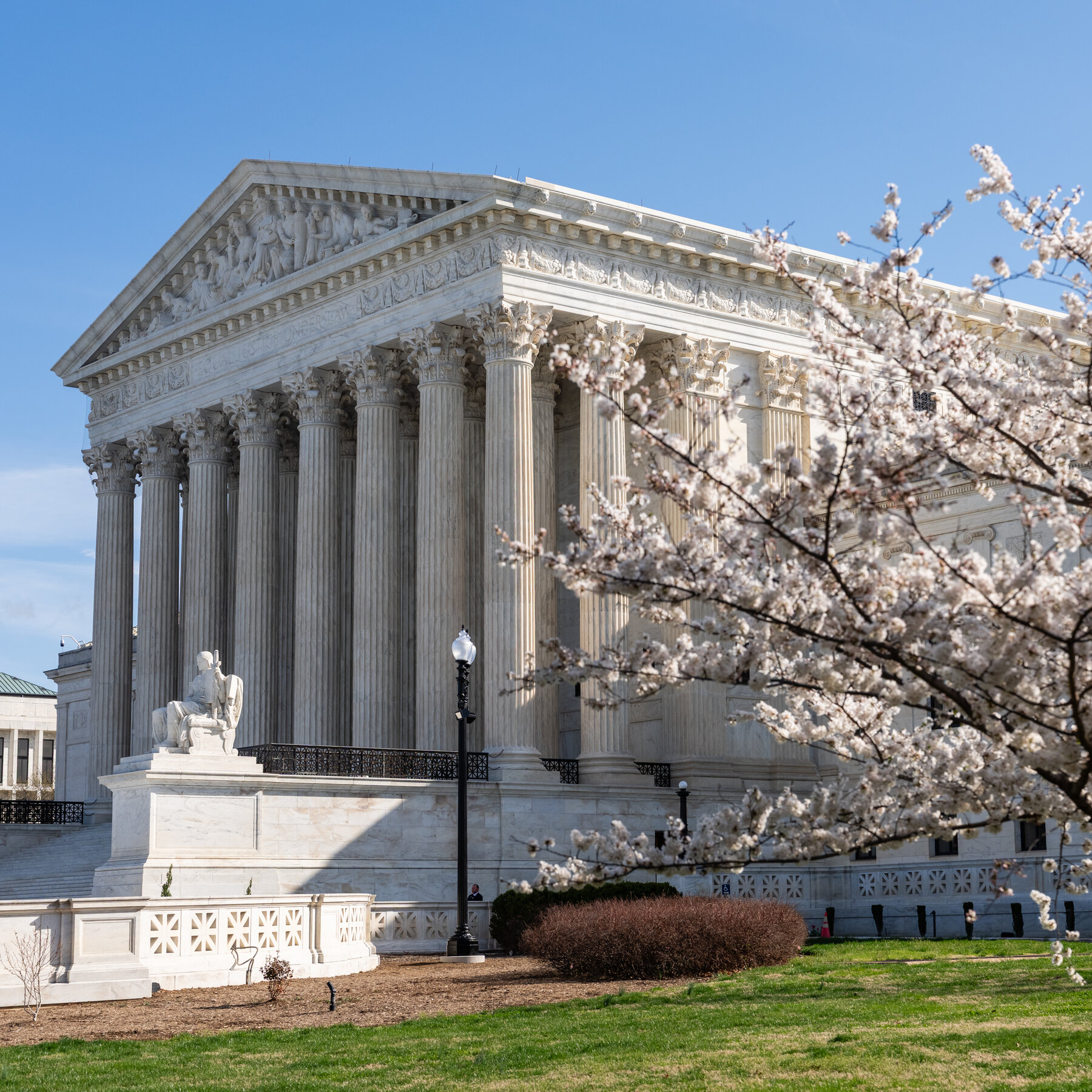
The first major development came from the Virginia Supreme Court, which last week struck down the state’s voter-passed congressional redistricting ballot measure. This ruling immediately negated the creation of four districts that were projected to lean left, a considerable blow to Democratic aspirations in the Old Dominion.

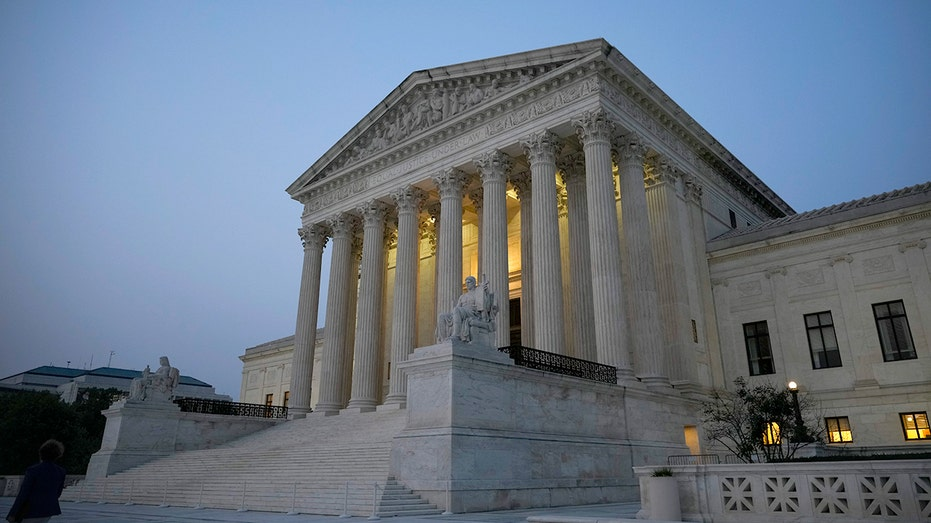
A week prior, the U.S. Supreme Court delivered another setback by slashing a key protection within the 1965 Voting Rights Act. This decision determined that race should not be the primary factor dictating the redrawing of legislative district maps. The combined impact of these twin rulings has invigorated Republican efforts in the mid-decade redistricting battle, offering President Donald Trump and the GOP a crucial strategic advantage as they defend a razor-thin majority in the House.

Reshaping the Congressional Map

The Supreme Court’s decision regarding the Voting Rights Act has emboldened several Republican-controlled southern states to swiftly redraw their congressional maps. The objective is clear: to create more right-leaning seats ahead of the critical midterm elections. This aggressive redrawing strategy aims to solidify Republican strongholds and potentially flip marginal districts.

Representative Richard Hudson of North Carolina, who chairs the National Republican Congressional Committee, acknowledged the shift. Speaking in a Fox News Channel interview, he observed that “We have a battlefield, a map, that favors Republicans.” Hudson further indicated the possibility of the GOP achieving a net gain of up to a dozen more right-tilting House districts due to the redistricting initiatives launched by the Trump administration a year ago. This systematic reshaping of boundaries underscores the profound impact judicial decisions can have on electoral outcomes.

“We have a battlefield, a map, that favors Republicans.”

The Stakes for House Control

The ultimate prize in this contentious political environment is control of both the House and the Senate during the final two years of President Trump’s second term. The current Republican majority in the House is narrow, making every district and every electoral advantage critical. The judicial decisions on redistricting have undeniably made the path to a majority more arduous for Democrats, forcing them to contend with a map that, by many accounts, is now strategically aligned against them.

While some Republicans express concerns that overly aggressive redrawing could inadvertently put once-safe red seats into play by diluting their voter base, the immediate outlook appears to favor the GOP. The electoral landscape is now significantly altered, and both parties are calibrating their strategies for the intense campaign season ahead, knowing that the fight for congressional control will be fiercely contested.

Concerns Mount Over 'Malign Chinese Influence' Following Spy Mayor's Donations to Democrats
Concerns Mount Over ‘Malign Chinese Influence’ Following Spy Mayor’s Donations to Democrats

Outrage is mounting after a former California mayor, Eileen Wang of Arcadia, agreed to plead guilty to acting as an unregistered agent for the Chinese government. This shocking admission has intensified concerns about foreign infiltration at the local government level, now escalating to broader national security alarms following revelations of her alleged donations to federal Democratic campaigns.

Foreign Agent Plea Ignites Scrutiny

Eileen Wang’s agreement to plead guilty to charges of acting as a Chinese agent has sent ripples through the political landscape. Her admission underscores the persistent threat of foreign adversaries seeking to undermine American institutions from within. While the details of her espionage activities are still emerging, the very nature of her plea highlights a significant vulnerability in safeguarding public office.

Donations to Democratic Campaigns Uncovered

Further compounding the controversy are Federal Election Commission (FEC) filings that appear to link Wang to donations made to prominent Democratic figures and organizations. A Fox News Digital review reportedly identified an Eileen Wang from Arcadia, California, making contributions to Representative Judy Chu (D-Calif.) in late 2022. Representative Chu holds influential positions on the House Committee on Ways and Means and the Committee on Budget, making any potential foreign influence particularly concerning.

Beyond individual campaigns, FEC records also show several smaller donations earmarked for the Democratic Senatorial Campaign Committee (DSCC) via ActBlue in 2024. These findings have fueled criticism, with opponents suggesting a broader pattern of vulnerability to external influence within the Democratic Party.

“Senate Republicans are holding Democrats accountable for the malign Chinese influence operating within their own ranks and the CCP-linked money flowing into their campaigns.”

Calls for Accountability Amid National Security Fears

The National Republican Senatorial Committee (NRSC) has been vocal in its condemnation. Bernadette Breslin, a spokesperson for the NRSC, strongly criticized the situation, asserting that the donations are evidence of “malign Chinese influence operating within their own ranks.” Breslin emphasized the need for vigilance, stating that Republicans are working to “root out foreign interference in our elections and protect American interests.”

This development comes as President Donald Trump engages in diplomatic discussions in China, underscoring the delicate balance of international relations and domestic security. The revelations surrounding Mayor Wang serve as a stark reminder of the continuous efforts required to protect the integrity of our political processes and national sovereignty.

The incident highlights several critical areas for concern:

  • The vulnerability of local government officials to foreign recruitment.
  • The importance of rigorous vetting processes for political donations.
  • The ongoing challenge of combating covert foreign influence operations.

Protecting Institutional Integrity

As this investigation unfolds, the focus remains on ensuring accountability and strengthening safeguards against foreign interference. The public deserves transparency regarding who influences our political system and the origins of political funding. Protecting the integrity of our elections and institutions is paramount to maintaining public trust and national security against those who seek to undermine it.

Senate Committee to Probe COVID-19 Origins with CIA Whistleblower Testimony

A significant development in the ongoing quest for transparency regarding the origins of COVID-19 is set to unfold this week. The Senate Homeland Security and Governmental Affairs Committee will convene to hear from a CIA whistleblower, a longtime employee of the agency, who alleges a concerted effort to conceal crucial information surrounding the pandemic’s genesis. This hearing marks a pivotal moment in Senator Rand Paul’s (R-Ky.) persistent efforts to scrutinize the federal government’s response to the virus and the actions of key officials.

This testimony is expected to shed light on claims of a cover-up involving both the federal government and elements within the intelligence community, potentially reigniting debates over accountability and institutional integrity.

Allegations of Concealed Information

The unnamed CIA whistleblower is slated to present their account to the Senate committee on Wednesday. Central to their testimony are allegations that information concerning the true origins of the novel coronavirus was deliberately suppressed or obscured. These claims suggest a deeper, systemic issue within certain federal institutions regarding the handling of sensitive intelligence related to the pandemic. Senator Paul has long advocated for a thorough investigation into these matters, asserting the public’s right to full disclosure.

The allegations, as described by those familiar with the whistleblower’s claims, point to a potential ‘deep state’ conspiracy to manipulate the narrative around COVID-19’s emergence. While such terminology often evokes strong reactions, the Senate’s role is to evaluate the factual basis of these claims and determine if any governmental misconduct occurred. The focus remains on ensuring factual accuracy and accountability from public servants.

Timely Testimony Amidst Expiry of Statute of Limitations

The timing of this hearing is particularly noteworthy. It closely follows the deadline for the Department of Justice (DOJ) to pursue charges against former National Institute of Allergy and Infectious Diseases (NIAID) Director Dr. Anthony Fauci. Allegations against Dr. Fauci have included claims of misleading Congress about gain-of-function research, a controversial area of study that could enhance a virus’s transmissibility or virulence. The statute of limitations for these specific allegations expired on Monday, limiting the DOJ’s ability to act on past referrals.

Senator Paul, a vocal critic of Dr. Fauci’s role in the pandemic response, has stated on social media that while the DOJ may not act, “the American people know the truth: Fauci misled and defrauded this country.” He has pledged to continue his work in “uncovering the truth around the great COVID cover-up,” underscoring the importance of the forthcoming whistleblower testimony, as reported by outlets including Fox News.

Congressional Oversight and Public Trust

The Senate hearing represents a crucial exercise in congressional oversight, aiming to provide transparency and accountability where questions persist. The Matox News editorial stance emphasizes the importance of robust institutions and factual inquiry, and this proceeding aligns with those principles. Ensuring that government agencies operate with integrity and that critical information is not withheld from the public is paramount for maintaining trust.

The committee’s proceedings will likely explore several key areas:

  • The specific intelligence gathered by the CIA regarding COVID-19’s origins.
  • Any directives or actions taken to suppress or alter this intelligence.
  • The involvement of other federal agencies in the alleged cover-up.
  • Implications for public health policy and future pandemic preparedness.

Such inquiries are vital for a functioning democracy, allowing elected representatives to hold the executive branch accountable and to reassure the public that their government is acting in good faith.

“I won’t stop uncovering the truth around the great COVID cover-up. That’s why I will have a whistleblower testify before my committee this Wednesday.” — Senator Rand Paul

As the Senate prepares to delve into these serious allegations, the nation watches for answers. The testimony of the CIA whistleblower could provide new insights into one of the most significant public health crises of our time, potentially reshaping the understanding of how COVID-19 emerged and how information was managed at the highest levels of government. The pursuit of truth, regardless of where it leads, remains essential for restoring public confidence and ensuring future accountability.

Federal Probe Intensifies as Pro-China Group Establishes Manhattan Headquarters

NEW YORK — A prominent organization identified as a pro-China group has cemented its presence in the heart of Manhattan by acquiring a new headquarters for over $5 million. This move by The People’s Forum comes as federal officials and lawmakers intensify their investigation into a broader network, allegedly funded by Shanghai-based Marxist financier Neville Roy Singham, for promoting Chinese Communist Party (CCP) narratives within the United States.

The acquisition and subsequent fundraising drive raise significant concerns regarding foreign influence operations at a time when national security agencies are increasingly vigilant about external interference in American institutions and discourse.

A Strategic Manhattan Foothold

The People’s Forum Inc. recently purchased a rundown three-story building at 137 W. 14th Street in Manhattan’s Chelsea neighborhood for $5.15 million in December 2024. Property records obtained by Fox News Digital confirm the transaction, which had not been publicly disclosed by the organization. Following this substantial investment, the group is now urging its supporters to contribute another $5 million to renovate the building, aiming to establish it as a “permanent home” for its far-left organizing efforts across the U.S.

This fundraising push includes an urgent target of $2 million from individual donors by December 2026, part of a larger $5 million campaign launched last September. The financial details of the building’s purchase, beyond the sale price, have not been publicly revealed.

Federal Investigators Close In on Influence Network

The timing of The People’s Forum’s expansion coincides with a heightened federal investigation into Neville Roy Singham’s extensive network. Lawmakers and federal officials are examining these entities over what they describe as a foreign-aligned influence operation, specifically designed to disseminate CCP narratives in the U.S. This scrutiny underscores growing concerns about covert efforts to shape public opinion and political discourse in favor of a foreign power.

Recent developments, such as the resignation of a California mayor who admitted to acting as an illegal agent for the People’s Republic of China, highlight the gravity of these investigations. The People’s Forum is considered a central organization within Singham’s network, reportedly serving as a hub for more than 200 groups and coordinating left-wing protests since its inception in 2017.

“The establishment of a permanent base by a group under federal investigation for promoting foreign narratives underscores the urgent need to safeguard American institutions from external influence.”

Safeguarding American Institutions

The continued operation and expansion of organizations like The People’s Forum, especially while under federal investigation, underscore the ongoing challenge of protecting national integrity from foreign influence. Our institutions rely on transparency and adherence to U.S. law, particularly when dealing with entities that may be acting on behalf of foreign governments.

As federal authorities continue their probe, the public remains keenly interested in understanding the full scope of these networks and their impact on American society. Ensuring accountability and upholding the principles of democratic governance are paramount in confronting such challenges.

Maine Senate Candidate Graham Platner's PTSD Claims Face Scrutiny Amid Past Contradictions
Maine Senate Candidate Graham Platner’s PTSD Claims Face Scrutiny Amid Past Contradictions

Maine Democrat Graham Platner, challenging Senator Susan Collins, has attributed his controversial online remarks to his struggle with post-traumatic stress disorder, despite a past social media post where he dismissed similar explanations as “bull—-.”

The campaign of Maine Democratic Senate candidate Graham Platner is grappling with revelations concerning his past social media activity, where he both dismissed and now invokes PTSD to explain controversial statements. Platner, a Marine and Army veteran, has recently cited his own experience with the condition to contextualize incendiary posts that reportedly justified political violence and maligned law enforcement prior to his Senate bid. This evolving narrative presents a significant challenge to his candidacy as voters weigh his consistency and judgment.

A Shifting Stance on PTSD and Accountability

Records obtained by Fox News Digital reveal a stark contradiction in Mr. Platner’s public and private statements regarding post-traumatic stress disorder. In a now-deleted 2020 post on the Reddit forum r/SocialistRA, Platner, using an undisclosed handle, vehemently criticized the notion of PTSD as an excuse for misconduct. The post specifically targeted a report in the Portland Press Herald concerning two former police officers who admitted to animal cruelty, with one veteran officer attributing his actions to combat trauma.

Platner’s 2020 comment was unequivocal: “Don’t buy into that bull—-. I did 4 tours in the infantry to Iraq and Afghanistan, saw all kinds of awful things, have a PTSD diagnosis and STILL manage not to beat defenseless animals to death for fun.” He further added, “That’s just cops giving excuses for their garbage behavior.” This statement, made five years before his Senate campaign, directly undermines his current campaign strategy of using his own PTSD diagnosis to explain a “bevy of incendiary social media posts” made before his candidacy.

Controversial Online Footprint Revealed

The content of Platner’s deleted online activity has drawn significant scrutiny. Prior to launching his bid against incumbent Senator Susan Collins, Mr. Platner’s social media accounts reportedly contained posts that justified political violence and expressed derogatory views towards law enforcement. These revelations, initially reported by CNN, detail activity across various Reddit forums, including r/SocialistRA, all of which were subsequently deleted months before his official campaign announcement.

Platner, a 41-year-old oyster farmer, has described his multiple overseas deployments as the “darkest chapter of his life” and has consistently sought to tie his past offensive remarks to the PTSD he developed during his service. While acknowledging the severity of his past statements, he has framed them as a manifestation of his struggle with mental health, a defense that now appears to be in direct conflict with his own past judgment of others facing similar circumstances.

“Don’t buy into that bull—-. I did 4 tours in the infantry to Iraq and Afghanistan, saw all kinds of awful things, have a PTSD diagnosis and STILL manage not to beat defenseless animals to death for fun.”

— Graham Platner, 2020 Reddit Post

Integrity and Public Trust

For a candidate seeking to represent the people of Maine in the United States Senate, consistency and integrity are paramount. The apparent contradiction in Mr. Platner’s stance on PTSD raises important questions about his judgment and the authenticity of his current narrative. Voters expect transparency and a clear understanding of a candidate’s values, especially when those values appear to shift based on political convenience.

The Matox News editorial line emphasizes professionalism, factual reporting, and a strong commitment to institutional order. Such inconsistencies can erode public trust and suggest a willingness to adapt personal narratives to suit political ambitions. The core questions that emerge for voters include:

  • How does Mr. Platner reconcile his past dismissal of PTSD as an “excuse” with his current reliance on it for explanation?
  • What does this reveal about his approach to accountability for controversial statements?
  • Can voters trust a candidate whose explanations for past behavior appear to contradict his own previously expressed principles?

As the Maine Senate race heats up, Mr. Platner’s campaign will likely need to address these discrepancies head-on. The electorate, particularly in a state with a strong military tradition, will undoubtedly scrutinize how seriously he takes his own words and the implications for his fitness for public office.

Trump Arrives in Beijing for Critical Xi Talks Amid Geopolitical Strain

President Donald Trump has landed in Beijing for pivotal discussions with Chinese President Xi Jinping, marking a crucial moment for the delicate U.S.-China relationship. The summit is poised to tackle a range of contentious issues, from escalating tensions over Taiwan and persistent trade imbalances to China’s strategic backing of Iran and Russia.

This high-stakes meeting unfolds against a backdrop of heightened global instability, with a fragile ceasefire between the U.S. and Iran under strain and ongoing concerns about China’s assertiveness in the Indo-Pacific. Senior administration officials indicate that President Trump plans to press President Xi on Beijing’s economic and strategic support for both Tehran and Moscow, including oil revenue, dual-use components, and potential weapons transfers.

Addressing Geopolitical Flashpoints

A primary focus of the talks will undoubtedly be Taiwan, an issue that consistently fuels friction between Washington and Beijing. The U.S. continues to affirm its commitment to Taiwan’s security, a stance that China views as interference in its internal affairs. The discussions will seek to manage these deep-seated differences, aiming to prevent miscalculation in a highly sensitive region.

Beyond Taiwan, the U.S. administration is deeply concerned about China’s role in supporting nations deemed adversaries. President Trump is expected to highlight:

  • China’s economic aid to Iran, especially amid recent military exchanges in the Strait of Hormuz.
  • Beijing’s strategic backing for Russia, particularly regarding dual-use components and potential military transfers.
  • The broader implications of these alliances for global stability and U.S. national security interests.

These points underscore the complex web of international relations that both leaders must navigate, with the potential for either de-escalation or further strain.

“The world’s two largest powers are set to negotiate about Taiwan, trade, and a fragile U.S.-China relationship.”

Navigating Economic Rivalry and Trade

Economic matters remain central to the U.S.-China dialogue. Accompanying President Trump are top U.S. business leaders, including executives from Apple, Boeing, Tesla, BlackRock, and Goldman Sachs. Their presence underscores the administration’s focus on securing tangible economic agreements alongside strategic discussions, according to reports from News Desk.

On the economic front, the administration is pushing for more targeted trade arrangements. A proposed U.S.-China “Board of Trade” is on the table, designed to manage commerce in non-sensitive goods. Officials suggest this framework could initially encompass trade in the “double-digit billions”, with an emphasis on key sectors such as agriculture and aerospace. The goal is to create a more predictable and fair trading environment while addressing longstanding concerns about market access and intellectual property.

Broader Strategic Concerns

The agenda also includes discussions on emerging technologies and national security. Areas such as artificial intelligence, cybersecurity, and China’s rapidly expanding nuclear program are slated for review. U.S. officials acknowledge deep mistrust and limited progress in these domains despite ongoing communication channels, highlighting the significant challenges in building confidence and cooperation.

This visit marks the second face-to-face meeting between President Trump and President Xi during the second Trump administration, following their previous encounter at the Busan Summit in South Korea in October 2025. The discussions in Beijing are critical for setting the tone for future engagements and managing the intricate balance of competition and cooperation that defines the modern U.S.-China dynamic. The global community watches closely as these two influential leaders confront the profound challenges shaping the international order.

Social Media Auto Publish Powered By : XYZScripts.com