Matox News

Truth Over Trends, always!

Government clamps down on study visas from four countries amid abuse concerns

Government Ends Study Visas for Several Countries Amid Concerns of Abuse

In a decisive move, the government has announced the termination of study visas for nationals from Afghanistan, Cameroon, Myanmar, and Sudan. This policy shift is ostensibly driven by concerns over alleged abuses that compromise the integrity of the immigration system. While such measures may appear necessary from a security perspective, they raise profound questions about how social issues intertwine with family stability, educational access, and community cohesion.

Critics argue that these policy decisions disproportionately impact families and young people. Many of those affected are students pursuing education as a pathway to brighter futures, yet face potential barriers that threaten their aspirations. For families, such policies can lead to fragmentation and uncertainty. Children and youth, already navigating the challenges of adolescence, may find their educational journeys disrupted or halted altogether. These students serve as living bridges between cultures, fostering understanding and diversity within our communities. When they are pushed away, it is not just individuals at risk but the social fabric that suffers.

Historically, social commentators such as sociologist James Coleman have emphasized the role of inclusive education in promoting social cohesion and economic development. By restricting access based on national origin, society risks deepening divisions that threaten to erode the foundational values of openness and fairness. Additionally, the ripple effects extend beyond individual students, impacting local communities, educational institutions, and the workforce of tomorrow. These youthful populations bring vitality but also require the support of effective policies that embrace inclusion, not exclusion.

  • Policy implementations that target specific national groups can lead to social marginalization and rise in community tensions.
  • Families may face financial hardship and emotional strain due to disrupted educational pathways.
  • Educational institutions lose diverse perspectives, which are essential for fostering a globalized learning environment.
  • Communities may become more insular if policies appear to discriminate based on ethnicity or nationality.

The challenge lies in balancing security concerns with the ethical responsibility to uphold human rights and promote societal integration. Many social commentators, including historians like Howard Zinn, have argued that history shows us the importance of compassionate policies that recognize the inherent dignity of every individual. Now, more than ever, it is crucial to develop solutions that address abuse without resorting to blanket bans that stigmatize entire communities.

Ultimately, society faces a critical crossroads. As families struggle with uncertainty, and educational institutions grapple with maintaining diverse environments, the hope rests in building bridges rather than walls. The strength of a society is measured by its capacity for resilience and remembrance of its moral commitments to human dignity. Turning adversity into an opportunity for reform, communities can forge a future where education becomes a unifying force that elevates rather than divides. As reflective social thinkers remind us, it is through understanding and compassion that society finds the true blueprint for lasting progress.

Prediction Markets and Nuclear War Risks: Will the UK Embrace This Bold New Gamble?

Society at a Crossroads: The Impact of Prediction Markets on Families, Education, and Communities

Amidst escalating global conflicts and societal upheavals, a new phenomenon has emerged which threatens the moral fabric of our communities — prediction markets. Originally rooted in traditional betting exchanges like Betfair, these platforms have evolved into arenas where individuals wager on everything from political outcomes to cultural phenomena, often expressed in percentages or binary yes/no formats. They encapsulate a *cultural shift* where the realm of chance infiltrates serious discussions on current affairs—sometimes in ways that deprive families and communities of their moral grounding. The recent controversy surrounding Polymarket, a prediction platform that invited wagers on nuclear apocalypse, exemplifies this disturbing trend. The backlash reflects society’s discomfort with dollar signs placed on events that impact millions, exposing a moral dilemma that echoes through the halls of families, schools, and local communities.

This paradigm not only distorts moral boundaries but also impacts families and education systems. The commodification of critical issues like war, propaganda, and societal crises threatens to desensitize youth, who are vulnerable to the seductive allure of quick gains and sensationalism. Sociologists like George Ritzer warn that the pervasive influence of late capitalism turns complex societal challenges into trivialized markets, eroding the capacity for genuine civic engagement. Moreover, the rise of prediction markets complicates the ethical landscape, with signs of manipulation and insider trading—highlighted by recent scandals involving bets placed shortly before significant military actions or political upheavals. Such behaviors cast a shadow over the societal trust essential for cohesive communities, making families increasingly wary of the moral consequences of engaging with these platforms.

The *demographic appeal* of prediction markets extends beyond gambling enthusiasts, targeting a *youthful demographic* attuned to the language of financial trading. As regulators in the UK and US scrutinize these markets, questions arise about their influence on *public morals* and societal values. In the US, legislative efforts to curb what many argue is disguised gambling illustrate a broader societal concern: the fragile line between entertainment and exploitation. The danger lies in fostering a culture where insider knowledge, manipulation, and unethical speculation threaten to undermine trust in democratic institutions, skew political discourse, and trivialize the sanctity of life and human suffering. For families and communities, this represents a moral wound, as society grapples with maintaining its ethical compass amidst the allure of instant gratification.

Despite these challenges, there remains a *glimmer of hope*—the capacity for societal reflection and ethical renewal. Education systems, community leaders, and policymakers have a role in safeguarding moral boundaries, emphasizing values of integrity, respect, and human dignity. As social commentators like Rodney Stark suggest, societal progress hinges on reaffirming our moral commitments and nurturing resilient communities that refuse to commodify human suffering. The future may yet be shaped by a collective effort to prioritize ethical considerations over fleeting gains, to stand against manipulation, and to protect families from the corrosive influence of profit-driven social practices. In this ongoing struggle, society’s greatest victory will be in choosing empathy over exploitation—an enduring reminder that behind every wager lies a human story, and that true societal strength rests in our shared commitment to uphold human dignity in all its forms.

Government mandates allergy training in all English schools to protect our youth

In recent years, public schools across the country have faced rising challenges related to student health issues, notably allergies that can pose serious risks. In response, institutions like Houghton School have taken proactive measures—allocating budget for staff training and updated equipment—to address these concerns. Such efforts aim not only to provide a safer environment but also to reflect a broader societal shift towards increased awareness of health-related inclusivity. Yet, this change illuminates deeper social dynamics, revealing how families, education systems, and communities navigate the complex landscape of emerging health vulnerabilities and the moral imperative to protect all students.

The increased attention to allergies signifies more than a logistical adjustment; it underscores a societal recognition of the diverse needs of children that often require tailored approaches. In the classroom, teachers and staff now undergo specialized training—a necessary response to ensure emergency preparedness. This development exposes the evolving role of educators as guardians of not just academic success, but student well-being. Sociologists like Robert Putnam have highlighted how societal bonds are increasingly tested by the necessity for institutions to adapt rapidly to demographic and health shifts, emphasizing that such changes—while challenging—can foster a greater sense of community resilience.

Yet, the social implications extend beyond mere compliance or safety protocols. For families managing allergies, the stakes are intensely personal. When a child’s safety hinges on detailed medical plans and constant vigilance, the emotional and financial burdens often fall on parents. As school counselor and social commentator Dr. Lisa Garcia notes, “It’s not just about avoiding an allergic reaction; it’s about ensuring a child’s right to participate fully and safely in education, irrespective of health challenges.” This shift highlights the importance of embracing inclusive practices—not just as policy but as a moral commitment—to fostering an environment where no child is marginalized due to health issues. Schools that invest in such inclusivity challenge the misconception that social issues are separate from core educational outcomes.

While these steps are encouraging, they also spot light broader social issues—such as inequities in healthcare access, disparities among socio-economic groups, and the societal need for greater understanding of inclusive health policies. To address these,

  • schools must forge partnerships with health professionals and community organizations
  • policy-makers should prioritize funding for comprehensive health and safety programs
  • public awareness campaigns can dispel misconceptions about allergies and foster empathy

To build truly resilient communities, these elements are essential. As social historian Dr. Michael Adams states, “The fabric of society is woven from the threads of shared responsibility and compassion. When communities strengthen their collective understanding, they fortify their future.”

In closing, the ongoing efforts to protect children through allergy management reveal a society grappling with new social realities, demanding moral clarity and collective action. It reminds us that each child’s safety is a reflection of our societal values. As families and educators work together to navigate these challenges, there emerges a quiet hope—one that suggests our society can evolve from reactive measures to proactive unity, shaping a future where inclusion and safety are not mere ideals but everyday guarantees. Amid the uncertainties of social change, there lies an enduring promise: that through understanding and commitment, communities can transform adversity into an enduring testament to human resilience and moral integrity.

Lobbyists threaten legal action against councils over anti-wood burner bans—pushing back against government overreach on air quality

Societal Shadows: The Hidden Toll of the UK’s Wood-Burning Stove Industry

The rise of domestic wood-burning stoves in the UK reflects not only a cultural shift toward cozy, environmentally conscious living but also a complex web of public health risks and social tensions. Despite their growing popularity, especially among younger families seeking aesthetic appeal and sustainable credentials, these stoves pose significant challenges to families, communities, and public health systems. Recent investigations reveal that industry lobbyists are actively working to influence local governments against public health campaigns aimed at curbing indoor air pollution—a move that raises fundamental questions about whose interests are prioritized in societal decision-making.

At the heart of the controversy lies the industry’s aggressive lobbying efforts. The Wood-burning Stove Industry Association (SIA) has threatened legal action against at least eight London boroughs, claiming that their public flyers, which label wood burners as “careless, not cosy,” breach UK advertising laws. This pushback echoes a broader pattern whereby industry actors seek to manipulate public discourse, reminiscent of past tactics employed by tobacco and fossil fuel sectors to derail health-oriented policies. Critics, including social commentators and health advocates, argue that such tactics hide the grim reality: even eco-design stoves, promoted as lower-emission options, contribute significantly to particulate matter like PM2.5, which is linked to a wide array of health issues, from respiratory illnesses to premature death.

Families and communities bear the brunt of this misrepresentation. With about one in ten UK households now installing these stoves—often in dense urban environments—the cumulative effect has become one of the nation’s largest sources of air pollution, accounting for roughly 20% of fine particulate emissions. As sociologist Dr. Emily Richardson notes, this shift impacts social cohesion and environmental justice. Urban families living in close proximity face heightened exposure, with health disparities disproportionately affecting lower-income neighborhoods that rely more heavily on such Heating options. Children and the elderly, especially vulnerable groups, are caught in the crossfire of political and industrial battles over information and regulation.

Equally concerning is the moral dimension: how industry influence threatens the moral fabric of societal responsibility. As historian Dr. Samuel Keller highlights, the pattern of lobbying and misinformation surrounding wood-burning technology echoes the manipulative tactics of industries that historically prioritized profit over public well-being. Campaigners like Mums for Lungs decry such efforts as a direct assault on health campaigns designed to protect the most vulnerable. Meanwhile, public health agencies find themselves navigating a landscape where misinformation is weaponized to uphold commercial interests, undermining the very principle of community welfare.

As policymakers contemplate regulations, the challenge lies in balancing economic interests with moral responsibility. The UK government’s current consultation on wood-burning stoves aims to introduce lower-emission models and health warnings but stops short of endorsing bans in urban areas—a decision critics say perpetuates the cycle of misinformation and environmental harm. The challenge moving forward involves not only tighter regulations but also empowering communities with transparent, truthful information. Only then can society truly address the ethical imperative to safeguard public health, protect families, and preserve the environment for generations to come.

Reflections on Society’s Path

This story encapsulates a society wrestling with its values: the desire for comfort and aesthetic appeal against the undeniable need for health and justice. Beneath the smoke and mirrors of industry influence lies a profound question—what kind of society do we aspire to be? One that prioritizes profit at all costs, or one that champions the health and dignity of every family, community, and future generation?

‘A New Normal’: Inquiry Reveals How Covid Reshaped British Society for Good

The conclusion of the Covid-19 inquiry signifies more than a formal end to government investigations; it serves as a stark mirror reflecting the profound societal wounds inflicted by a global crisis. For nearly three years, this inquiry has dissected myriad facets of pandemic management, revealing unsettling truths about how social issues have reshaped families, challenged institutions, and strained communities. At the heart of these revelations lies a grim depiction of a nation grappling with the aftermath, where mental health crises, social neglect, and systemic vulnerabilities threaten to fracture the social fabric.

One of the most troubling findings relates to the surge in mental health issues among the young. Experts testified that during lockdowns, the demand for mental health services spiked dramatically, with many previously unaffected individuals seeking help from charities such as Mind. Due to the abrupt shutdown of statutory services, families witnessed loved ones, particularly children and teenagers, descend into distress, marked by increased rates of self-harm, eating disorders, and suicidal ideation. Social commentator Dr. Sarah Hughes emphasized that the relentless media coverage and a pervasive sense of crisis left young minds in a state of constant anxiety, disrupting their ability to grieve and process loss. The trauma of being unable to hold proper funerals during this time has left a legacy of complex grief, one that community and mental health institutions are still ill-equipped to address adequately.

Meanwhile, the public’s attitude towards essential workers deteriorated under the weight of pandemic stress. As the inquiry highlighted, many key workers faced verbal abuse, intimidation, and dehumanization while enforcing social distancing and health regulations. Transport workers, cleaners, and healthcare staff bore the brunt of a society riddled with frustration and fear, often becoming targets of violence and threats, exemplified by the tragic case of Belly Mujinga, a railway worker who succumbed to Covid after being spat at on duty. These incidents underscore a broader social malaise—an erosion of mutual respect and recognition for those who kept society afloat during its darkest hours. Labour union leaders have argued that this normalization of hostility has long-term implications for community cohesion, further alienating those who serve as the backbone of our daily lives.

The crisis also cast light on critical failings within the housing and social support systems. Governments swiftly responded with the Everyone In initiative, temporarily housing rough sleepers in hotels to mitigate health risks. However, the long-term consequences have been troubling: the normalization of temporary accommodations as an acceptable form of housing. As the social housing sector grapples with these new realities, experts warn that this approach undermines stability for vulnerable populations and exacerbates mental health crises. Shelters and charities report an increase in severe psychological distress, with staff untrained to handle such complexities, raising important questions about the structural weaknesses in our social safety net. This calls for an urgent reassessment of emergency planning, emphasizing the need for resilient, humane models of support that prioritize long-term stability over short-term fixes.

Most poignant are the stories of disabled individuals caught in a vacuum of support and safety. Evidence from the inquiry shows that the withdrawal of social care services and ongoing fears of infection have left many disabled persons isolated and vulnerable. Experts have documented cases where high anxiety, compounded by the loss of trusted routines and healthcare, resulted in tragic outcomes—such as young women turning to harmful coping mechanisms like self-harm with bleach. These narratives exemplify how a society’s moral fabric is tested when it leaves its most vulnerable behind, often devaluing their existence with dismissive messaging about “underlying conditions” and mortality statistics. As Professor Nick Watson from Glasgow University pointed out, the erosion of trust and sense of safety is a wound that will take years to heal, demanding a societal reckoning about how we care for those who depend on our collective compassion.

Reflecting on the enduring scars of the pandemic reveals a society at crossroads: one where social cohesion, moral responsibility, and community resilience must be rewoven with intention and care. It is a challenge for communities to confront uncomfortable truths—about neglect, stigma, and systemic fragility—and to forge a future rooted in dignity and respect for all. The hope of renewal lies in recognizing these social lessons not as failures but as catalysts for meaningful transformation—an acknowledgment that society’s true strength resides in its unwavering commitment to nurture and protect its most fragile members.

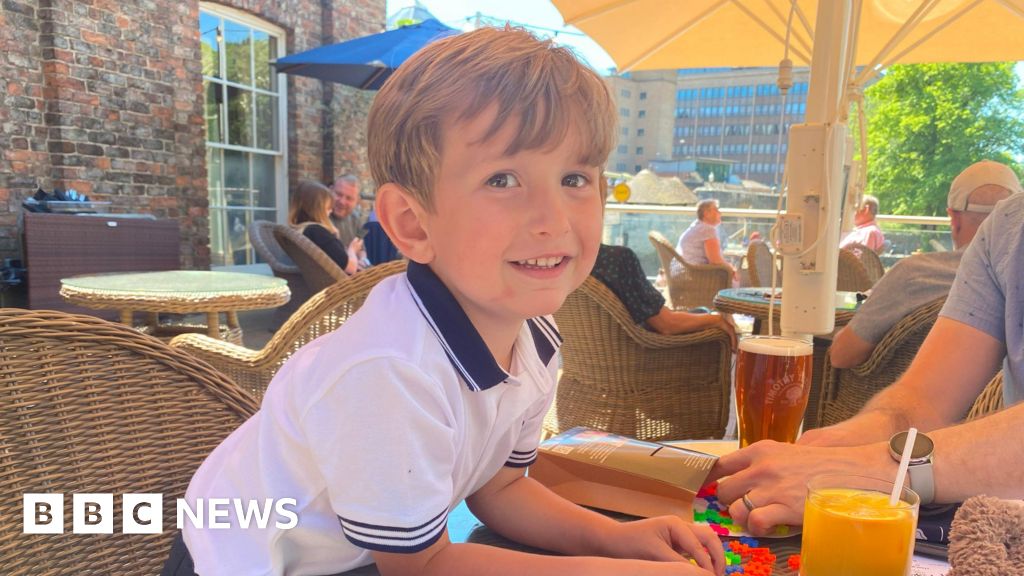
Majority of Students Secured Top School Options in a Growing Shift Towards Choice

As pupils across the country discover their secondary school placements, a wave of emotional responses and societal implications unfold, revealing much about the resilience and challenges faced by families, communities, and the broader educational landscape. This process of school allocation, often perceived as a routine administrative task, significantly influences the trajectory of a child’s social development, shaping their future opportunities and reinforcing existing social inequalities. For many families, the announcement marks a pivotal moment that tests their sense of hope and adaptability in an increasingly competitive environment.

The distribution of school placements reflects deeper societal issues, such as unequal access to quality education and the persistent socio-economic stratification that continues to define many urban and rural communities. Sociologists like Pierre Bourdieu have highlighted how educational institutions tend to reproduce societal hierarchies, with children from affluent families more likely to secure placements at prestigious schools. Conversely, disadvantaged communities often find themselves confined to underfunded institutions, undercutting students’ prospects and perpetuating cycles of inequality. The impact on families is tangible: parents may feel heightened anxiety, investing significant resources into supplementary tutoring or relocation to secure better educational opportunities for their children.

This social stratification extends beyond individual families to influence community cohesion and social mobility. Institutions such as local councils and educational authorities face mounting pressure to ensure equitable allocation within limited capacities. Yet, systemic barriers often hinder efforts, leaving marginalized populations vulnerable to social exclusion. The consequences resonate in communities, where disparities in school quality contribute to widening racial, economic, and cultural divides. Education historian Dr. Miriam Cohen warns that such disparities not only affect individual success but threaten the fabric of society itself, fostering feelings of alienation and disenfranchisement among youth.

Addressing these challenges requires a multifaceted approach, with an emphasis on reforming admissions policies, increasing investment in underserved schools, and fostering genuine community engagement. Proposed solutions involve expanding access to high-quality education through targeted funding, comprehensive scholarship programs, and initiatives that prioritize inclusive and diverse school environments. The aim is to dismantle barriers rooted in socio-economic background and to foster a sense of shared opportunity. As social commentators argue, sustainable social change hinges on recognizing that every child’s success is inherently tied to the support systems within their community and family, underscoring the ethical imperative to address educational inequities.

Ultimately, the journey of a young pupil receiving their school placement encapsulates the broader societal struggle—balancing tradition with reform, privilege with justice. As communities grapple with these social issues, it is essential to remember that behind every placement letter lies a human story, a family dreams, and a future waiting to be shaped. Society’s challenges demand collective effort, innovative solutions, and a moral commitment to forge pathways where opportunity is not dictated by circumstance but illuminated by hope. In this ongoing narrative of growth and resilience, the question remains: can society truly rise to meet the needs of all its young, offering them not just a place in a school, but a place in a future that values their potential?

Parents of nursery abuse victims set to confront Bridget Phillipson on justice and safety

Recent revelations about the Bright Horizons Finchley Road Nursery incident have cast a stark light on the ongoing vulnerabilities within our societal structures dedicated to safeguarding children. According to Alison Millar, head of the abuse team at Leigh Day, investigations have only just begun, yet disturbing patterns have already emerged. Parents’ concerns over staffing practices, supervision lapses, and troubling interactions with children were reportedly ignored or inadequately addressed. These failures reflect a broader societal issue where systems entrusted with protecting the most vulnerable are faltering, with potentially devastating consequences for families, communities, and the moral fabric of our nation.

The case underscores how social issues intertwine with core institutions such as education and childcare, revealing cracks that often go unnoticed until tragedy strikes. The reactions from affected families highlight a sense of betrayal; they trusted these institutions to nurture and safeguard their children. When misconduct is overlooked or dismissed, it not only compromises child safety but also erodes parental confidence and community cohesion. Social commentators and sociologists like Charles Murray have long argued that institutional failures contribute to social disintegration, and incidents like this serve as painful reminders of the urgent need for reforms rooted in accountability and transparency.

Addressing these challenges requires a multifaceted approach.

  • Implementing rigorous background checks and ongoing staff evaluations
  • Fostering a culture of openness where concerns are promptly addressed
  • Empowering parents to participate actively in childcare oversight
  • Increasing community engagement and oversight to prevent institutional neglect

At the heart of these social issues lies a moral responsibility: to protect the innocence of childhood and foster environments where children can thrive without fear. Yet, societal shifts—such as diminished respect for authority, growing distrust in public institutions, and demographic changes—have complicated this mission. Historically, sociologists like Christopher Lasch have warned about the erosion of traditional community bonds, which are crucial for safeguarding children from harm. As these bonds weaken, communities face the peril of becoming passive spectators rather than active guardians.

Ultimately, this crisis compels us to reflect deeply on who society truly serves and how its moral commitments are upheld. Can we reclaim a shared sense of responsibility to protect our youngest members? As tragic as these incidents are, they present an opportunity—an urgent call to rebuild institutions, restore community trust, and reaffirm the moral duty we all bear. In this effort, there is an enduring hope: that societies grounded in vigilance, compassion, and steadfastness can forge a future where the safety and dignity of every child are sacrosanct and protected by collective resolve. The path forward demands courage, integrity, and a collective refusal to accept complacency—reminding us that the true strength of a society is measured by how it cares for its most vulnerable.

School talks falsely compare student loans to £30 phone plans—misleading our youth about debt risks

In recent years, societal transformation has become a central theme in conversations about youth engagement, economic understanding, and community well-being. Yet, a revealing anecdote from a decade ago underscores a phenomenon that continues to influence how society addresses its pressing issues. Graduates tasked with delivering pivotal social presentations were instructed to avoid using words like “debt” — a subtle but profound indication of the discomfort and deliberate concealment surrounding financial realities. This approach, emblematic of a broader tendency to sideline difficult truths, impacts families, educational systems, and entire communities, fostering an environment where transparency is sacrificed in favor of politeness or political convenience.

The avoidance of honest dialogue about economic struggles contributes to a culture of denial and misinformation. Historians and social critics, such as *James Q. Wilson*, warn that when the societal narrative is sanitized, the foundational understanding of economic responsibility erodes among young generations. This disconnect hampers their ability to engage critically with personal and collective financial decisions, thereby weakening the social fabric. Without confronting discomforting realities directly, families and communities find it increasingly difficult to cultivate resilience or implement effective strategies for economic empowerment. As a result, educational institutions risk producing a generation less prepared to navigate the complex financial landscape, ultimately threatening long-term societal stability.

This trend reflects a larger societal issue, where *cultural shifts* tend to prioritize comfort over authenticity. As social commentator Robert Putnam emphasizes, the erosion of open dialogue damages the social capital essential not only for economic growth but for mutual understanding across communities. Social tensions arise when the honest acknowledgment of problems like debt, unemployment, or social inequality remains unspoken or minimized. Such suppression fosters distrust and disengagement, particularly among youth who seek genuine connection and understanding. Addressing these challenges requires a reevaluation of educational and social frameworks to foster environments where difficult conversations are promoted, not avoided. Solutions involve proactive community programs, transparent communication policies, and a renewed emphasis on financial literacy in schools.

In moving forward, society must reckon with the reality that recognizing and confronting our flaws can serve as a foundation for renewal. It demands a collective effort, where families, educators, and community leaders work in solidarity to cultivate honesty and resilience. The challenge lies in transforming societal habits—breaking free from the shame and discomfort associated with financial struggles or social tension—so that future generations can build bridges of understanding rather than walls of silence. In this delicate balance between truth and compassion, society’s true strength will be tested, and perhaps, redefined.

Transport staff assaulted by pupils: a concerning rise in school violence

Rising Social Frictions and the Complexities of Family and Community Relations

In recent weeks, a concerning incident has brought to light the persistent tensions that can simmer beneath the surface of our communities. A worker recounts being bitten three times by an eight-year-old boy, an act that has sparked a broader conversation about the challenges facing families, the role of social services, and community cohesion. The worker’s call for more support from the local council underscores an urgent need to address underlying issues in youth behavior, family stability, and social safety nets that influence community well-being.

This incident exemplifies how children’s behavior—particularly in environments where familial and social support structures may be strained—can directly impact the safety and harmony of neighborhoods. Sociologists like Robert Putnam have long argued that weakened social capital contributes to increased episodes of conflict within communities. The child’s act, potentially rooted in complex familial, social, or even mental health issues, highlights the ripple effects that inadequate community and family support systems can have on local safety. It also raises questions about the capacity of schools, social services, and local governance to prevent situations escalating to the point where physical harm occurs.

Families are the foundational unit of society, yet many are now under enormous pressure due to economic challenges, cultural shifts, and demographic transformations. Increased diversity and changing social norms can sometimes create misunderstandings or cultural conflicts that, if left unaddressed, may contribute to social unrest or juvenile conflicts. Historians emphasize that social cohesion is fragile, and when institutions fail to provide adequate guidance, support, and intervention, the repercussions often resonate through families and local communities. The call for stronger community support echoes these concerns, suggesting that bolstering social services, educational initiatives, and family assistance programs is essential for fostering a safer, more integrated society.

Ultimately, this episode serves as a stark reminder that social issues are deeply intertwined with everyday life. Each act of violence or discord not only affects the immediate individuals involved but also reverberates through communities, impacting families’ sense of security and trust. As social commentators like James Q. Wilson have observed, fostering a society where individuals feel empowered and supported can prevent many conflicts before they escalate. The call for increased support from local authorities represents a crucial step toward healing fractured social bonds, emphasizing that every child, family, and community member deserves a foundation of care and stability. As society confronts these challenges, we are called not only to address the symptoms but also to renew our commitment to nurturing resilient, compassionate communities where the hope of transformation persists even in the face of adversity.

Labour council slams minister’s ‘moral bankruptcy’ in social care spat

The Chilling Reality of Social Care in Deprived Communities

Across Britain’s most deprived regions, the cracks in social infrastructure are becoming painfully evident. The recent confrontation between Hartlepool’s Labour council and Steve Reed, the Housing, Communities and Local Government Secretary, exposes a society struggling under the weight of inadequate social care funding. The council’s staunch accusation of Reed’s “arrogance, indifference and moral bankruptcy” underscores a deeper moral crisis that transcends mere politics—speaking directly to how society prioritizes its most vulnerable.

The crisis in social care funding is not just about dollars and cents; it’s about a moral obligation to protect our children and uphold human dignity. Hartlepool, a town burdened by deprivation, has the third-highest per capita rate of children in care nationally. Yet, its dedicated social services face a funding shortfall that forces children into expensive, often unregulated placements, averaging up to £20,000 weekly per child. Such figures spotlight how families are being crushed under systemic neglect, with vulnerable children facing a future defined by instability rather than stability. Renowned sociologists like Robert Putnam have warned that societal inequality erodes trust and cohesion—Hartlepool’s plight is a stark embodiment of this decline.

Government’s Response and the Persistent Shortfall

The government asserts it is reforming an outdated and unfair funding system, pledging £78 billion for local authorities and a 33% funding increase for Hartlepool by 2028-29. However, local leaders argue that such reforms are too little, too late; the real needs far surpass the allocated resources. The Hartlepool Labour group highlights a critical mismatch—the town receives only around £6,674 per child in social care, a figure far below the national average, which leaves social workers stretched thin and unable to provide adequate care or support. Sociologist David Garland has extensively analyzed how austerity measures and fiscal austerity disproportionately harm minorities and impoverished communities, rendering their struggles invisible in national discourse.

Adding to the urgency, the influx of families relocated from wealthier regions has placed additional pressure on Hartlepool’s social services. As Pamela Hargreaves notes, this has led to “dumping” of societal burden into one of the poorest areas. These practices exacerbate existing social tensions, deepen inequality, and threaten the very fabric of community cohesion. The failure to address these issues fosters a culture of despair and disengagement, where families feel abandoned and communities fractured.

The Moral Challenge and the Path Forward

Despite the bleakness, voices like Hargreaves’ insist on the moral necessity of investing in social care as a moral and legal responsibility, not a “reward.” The wave of potential resignations among Hartlepool’s Labour councillors signals an awakening—an urgent call for a society that recognizes that funding isn’t just policy; it’s moral justice. Addressing these social issues demands a recalibration of priorities, emphasizing human dignity over political profit.

As sociologist Arlie Hochschild has reflected, “The society we aspire to is one where no child is deemed expendable, where families are supported, and communities uplifted.” The challenge lies ahead: will society heed this call and rectify a system that punishes deprivation and neglect? Or will it capitulate, leaving vulnerable children and families to the mercies of outdated policies and complacency? The path to societal renewal is fraught with difficulty, but even in despair, a glimmer of hope persists—a hope rooted in collective action and moral awakening. Society’s greatest strength remains its capacity to change, to heal, and to forge a future where every child’s right to care and dignity is upheld.

Social Media Auto Publish Powered By : XYZScripts.com