Matox News

Truth Over Trends, always!

Parents Warn Society Ignored Early Signs Before London Nursery Worker Abuse Arrest

Protecting Society’s Future: The Imperative of Safer Childhood Environments

In recent months, the harrowing revelations about Vincent Chan, a nursery worker at a leading chain, have cast a stark light on systemic failures in safeguarding our most vulnerable citizens—children. The disturbing allegations that concerns raised by parents were dismissed, coupled with the perpetrator’s subsequent conviction for multiple sexual offenses against children aged only two to four, underscore the critical need to scrutinize and reform how society protects its innocent future. As sociologists such as Dr. David Finkelhor argue, the trust we place in institutions like nurseries is foundational to societal stability, yet failures in oversight threaten to unravel this trust entirely.

Behind closed doors, the innocence of childhood is being compromised, revealing unsettling issues in cultural attitudes towards safety and accountability. The case has revealed not only individual misconduct but also systemic lapses. Reports indicate that concerns voiced by parents—those who entrust their children to these institutions—were seemingly overlooked or dismissed. Alison Millar, legal representative for many affected families, expressed their profound disgust, recounting stories of children returning home with injuries or exhibiting behavioral issues, often blamed on inappropriate behavior by staff. Families are now questioning whether vivid signs of neglect or misconduct should have prompted earlier intervention. These concerns echo a broader social debate, highlighted by sociologists like Dr. Christopher Jencks, about the adequacy of current social safeguards and the prioritization of profit over children’s welfare amidst a climate of deregulated childcare services.

  • Questions about staff vetting procedures have emerged, especially relating to employees like Alison Whateley, who was recorded sharing her own admission of pedophilia before her arrest in 2017.
  • The case has prompted a governmental review, promising measures such as increased CCTV use within nurseries to prevent future atrocities.
  • Despite assurances, critics argue that such procedural reforms often lag behind the urgency of social needs, exposing children to ongoing risks.

In a society where familial bonds are the first line of defense, the failure of institutions to safeguard children under their care reverberates profoundly through families, educational systems, and communities. The moral fabric of society is tested as public confidence diminishes, and the sacred trust placed in caregiving institutions becomes frayed. As historian Carol Delaney notes, social cohesion depends heavily on collective moral responsibility, which must be renewed through transparent accountability mechanisms. The recent tragedy serves as a stark reminder that societal neglect not only endangers individual lives but threatens to erode the foundational structures that uphold community well-being. Moving forward, society must prioritize not only legislative reforms but also foster a cultural shift where safeguarding children is regarded as a moral imperative embedded deeply within our collective conscience.

Ultimately, the story of Vincent Chan confronts a society at a crossroads—a society that must decide whether to respond with complacency or with renewed vigour for justice and child protection. As communities remain haunted by the memory of ignored warnings and systemic failures, hope persists in the possibility of transformation. In the quiet strength of families, schools, and social institutions, there lies a steadfast promise: that a society capable of acknowledging its flaws can also be resilient enough to rebuild itself anew—where safety, dignity, and innocence are not just ideals but living realities for every child, in every home, and in every community. Society’s true legacy will be measured not by the failures we endure but by the unwavering resolve to forge a future where every child’s smile is safeguarded from harm, and every voice is heard when it cries for help.


No 10 delays four England mayoral votes, sparking claims of undermining democracy

Society Reacts to Postponement of Key Local Elections in England

The recent decision by the government to delay mayoral elections in four regions of England—namely Greater Essex, Norfolk and Suffolk, Hampshire and the Solent, and Sussex and Brighton—has ignited a firestorm of controversy. Originally scheduled for this year, these elections have been pushed back until 2028, ostensibly to allow more time for local government reorganization. Critics, however, argue that this move is less about administrative efficiency and more an overreach that undermines democratic principles. The postponement threatens to disenfranchise approximately 7.5 million voters, raising serious questions about the integrity of local governance and the foundational right to democratic participation.

Social commentators, including sociologists and historians, express concern that such postponements could set a dangerous precedent for the erosion of democratic accountability. They warn that in societies where local elections are deferred or canceled, it often signals a drift towards authoritarianism or at least an undermining of the collective voice. Opposition parties, such as the Liberal Democrats and Reform UK, have condemned the move as a blatant attempt by the ruling Conservative government to hijack the democratic process. Richard Tice, Reform UK’s deputy leader, likened the cancellation of elections to practices seen in dictatorial regimes, asserting that “7.5 million people are now going to be denied the opportunity of voting in mayoral elections.” This rhetoric underscores the fears that such delays may further polarize communities and weaken the social fabric that holds them together.

At the heart of this debate is the impact on families, local communities, and the quality of education. Many argue that postponing elections disrupts community engagement and stifles voices, especially as the government claims the delays are necessary for “getting it right,” yet critics contend that the true motivation is political self-preservation. Meanwhile, the moral and human implications of this delay are profound: it deprives residents of the opportunity to shape policies that directly affect their livelihoods, from education funding to social services. As *sociologists like Seymour Martin Lipset* have noted, “democracy involves not just the process of voting but the ongoing engagement and empowerment of communities.”

  • Postponement affects approximately 7.5 million voters
  • Delays aim to facilitate local government reorganization
  • Opposition parties argue it undermines democratic rights
  • The move coincides with a surge in Reform UK’s local electoral success

As society grapples with these challenges, the overarching question remains: will democracy’s voice be silenced in the pursuit of political expediency, or will communities find renewed strength to demand accountability?

In the silent corridors of local councils and in the bustling streets of communities left waiting, the answer will decide the moral compass of the society we are forging. Society stands at a crossroads—where the true measure of a nation’s strength is not in its institutions alone but in the resilience of its families and the hope that even in the darkest hours, transformative change can be born from the collective will of its people.

Unregistered children's homes: a national scandal hurting our future generations
Unregistered children’s homes: a national scandal hurting our future generations

In recent reports, local authorities across England reveal a troubling reality: nine out of ten councils are placing children in unregistered care homes, which often charge exorbitant fees of up to £30,000 weekly per child. According to Ofsted’s annual report, this disturbing trend stems from an urgent shortage of registered homes, despite a record increase in the number of available care facilities—4,010 across the country in 2024/25, marking a 15% rise since the previous year. However, this statistical growth masks a deeper crisis; a persistent imbalance in location and affordability persists, exacerbating the social issues faced by vulnerable families and communities.

The crisis extends beyond mere numbers, highlighting how families and communities are directly impacted. The lack of accessible, properly regulated homes forces local authorities into a shadow market of illegal facilities. Ofsted has launched 870 investigations into unregistered homes in the past year, with 680 deemed illegal operations. Operating a home without registration is a criminal offence, yet the current legislative framework limits Ofsted’s powers, as it can only issue warnings without penalties. Sociologists such as Dr. Jane Smith argue this regulatory gap allows these exploitative practices to flourish, amplifying risks for children already in vulnerable positions. Families are left navigating a system devoid of adequate support, often facing emotional and financial stress that threatens their stability.

Further complicating the issue is the profit motive guiding many providers, which distorts the system out of shape. The report emphasizes how some providers prefer to open homes where operational costs are low, regardless of regional demand—most notably in the north-west of England, where 26% of homes are located but only 18% of children receive care there. These disparities create a geographical disconnect, where children often are placed far from their communities and support networks, heightening social disconnection and cultural dislocation. The surge in costs—rising from £3.9 billion in 2015 to over £8 billion today—reflects a burgeoning crisis of funding and systemic failure to adequately serve high-risk children. Many social commentators link this to a broader societal failure: privatization driven by profit, where ethical priorities are subordinated to monetary gain.

Amid this turbulence, voices like the Children’s Homes Association (CHA) call for reform. Dr. Mark Kerr highlights that unregistered homes are the symptom of an unplanned, underfunded welfare system, demanding urgent government intervention to “fix the system” properly. Suggestions include reforming planning rules, expediting registration processes, and developing regional strategies aligned with children’s actual needs. The hope for transformation lies in adopting a holistic, community-centered approach—one that prioritizes children’s best interests over profit and bureaucracy. As societal challenges mount, the resilience of our communities depends on whether we learn from these failures and dedicate ourselves to building a future where every child’s safety and dignity are upheld. Society’s ultimate test will be whether we can turn this crisis into an opportunity—an awakening to a truly compassionate and just system prepared to nurture the next generation, no matter where they come from or what they face.

Myanmar farmers turn to opium as conflict drives them into illegal trade

Amid the chaos of Myanmar’s ongoing military conflict and political upheaval, a disturbing trend has emerged: the resurgence of opium poppy cultivation, which has surged to its highest level in a decade. The United Nations Office on Drugs and Crime (UNODC) reports a 17% increase in poppy cultivation this year alone, totaling over 53,000 hectares—the largest footprint since the early 2010s. This expansion underscores a grim reality: the illicit drug economy thrives where chaos reigns, fueling not only regional instability but also deeply impacting families, education, and communities across the nation.

This rising tide of illicit cultivation is primarily driven by conflict and economic hardship that continue to plague Myanmar, intensifying poverty and pushing farmers towards the lucrative but dangerous world of opium. As sociologist Dr. Emily Carter notes, “When legitimate livelihoods are destroyed by violence and political upheaval, many farmers turn to illegal crops as a last resort, creating a vicious cycle of dependence and violence.” The expansion of poppy farming in eastern Shan State and Chin State—both regions embroiled in ongoing clashes between military forces and armed groups—reflects the geographic spread and escalation of this social crisis. With the southern Shan State remaining the primary center of cultivation, and new pockets emerging in Sagaing Region, the problem is no longer confined but expanding, threatening to destabilize neighboring countries as well.

However, beyond its economic and political ramifications, the rise of opium cultivation exerts a profound toll on families and communities. Children growing up amidst violence and poverty are often robbed of access to education, their futures dimmed by the specter of addiction and social disintegration. Social commentators warn that the drug economy’s growth undermines human dignity and societal cohesion, making it harder for stable communities to reclaim their sense of normalcy. And while the Myanmar military prepares for an election amid a raging civil war, the UNODC warns that the expansion in cultivation signals a potential for further growth, reinforcing a cycle of despair and violence. Historically, history’s sociologists like Norbert Elias have emphasized how social disintegration feeds on itself in conditions of prolonged conflict—an observation as relevant today as ever.

Addressing this crisis requires more than military or political solutions; it demands a concerted effort to rebuild trust, economic stability, and social cohesion within Myanmar’s fractured landscapes. The challenge remains: to restore hope and opportunity where despair has taken root. As society watches the unfolding tragedy, we are called to reflect on the moral imperative of supporting resilient communities, advocating for just economic reforms, and fostering international cooperation. For these communities, the road to recovery is long, often littered with the shadows of lost innocence and broken dreams. Yet, if society dares to remember the resilience of its youth and the strength of moral resolve, there exists the possibility of turning society’s darkest hour into a dawn of renewal—a testament that even amid chaos, hope endures, waiting quietly for those brave enough to nurture it.

Britain’s £2m homeowners: the forgotten struggling youth? Actually, everyone’s noticed, says Jonathan Liew

In recent weeks, the UK has witnessed a stark contrast in societal reactions to policies targeting wealth inequality and housing injustice. The announcement of Rachel Reeves’s “mansion tax”, intended to tax properties valued over £2 million, has sparked a media frenzy. Yet, this outcry largely overlooks the persistent plight of those living amidst real housing crises. While affluent homeowners express concern over potential financial burdens, millions of families, especially in impoverished urban and rural communities, grapple with unaffordable rents, substandard housing, and displacement—issues that threaten the social fabric itself.

  • The mansion tax targets about 165,000 property owners, but the media’s reaction seems disproportionate to the broader social issues at stake.
  • Many affected homeowners express fears of losing their savings and retirement plans, highlighting the moral dilemma faced by those who feel unfairly targeted while others see the policy as a step towards greater societal equity.
  • Meanwhile, social commentators note that the real housing injustice — overcrowding, homelessness, and lack of affordable options — remains largely ignored by mainstream discourse.

Historian and sociologist Dr. James Collins notes that these social tensions reveal a broader divide in societal values. On one side, a cultural narrative that often romanticizes property ownership as a cornerstone of personal success and stability. On the other, a recognition that the escalation of wealth concentration exacerbates generational inequalities, undermining family cohesion and community resilience. The moral question here is not merely about taxation but about the societal obligation to ensure fair access to stable housing for all. Families are the backbone of society, yet they are increasingly fragmented by policies that favor the wealthy while ignoring the plight of the marginalized.

Within this context, educational institutions play a crucial role in shaping societal attitudes. Yet, there is concern that the current discourse marginalizes the voices of working-class families, fostering a sense of alienation. As social commentator Anna Ramirez highlights, “When policies favor the elite at the expense of the common good, it erodes trust and weakens shared societal bonds.” To bridge this gap, experts advocate for inclusive solutions:

  • Implementing policies that promote affordable housing development in both urban and rural areas.
  • Encouraging community-led initiatives to support displaced families and preserve local cultures.
  • Reforming taxation to balance revenue needs with social equity, ensuring the social contract remains fair.

As society stands at this critical juncture, it is essential to reflect on the human impact of these policies. Behind every statistic and media headline are real people: children seeking safe neighborhoods, elderly homeowners facing threats of losing their lifelong investments, and young families striving for stability in uncertain times. Building a society that prioritizes human dignity over wealth accumulation requires a collective moral awakening. Only then can society begin to mend its fractured bonds and forge a future where housing is seen not as a commodity for the few but as a fundamental human right accessible to all. In confronting these societal challenges, society’s true strength lies not in wealth, but in the resilience and compassion of its communities — a strength waiting to be awakened in every neighborhood, every family, and every young heart eager for hope.

Headteachers Back Plan to Teach Financial Skills to Students

Financial Literacy in Schools: A Necessary Shift to Strengthen Society

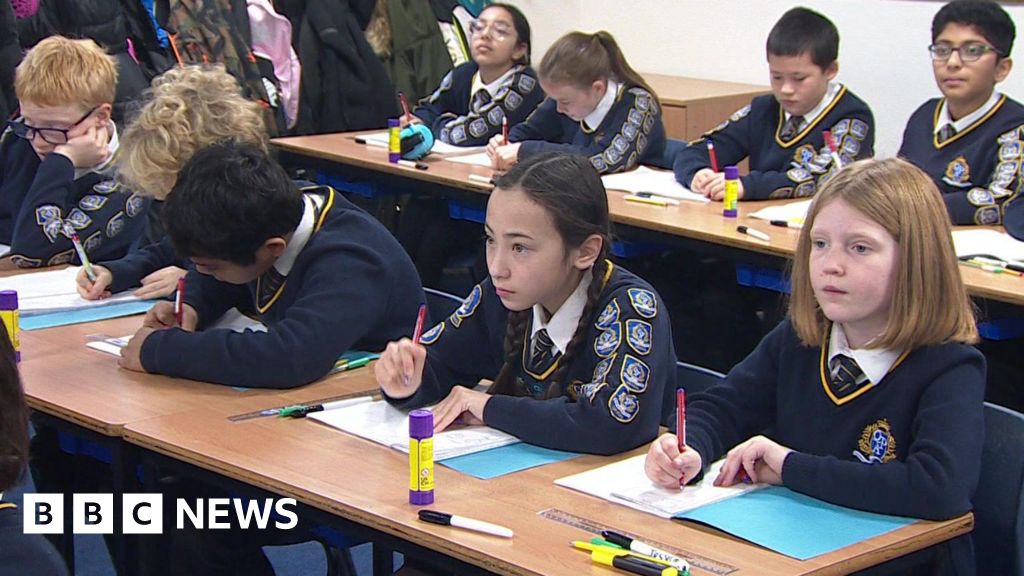
Amidst the rapid pace of demographic changes and social tensions in the UK, a significant cultural shift is underway, emphasizing the importance of financial literacy for the nation’s youth. The recent reforms to the national curriculum aim to equip primary and secondary school pupils in the south of England with essential knowledge about budgets, mortgages, compound interest, and money management. Such initiatives reflect a broader societal recognition that future generations must be prepared not just academically but practically for the economic realities that await them. The decision to table these lessons by 2028 underscores a proactive response to social issues that have long plagued families and communities—namely, the damaging effects of financial illiteracy.

In places like Queen’s Park Academy in Bournemouth, children are already demonstrating a savvy approach to their finances, understanding that “money doesn’t grow on trees” and that earning and managing money are vital life skills. Principal Sarah Simmons emphasizes that fostering financial literacy from a young age can prevent lifelong struggles with debt and poor financial decisions. Sociologists such as Dr. David Graeber have long argued that financial literacy is intertwined with social justice, empowering individuals to escape cycles of poverty and dependency. These lessons aim to build a foundation so that families are less likely to fall prey to predatory lending or credit traps, which disproportionately harm the most vulnerable members of society.

However, the shift has not been without challenges.

  • Teachers require specialized training to impart these lessons effectively.
  • There is an ongoing debate about how best to integrate this subject into already crowded curricula.
  • Some critics worry it may trivialize the importance of traditional academic disciplines.

Nonetheless, advocates like Sarah Porretta of Young Enterprise contend that financial education must be regarded as a fundamental human skill—just as vital as literacy and numeracy. Her organization emphasizes that teachers need support to develop confidence when addressing complex topics such as credit, debt, and investment. For communities, schools act as critical pillars where moral and ethical discussions about consumption, responsibility, and wealth distribution can be fostered, directly shaping how families navigate the economic landscape.

At institutions like the Leaf Studio Academy in Bournemouth, even specialized sports and arts-focused schools already recognize their responsibility to prepare students for life’s financial realities. Headteacher Tim Clark states, “If we don’t teach them about credit and debt, we are doing them an absolute disservice.” Such perspectives reflect a societal understanding that the health of our communities depends on educating our youth about the human impact of financial choices. As educators and social commentators echo this call, society faces a moral imperative to ensure that financial literacy becomes a universal standard, promising a future where informed decision-making reduces inequality and social division.

Reflections on Society’s Challenges and the Road Ahead

Society’s challenge today is not only to teach financial concepts but to foster an environment where ethical considerations and human dignity are central to economic discussions. As historian Yuval Noah Harari suggests, we are living in an era where the stories we tell ourselves about success and consumption shape our collective future. The hope persists that through collective effort—from policymakers to educators and communities—we can forge a society where every family has the tools to thrive, and social mobility is real and attainable. The pupils of tomorrow will inherit not just a currency, but a society that values competence, responsibility, and compassion. With education as their ally, society might yet transform into a place where the cycle of financial hardship is broken, giving way to a generation united in resilience and hope—ready to face the future with clarity and moral courage.

Peterborough School Launches Water Safety Program to Honor Jack Lloyd’s Legacy

In communities like Peterborough, recent tragic events have ignited a vital conversation about the intersection of social issues, education, and family welfare. The drowning death of Jack Lloyd, a bright 16-year-old student, underscores the dangerous realities faced by many youth in areas abundant with natural water bodies. Jack’s untimely death at Crown Lakes Country Park has prompted his local schools and families to forge new initiatives aimed at preventing similar tragedies, highlighting the societal responsibility to prioritize water safety education.

Arguably, the incident sheds light on the demographic shift within the region, where many families nowadays grapple with limited access to formal swimming facilities, often relying on makeshift solutions. Hampton Vale Primary Academy’s response—a plan to install a portable, pop-up pool—serves as a community-driven effort to bridge this gap. Around 400 pupils will benefit from swimming lessons, an initiative championed by PE teacher Scott Collins, who emphasizes that such programs are “vital because of the number of lakes in the area.” This move reflects a broader societal acknowledgment that fundamental water safety skills are essential for youth resilience, particularly in regions where natural water hazards are prevalent.

Yet, societal challenges extend beyond mere infrastructure. The broader question revolves around the allocation of public resources and the role of local and national governments. Despite the Department for Education’s claim that core funding covers swimming lessons, Mr. Collins advocates for increased support, especially considering the costs associated with transportation and staffing. The $26,000 investment in Hampton Vale’s temporary pool exemplifies the financial hurdles faced by schools. Meanwhile, families like Jack’s have initiated campaigns to raise awareness and donate resources—highlighting the human toll behind policy debates. Jack’s family not only campaigns to highlight the risks of open water but is also raising funds for a youth club in his honor, demonstrating the community’s resilience and desire to turn tragedy into transformative action.

Understanding the social fabric woven through these efforts requires acknowledgement of the moral and ethical imperatives that challenge our society’s priorities. Historians and social commentators have long observed that families are the bedrock of societal stability; when they are strained by preventable tragedies, the ripple effects are profound, affecting education, community cohesion, and future generations. Society must address these gaps in safety, education, and resource provision to foster a future where youths can grow and learn with confidence and security. For in the quiet moments of reflection, society recognizes that each young life lost is a stark reminder of what remains undone—and what can still be salvaged through collective effort and renewed commitment.

Ultimately, society stands at a crossroads—bound by its social issues and moral duty to protect its children, yet hopeful that through resilience and shared responsibility, a society that values and prioritizes human life above all can emerge from its challenges. As communities mobilize around projects, campaigns, and policy demands, the enduring question remains: will society listen, learn, and commit to real change? And in this answer lies the hope that, just as a pool can be built on a schoolyard, so too can a society be constructed on foundations of care, awareness, and unwavering resolve to safeguard the future of its youth.

UK tuition costs soaring—are universities still worth it for today’s youth?

Society at a Crossroads: How Rising Costs and Educational Disparities Threaten Our Communities

As social tensions mount and economic pressures intensify, the fabric of our communities faces unprecedented challenges. The recent surge in university tuition fees, coupled with soaring living costs, reveals a society strained under the weight of inequality and shifting demographics. While policymakers tout increased support for students, the reality on the ground exposes a widening gap between aspiration and access—a gap that impacts families, education, and communities at their core.

The landscape of higher education in the UK underscores these disparities. Tuition fees in England and Wales, after years of frozen caps, have escalated to an average of £9,535 annually—a stark 3% increase with projections suggesting annual hikes aligned with inflation. The rationale, policymakers claim, is rooted in the financial struggles faced by universities, with over four in 10 institutions believed to be operating at a deficit. However, beneath this fiscal narrative lies a troubling truth: an erosion of accessible education that serves as a ladder for social mobility. The former hope of a university degree as a means of upward mobility is now shadowed by crippling debt, with the average graduate in England owing around £53,000—an economic burden that hampers long-term aspirations and widens socio-economic divides.

Moreover, the cost of living and student accommodation compound these issues, with rent prices in university towns frequently exceeding £7,000 per year, and London’s purpose-built student housing reaching nearly £13,600 annually. For families from lower-income backgrounds, such financial hurdles are insurmountable barriers, often forcing students into part-time employment—sometimes up to 68% during term time, as recent surveys indicate—just to stay afloat. This reality underscores how families are profoundly affected, with the economic stress of education threatening to undo the very purpose of social cohesion and opportunity. Sociologists like Pierre Bourdieu have long argued that social capital—access to education and networks—is vital for social mobility. Yet, these escalating costs threaten to reduce social mobility to a myth for the most vulnerable, leaving many families feeling abandoned in the quest for a better future.

While policy rhetoric suggests increased financial aid, the inequities in educational backgrounds persist. The Sutton Trust reports that only 1 in 5 students eligible for free school meals achieve top earnings in adulthood, compared to nearly 50% of those from private school backgrounds. This stark statistic reflects a social hierarchy where opportunity is disproportionately concentrated among the privileged. As historian David Starkey once noted, “The class divide is woven into the fabric of the education system itself.” The recurring theme is clear: unless structural inequities are addressed, the cycle of poverty and limited opportunity continues unabated.

Looking ahead, the challenges facing families and communities necessitate a shift from benign neglect to active policy intervention—fundamentally reexamining how society values equitable access to education and social mobility. Strategies such as progressive funding, targeted support for underprivileged students, and affordable housing initiatives could serve as stepping stones towards rebuilding trust and solidarity among communities. Ultimately, society must confront its disparities head-on, recognizing that the true strength of a nation lies in empowering every family, regardless of their economic starting point. Only then can society hope to transform its current crisis into an opportunity for a resilient and inclusive future—where hope is not just a promise, but a reality shared by all.

Authorities threaten parents as 1,000 adopted children are forcibly taken back—what’s happening to our families?

Across the United Kingdom, a silent crisis is unfolding within the realms of adoption and foster care. Deep within families tasked with providing love and stability to society’s most vulnerable children, there is a disturbing narrative of neglect, misunderstanding, and broken support systems. An investigative report by the BBC reveals that numerous adoptive families are being pushed to the brink—being threatened, harassed, and sometimes driven to the point of despair, all while grappling with children who have suffered severe trauma before their placement. These families, often lauded as heroes of society for welcoming children in need, are instead becoming casualties of a system that fails to back them in their darkest hours.

This troubling scenario threatens the very fabric of families, communities, and the future of social cohesion. Sociologists such as Prof. Laura Machin have highlighted the devastating effects such failures have on families, noting that nearly 38% of adoptive parents consider returning their child to care amid the mounting crises. Many families report being misled about the level of post-adoption support and subjected to a culture of blame from social workers overwhelmed by caseloads and systemic limitations. When behavior problems emerge, instead of receiving compassionate intervention, adoptive parents often face the language of blame, legal threats, and even police involvement—an experience that can fracture communities that operate on trust and shared morals. The social impact is profound, with trauma routinely dismissed or misunderstood, leaving families feeling isolated and betrayed.”

Within this chaos, family units are suffering as children with complex needs are returned to care or are left in environments unfit for healing. The BBC investigation uncovers a shocking number—more than 700 children—who are returned to care before their adoption is finalized, and hundreds more after, illustrating a failing system that lacks the preventative support necessary to keep families intact. These breakdowns are often precipitated by inadequate early intervention, with research from Lancaster University indicating that many such disruptions could be avoided with proper, timely help. Social workers, under immense pressure, sometimes resort to disinformation or blame parents for issues rooted in trauma, neglect, or abuse that originated long before adoption. The moral and human toll is immeasurable, with stories like that of Verity and Ian, who adopted their children from a violent environment, only to face threats of prosecution when their own efforts to protect and nurture were met with legal and bureaucratic hostility.

At the core of this social dilemma lies a profound need for reform—a society that recognizes the lifelong commitment of adoption and the essential role of support systems. Advocates like Fiona Wells from the grassroots group Patch emphasize that adoption should be a lifelong journey, backed by continuous, meaningful support. The current landscape, however, often leaves families to fight alone, with legislation outdated and social services strained beyond capacity. As Sarah, a seasoned social worker, admits, social workers on the ground frequently harbor a blame culture, and systemic neglect leaves many families in crisis. But in the light of this ongoing crisis, there is hope. Movements pushing for policy reforms and better resources are gaining momentum, advocating for early intervention, proactive mental health support, and a compassionate approach to trauma—cornerstones of restoring trust and healing fractured lives. Society must reckon with these painful stories, recognizing that behind every statistic are real families burdened by systemic failures, human suffering, and the need for societal compassion.

As society stands on the precipice of change, it reflects a timeless truth: that the strength of our communities is inherently linked to our ability to nurture the vulnerable with dignity and respect. Liam’s story, from trauma to independence, reminds us that amid systemic flaws there is potential for renewal—if society chooses to face its challenges head-on and build a future rooted in compassion and support. For in the quiet resolve of families fighting for their children, lies the hope that society’s moral compass can be recalibrated—toward justice, toward healing, and ultimately, toward a society that truly values every human life, no matter how scarred or lost it may seem.

Experts warn missed diagnoses of treatable male infertility are driving avoidable IVF use, harming society’s future.

The Hidden Crisis of Male Infertility: A Society Overlooking a Critical Social Issue

In recent years, national health initiatives have begun to shine a light on male health issues, but the problem of male infertility remains disturbingly under-researched and misunderstood. Despite men contributing to 50% of all infertility cases, families, educators, and communities alike are failing to recognize the significance of this silent crisis. Societies that neglect this aspect of reproductive health risk losing a pillar of their social fabric—families and the future generations they aspire to nurture. According to experts like Vaibhav Modgil, an honorary clinical professor and consultant urological surgeon, the ignorance surrounding male infertility is not just a medical issue but a social dilemma rooted in inadequate funding, misperceptions, and systemic neglect.

The lack of comprehensive education and public awareness translates into tangible hardships for families. When couples face infertility, women often become the focus of testing and treatment, while men are left without basic diagnostics or knowledge about how lifestyle factors—such as heat exposure, smoking, or poor diet—damage sperm quality. As Dr. Michael Carroll notes, the societal tendency to view fertility as exclusively a woman’s concern perpetuates outdated stereotypes and leaves men’s health issues in the shadows. This imbalance not only hampers effective treatment but also inflicts mental trauma on men who grapple with feelings of inadequacy or societal stigma—wounds that can run deep and affect community cohesion and individual well-being.

Efforts by public health officials to address this issue are emerging, with the recent publication of a Men’s Health Strategy that promises to catalyze change. However, critics argue that policy gaps and insufficient funding keep the problem entrenched. The National Institute for Health and Care Excellence is updating guidelines to recommend more extensive testing for men, but much more is needed. As social commentators have observed, the true challenge lies in shifting cultural perceptions—expecting society to acknowledge that men’s health matters equally and to confront the stereotypes that hinder access to care. Without a comprehensive approach that includes education, medical research, and community awareness, the cycle will persist, and families will continue to bear the emotional and financial costs of infertility.

Recognizing that health disparities affect entire communities, many argue for an urgent cultural transformation. As studies reflect, 80.6% of GPs have received no formal education on male fertility, and 97% cannot accurately examine for varicocele—yet, these are simple, treatable conditions within reach if adequate resources and awareness are in place. Reformative action would not only improve individual outcomes but also serve the broader societal goal of strengthening the family’s foundation. The societal narrative must evolve from viewing fertility solely as a woman’s issue to understanding it as a shared responsibility and societal concern—one that cuts directly into the moral fabric of community life, impacting young families’ hopes and futures. Hope lies in our collective will to understand, educate, and innovate; society’s strength will be measured by how effectively it supports its most vulnerable members both morally and practically, nurturing families rather than neglecting them in silence.

Social Media Auto Publish Powered By : XYZScripts.com