Matox News

Truth Over Trends, always!

MP Slams Microsoft for Ripping Off NHS — Calls for UK Firms to Take Over

In an era where digital infrastructure is becoming the backbone of society, the growing reliance on U.S.-based technology giants like Microsoft raises profound social concerns within the communities and institutions of the United Kingdom. Recent parliamentary discussions have spotlighted how these multinational corporations, through multi-billion-pound contracts, have entrenched themselves within the very fabric of public services—most notably in the NHS. Allegations from members of Parliament suggest a disturbing pattern of monopoly power, where these corporations are accused of exploiting public funds for profit, thereby compromising the principles of sociotechnical sovereignty that should underpin a nation’s digital future. Such dependence not only drains taxpayer resources but also erodes public trust in the institutions meant to serve the people, affecting families, educators, and community safety alike.

Key figures such as Samantha Niblett, a Labour MP and former technology professional, have vividly criticized these arrangements, suggesting that corporations like Microsoft have “ripped off” the NHS through contracts that lock the public sector into overpriced, outdated systems. For example, the Department of Food and Rural Affairs’ renewal of Windows 10, now obsolete, demonstrates how entrenched reliance on foreign technology can lead to increased costs—resources that could otherwise be invested in community health, education, or social welfare. This phenomenon reflects a broader social tension: the loss of local control and the risk of dependency on entities outside national borders, which can destabilize communal resilience and threaten the moral fabric of society. Historian and social theorist Richard Wolin notes that such digital dependencies threaten to transform citizens into passive consumers rather than active participants in society, worsening social fragmentation and inequality.

Furthermore, the government’s pattern of awarding contracts to large U.S. technology providers—such as OpenAI, Google, and Anthropic—raises urgent questions about demographic shifts and the future of domestic innovation. Critics argue that these deals inhibit the growth of local tech industries, restricting opportunities for small, indigenous companies to develop and thrive. This situation not only hampers economic diversification but also impacts families and communities who rely on local employment and technological sovereignty. As MP Emily Middleton pointed out, the vast expenditure—around £1 billion annually—does not reflect value for money; instead, it illustrates a troubling pattern of complacency where the UK becomes a mere market for US digital giants, rather than a nation cultivating its own technological talents. Such reliance can deepen societal divisions, alienate communities from the digital tools designed to serve them, and undermine the shared trust necessary for social cohesion.

In response, parliamentarians like Murray emphasize the need to build sovereign tech capacity by fostering local innovation and streamlining procurement processes to make them more inclusive. This approach calls for societal and educational reforms aimed at empowering youth and future generations to participate actively in a digital economy rooted in national interests rather than foreign monopolies. As social commentator Dr. Susan B. Carle has argued, fostering a “culture of independence” in technological development is essential to nurturing the moral and civic virtues of a self-reliant society. Fundamentally, societal progress depends on our collective ability to reflect on these challenges—how social issues intertwine with technological dependence—and to envision a future where families and communities are not just consumers of technology but architects of their own digital destinies. Society must navigate the tension between technological advancement and moral sovereignty, lest we allow our shared future to be dictated by corporate interests rather than by the principles that uphold a free and resilient society.
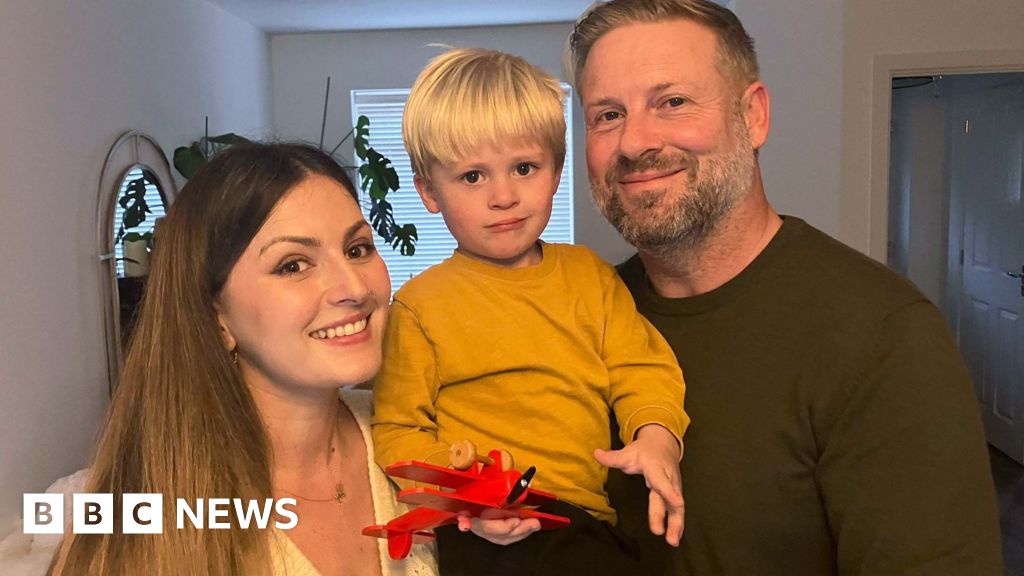

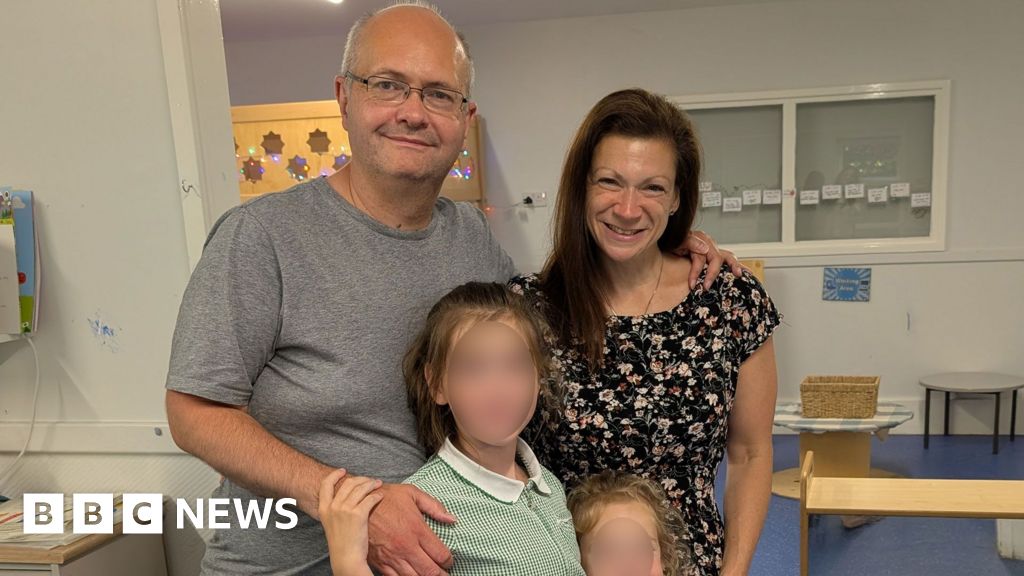
Our boy’s almost three—that’s progress and pride for our future.

Cracks in the Foundation: The Crisis of Childcare and Its Impact on Society

Across communities in the UK, a quiet yet alarming crisis is unfolding — the persistent decline of childcare providers. Families like Monika and Henry Byrne find themselves racing against time, only to face a sobering reality. After their son Leo turns three, they have just six weeks to secure a place in childcare, but many doors remain closed. Despite wielding full-time jobs, their struggle underscores a broader social issue: the shrinking pool of childminders. Official figures reveal a stark reality — the number of registered childminders has plummeted from nearly 48,000 in 2015 to just 26,000 in 2024, threatening the very fabric of accessible early childhood care.

This decline is not merely a statistic; it has profound repercussions on families, education, and communities. As sociologists like Francesca Castellani note, early childhood care is pivotal in shaping future social and educational outcomes. When families are denied affordable and reliable childcare, they are pushed into difficult choices, often sacrificing careers or delaying employment altogether. Judy Wylde, a seasoned childminder, describes a system in disarray — her 35 years of experience, which once allowed her to care for children like her grandson Louie for free, is now compromised by inadequate funding. The funding rate, she asserts, is “atrocious,” forcing her to work at a loss and preventing her from continuing her vital role. Such loss of long-standing community carers signifies more than economic failure; it erodes the social cohesion that bonds families, caregivers, and communities together.

Furthermore, the rising demand for childcare clashes with dwindling supply, forcing families into painful compromises. The government’s expansion of 30 hours of free childcare for children from nine months is a step forward, yet many childcare providers remain unable to meet the demand. Surveys by organizations like Coram PACEY reveal that hundreds of childminders are restricting or opting out of caring for older children, citing insufficient funding as the main obstacle.

  • Childminders work with unique staff-to-child ratios, making their work more flexible but also more costly.
  • Changes in regulations — like relaxed rules on working from community halls — aim to support providers, but many believe these measures do not go far enough.
  • The financial strain pushes small-scale caregivers to the brink, with some making dramatic decisions about whether to continue caring for children at all.

Such challenges signify deeper structural issues. As Hartmut Rosa emphasizes, a society’s social infrastructure — its early years care being a cornerstone — directly influences social stability. When that infrastructure begins to erode, families are left vulnerable, and societal resilience is threatened. The crisis also impacts individual human dignity; caregivers like Georgina Young, who makes gingerbread men with children she’s cared for since infancy, express frustration at working at a loss, feeling undervalued in a sector essential to societal health.

It is clear that reforms are still overdue — for fairer funding, for streamlined regulations, and for policies that recognize and uplift our frontline community carers. Without such measures, the societal cost will continue to grow, manifesting in fewer opportunities for families, compromised education for children, and weakened community bonds. But amidst this turbulent landscape, hope persists. With sustained effort, societal recognition, and moral clarity, society can rebuild its early childhood care system. It can restore the dignity of caregivers, bolster families’ stability, and nurture the future generation with the strength of unity and justice. Society’s challenge now is to remember that the foundation of a resilient, thriving nation rests on the youngest among us — and on our unwavering commitment to care for them from their very first days.

Rogue landlords won’t fix past mistakes — and now, young renters need stronger rights to protect themselves

In recent years, the vulnerability of millions of households in England’s private rental sector has surfaced as a persistent challenge—one that deeply impacts families, education, and communities at large. Despite legislative promises to improve rental conditions, the reality is that enforcement has lagged far behind. A troubling analysis by The Guardian reveals that over the past three years, two-thirds of councils have not prosecuted a single landlord, and nearly half didn’t issue any fines. This data starkly highlights a pattern of neglect that leaves tenants exposed to unscrupulous landlords, particularly in a market where no-fault evictions remain a weapon used against vulnerable renters, often forcing families into instability and homelessness.

Legislative reforms such as the planned mandatory decent homes standard, and the banning of Section 21 evictions—which permit landlords to evict tenants without cause—are steps in the right direction. Yet, the gap between policy and enforcement remains wide. Without the necessary resources, training, and political will, these laws risk becoming mere paper guarantees, offering little tangible protection for families that rely on a fair housing market. Critics argue that the lack of proper oversight fosters a culture in which landlords face minimal consequences for abuse or neglect, perpetuating social injustices. Enforcing these rights equitably requires a systemic overhaul—one that prioritizes accountability and transparency in the rental industry, and ensures that community stability is not sacrificed for corporate profits.

This situation echoes a broader historical pattern where poor enforcement of regulations has led to devastating outcomes, from the pollution crisis in water management to the Grenfell Tower disaster. These tragedies reveal that legislation alone is insufficient without proper capacity and resources to implement change. For families living in substandard housing, the stakes are painfully real: inadequate oversight not only perpetuates inequality but also erodes trust in institutions meant to serve the public good. Highly visible social issues such as housing exploitation, environmental neglect, and neglected public services are interconnected—demonstrating how systemic failures reinforce cycles of hardship for communities already marginalized.

To bridge this gap, governmental commitment must extend beyond rhetoric. As reports indicate that local councils face bankruptcy and resource shortages, there is a pressing need for targeted funding to support enforcement and training efforts. Equipping local authorities with the tools to hold landlords accountable is fundamental to fostering a society where housing rights are respected, and families can build stability and hope. Ultimately, the core issue transcends legal measures—it is about societal values. As social commentators like David Harvey and others have argued, a society’s moral fabric is reflected in how it treats its most vulnerable members, and no community can flourish unless basic needs like housing are secured. In contemplating the future, one is reminded that building a society worthy of its children requires faith in the possibility of change—a hope that with dedicated effort, society can transform challenges into opportunities for genuine justice and sustainable growth.

Poole School Clamps Down on KPop Demon Hunters Songs, Limiting Youth Voice

Societal Tensions Collapse into Schoolyard Politics as Cultural Shifts Trigger Debate

In the quaint town of Poole, Dorset, a recent controversy at Lilliput Church of England Infant School has exposed the deep fissures that can arise within communities grappling with changing social norms. The school’s decision to ban a popular song from the Netflix animated film KPop Demon Hunters—citing concerns about its “Christian ethos”—has ignited a broader debate over how cultural shifts and demonic imagery influence the moral fabric of our youth. This incident exemplifies a societal struggle: balancing the zeal to protect traditional values while fostering an inclusive environment and recognizing that social issues extend far beyond the classroom.

At the core of this controversy is a clash of moral perceptions and generational values. The school asserted that references to demons and themes of temptation, embedded in the film’s narration and songs, pose a moral challenge for some community members. According to acting head teacher Lloyd Allington, the decision was motivated by a desire to support families who find such themes “challenging.” This response reflects an ongoing societal trend where moral anxieties—particularly those rooted in religious doctrines—shape educational content and community activities. Sociologists like Dr. James Davison Hunter have noted that in these moments, society often reverts to moral absolutism as a mechanism for social cohesion, particularly when confronting rapid demographic and cultural changes.

However, critics highlight that such protective reactions can inadvertently harm the social cohesion and mental wellbeing of young learners. One parent argued that “my daughter is very into K-pop and her friends love the music,” emphasizing the importance of children experiencing diverse cultural expressions. The conflict here underscores a fundamental issue: how to cultivate resilience and critical thinking among youth without succumbing to fear-based censorship. Educational experts warn that overprotecting children from media representations can limit their capacity to navigate complex moral landscapes, especially when such representations reflect contemporary societal issues like identity, temptation, and moral ambiguity.

  • Rising concerns over the impact of media with darker themes on young minds.
  • Community debates over the influence of popular culture and moral standards.
  • Educational institutions struggling to find a balance between safeguarding values and promoting open-mindedness.
  • Calls for fostering dialogue on diversity of beliefs within increasingly multicultural societies.

Reflecting this societal tension, social commentators like philosopher Dr. Michael Sandel argue that the challenge for modern communities lies in fostering spaces where “conflicting moral views can collide without fracturing the social fabric.” The incident at Lilliput School underscores the importance of promoting understanding and respect for differing beliefs—whether they stem from faith, culture, or personal experience. While some fear that exposure to darker themes might corrupt innocence, others see it as an essential part of education, cultivating morally aware, culturally literate citizens. As society navigates these turbulent waters, the hope remains that through open dialogue and mutual respect, communities can move toward a future where young minds are empowered to question, reflect, and ultimately forge their own moral compass.

In the end, society’s greatest challenge is not merely in policing the content children consume, but in planting seeds of moral resilience and empathy. Just as a fertile land requires nourishing soil, our communities need to nurture conversations rooted in understanding rather than fear. Society stands on the cusp of a transformation—one in which tradition and progress may coexist, offering a vision of hope where the youngest generation navigates complexity with courage and clarity. For in these moments of cultural clash, there lies an opportunity for society to reimagine the moral landscape—an enduring testament to the resilience of community, faith, and the indomitable spirit of youthful enquiry.

Hertfordshire Police Admit Wrongful Arrest Over WhatsApp Message, Payout £20K to Victim

Recent events in Hertfordshire have underscored a troubling shift in societal trust and community cohesion. A couple, Rosalind Levine and Maxie Allen, experienced a wrongful arrest that has cast a shadow over their family life and the broader social fabric. The incident unfolded after the couple expressed concerns about their daughter’s primary school, including questioning staff recruitment practices and criticizing school leadership via a WhatsApp group. This digital dissent, seemingly dismissed as malicious communications by authorities, resulted in their being detained for 11 hours, an ordeal that has ignited debates about the boundaries of parental rights and police intervention.

Such cases reveal a disturbing connection between social tensions and institutional overreach. Sociologists like Dr. Emily Watson warn that when community members feel silenced or wrongly accused, it fosters an atmosphere of mistrust and alienation. Levine and Allen’s case illustrates how the misapplication of law enforcement can devastate families and diminish confidence in local institutions. The couple’s experience was marked not just by the wrongful arrest but also by the emotional toll of seeing their privacy violated, their reputation questioned, and their sense of security fractured—elements that ripple through every facet of family life. When public institutions fail to balance authority with accountability, the result is a fragmented society where conflicts become open wounds rather than opportunities for community growth.

The impact extends beyond individual families to the very heart of education and community relationships. The couple’s ban from Cowley Hill Primary School after raising legitimate concerns about their child’s well-being highlights a dangerous trend of authoritarian silencing of parental advocacy. Critics argue that such suppression not only dampens community input but also hampers the collaborative effort necessary for nurturing inclusive, adaptive learning environments. Social commentators, including historian Dr. Richard A. Lewis, emphasize that family engagement in schools is a cornerstone of social stability. When that engagement is met with punitive measures or misunderstood as threatening, it weakens the societal bonds that foster resilience and shared responsibility.

  • The police justified their actions by citing the unwarranted nature of the arrest, but the broader social issue remains unresolved: the erosion of trust between law enforcement and communities.
  • The school’s response to the protests reveals a prioritization of control over dialogue, risking deepening social tensions.
  • Families affected by these incidents face increased emotional distress, leading to long-term impacts on mental and physical health, and potentially, future generations’ perceptions of authority.

As social commentators and sociologists call for reform, the question remains: how can society rebuild trust and ensure that families are protected rather than persecuted when exercising their rights? It is essential to recognize that the core challenge lies in cultivating a culture of accountability, transparency, and empathy. Policymakers and educational leaders must acknowledge the human impact of their decisions and foster a community environment aligned with democratic ideals—one that respects diverse voices and promotes genuine dialogue. The tale of Levine and Allen leaves us with a haunting reminder that societal harmony depends on our collective capacity to confront injustice and to nurture the bonds that hold communities together.

In this era of social upheaval, where the lines between authority and community are blurred, hope resides in the very act of reflection and renewal. Society’s greatest strength lies in its resilience—the ability to transform adversity into a new foundation of understanding, fairness, and shared purpose. As families like Levine and Allen’s confront the shadows of injustice, they also become symbols of a society yearning for ethical integrity—a society that, if it dares to listen and learn, can build the future anew.

Hexham Hayden Bridge High Students Walk Out Over Bad Behavior

Strikes at Haydon Bridge High School Expose Broader Social Tensions in Education

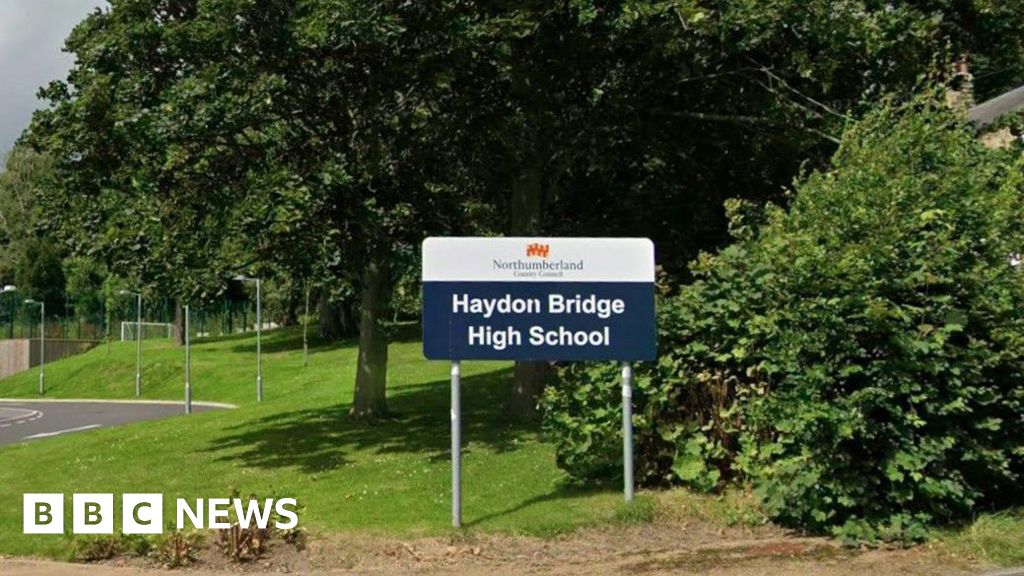
In Northumberland, teachers and support staff at Haydon Bridge High School are preparing to walk out on two days—November 19 and 25—in a move driven by unresolved issues surrounding disruptive student behaviour and perceived management failures. This industrial action highlights a critical challenge facing many schools nationwide: how social issues directly impact families, education, and community stability. As union representatives from the National Education Union (NEU) and NASUWT rally behind their members, concerns over high suspension levels and an ongoing struggle to maintain safe, productive learning environments have come to the forefront. Headteacher David Nisbet emphasizes that “it is important that the education of the young people we serve is not disrupted by industrial action,” underscoring the delicate balance educators try to maintain amid rising tensions.

Yet, beneath these immediate disputes lies a deeper societal narrative—a demographic and cultural shift impacting school communities, family dynamics, and moral expectations. According to recent Ofsted reports, Haydon Bridge High School, like many institutions across the country, faces challenges stemming from a minority of pupils exhibiting persistent disruptive behaviour, which has led to “high levels of suspension.” The school’s leadership admits that resources are limited, and behavior management remains an ongoing struggle. Sociologists such as Peter Smith have observed that when students face social and economic hardships—factors often linked to broader issues like poverty and family instability—schools become battlegrounds where the societal fabric is stretched thin. The unions’ repeated calls for a “comprehensive behaviour management policy” reveal a demand not only for order inside classrooms but also for the social support systems that underpin community well-being.

This ongoing crisis underscores the real-world consequences for families and communities. Disruptions in education ripple outward, affecting parental engagement, community cohesion, and the future prospects of young people. When schools are forced to suspend students frequently or struggle with safety, it diminishes the confidence families have in their local institutions. Moreover, the challenge emphasizes the importance of fostering an environment where moral and ethical standards are reinforced, and every child is supported in overcoming personal adversities. As historian Dr. James Miller points out, society’s moral health is reflected in how well schools can serve as safe havens for development, especially amid a landscape increasingly marred by social tensions.

  • Union representatives have repeatedly raised alarms about pupil behaviour and its impact on safety, teaching quality, and overall school climate.
  • The school has made recent strides in improving teaching and attendance but continues to grapple with behavioral issues.
  • Government and local authorities are involved, aiming to find solutions before the situation deteriorates further.

As the debate continues, the broader societal narrative remains clear: the stability of our educational institutions reflects the strength of our communities and their moral fiber. The ongoing tensions at Haydon Bridge serve as a microcosm of a society at a crossroads—whether it will resolve its social divides through investment, moral leadership, and community engagement, or succumb to a cycle of disillusionment and disorder. As society stands at this juncture, hope persists in the conviction that through collective effort and moral clarity, the fabric of community life can be mended—restoring a sense of purpose, safety, and hope for future generations. In this delicate dance, the challenge is not only in managing behaviour but in nurturing the moral backbone necessary for society’s resilience and renewal.

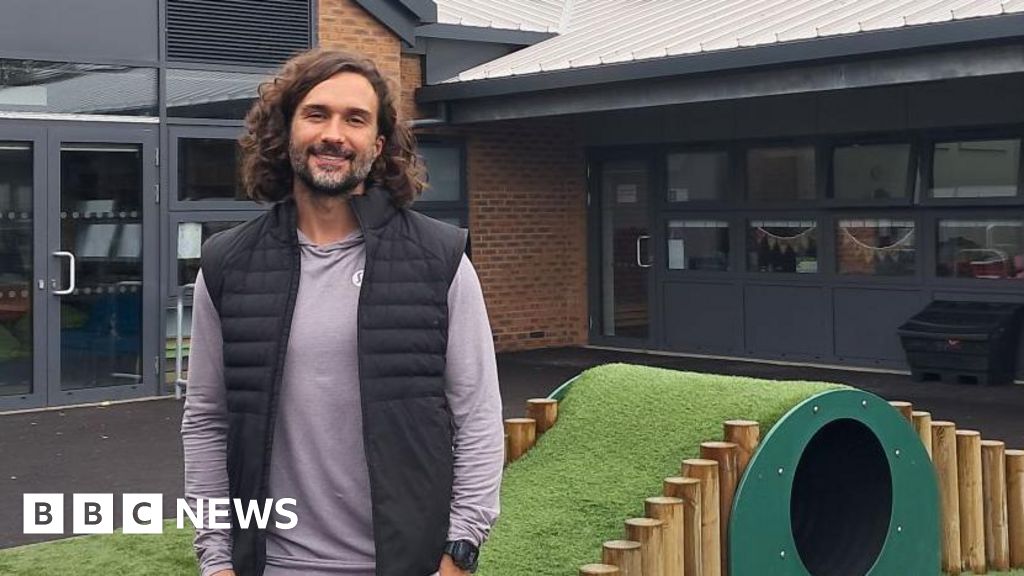
Joe Wicks comes back to rally community at fire-damaged school reopening

Society faces persistent challenges when it comes to supporting families, education, and community resilience. Recent occurrences, such as the devastating fire at Yatton Infants School in Somerset, illustrate not just the physical destruction of a building, but also the profound social and emotional upheaval experienced by those impacted. In May 2023, half of the school’s roof was consumed by flames, leaving approximately 200 young pupils and dedicated staff devastated, with their belongings and hopes reduced to ashes. The aftermath of such an event exposes a society under strain, highlighting gaps in safety, mental health support, and community preparedness that sociologists argue must be addressed proactively.

For the families and communities involved, the repercussions extend far beyond the loss of bricks and mortar. The emotional trauma of witnessing a school—an institution symbolizing safety, growth, and future—burn to the ground can have lasting impacts on children’s sense of security and well-being. The deputy headteacher reflected on the scene of shock and sadness that initially engulfed the school, emphasizing how vital community cohesion becomes in the wake of tragedy. As historian Dr. Ian McDonald notes, “The social fabric of a community is often tested during crises, revealing both its fractures and its capacity for healing.” The rebuilding process, therefore, becomes not just about new classrooms but about restoring hope and confidence in society’s collective commitment to its youngest members.

  • Southwest England’s local authorities and community groups rallied to hasten the rebuilding effort, recognizing that education continuity is essential for family stability and childhood development.
  • Yet, the displacement caused by the fire—forcing children into different schools—highlighted how social issues such as educational disruption can negatively influence learning outcomes and peer relationships.
  • Addressing mental health needs in young survivors became a priority, emphasizing the need for comprehensive support services that foster resilience in children and help them navigate the emotional aftermath.

While the refurbished Yatton Infants School reopens as a symbol of community perseverance, the social issues it exposes require ongoing vigilance and deliberate action. Sociologists like Daisy Reed argue that “The resilience of communities hinges on proactive policies that prioritize not only physical reconstruction but also social healing and inclusive educational environments.” The experience of children, who faced the upheaval and then the joy of returning to a rebuilt school, underscores the importance of fostering a social environment where children can feel safe, supported, and inspired to dream big once again. As this community begins the process of recovery, it leaves us pondering: in a society that often moves too swiftly, how do we ensure that no child’s future is left smoldering in the ashes of tragedy? The hope lies in recognizing that societal strength is measured not only by physical infrastructure but by the capacity to nurture resilience, unity, and hope within every family, every school, and every community.”

Northampton Librarian Celebrates Big Win, Inspiring Local Youth

The Power of Literacy and Community in Shaping Society

In an era characterized by rapid societal shifts and demographic changes, the role of dedicated community and educational institutions becomes more vital than ever. At the heart of this movement are figures like Julie Broadbent, a veteran librarian at Northampton International Academy, whose recent accolade as the 2025 Secondary School Librarian of the Year underscores the profound influence that passionate educators can have on families and communities. Her story not only exemplifies individual achievement but also highlights the transformative power of fostering a shared culture of literacy and positivity within schools, which ripple outward to the broader social fabric.

This recognition illuminates a significant social issue: the decline of traditional literacy and the importance of fostering a reading culture in schools. Historically, sociologists like Raymond Williams and contemporary social commentators emphasize that in a society where digital distraction and diversifying cultural influences threaten to erode foundational skills, educators and librarians stand as pillars of stability. Ms. Broadbent’s approach—cultivating a welcoming, inclusive space and reflecting her school community’s diversity—speaks to a necessary paradigm shift. It demonstrates how creating safe and engaging environments nurtures not only academic success but also moral resilience among youth, thereby reinforcing social cohesion amid changing demographics.

Her 25 years of dedication encapsulate the ongoing challenge: how to ensure that the bond between families, schools, and local communities remains strong enough to cultivate lifelong learners. The School Library Association praised her for her work “creating a culture of positivity,” and her ability to connect with pupils on an individual level exemplifies what sociologists call “*social capital*”—the trust, networks, and shared values that underpin community strength.

  • By fostering literacy and inclusiveness, educators like Ms. Broadbent uphold the moral responsibility to prepare a generation capable of navigating an increasingly complex society.

Still, these initiatives face challenges—from resource constraints to societal divisiveness—that threaten to undermine their vital role. It is essential that policy makers recognize the importance of supporting such grassroots efforts, for the health of our social fabric depends on the success of these programs.

As we reflect on the story of Ms. Broadbent and her dedication, we are also reminded that the future of society hinges on our collective capacity to nurture the next generation. Her work exemplifies how small acts of community investment can spark large-scale social renewal. Society’s most urgent task is to preserve and renew the simple yet revolutionary idea that education, rooted in love for reading and community engagement, can cultivate not just competent students but morally resilient citizens. As the rays of dawn pierce through the shadows of societal fragmentation, hope lingers in the promise that our shared commitment to these ideals can build a society where families, education, and communities unite under the common banner of progress and moral purpose.

Wokingham special needs firm under criminal investigation amid calls for accountability

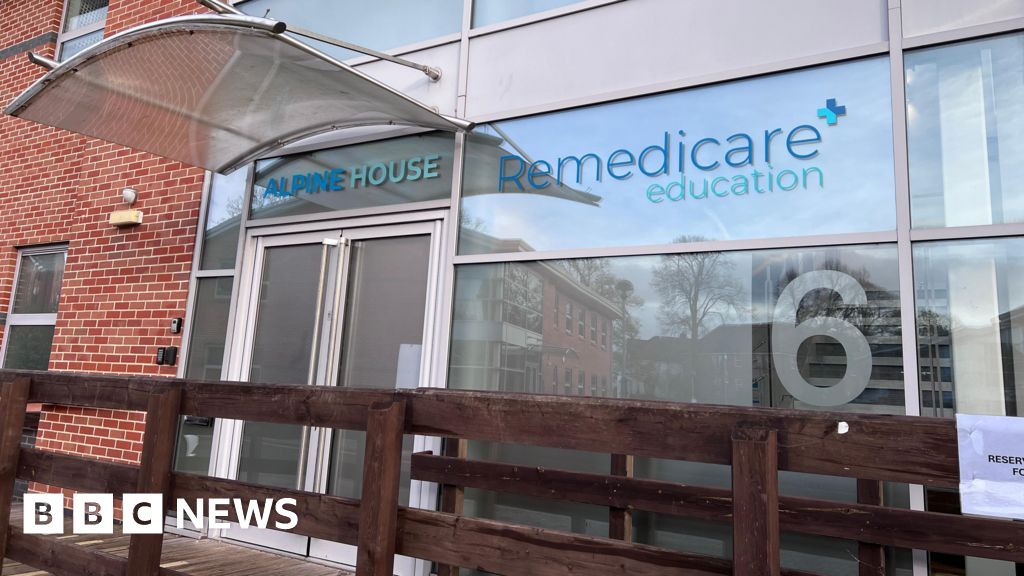
Amidst the unfolding narratives of social accountability and the complexities of how families are impacted by educational and social services, recent revelations about Remedicare Education emerge as a stark reminder of the vulnerabilities within our current systems. The investigation into this organization, which specializes in educating children who have struggled with mainstream schooling, highlights critical issues concerning social trust, regulatory oversight, and community safety. According to reports, the Office for Standards in Education, Children’s Services and Skills (Ofsted) is now conducting a criminal inquiry into the company—an investigation that raises questions about the adequacy of safeguarding measures and the integrity of providers working with society’s most vulnerable.

The controversy stems from an unsettling connection to Laura Horton, a former director of Remedicare, who was jailed for attempting to smuggle synthetic drugs—Spice—into prisons nationwide. Her involvement, which included sending fake legal papers to facilities such as Isle of Wight Prison, underscores troubling gaps in vetting procedures. Despite her resignation from the company following allegations of inappropriate conduct with a patient at Broadmoor Secure Hospital, questions persist about how she was initially appointed. Social commentators and sociologists, including Dr. Karen Gill of the Society for the Societal Well-being, argue that such cases reveal “a troubling failure of regulatory oversight that jeopardizes trust in institutions designed to safeguard our community’s most at-risk children.”

Social issues of trust and systemic failure significantly reverberate through families and communities, especially when children’s safety and education are compromised. Pete Evans, whose autistic son was placed in care by Remedicare, expressed his bewilderment and deep concern when he discovered that the woman who appeared to serve in a ‘headteacher-like’ role was connected to criminal activity. His son’s placement—initially perceived as a protective measure—became a source of familial distress, compounded by the local authority’s subsequent acknowledgment of a need to “further strengthen the process” of child placement. Such incidents expose a dangerous demographic shift where, due to under-regulation, the most vulnerable are exposed to unchecked risks, shaking the trust that families rely on to protect their children’s future.

At the heart of these social debates lies a fundamental question: how can society better safeguard its children and uphold the integrity of community care? Solutions proposed by social institutions focus on

  • enhanced registration and oversight of educational providers, especially those operating outside traditional school systems
  • rigorous background checks for staff involved in vulnerable children’s education
  • transparency in safeguarding procedures and stricter enforcement of compliance protocols

These measures aim not only to restore public confidence but also to reinforce the moral obligation that institutions have to protect and serve society’s most impressionable members. Sociologists warn that failure to address systemic gaps risks further erosion of societal fabric—shrinking community trust and encouraging a climate where social tensions simmer beneath the surface, primed to explode into crises that threaten our shared way of life.

As society faces these profound challenges, our collective hope resides in the resilience and moral rectitude capable of inspiring meaningful reform. Society’s true strength may be reflected not in the absence of its flaws but in the unwavering commitment to rectify them—a pursuit that, at its core, seeks to nurture generations rooted in safety, integrity, and hope. In this moment of reckoning, society must ask itself whether it will muster the resolve to rebuild its trust, or allow the shadows of neglect and dishonesty to deepen, leaving future generations to navigate a landscape marred by betrayal. Only then can we truly begin to envision a society where education and social care serve as pillars of moral renewal, anchoring families in the unwavering promise that society will always stand as a shield, not a sword of harm.

Burned Out? Physics Helped Me Heal and Move Forward — Zahaan Bharmal

The Unseen Turmoil: How Social Chaos and Overwork Shape Our Families and Communities

In a society increasingly driven by the pursuit of productivity, we often overlook the *fundamental vulnerabilities* that lie beneath the surface of our daily lives. Drawing from principles of physics, **sociologists and social commentators** warn us that our social and economic systems are *chaotic* and susceptible to sudden breakdowns — much like the unpredictable behavior of complex planetary systems described by the **three-body problem**. These systems are governed by cause and effect, but tiny shifts in conditions can trigger disproportionately large consequences. Such unpredictability manifests widely, from financial markets collapsing unexpectedly to communities destabilized by unforeseen crises. It is essential to recognize that **the stability of our society hinges on maintaining enough slack**—or *surge capacity*—within our institutions and families to absorb shocks without spiraling into chaos.

Families and communities bear the brunt of these systemic instabilities. As economic turbulences ripple through the social fabric, they influence how families function and how children are raised. **Educational institutions**, designed to nurture resilience, are often caught between funding shortages and increasing demand. The absence of *buffer zones* in education reflects wider societal neglect of robustness; schools operate at *full capacity*, leaving little room for unexpected disruptions. Meanwhile, **families** are caught in the crossfire—struggling to balance work, childcare, and emotional well-being. The **mental health crisis** underscores this fragility, with a recent report revealing that 91% of UK adults experienced high stress, particularly among the youth. Such pressures threaten the well-being of future generations, threatening the very foundation of societal stability.

**The cultural shift toward relentless overwork** compounds these struggles. Driven by an economy that celebrates productivity above all, young workers are pushed to operate at 100% capacity, often without regard for *necessary recovery periods*. As **historians** and **social analysts** point out, this obsession with overachievement amplifies the risk of burnout—a sudden “phase transition” in individual resilience where accumulated stress reaches a tipping point. The *pressure* to work unpaid overtime or on weekends, alongside a broader societal valorization of exhaustion, has created a feedback loop that overlooks **the importance of recovery and slack**. Our current system treats burnout as a personal failing, rather than an inevitable consequence of a flawed design—highlighting a fundamental misjudgment about human and social resilience.

Understanding that **robustness necessitates inefficiency** is vital, especially when policy reforms aim to create sustainable futures. It is *imperative* that **institutions and individuals** recognize the importance of leaving space for the unexpected — whether in work or community life. Building *surge capacity* and *emphasizing recovery* can help prevent the shockwaves that threaten to rupture society’s delicate fabric. As the **author Zahaan Bharmal** advocates, true resilience is not about relentless force but about **knowing when to ease off**, acknowledging that *slack is strength* and essential for enduring turbulent times. Society must shift from a relentless pursuit of productivity to one that values **balance, flexibility, and human-centered resilience**—for it is in these moments of intentional slowdown that hope for renewal lies. The future calls for a collective awakening, a recognition that **our greatest strength is the capacity to adapt and recover**, and that society’s true power resides in our ability to build systems that thrive not just on efficiency, but on *resilient sustainability*. In embracing this truth, we may yet turn the chaos into clarity, forging communities capable of weathering any storm with dignity and hope.

Social Media Auto Publish Powered By : XYZScripts.com