Matox News

Truth Over Trends, always!

Sarah Ferguson charity shutters amid new Epstein friendship details

In recent days, the closing of Sarah Ferguson’s charity has sent ripples through society’s fabric, illuminating deep-seated issues about moral accountability, social trust, and the influence of power dynamics in modern communities. The charity, once celebrated for its humanitarian efforts across multiple nations—delivering aid, healthcare, and educational projects—decided to shut its doors amid revelations that have cast a long, troubling shadow over its founder’s associations. This event underscores a broader societal challenge: how social scandals involving prominent figures can erode community trust and threaten the moral foundation of charitable institutions.

These revelations come amidst the unprecedented release of millions of files related to Jeffrey Epstein, exposing a disturbing network of connections between the disgraced financier and the wealthy elite. Among the disturbing insights, evidence emerged about Epstein’s interactions with individuals like Prince Andrew and Sarah Ferguson, illustrating how social networks often blur lines between influence and misconduct. Notably, Ferguson’s public declarations of Epstein as her “brother” and her the *deep personal bonds* she maintained with him reveal a troubling pattern where social status and personal ties overshadow moral judgment. These relationships, now laid bare, threaten to undermine the credibility of philanthropic efforts, raising fears about how families and communities can protect themselves from social and moral corruption.

  • Many sociologists argue that public scandals involving figures of influence have a lasting impact on societal trust, especially within families and local communities.
  • Historically, trust is fundamental for the effective functioning of charitable institutions and community-led initiatives, and its erosion can lead to apathy, disengagement, or worse, cynicism.
  • Addressing such issues involves robust accountability measures and fostering a culture where moral integrity takes precedence over social climbing or personal gain.

The repercussions extend beyond individual failings—they threaten the **moral fabric** that upholds societal cohesion. Within families, the erosion of trust in social institutions can lead to disillusionment among young people, who see their moral values compromised by the glaring hypocrisy of their superiors. In education, this manifests as a crisis of moral authority, where schools are left to grapple with the challenge of instilling virtues of integrity when society’s icons are revealed to be morally compromised. Communities, the fundamental building blocks of society, must then decide whether to retreat into cynicism or to seek renewal through transparency and reform. Social commentators often emphasize that the true test of a society’s resilience lies in its ability to confront uncomfortable truths and emerge stronger.

Reflecting on the societal fallout from these revelations leaves us with a profound question: how can society rebuild trust and ensure that families and communities are protected from the corrosive effects of moral and social failures? Social change begins with moral courage and the acknowledgment that ethics must be non-negotiable. Historically, phases of societal renewal have been driven by voices willing to confront power with honesty and humility—a tradition that must be rekindled in today’s fractured landscape. Only then can society envision a future where *families are nurtured in integrity, communities are resilient in truth, and social institutions stand firm on foundations of moral accountability*. Society’s greatest challenge is not merely unearthing scandal but transforming tragedy into a catalyst for genuine moral revival—an enduring hope that society’s collective soul can be mended, one honest step at a time.
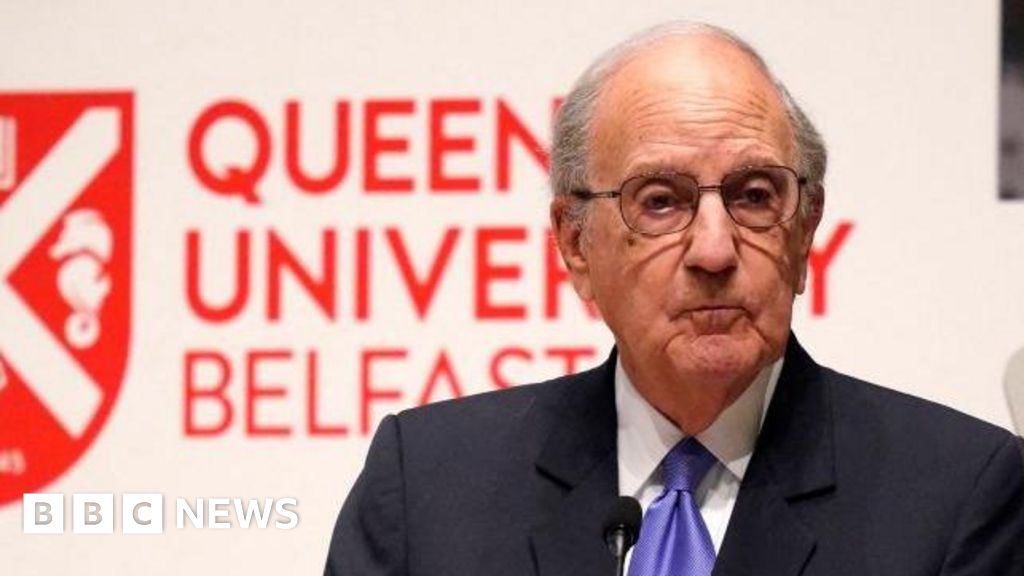

Queen’s University Belfast severs ties with George Mitchell over Epstein controversy

Recently, a notable controversy has erupted within the academic community regarding the legacy of Senator Mitchell. While no formal accusations of misconduct have been substantiated against him, the institutional decision to dissociate his name from university spaces underscores a broader societal shift—an increased emphasis on accountability and sensitivity toward victims and survivors of misconduct. Such actions reflect an evolving moral stance that prioritizes moral integrity and the well-being of vulnerable populations over historical recognition, signaling a significant cultural transition in how we reckon with past and present complexities.

This incident has ignited conversations about how societal values influence academic and communal identities. Critics argue that removing Mitchell’s name is a symbolic gesture, yet many see it as a necessary step in fostering more inclusive and respectful environments. The decision touches deeply on issues of justice, memory, and moral responsibility, which resonate across families, education systems, and local communities. As sociologists like Dr. Jane Harper have pointed out, such societal shifts are often driven by demographics and cultural tensions that challenge traditional notions of legacy—especially in a society increasingly aware of power dynamics and social disparities.

Amid these developments, educational institutions are grappling with how to reconcile historical figures’ contributions against contemporary moral standards. The debate transcends mere symbolism; it touches upon foundational questions of values, ethics, and the social fabric of communities. For families, this debate echoes in their personal beliefs about history and morality, influencing how young people perceive the moral weight of their communities’ legacies. As historians like Dr. Robert Lang emphasize, societal progress often involves re-evaluating history’s heroes—not to erase their contributions, but to contextualize them within a framework of moral accountability and social awareness. This evolving narrative aims to build a future where justice and empathy serve as the guiding principles of societal development.

In reflecting upon these social shifts, society stands at a crossroads, confronting uncomfortable truths about the costs of legacy and the importance of moral progress. The challenge remains: how to honor history without perpetuating injustice. Yet, beneath the surface of controversy lies a foundation of hope—an aspiration for a society where families, educators, and communities collaboratively forge a more respectful and just environment. As we navigate these turbulent waters of moral and cultural evolution, the true test will be whether society can transform its collective conscience into a beacon of hope that guides future generations toward greater understanding, accountability, and unity—standing resilient in the face of history’s shadows, yet inspired by the promise of genuine change.

Doctors warn NHS postcode lottery is blocking youth’s access to new cancer treatments

Postcode Lottery in Cancer Treatment Sparks Societal Concerns

In the heart of England’s healthcare system, a troubling divide has emerged—a deepening postcode lottery that determines access to cutting-edge cancer treatments. The Royal College of Radiologists and Radiotherapy UK warn that many cancer patients are being denied access to innovative radiotherapy options such as stereotactic ablative body radiotherapy (SABR) and molecular radiotherapy (MRT), treatments proven to improve survival rates and reduce side effects. These procedures, widely available in other developed nations, are hampered by bureaucratic red tape and an archaic funding system within the NHS. Such disparities threaten to fracture the fabric of equitable healthcare, impacting families, communities, and the very moral fabric of society that aspires to provide everyone with a fair shot at life.

This disparity in treatment access underscores a broader societal failure where social inequalities expand beyond socioeconomic boundaries and into healthcare outcomes. As sociologists like Charles Murray have argued, a society’s strength hinges on its ability to provide equal opportunities—not just economically, but morally through access to essential services like healthcare. The current system, plagued by complex funding policies, restricts the availability of advanced treatments to a handful of hospitals that can afford the £250,000 equipment costs—costs that are often covered by charities rather than the NHS. Consequently, patients in more deprived areas are left with outdated therapies or, tragically, to seek private treatment, creating a two-tier system that fosters social division and erodes societal trust.

This issue resonates deeply within families, where the ripple effect of healthcare disparities influences not only health outcomes but societal stability. Children grow up witnessing inequalities, fostering resentment and disengagement from the common good. The lack of uniform access hampers the collective effort to reduce cancer mortality, which in Britain remains high compared to other countries, despite the UK’s reputation as a leader in medical research. The slow rollout of advanced radiotherapy techniques is emblematic of bureaucratic inertia, which, according to social critic Dr. Nicky Thorp, means we are “missing out on treatments that could treat cancer more effectively, with fewer side effects, and over fewer doses.” Such delays threaten to turn cancer into an unforgiving shadow looming over families, disproportionately impacting those in underserved areas, thus widening societal rifts.

Describing the situation as a “postcode lottery,” Professor Pat Price highlights how the broken funding system perpetuates fundamental inequalities. She emphasizes that the UK’s poor cancer survival rates stem from a failure of policy and resource allocation, not a lack of knowledge or technology. The challenge lies in transitioning from an outdated tariff system that disincentivizes hospitals from adopting newer treatments—an issue that needs urgent reform. As Cancer Research UK points out, the consequences are stark: despite being a global leader in cancer research, Britain’s survival rates lag behind other countries, a reflection of systemic failures that damage not just lives but societal cohesion. Here too, the moral question arises: should healthcare depend on where one lives, or should advancements be available to all by virtue of being citizens? The answer must echo through the halls of policymakers, urging a movement toward true national health equity.

While NHS England asserts that its upcoming cancer plan aims to make these novel treatments more accessible, critics remain cautious. The hope for a future where every hospital offers these life-saving options is buoyed by the moral imperative to provide equal care, but tangible change depends on substantial funding and systemic overhaul. As society faces this ongoing crisis, a reflection surfaces: societal health isn’t solely measured in medical statistics, but in the resilience of families, the strength of communities, and the moral commitment of a nation to protect its most vulnerable. Society’s challenge, then, is not merely technological progress but a collective resolve to bridge divides, to champion fairness, and to forge a future where opportunity and care are not dictated by postcode but are a shared inheritance for all.

US Committee Reassesses Vaccine Guidelines Amid Growing Concerns

Society at a Crossroads: Vaccination Debates and the Impact on Families and Communities

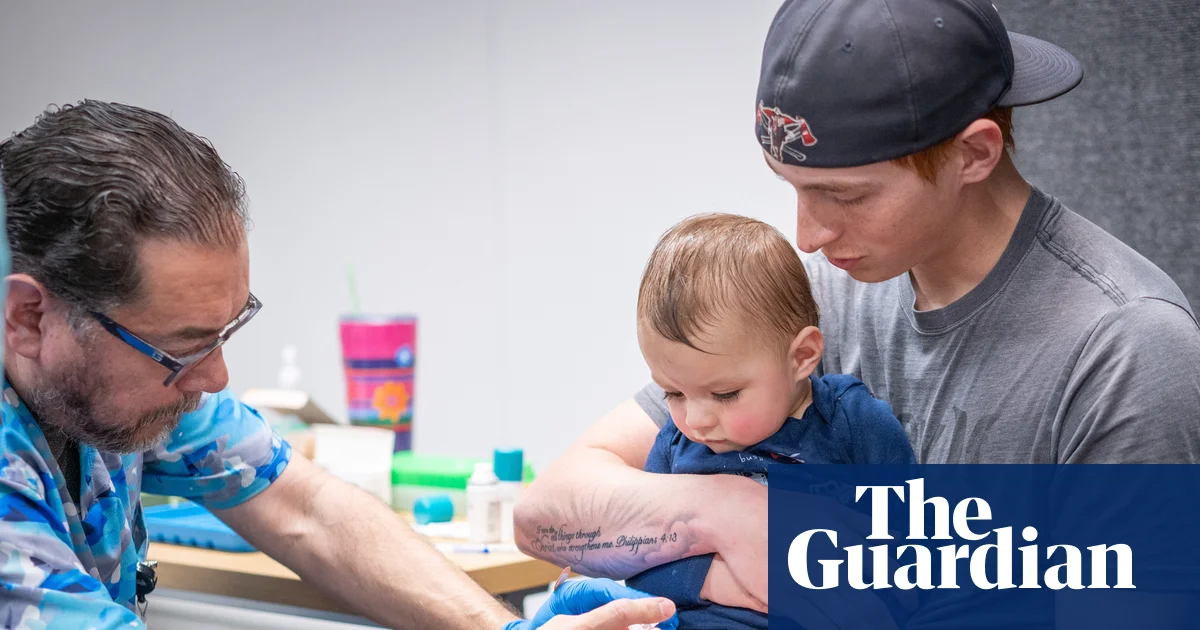
In recent months, social and public health institutions across the United States have signaled a significant shift in their approach to childhood vaccinations. The Advisory Committee on Immunization Practices (ACIP), the longstanding body responsible for setting vaccine recommendations, is re-evaluating its stance, emphasizing individual choice and medical advice over mandated immunizations. This move, led by figures like Kirk Milhoan, a pediatric cardiologist and current chair of ACIP, reflects a broader cultural transformation in perceptions of personal autonomy versus public health responsibility. While advocates argue that this approach preserves individual rights, critics warn it risks undermining the collective safety that decades of vaccination campaigns have built, especially for vulnerable communities.

This renewed focus on personal freedom in vaccine decisions resonates strongly within families and local communities, many of whom have expressed concern that recent policy relaxations could lead to a resurgence of dangerous, yet preventable, diseases. Sociologists like Dr. Michelle Malkin warn that such shifts tend to fragment social cohesion, creating divisions not only between vaccinated and unvaccinated individuals but also within communities where trust in public health authorities wanes. School vaccination requirements, historically a cornerstone of disease prevention, are now being challenged as states and localities gain more authority to set their rules—some permitting philosophical exemptions that many experts believe threaten herd immunity and endanger children with weakened immune systems.

As epidemiologists raise alarms over rising cases of measles, mumps, and polio—diseases once believed eradicated in the U.S.—the debate about personal rights versus collective safety intensifies. The recent surge in measles cases, from a grim 416 confirmed cases this year compared to over 2,200 last year, exemplifies how fragile the health defenses built through vaccination have become. Historians of medicine note that these outbreaks threaten to unravel progress made during the vaccine era, which has saved millions of lives. Yet, the narratives now emphasize risks and fears, fueled by a vocal minority advocating for vaccine optionality, often rooted in concerns over potential side effects. Critics argue that this trend reinforces societal divisions and amplifies health disparities among underserved populations.

Amid this tumult, social commentators and public health advocates emphasize that the rights of the individual must be balanced against the rights of others—especially those incapable of vaccination due to health conditions. They contend that a community-oriented approach, rooted in scientific consensus and moral responsibility, is essential for safeguarding future generations. The challenge for society remains: can community bonds withstand the strain of individual choices, or will society need to forge a new understanding of shared responsibility? As the next ACIP meeting approaches and states consider further exemption policies, society stands at a pivotal point—where hope lies in unapologetically embracing both personal freedoms and collective accountability. In this delicate dance, the resilience of our communities will determine if society can turn the tide and preserve the safety and integrity of our shared future—a future where health, trust, and hope are woven together once more.

Reeves: Student Loan System Is Fair and Reasonable for Students and Society

The Societal Implications of the Government’s Student Loan Policy Shifts

In recent weeks, significant controversy has surfaced surrounding the government’s decision to freeze student loan repayments, a move that has sparked fierce debate across various sectors of society. The Chancellor’s protective stance on this policy aims to address economic strains faced by young adults, yet critics argue that it underscores a broader issue of social responsibility and moral obligation. Notably, Martin Lewis, a prominent financial commentator, has challenged the government’s stance, labeling the freeze as “not a moral thing,” thereby highlighting the moral calculus intertwined with economic policy.

Such decisions resonate profoundly within families, educational institutions, and communities. For families, particularly those from lower-income backgrounds, the ability to afford higher education can be a matter of social mobility. When loan repayments are frozen, it temporarily alleviates financial burden; however, The underlying societal tension remains the same—are we prioritizing immediate economic relief over long-term social equity?. The policy’s ramifications extend into the educational landscape, where access and affordability serve as gatekeepers to opportunity. Sociologist Dr. Emily Carter notes that “when social policies shift in ways that may disincentivize financial responsibility, we risk creating generations disconnected from the moral fabric that underpins societal cohesion.”

Furthermore, the social fabric of communities endures the ripple effects of these policies. Opponents warn that the freeze could inadvertently entrench economic disparities, leaving vulnerable populations further behind. Conversely, proponents argue that it provides necessary breathing space for young professionals to establish themselves without the crushing weight of debt. Historically, as sociologist Peter Saunders reminds us, “Societies that neglect the moral dimension of economic policy often experience long-term social fragmentation.” The debate thus encapsulates a fundamental question: Should economic policy serve immediate relief or foster sustainable social bonds?

As society grapples with this challenge, community leaders, educators, and families face the task of cultivating resilience amid uncertainty. The social issue of student debt becomes not only a matter of individual finance but a symbol of societal values and priorities. Looking ahead, hope lies in fostering a balanced approach—one that recognizes the moral stakes behind such policies while ensuring that economic strategies bolster social cohesion. Society, after all, is not merely a collection of individuals but a living community rooted in shared responsibility and moral accountability. As the nation navigates these turbulent waters, one cannot help but ponder whether future generations will look back on this era as a turning point—either as a moment of moral awakening or a chapter of societal neglect—calling us to choose the path that preserves the dignity of family, education, and community.

Why are so many Turkish women losing their lives? A troubling trend among our daughters.

In the heart of Türkiye, a nation steeped in cultural tradition and rapid modern change, a distressing pattern has taken hold—one that deeply affects families, communities, and the fabric of society itself. Official statistics reveal that every year, more than 250 women die by “falling from high places,” a euphemism increasingly associated with femicide and suspicious deaths. Sociologists and social commentators argue that these figures obscure a harsh reality: many of these women did not jump but were pushed, victims of a broader societal failure to address gender-based violence and systemic indifference. Behind the cold numbers lie devastating human stories that unsettle the nation’s conscience, calling for urgent reflection and reform.

The case of Şebnem Köker exemplifies how social issues—ranging from domestic abuse, gender discrimination, to institutional neglect—intertwine to devastate lives. The police initial investigation, which dismissed her death as a suicide, concealed critical evidence: Şebnem was not alone the night she died, yet authorities failed to thoroughly examine her environment or the people present. Her last known interactions—bordering on clandestine—reveal a young woman caught in a web of complex relationships and societal pressures. Despite her family’s protests, police guided the narrative towards suicide, ignoring forensic evidence and eyewitness accounts suggesting foul play. Such systemic oversight highlights how the societal association of women’s independence with vulnerability, amplified by institutional missteps, perpetuates a cycle of injustice that harms families and erodes trust in the justice system.

The persistent undercounting of femicide in Turkey, according to campaigners like Kav of We Will Stop Femicide, results not just from official apathy but from a systematic failure to properly investigate and prosecute these crimes. Forensic experts internationally have developed methods to determine whether a death was a fall or a push, yet in Turkey, such techniques remain underutilized or ignored. Despite landmark cases—like the conviction of Çağatay Aksu for pushing Shiule Çet off a high-rise—many perpetrations remain uninvestigated, and justice remains elusive. Families, often shattered emotionally and financially, grapple with the pain of lost loved ones, uncertain whether societal neglect or deliberate concealment bears greater responsibility for the silence that envelops these tragedies. Their stories underscore that the social fabric is frayed when gendered violence goes unpunished, leaving families and communities to mourn in the shadows of systemic indifference.

Amid this backdrop, social reformers and legal advocates call for a paradigm shift, emphasizing that justice is a societal responsibility, not merely a bureaucratic process. They argue that the state’s failure to investigate thoroughly, combined with cultural stigmas surrounding women’s agency and mental health, fosters an environment where perpetrators are shielded, and victims’ families are left to seek truth alone. Campaigns promoting forensic advancements and judicial transparency have seen limited success, with advocates like Süren fighting lengthy legal battles to have cases reopened or re-examined. Their persistence offers a flicker of hope—an acknowledgment that change begins with societal acknowledgment of these injustices, bridging the gap between systemic failure and compassionate action. Society finds itself at a crossroads: to confront its failures, reckon with cultural shifts that tolerate violence, and foster community resilience rooted in respect and equality. If society aspires to be more than just a mosaic of broken stories and distant statistics, then it must embrace the moral imperative to protect its most vulnerable, ensuring that the lives lost are not but whispers on the wind but catalysts for transformative justice.

Record Highs Again as Youth Fines for School Holidays Surge

Recent government data indicates a significant increase in fines imposed on parents taking their children on holidays during term time. This uptick underscores a broader societal shift prioritizing **educational continuity over individual family choices**, reflecting the government’s resolve to emphasize the importance of attendance in shaping a skilled, disciplined future workforce. Yet, beneath this administrative move lies a complex web of **social, cultural, and familial implications** that merit careful consideration, especially as the landscape of **modern family life and cultural diversity** continues to evolve.

School attendance is a pillar of a well-functioning society, and educational commentators, sociologists, and historians have long argued that consistent school engagement plays a critical role in reducing social inequalities and fostering social cohesion. However, it is equally vital to recognize how such policies impact **families, especially those from vulnerable or working-class communities**. For these families—often juggling multiple jobs, financial strain, or cultural traditions—the capacity to prioritize academic calendars can come at a high personal cost. The **rise in fines** not only penalizes what some might consider a natural family practice—vacationing together—but also risks further marginalizing those who see value in **cultural flexibility and family cohesion** outside rigid educational regimes.

Such measures also raise questions about the **role of government in regulating personal life** and the extent to which policies can or should influence social norms. Critics argue that the **financial penalties disproportionately affect communities with limited resources**, exacerbating existing inequalities. Moreover, this approach can undermine **families’ agency in choosing time for leisure and cultural enrichment**, which are foundational to personal development and community identity. For many, family holidays represent an essential opportunity for bonding, cultural exchange, and exposure to broader society—elements often undervalued in the relentless pursuit of academic achievement. As **social commentators** note, an overemphasis on strict attendance may inadvertently diminish the importance of **life experiences outside the classroom**, which are equally vital to a young person’s growth.

Furthermore, these fines contribute to ongoing debates regarding **how societal values are shifting towards a more uniform, standardized view of childhood and adulthood**. In a world of increasing diversity—culturally, economically, and socially—such policies can inadvertently suppress expressions of **cultural identity and familial traditions** that do not neatly fit into mainstream educational expectations. Sociologists like **James Coleman** and **Pierre Bourdieu** have highlighted how **social capital and cultural practices** are integral to community resilience and individual well-being. Excessive fines and rigid enforcement risk eroding that social fabric—especially when families are urged to sacrifice **family time for the sake of meeting government standards**.

As society struggles with these complex issues, it is essential to remember that the challenge extends beyond mere policy enforcement. The true task lies in creating a **more inclusive approach that recognizes the diverse needs of families while ensuring children receive quality education**. Solutions may involve greater community engagement, flexible scheduling, or fostering partnerships with cultural organizations that respect **families’ shared values and traditions**. In the end, the hope is that policymakers will see these fines not simply as revenue streams but as catalysts for **dialogue and societal growth**—to forge a society resilient enough to honor both the integrity of education and the richness of family life. Only then can society begin to address the underlying social tensions and work towards a future where children flourish within the context of their families and communities, underpinned by a shared commitment to **social justice, respect, and opportunity**.

Green Party backs former mayoral hopeful for Gorton and Denton byelections, shifting focus to future leadership

The upcoming byelection in Gorton and Denton has become more than a simple electoral contest; it symbolizes deeper social and cultural shifts within the communities of Greater Manchester. With the Green party selecting Hannah Spencer, a councillor and former mayoral candidate, as their candidate, this race highlights the growing influence of youth-oriented, environmentally-focused politics that challenge traditional party dominance. Spencer’s background as both a community member and trade professional exemplifies a shift towards candidates who embody local roots and diverse experiences, resonating with a population increasingly disillusioned with the status quo.

This race is unfolding amidst a fractured political landscape where social issues—from economic inequality to cultural identity—are shaping voter sentiment. The Labour Party, traditionally dominant in the area, is facing stiff competition from Reform UK and the Greens, each representing contrasting visions for the future of society. Labour’s campaign’s emphasis on experience, rooted in their local and national networks, seeks to appeal to voters who value stability and tradition. In contrast, the Greens, led by Zack Polanski, are framing the contest as a “battle for the soul of the nation”, underscoring a desire among younger voters to push for progressive change and environmental justice. This political clash is not merely about policies but about the cultural identity and moral direction of the community, which is sharply divided along generational and ideological lines.

Social tensions are further exemplified by the Green party’s recent endorsements and their outreach efforts. Backed by groups like the Muslim Vote, their support in a constituency with roughly 30% Muslim constituents signals a conscious effort to address **cultural representation and inclusivity**. Such moves reflect a broader challenge minorities and marginalized groups face worldwide: balancing tradition with the push for social acceptance and political influence. As sociologists like Arjun Appadurai have noted, societies are increasingly fractured along lines of ethnicity and faith, yet also eager for a sense of belonging and agency. The Greens’ emphasis on engaging these communities indicates a recognition that future societal cohesion depends on constructive dialogue and representation, even as it stirs debate about social cohesion versus cultural integration.

The families and communities impacted by this electoral contest face very tangible issues: economic opportunities, social inclusion, and cultural identity. The decline of traditional industries and the threats to local jobs create a backdrop where young families seek new pathways to stability, while cultural tensions can either divide or unite depending on how issues are approached. As historian Eric Hobsbawm warned, societal change often occurs through what he termed “the long 19th century of social upheaval,” reminding us that the societal clarity sought in elections is often the result of ongoing, complex struggles. The choices made in Gorton and Denton will resonate beyond these walls, reflecting the society’s capacity to embrace change and tradition alike.

Ultimately, this byelection underscores a society at a crossroads—facing the call for renewal amidst division. Its outcome will signal not just political shifts but reveal how communities choose to navigate the delicate balance of progress and preservation. As society stands on this precipice, one is left pondering—a society’s greatest hope is not in the absence of conflict but in its willingness to transform conflict into conversation, fear into understanding, and division into unity. Only then can the promise of a society that truly reflects its people be realized, shining a hopeful light on the horizon of future generations.

AI in Breast Cancer Detection: Catching Early, Cutting Delays by 12%—A Win for Society

In an era marked by rapid technological advancements, the healthcare sector stands at a crossroads, where the integration of artificial intelligence (AI) promises to revolutionize traditional practices. A groundbreaking study published in The Lancet highlights how AI-supported mammography screening can significantly improve early detection and reduce the incidence of subsequent breast cancer diagnoses. This research, involving a vast cohort of 100,000 women in Sweden, offers a glimpse into a future where families, communities, and educational institutions could benefit from a more efficient and effective approach to combating one of society’s most daunting health challenges. The evidence suggests that when AI pairs with skilled radiologists, the potential to save lives and alleviate healthcare burdens grows exponentially.

  • AI-enabled mammograms resulted in a 12% reduction in breast cancer diagnoses in the years following screening.
  • Over 81% of cancers were detected at the screening stage with AI support, compared to 74% in traditional methods.
  • There was a 27% decrease in aggressive cancer subtypes, offering hope for less invasive treatments.

The societal ripples of these findings extend beyond immediate health outcomes. As social commentators and historians have noted, early detection technologies don’t merely save lives—they reshape perceptions of healthcare, challenge complacency, and redefine societal resilience. For families, this means less devastating news and a greater chance to plan for a future that includes more moments together. For educators and youth, the promise of integrated AI systems emphasizes the importance of STEM education, fostering a generation equipped not just to utilize, but to innovate in the face of complex social issues.

However, voices like Dr. Sowmiya Moorthie from Cancer Research UK urge caution, highlighting that AI should support, not replace, human judgement. As historians have shown, technological progress often carries social tensions, especially when it risks devaluing the human touch that is vital to healthcare. The challenge lies in implementing these innovations thoughtfully, ensuring continuous monitoring and regional adaptability—all while safeguarding the moral imperative to uphold human dignity and comprehensive care. As Dr. Kristina Lång from Lund University emphasizes, the cautious rollout is essential to maintain trust and effectiveness across diverse communities.

Ultimately, society’s journey toward integrating AI in breast cancer screening underscores a larger narrative: the need for equitable access, ethical oversight, and community engagement. When sociologists like Charles Murray or Ben Shapiro consider the implications of technological shifts, they highlight the importance of preserving societal cohesion amid rapid change. In a world where innovations offer hope, it is vital that families and communities remain at the heart of this transformation—ensuring that progress enhances human well-being without sacrificing the core values that bind us together. As society stands on the cusp of a new chapter, the challenge remains: to harness these technologies not just for efficiency but to foster a future where health inequities diminish and every individual has a fighting chance—for themselves, for their families, and for the society we all share.

Academy boss steps back as youth strikes shake society

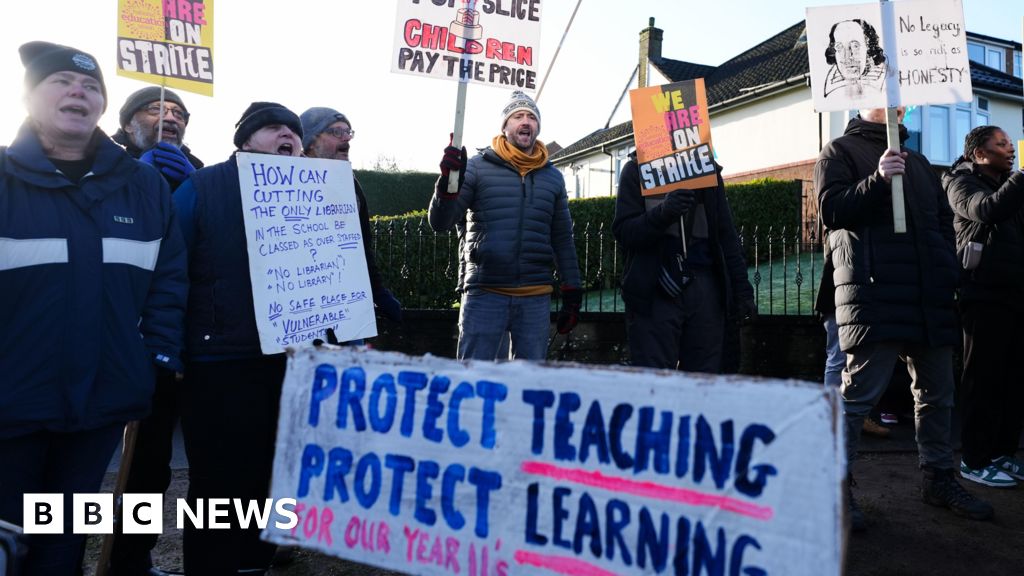
In an unfolding demonstration of societal tension, over 800 school staff members across 20 schools in the West Midlands have recently gone on strike. This significant industrial action underscores deep-rooted issues within the educational landscape, issues that ripple beyond the classroom and into the fabric of families and communities. The strike serves as a stark reminder of the mounting pressures faced by educators, which are reflective of broader social challenges affecting society at large.

At the core of the dispute are concerns over working conditions, salaries, and resource allocations. Teachers and support staff assert that their salaries have not kept pace with inflation, thereby eroding their purchasing power and straining their ability to provide stability for their own families. Moreover, inadequate resources and heavy workloads have heightened stress levels, diminishing the quality of education and support given to students. Historically, sociologists such as James Coleman have demonstrated that the quality of teachers directly influences student achievement, community cohesion, and social mobility. When educators struggle, entire communities feel the repercussions, facing a cycle of underachievement and declining social capital.

This disruption calls into question the very purpose of public education as a pillar of societal progress. As historians like E.P. Thompson have pointed out, a well-educated populace is fundamental to societal stability. Yet, as social strains increase—be it economic hardship, demographic shifts, or cultural tensions—the fractures within institutions become visible. The strike exemplifies how the deterioration of support and respect for educators undermines families’ confidence in the public education system, affecting generations of youth and potentially widening existing social inequalities. Without adequate investment and recognition, the hope of fostering a resilient, educated workforce diminishes, leaving communities vulnerable to long-term decline.

  • Many families depend on predictable school schedules for stability and employment continuity.
  • Students from less advantaged backgrounds face even greater setbacks when schools are disrupted.
  • Communities are left to grapple with the aftermath, often resorting to informal support networks that may lack consistency or reach.
  • Proposed solutions include increased funding, improved working conditions, and more inclusive dialogues between policymakers, educators, and families.

As social commentators warn, neglecting the foundational role of education threatens to widen the cultural and economic divides that already challenge modern society. Addressing these grievances requires a recognition that educators are not merely service providers but vital guardians of societal integrity. By fostering a renewed respect for teachers and investing in the necessary resources, society can begin to rebuild the broken links that threaten to widen the gap between generations and communities. Ultimately, the challenge lies in transforming social issues into opportunities for collective renewal, igniting hope that even amid hardship, society can confront its deepest contradictions and forge a future rooted in resilience, fairness, and shared purpose.

Social Media Auto Publish Powered By : XYZScripts.com