Matox News

Truth Over Trends, always!

Thousands of students face assault on campus, exposing urgent need for stronger safety measures

In a groundbreaking first for England’s higher education institutions, a comprehensive sector-wide survey has unveiled alarming levels of sexual violence and harassment within university communities. The Office for Students (OfS), the regulatory body responsible for overseeing the quality of higher education, surveyed over 52,000 students — specifically final-year undergraduates — and uncovered troubling data that calls into question the safety and moral fabric of our universities. According to the report, 14% of respondents reported being victims of sexual violence, including rape, attempted rape, or unwanted touching, while an additional quarter experienced sexual harassment. These figures not only underscore a societal issue but have profound implications for families, education, and community cohesion.

This wave of revelations reveals a brutal truth: for many young people, university no longer remains a safe haven — a place where minds are nurtured and identities flourish. As sociologist Dr. Anna Bull of the University of York points out, “For these students, university is not a safe or welcoming place,” a stark deviation from the ideal of higher education as a foundation of moral and intellectual growth. The survey also highlighted disturbing relationships involving staff and students, with 1.5% reporting intimate relationships with university personnel, raising ethical concerns about abuse of power and influence. Such situations threaten not just individual well-being, but integrity within academic institutions, fostering distrust that ripples through families and communities alike.

In response to these revelations, universities claim to be “determined to tackle sexual harassment,” with representatives from Universities UK emphasizing efforts to improve reporting channels and support mechanisms. However, social commentators argue that legislative and institutional measures often fall short of addressing entrenched cultural issues. Campaigner Molly Hanning, who experienced her own trauma, has gone further by establishing Academics Against Assault, campaigning for mandatory consent education across all UK universities. Her efforts highlight a vital social shift: youth-led activism is becoming a key driver of social change, as students push for cultural reforms that foster respect, responsibility, and genuine safety. As the government adopts new regulations — including mandatory training and bans on non-disclosure agreements — a louder call emerges for a societal transformation rooted in our moral duty to protect the vulnerable and uphold justice.

As society stands at this crossroads, the question remains: can these institutional reforms be enough to heal the wounds inflicted upon future generations? Molly’s story reminds us that while the road to a safer society is long and fraught with challenges, the hope for transformation persists. Her courageous campaigning and the collective efforts of educators and communities serve as a testament to the resilience inherent in youth and the enduring belief that a society built on dignity and respect is within our grasp. Society’s greatest strength lies not just in laws and policies, but in the moral awakening that calls each of us to uphold the dignity of every individual — a legacy we must choose to pass on for generations to come.
From Gang Member to Change-Maker: Elijah Finds Safety Beyond the Knife

Melbourne’s Youth Violence Crisis: Communities at a Crossroads

Recently, Melbourne has been witnessing a disturbing rise in youth offending and gang-related violence, bringing to light deeper societal issues that threaten the fabric of family, education, and community wellbeing. The tragic stabbing deaths of 15-year-old Dau Akueng and 12-year-old Chol Achiek in Melbourne’s west serve as a stark reminder of how social neglect and rising gang violence can devastate innocent lives. These murders have spurred a fierce debate among social actors, law enforcement, and families about the roots of youth violence and possible pathways toward prevention and social intervention.

At the core of this crisis is a transformation in the nature of youth crime. Sociologists like Dr. Lorraine Sheridan note that modern offending often involves younger children engaging in activities that include carjacking, aggravated burglaries, and weapon carrying—behaviors arising from feelings of displacement and exposure to violence from an early age. Police data underscore this concern; last year, 1,128 children out of 5,400 repeat offenders responsible for nearly 40% of Victoria’s crime were youth, with their offenders arrested over 7,000 times. Such figures highlight how social marginalization and family displacement are fueling a vicious cycle of violence that fractures families and destabilizes communities.

Community and Educational Initiatives as Pillars of Hope

Despite these grim realities, some efforts have begun to show promise. Programs focusing on early intervention and providing alternative educational pathways are proving crucial in redirecting at-risk youth. Elijah, a 17-year-old who credits enrolling in alternative education with steering him away from a life of violence, exemplifies this positive shift. “If it wasn’t for the school, I would probably be locked up or dead,” he admits. His experience underscores a vital truth identified by social commentators like sociologist Dr. James Garbarino: that respectful engagement and supportive environments in schools foster resilience among vulnerable children.

Similarly, Youth Support and Advocacy Services focus on preventing crime before it occurs by working directly with children as young as 12. Officials like Navin Dhillon highlight that many young offenders are diagnosed with mental health issues or come from environments rife with violence and neglect. Addressing these underlying issues, rather than solely relying on punitive measures, is vital for societal healing. As Victoria’s children’s commissioner, Meena Singh, emphasizes, “we must get the basics right”—ensuring young people have safety, health support, and educational opportunities to build a constructive future.

Social Tensions, Cultural Shifts, and the Path Forward

Underlying social tensions are being compounded by cultural shifts and demographic changes. Many youths, especially those from marginalized communities, report feeling *hated* or targeted, which prompts them to carry weapons as a perceived safety measure. This normalization of weapon-carrying, especially in the context of machete bans, highlights a community grasping for control amid chaos. Frontline crime prevention workers increasingly hear that youth violence is often rooted in fear—fear that manifests through online conflicts, gender disputes, and even disputes over reputation or fame within gang circles.

  • Many young people attribute their involvement in violence to a “need for status” or protecting themselves from perceived threats.
  • Violence often begins with petty disputes, which escalate due to online conflicts and perceived disrespect.
  • Gaps in mental health services and the lack of community infrastructure further perpetuate cycles of aggression.

Expert analysts like former detective Pat Boyle echo the need for a holistic approach—one that includes social services, mental health support, and family engagement—drawing lessons from international examples such as Scotland’s foster home oversight to identify and mitigate risk factors contributing to youth reoffending. Recognizing that *many young offenders are victims*, policymakers are urged to shift from punitive to rehabilitative practices that recognize the complex social tapestry shaping these young lives.

Conclusion: Society’s Crossroads and the Promise of Transformation

As society stands at this challenging crossroads, the hope of real transformation lies in listening—really listening—to the voices of young people like Elijah and Kenji, understanding their fears, and addressing the roots of violence in their communities. Children caught in cycles of neglect, violence, and mistaken identity are not lost cause; they are society’s unspoken plea for aid in making sense of a fractured world.

Society’s task is monumental but clear: to forge a future where families are safe, education empowers rather than alienates, and communities become refuges of hope for every child. If yet, society dares to see beyond the veneer of violence and recognizes its own role in nurturing resilience and accountability, then even amid the shadows, a brighter dawn is possible. Humanity’s greatest challenge remains: can we turn the tide of despair into currents of hope, transforming pain into promise for a generation yearning for change?

London schools shrink as families leave, new report reveals

London Schools Face Decline as Demographic Shifts Threaten Community Foundations

In a striking reflection of demographic changes and societal migration patterns, London’s primary schools are experiencing a significant contraction in pupil numbers. According to a recent report by the Education Policy Institute (EPI), since 2019, the capital has seen a decline of approximately 150,000 pupils, a trend anticipated to swell to 400,000 across England by the decade’s end. This phenomenon underscores a larger societal issue: the shifting fabric of families and communities within urban centers, where declining birth rates and an exodus of residents are redefining local identities.

Historically, cities like London have been magnets for diverse populations, offering economic opportunity and cultural vibrancy. Yet, sociologists such as Saskia Sassen have documented how urban demographic shifts tend to accelerate social fragmentation when the core populations grow increasingly transient or opt to leave. The report reveals that nine of the ten local authorities with the sharpest pupil declines are in London, highlighting an urgent challenge that extends beyond education—one that impacts families, social cohesion, and the very sustainability of community institutions. For many families, these changes translate into uncertain futures, with school closures and reduced extracurricular offerings threatening the broader social fabric that binds neighborhoods together.

The financial implications of declining pupil enrollment are equally troubling. Schools are predominantly funded on a per-pupil basis; thus, losing students directly reduces resources, often forcing cuts to staff, programs, and community services. In Westminster, primary pupil numbers have fallen by nearly 16% from 2020-21 to 2024-25, while Southwark’s figures have decreased by over 12% within the same timeframe. These figures illuminate how educational institutions, traditionally seen as pillars of community, are now facing existential threats that could ripple through local economies and social support networks. The NAHT emphasizes that such unpredictable demographic shifts challenge long-term planning, urging policymakers to develop strategies that prioritize community stability rather than reactive closures and funding cuts.

‘Leaving the country’ – A Society in Flux

Experts, including Jon Andrews of the EPI, have pointed out that England’s population dynamics have fundamentally shifted since the so-called post-millennium baby boom. While the birth rate surged temporarily after 2010, recent years have witness a downturn that correlates with a wave of families choosing to move away from urban centers like London. As Andrews explains, the way funding is allocated—dependent on current pupil numbers—fails to account for these demographic realities, leading to underfunded schools and compromised quality of education.

This trend has moral and social consequences: families face upheaval, young children face the loss of community connections, and local institutions struggle to adapt to the changing landscape. The potential for schools to reduce staff or extracurricular offerings underscores a broader societal risk—namely, that education and community-building may become casualties of economic constraints and shifting populations. As sociologists and educators advocate for rethinking funding models and repurposing school spaces, society faces a moral question: How do we sustain our communities when their fundamental structures are in flux?

Innovative Responses and Renewed Hope

In response, some leaders are proposing innovative solutions, like repurposing underused school facilities to serve broader community needs. Former education secretary Damian Hinds advocates for moving beyond per-pupil funding models, suggesting a need for more flexible approaches to accommodate changing demographics. The Department of Education echoes this sentiment by increasing investments to support local authorities and create new childcare spaces, aiming to bolster family stability and community resilience. These efforts reflect an understanding that education must adapt not only to demographic shifts but also to the moral imperative of fostering inclusive, stable communities where families can thrive despite societal upheavals.

Ultimately, society’s challenge lies in recognizing that the decline in pupil numbers signals more than just a demographic trend—it mirrors the fragile state of our communal bonds. To cast aside the rising tide of social fragmentation risks leaving our future generations isolated and disconnected. But with deliberate intervention, community-focused policies, and unwavering commitment, there remains hope that the social fabric can be mended. Society stands at a crossroads, where the choices made today can either deepen divides or weave tighter bonds. The question lingers: Will we seize the moment to reshape our communities with resilience and compassion, ensuring that even amidst change, hope endures?

Year 8 Students Face Mandatory Reading Tests in New Push to Boost Britain’s Youth Literacy

Cracks in the Foundation: Society’s Struggle with Educational Standards and Social Cohesion

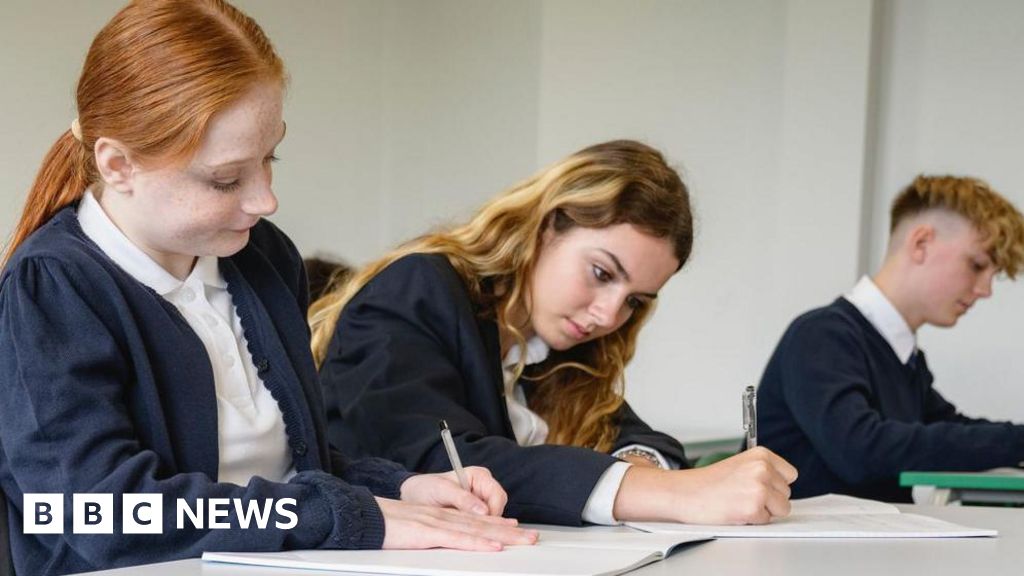
As curriculum reforms and intensified testing take center stage in England’s education policy, the societal fabric faces subtle yet enduring strains. The government’s proposal to introduce mandatory reading tests for Year 8 students highlights a growing concern among policymakers regarding literacy standards and future economic competitiveness. Planned as part of an upcoming white paper, this initiative aims to evaluate pupils’ progress two years into secondary school, reflecting a broader desire to recalibrate educational accountability. However, critics argue that these measures may oversimplify the critical social and moral roles of education, risking a narrow focus that overlooks the diverse challenges faced by families and communities.

Historically, sociologists like Raymond Williams and bell hooks have emphasized that education is more than a standardized test; it is a vital space for cultural transmission, moral development, and social cohesion. Trends reveal that while 75% of Year 6 students met expected reading standards this year, a troubling quarter still fall short, underscoring persistent inequalities. For families from disadvantaged backgrounds, such gaps are compounded by systemic barriers that no amount of testing can fully address. Critics note that the reliance on annual assessments and high-stakes testing contributes to a narrowing of the curriculum, restricting teachers’ ability to cultivate critical thinking, creativity, and moral judgment. Instead of viewing these exams as tools for empowerment, many see them as instruments of compliance that threaten to erode the humanistic elements at the heart of education—elements that directly influence family stability and community well-being.

The debate extends beyond the classroom into the societal implications of these policies. Leaders like Daniel Kebede of the National Education Union warn that increasing test regimes risk fostering “punitive labeling” and academic stress, which disproportionately impact those already marginalized. Such approaches tend to favor a neoliberal narrative—one that equates student success with quantifiable benchmarks rather than holistic development. Meanwhile, critics like Sarah Hannafin of the NAHT argue that “good teaching,” not testing, is the real driver of improvements, emphasizing the importance of investing in resources and support systems. This tension underscores a deeper societal question: how do we balance accountability with the moral imperatives of fostering compassionate, resilient communities?

As society grapples with these dilemmas, the challenge remains clear: to forge an educational environment that values the dignity of each learner and recognizes the societal importance of social cohesion. The upcoming review of the curriculum and assessment framework offers an opportunity to reconsider whether current policies serve society’s broader moral and cultural needs or simply perpetuate a cycle of testing and compliance. Reflecting on the words of social critics and educators, it becomes apparent that true social progress must incorporate moral development, community engagement, and an acknowledgment of the systemic barriers faced by many families. In this crucible of change, society stands at a crossroads—a chance to build not just a qualified workforce, but a society rooted in shared values, hope, and resilience, rekindling the belief that education should uplift the human spirit, not diminish it.

Youth Data Breach Sparks Outrage as Nursery Hackers Threaten to Release More Kids’ Profiles

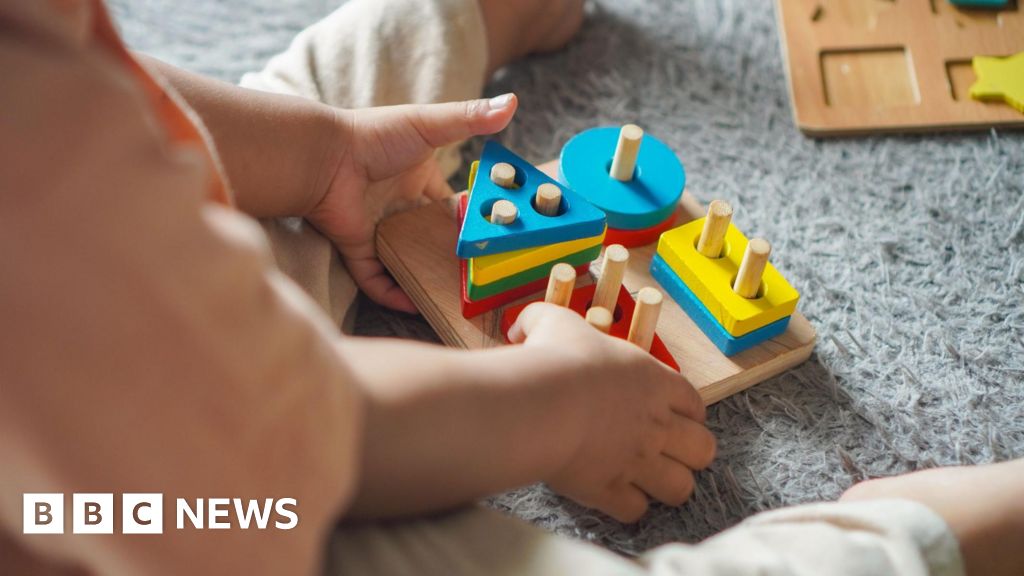
In recent months, the digital age’s dark underbelly has revealed itself through distressing breaches that threaten the very core of family and community life. A shocking example involves the Kido nursery chain, where criminal hackers have taken personal data of young children and their families hostage. The criminals—calling themselves Radiant—hacked into a widely-used software platform called Famly, which is employed by over a million nursery and childcare organizations across the globe. They then posted profiles of 10 children—including pictures, birth details, and contact information—on the dark web, exposing vulnerable families to grave risks. This attack underscores how social issues rooted in cybercrime are impacting families, education, and local communities, showing a sinister new low of digital exploitation.

While the hackers’ motives are driven solely by greed, their actions have profound moral and societal consequences. Young children, who are the most innocent members of society, are now targets in a criminal ecosystem that disregards their safety. These breaches put families at risk of identity theft, online harassment, and other forms of cyber-violence, threatening the very sense of security that should underpin the nurturing environment of early childhood education. Sociologists like Dr. Susan Fiske highlight how such invasions erode trust in institutions meant to safeguard children—trust that is fundamental for healthy community development. In a society where the safety of our youth is compromised in the digital realm, the fabric of community cohesion weakens, and parents grow increasingly anxious about the environment their children are part of.

Adding to the moral outrage is the disturbing reality of criminal extortion tactics. Hackers have called individual parents threatening to release their children’s personales unless a ransom is paid, a tactic that only worsens the social toll. These acts of intimidation are not only illegal but also morally reprehensible, shining a harsh spotlight on how cybercriminals exploit the vulnerabilities of a digital society that often fails to fully protect its youngest members. Authorities, including the Met Police, have launched investigations but warn against paying ransoms, as this only fuels the cycle of lawlessness. Yet, the psychological and emotional impact on families—especially parents who feel helpless and betrayed—can have lasting effects that ripple across communities, hindering the social cohesion necessary for healthy societal growth.

The incident at Kido is a stark reminder that cybercrimes targeting community institutions demonstrate how technological vulnerabilities directly threaten our societal values. As social commentators warn, a society that cannot safeguard its most vulnerable from digital predators risks fragmenting its moral fabric. The challenge remains to develop resilient technological safeguards, bolster community awareness, and foster a moral stance that condemns such unethical exploitation. Ultimately, society’s resilience will depend on how well families, institutions, and governments work together to uphold safety and integrity in the digital age. The path forward involves not just technological fixes, but also a moral renewal—reaffirming that the safety of our children is a collective moral imperative, not a mere legal obligation.

As society faces these complex challenges, it becomes clear that the fight against cybercrimes is also a fight to preserve the moral backbone of our communities. The hope for tomorrow lies in the unwavering commitment to protect the innocence of childhood and to restore confidence in the institutions that nurture and educate future generations. Society’s strength will be measured not only by the technology it employs but also by the moral resolve to face its vulnerabilities with courage and integrity. In this struggle, society must remember that the true victory is not just in defeating the hackers but in reaffirming the moral dignity of a society that refuses to let its most vulnerable become collateral damage in a ruthless digital war. It is in this collective effort that hope resides—the hope that, someday, society will rise resilient, safeguarding its future in the digital dawn, ensuring that the innocence of childhood remains shielded from the shadows of a society still learning to conquer its own shadows.

Private Schools Warned: Higher Ofsted Fees Could Hit Now, Shaping Future Choices

Societal Divide Deepens: The Impact of Private School Policies on Families and Communities

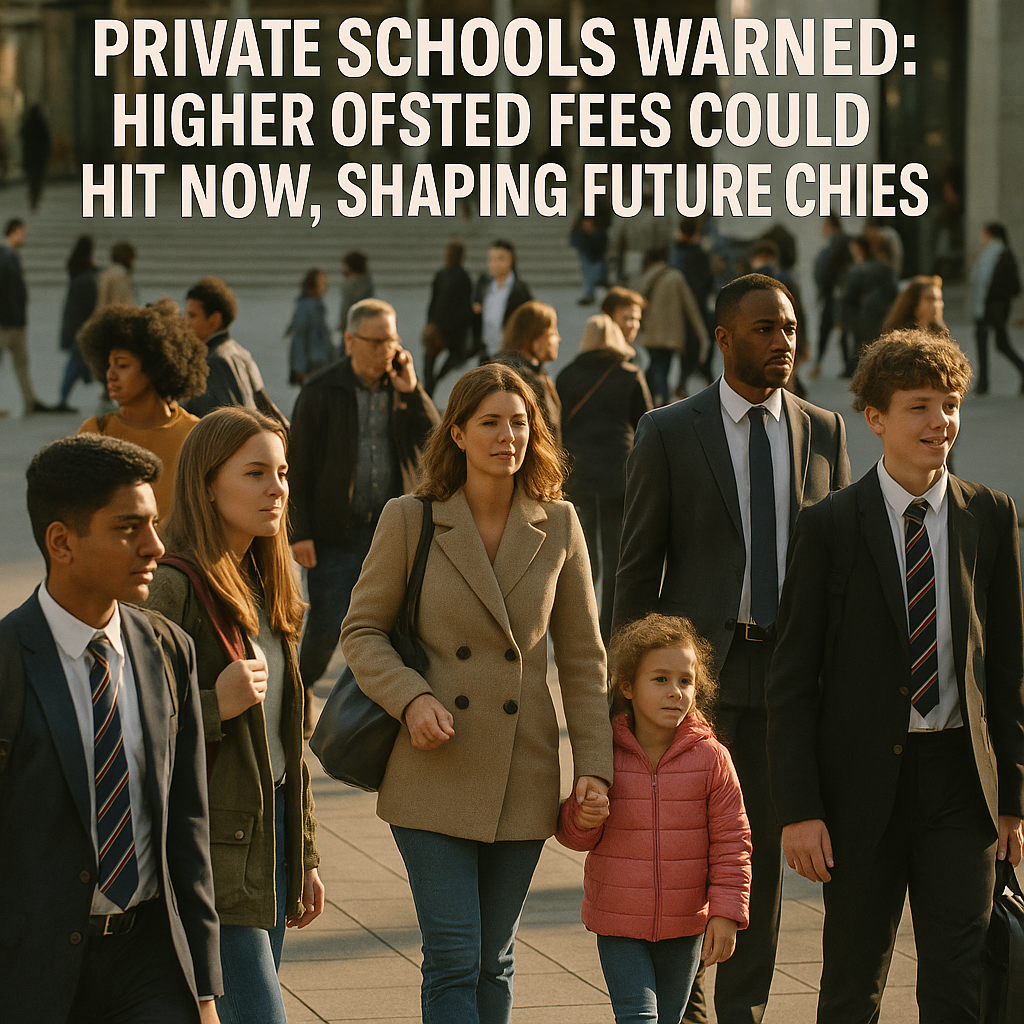
In recent months, the fractures within the fabric of British society have become more evident, as government and educational authorities grapple with the future of private education. The Department for Education (DfE) has proposed increased fees for Ofsted inspections of private schools, a move seen by many as a step toward economic fairness but criticized by others as a threat to exclusive community benefits. Currently, the regulator’s inspection costs are partially subsidized by taxpayers; however, the DfE suggests that private institutions should shoulder more of this burden, claiming that the taxpayer shouldn’t be subsidizing private businesses in this way. This policy shift raises questions about the social cohesion of communities and the role of private institutions within the broader society, especially given their historic role in perpetuating class distinctions and access to elite education.

Private schools inspected by Ofsted—those classified as “non-association”—comprise a significant portion of England’s independent educational landscape, with nearly half the 1,150 inspected institutions being specialized schools catering to pupils with disabilities and special educational needs. These smaller institutions serve as vital anchors for families seeking tailored education for their children—but looming financial pressures threaten their sustainability. The DfE’s proposal to increase fees over the next five years, climbing for schools with 150–399 pupils from £2,500 to £3,300, is part of a broader initiative to channel additional funds into **state school excellence**. Education Secretary Bridget Phillipson insists this approach is aimed at “driving up standards for children in state schools,” but critics argue it risks widening the social divide—thereby impacting family choices, community stability, and the very fabric of local life.

  • The financial burden on private schools could escalate, potentially making it more difficult for families already under economic strain to access these institutions.
  • Such shifts may incentivize educational consolidation, reducing the diversity of school options within communities.
  • The ongoing VAT on school fees and legal disputes over discrimination allegations compound the economic pressures faced by families and institutions alike.

This evolving landscape underscores how social and economic policies directly influence families and community dynamics. The higher fees could deepen existing inequalities, positioning private institutions as increasingly exclusive enclaves while challenging the principles of equal opportunity. Experiencing socioeconomic and cultural transformations, society faces the challenge of balancing meritocracy with accessibility. Sociologists like Charles Murray have long argued that education serves as a cornerstone of societal mobility; yet, policies that threaten to make private education more inaccessible risk entrenching disparities that threaten to undermine social cohesion. As families navigate these shifting currents, their choices and opportunities are being reshaped, impacting generations to come.

Reflecting on these societal shifts demands more than policy adjustments; it calls for a collective moral reconceptualization of what it means to foster an equitable society. The true test lies not merely in economic recalibrations but in nurturing a social fabric where opportunity and dignity for every family remain attainable. However, as history reminds us, societal transformations are seldom smooth, and the resilience of community bonds will be challenged amid economic austerity and cultural shifts. Yet, with deliberate effort and moral clarity, society can forge pathways that bridge divides, ensuring that future generations inherit not a fragmented landscape but a resilient, inclusive, and hopeful society.

Tylenol vs. Paracetamol: What Every Young Parent Needs to Know — Experts Urge Caution During Pregnancy | Autism

In recent years, society has been sharply divided over issues that probe the very fabric of trust in our health institutions and the social understanding of neurodiversity. The controversy surrounding the President’s recent public claims about paracetamol and autism exemplifies a broader cultural battle: on one side, the importance of scientific consensus and on the other, populist narratives that challenge established expertise. Despite the scientific evidence indicating no causative link between acetaminophen and autism, political figures continue to wield influence through misinformation, sowing distrust among families, educators, and healthcare providers. This erosion of trust hampers efforts to keep expectant mothers safe and informed, complicating decisions that directly impact the health of future generations.

The rising prevalence of autism diagnoses, from four or six cases per ten thousand in the past to nearly 1–3% of the population today, underscores a complex social challenge. The widespread recognition and improved diagnostic protocols have played a significant role in this increase, but there remains an unspoken tension about environmental and social factors that could influence neurodevelopment. As sociologists like Dr. Abigail Turner highlight, “the societal narrative frames autism either as a disorder to be cured or as a variation of human cognition to be marginalized.” This dual perception fuels social isolation, stigmatization, and a distorted moral discourse that undermines the dignity of autistic individuals, casting them as problems instead of diverse members of society with their own unique talents and perspectives.

In communities where families face social stigma or insufficient support systems, the pressure to conform to conventional norms often exacerbates feelings of guilt and shame—emotions that are only intensified by political rhetoric suggesting blame or crisis. The recent decision by the FDA to include a warning about a potential, yet unproven, link between Tylenol and autism exemplifies how official guidance can become a battleground for societal fears. While the agency emphasizes the absence of causality, such warnings isolate parents and create a moral dilemma: risk untreated fever versus potential harm, a choice fraught with emotional and social consequence. For parents, educators, and health workers, these shifts threaten to undermine confidence and diminish a shared moral authority essential for community cohesion. As historian Prof. Marcus Lee notes, “the social trust necessary to face health crises collapses when scientific messages are politicized or misunderstood.”

Amidst this turbulent landscape, hope lies in the resilience of communities dedicated to fostering understanding and inclusion. Initiatives like increased funding for neurodiversity acceptance and evidence-based public health campaigns aim to recalibrate societal attitudes, emphasizing mercy over blame and support over stigma. As social commentators like Dr. Lisa Grant argue, “transformative change begins when society recognizes our collective responsibility to protect and uplift all its members, regardless of diagnosis or societal expectations.” Only through a firm commitment to truth and community engagement can society navigate these social fissures, transforming fear into hope, division into unity, and misinformation into knowledge. The challenge remains, yet within this struggle lies the potential for society to forge a future where trust and compassion become the new anchors of social cohesion, illuminating a path toward a society that truly values every individual’s human dignity.

Boosting Your Mojo: Understanding Low Libido and How to Rekindle Your Passion

Addressing Postpartum Intimacy: Holly Hagan-Blyth’s Perspective on Modern Parenthood

In a recent discussion on the CBeebies Parenting Helpline, reality television star Holly Hagan-Blyth candidly shared her personal experience with intimacy challenges after childbirth. Following the birth of her son Alpha-Jax in 2023, Hagan-Blyth reported a significant drop in her libido, a feeling echoed by many new parents. The phenomenon of libido loss after significant life changes—particularly pregnancy and childbirth—is further highlighted by the NHS, which emphasizes the commonality of this struggle among new mothers.

Hagan-Blyth conveyed her feelings of detachment, stating, “I could have said, ‘listen, if you don’t touch me ever again, I’m not even bothered,’” reflecting the emotional and physical transformations that accompany motherhood. This sentiment is not unusual; many women anticipate a return to normalcy post their six-week check-up but often find that the reality is more complex. Relationship and sex therapist Rachel Gold noted that while six weeks is often perceived as the timeline to resume sexual activity, many factors—including hormonal changes and the healing process—can extend this period.

Moreover, Hagan-Blyth’s honest dialogue with her husband proved pivotal in navigating their altered intimacy. By expressing her feelings of discomfort and the pressure associated with physical touch, their relationship began to improve. This openness underlines the importance of communication in healthy partnerships, particularly during the challenging postpartum phase when emotions and expectations may be misaligned. Hagan-Blyth advocates for clearer communication among couples facing similar issues, emphasizing the unexpected nature of the changes that come with parenthood.

Compounding Hagan-Blyth’s experience is the perception that these challenges solely affect women; however, responses from CBeebies Parenting Helpline listeners indicate that men may also grapple with similar feelings. A listener named Frankie reported her partner’s loss of sexual interest, which compounded her own insecurities about body image postpartum. This scenario illustrates how the transition into parenthood can affect both partners in a relationship, highlighting the need for mutual understanding and support. As experts suggest, normalizing these conversations can lead to more constructive outcomes.

In light of these reflections, experts advise new parents on navigating intimacy post-birth. Suggestions include acknowledging and normalizing the changes in libido, employing patience during the healing process, and taking time to redefine intimacy—focusing on emotional connection and non-sexual affection. Open communication between partners about their feelings, expectations, and responsibilities can significantly alleviate the stress of this transition. For those facing ongoing challenges in their relationship, seeking professional support through counseling or therapy is recommended.

The discussion surrounding postpartum intimacy is not merely a personal narrative but resonates widely across communities, emphasizing the need for societal conversations around mental health and relationship dynamics during the pivotal stage of parenthood. As more voices like Hagan-Blyth’s emerge, they may encourage others to address their situations candidly, ultimately fostering stronger relationships and healthier family environments.

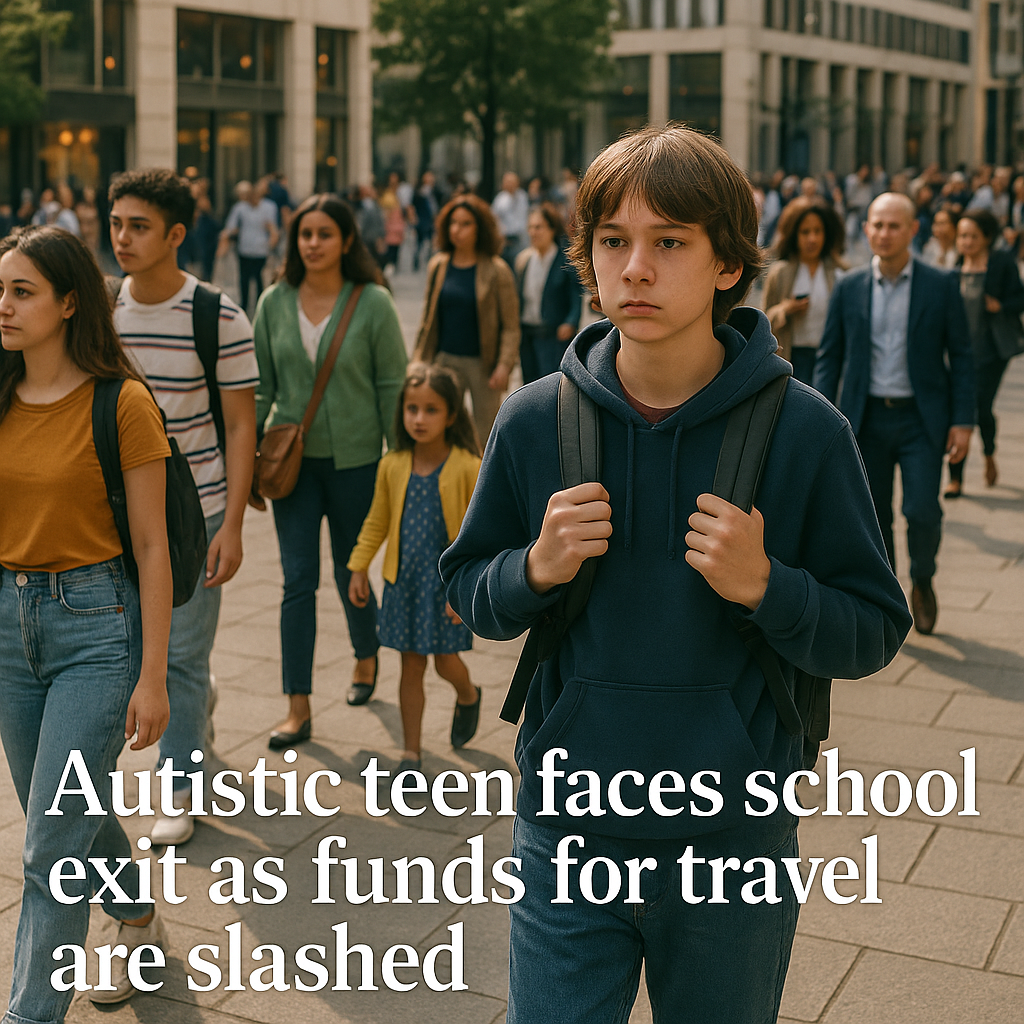
Autistic teen faces school exit as funds for travel are slashed

In a society that prides itself on fairness and compassion, the unfolding crisis in special educational needs and disability (Send) support exposes a harsh reality: families caring for children with complex needs are facing systemic neglect and social insensitivity. As communities increasingly rely on local governments to bridge gaps left by austerity-driven cutbacks, the stark disparities in support serve as a wake-up call to reevaluate societal priorities. The story of Luke, a fourteen-year-old autistic boy with sensory processing disorder and ADHD from Somerset, exemplifies how families are being left to shoulder the burden of inadequate social services, impacting not only the well-being of individual children but also the fabric of their families and communities.

With the transition to post-16 education, families like Luke’s find the support structures that once provided essential aid suddenly dissolving. Somerset Council’s decision to cease paying for Luke’s specialized transport—a taxi and in-car support worker—highlight the increasing disconnect between policy and human need. Now, his family faces a difficult choice: to bear the financial weight of costly travel alternatives or to risk safety by navigating unpredictable, unsupervised journeys. This shift not only endangers children like Luke but also underscores a broader societal failure to protect vulnerable youth. Social commentators and sociologists warn that when communities fail to provide adequate support, they risk fragmenting under the weight of inequality, with families bearing the brunt of systemic neglect.

‘Not safe’: The Human Cost of Systemic Austerity

Luke’s mother, Tatjana, describes her son as having “no road safety, no danger safety,” emphasizing that in his current state, he cannot transition to independent travel without significant risk. Her account sheds light on a fundamental moral challenge: the ethical obligation of society to safeguard its most vulnerable members. Since reaching age 16, Luke’s family has been offered a mere “Personal Travel Payment” of fifty pence per mile. Yet, with specialist taxi costs reaching nearly £97 per journey, this amount is grossly insufficient. The loss of dedicated, trained support for children with complex needs often translates into families sacrificing their financial stability and mental health.

Social historian Dr. Helen Miles notes the deterioration in support for families with special needs children, warning that “the long-term consequences threaten to erode social cohesion.” Families, especially those with physical or emotional hardships, become isolated as they struggle to fill the void left by underfunded government programs. Tatjana’s story—her partner’s spinal condition, her former husband’s leg amputation—epitomizes that the social safety net is fraying for those who need it most. Without sufficient support, children like Luke may face a future marred by instability, frustration, and the risk of educational failure, which inevitably impacts families’ stability and the community’s social fabric.

‘The system is broken’: Calls for reform and renewed hope

Former MP Gideon Amos articulates a bitter reality: “The Send system is broken.” His comments reflect a growing frustration among politicians, social workers, and families alike, who observe that “the current approach fails not just in policy but in moral substance.” The Department for Education’s promise to reform and “transform outcomes” signals an opportunity but also a challenge: society must reimagine how it cares for its children. Local authorities like Somerset claim they put “care and consideration” into decisions but admit their resources are stretched thin.

  • The current figures show approximately 120 post-16 Send children in Somerset rely on transport support, a number that is unlikely to decline given demographic trends.

This ongoing crisis is a stark reminder that without fundamental systemic overhaul, support for vulnerable children risks becoming a token gesture rather than a societal commitment.

As society stands at a crossroads, the question remains: will society’s collective moral conscience awaken to the plight of children like Luke? The stories behind policies are rooted in human faces—families torn between love and survival, children with dreams hindered by systemic neglect. The challenge ahead is not merely administrative but moral: to build a society where every child’s safety, potential, and dignity are prioritized, regardless of age or ability. In this moment of societal reflection, hope lies in collective action, reform, and an unwavering commitment to transform social failure into a future where every child can find their place. Only then can society truly claim to be just, compassionate, and resilient—qualities that define the strength of a civilization.

Social Media Auto Publish Powered By : XYZScripts.com