Matox News

Truth Over Trends, always!

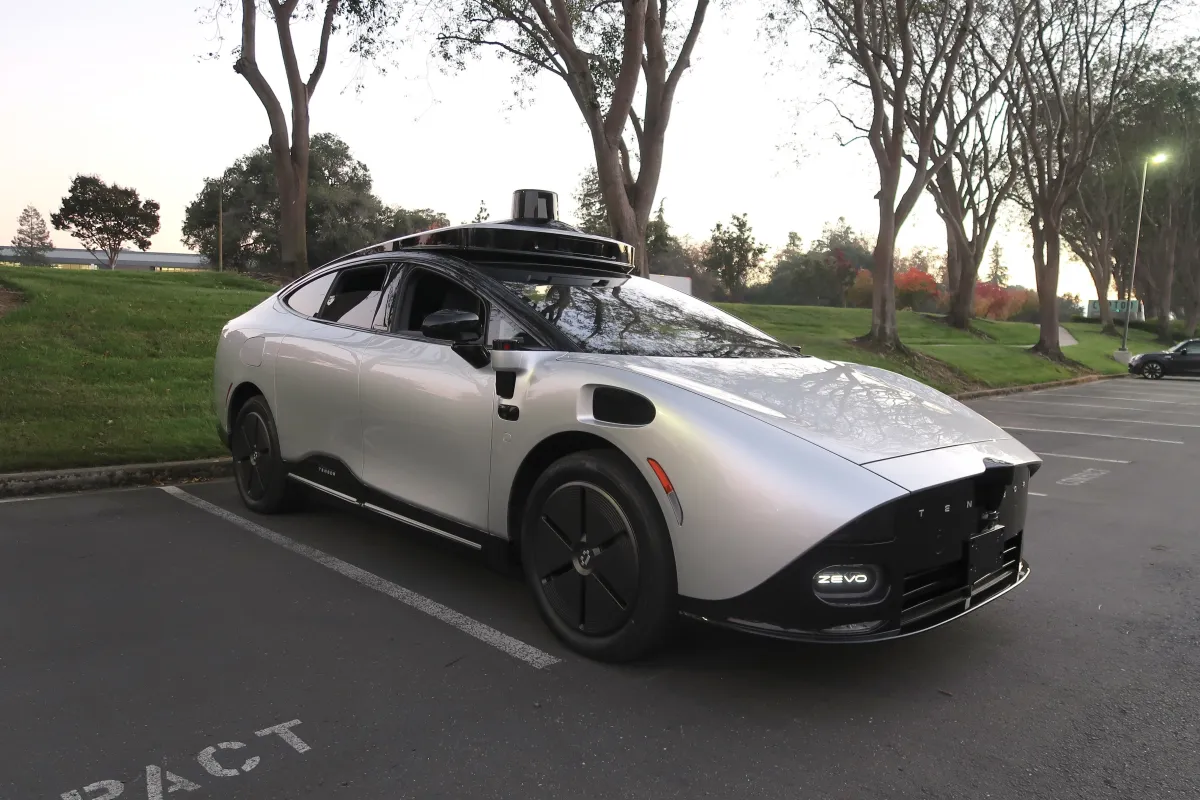
Zevo Ventures plans to boost its car-share fleet with robotaxis, kicking off with fresh face Tensor

Emerging Autonomous Vehicle Startups Disrupt Traditional Automotive Industry

In a landscape increasingly defined by **innovation** and **disruption**, startups like Tensor are challenging the conventional automotive giants with groundbreaking visions of autonomous mobility. Emerging from the China-based firm AutoX, Tensor boldly claims it will be the first to market fully autonomous vehicles to mainstream consumers as early as 2026. Such momentum signals a clear **shift** toward a decentralized, AI-driven transportation ecosystem with significant business implications, including the dawn of **personal AVs** and **peer-to-peer mobility services**.

Tensor’s vision aligns with a broader trend identified by analysts at Gartner and MIT, where the barrier to entry for **robotaxi** networks is lowering, bolstered by startups willing to embrace **risk** and innovation. The company’s forthcoming partnership with Zevo—which intends to deploy up to 100 Tensor AVs—serves as a testbed for **decentralized mobility solutions**. This move hints at a future where individual ownership extends beyond traditional vehicles, ushering in a new era of **personal AI-enabled** transportation, with owners possibly deploying their cars for income-generating services, like ride-sharing—a concept advocated by visionaries such as Elon Musk.

However, the road ahead is lined with formidable **challenges**. Trust in **scaling** autonomous technology remains a critical hurdle, as recent history has shown that many startups faltered when trying to standardize reliable manufacturing processes. Tensor’s limited track record and the **technological gaps** faced by legacy automakers reveal the **competitive landscape’s volatility**. Yet, the startup ecosystem’s agility—coupled with the increasingly supportive regulatory environment—places high-stakes bets on rapid **deployment** and **market capture**. Zevo’s willingness to invest in **software integration** and the potential for **peer-to-peer sharing** platforms exemplifies the industry’s move toward a **networked** model that could redefine how mobility and business intertwine.

As industry leaders and tech innovators forecast, the next decade will be pivotal. Observers like Peter Thiel warn that *”those who control the underlying AI infrastructure will dominate the new economy,”* emphasizing the importance of early bets on companies like Tensor. The convergence of **entrenched tech giants**, **startups**, and **venture capital** signals a **bidding war** for AI supremacy in mobility. This new wave of **disruption** will likely favor those who prioritize **software innovation**, **cost reduction**, and **scalable manufacturing**. With the **driverless revolution** expected to reshape urban transport, logistics, and even personal ownership, every stakeholder must act swiftly to avoid obsolescence.

The future of autonomous vehicles is not merely about safer, more efficient transport—it’s about **changing the very fabric of urban living and commerce**. Innovation-oriented startups are **pushing the boundaries** of what’s possible, prioritizing **flexibility**, **adaptability**, and **user empowerment**. As these **disruptive players** continue to challenge traditional automakers, the industry must adapt or risk being bypassed. With **technological leaps** accelerating, and **business models** evolving at an unprecedented rate, the coming years will be critical. Stakeholders who act with **urgency** and **vision** will determine who emerges as the true **pioneers** of this autonomous future—and those who hesitate may find themselves left in the dust of a **metamorphosing** mobility landscape.


Global ‘Super App’ Debuts with Crypto Payments and Private Chat Features for the Next Generation

Revolutionizing Digital Identity and Payments: Tools for Humanity Launches Next-Gen World App

The digital landscape is entering a new era of security, authenticity, and decentralization, driven by Tools for Humanity‘s innovative World App—marketed as a “super app” with disruptive potential for social interaction and financial services. Launched by the startup in 2023, this platform is positioning itself at the forefront of the identity verification and cryptocurrency integration revolution, directly challenging marquis players like WhatsApp and PayPal by integrating web3 principles into everyday social and financial activities. In a time when AI-generated disinformation and digital fakery threaten online authenticity, the company’s core mission—creating verifiable “proof of human” — signals a shift toward a more trustworthy, privacy-preserving digital future.

The latest iteration of the World App introduces groundbreaking features designed to disrupt the status quo. At the heart of this innovation is the verification network, which leverages a proprietary iris-scanning system called the Orb. This biometric verification technique produces a highly secure, encrypted unique digital identity—the verified World ID. As AI-driven misinformation proliferates, this behind-the-scenes cryptographic shield aims to establish a trusted digital ecosystem where users can distinguish genuine humans from bots with ease. During a recent event in San Francisco, Altman explained that the company’s vision centers on balancing privacy with identification, creating a new economic model based on web3 principles that could redefine online interactions.

The app’s new World Chat feature exemplifies this approach, providing end-to-end encrypted messaging comparable to Signal, while offering color-coded speech bubbles to verify user identity visually and intuitively. Designed to foster social connectivity, it aims to fill a critical market gap for secure, social communication. In addition, the platform’s expanded digital payment capabilities integrate cryptocurrencies directly into users’ virtual wallets, enabling peer-to-peer transactions, salary deposits, and seamless bank account integration—regardless of verification status. Such features signal a disruptive move toward financial sovereignty and peer-based economies, aligning with industry forecasts highlighted by institutions like Gartner, which emphasize AI and blockchain as the twin pillars of tomorrow’s tech ecosystem.

Industry analysts such as MIT’s Kevin Esvelt and venture capitalists like Peter Thiel are paying close attention. They see Tools for Humanity’s model as a blueprint for a future where *digital trust* is anchored in cryptographic verification—a crucial component often missed in traditional social and financial platforms. While critics warn of privacy concerns, the company emphasizes that its encryption standards match or exceed industry leaders like Signal. The key business implication is clear: disruption is underway, and existing giants that rely on opaque verification methods risk obsolescence. The integration of biometric identity with decentralized finance creates a formidable competitive advantage, especially for startups and incumbents who overlook the urgency of evolving trust and security in digital spheres.

Looking forward, the rapid advancement of AI, blockchain, and biometric verification points to an increasingly dynamic and competitive landscape. Time is of the essence for traditional players to innovate beyond outdated KYC systems and siloed social platforms. As user demand for privacy and authenticity grows, and regulatory frameworks evolve, companies like Tools for Humanity are positioned to lead a fundamental shift in digital identity and commerce. The question remains: who will seize this disruptive wave and shape the future, or be left behind in the wake of rapid technological evolution? The spotlight is on innovators to accelerate the deployment of trustworthy, privacy-centric platforms that could redefine human interaction in the digital age.

Crypto mogul Do Kwon gets 15 years behind bars—big win for accountability

South Korean Crypto Entrepreneur Do Kwon Sentenced to 15 Years in U.S. Court Amid Industry Disruption

In a landmark ruling that underscores the high-stakes nature of cryptocurrency innovation and the risks tied to speculative assets, Do Kwon, the South Korean crypto pioneer and founder of Terraform Labs, was sentenced to 15 years in prison by a U.S. federal court in Manhattan. This case not only marks a significant legal milestone but also signals a stern warning to emerging disruptive financial technologies that threaten to reshape traditional markets. Kwon’s conviction was rooted in the collapse of TerraUSD (UST), a supposedly algorithm-backed stablecoin that aimed to revolutionize digital finance but ultimately became a cautionary tale of overconfidence in unregulated innovation.

The fallout from the breakup of TerraUSD in May 2022 was catastrophic—wiping out an estimated $40 billion from the crypto ecosystem and destabilizing numerous startups and investors worldwide. Kwon’s aggressive marketing of UST, a stablecoin purportedly pegged to the U.S. dollar via a complex algorithm involving the LUNA token, exemplifies what industry analysts describe as the misplaced trust in algorithmic financial mechanisms. By offering a supposedly tamper-proof peg, Terraform Labs promised a new frontier of stable digital assets. Instead, the system’s failure exposed vulnerabilities inherent in decentralized finance (DeFi), revealing the hazards of unchecked entrepreneurial zeal.

  • Disrupted Market Dynamics: The collapse led to market panic, triggering a cascade that affected dozens of crypto firms and investors.
  • Regulatory Clarity: The case marks a pivotal step towards more rigorous oversight, as authorities aim to curb fraud and promote responsible innovation.
  • Innovation vs. Risk: The incident emphasizes the importance of balancing disruptive advancements with sustainable, transparent frameworks—an area where industry leaders like Elon Musk advise caution.

Among industry observers, analysts at Gartner and MIT emphasize that this high-profile case could accelerate regulatory actions worldwide, compelling blockchain developers to adopt more rigorous security standards and compliance protocols. The case also ignites a broader debate on the future of stablecoins, which are seen as vital for mainstream adoption of digital currencies and decentralized financial services. However, critics warn that the reliance on complex algorithms without adequate safeguards can lead to systemic failures, threatening the integrity and sustainability of the crypto economy.

The sentencing underscores a challenging but inevitable trajectory for crypto innovators—those who push the boundaries of digital finance must now reconcile with growing regulatory scrutiny and the imperative for sound risk management. The industry’s future hinges on the ability of entrepreneurs and institutions to learn from these failures, fostering innovation that not only disrupts but also endures. As the sector heads into a new era marked by increased oversight and technological maturation, stakeholders are urged to act swiftly—those who adapt and innovate responsibly will lead the next wave of digital transformation, while complacency risks catastrophic fallout. The next chapter in crypto innovation will be shaped by how the ecosystem responds to this historic judgment, with urgency and strategic foresight taking center stage.

AT&T’s Connected Life: A Fresh Play in the Smart-Home Arena

AT&T Reimagines Smart Home Market with Connected Life Launch

The telecommunications giant AT&T is making a bold second move into the smart home ecosystem with its newly announced Connected Life platform. After the company’s earlier effort, Digital Life, was phased out in 2022—owing largely to the obsolescence of its underlying 3G network—AT&T is now leveraging a strategic partnership with Google and Abode to disrupt traditional home security and automation markets. This move highlights a growing trend among established tech and telecom giants eager to integrate connected devices into a unified, user-friendly ecosystem that capitalizes on existing customer bases and facilitates rapid adoption.

At the core of Connected Life is a focus on innovation and disruption. The platform bundles Google Nest smart devices—though not the latest versions—and security sensors into two different kits: the Starter Kit at $11 per month (or $399 upfront) and the Advanced Kit at $19 per month (or $699 upfront). The Advanced Kit expands on features with additional sensors, a security keypad, and a Nest Cam security camera, providing an integrated end-to-end smart home experience designed to simplify user setup and management. This market shift towards turnkey solutions is driven by consumer demand for seamless integration, together with the rise of professional installation services that reduce barriers for less tech-savvy users. Google’s API integration through the Google Home platform ensures devices are manageable via a single app, emphasizing the importance of interoperability—a principle championed by MIT’s recent research on smart ecosystems.

From a business perspective, AT&T’s move signifies a strategic disruption of incumbents in smart home security. Given that AT&T has over 119 million wireless mobile customers and more than 10 million fiber optic internet subscribers, its potential reach to pitch a unified smart home solution is unprecedented. This business model consolidates multiple lines of service: telecommunications, internet, and smart devices—creating an ecosystem that fosters customer retention and opens new revenue streams. Industry analysts from Gartner suggest that such integrated platforms could redefine consumer expectations, forcing competitors like Amazon, Apple, and smaller startups to accelerate their own innovation cycles. What remains to be seen is whether AT&T can leverage its scale to deliver on reliability and user experience, critical factors for disruption success in this crowded space.

Looking to the Future: Innovation as the New Norm

The launch of Connected Life signals an industry-wide pivot towards consolidated, AI-enhanced smart environments. With ongoing advancements in AI, sensor technology, and 5G connectivity, the industry is on the cusp of a new era where homes will become autonomous, predictive, and deeply integrated with daily life. It’s a call to industry leaders and innovators alike: innovation and disruption are no longer optional but essential for survival in this rapidly evolving market.

As Elon Musk and Peter Thiel have often noted, disruption is the engine of progress. Falling behind in this race risks obsolescence, especially as consumer expectations shift toward ease and security. With AT&T’s formidable scale coupled with strategic partnerships, the company is clearly positioning itself to be a market leader—not just in connectivity but in the digital transformation of the smart home. The next few years will be crucial in determining whether this initiative can sustain innovation and truly disrupt industry giants. The future belongs to those who accelerate—this is the moment for bold moves, rapid iteration, and relentless pursuit of the cutting edge.

Next-Gen Carbon Removal Tech Fails to Make a Splash

Innovative Ocean Geoengineering Firm Fades Amidst Unforeseen Risks and Funding Woes

In a striking example of the volatile intersection between technological innovation and environmental risk, Running Tide, a pioneer in marine geoengineering, has effectively shut down its operations following mounting financial challenges and unresolved scientific concerns. Despite promising early commitments from industry giants such as Stripe, Shopify, Microsoft, and the Chan Zuckerberg Initiative, the company’s ambitious plan to utilize ocean-based wood-chip dumping to sequester atmospheric carbon has encountered fundamental scientific obstacles and public skepticism. Odlin, the company’s CEO, publicly confirmed in June 2024 that “there simply isn’t the demand needed to support large-scale carbon removal,” marking a sobering end to a venture that once captured the imagination of climate tech advocates.

The core innovation behind Running Tide was its attempt to leverage natural ocean processes by sinking biomass—primarily wood chips—in hopes of accelerating carbon sequestration. However, scientific feedback from oceanographers and deep-sea experts reveals that such interventions may have unpredictable and potentially devastating ecological effects. For instance, Odlin himself admitted that monitoring the fate of Wood-chip deposits proved impossible after just a few hours post-release, raising serious questions about the viability of accurately assessing the environmental impact of such efforts. Environmental scientists, including Samantha Joye of the University of Georgia, warn that biomass dumping could create “dead zones,” where oxygen deprivation obliterates aquatic life, and could also irreparably damage deep-sea ecosystems that are vital for medical research and understanding Earth’s early history.

This uncertainty underscores a critical challenge: the disruption of seabed ecosystems may hinder the ocean’s ability to naturally absorb carbon rather than enhance it. A recent carbon flux report from the Convex Seascape Survey warns that disturbing seabed sediments can inhibit their capacity to sequester carbon, which runs counter to the intended purpose of biomass sinking initiatives. Such revelations expose the significant *business risks* associated with ocean geoengineering ventures — assets often backed by well-meaning, yet under-informed investors, now faced with mounting scientific doubts and regulatory hurdles.

The demise of Running Tide signals a wider industry reckoning about the *disruption* and *unpredictability* inherent in emerging climate tech solutions. While the promise of harnessing oceans for climate mitigation is enticing, the ultimate challenge remains: merging cutting-edge technological innovation with rigorous scientific validation. As the global community grapples with *climate change*, these failures highlight that “disruption” in green tech cannot come at the cost of ecological stability or scientific integrity. Industry leaders, research institutions like MIT, and forward-thinking investors must now prioritize transparent, interdisciplinary research that refuses to sacrifice ecological health for techno-optimism.

Looking ahead, the rapid acceleration of ocean-based techniques should serve as a warning to policymakers and entrepreneurs alike: true disruption for the sake of innovation demands a cautious approach—one that recognizes the limits of current science and the urgency of ethically responsible innovation. With climate change pressing ever more urgently, the future of technological solutions depends on our capacity to develop methods that are both effective and ecologically sustainable. The path forward must balance youthful ambition with sober scientific scrutiny, ensuring that technological progress does not unwittingly unleash irreversible damage beneath the waves.

Score 25% Off Classic Crew Necks This Holiday Season!

Consumer Apparel Innovation Sparks Industry Disruption

In a clear demonstration of how consumer preferences are shifting towards comfort and simplicity, True Classic has disrupted the saturated apparel market with its versatile black crew-neck shirts. Highlighting the growing demand among young consumers for familiar, high-quality basics, the company’s targeted marketing emphasizes the appeal of “virtue” in wardrobe staples, aligning with a broader cultural push towards authenticity and practicality. This shift marks a notable departure from fast fashion’s obsession with rapid turnover and disposable trends, signaling a move towards sustainable, well-made essentials.

Analysts observing the space, including those at Gartner and MIT’s Sloan School, note that disruption in apparel is increasingly driven by innovation in direct-to-consumer business models and dynamic pricing strategies. True Classic’s success stems from leveraging limited-time offers, such as their current “58 percent off” flash deal—effectively an additional 25 percent discount on bulk purchases—demonstrating the power of aggressive pricing tactics to redirect consumer spending away from traditional retail giants. Such models challenge established retailers, prompting a reevaluation of supply chain logistics and marketing strategies in a highly competitive environment.

The business implications are profound. With brands like True Classic appealing to younger demographics that prioritize authenticity and value, traditional apparel retailers face increasing pressure to innovate. Disruptive technologies, such as AI-driven customer insights and supply chain optimization, are now core tools for staying relevant. As Elon Musk often emphasizes, “Innovation is about solving problems faster than your competitors.” This ethos is driving smaller brands to leverage data analytics for targeted offers, creating a more personalized shopping experience that encourages brand loyalty in a market heavily influenced by social media marketing and influencer endorsements.

Looking ahead, the apparel industry must navigate a landscape where consumer expectations for rapid innovation and ethical manufacturing are converging. The next wave of disruption is poised to incorporate emerging technologies like sustainable fabrics, 3D printing, and blockchain-based supply transparency. As Peter Thiel advocates, “Control of the means of production and distribution is the ultimate power.” Moving forward, companies that master these innovations will dominate market share, while others risk obsolescence. The urgency for established players to adapt swiftly is clear: the future belongs to those who disrupt or are disrupted, making it an exhilarating time for tech-driven fashion entrepreneurs willing to challenge the status quo.

NASA and USPS ditch Canoo EVs amid CEO’s bold support fallout

NASA, USPS Cut Ties with Canoo Amid Bankruptcy and Market Disruption

The rapidly evolving electric vehicle (EV) sector continues to challenge conventional industry norms, with major government agencies re-evaluating their reliance on early-stage startups. NASA and the United States Postal Service (USPS), two key institutional players, have severed their ties with the once-promising EV startup Canoo. This move underscores a broader narrative of disruption and fragility in the emerging EV business landscape, where innovation is often hampered by financial instability and strategic misalignments.

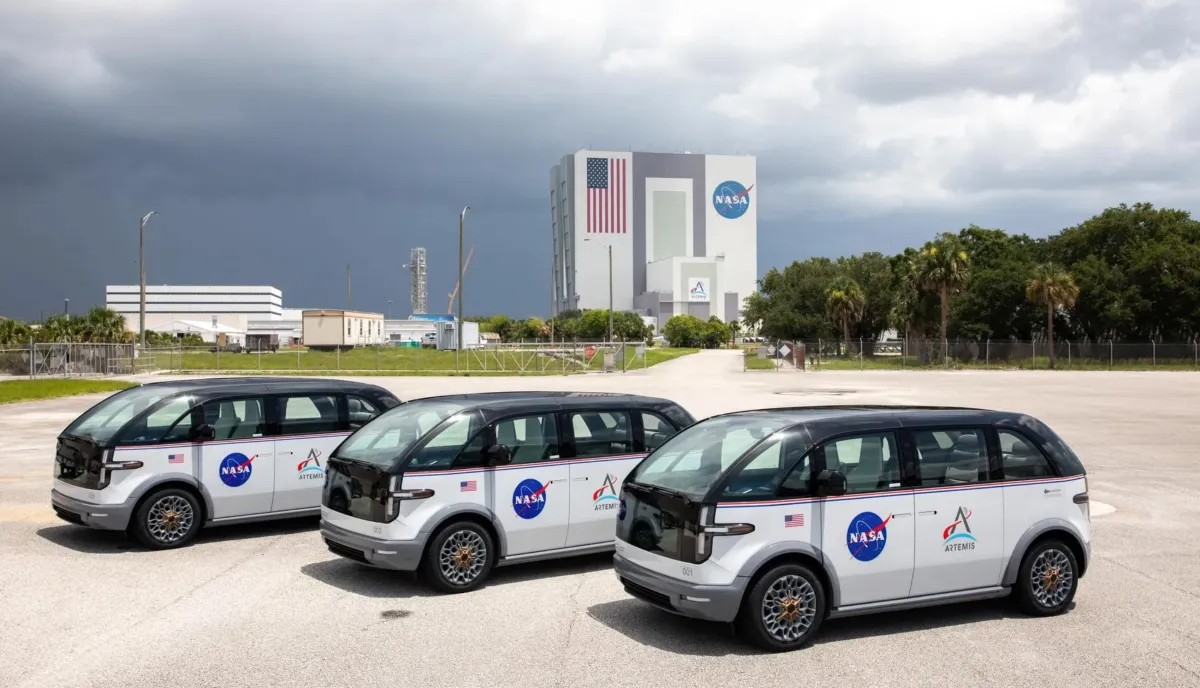
In 2023, NASA procured three Canoo EVs intended to support the Artemis lunar missions, specifically to shuttle astronauts to the launchpad. However, by October, NASA publicly stated that Canoo was unable to meet its mission requirements, leading to a swift transition to leasing the Astrovan, developed by Boeing and built by Airstream, for crew transportation. The decision highlights a industry-wide shift where the reliability and scalability of fledgling EV firms are increasingly questioned—particularly for missions demanding rigorous standards and guaranteed support. This incident exemplifies the risks associated with startups attempting to disrupt traditional aerospace support systems, revealing the critical importance of proven, dependable partners in government contracts.

Meanwhile, Canoo’s financial troubles culminated in a bankruptcy filing in January 2025, following long-standing struggles to carve out a sustainable market for its electric vans. The company’s assets were acquired by former CEO Tony Aquila for $4 million, despite intense competition from as many as eight interested parties. These included former employees’ startup Harbinger, which accused Canoo of asset hiding and alleged favoritism in the sale process, and a mysterious UK-based financier, Charles Garson, who offered up to $20 million. The court-appointed bankruptcy trustee and legal teams flagged concerns over foreign ownership, emphasizing national security considerations—a critical factor in government-related contracts involving NASA, USPS, and the DoD. Such developments illustrate that ongoing geopolitical risks and national security considerations are increasingly integral to EV industry investments, especially as startups seek entry into sensitive sectors.

The departure of Canoo from the government supply chain signifies a broader trend where disruption threatens to outpace the growth of sustainable, reliable automotive solutions. Traditionally, large defense and aerospace entities have prioritized stability; however, the influx of innovative startups driven by Elon Musk’s SpaceX and Peter Thiel’s Palantir continues to challenge this paradigm. Industry analysts from Gartner and MIT suggest that the future belongs to those who can transform disruption into scalable, secure, and mission-critical infrastructure. Companies that can innovate at the intersection of technology, security, and business agility will determine who leads the next frontier of transportation—whether on Earth or beyond—making it imperative to swiftly adapt to emerging risks and opportunities.

As the EV sector intensifies its race toward innovation, the case of Canoo illustrates a vital lesson: disruption alone is not enough. The path forward requires a strategic blend of technological excellence, operational resilience, and geopolitical awareness. With giants like NASA and USPS signaling caution, industry leaders must prioritize building trustworthy, scalable solutions that balance visionary innovation with reliability. The coming years promise a fierce contest for dominance in both commercial and government markets, and those who understand the importance of speed, security, and strategic foresight will shape the landscape of tomorrow’s transportation revolution.

Dell Deals: Save 10% This December — Power Up Your Tech Game

Tech Industry Disruption Accelerates Amid Holiday Sales Frenzy

As the year’s final quarter unfolds, the tech sector continues to demonstrate unparalleled resilience and innovation, driven by aggressive holiday sales campaigns by industry giants like Dell. This season’s promotions, which include discounts exceeding $600 on top-performing laptops, monitors, and gaming desktops, exemplify the sector’s relentless pursuit of market disruption. Such deals are not only about consumer savings but also signal a strategic pivot toward integrating advanced technologies—like AI-driven features and compact ecosystems—into mainstream consumer markets.

According to analysts from Gartner and MIT’s Tech Review, the current volume of sales and targeted discounts are testaments to industry-wide efforts to reshape how consumers perceive value in computing hardware. The emphasis on features such as AI-powered PCs, lightweight ultrabooks, and gaming-optimized desktops indicates a shift towards smarter, more versatile devices designed for both work and play. Companies like Dell are leveraging this trend, integrating Microsoft Copilot AI into their latest XPS lineup. Such innovations are not merely enhancements; they represent a fundamental disruption of conventional laptop and PC design, positioning these machines as next-generation hubs capable of AI-assisted productivity and immersive gaming experiences.

Business Implications of Consumer-Centric Tech Disruption

This drive towards integrated AI and high-performance hardware extends well beyond consumer preferences. Industry insiders highlight the strategic importance of such innovation for businesses seeking to competitive edges. Disruptive technologies are enabling firms to redefine operational efficiencies, employee productivity, and customer engagement, with companies like Dell spearheading this transformation through aggressive pricing, discount programs, and bundling offers. The extension of exclusive discounts for students, military personnel, and rewards members signals a conscious effort to foster brand loyalty amid a rapidly changing landscape.

Furthermore, the adoption of innovative financing options and reward programs—such as Dell’s 6% cashback and enrollment benefits—demonstrates a savvy approach to maintaining market share. This focus on customer retention strategies mirrors predictions from industry analysts who emphasize how consumer loyalty and seamless hardware ecosystems will define future success. As Peter Thiel and other industry pioneers suggest, the future belongs to those who can marry cutting-edge innovation with scalable business models, turning hardware sales into long-term engagements.

Future Outlook: A Tech Ecosystem in Flux

Looking ahead, the trajectory of the tech industry indicates a sustained push toward disruptive innovation. Companies are poised to embed AI deeper into everyday hardware, making devices more intelligent, adaptive, and intuitive. As this wave of technological evolution accelerates, market entrants that innovate rapidly and leverage strategic discounts will have the edge in capturing burgeoning demand for high-performance, AI-enabled devices. The battle for consumer loyalty will increasingly hinge on the capacity to integrate innovative features into affordable, user-friendly form factors—shaping a future where technology is seamless, intelligent, and dominant.

In this context, industry leaders and tech entrepreneurs must recognize that the window for disruptive growth is shrinking. The convergence of AI, hardware innovation, and consumer-friendly business models signals an era where speed and strategic agility will determine dominance. For the savvy player, the upcoming years promise a fascinating landscape of opportunity and challenge—one where the winners will be those who anticipate market shifts, innovate relentlessly, and execute with precision. The time to act is now, as the next chapter of technological evolution begins to unfold at an unprecedented pace.

FTC stands firm: Stalkerware pioneer Scott Zuckerman banned, tech watchdogs celebrate

The Federal Trade Commission (FTC) has decisively upheld its 2021 ban against Scott Zuckerman, the controversial founder behind Support King and its associated stalkerware products. This move underscores the ongoing clash between relentless disruption of traditional privacy norms and regulatory measures aimed at protecting consumers and vulnerable individuals from invasive surveillance technology. The FTC’s stance remains firm despite Zuckerman’s recent petition to revoke or modify the ban, citing mounting financial and operational burdens.

At the heart of this controversy lies the alarming pattern of innovation in illicit surveillance. When it first enacted the ban, authorities highlighted that Zuckerman’s product SpyFone facilitated stalking by secretly monitoring personal devices, exposing users’ most sensitive data. A major breach in 2018, involving over 3,600 phones, revealed that the company had left sensitive content—including selfies, messages, and audio recordings—vulnerable online due to extremely lax security protocols. This incident not only exposed personal information but also exposed the inherent risks of disruptive business models built around invasive monitoring.

  • Innovative breach exploitation exposed vulnerabilities in stalkerware security.
  • Demonstrated the potential for hackers to hijack sensitive personal data stored by these apps.
  • Highlighted the failure of regulatory frameworks to keep pace with rapidly evolving surveillance tech.

The case reveals a disturbing trend: repeat offenders attempting to circumvent regulation through clandestine operations. Less than a year after the FTC ban, evidence suggested Zuckerman’s team was running a clandestine secondary operation, SpyTrac, with ties back to the original Support King empire. Leaked data showed direct links to SpyFone and access keys to OneClickMonitor, raising questions about whether regulatory crackdowns can truly contain such disruptive entrepreneurs whose innovations push legal boundaries. Experts like MIT’s cybersecurity researchers warn that these activities threaten to erode privacy standards, fueling a clandestine market that’s difficult to regulate.

Industry analysts such as Gartner warn that the continued proliferation of such invasive technologies signals a need for robust enforcement and innovative reforms. The implications extend beyond individual privacy; they threaten to reshape the competitive landscape, driving legitimate tech firms to innovate smarter security and privacy solutions. As Peter Thiel and others argue, disruption in the surveillance tech realm could redefine the boundaries of personal liberty and corporate responsibility. The FTC’s refusal to relax the ban is a statement: regulation must evolve in tandem with innovation—crucial for safeguarding future technological progress.

Looking ahead, this high-stakes case serves as a stark warning to entrepreneurs and investors betting on disruptive tech: without strong ethical boundaries and regulatory compliance, even the most innovative ideas risk becoming regulatory casualties. As the industry braces for a wave of new innovations, the importance of urgently establishing clear legal and ethical frameworks will determine which companies lead the next revolution and which fall by the wayside. The future of technology rests on striking the right balance—fostering innovation while fiercely defending individual rights against invasive surveillance. Time remains of the essence; the clock is ticking for regulators and entrepreneurs alike to shape a secure, responsible digital frontier that can withstand the disruptive forces at play.

HP OmniBook 5 14 Review: OLED Dreams, Just Missing the Mark

Disruptive Innovation in the Laptop Market: HP’s OmniBook 5

The technology sector is witnessing a paradigm shift, with OEMs like HP pushing the boundaries of innovation through affordable yet highly advanced hardware. The recent launch of the HP OmniBook 5 and its compelling features exemplifies this disruption, challenging the traditional cost structures for premium displays and high-performance laptops. Retailing at an accessible $699.99 but often available on sale for less than $500, the OmniBook 5 makes OLED screen technology accessible to the mainstream consumer, a market historically dominated by models costing over a thousand dollars. Such developments are poised to reconfigure industry standards and consumer expectations, especially in the highly competitive thin-and-light laptop segment.

What makes the OmniBook 5 standout is its integration of OLED display technology—a feature previously reserved for premium models—at an unprecedented price point. Equipped with a 1920 x 1200 OLED screen, the device provides rich black levels and vibrant colors that are otherwise rare in budget laptops. Although its refresh rate is only 60Hz and it lacks HDR, the display’s contrast and color fidelity are disruptive to the entrenched notion that high-quality visuals must come at a prohibitive cost. Analysts from Gartner and MIT agree that these innovations are indicative of a broader sectoral shift, where cost-effective OLEDs could soon become the norm with increased adoption, fueling disruption across multiple price tiers.

Business Implications and Market Dynamics

The introduction of the Snapdragon X Plus processor coupled with options from Intel and AMD signifies that legacy chip manufacturers are facing intensifying competition from ARM-based solutions in mainstream laptops. This convergence of ARM efficiency and x86 compatibility is transforming the economic landscape of portable computing, fostering a wave of disruptive hybrid hardware options. The Omnibook’s long-lasting 59Whr battery, capable of powering users through an entire workday without recharge, further amplifies its appeal. This is especially relevant as data indicates that younger consumers prioritize battery longevity and portability over raw power, sparking a decisive industry pivot.

  • Competitive pricing undercuts traditional premium models
  • OLED screens at accessible price points redefine visual standards
  • Multi-chip support from Intel, AMD, and Qualcomm extends market reach
  • Battery life and keyboard usability appeal to mobile professionals

These advances are not happening in isolation. Industry giants like Apple, Microsoft, and Samsung are closely monitoring these trends, which align with broader predictions from MIT’s latest reports on hardware affordability and usurpation of high-margin niches. The challenge now is for traditional players to innovate faster or risk being overshadowed by more agile, disruptive entrants that leverage cutting-edge manufacturing techniques and supply chain efficiencies.

Looking Ahead: The Next Frontier of Computing

As AI-powered features, 5G connectivity, and edge computing continue to evolve, the market’s trajectory indicates that cost-effective, high-performance devices like the OmniBook 5 may catalyze a new wave of democratized technology access. Industry leaders and analysts alike recognize that the next few years will define the competitive landscape for portable computing and consumer electronics. Companies must innovate at an unprecedented pace, or risk losing relevance in an era where disruption is the default.

Ultimately, the surge in affordable OLED laptops signals a foundational shift—one driven by disruption, bold innovation, and the relentless pursuit of consumer value. The market’s response to these changes will determine the winners and losers in the coming decade. For now, industry watchers should prepare themselves for a future where technology becomes not just more capable, but more accessible than ever before.

Social Media Auto Publish Powered By : XYZScripts.com