Matox News

Truth Over Trends, always!

Don’t Miss Out: His House Is the Modern Horror That’s Redefining Fear for a New Generation

Tech Industry on the Brink: AI and Disruption Reshape Business Landscape

The technology sector is witnessing unprecedented levels of *innovation* and *disruption* driven primarily by advancements in artificial intelligence (AI) and machine learning (ML). Ambitious companies and visionary entrepreneurs, such as OpenAI and Google, are pushing boundaries to redefine what machines can accomplish. According to Gartner’s latest forecast, AI-driven automation will transform nearly 50% of all business processes within the next five years, signaling a fundamental shift in how organizations operate. This surge in AI capabilities isn’t just incremental—it’s revolutionary, fostering an environment where rapid scalability and real-time decision-making become the norm.

One of the most significant industry shifts lies in generative AI models, which are enabling capabilities once considered science fiction—such as human-level content creation, autonomous decision-making, and personalized interactions at scale. OpenAI’s GPT-4 exemplifies this evolution, with analysts highlighting its potential to displace traditional content and service industries, from journalism to customer support. Such innovations are expected to diminish barriers for startups, fostering a new wave of *disruption* that could challenge established giants like Microsoft and Amazon to adapt or face obsolescence.

However, with disruptive technology comes both opportunity and risk. Industry leaders such as Elon Musk and Peter Thiel warn of the *emerging ethical and regulatory challenges* that could hamper AI’s transformative power. Their insights underscore the need for proactive governance structures, lest unchecked AI development amplify biases or create unintended consequences. Nonetheless, the *business implications* are clear: organizations that leverage AI effectively will gain a decisive competitive edge, while those slow to adapt risk being rendered irrelevant.

Looking ahead, *the landscape of innovation is poised for even greater upheaval*. MIT researchers forecast that integration of AI with emerging technologies like blockchain and quantum computing will multiply the disruptive potential tenfold. Industry insiders predict that within the next decade, markets will see *entire sectors—finance, healthcare, transportation—completely reimagined.* As disruption accelerates, entrepreneurs awakening to these shifts must act swiftly, or risk being left behind in a rapidly evolving technological ecosystem. The future is not just approaching—it is here. The question remains: how quickly will organizations harness these emerging technological frontiers to secure their place in tomorrow’s economy?
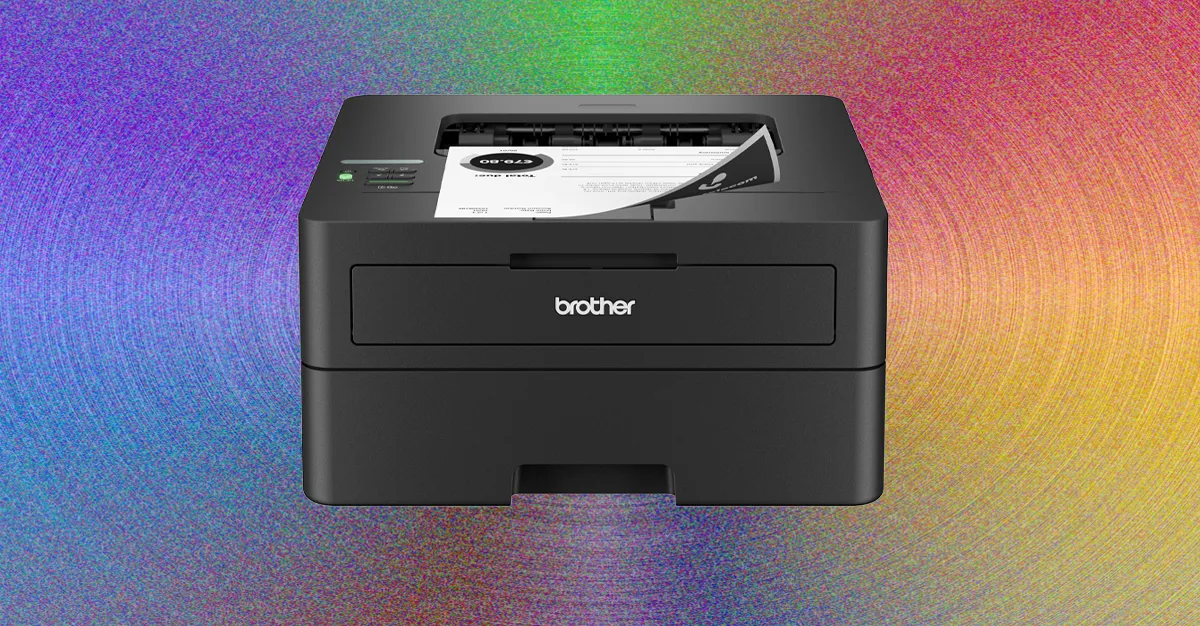

Top Home & Office Printers: Brother, HP & More for the Next-Gen User

Innovation in Printer Technology Sets Stage for Broader Industry Disruption

In a rapidly evolving landscape of digital optimization and hardware innovation, the printing industry is experiencing pivotal shifts driven by disruptive technologies that challenge traditional manufacturing and usage paradigms. At the forefront of this transformation are two dominant segments: laser printers and inkjet models, each with distinct advantages influencing market strategies and consumer choices. Notably, ink tank printers — with their revolutionary approach to ink delivery — are gaining traction, signaling an inflection point in the hardware supply chain and sustainability practices.

Many industry analysts, including those from Gartner and MIT’s Media Lab, point to this development as a case of technological innovation dismantling established market norms. Traditional laser printers, recognized for their speed and cost efficiency over high-volume use, are now facing stiff competition from ink tanks that offer significantly lower ongoing costs and reduce plastic waste. As Elon Musk often emphasizes, “Innovative disruption is about creating new value networks,” and the rise of refillable ink tanks perfectly exemplifies this principle. While laser printers initially require a higher capital investment, their low per-page cost and speed appeal to enterprise functions, but consumer markets are shifting towards more sustainable, cost-effective solutions.

Moreover, business implications extend beyond device innovation. The focus on sustainability — addressing environmental concerns about plastic waste — aligns with a new consumer expectation for eco-friendly, durable, and cost-conscious products. This shift compels device manufacturers to rethink manufacturing models, logistics, and service support. The growing proliferation of thermal printers for shipping labels and simple prints underscores this trend, targeting niche markets with specialized needs but limited print quality requirements. Such innovations signal a broad industry move towards integrated, smart, and environmentally-aware hardware, which will play a crucial role in defining market winners over the next decade.

Looking ahead, the convergence of hardware innovation with advancements in AI-driven print management and sustainable manufacturing will accelerate industry disruption. Tech giants and startups alike are primed to leverage these trends, pushing for more intelligent, versatile, and eco-conscious solutions. As market analysts warn of potential supply chain bottlenecks, especially for specialized components like toner and ink tanks, the urgency for companies to adapt to rapid technological change becomes evident. The productive integration of these innovations foreshadows a future where printing technology not only disrupts traditional office ecosystems but also influences broader industrial and ecological strategies.

In conclusion, the ongoing innovation cycle in printer hardware exemplifies the broader dynamics at play in today’s tech revolution. Disruptive technologies are transforming not only the products themselves but also the entire ecosystem of manufacturing, supply chain, and environmental sustainability. For youth-focused tech enthusiasts and forward-thinking businesses, this is a call to stay alert and ready to adapt to these seismic shifts—because tomorrow’s winners will be those who embrace innovation with urgency and vision.

How One App Developer Is Blending AI with Real User Flavor

Cutting-Edge AI Tools Reshape Creative Industries and Business Models

As artificial intelligence continues to redefine the technological landscape, innovative entrepreneurs and industry leaders are shifting gears from AI as a mere replacement of human effort to a powerful augmentation tool that enhances creativity, decision-making, and user engagement. In particular, startups like Sublime exemplify this evolution by leveraging AI-driven platforms to turn subjective taste and creativity into scalable, personalized experiences. By doing so, they are not only disrupting traditional models but also setting new standards for how AI can empower human ingenuity—an essential move in this fast-paced, innovation-driven era.

Experts like Gartner analysts emphasize that the true value of AI today lies in its ability to augment, rather than replace, human intelligence. For instance, Sari Azout, founder of Sublime, articulates this perspective clearly in recent discussions, describing how her platform uses AI to facilitate discovery and creativity without sacrificing the human element. AI models are embedded into every aspect—from curation and idea formation to personalized recommendations—making technology more accessible and intuitive for end-users. Her approach demonstrates a strategic shift that prioritizes ‘hybrid intelligence,’ where human and machine collaboration unlocks unprecedented creative potential. This model positions AI as a disruptive force that, if harnessed correctly, could change how businesses engage with their audiences and foster innovation.

Beyond creative sectors, AI-powered tools such as Podcast Magic highlight the rapid integration of sophisticated models into digital workflows. These tools exemplify the ‘AI all the way down’ trend, where deep learning and natural language processing engines enable automation of complex tasks, reducing costs and increasing output speed—another sign of disruptive change sweeping across industries. Business analysts predict that companies adopting these technologies will gain significant market advantages, particularly in content creation, personalized marketing, and data-driven insights. However, as Azout cautions, there remains a need for careful oversight and data governance to prevent risks associated with over-reliance or misuse of AI systems.

Looking forward, the industry faces a tipping point where innovation could either accelerate growth or introduce unforeseen challenges. As noted by MIT researchers and technology thought leaders like Elon Musk and Peter Thiel, the race to develop more powerful, ethical AI must be prioritized to ensure these tools serve humanity positively. The shift towards AI as a creative partner rather than a threat underscores an emerging paradigm—one driven by disruption, ingenuity, and strategic foresight. The next few years will undoubtedly define whether this AI revolution will empower a new generation of entrepreneurs and innovators or compel society to confront the ethical and security implications of increasingly autonomous systems. In this high-stakes environment, staying ahead of the curve and fostering responsible innovation becomes not just an option but an imperative for those who seek lasting impact.

Switch 2 and Ninja’s Creami: Top deals redefining the week for young tech fans

Tech Industry Transforms Amid Latest Consumer Electronics Deals

The recent surge in consumer electronics deals highlights a market in flux, driven by relentless innovation and disruptive forces. Nintendo’s Switch 2 console bundle has emerged as a standout, signaling ongoing consumer demand for next-gen gaming experiences. Priced at $449.99 during Cyber Monday sales—marked down from $499.99—the bundle includes Mario Kart World, a game valued at $79.99 but effectively offered free of charge. Major retailers like Amazon, Walmart, and Best Buy are eager to consolidate their dominance in the gaming hardware market, as gamers seek immersive experiences that only the latest consoles can deliver.

This move emphasizes the profound impact of strategic bundling in stimulating hardware sales, reinforcing the notion that manufacturers like Nintendo are doubling down on exclusive titles and bundled experiences to maintain a competitive edge amidst an industry increasingly driven by innovation. The fast pace of technological advancements means competitors such as Sony and Microsoft are also ramping up their efforts to capture market share through similar disruptive tactics. Gaming, a sector historically thought to be niche, is now central to the broader tech ecosystem geared toward youth demographics and digital natives. This aligns with insights from industry analysts like Gartner, which predict a rapid escalation in gaming hardware adoption as an integral part of the digital lifestyle.

Meanwhile, the broader consumer tech sector continues to be reshaped by AI-powered innovations. For example, Amazon’s Echo Frames—smart glasses equipped with voice assistants—are now available at a fraction of their original price. Retailers like Amazon offer these discreet, stylish devices for just $114.99, down from over $300. Though some tech enthusiasts might hesitate about adopting camera-integrated smart glasses, these devices symbolize the push toward seamless, wearable tech integration—more than just smart accessories, they represent an evolution in how consumers interact with digital services on the go. Experts like Elon Musk have pointed to the potential of augmented reality (AR) wearables to redefine communication, navigation, and even daily productivity, marking a shift that could rival the disruptive influence of smartphones.

  • Enhanced user engagement through multi-functional devices.
  • Potential for increased data collection, raising privacy concerns.
  • Disruption of traditional hardware segments, creating new revenue streams for big tech firms.

Looking ahead, industry experts emphasize that innovation is no longer optional—it’s fundamental. Companies that continue to push boundaries in hardware, AI, and immersive experiences will dominate the next decade. The current wave of deals illuminates a strategic pivot: leveraging consumer enthusiasm for entertainment and convenience to drive technological adoption and shape new market paradigms. For youth and emerging markets alike, this signals both unprecedented opportunity and cautionary challenges. As Peter Thiel and other visionaries argue, the firms that seize this disruptive momentum will determine not only industry trajectories but also the future of digital culture itself. The clock is ticking—those who harness the power of innovation now will define the technological landscape of tomorrow.

Apple’s chip boss could be the next to jump ship—what’s really happening?

Apple’s Leadership Flux Signals a Critical Juncture in Tech Innovation

The tech industry is witnessing a seismic shift as Apple, long considered a bastion of stability and innovation, navigates through a wave of executive departures that threaten to destabilize its strategic direction. According to Bloomberg‘s Mark Gurman, Johny Srouji, senior vice president of hardware technologies, is “seriously considering” leaving the firm. This potential exit highlights underlying industry pressures as Apple struggles to solidify its position in the rapidly evolving artificial intelligence (AI) landscape, a frontier where disruption is imminent and fierce.

In parallel, Apple’s leadership shakeup extends beyond Srouji. The company has recently undergone a series of high-profile departures—including COO Jeff Williams, AI chief John Giannandrea, policy lead Lisa Jackson, general counsel Kate Adams, and UI design leader Alan Dye—reflecting an internal climate of upheaval. This succession of executive changes suggests deeper challenges, especially as Apple attempts to reinvent itself amidst industry-wide AI revolution, where giants such as Google, Microsoft, and OpenAI are making aggressive moves to dominate the future of intelligent technology.

Disruption in Artificial Intelligence and Business Morphing

Apple’s inability to find its footing in next-generation AI solutions underscores its vulnerability in the face of relentless innovation. The company has struggled to match the AI acuity of rivals, notably evident in its Siri platform, which has lagged behind newer models leveraging large language models (LLMs) and real-time data processing. Recent reports suggest Apple’s AI team is undergoing significant restructuring, aiming to overhaul Siri and integrate more advanced features—efforts that could define the company’s future competitive edge.

This turbulent climate raises critical questions for investors and industry analysts alike. While Apple’s ecosystem remains lucrative, industry insiders warn that failure to innovate aggressively in AI could jeopardize its market dominance in consumer electronics and software ecosystem. Apple’s upcoming strategies, reported to include major upgrades to iOS 27, may serve as pivotal milestones in its attempt to reassert leadership or risk obsolescence amidst a disruptive AI arms race.

Strategic Implications and Industry Outlook

  • Innovation imperative: Apple must accelerate AI R&D to catch up or risk falling behind industry leaders.
  • Leadership stability: Executive departures can hinder strategic continuity, affecting product pipelines and technological breakthroughs.
  • Market impact: Disruption within Apple’s core operations could reshape competitive dynamics, forcing rivals to seize opportunities in AI-powered devices and services.

Above all, the unfolding scenario underscores a significant industry shift, where established tech giants are being compelled to rethink traditional business models in favor of AI-driven innovation. As Elon Musk and Peter Thiel have emphasized, disruption today is the norm, and agility is essential for survival. Apple’s current turbulence, while disconcerting, could catalyze a new phase of technological ingenuity if navigated wisely. Industry watchers must anticipate a period of intense competition and strategic recalibration, with who leads in AI and hardware integration determining the future global tech landscape. The clock is ticking, and the next few years promise to be pivotal in defining how innovation, disruption, and business resilience will merge within Silicon Valley’s ever-evolving arena.

IShowSpeed sued for alleged assault on viral humanoid Rizzbot—what’s really going on?

Rizzbot and IShowSpeed’s Viral Encounter Sparks Industry-Wide Shift in AI and Robotics

In a striking display of innovation and disruption within the AI and robotics sector, the recent clash between popular streamer IShowSpeed and the humanoid influencer robot Rizzbot has sent ripples through the tech industry. The incident, livestreamed and now subject to legal proceedings, underscores the volatile intersection of cutting-edge robotics and mainstream digital entertainment, illuminating critical challenges and opportunities for businesses leveraging AI-driven humanoids for social engagement.

This event highlights a broader trend towards disruptive AI-powered personalities that have been reshaping consumer interactions and digital marketing strategies. Rizzbot, developed by Social Robotics, has amassed over a million followers and hundreds of millions of views, symbolizing a new era where humanoid influencers command tremendous social influence with potentially game-changing implications. However, the fallout from this incident—marked by allegations of physical abuse and resulting substantive damage to Rizzbot’s hardware—raises pressing questions about responsibility, ethics, and safety in deploying humanoid AI in live, unscripted environments.

Tech Industry Impact and Business Disruption

The legal proceedings reveal the stark realities of integrating AI and robotics into mainstream content, especially when high-profile personalities like Speed engage with these entities. The lawsuit alleges extensive damage—including broken sensors and compromised functionality—causing significant financial and reputational losses for Rizzbot. This incident accentuates the pressing need for robust AI safety protocols and liability frameworks, especially as AI humanoids are primed to become more commonplace in entertainment, marketing, and even customer service.

  • Disruption of AI-Influencer Market: The incident questions the sustainability of AI humanoids as reliable brand ambassadors.
  • Operational Risks: Physical abuse, hardware damage, and legal liabilities threaten the economic viability of humanoid AI engagement models.
  • Ethical Considerations: The event spotlights concerns over AI ethics and responsible usage, prompting calls for tighter regulation.

Founded on innovations in machine learning, sensors, and real-time interaction, companies like Boston Dynamics and Hanson Robotics are racing to develop robots capable of nuanced social interactions. However, the incident with Rizzbot illustrates that without adequate control mechanisms and safety measures, existing technology remains vulnerable. Industry experts like Gartner analysts warn that, as AI power scales, so does the potential for misuse and high-profile failures that could stall market growth.

Looking Forward: The Urgency of Innovation and Regulation

This disruptive incident marks a pivotal moment in the evolution of AI-driven personas—highlighting both the explosive potential of humanoid robots and the urgency for regulatory frameworks. As Elon Musk and Peter Thiel have repeatedly emphasized, accelerating innovation must go hand in hand with ethical safeguards and safety protocols. The next frontier involves integrating AI safety measures, liability standards, and advanced sensors to prevent damaging incidents that could curtail industry momentum.

With major events like the upcoming TechCrunch Summit in San Francisco (October 13-15, 2026), the industry stands at a crossroads—either driving forward with rugged innovation or facing the adverse effects of lax oversight. The future of humanoid AI hinges on decisive action now, as the global race for technological dominance accelerates. The potential for disruption in social media, entertainment, and beyond will only expand, demanding that developers, investors, and regulators collaborate to shape a responsible AI-empowered future.

Score Big on Vimeo: Up to 40% Off with Promo Codes!

Vimeo Reinvents the Video Landscape: A Disruptive Force in Content Creation and Business Solutions

In an era where video content dominates the digital economy, Vimeo is positioning itself not just as a content hosting platform, but as a comprehensive ecosystem for creators, businesses, and enterprises. With competitive pricing, state-of-the-art features, and strategic product diversification, Vimeo is accelerating its transformation from a niche video tool to an indispensable player in the fast-evolving digital media landscape. This shift is driven by innovative offerings that challenge legacy providers like YouTube and new entrants focusing on AI-driven content, streaming, and enterprise solutions.

At the core of Vimeo’s disruptive trajectory is its tiered membership plans designed to appeal across the spectrum—from individual creators to large corporations. The Standard and Advanced tiers bring game-changing features such as 7 terabytes of storage, AI-generated chapters and summaries, live streaming, and collaborative tools—all crafted to enhance content productivity and engagement. Notably, the Vimeo Enterprise program embodies a strategic push into the enterprise market, offering cutting-edge solutions that integrate AI-driven workflows, compliance, and seamless distribution. Industry analysts from Gartner highlight that such vertical specialization signifies a broader trend—disruptors leveraging AI and cloud tech to reimagine content management at scale.

Market Impacts: Innovation and Business Transformation

This evolving strategy signals a fundamental industry shift—a move away from general content hosting to specialized, scalable platforms optimized for modern business needs. Vimeo’s emphasis on AI tools, live broadcasting, and enterprise integrations resonates strongly with emerging trends, including the adoption of automated editing, AI summarization, and real-time engagement analytics. Experts like MIT researchers warn that companies prioritizing these innovations are less vulnerable to obsolescence, as they cater directly to the corporate shift towards digital-first workflows. As a result, modern organizations now view video not merely as a marketing asset but as a strategic operational tool.

  • Innovation: Integration of AI for script generation, chapters, and analytics
  • Disruption: Challenging traditional content platforms through enterprise-grade solutions
  • Business implications: Enabling scalable, efficient media workflows for digital transformation initiatives

Strategic Opportunities and Future Outlook

By actively stacking promotional offers and expanding features—such as the recently introduced Vimeo on Demand for original content—the platform is clearly targeting niche markets overlooked by larger giants. The flexibility of cancellation policies and tiered pricing underscores Vimeo’s understanding that agility and tailored solutions are keys to capturing the burgeoning creator economy and enterprise sectors. As Elon Musk and Peter Thiel have emphasized, innovation that leverages AI and cloud technology is the real differentiator in a hyper-competitive landscape. Ignoring these signals risks obsolescence in an industry where rapid iteration defines success.

Looking forward, the implications for the broader market are profound. Companies that harness Vimeo’s integrated, AI-powered solutions will likely set new standards for video production, distribution, and monetization. The platform’s push into enterprise solutions signals a future where video content is seamlessly embedded in the core operational fabric of organizations. As digital ecosystems become increasingly interconnected, Vimeo’s strategic evolution could catalyze a new wave of disruption—transforming video from a peripheral tool into a central pillar of business and culture.

In today’s competitive digital economy, the urgency to innovate and disrupt is paramount. Vimeo’s trajectory exemplifies how a forward-thinking company can leverage technology advancements to redefine industry standards, creating a landscape where efficiency, engagement, and enterprise integration are not optional but essential. With each new feature and strategic move, Vimeo signals that the future belongs to those who dare to transform, innovate, and lead the digital revolution.

The Verge’s 2025 Gift List: 110 Must-Have Tech Picks for Young Sharers

Emerging Consumer Tech Trends Signal Broader Industry Disruption

In a landscape marked by rapid technological evolution, big tech companies are continuously redefining innovation, forcing startups and legacy players alike to adapt or face obsolescence. Recent holiday gift guides from The Verge underscore an overarching shift driven by cutting-edge gadgets—ranging from noise-canceling earbuds to retro-inspired Polaroid cameras. These products are not just consumer novelties but potent indicators of a larger trend: the convergence of hardware innovation with digital ecosystems aiming to disrupt traditional markets. The importance of these advancements extends well beyond holiday shopping, signaling fundamental transformations in consumer engagement, product development, and industry competitiveness.

At the core of this trend is the acceleration of disruptive innovation by companies like Apple and Amazon, leveraging AI, IoT, and enhanced connectivity to redefine user experiences. Analysts at Gartner note that wearable and portable devices are increasingly acting as gateways to integrated digital lifestyles, blurring the lines between hardware and software. The emergence of affordable yet sophisticated products such as portable power banks and compact gaming systems demonstrates a strategic shift: firms are prioritizing versatility, personalization, and on-the-go utility. This disruption is underscored by industry leaders’ recognition that future growth hinges on innovative hardware ecosystems capable of integrating seamlessly into consumers’ everyday lives.

From a business perspective, this wave of innovation presents both challenges and opportunities. Established giants who successfully innovate—like Google with its Nest ecosystem or Microsoft expanding its Xbox hardware—are poised to dominate future markets. Conversely, industry incumbents neglecting this wave of disruption risk being sidelined, as nimble startups leverage emerging technologies to carve out new niches. The implications extend deeply into R&D strategies, with institutions like MIT and industry analysts emphasizing that early investment in disruptive tech is essential for maintaining competitiveness. Companies that harness the relentless pace of innovation will control the next generation of consumer engagement, transforming the landscape of retail, entertainment, and communication.

Looking forward, the trajectory of connectivity, AI integration, and hardware innovation signals a future where technology becomes more personalized, intelligent, and indispensable in everyday life. Industry veterans and tech visionaries like Elon Musk and Peter Thiel continuously warn that the race for technological dominance is accelerating. The pressure to innovate is urgent, and those who succeed in developing disruptive ecosystems will shape the industries of tomorrow. For younger audiences and forward-thinking entrepreneurs, staying ahead demands not only understanding current trends but also anticipating the next wave of pioneering breakthroughs—because in this era of relentless disruption, the future belongs to those who act first.

New streaming channel puts city hall in the spotlight for Gen Z viewers

Emerging Tech Innovator Hamlet Catalyzes Transparency in Local Government

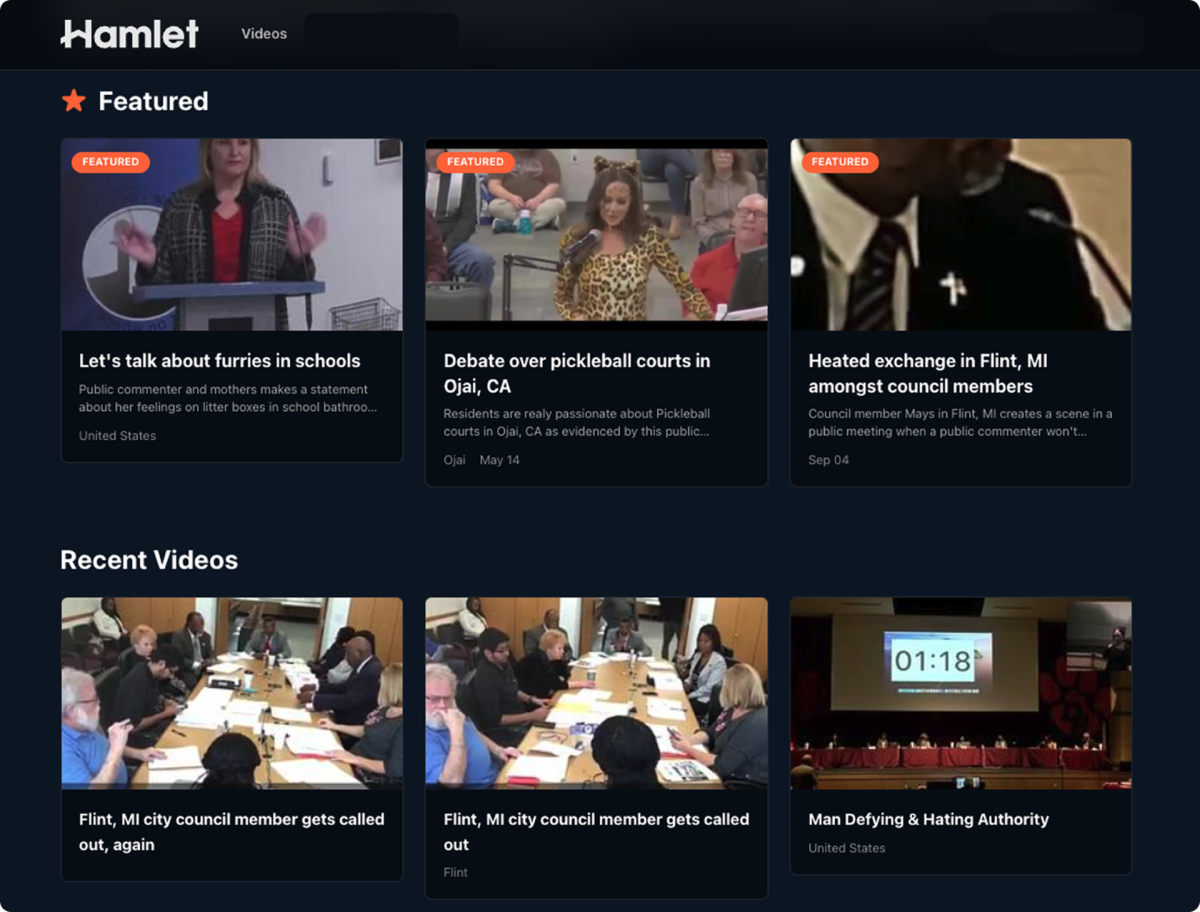
In a groundbreaking move that exemplifies the fusion of technology, civic engagement, and business disruption, Sunil Rajaraman has launched Hamlet TV, a streaming platform designed to democratize access to local government proceedings. Building upon the initial idea rooted in his personal experience of running for city council in a small California town, Rajaraman recognized a critical gap—the opacity and inaccessibility of municipal meetings. His company leverages advanced artificial intelligence (AI) to transform hours of city council videos into actionable intelligence, disrupting traditional legislative transparency and setting a new standard for civic accountability.

This innovative approach is not merely about convenience; it challenges entrenched industry norms. By processing and curating hours of recordings, Hamlet offers stakeholders—including local journalists, political actors, and private enterprise—the ability to search, analyze, and even receive alerts on relevant decisions or mentions. The platform’s features exemplify the potential for AI-driven data synthesis to revolutionize local governance transparency:

  • Real-time agenda tracking for target cities
  • Post-meeting summaries for efficient review
  • Searchable video archives to locate specific mentions or discussions

Industry analysts see Hamlet’s platform as a catalyst for market disruption—challenging the conventional meeting minute documents and increasing civic accountability through technology. Experts like Gartner emphasize that such innovations are pivotal in redefining how citizens and businesses interact with local governments, ultimately creating a more informed and engaged electorate.

Amplifying Civic Engagement Through Content and Community Building

Expanding beyond enterprise applications, Rajaraman’s strategy involves deploying Hamlet TV across various social media platforms, including TikTok, YouTube, Instagram, and AppleTV. This move underscores a broader trend of engaging younger audiences—those who are often disillusioned or disengaged from traditional civic processes. By showcasing highlight reels, humorous moments, and compelling stories from local meetings, Hamlet TV aims to make governance more accessible and relatable, a tactic that could redefine civic education and awareness.

Rajaraman stated that his team has processed thousands of hours of government meetings, curating moments that resonate with viewers—such as a city council meeting where a person dressed as a cockroach addressed pest issues. These instances reflect the platform’s potential to make civic proceedings compelling, an essential step in tackling what MIT researchers refer to as the ‘democracy deficit’. The focus on humor and human stories could significantly sway public perception, encouraging greater participation and oversight, vital as the social fabric of democracy faces mounting challenges.

Business Implications and Future Outlook

While Rajaraman admits that Hamlet may not become a dominant revenue generator, the broader business implications are unmistakable. By offering tools to local journalists and advocacy groups for free, his emphasis remains on creating a civic tech ecosystem that fosters transparency and accountability—traits critical in an era of increasing misinformation and political apathy. Moreover, plans to collaborate with entities in government affairs, advocacy organizations, and renewable energy sectors reflect an understanding that technology-driven transparency can translate into tangible policy and economic impacts.

Looking ahead, industry leaders like Elon Musk and Peter Thiel have long advocated for disruptive technologies that reimagine societal structures. Hamlet’s innovative approach aligns with this vision—disrupting the status quo and empowering citizens at the ground level. As AI and data analytics continue to evolve, the potential for such platforms to influence market behavior, regulatory policies, and democratic participation is immense. The key will be scaling these innovations quickly enough to keep pace with the fast-changing political landscape, making timely information the new currency of effective governance. The urgency to embrace such technological disruption has never been greater, setting the stage for a future where transparency and civic engagement are propelled by the relentless march of innovation.

Netflix secures victory in Warner Bros. bidding war—tech giants shake up the entertainment game

Netflix’s Strategic Push into Hollywood: A Paradigm Shift in Content and Business Models

In a move that could redefine the entertainment landscape, Netflix is reportedly considering acquiring Warner Bros. and its associated assets, including HBO Max. While the deal faces imminent regulatory hurdles, notably opposition from the Department of Justice, industry insiders suggest that if approved, this acquisition could trigger a seismic shift in how streaming giants operate within traditional Hollywood frameworks. Such an integration would place Netflix at the helm of one of the oldest and most influential film studios, fundamentally altering existing distribution, production, and theatrical paradigms.

From an innovation perspective, this move signals a disruption of the conventional content supply chain. Historically, Netflix has prioritized digital-first distribution, avoiding involvement in theatrical releases and traditional studio operations. The potential transition into studio management would allow Netflix to leverage its data-driven approach to content creation while integrating theatrical releases into its ecosystem. This strategic positioning could enable the company to compete directly with legacy studios by controlling more of the content lifecycle—from production to consumer. Such vertical integration aligns with industry trend forecasts from Gartner and MIT, which emphasize the importance of disruptive consolidation as a way to leverage big data and cutting-edge AI for content optimization and personalized marketing.

The implications for the broader industry are profound. A successful acquisition not only disrupts the traditional Hollywood power balance but could accelerate the consolidation of media assets across emerging digital platforms, forcing competitors to adapt or face obsolescence. Analysts like Peter Thiel have long argued that such disruptive business models fuel innovation by creating new avenues for revenue and consumer engagement. If Netflix can integrate large-scale theatrical content, it may gather a significant competitive advantage—offering consumers a seamless experience that combines the best of traditional cinema and digital streaming, accelerating the metamorphosis of the entertainment industry.

Business Implications and Future Outlook

The potential acquisition underscores how disruption in the tech and entertainment sectors is accelerating, with major players seeking to reinvent their roles within the evolving ecosystem. While regulator concerns and antitrust scrutiny are significant hurdles, industry insiders suggest that the strategic value of owning a legacy studio—combining creative control with data-driven insights—could outweigh regulatory obstacles in the long term. This move may also set a precedent for vertical integration, inspiring other tech giants, such as Apple and Amazon, to pursue acquisitions that further blur the lines between content creation and distribution.

Looking ahead, the industry faces an imperative to innovate rapidly in response to consumer demand for high-quality, multi-platform content. Executives, investors, and creators must recognize that disruption is now a strategic necessity. As Netflix potentially steps into a new role as a Hollywood studio powerhouse, the entire media landscape remains on the cusp of profound transformation—one that demands agility, strategic foresight, and an unwavering commitment to pushing the boundaries of entertainment technology. The future belongs to those who can harness the power of innovation amidst regulatory challenges, seizing opportunities to reshape cultural consumption in ways previously thought impossible.

Social Media Auto Publish Powered By : XYZScripts.com